Gangoji Temple
Its predecessor was Asukadera Temple, the oldest full-fledged Buddhist temple in Japan, which was opened in Asuka Village by Soga Umako at the end of the 6th century. Later, with the relocation of the capital to Heijo-kyo, it was moved within the Heijo-kyo Capital and its name was changed to Gangoji Temple. During the Nara period (710-794), the temple developed to the extent that it was counted as one of the seven major temples in the southern capital, but it gradually declined from the mid-Heian period (794-1185).
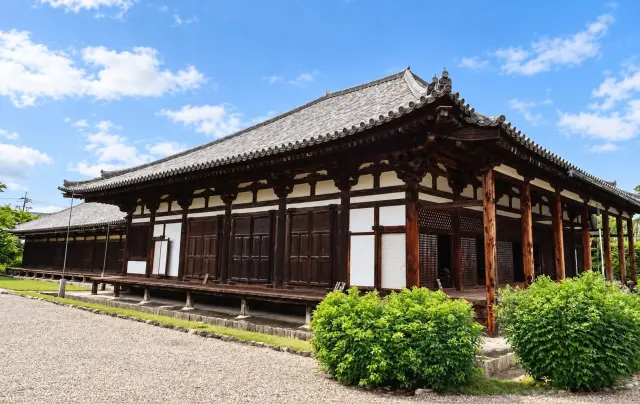
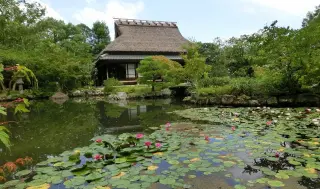
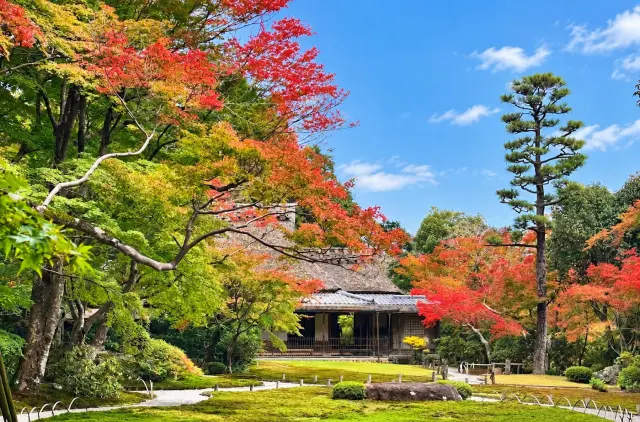
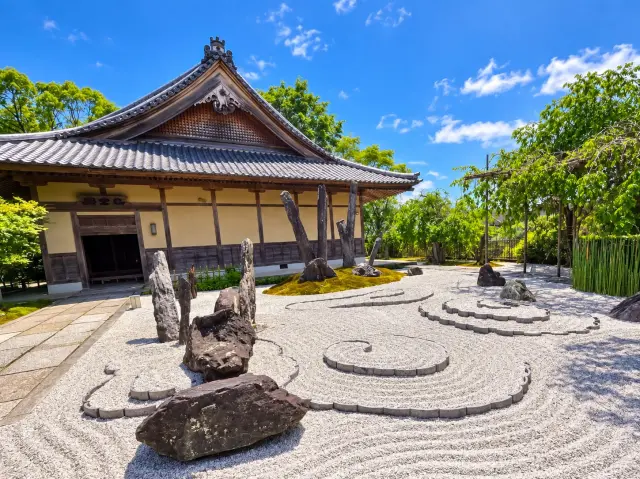
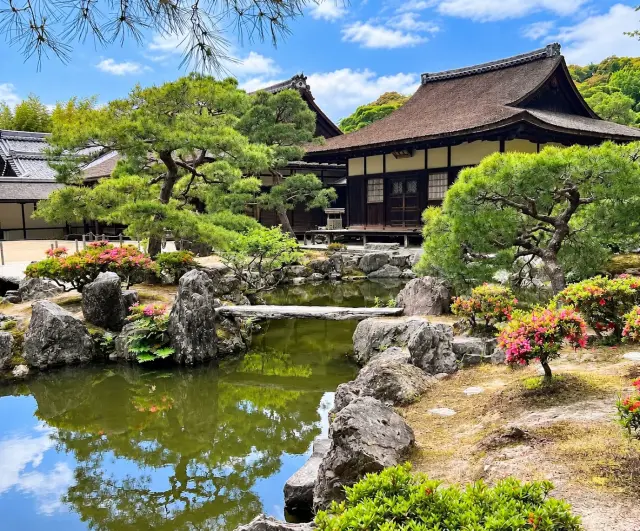
When visiting Nara, besides the familiar Todaiji Temple and Kofukuji Temple, Gangoji Temple is also well worth adding to your itinerary! With a history of about 1,300 years, Gangoji is one of Nara's important ancient temples and part of the UNESCO World Heritage Site “Historic Monuments of Ancient Nara.” Compared with the bustle and crowds at Todaiji Temple, this place feels especially understated and quiet. Once you enter the temple grounds, there's an added sense of tranquility and solemnity.
The temple preserves many precious historical artifacts and antiques that you can take your time appreciating while experiencing the traces left by this thousand-year-old temple. Unfortunately, photography is prohibited in some areas, so I could only keep the scenery and history before me in my memory.
If you come to Nara and don't want to visit only the popular attractions, I really recommend stopping by Gangoji Temple. Without the noisy crowds, you can quietly experience Nara's thousand years of history and culture.