If you come to Kyoto’s Kamogawa River, you have to try the super popular “turtle hopping” experience!
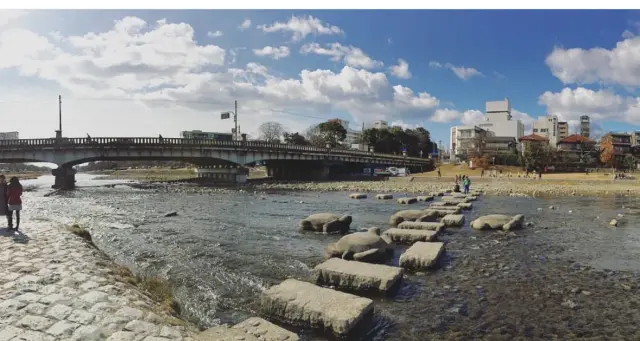
Near the Kamogawa Delta, just a few minutes from Demachiyanagi Station, the stream is crystal clear. Huge stones are lined up neatly across the river. Besides the regular square stepping stones, the cutest ones are carved in the shapes of turtles and plovers.
Spreading your arms out and hopping step by step across the big turtle stones, with the cool river breeze in your face and the sound of flowing water below, is seriously so much fun and a great way to cool off. Lots of locals sit along the riverbank to relax, picnic, and watch people hop across the river. Whether you’re an adult or a kid, the moment you step onto these adorable turtle stones, your mood instantly gets better. It’s one of the most relaxing and local-feeling little experiences you can have in Kyoto!
Kamogawa (Kyoto) | Review by Gina C
Other Reviews by Gina C
-
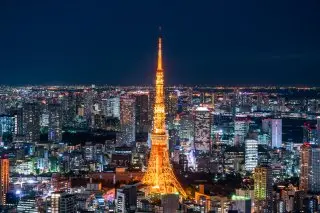
Tokyo Tower
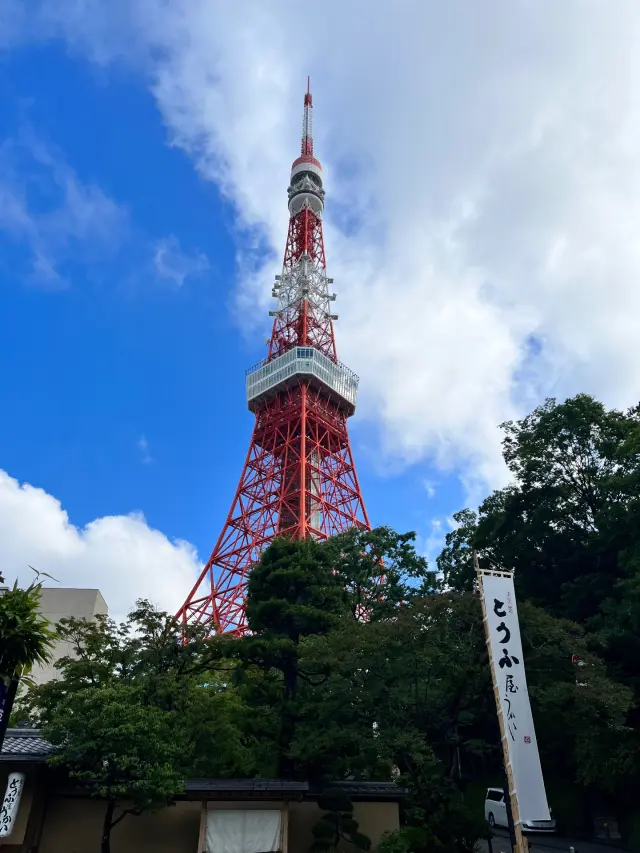
Tokyo Tower was born in 1958. When it was built, Tokyo Tower proudly stood out as the tallest steel tower in the world. At a height of 33 meters, it was taller than the Eiffel Tower in Paris. It is located in Minato Ward in the center of Tokyo. Take in sweeping views of the city from the observation deck. Currently under renovation, it is always changing.
Tokyo Tower looks spectacular and striking during the day, but once it lights up at night, it takes on a completely different and captivating atmosphere. The lights shining on the tower, together with the surrounding cityscape at night, create a truly romantic feeling! Whether you admire it from a distance or walk right up to the base for close-up photos, you can experience its unique charm. It’s also a place well worth taking memorable photos when visiting Tokyo.
-
-
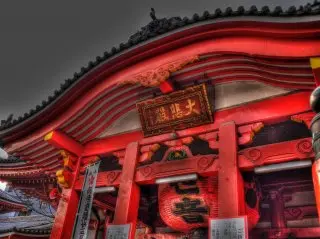
Osu Kannon Temple
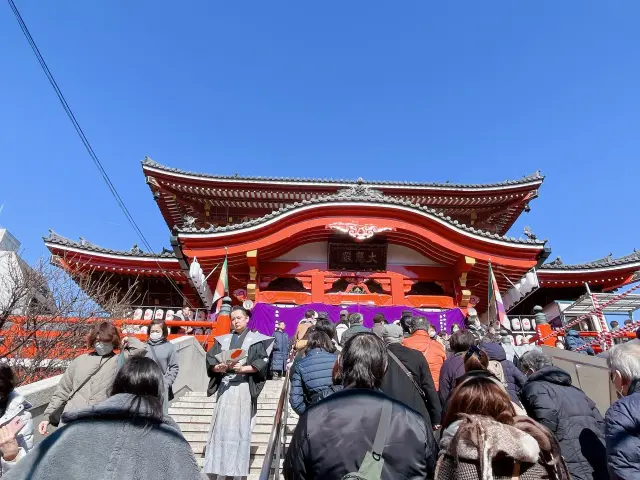
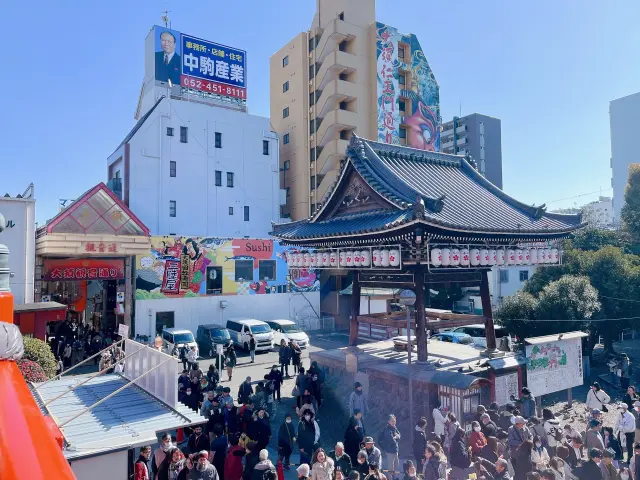
This temple is the branch headquarters of Shingon Sect, Chisan School, officially called “Kitanosan Shinpukuji Hoshoin Temple ”. It started in Hashima City, Gifu and moved to the current location by General Tokugawa Iyeyasu’s order. It is regarded as one of Japan’s Three Kannon Temples along with Asakusa Kannon in Tokyo and Tsu Kannon in Mie.
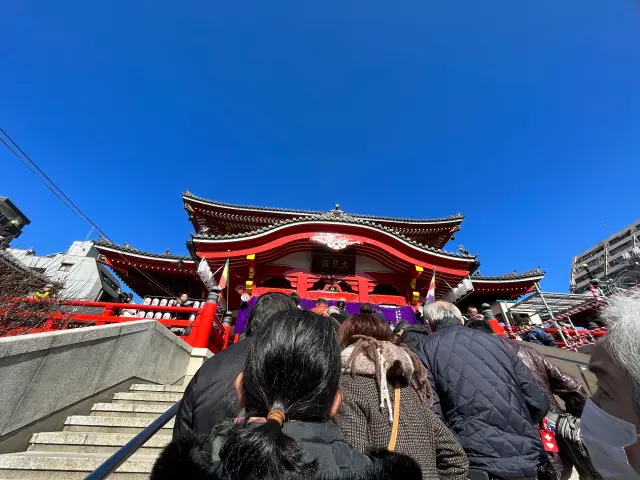
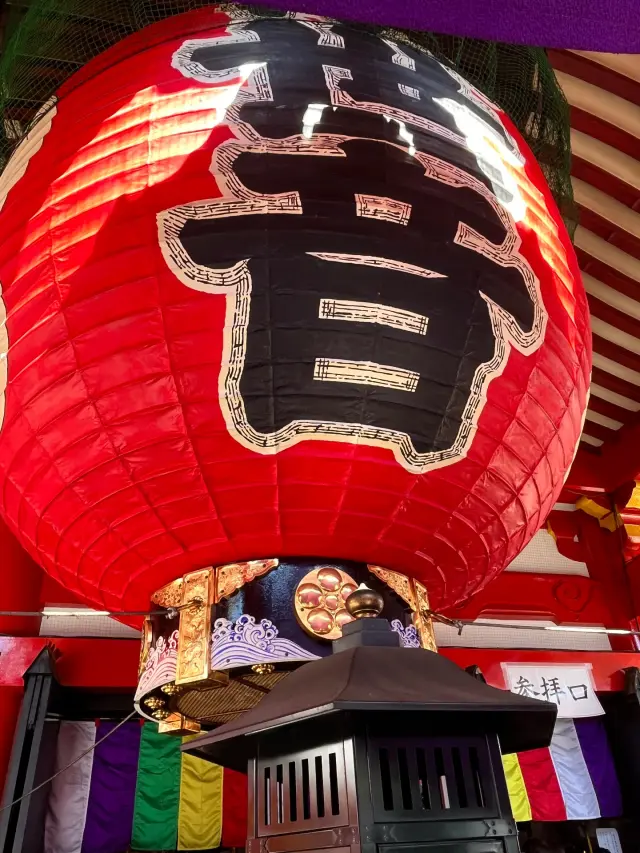
When traveling in Nagoya, if you're planning to visit Osu Shopping Street, you can also stop by the nearby Osu Kannon Temple! Osu Kannon is a well-known temple in Nagoya. Its official name is Kitanosan Shinpukuji Hoshoin Temple. It has a long history and is also an important local center of worship. The temple's most striking feature is its red exterior, which, together with the solemn atmosphere, makes you want to stop and admire it as soon as you approach.
-
-
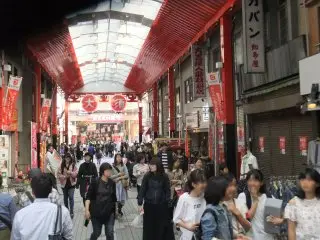
Osu Shopping Street
Nagoya‘s biggest arcade is surrounded by Wakamiya, Fushimi, Osu and Minami-Otsu Streets. Almost 1,200 stores and facilities in all kinds of genres are clustered - restaurants, second-hand, general, and appliance stores, etc. are creating a unique atmosphere.
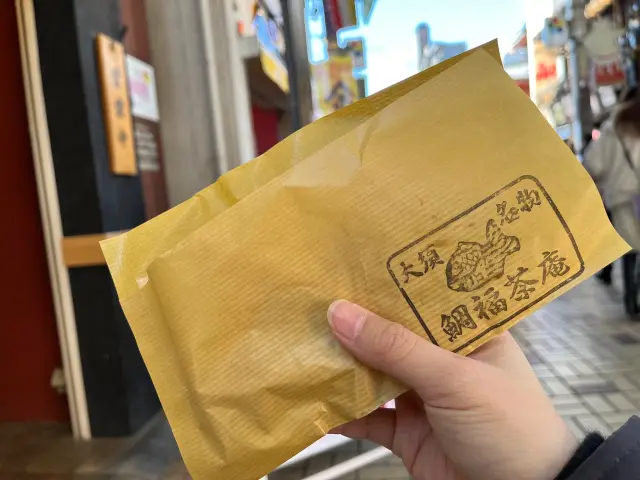
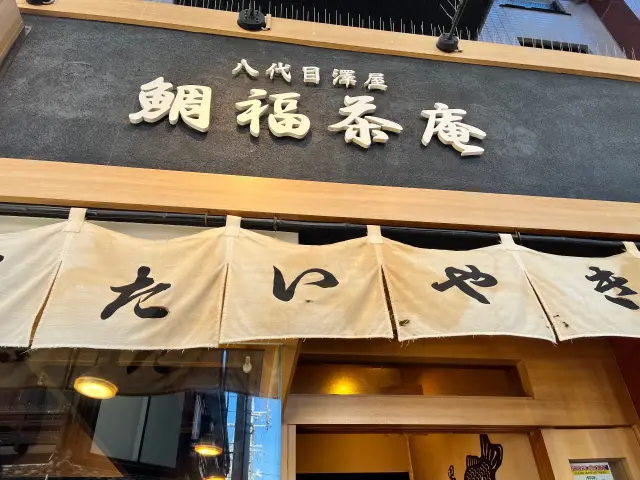
Besides shopping and trying all kinds of food at Osu Shopping Street in Nagoya, you definitely shouldn't miss Japan's classic street snacks! This time, I bought taiyaki at the shopping street. It's shaped like a cute sea bream and looks appetizing. Walking through the bustling shopping street and looking for tasty food along the way is one of the great pleasures of traveling in Japan.
-