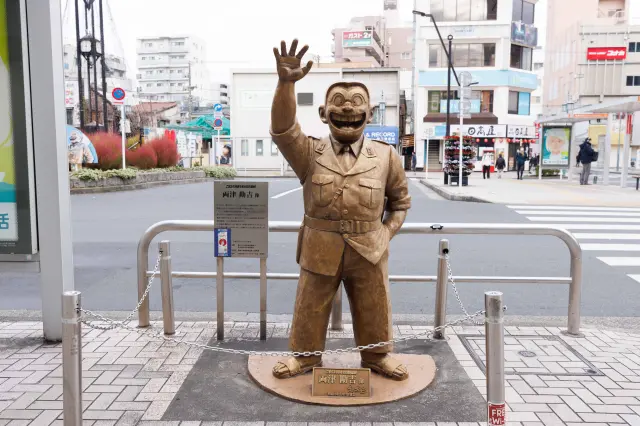
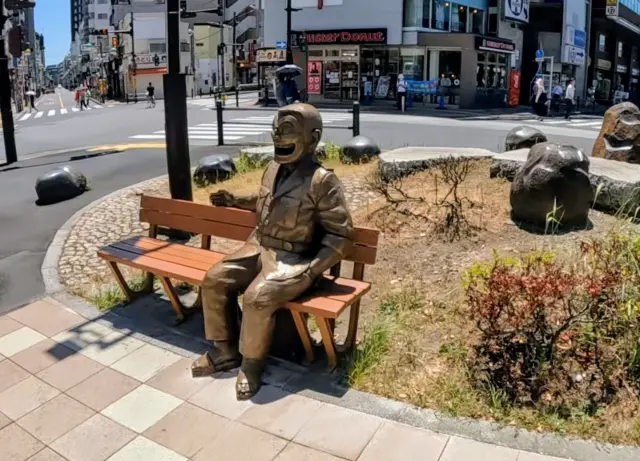
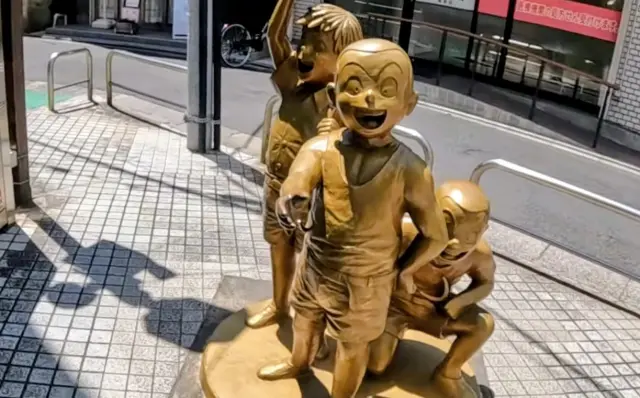
Coming to Kameari feels just like stepping into the world of KochiKame! As soon as I got off the train, I started looking for Kankichi Ryotsu, and ended up taking photos with bronze statues the whole way. I couldn’t stop.
The most eye-catching ones were the colorful trio at the south exit and Ryotsu flashing a peace sign in the park. So funny and charming. Even the manhole covers along the way have hidden character surprises, so walking around felt like a treasure hunt. Before I knew it, I had explored all of Kameari.
Even if you’re not a manga fan, this town full of childhood memories will totally win you over. It’s really worth making the trip!
“KochiKame” Statues & Manhole Covers in Kameari | Review by 楊雅雯
Other Reviews by 楊雅雯
-
Ueno Tosho-gu
A shrine dedicated to the first shogun of the Edo shogunate (1603-1867), Tokugawa Ieyasu.
While walking around Ueno Park, I unexpectedly came across a shrine with “understated luxury” — Ueno Tosho-gu.
I originally thought it was just a small spot inside the park, but once I walked in, I realized it was something special! The golden hall was shining brightly, and the exterior walls were covered with beautiful carvings. It was hard to believe the building has been around for hundreds of years. No wonder it has been carefully preserved in Japan and designated an Important Cultural Property.
The Karamon Gate and the neatly lined bronze lanterns on both sides were also real highlights. Every angle looked great in photos, and even casual snapshots had a strong Edo-period vibe.
Interestingly, there is also an “Eiyo Gongen Shrine” here, which is said to bring good luck for exams, work, and winning competitions. Many Japanese people come specifically to pray for good fortune. -
-
Tokyo Metropolitan Art Museum
Sat in Ueno forest, the distinctive red-brick tile construction of this striking museum has served as a hall for the fine arts since it first opened in 1926.
Besides the pandas and museums, Ueno Park is also home to a building with a lot of character: the Tokyo Metropolitan Art Museum.
Its brick-red exterior really stands out among the green trees, and up close it almost feels like stepping through time. Opened in 1926, it has been part of Tokyo for nearly a century. The exhibitions inside are more than just famous paintings—they feel like grand celebrations of art.
Whenever I come to Ueno and get tired from walking around, I like to stop in, enjoy the air conditioning, and check out the exhibits. Sometimes I come across a piece I love and end up staying for quite a while. Compared with the crowds at more popular spots, this place feels quiet and elegant. -
-
Edo-Tokyo Museum
A museum offering a comprehensive look at the history and culture of Tokyo from the Edo period to the present day. Since opening in 1993, it has been a popular place to learn about Tokyo’s journey, and after major renovations, it reopened in March 2026. Highlights include a full-scale recreation of Nihonbashi Bridge and scale models of townscapes, offering a vivid look at the lives and culture of the people of the time.
I thought I’d just be looking at exhibits, but I ended up spending hours here! The Edo-Tokyo Museum brings the story of Tokyo, from the Edo period to the modern day, to life with models, recreated scenes, and artifacts. It really feels immersive.
Standing on the recreated Nihonbashi Bridge felt like traveling back hundreds of years. Anyone who loves Japanese culture or history will really enjoy it. Even if you’re not usually into museums, it’s easy to keep exploring and completely lose track of time. -