Yanagawa: The Boatman’s Song
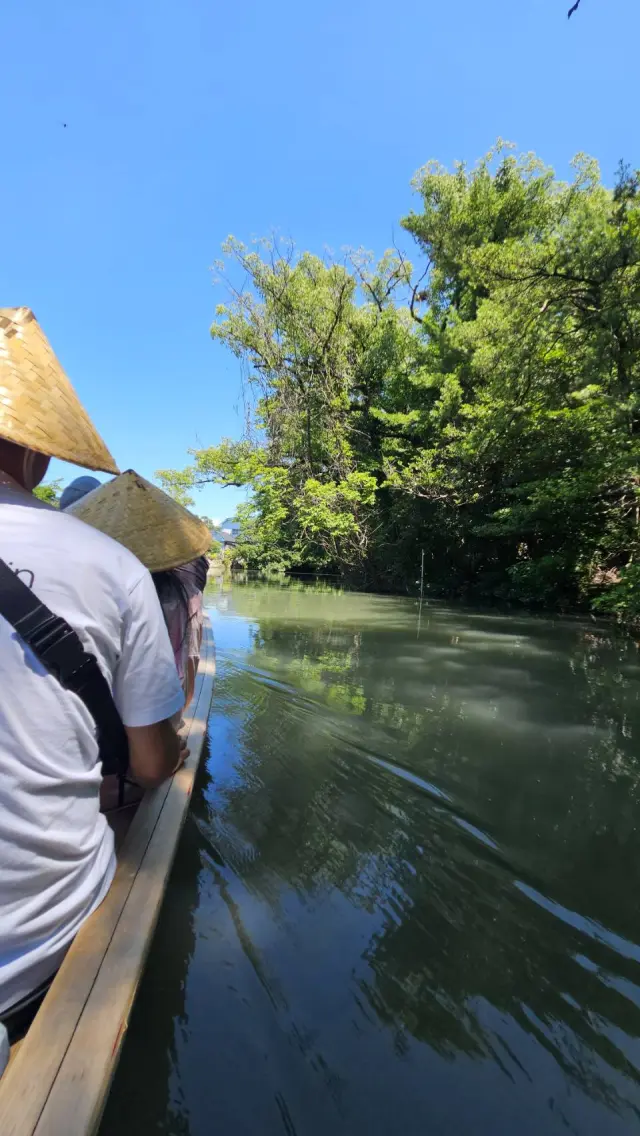
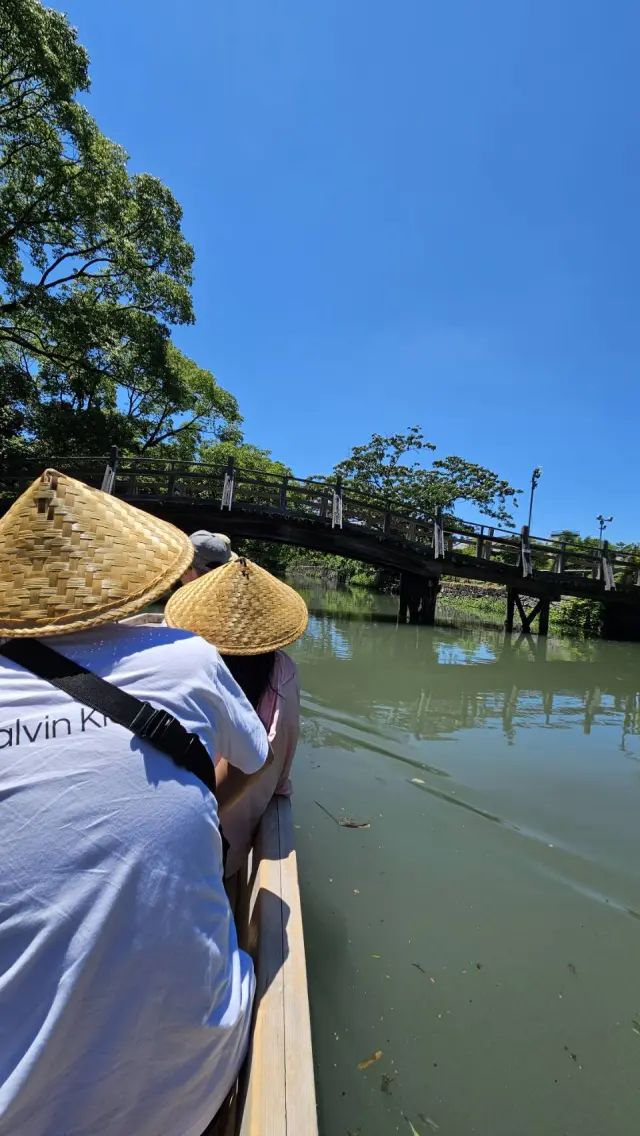
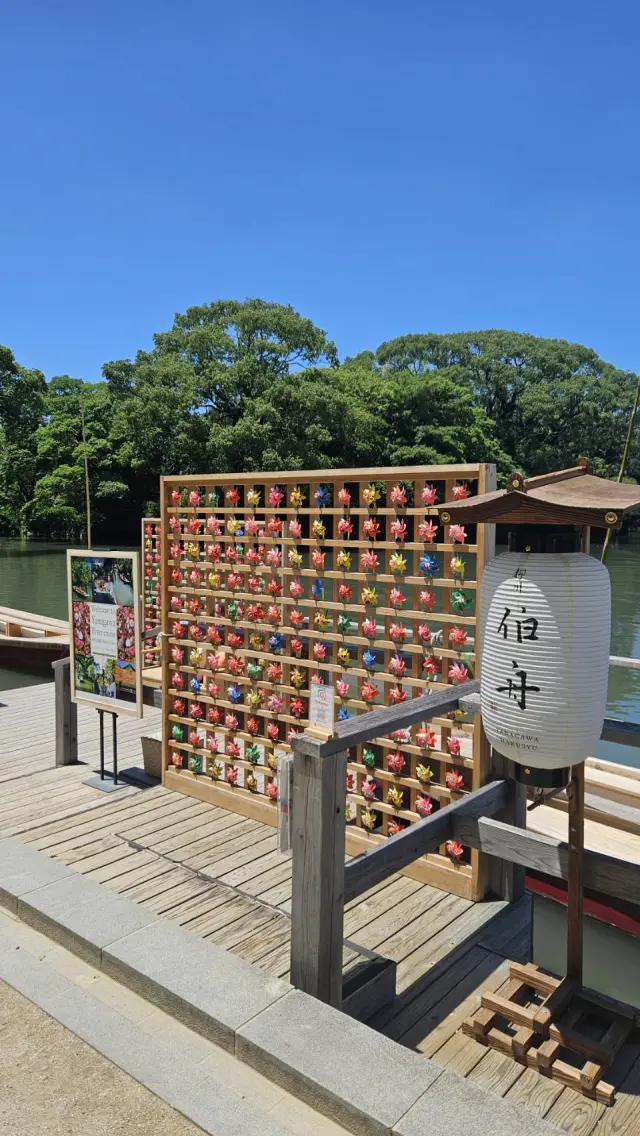
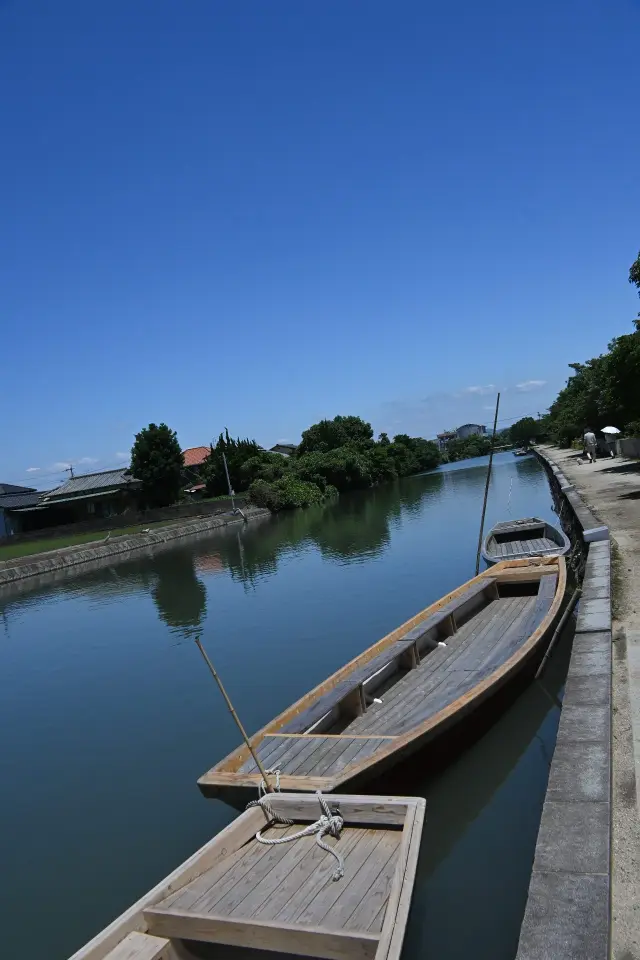
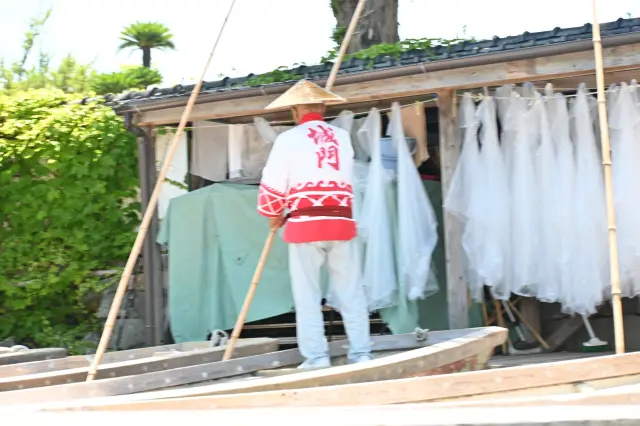
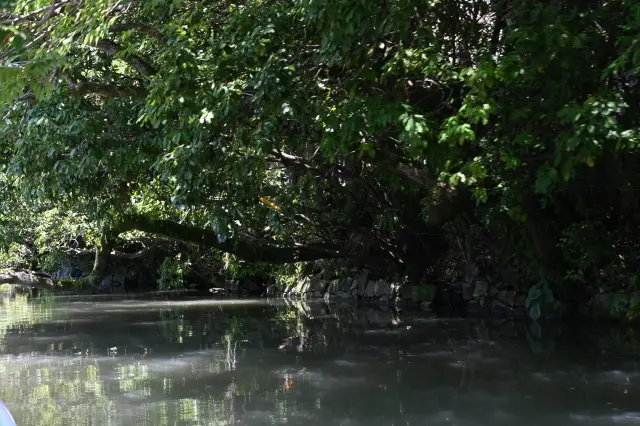
After enjoying authentic grilled eel rice and shrimp tempura in Yanagawa, Fukuoka, we boarded a flat-bottomed boat for the famous river cruise. Using only a bamboo pole, the boatman skillfully navigated the old waterways and stone bridges, showing remarkable expertise. The intense summer heat quietly faded amid the shade along the banks, the breeze over the water, and the tranquil scenery.
Most memorable was the boatman’s warm, resonant voice. He sang everything from “Nada Soso” and classic Teresa Teng songs to tunes from “My Neighbor Totoro” and “Doraemon.” As our boat drifted along, his singing filled the journey with joy and emotion. Yanagawa’s beauty lies not only in its picturesque waterways, but also in how the boatman transformed an ordinary cruise into a treasured travel memory with his songs and smile. It became one of the most unforgettable moments of our trip to Kyushu.
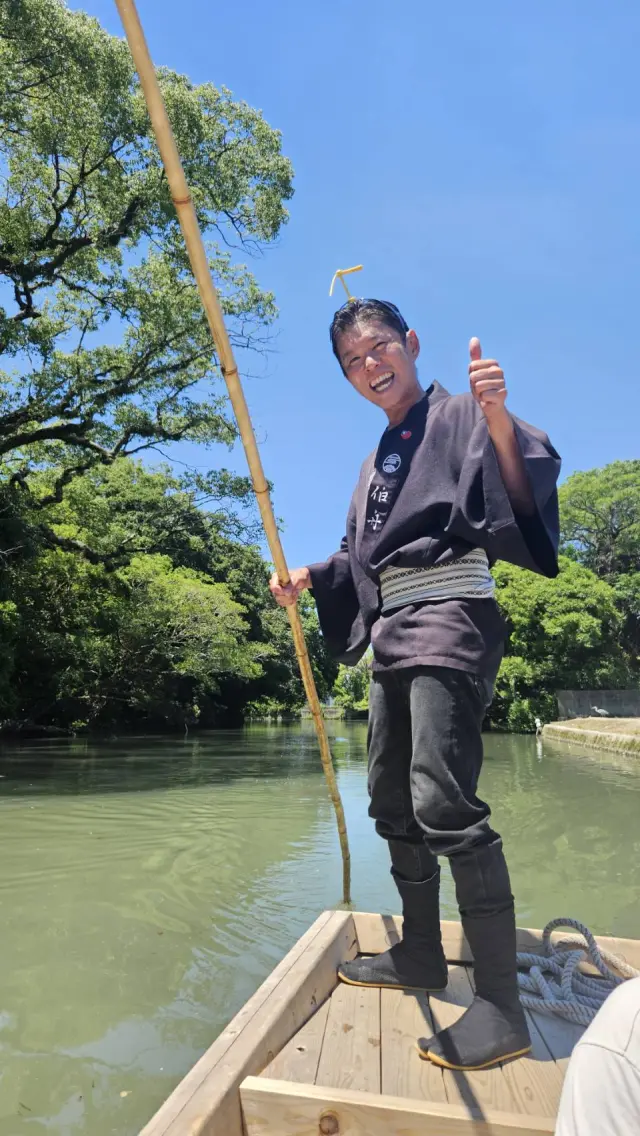
Yanagawa River Boating | Review by 陳泰任
Other Reviews by 陳泰任
-
Asakusa Nakamise Shopping Street (Main Approach to Asakusa Temple)
Located on the approach to Asakusa Temple, this shopping street consists of food and souvenir shops lining the approximately 250m stone-paved path from Asakusa Temple's main gate, the Kaminarimon Gate, to the "Treasure House Gate". Known as "Nakamise", about 90 stores are built across the approach, bustling daily with visitors to Asakusa Temple and tourists from both Japan and abroad.
Nakamise Shopping Street: The Atmosphere of a Century-Old Tokyo Street
After passing through the majestic gate of Sensoji Temple, you are greeted by Nakamise Shopping Street, filled with the atmosphere of old Edo. One of Tokyo's most iconic historic streets, it has about 90 shops lining both sides of the approach. From traditional ningyo-yaki and wagashi to Japanese fans, handicrafts, and souvenirs, every shop has a distinctly Japanese feel.
Walking through the bustling street, the traditional lanterns and colorful signs on both sides, together with the old-fashioned storefronts, make it feel as if you've stepped into the Edo period. Looking at the dazzling array of souvenirs in the display windows, I couldn't resist picking out a few sweets bearing the "Asakusa" name, as well as several fans decorated with kimono-clad women, Mount Fuji, and traditional patterns.
This is more than just a shopping street; it's like a time tunnel preserving Tokyo's memories. The crowds come from all over the world, while the long-established shops continue to preserve their familiar flavors and craftsmanship. The solemnity of Sensoji Temple and the liveliness of Nakamise come together along this one street to create a travel scene that feels distinctly Tokyo. -
-
Sensoji Temple
This iconic destination in Asakusa sees as many as 30 million visitors each year. It stands as a well-loved mainstay in Tokyo, all while hosting a number of annual traditions like the first temple visit at New Years, Setsubun and more across the year.
Memories of Asakusa Beneath Kaminarimon
A trip to Tokyo wouldn't be complete without visiting Sensoji Temple. This ancient temple, one of Tokyo's most iconic, attracts tens of millions of worshippers each year and has long been an important landmark where travelers can experience Tokyo's traditional culture. Before entering Sensoji Temple, the first thing that catches your eye is the imposing Kaminarimon Gate. A huge red lantern hangs in the center of the gate dedicated to the gods of wind and thunder, and the gold characters for “Kaminarimon” on a black background are especially striking. It has also become one of the most classic photo spots of the trip.
Passing through Kaminarimon and walking along Nakamise toward the inner temple grounds, the Hozomon Gate and five-story pagoda gradually come into view. The vermilion beams and pillars, intricate bracket work, and layered gray-tiled eaves look solemn and magnificent against the blue sky. Looking back from in front of the temple, amid the bustling crowds and curling incense smoke, the modern vibrancy of Tokyo and the history of the ancient temple come together in this moment. -
-
Kato Shrine at Kumamoto Castle
This shrine enshrines Kato Kiyomasa (1562-1611) as its principal deity. He was active as a Sengoku warlord and, in the Edo period (1603-1868), ruled Higo Province as the first lord of the Kumamoto Domain, earning the affectionate nickname “Seishoko-san” among the people. It stands in the Honmaru (the castle’s main bailey) of Kumamoto Castle, one of Japan’s Three Great Castles, which Kiyomasa built.
Kumamoto · Kumamoto Castle (Ginkgo Castle)
The journey began in Kumamoto and also came to an end there. Standing in front of Kumamoto Castle, looking at the black-and-white keep, the massive stone walls, and the traces of history still being restored, I truly understood that even the strongest fortress is no match for the power of nature. Kato Kiyomasa built this famous castle, which remained standing through wars and fires but was severely damaged in the 2016 Kumamoto Earthquake. Today, it is being rebuilt step by step using historical construction methods so that its cultural legacy can continue.
On this journey, I saw not only a magnificent old castle, but also the Japanese people's respect for cultural heritage and their indomitable spirit in the face of disaster. History is not just words in a book, but stories that truly remain in every roof tile, every stone, and every wooden structure. A person's life will eventually become a page in history, and the value of travel lies in broadening one's horizons and gaining knowledge with every stop, making life richer by visiting more places and witnessing more stories. -