Nakamise Shopping Street: The Atmosphere of a Century-Old Tokyo Street
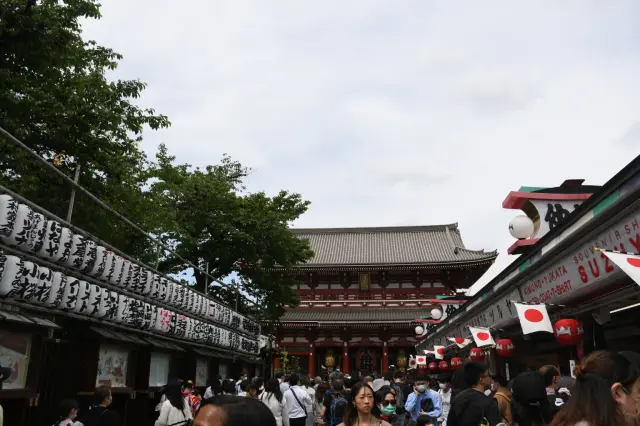
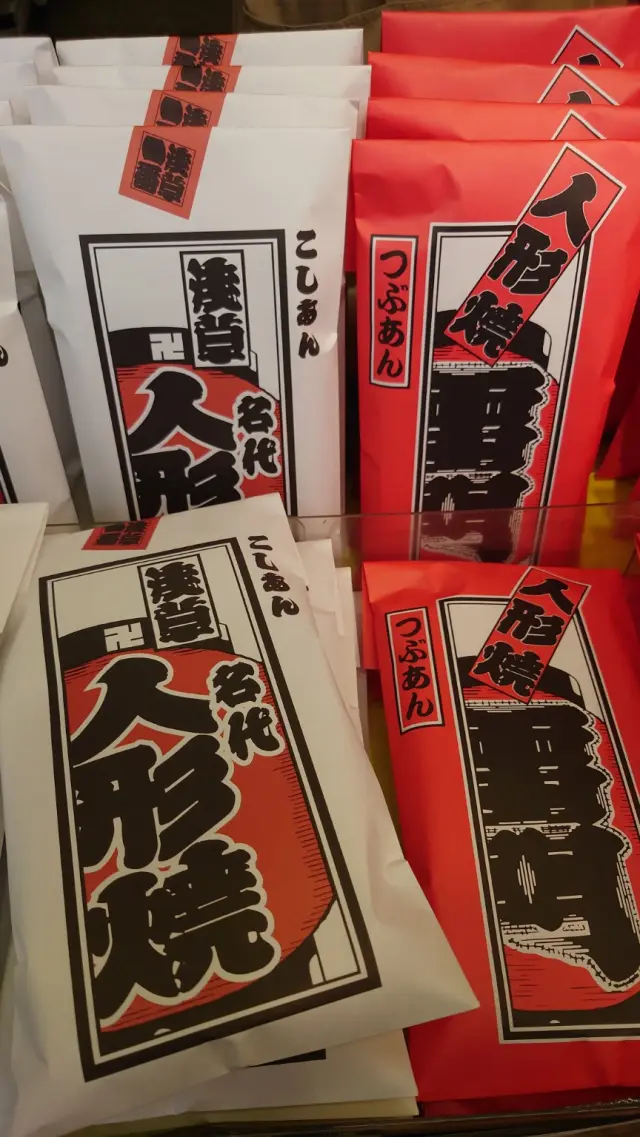
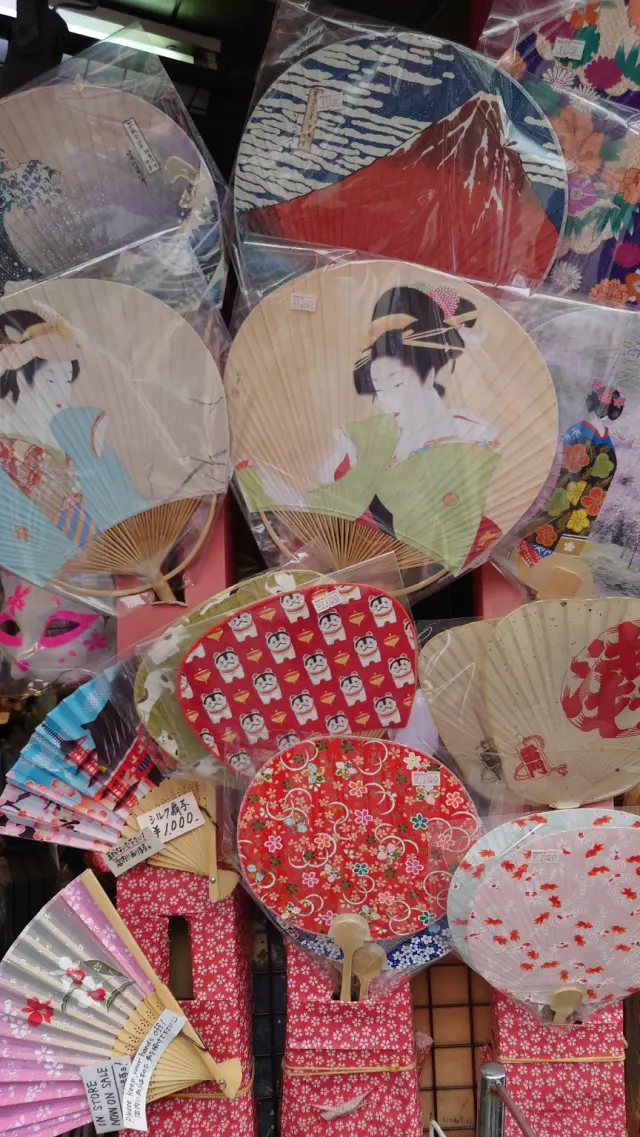
After passing through the majestic gate of Sensoji Temple, you are greeted by Nakamise Shopping Street, filled with the atmosphere of old Edo. One of Tokyo's most iconic historic streets, it has about 90 shops lining both sides of the approach. From traditional ningyo-yaki and wagashi to Japanese fans, handicrafts, and souvenirs, every shop has a distinctly Japanese feel.
Walking through the bustling street, the traditional lanterns and colorful signs on both sides, together with the old-fashioned storefronts, make it feel as if you've stepped into the Edo period. Looking at the dazzling array of souvenirs in the display windows, I couldn't resist picking out a few sweets bearing the "Asakusa" name, as well as several fans decorated with kimono-clad women, Mount Fuji, and traditional patterns.
This is more than just a shopping street; it's like a time tunnel preserving Tokyo's memories. The crowds come from all over the world, while the long-established shops continue to preserve their familiar flavors and craftsmanship. The solemnity of Sensoji Temple and the liveliness of Nakamise come together along this one street to create a travel scene that feels distinctly Tokyo.
Asakusa Nakamise Shopping Street (Main Approach to Asakusa Temple) | Review by 陳泰任
Other Reviews by 陳泰任
-
Otaru Sakaimachi Dori Shopping Street
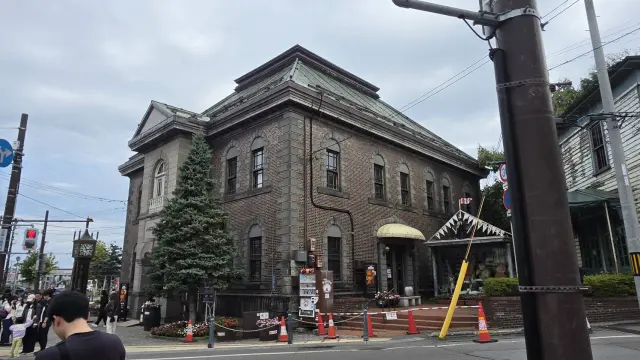
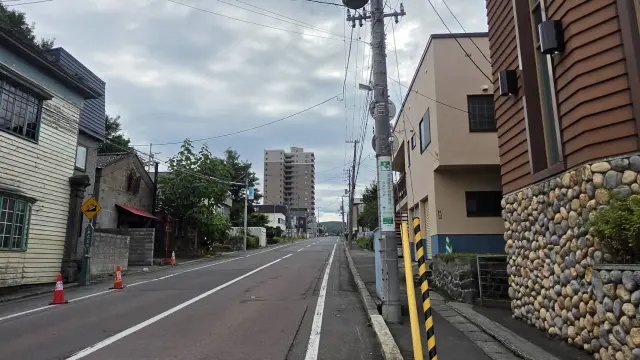
Located just one street away from the main thoroughfare facing the Otaru Canal, Sakaimachi-dori flourished during the Meiji and early Showa periods, becoming Otaru's main street.
Otaru Canal | Travel Notes
Stepping into Otaru, Hokkaido, feels like entering a nostalgic cityscape painting. Strolling along the Otaru Canal, the old stone warehouses, gas lamps, and street scenery give off a unique northern charm. Along the way, I admired the well-preserved historic buildings around the canal and got a sense of Otaru’s former prosperity as a port city.During the trip, I also visited neighborhoods with a foreign flair, admiring distinctive clock towers, churches, and red-brick buildings. Every casual snapshot captured scenery worth keeping. I stopped at a cozy cafe along the way to have coffee and chat with family and friends, adding a touch of leisure and warmth to the trip.
Otaru’s beauty lies not only in the canal itself, but also in the unique charm created by its old buildings, streets, people, and Hokkaido’s fresh air. This trip to Otaru left me with more than just photos—it also gave me wonderful memories worth savoring.
-
-

Lake Toya
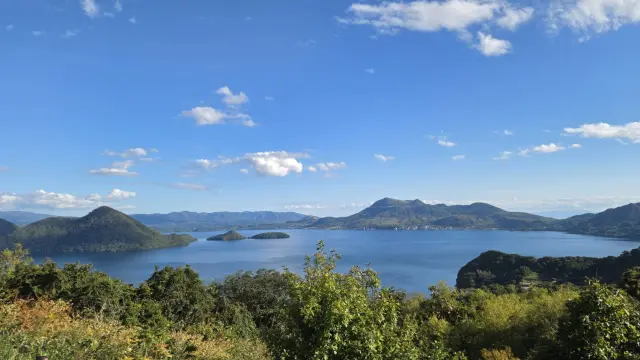
There is no better attraction than the natural landscape of Lake Toya in Hokkaido. The area around a caldera lake, Lake Toya , and an active volcano, Mt.Usu, was designated as the Toya- Usu Unesco Global Geopark in UNESCO Global Geopark.
A Trip to Lake Toya | Time in Hokkaido Among the Lake and Mountains
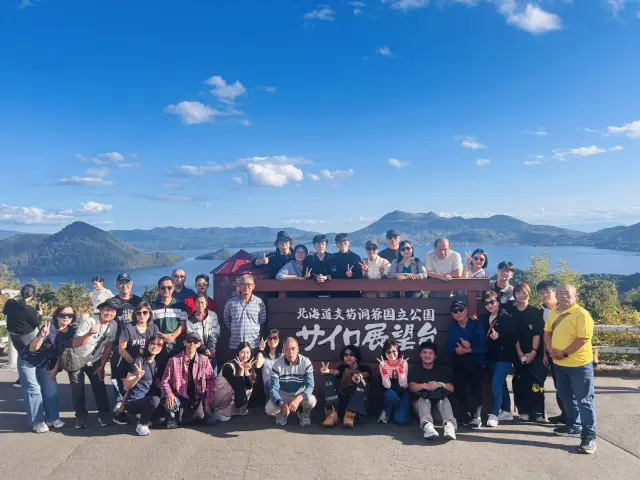
Arriving at Lake Toya in Hokkaido, I was greeted by a refreshing view of the lake and mountains. The deep blue water sparkled in the sunlight, while Mount Yotei and the distant mountains were reflected on the lake beneath the blue sky and white clouds, like a landscape painted by nature.Strolling along the lakeshore, colorful flowers bloomed by the water, and a gentle breeze brought a rare sense of leisure and tranquility. Looking out over the vast lake from the Lake Toya Observatory and taking precious photos with family and friends added even more wonderful memories to this Hokkaido trip.
Lake Toya is more than just beautiful scenery. It offers time to slow down, connect with nature, and enjoy the moment. This deep blue lake and magnificent mountain scenery will also become one of the most treasured pages of the journey.
-
-
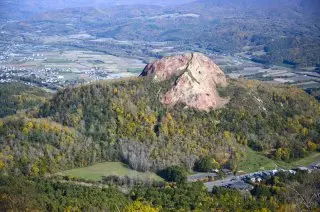
Mt. Showa-Shinzan
Showa Shinzan, in Shikotsu-Toya National Park, was once a wheat field that was uplifted by Mount Usu's volcanic eruption in 1943. Showa Shinzan is a volcano that has received worldwide attention for its status as a national special natural monument, one of Japan's top 100 geological sites, a Japanese Geopark, and a UNESCO World Geopark, among other things.
Japan Showa-Shinzan Bear Park | Hokkaido Travel Notes
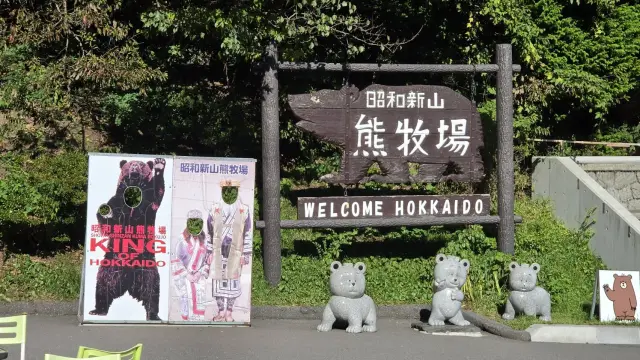
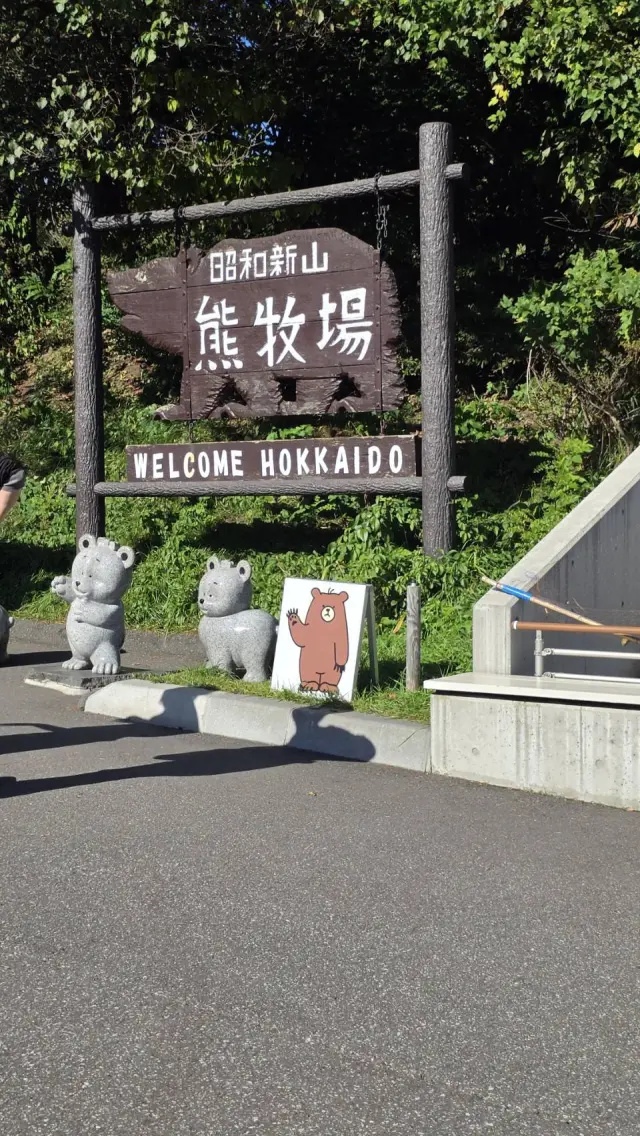
When I arrived at Showa-Shinzan Bear Park in Hokkaido, before I even entered the park, I was drawn to the eye-catching wooden “WELCOME HOKKAIDO” sign at the entrance. The cute bear statues and large brown bear sign immediately created a strong Hokkaido travel atmosphere.
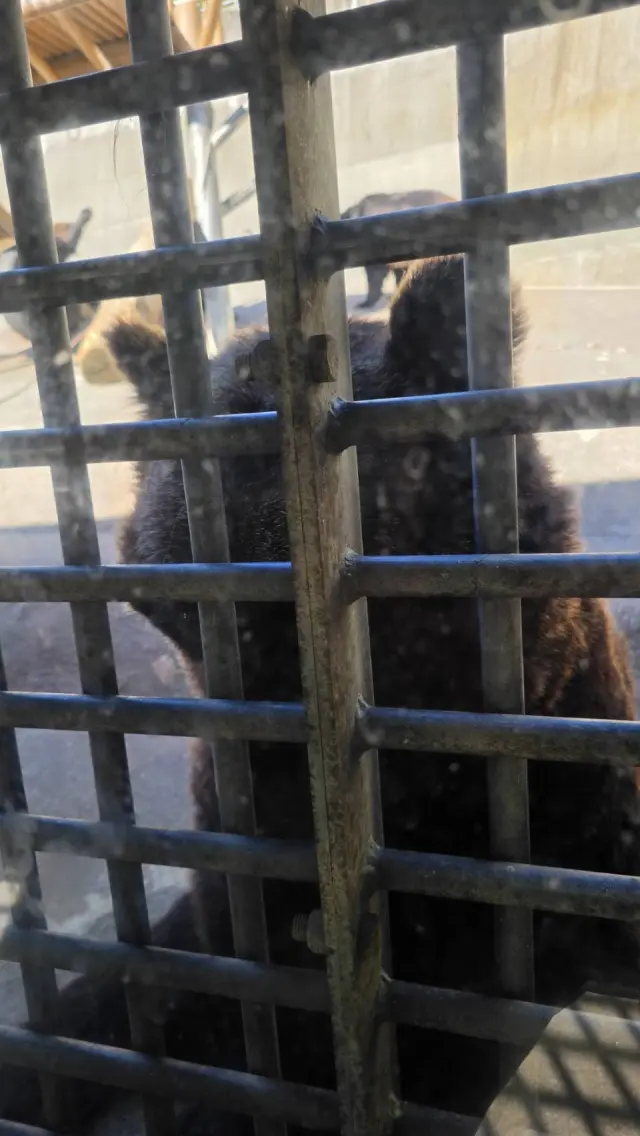
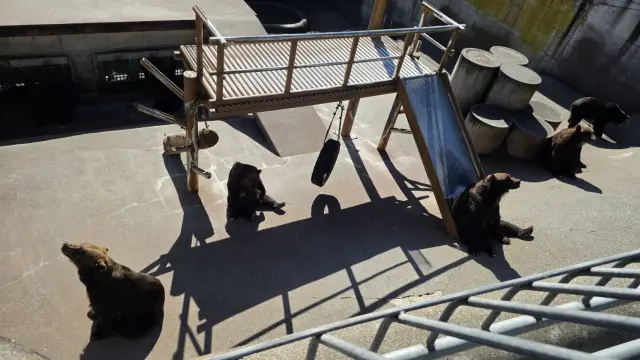
What I looked forward to most, of course, was seeing Hokkaido brown bears up close. Through the secure fences and feeding windows, I could clearly see the bears leisurely moving around and waiting for food. A few even came right up to the fence and curiously interacted with visitors. When they looked up at us, the feeling of both excitement and nervousness made me keep reaching for my camera to capture the moment.
Sunlight poured over the park, and the bears against Hokkaido’s natural scenery created an interesting travel scene. This visit to Showa-Shinzan Bear Park wasn’t just about seeing bears; it also became a Hokkaido memory filled with surprises, laughter, and childlike fun. -