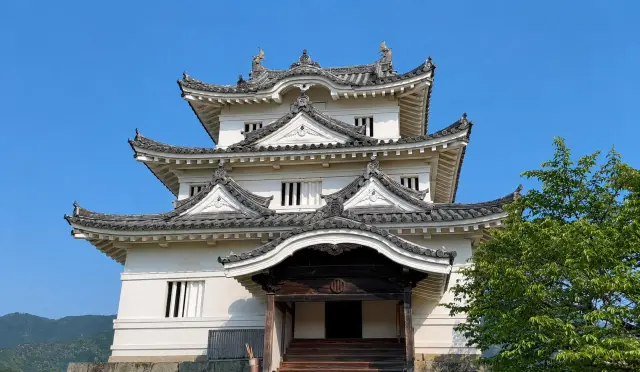
Uwajima Castle is one of Japan's 12 surviving original castle towers and No. 83 on the list of Japan's Top 100 Castles! Although the small keep doesn't have much information on display, its old wooden structure is its most precious treasure. Walking on the floorboards and hearing them creak feels like sharing the same moment in time with people from long ago. The view from the top floor of the keep is also captivating! Even more surprising, admission is only JPY 200. There aren't many tourists or much of a commercial atmosphere, and it's as peaceful as a neighborhood park. Besides the keep, the stone walls are another major highlight. Anyone who enjoys exploring castles or studying stone walls should definitely take their time! I spent about 2 hours there and unexpectedly got so much out of it〜
Uwajima Castle | Review by wendy
Other Reviews by wendy
-
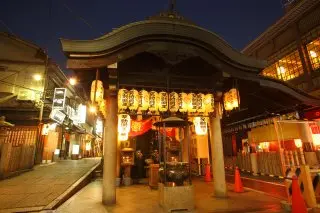
Hozenji Yokocho
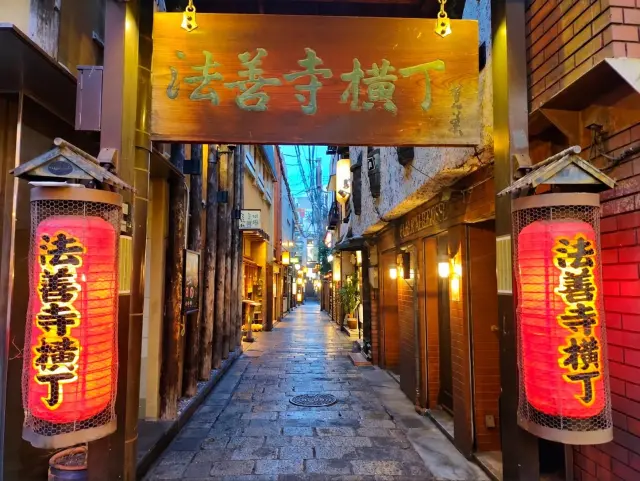
“Hozenji Yokocho” is two stone-paved alleys in the grounds of Tenryuzan Hozenji Temple of the Jodo sect of Buddhism, and has been one of Japan’s most popular tourist attractions since the Meiji period (1868-1912).
Tucked away in Osaka’s bustling Namba district, Hozenji Yokocho is a retro alley that feels instantly removed from the noise outside. It has winding stone-paved paths, nostalgic Japanese-style shops, and red lanterns glowing on both sides, creating a distinctly Japanese atmosphere.
The alley is home to the famous Mizukake Fudo Myoo statue. Many people come to splash water on it and pray for good fortune. Over the years, the statue has become covered in lush green moss, creating a very unique sight.
I personally recommend visiting at night! After dark, the lanterns and shop lights illuminate the entire alley. Together with the old-fashioned stone pavement, they create an especially charming atmosphere. It’s a great place to take a leisurely walk, snap some photos, and experience a different side of Osaka away from its busy shopping districts.
The area mainly has restaurants, izakayas, and distinctive little shops. The attraction itself is small, so you don’t need to set aside much time. You can easily combine it with a visit to Dotonbori and Ebisubashisuji Shopping Street.
-
-
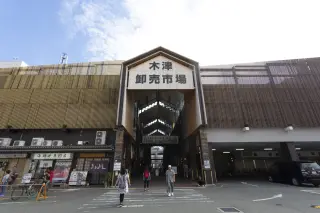
Osaka Kizu Wholesale Market
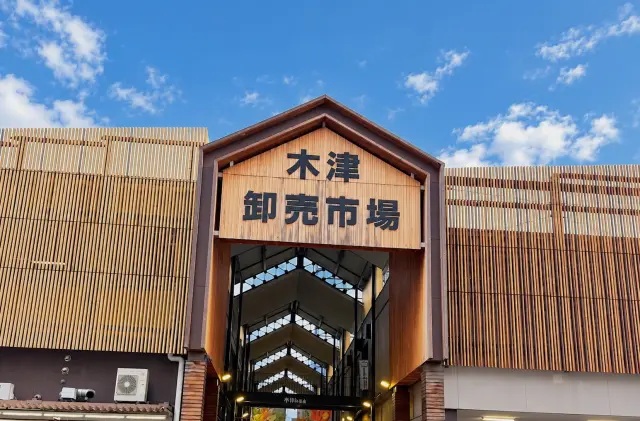
One of the largest privately-operated regional wholesale markets in Japan, Osaka Kizu Wholesale Market draws droves of professional chefs seeking top-quality ingredients. With a history spanning nearly 300 years, the market originated in the Edo period as a “nodachi-uri” (open-air trade market) where people brought their goods to sell.
When visiting Osaka, besides Kuromon Market, there’s another traditional market worth exploring: Osaka Kizu Wholesale Market! Known as “Osaka’s Kitchen,” this historic market plays an important role in supporting the food culture of Osaka, the “city of kuidaore.” It sells all kinds of fresh ingredients, from seafood and meat to fruits and vegetables. The wide selection and local atmosphere offer a glimpse into everyday life.
It isn’t as lively as a tourist market, but it has more of the authentic feel of a local wholesale market. If you want to experience a different side of Osaka’s food culture, consider planning a visit to Kizu Market.
-
-
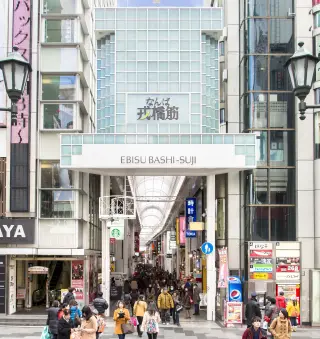
Ebisubashi-suji Shopping Street
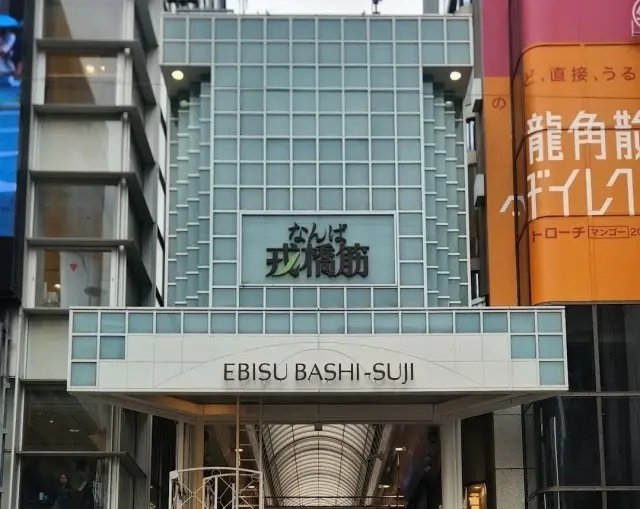
A covered shopping street extending about 370 meters north to south through the heart of Namba, Osaka Minami's leading entertainment district. The street runs from the Takashimaya Osaka Store to Ebisubashi Bridge and is lined with a wide range of businesses, from specialty stores offering fashion, cosmetics, food, and souvenirs to department stores. Visitors can shop and stroll while experiencing Osaka's lively atmosphere.
If you're visiting Namba in Osaka, you definitely shouldn't miss Ebisubashi-suji Shopping Street! Located between Namba and Shinsaibashi, this shopping street is about 350 meters long and connects Dotonbori with Shinsaibashi. It's one of Osaka's most iconic shopping streets. There's a constant flow of people, and the whole area is filled with Osaka's lively, energetic atmosphere.
Both sides of the street are lined with all kinds of stores, including drugstores, clothing shops, sports brands, sweets, souvenirs, and various foods and snacks. Whether you want to browse, shop, or eat, you can do it all in one place!
There are not only major chain stores, but also quite a few charming little shops. It's a great place for the whole family to explore, and people of all ages can find something they like. Personally, I think the best part is that you can walk all the way from Dotonbori through Ebisubashi-suji and then continue on to Shinsaibashi-suji Shopping Street. You can eat, drink, and browse the stores along the way, and before you know it, half the day is gone!
-