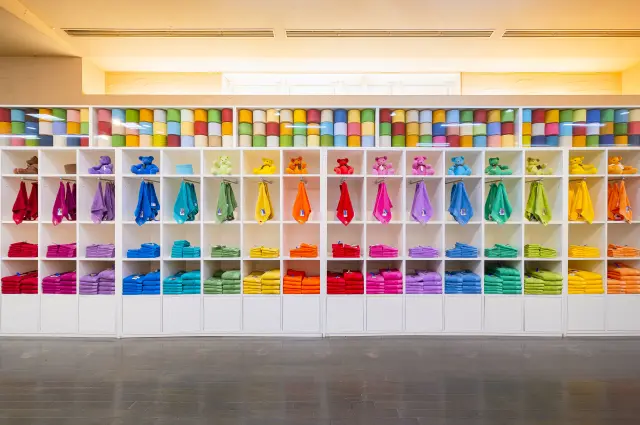
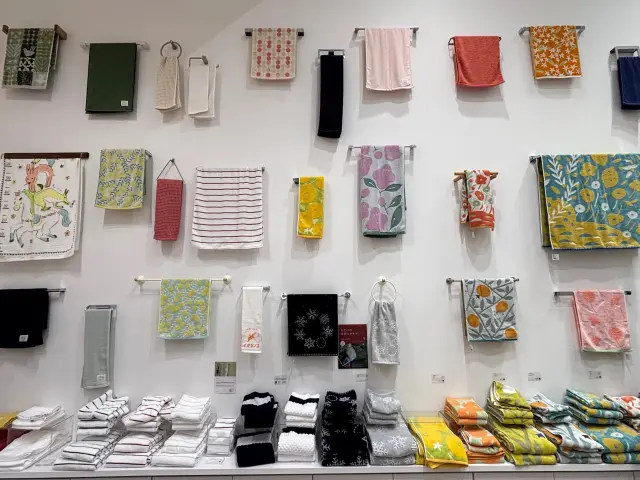
Imabari is a well-known towel-producing region in Japan, and the quality is excellent. Besides learning about towel production and culture, there are shops selling all kinds of Imabari towels, as well as restaurants and cafés, making it a good place to spend half a day. There’s a huge variety of products to choose from, ranging from practical towels and household items to cute character collaboration merchandise〜
Towel Museum | Review by Linda Liao
Other Reviews by Linda Liao
-
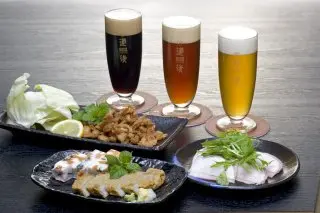
Dogo Beer Hall
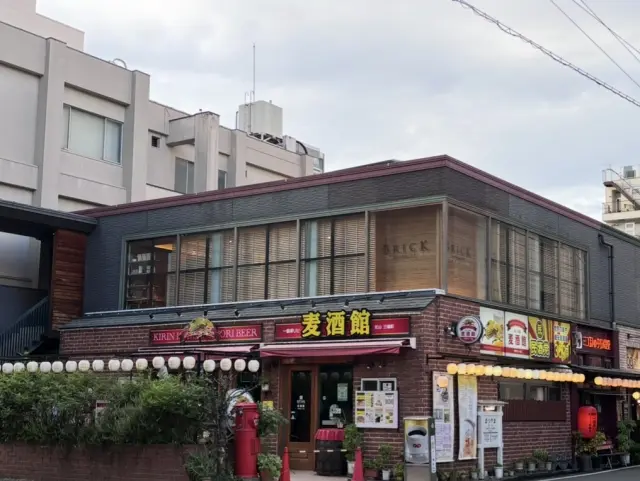
Located across from the Dogo Onsen Honkan, Dogo Beer Hall is a brewery-owned establishment that is popular for offering a refreshing drink after soaking in the ancient waters of Dogo Onsen.
泡完道後溫泉後,最幸福的事莫過於找間氣氛悠閒的酒館,享受美食與微醺時光! 道後麥酒館提供四款各具特色的道後啤酒,從風味到口感都有不同魅力,可以依照喜好挑選。再點上幾道下酒小菜,香酥多汁的炸雞、清爽滑嫩的冷豆腐,以及口感特別的炸魚漿片,每一樣都讓人越吃越涮嘴!一邊品嚐在地啤酒,一邊享受輕鬆愜意的用餐氛圍,為溫泉之旅增添一點微醺樂趣。
-
-
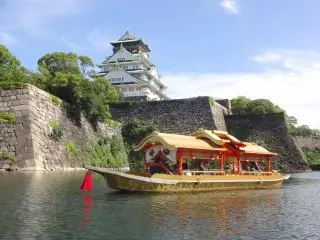
Osaka-Jo Gozabune
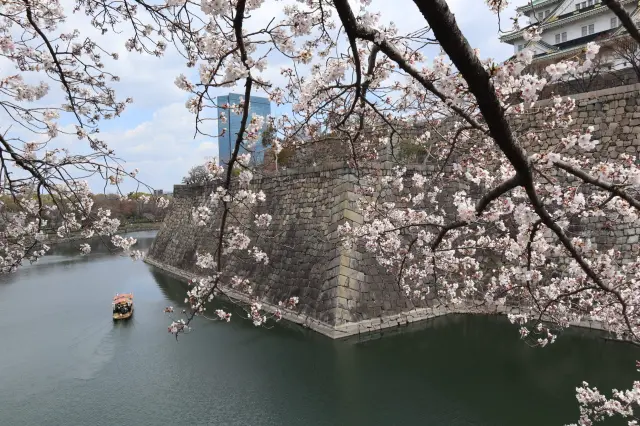
Osaka Castle was built by Toyotomi Hideyoshi, a feudal lord of the 16th century. The castle is characterized by its splendid fortifications befitting a base for unifying the country and is now surrounded by a park centering on the restored castle tower.
When visiting Osaka Castle, I highly recommend taking the Osaka-jo Gozabune boat to admire the magnificent castle from a different perspective! The approximately 20-minute ride glides slowly along the moat, offering close-up views of the towering stone walls and castle keep. It feels like entering the flow of history and brings to mind the ambitions of Toyotomi Hideyoshi during the Sengoku period. In 1583, he ordered the construction of Osaka Castle as an important base for displaying his power. After the fall of the Toyotomi clan, it endured war and reconstruction, witnessing the rise and fall of the times. A visit during cherry blossom season is especially beautiful, when the soft pink flowers contrast with the stately castle, adding a touch of romance and poetry and immersing you in an atmosphere where history and scenery intertwine.
-
-
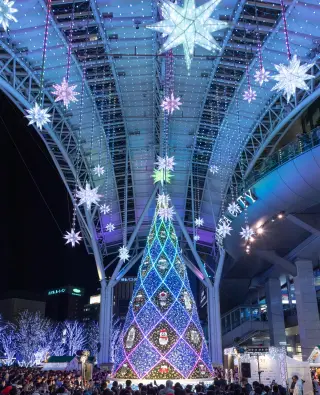
Hikari no Machi Hakata
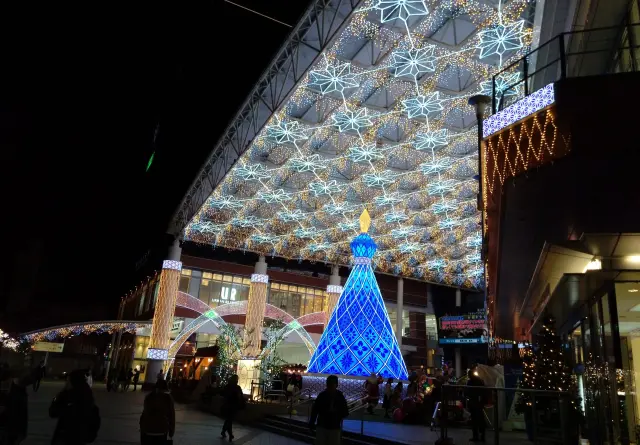
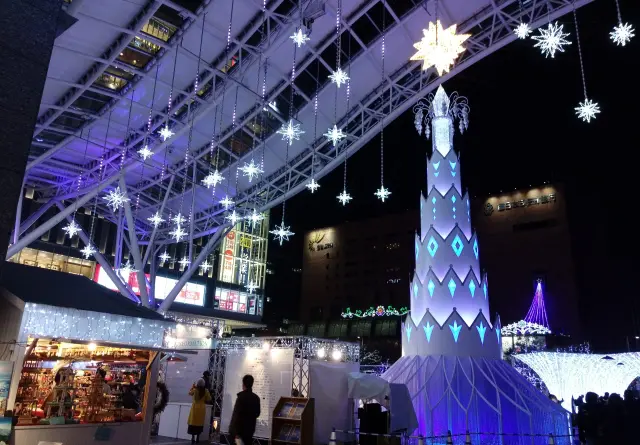
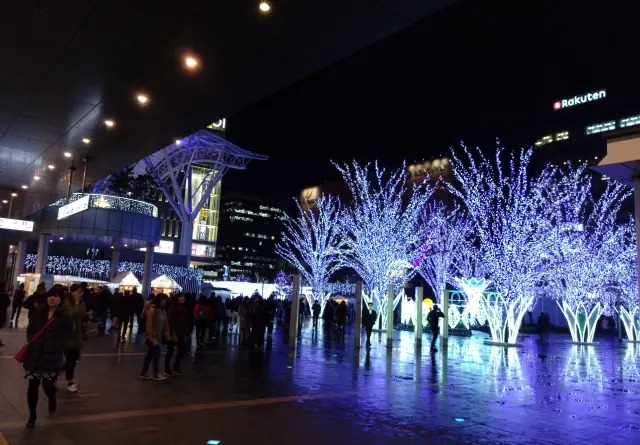
Hikari no Machi Hakata is an annual holiday event hosted by JR Hakata City, the commercial complex directly connected to JR Hakata Station. A dazzling 640,000 lights illuminate the station plaza, turning the heart of the city into a magical winter scene.
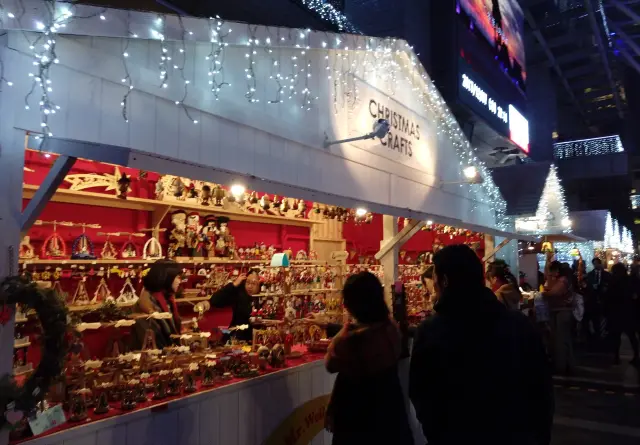
If you happen to travel to Fukuoka from November to December, don't forget to set aside some time for the “Hikari no Machi Hakata” Christmas illuminations in front of Hakata Station! Every winter, the plaza in front of the station gets a dazzling makeover, with a dreamy sea of blue lights illuminating the night sky. Combined with shimmering light displays and Christmas decorations, the entire area is filled with a romantic holiday atmosphere. There is also a Christmas market with hot food, hot drinks, and all kinds of stalls to enjoy. Holding a warm drink while admiring the sea of lights on a slightly chilly night, whether you're chatting with friends or enjoying the winter romance on your own, will leave you with warm and unforgettable memories of your trip to Fukuoka!
-