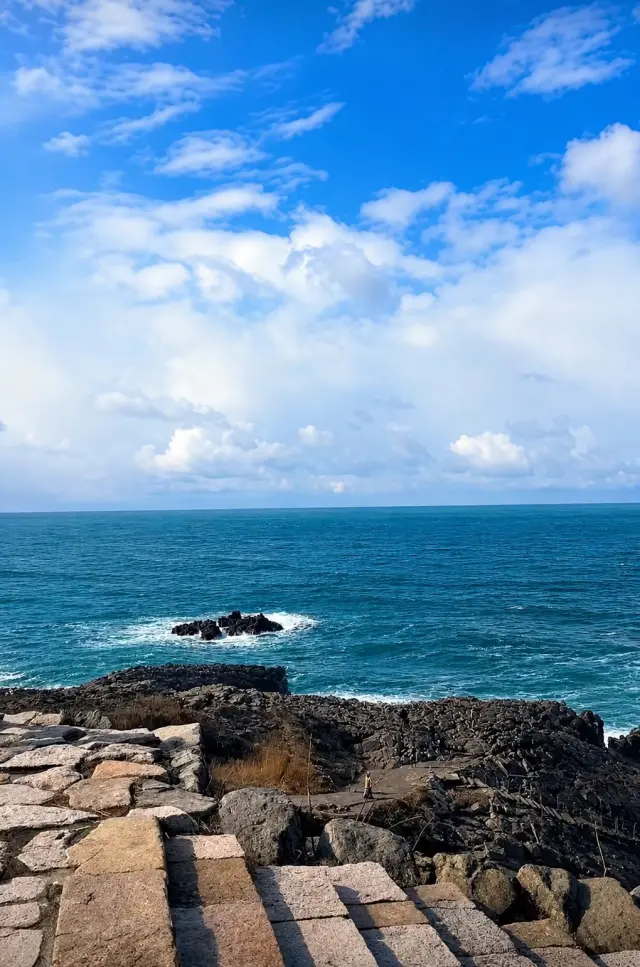
My first time at Tojinbo Cliffs, and the sheer scale of the view really took my breath away! The towering columnar-jointed rock walls stretch along the coast, with rough waves constantly crashing against the cliffs. Even from the shore, you can feel the incredible power of nature. You can enjoy beautiful views of the Sea of Japan along the walking path, or take a sightseeing boat for a close-up view of the spectacular cliffs from the water. I heard there's also a legend about a monk behind the name Tojinbo, adding an air of mystery. The sea breeze is strong and the terrain is quite rugged, so be sure to stay safe when taking photos. This breathtaking coastal scenery is truly worth experiencing in person!
Tojinbo Cliffs | Review by 楊雅雯
Other Reviews by 楊雅雯
-

Fukuoka Zoo and Botanical Garden
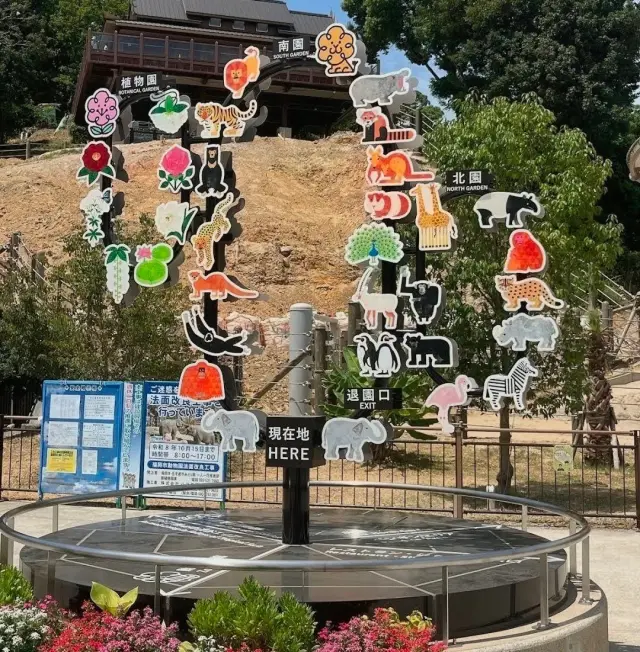
The zoo and botanical garden is located on the grounds of Minami Park, a hilly area in Fukuoka City. The zoo area is located in the central part of the park, and the botanical garden area is located in the southern part, both of which can be accessed via an overpass.
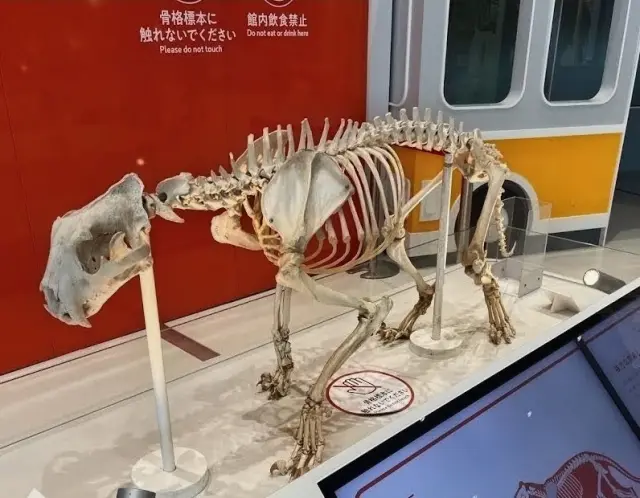
When visiting Fukuoka, besides shopping and enjoying the food, I also highly recommend planning a trip to the Fukuoka Zoo and Botanical Garden for a relaxing time surrounded by nature. The grounds are home to around 100 species of animals, along with beautiful flowers that change with the seasons. Whether you're on a family outing, a date, or just want to get away from the noise of the city, it's a great place to take a walk.
The zoo was more interesting than I expected! The animals were all very active, especially the otter, which kept spinning around nonstop. It was so cute and impressive that I couldn't help stopping to watch for a while!
The botanical garden was also beautiful enough to make my heart skip a beat! The grounds are lush and green, and the flowers, plants, and trees are very well maintained, making it extremely pleasant to stroll around. Some people even bring picnic supplies to the botanical garden to enjoy a relaxing time. Just imagining it feels so peaceful, and it's also very atmospheric for photos.
You can take a bus from central Fukuoka and get off right in front of the zoo, which is very convenient. Overall, this isn't just a place to see animals; it's also a great place to get close to nature and slow down. Both adults and children can find something to enjoy, so I recommend adding it to your itinerary when visiting Fukuoka!
-
-
Ohori Park
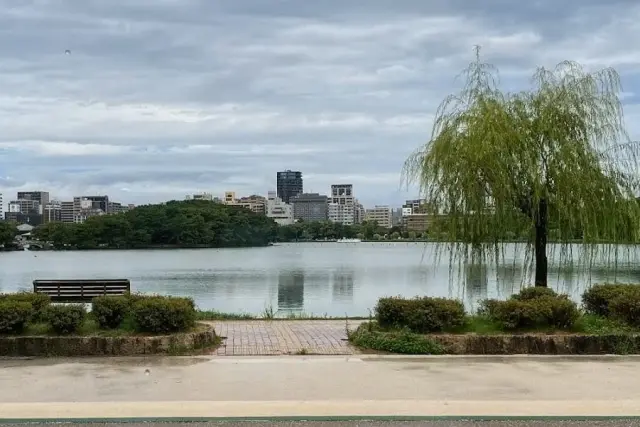
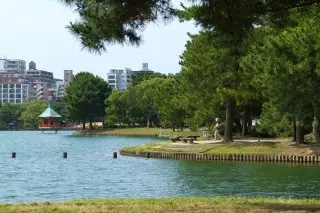
Ohori Park is located in downtown Fukuoka City, only two stations away from Tenjin Station, but is a favorite place for citizens to relax and enjoy the abundant nature centered around a large pond.
If you're traveling independently in Fukuoka, I definitely recommend making time for a walk around Ohori Park! The park is really large, centered around a vast lake and surrounded by lush greenery. The scenery is beautiful and relaxing, making it a great place for Fukuoka residents to walk, exercise, and unwind.
Besides the beautiful lake views, the park also has playground equipment for children. For something a little different, you can ride a duck-shaped paddle boat and leisurely enjoy the scenery from the water.
Even without planning any particular activity, it feels wonderful just to stroll along the lake, enjoy the water views, or find a bench to sit on, have a bite to eat, and simply zone out.
The Fukuoka Art Museum is about a 5-minute walk from the park, so it's easy to visit both. Transportation is also incredibly convenient—you can get there easily on the Fukuoka City Subway without any hassle!
-
-
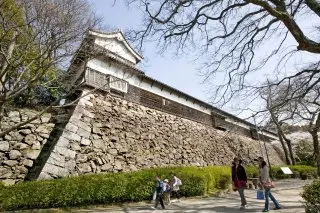
Fukuoka Castle Ruins
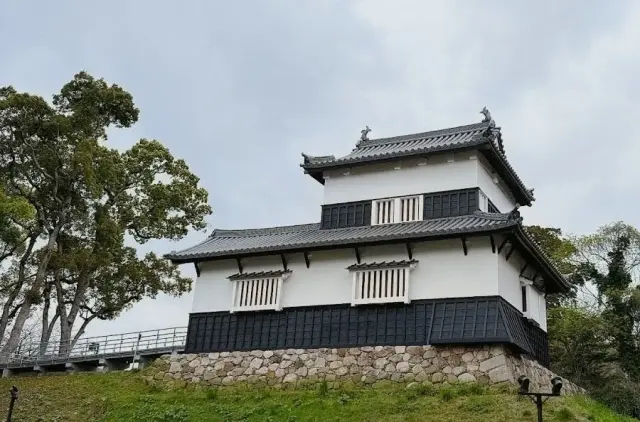
The castle was built by Yoshitaka (Kanbei) Kuroda and his father Nagamasa over a seven-year period beginning in 1601. It is known as “Maizuru Castle,” the residence of the Kuroda clan of the Fukuoka domain, which reigned throughout the Edo period.
The Fukuoka Castle Ruins are right next to Ohori Park and are a great place for Fukuoka residents to relax and take a walk. The grounds are very large and shaded by trees, making it a relaxing place to stroll. It's also a well-known cherry blossom viewing spot in spring.
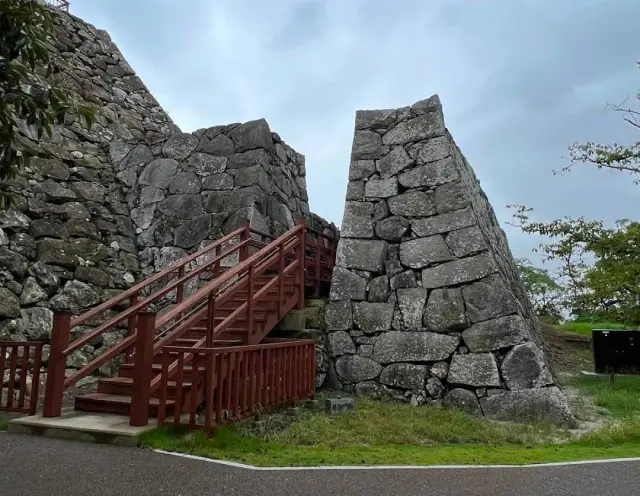
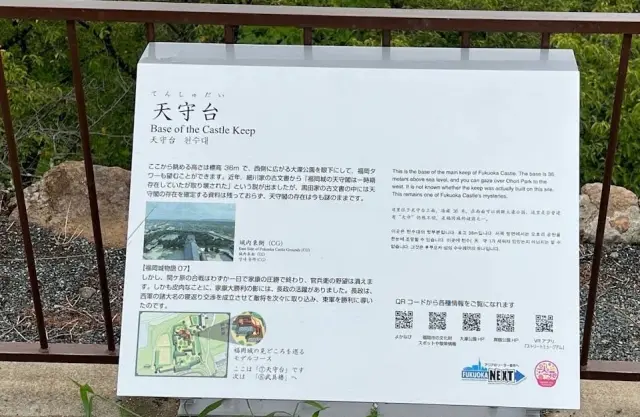
Although the former castle keep no longer exists, the stone walls, castle ruins, and the foundation where the keep once stood remain, and you can still feel the historical atmosphere of the old castle.
Admission is free, so you can easily explore without buying a ticket. There usually aren't many visitors, so it's quieter and more peaceful than popular tourist attractions. It's a great place to slow down, enjoy the scenery, and take photos.
If you're planning to visit Ohori Park, you can also stop by the Fukuoka Castle Ruins and experience both Fukuoka's history and natural scenery!
-