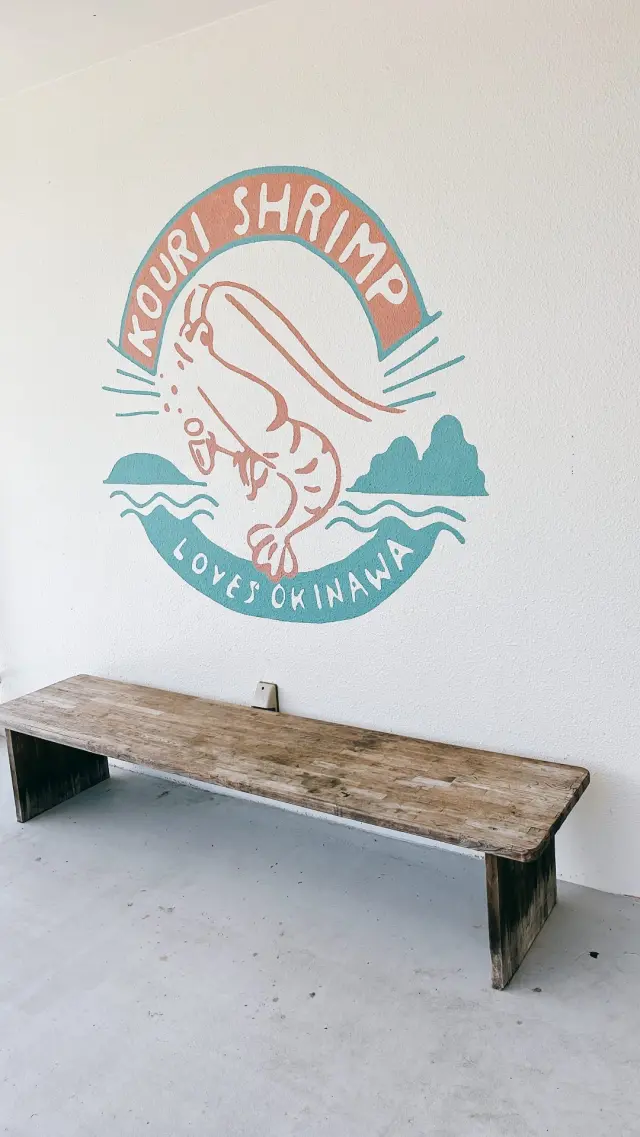
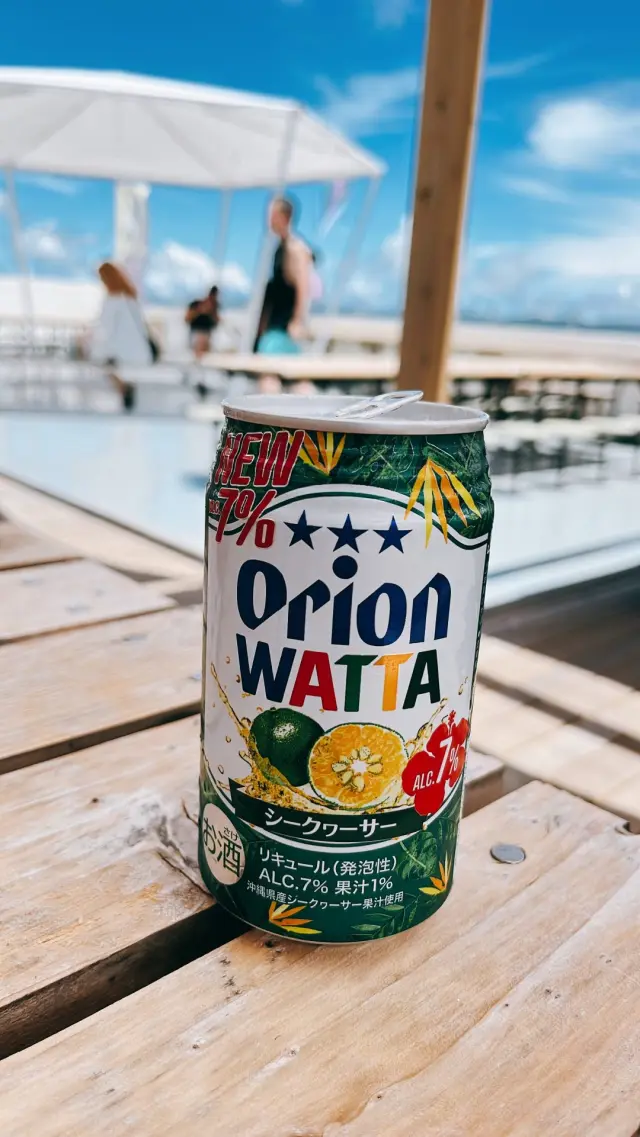
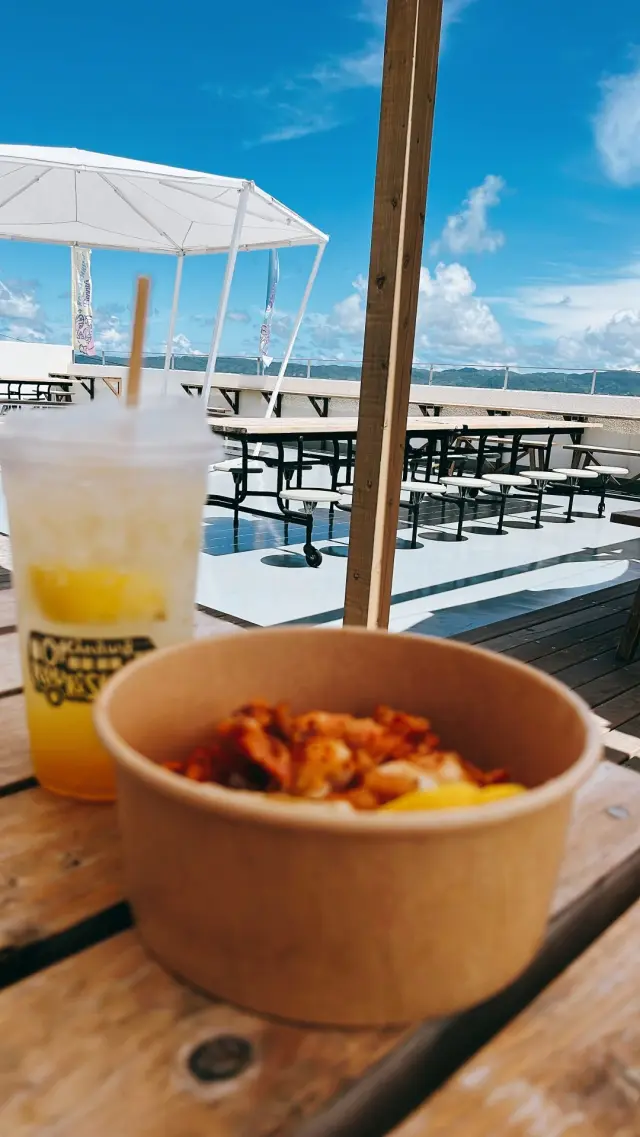
KOURI SHRIMP is a must when visiting Kouri Island! Their signature garlic shrimp rice is rich and aromatic, and the shrimp are springy, flavorful, and very distinctive. It gets more crowded in the summer, so I recommend finding a seat after ordering. I especially recommend the rooftop dining area, where you can enjoy delicious food in the sea breeze while taking in the gorgeous ocean view. Pair it with a local Okinawan beer, and it's such a treat!
KOURI SHRIMP | Review by 一個漸漸喜歡上慢旅的人
Other Reviews by 一個漸漸喜歡上慢旅的人
-
Sendai MaaS
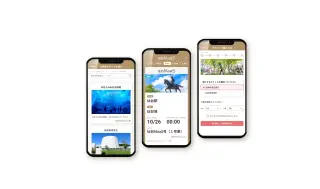
We all know the pains of traveling, booking tickets for public transportation and places on the other side. That’s where Sendai MaaS comes in, leading as an online service for streamlined travels in Sendai.
Many cities in Japan now offer digital tickets, and Sendai’s MaaS system is very convenient. The best part is that there’s no need to download another app—you can easily use it right from your phone’s web browser.
You can freely combine transportation tickets based on your itinerary. It’s especially cost-effective to use a MaaS combination ticket if you plan to visit the planetarium or the Anpanman Children’s Museum. With just a few taps, you can buy a one-day sightseeing bus pass in advance without worrying about accidentally losing a paper ticket. This digital service lets you handle all your transportation and attraction tickets with just one phone and no physical tickets, making independent travel plans more flexible and efficient. It’s a very convenient new option that I highly recommend when visiting Sendai.
-
-
Satsumachi Kagoshima-Chuo Station – Miyage-Yokocho/Gourmet-Yokocho
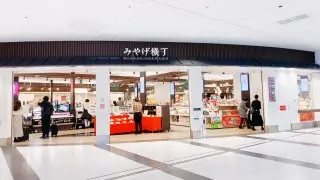
Located right outside the ticket gates on the 2nd floor of JR Kagoshima-Chuo Station, a major Kyushu Shinkansen hub, Satsumachi Kagoshima-Chuo Station is the perfect place to find local souvenirs and gourmet delights. At "Miyage-Yokocho," 24 souvenir shops offer a diverse selection of regional specialties, from traditional and Western sweets to Kagoshima delicacies. Signature souvenirs include "Karukan" from Akashiya and "Satsuma-age" from Tsukiagean-both classic local treats.
This time, I stayed at a hotel connected to JR Kagoshima-Chuo Station. Gourmet-Yokocho and Miyage-Yokocho are both easy to reach from the Central Exit, so the location is incredibly convenient.
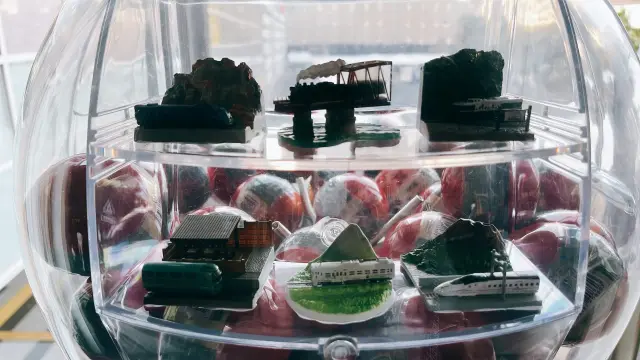
There are not only plenty of food options here, but the connected department stores also have just about everything you need. You can browse household goods at Hands, shop for electronics at the huge Bic Camera, or visit a bookstore. I especially recommend Miyage-Yokocho to anyone like me who enjoys train-related items. You can get unique capsule toys featuring JR trains, which are such a delightful surprise that you won’t want to put them down.
There’s no need to worry if it rains during your trip, since you can easily move around entirely within these connected buildings. For breakfast, you can also stop by Seattle’s Best Coffee to pick up coffee and bread to eat on the train. Best of all, before leaving Kagoshima, you can simply head downstairs, buy all your local souvenirs in one place, pack them into your suitcase, and be ready to go.
-
-

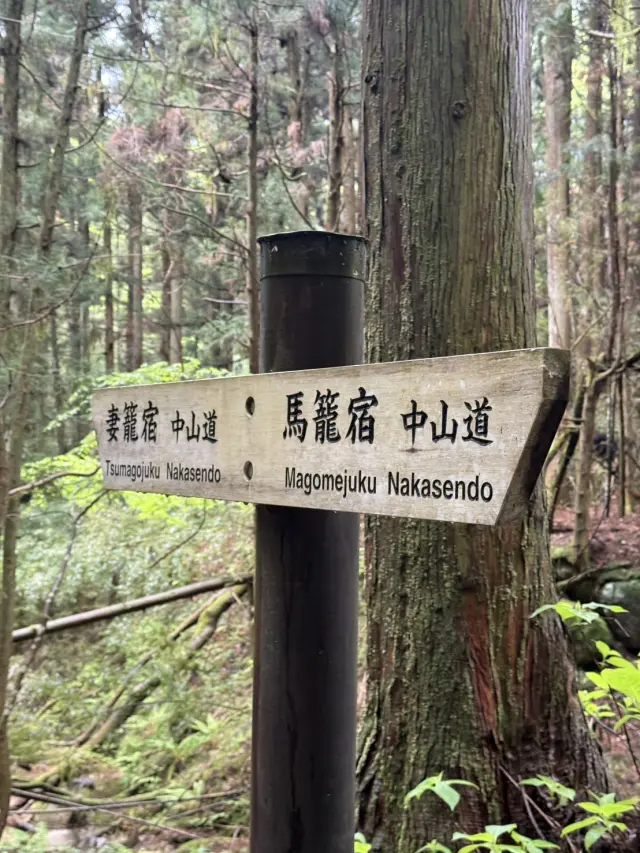
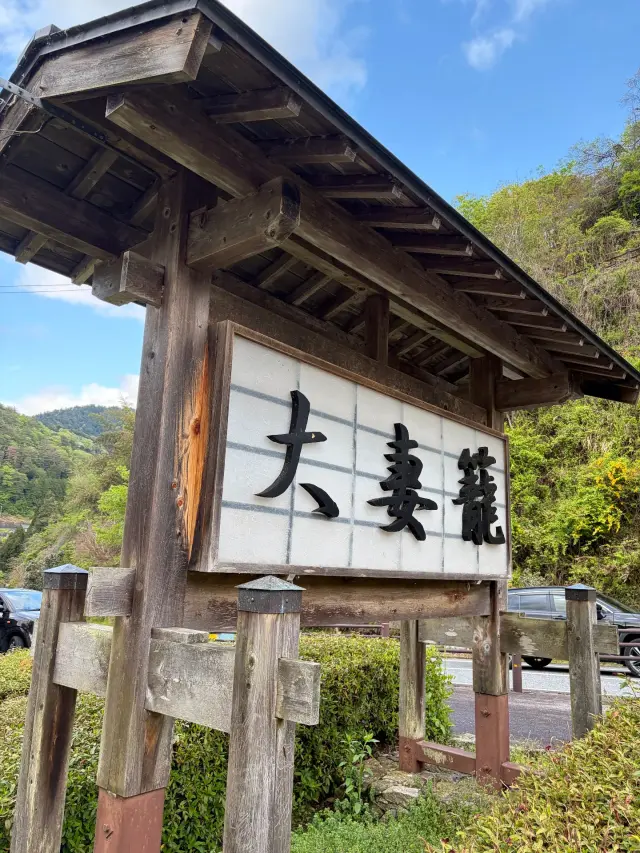
The Nakasendo Trail (Karuizawa-Tsumago)
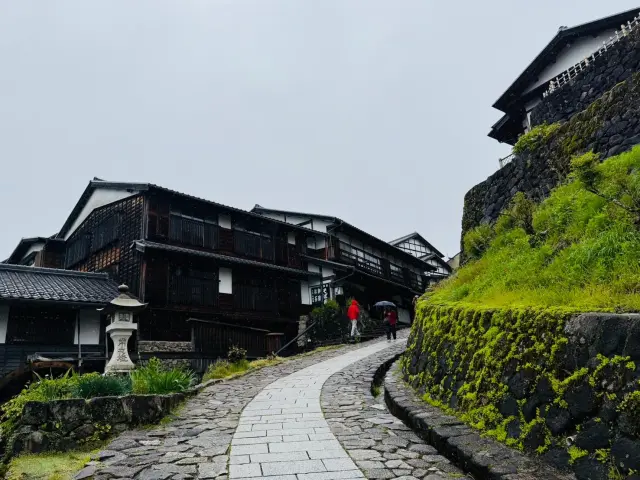
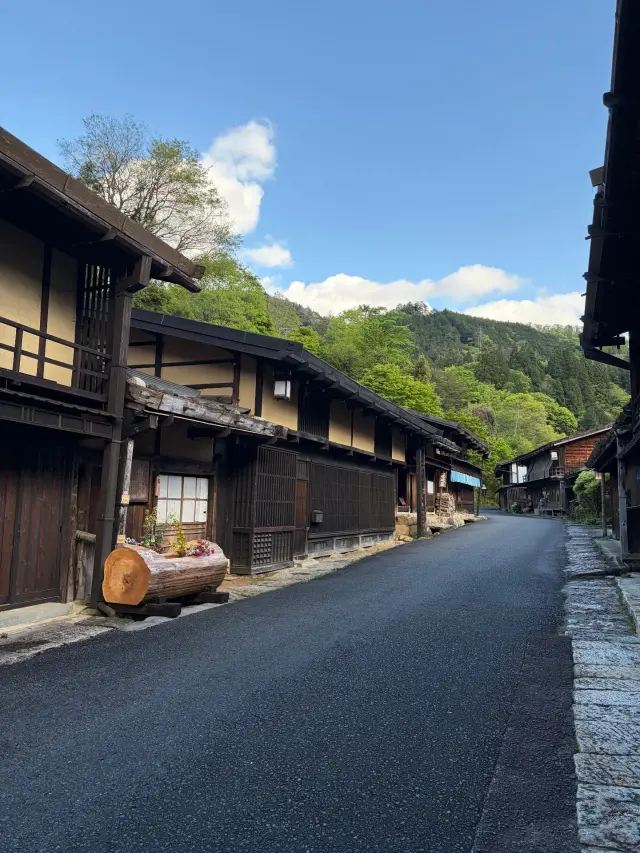
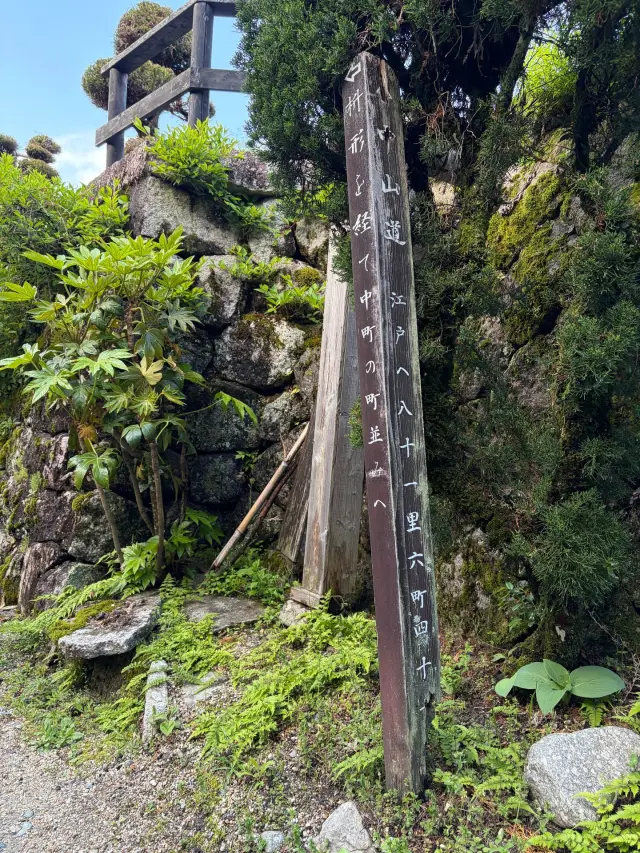
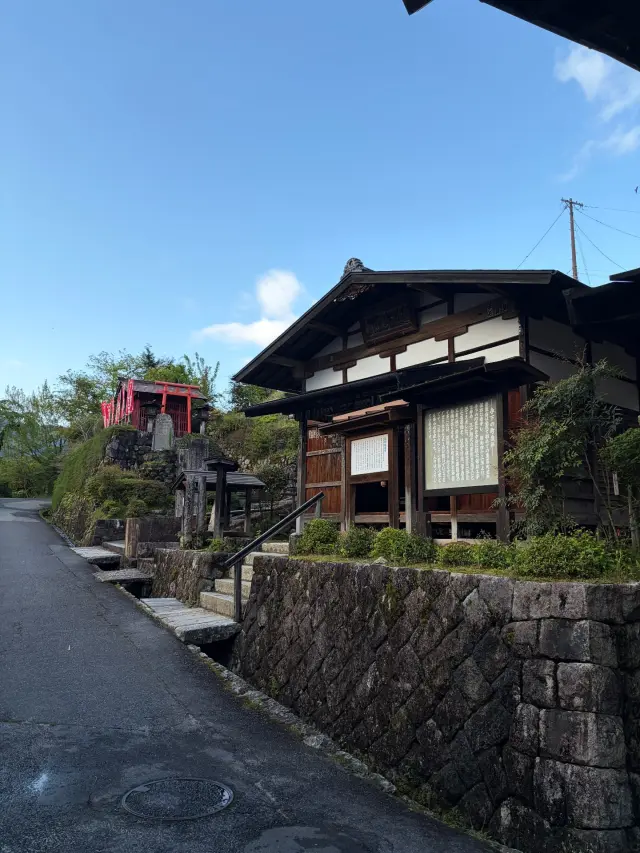
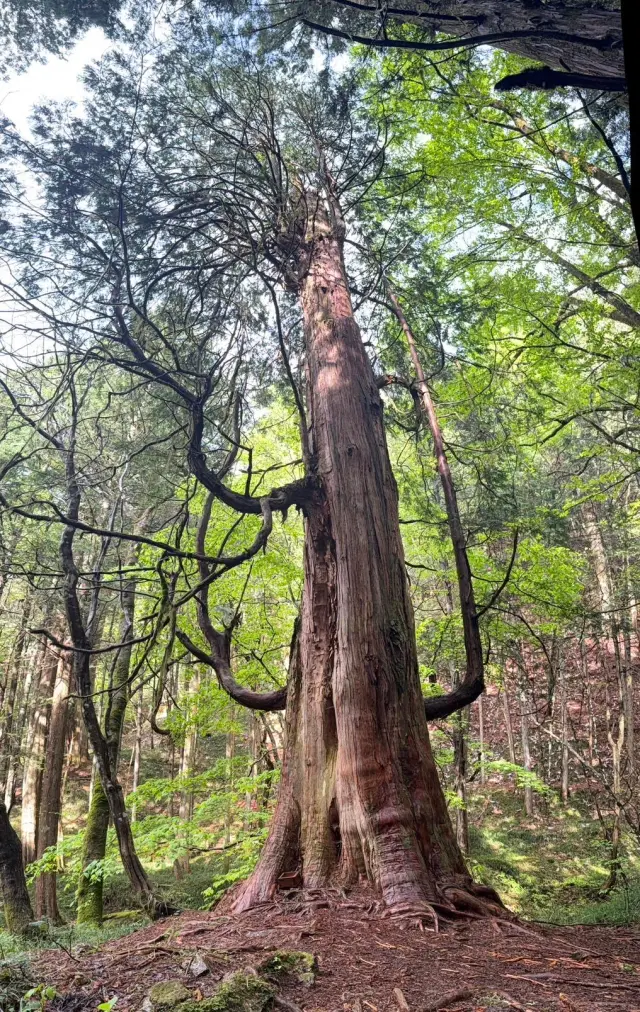
The Nakasendo Trail stretches east to west across Nagano Prefecture. During the Edo period, it connected Edo (modern-day Tokyo) and Kyoto, serving as a vital route for travelers and merchants. The section between Karuizawa and Tsumago is especially scenic, offering a mix of breathtaking natural landscapes and beautifully preserved historic towns.
After seeing a Japanese TV program about the history of the Nakasendo, I had always wanted to walk it myself. This time, I finally got the chance to walk the section from Tsumago-juku to Magome-juku. Thinking about how people in the past traveled all the way from Tokyo to Kyoto on foot was truly a little hard to imagine.
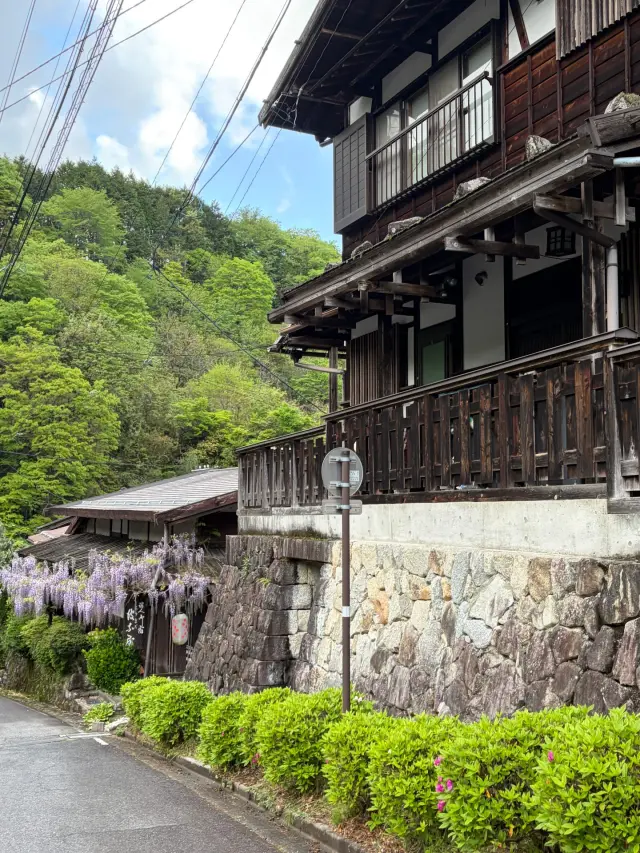
As I walked, I admired the old streets that seemed frozen in time and imagined what the scenery looked like in the past. When I visited in May, a light rain was falling, adding a hazy beauty to the entire post town. Many small shops that have survived since the Edo period are still open today. The Nakasendo, filled with traces of history, is truly worth taking the time to appreciate.
-