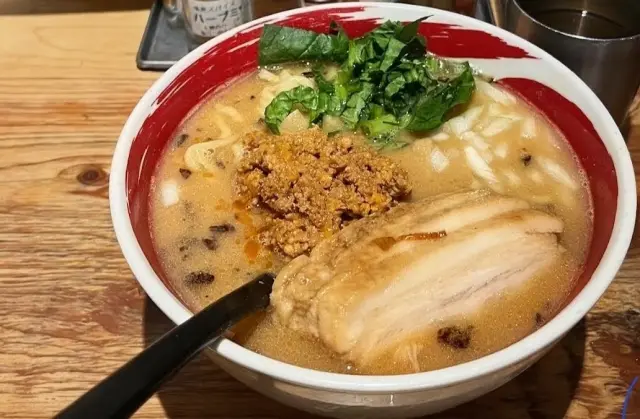
While looking for food near Yokohama Station, I unexpectedly found this really unique ramen shop! Founded in Yokohama in 2002, it specializes in house-made noodles paired with a chicken broth. The ramen has a distinctive style and is quite different from typical traditional ramen. The shop is open until 4 a.m., making it convenient for a late-night meal. There are plenty of seats and the atmosphere is relaxed. The most interesting part is the free self-serve cotton candy machine, so you can make your own cotton candy after finishing your ramen. It's really unique! If you're near Yokohama Station, stop by and give it a try〜
Menba Hamatora Yokohama Tsuruyacho Branch | Review by wendy
Other Reviews by wendy
-

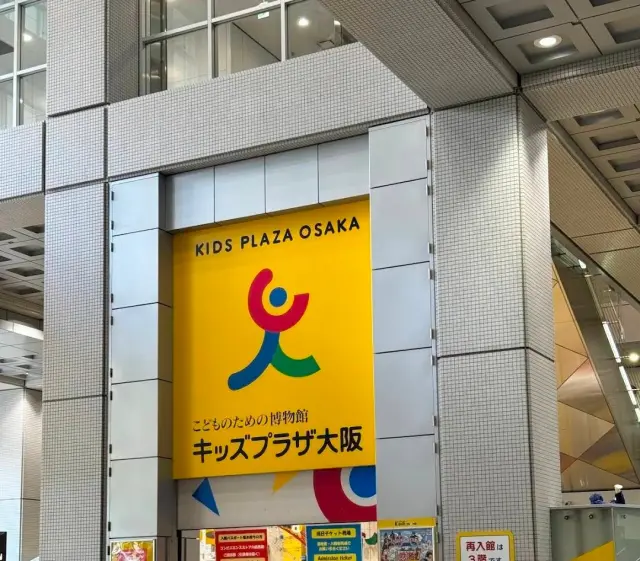
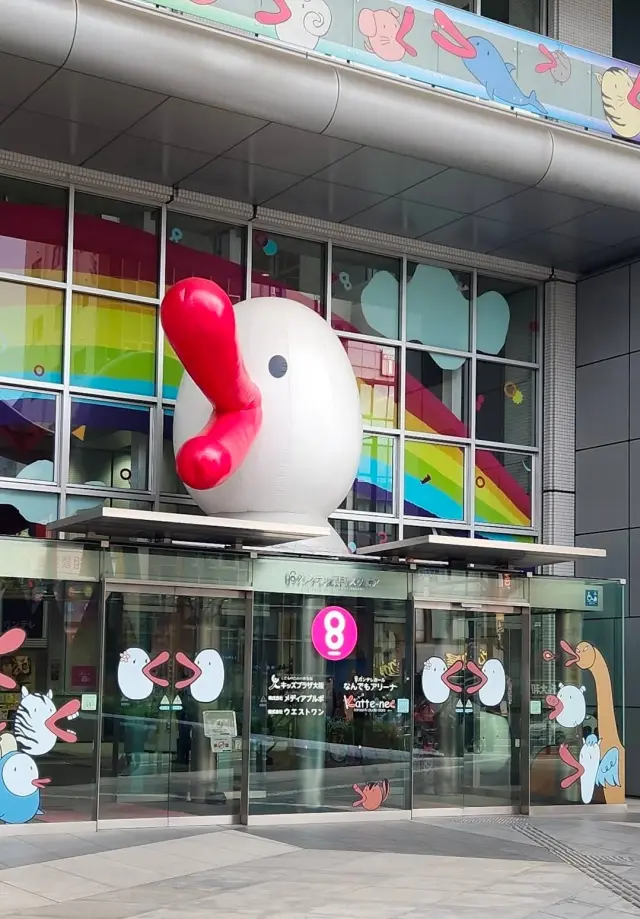
Kids Plaza Osaka
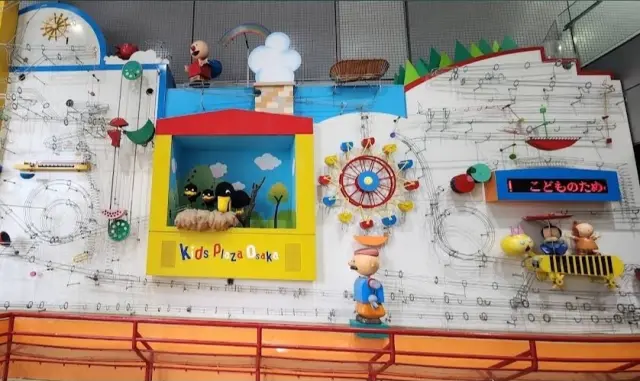
Kids Plaza Osaka is Japan's first full-fledged children's museum, designed for kids to learn while playing. This interactive and hands-on museum allows children to explore, touch, and experience the wonders of science, world cultures and more, all while encouraging play. The museum keeps a full menu of workshops where children can engage in different crafts and activities. Volunteer staff are always on hand to drum up interest in the exhibits and support children's learning.
If you’re traveling to Osaka with kids, I really recommend adding this place to your itinerary! Kids Plaza Osaka is an educational and entertaining children’s museum. Instead of just looking at exhibits, kids can play and explore the whole way through, learning as they go. It’s perfect for a family outing.
The 4th and 5th floors are like a huge indoor maze, with slides, rope climbing, and other play equipment. Once the kids go in, they won’t want to leave. The science area on the 5th floor is also very interesting, with interactive exhibits like a giant bubble maker and a running measurement machine, along with plenty of cultural activities. The entire museum is full of surprises.
The best part is that kids can easily spend more than 3 or 4 hours playing here and burn off tons of energy. Osaka is especially hot in the summer, and you’ll be drenched in sweat after only a short time at outdoor attractions. This place has air conditioning and lets kids play to their hearts’ content, making it a great place for families to escape the heat and burn off some energy!
-
-

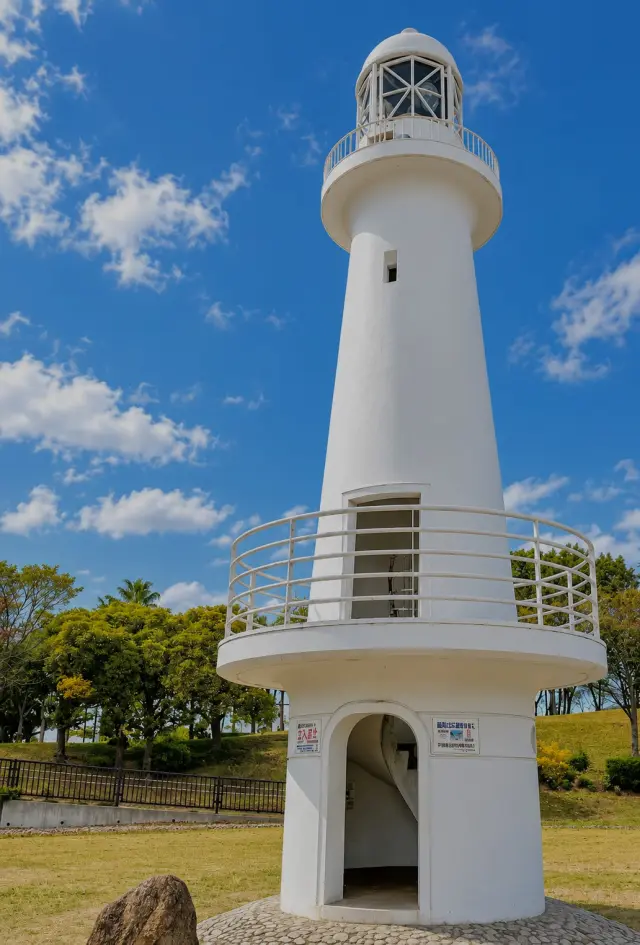
Osaka Maishima Seaside Park
A park on Maishima, an artificial island next to Yumeshima, the site of Expo 2025 Osaka, Kansai. It opens every year for the Nemophila Festival, held from early April to around Golden Week.
During the annual Nemophila Festival at Osaka Maishima Seaside Park, the entire bay is covered in romantic fields of blue-purple nemophila flowers. It truly feels like a dream.
Unfortunately, this visit wasn't during the Nemophila Festival, so I didn't get to see the fields of flowers stretching as far as the eye could see. However, the weather was beautiful that day, and the blue sky, white clouds, and expansive bay views looked great in every photo.
Without the fields of flowers, it had a refreshing, open seaside atmosphere instead. It's also very pleasant to come for a walk and enjoy the sea breeze on a nice day!
-
-
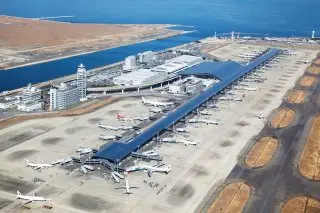
Kansai International Airport
Many domestic and international flights carry nearly 28 million people a year at this western Japan’s entrance, Kansai International Airport. It is on an island about 5km off the coast of Senshu in Osaka Bay, famous as the world’s first marine airport on a completely man-made island. The airport code KIX is used as the familiar nickname “KIX.”
For many people traveling to Osaka, Kansai International Airport is the starting and ending point of the trip. Floating on Osaka Bay, this international airport was the world's first offshore airport built entirely on reclaimed land, and it is also an important gateway connecting Japan with the rest of the world.
The restaurants, duty-free shops, and retail areas have changed quite a bit from before, and the overall environment is brighter and more convenient. There is also a lot of automated equipment for immigration and customs inspections. This time, the process was very quick and smooth. The airport's free Wi-Fi also worked very well, which is a big plus for travelers.
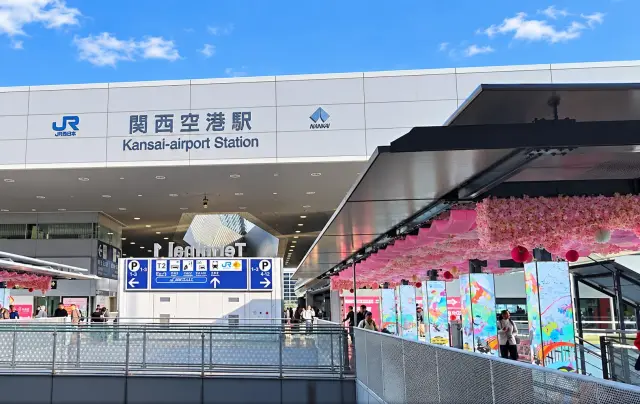
You can also connect directly to JR and Nankai trains as soon as you get off the plane, without spending extra time transferring to other transportation. It's really convenient for first-time visitors to Osaka!
-