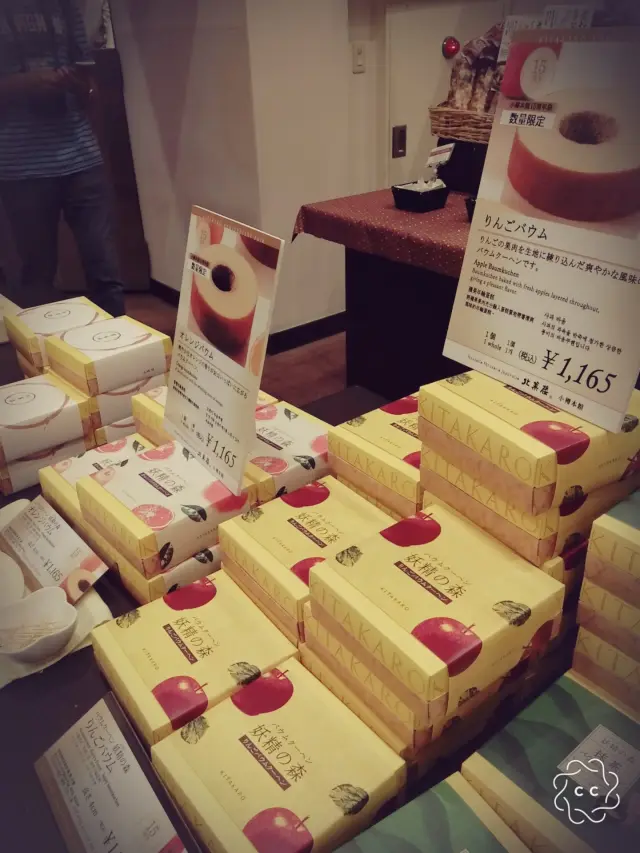
Kitakaro's “Yōsei no Mori” is a Baumkuchen with a moist, delicate texture, with each layer creating an appealingly soft and fluffy bite. In addition to the classic original flavor, there are also distinctive options such as apple, orange, and matcha, each with its own unique aroma. If you like Baumkuchen, it's worth buying one to try.
Other Reviews by Linda Liao
-
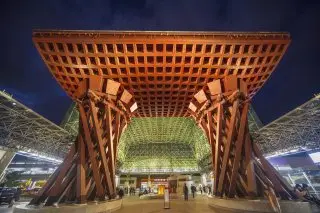
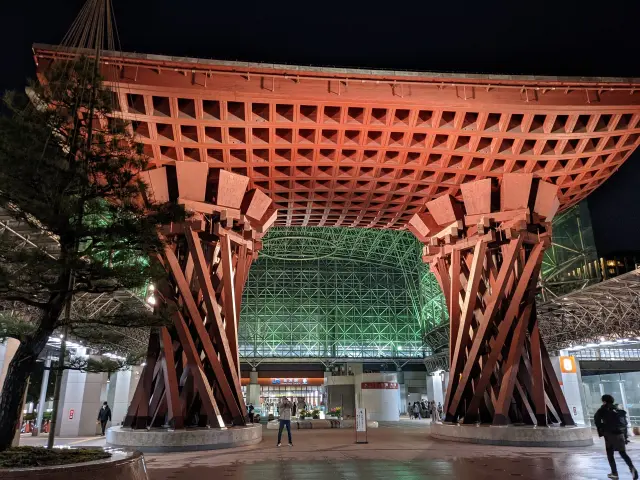
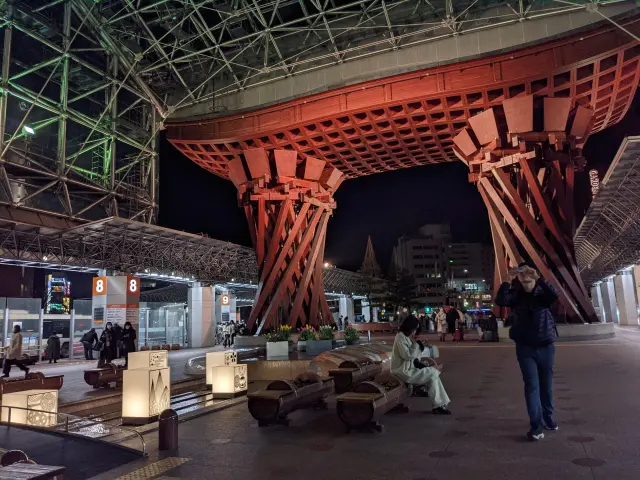
Drum Gate and Hospitality Dome (Kanazawa Station)
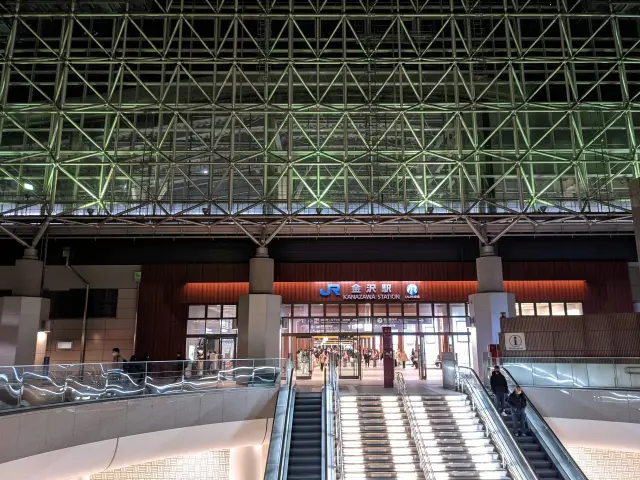
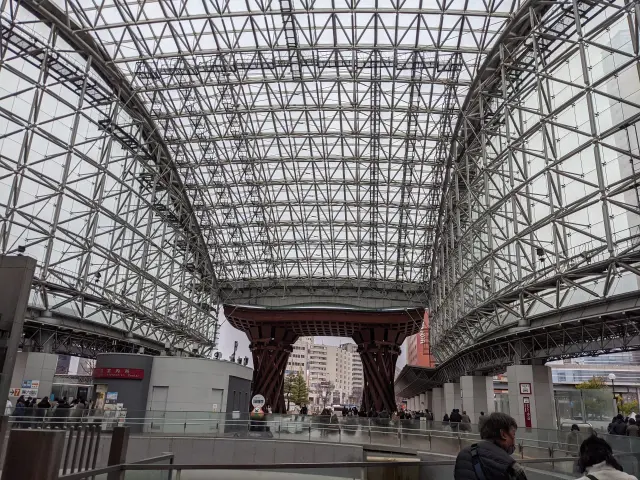
Kanazawa Station, the gateway to Kanazawa, is bustling with visitors as the Hokuriku Shinkansen arrives and departs, making it a hub for Hokuriku tourism. The eye-catching Drum Gate and Hospitality Dome, completed in 2005, are located at the Kenrokuen Gate (East Exit) facing the city center.
Before my trip even began, I was already won over by the beauty of JR Kanazawa Station! To this day, it’s still my favorite station. As soon as you walk out of the East Exit, the magnificent Drum Gate comes into view. This massive wooden structure stands 13.7 meters tall, and simply looking up at it from below is awe-inspiring. What attracts me most is that the entire gate is made of warm wood. Its two uniquely shaped pillars were inspired by the drums (tsuzumi) used in Kanazawa’s traditional Noh theater. Not only is the design distinctive, but it also showcases Japan’s exquisite woodworking craftsmanship. Behind it is the Hospitality Dome (Motenashi Dome), which looks like a giant glass umbrella. Its transparent geometric glass canopy lets the sunlight stream in and also symbolizes an umbrella sheltering visitors from Kanazawa’s frequent rain and snow, combining beautiful design with practicality.
Kanazawa Station actually opened back in 1898. After undergoing several renovations, it debuted in its current form in 2005, blending modern architecture with traditional culture. In 2011, it was even selected by the American magazine Travel + Leisure as one of the “14 Most Beautiful Train Stations in the World,” and it truly lives up to its reputation! During the day, you can admire the imposing Drum Gate, while at night it’s illuminated. The lights shining on the wooden gateway create a completely different romantic atmosphere. I sincerely recommend setting aside a little extra time to see it once during the day and again at night. It’s definitely worth it!
-
-
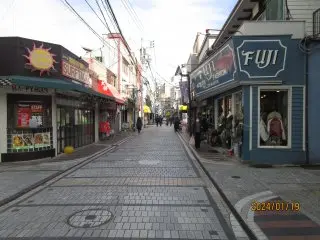
Dobuita Shopping Street
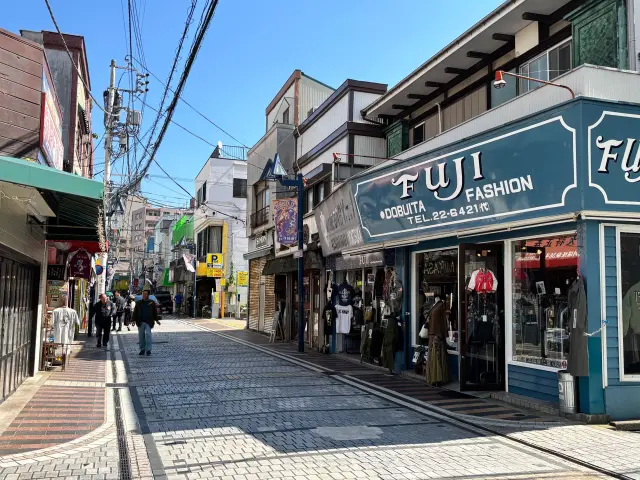
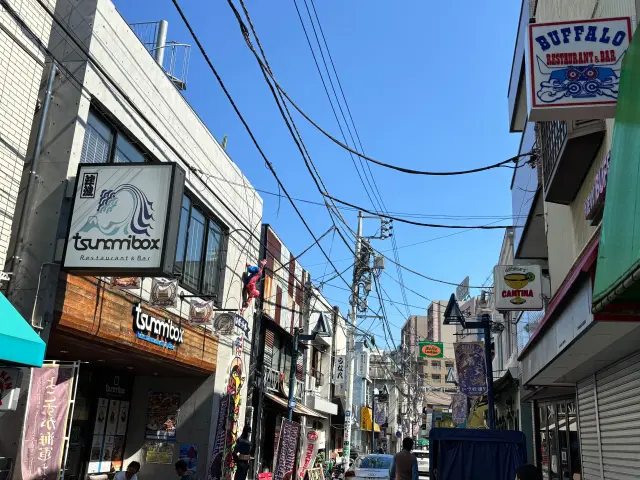
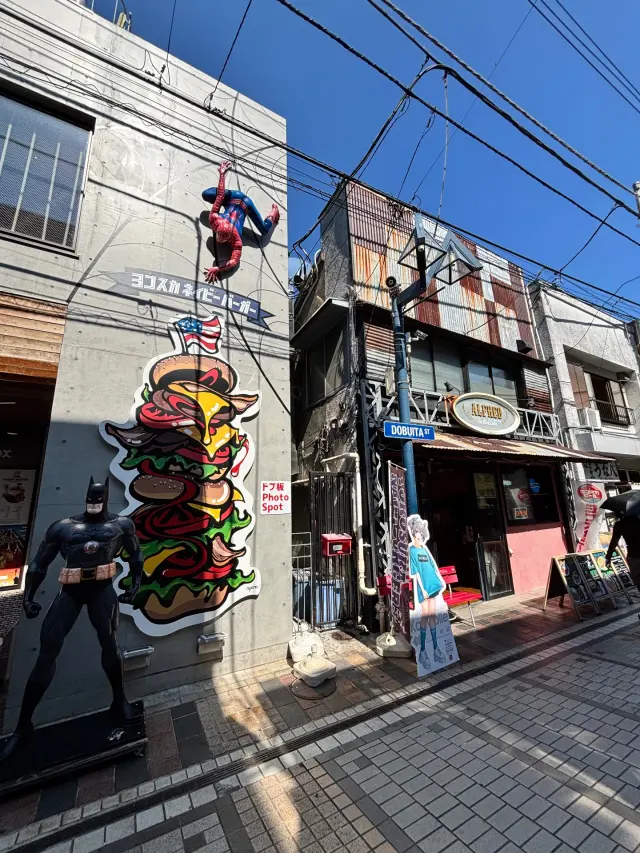
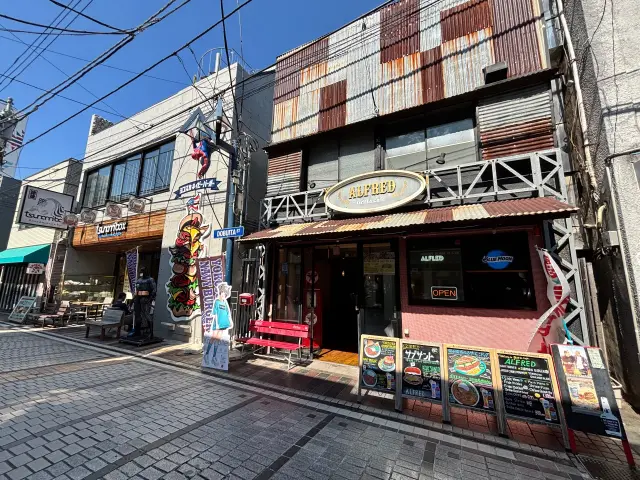
Dobuita Shopping Street is a vibrant 300m-long street in Yokosuka, Kanagawa Prefecture, Japan, lined with 150 diverse shops. Its unique blend of Japanese and American culture dates back to the post-World War II era when the nearby U.S. military base influenced the proliferation of fashion and food outlets catering to servicemen.
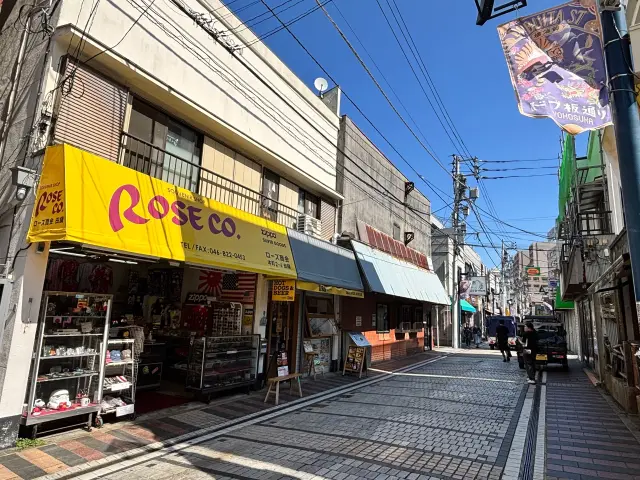
When you step onto Dobuita Shopping Street, you may feel as if you’ve arrived in another country. Almost all the signs lining the street are in English, and the merchandise sold in the shops has a strong vintage American feel, making it very different from a typical Japanese shopping street. The history of this area is actually quite interesting. There used to be a drainage ditch running down the middle of the street, and to make it easier to get around, the naval arsenal provided thick iron plates to cover the ditch. That’s how it came to be called “Dobuita Street.” After World War II, when the U.S. military became stationed in Yokosuka, the shopping street gradually developed to serve American military personnel, blending Japanese and American lifestyles and cultures.
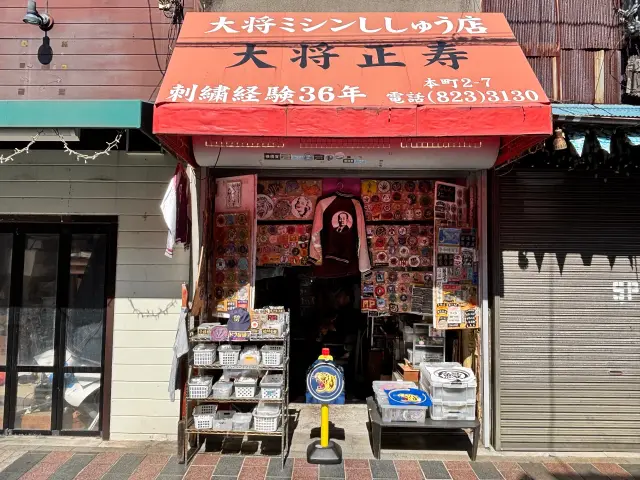
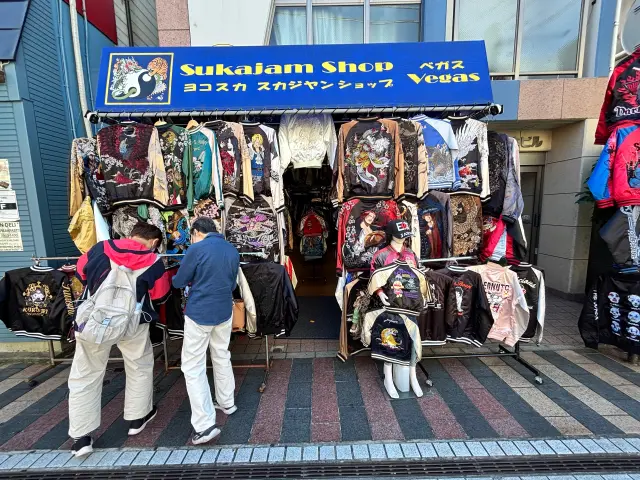
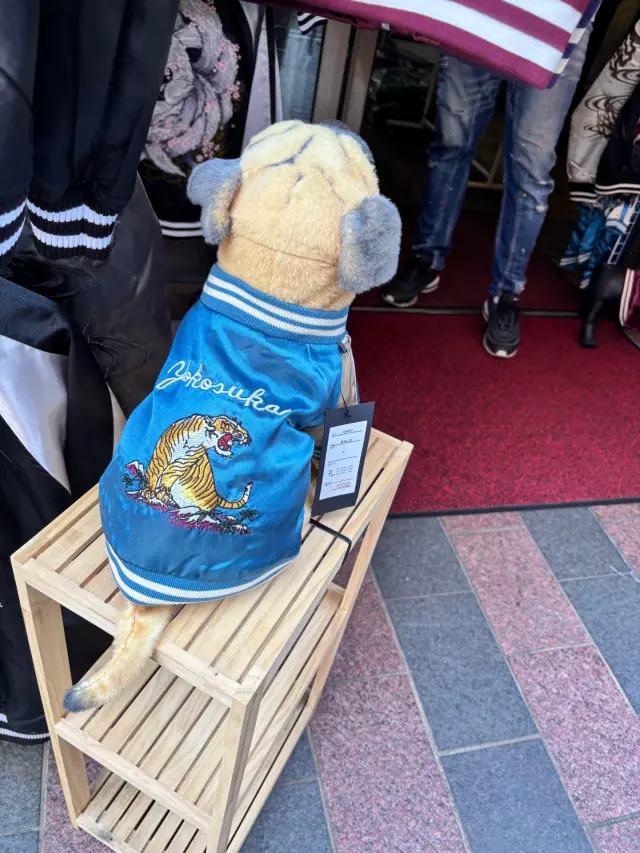
What caught my eye the most was the wide variety of sukajan, or “Yokosuka embroidered jackets”! It turns out they’re a signature item of Yokosuka and were originally made by local shops as souvenirs for American military personnel after the war. The jackets come with all kinds of embroidered designs, from classic dragons and phoenixes to cartoon characters such as One Piece and Anpanman. They’re available in sizes for everyone from children to adults, and even furry family members aren’t left out. If your dog wore one of these bold embroidered jackets on a walk, it would definitely be the center of attention. If you visit Yokosuka, don’t forget to stop by and buy an embroidered jacket as a souvenir~
-
-
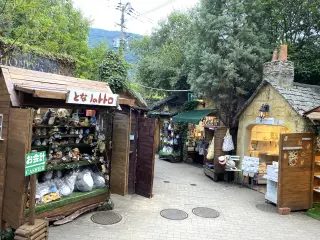
Yufuin Floral Village
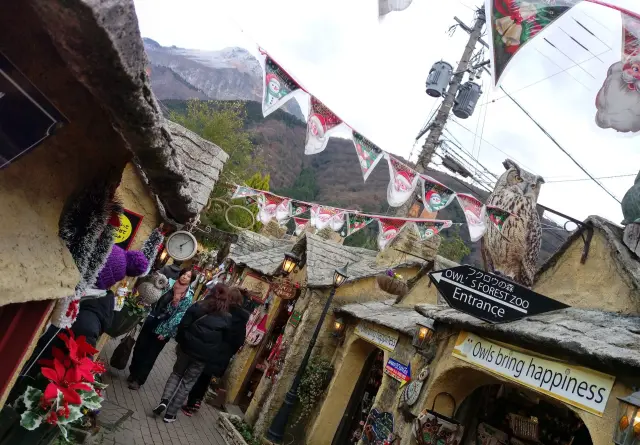
A compact theme park that recreates the streetscapes of the Cotswolds region in the UK, known as a filming location for the movie “Harry Potter,” with a magical, fairytale-like atmosphere that feels like you’ve stepped into a storybook. Inside the park, beautiful plants bloom throughout the seasons, and paths lined with stone cottages continue on, with plenty of photo spots scattered throughout.
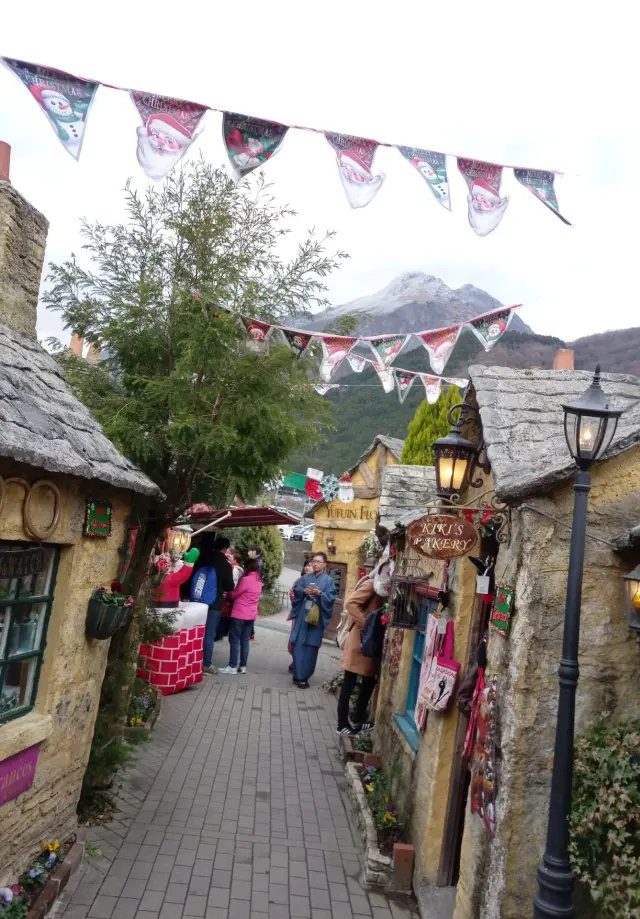
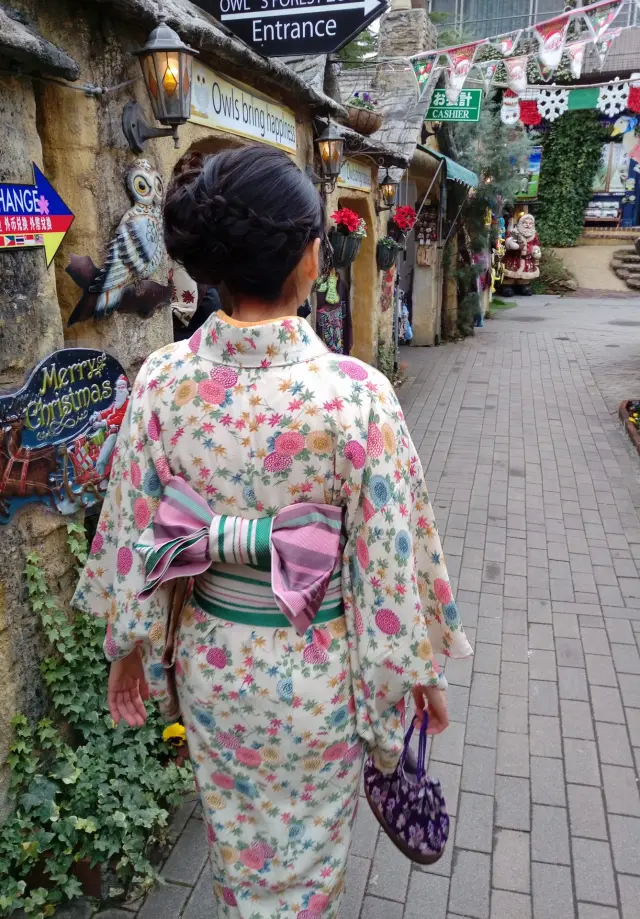
In the freezing winter weather that made us want to bundle ourselves up like rice dumplings, our group still insisted on putting on beautiful kimonos and visiting Yufuin Floral Village as planned. As soon as we entered the park, the sight before us made our eyes light up. It brings the romantic charm of the English countryside to Japan, with adorable stone cottages lining the streets, along with vintage signs, flowers, and greenery, making it feel as if we had accidentally wandered into Hobbiton from The Lord of the Rings.
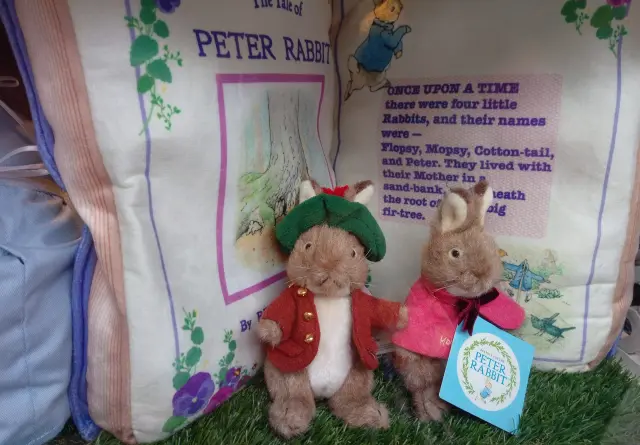
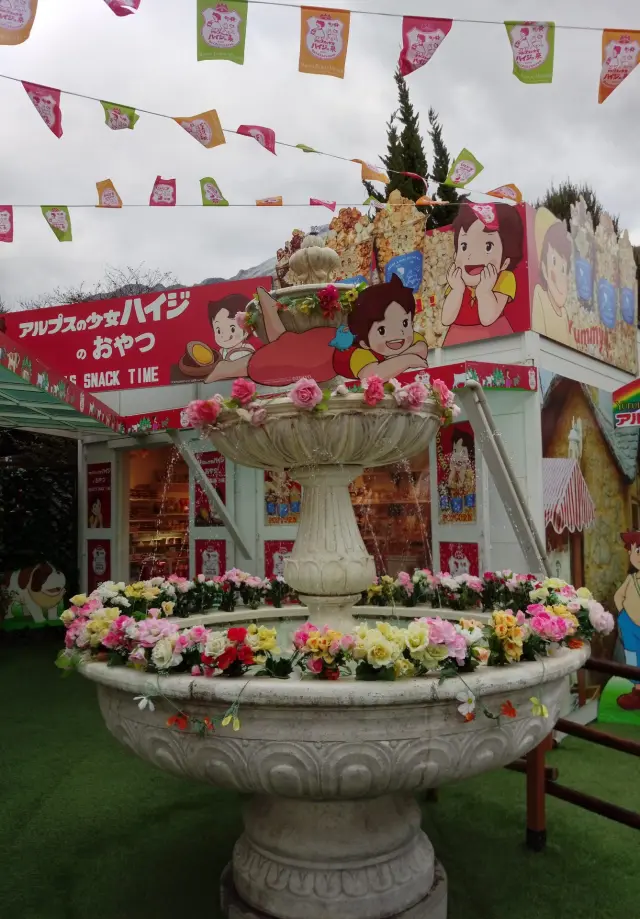
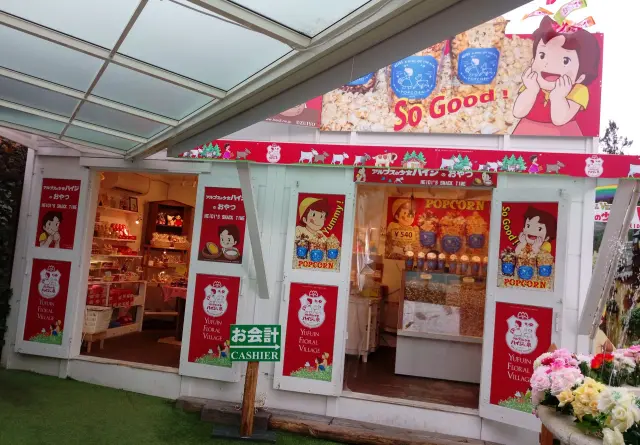
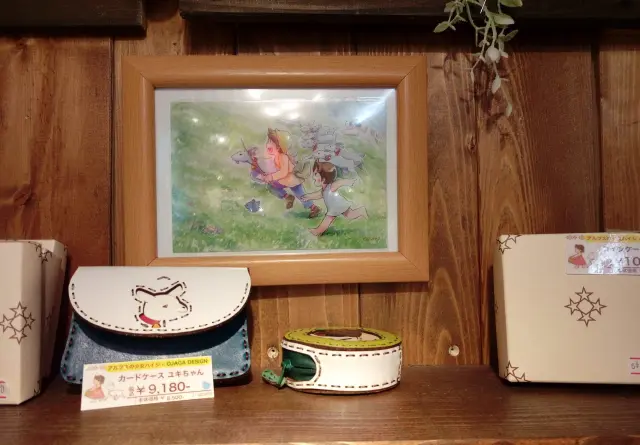
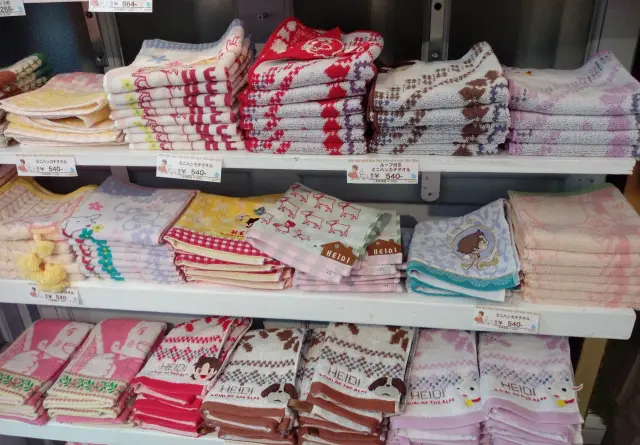
Besides taking photos and checking in, this place is also a treasure-hunting paradise for character fans! There are quite a few themed stores throughout the park, such as Donguri Republic, which sells Studio Ghibli merchandise, as well as stores with Peter Rabbit merchandise. Each one has different surprises, with so much to see. The spot where the Moomin store is now used to be a specialty store for Heidi, Girl of the Alps. This cartoon was part of my childhood, and it’s usually rare to find related merchandise in Japan. I still remember spending a long time in front of the display because so many of the items were too cute to choose between. In the end, I picked out a few practical handkerchiefs to take home and treasure.
-