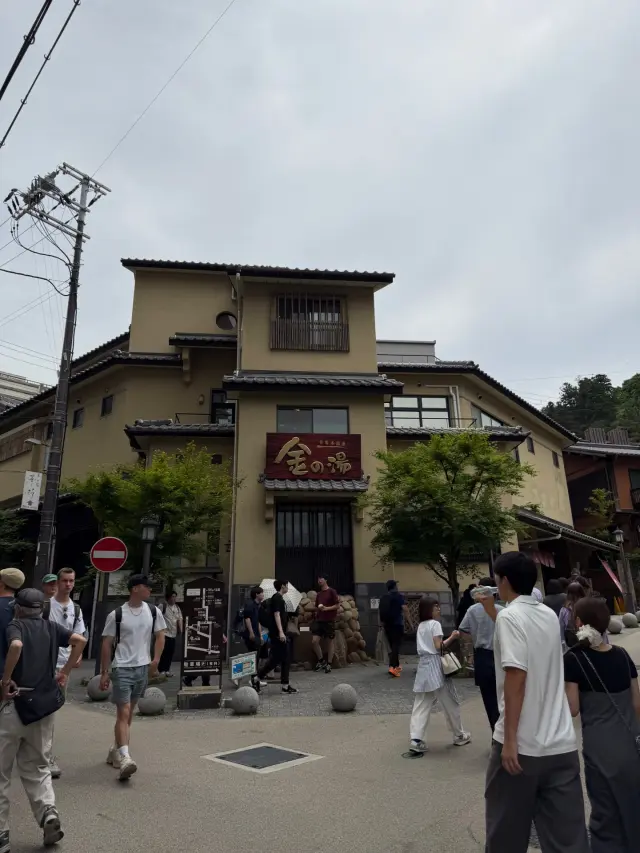
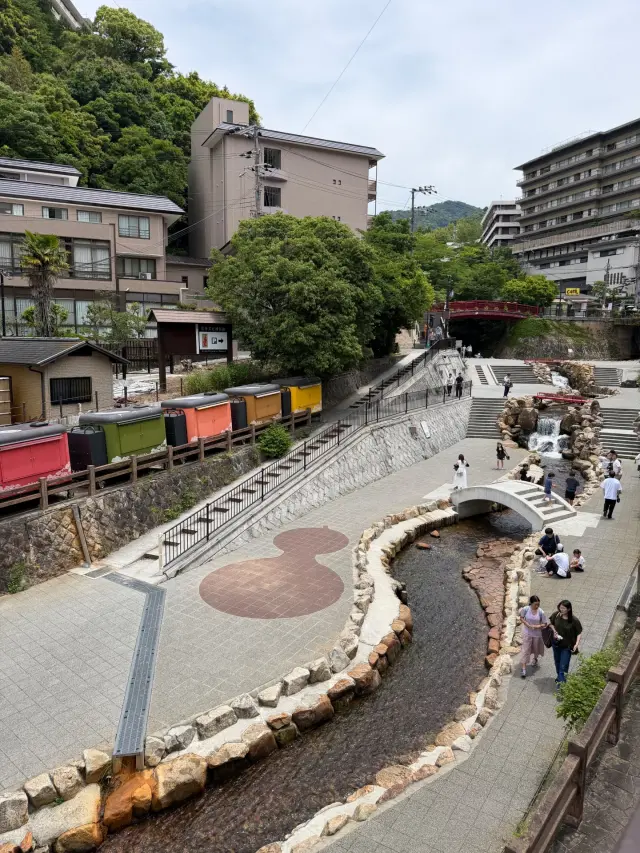
When visiting historic Arima Onsen, you definitely can't miss its most iconic hot spring landmark—Kin no Yu! As soon as you reach the entrance, you can feel the rich atmosphere of a traditional Japanese hot spring town. Because the water is rich in iron and salt, it turns a distinctive golden-brown color when exposed to air, which is why it's called “Kinsen.” It looks very mysterious.
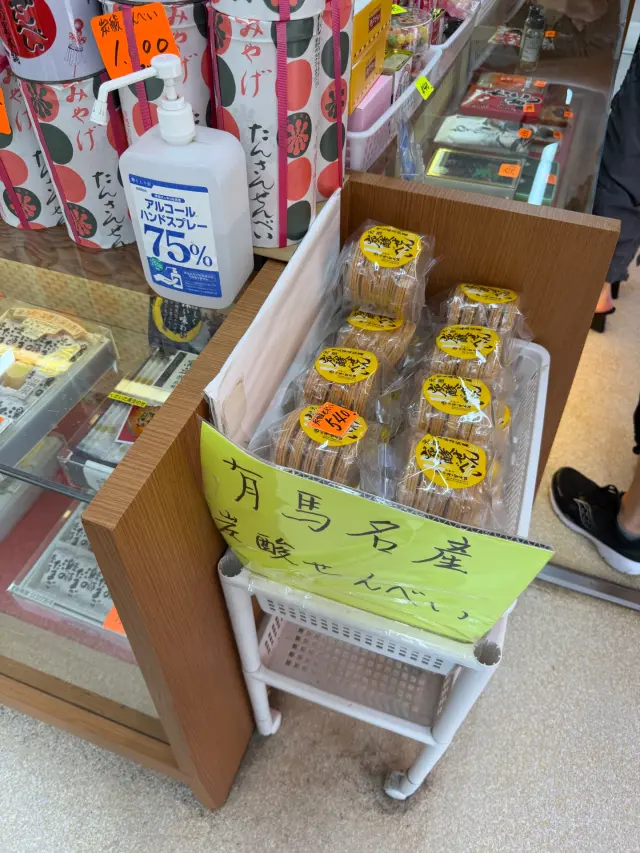
The moment I stepped into the bath and soaked in the steaming hot spring, all my fatigue instantly disappeared. The deep, gentle warmth was especially soothing, and afterward, my whole body felt refreshed and my skin felt silky smooth. If you don't want to spend a lot of money staying at an expensive hot spring hotel, soaking in a public bath like this is truly the best and most authentic option. After your bath, you can also sit at the free footbath outside and chat while soaking your feet, or buy some carbonated rice crackers nearby. I highly recommend experiencing the excellent golden spring water at Kin no Yu when you visit Arima Onsen!
Kin no Yu | Review by Jk
Other Reviews by Jk
-

Kushida Shrine
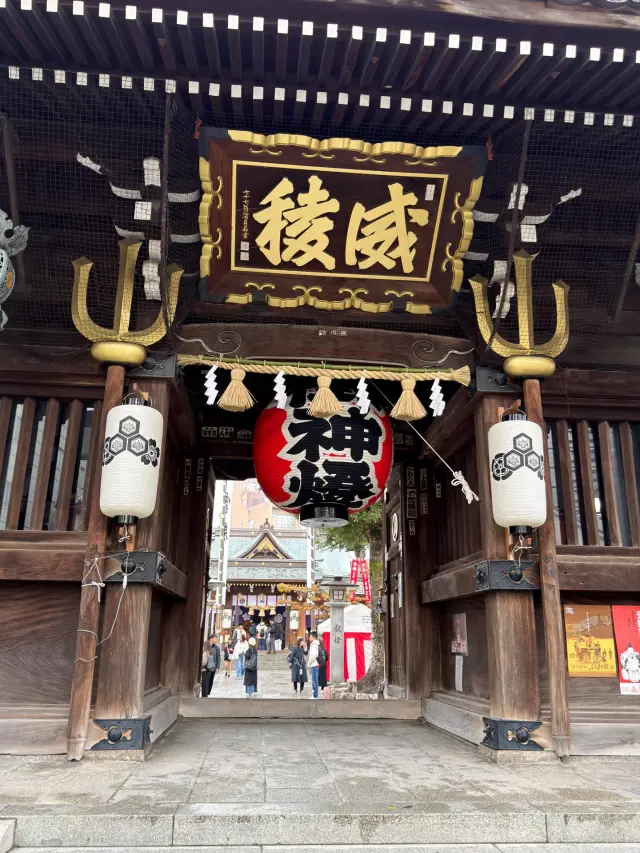
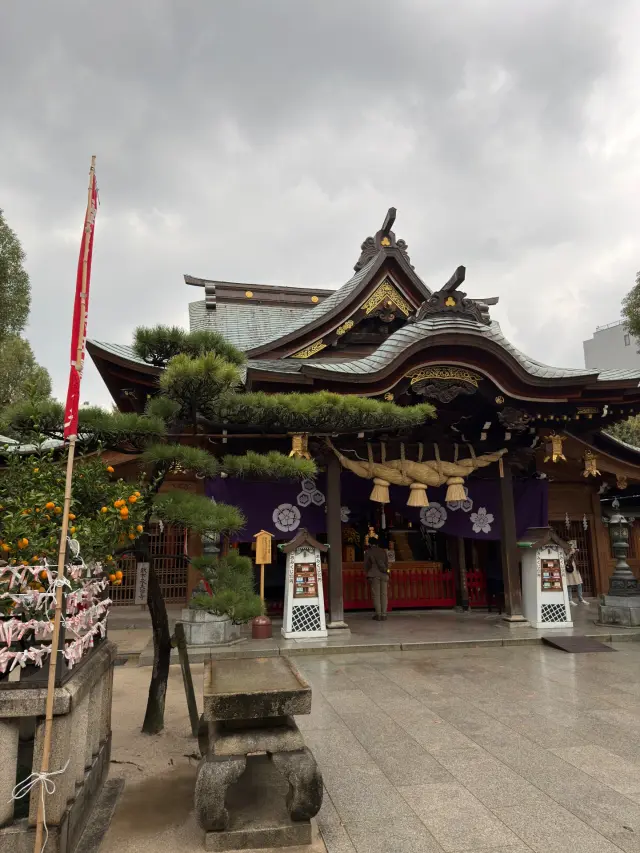
This head shrine is said to have been built in the 8th century. Residents in Hakata call it “Okushida san.” Hakata Gion Yamakasa festival declares the arrival of summer to the City of Hakata in July, and is dedicated to this shrine.
At Kushida Shrine in downtown Hakata, Fukuoka, you’ll immediately be captivated by the strong traditional atmosphere of Hakata’s old downtown! Affectionately called “Okushida-san” by locals, it is Hakata’s oldest and most revered guardian shrine, as well as the central starting point of the Hakata Gion Yamakasa festival, which electrifies all of Japan every summer. The most eye-catching sight is definitely the enormous decorative yamakasa float permanently displayed on the shrine grounds! Standing a full two or three stories tall, this colorful float is densely covered on both sides with intricately crafted, lifelike historical warriors and figures from mythology. The colors are vibrant and the details are incredible. Standing underneath and looking up, its bold visual impact will have you snapping photos nonstop!
-
-

Miyajima Omotesando Shopping Street
The most vibrant street on the island, the "Miyajima Omotesando Shopping Street" is lined with stores showcasing Miyajima's specialties. Spanning approximately 350 meters, this arcade street leading up to the grand torii gate of "Itsukushima Shrine" is packed with souvenir shops, stores offering local crafts, and eateries serving Miyajima gourmet delights. With a dense collection of stores offering souvenirs and local foods emblematic of Miyajima, it's recommended to stroll this shopping street first when you visit the island.
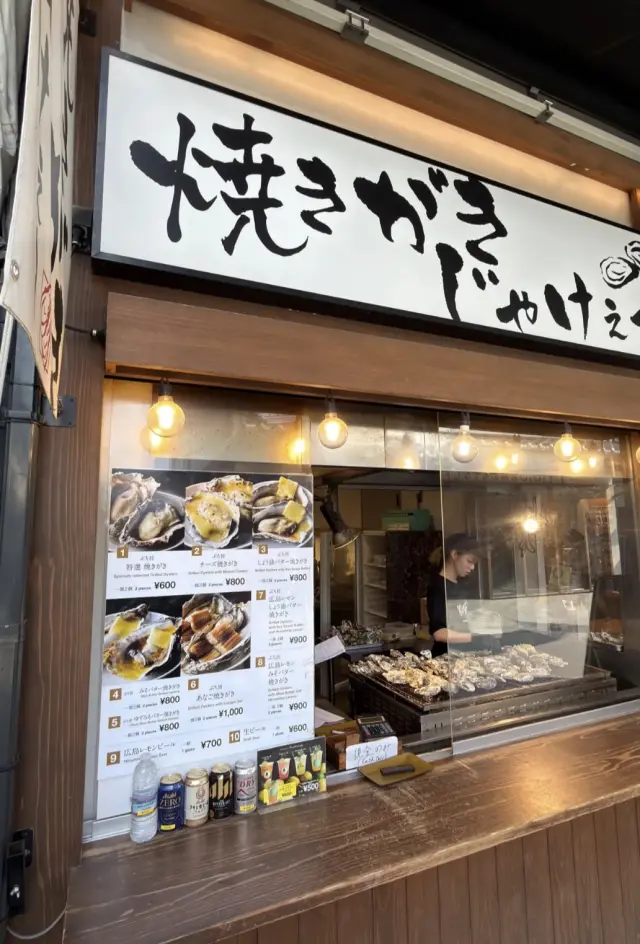
Miyajima Omotesando Shopping Street—the aroma of sizzling grilled oysters and the huge crowds completely overwhelm you! This covered arcade, stretching more than 300 meters, is the main hub for sampling great food and buying souvenirs on Miyajima. The roof protects you from both the sun and rain, while dozens of long-established local businesses and specialty shops line both sides. The air is filled with the aroma of charcoal-grilled seafood and the sweet scent of freshly baked momiji manju. As you stroll along and watch the shopkeepers enthusiastically call out to customers, you just can't stop eating!
-
-
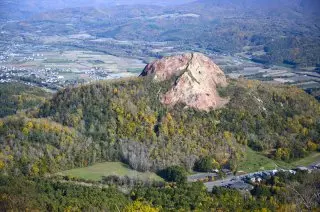
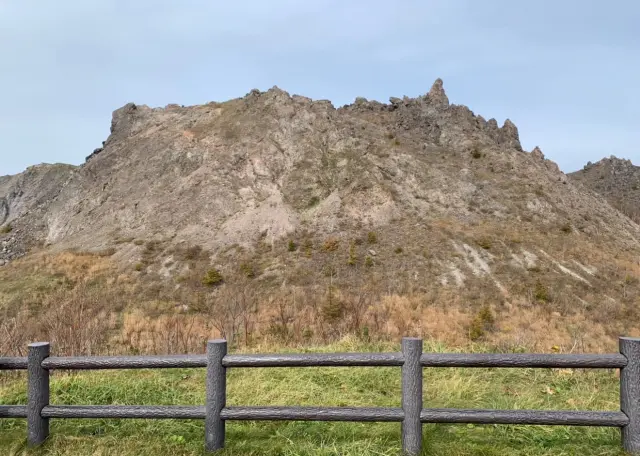
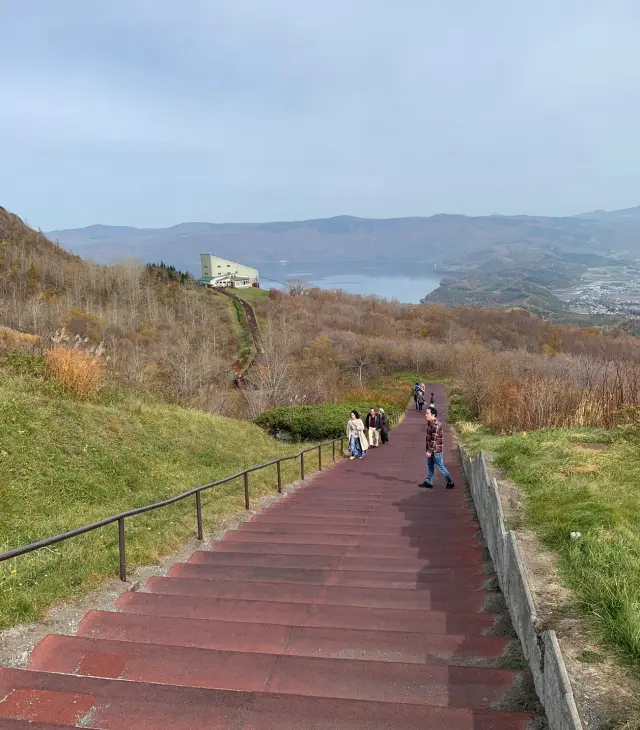
Mt. Showa-Shinzan
Showa Shinzan, in Shikotsu-Toya National Park, was once a wheat field that was uplifted by Mount Usu's volcanic eruption in 1943. Showa Shinzan is a volcano that has received worldwide attention for its status as a national special natural monument, one of Japan's top 100 geological sites, a Japanese Geopark, and a UNESCO World Geopark, among other things.
Even from far away, you can see a bare, dark red peak suddenly rising out of the vast green forest, with thick white steam constantly billowing from all around its slopes. This is the incredibly impressive Mt. Showa-Shinzan! The story behind this mountain is unbelievable. This area was originally just a flat wheat field, but during the Showa era, a series of powerful earthquakes and volcanic crustal activity caused magma underground to forcefully push up the surface. In just two years, it grew into an active volcanic lava dome nearly 400 meters tall. Looking up from the trail at the foot of the mountain, the rough reddish-brown rock face is completely barren. Up close, you can see white steam continuously hissing out from cracks in the rocks and even smell a faint hint of sulfur. Seeing the powerful vitality of the earth pulsing from within with your own eyes feels just like witnessing a miracle of nature!
-