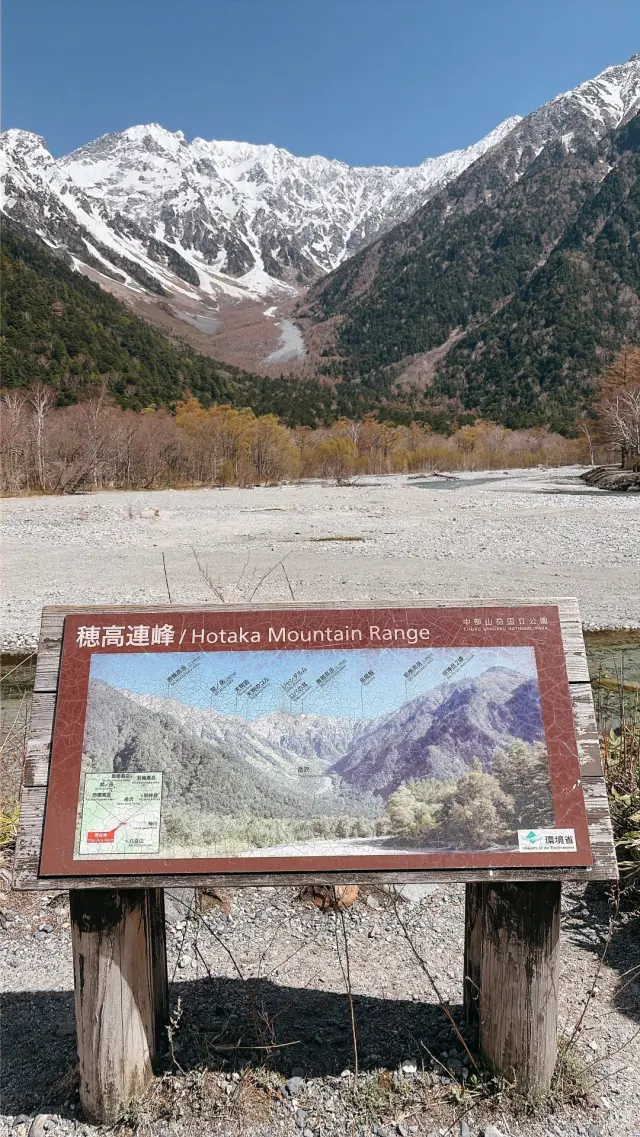
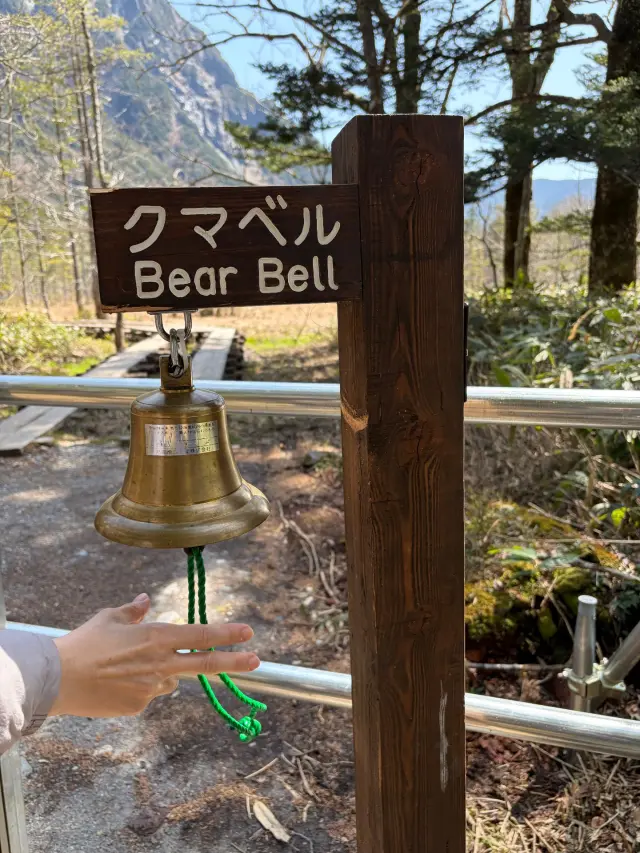
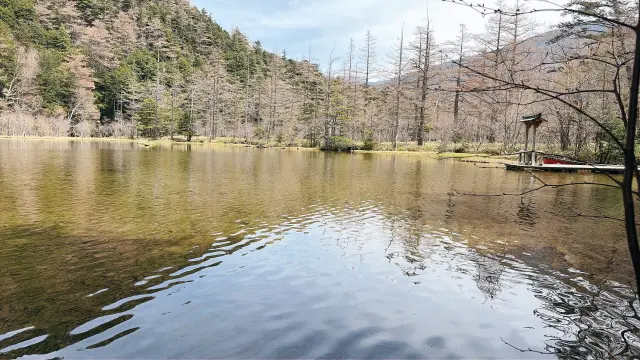
The walk from Kappa Bridge to Myojin Pond is fairly long. The forest is dense along the way, and bears are occasionally spotted, so be sure to carry a bear bell or bear spray before setting out. Myojin Pond lies deep within Kamikochi. Its tranquil, mirror-like waters, deadwood, massive rocks, and the reflection of Mount Myojin come together to create a sacred, otherworldly beauty.
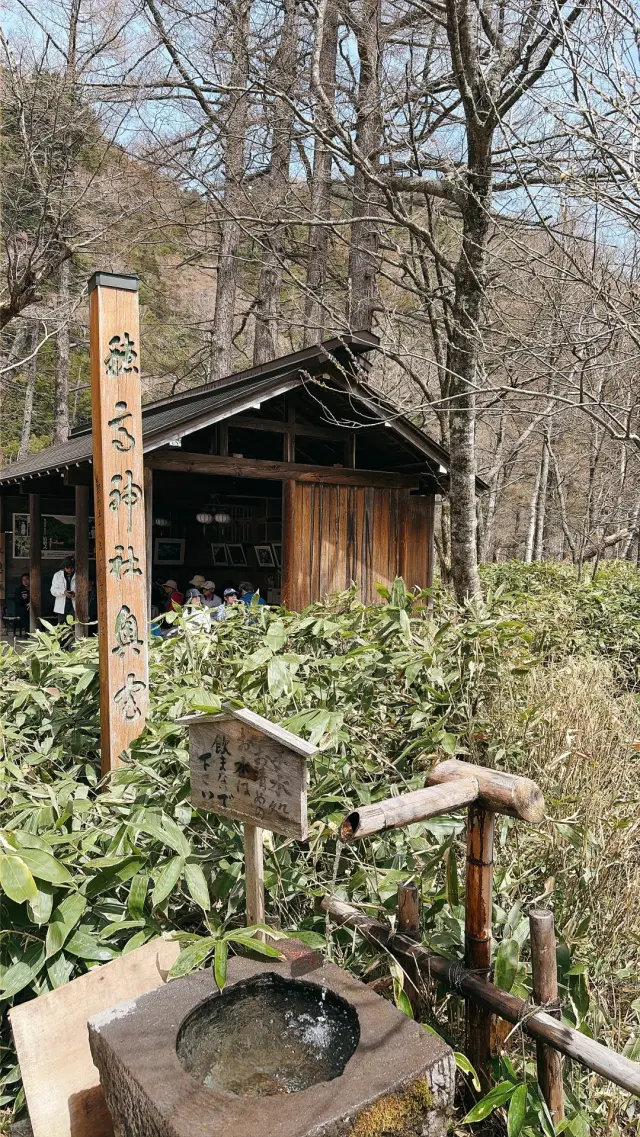
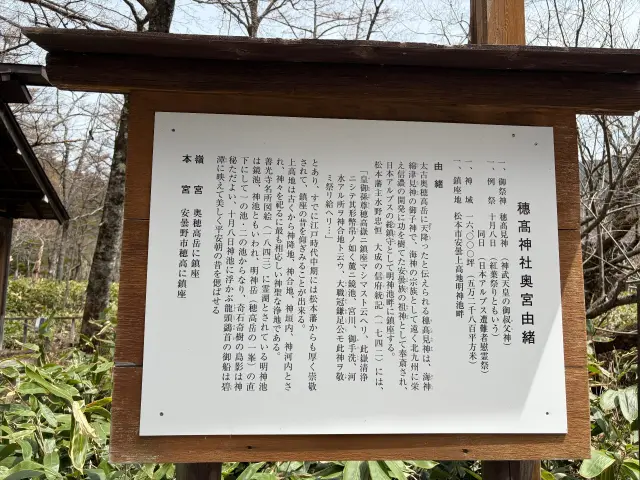
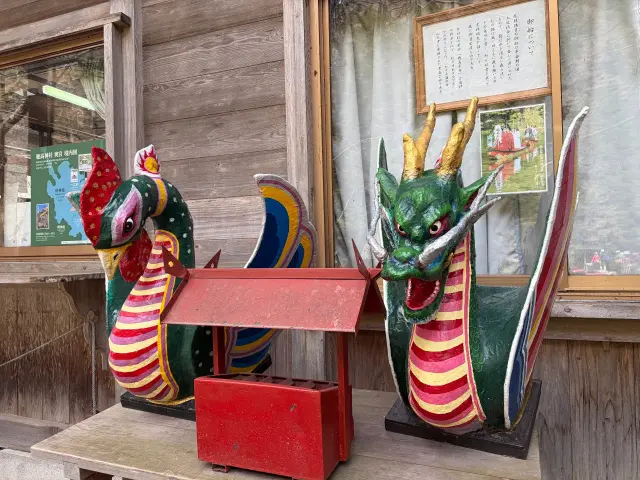
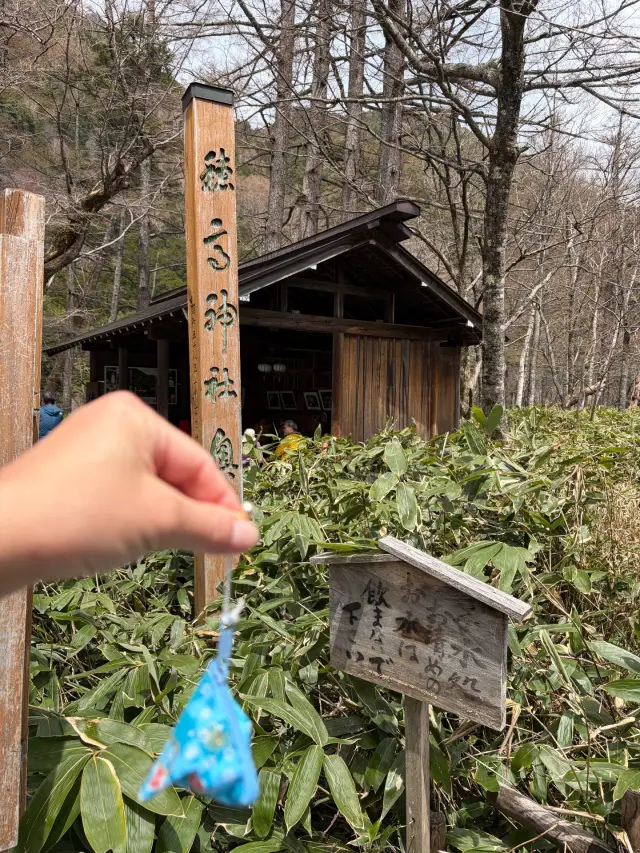
Once you arrive, find a quiet corner and take your time soaking in the pure atmosphere of this natural energy spot. Hotaka Shrine Okumiya by the pond is the guardian shrine of Japan's Northern Alps, and even members of the Imperial Family have visited. After praying for blessings, you can get a small, elegantly designed chimaki-shaped amulet to take home and pray for your family's safety and physical and mental well-being.
Myojin Pond | Review by 一個漸漸喜歡上慢旅的人
Other Reviews by 一個漸漸喜歡上慢旅的人
-
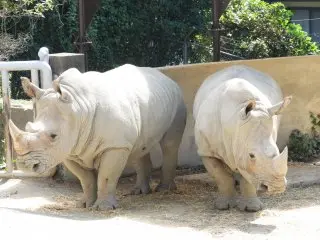
Fukuoka Zoo and Botanical Garden
The zoo and botanical garden is located on the grounds of Minami Park, a hilly area in Fukuoka City. The zoo area is located in the central part of the park, and the botanical garden area is located in the southern part, both of which can be accessed via an overpass.
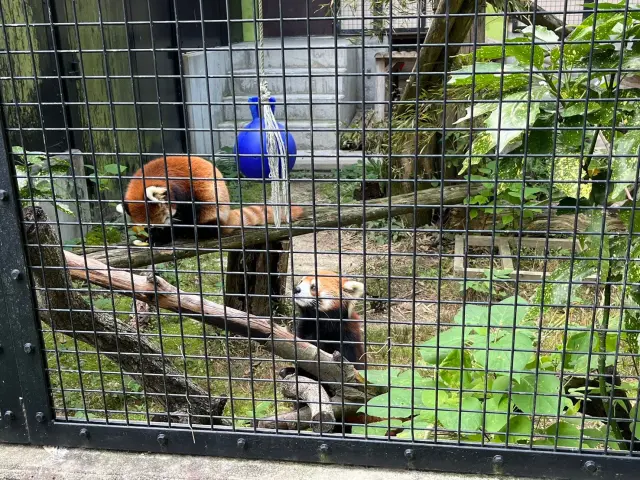
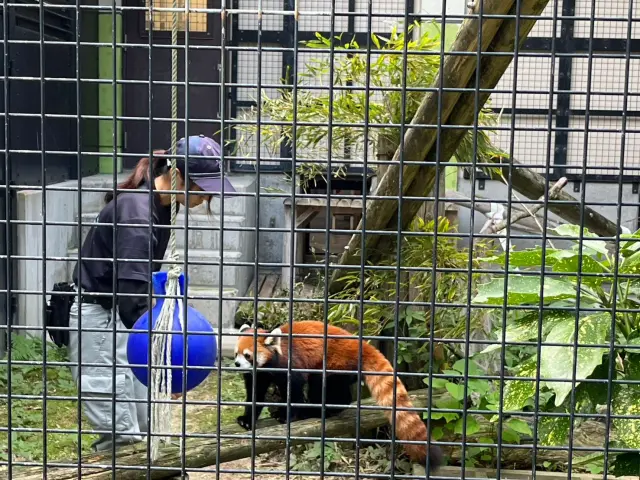
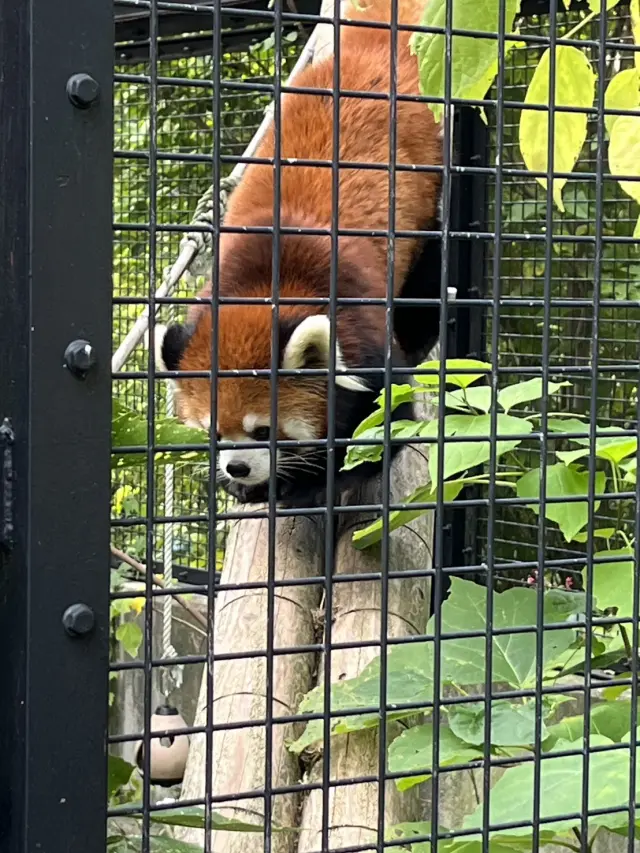
I really love red pandas, so almost every time I travel to Japan, I specifically look for zoos in the cities I visit where I might be able to see them. On this trip to Fukuoka, of course I didn’t hesitate to set aside half a day to visit the Fukuoka Zoo and Botanical Garden for some relaxation and healing.
It’s actually very close to downtown and easy to reach by bus. The zoo and botanical garden are connected, and the lush green surroundings make it very pleasant to walk around. Best of all, on the day I visited, the keepers happened to be training the red pandas. I got to watch them interact with the keepers up close and nimbly climb up and down the wooden structures. They were unbelievably cute. The zoo had also thoughtfully placed benches next to the exhibit, so I sat there quietly watching them lounge around and eat, enjoying a peaceful and healing moment all to myself. Being completely melted by these adorable little creatures during my trip made me feel truly happy. Maybe this is what traveling is all about.
-
-

Nagasaki Shinchi Chinatown
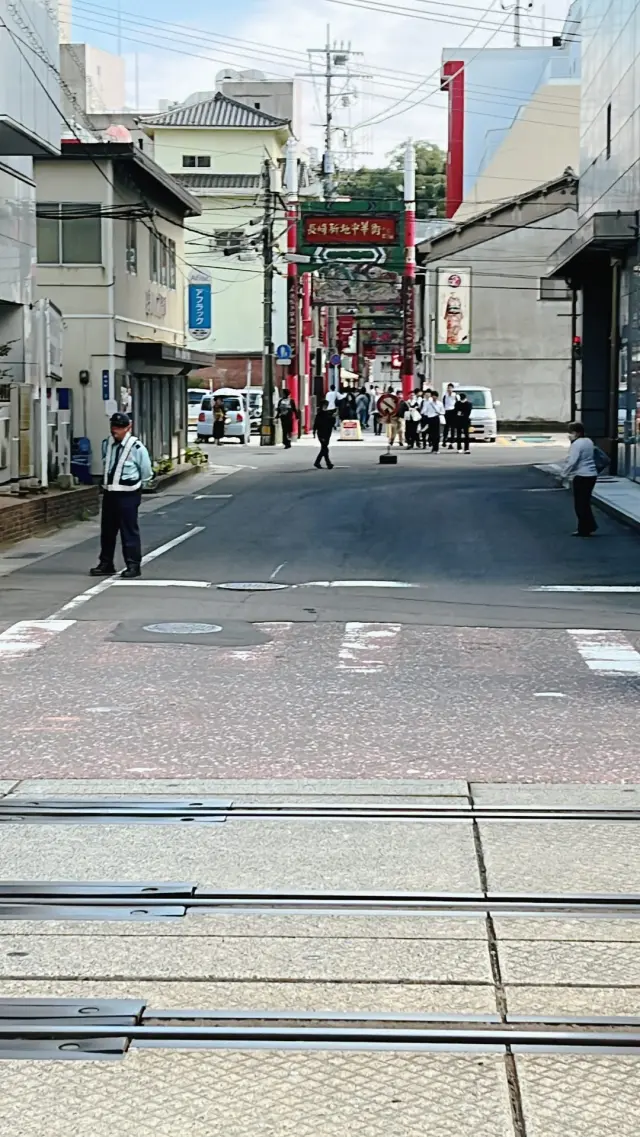
During the Edo period, Nagasaki was actively engaged in trade with China, and the land reclaimed from the sea to build a baggage warehouse to store goods from Chinese ships was called Shinchikurasho. Today, a monument to the Shinchikurasho site stands in the center of Chinatown.
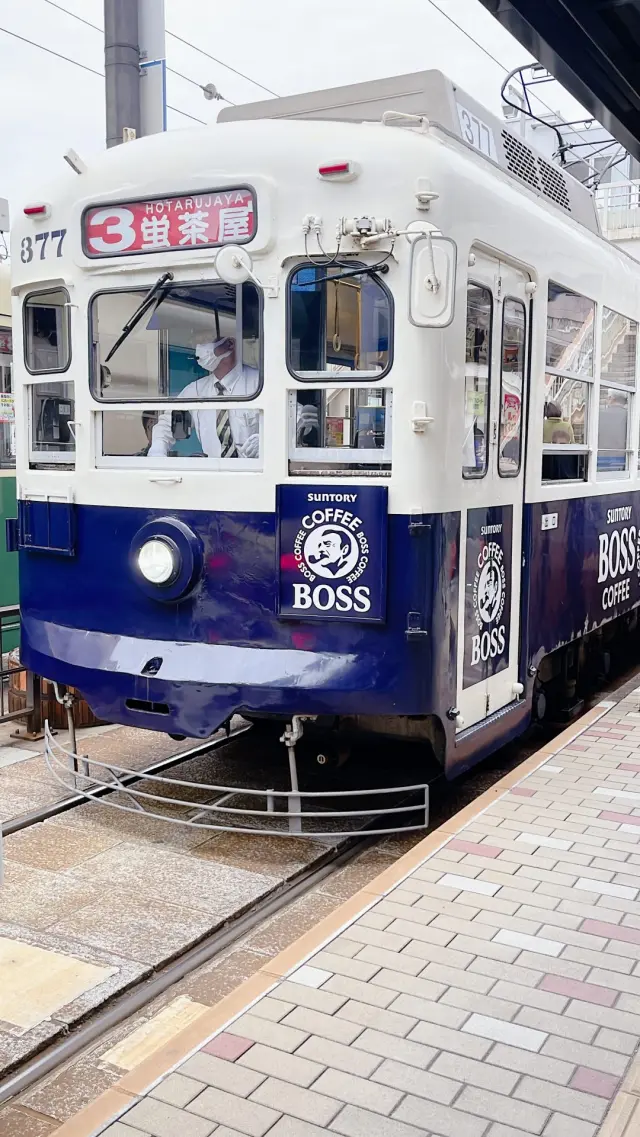
This was my second visit to Nagasaki. I missed it last time because I ran out of time, and I’d always wanted to see Nagasaki Chinatown, known as one of Japan’s three major Chinatowns. This time, I made a point of taking the streetcar, and after visiting nearby Dejima, I came over to walk around and check it out.
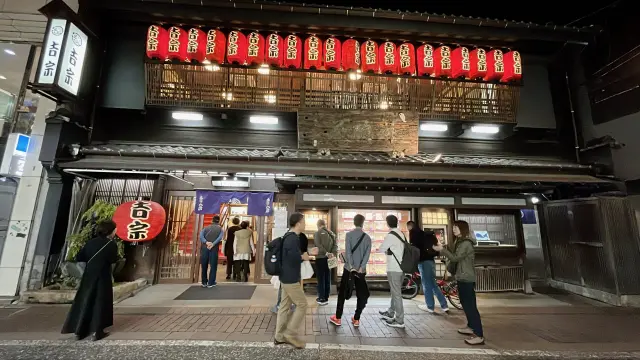
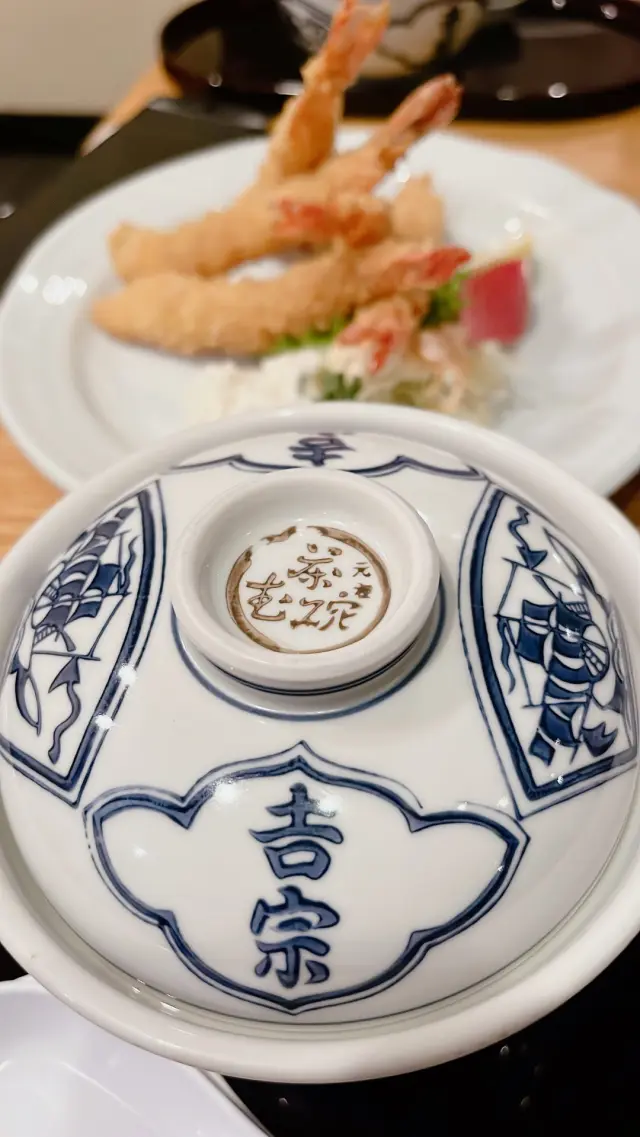
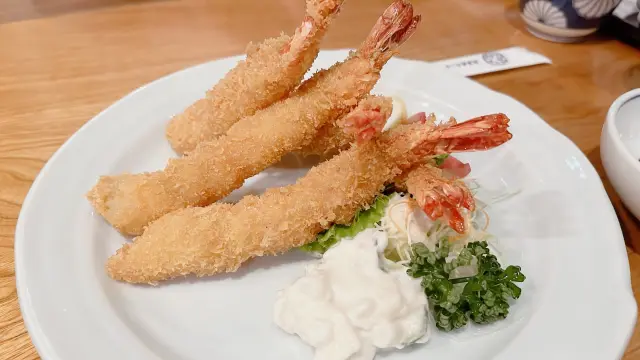
After passing through the impressive bright-red gate, I found many small shops selling Chinese food and souvenirs, including well-known places like Soshurin, which you can also find at the station, and the very popular Kozanro. But honestly, the streets aren’t very wide, so it felt a little crowded when people gathered. Since I’m not very comfortable in crowds to begin with, I took a quick walk around to experience the exotic atmosphere, then decided to head to the long-established local restaurant Yossou for its signature chawanmushi and delicious fried shrimp dish.
Although Nagasaki Chinatown wasn’t as large as I had imagined, if you’re already visiting Dejima or somewhere nearby, stopping by to experience the area’s unique local Chinese history and atmosphere is also worthwhile.
-
-
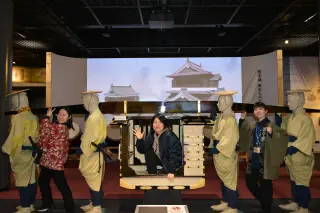
Kumamoto Castle Museum Wakuwakuza
Located within Sakuranobaba Josaien, a destination showcasing Kumamoto’s food culture, history, and traditions, this museum combines conventional displays with a wide range of hands-on exhibits. Discover Kumamoto’s history and culture while learning about Kumamoto Castle, the city’s symbol. Exhibits offer a deeper understanding of Kumamoto, including a corner where you can sit on a model horse or climb into a life-size palanquin to feel like a feudal lord from the Edo period.
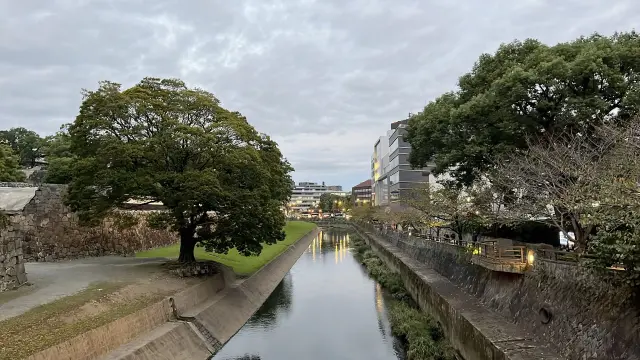
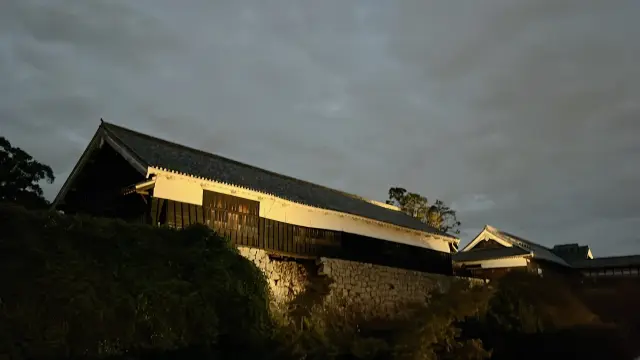
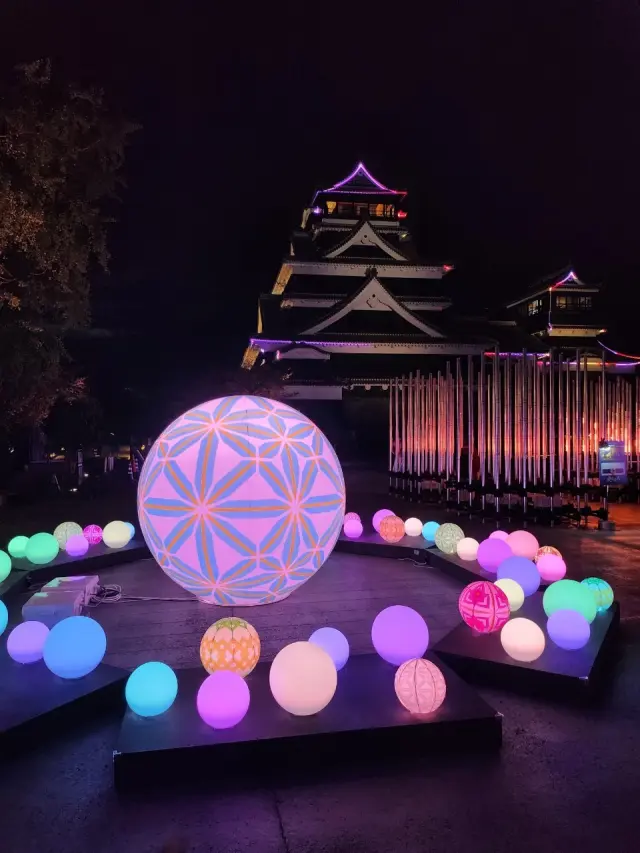
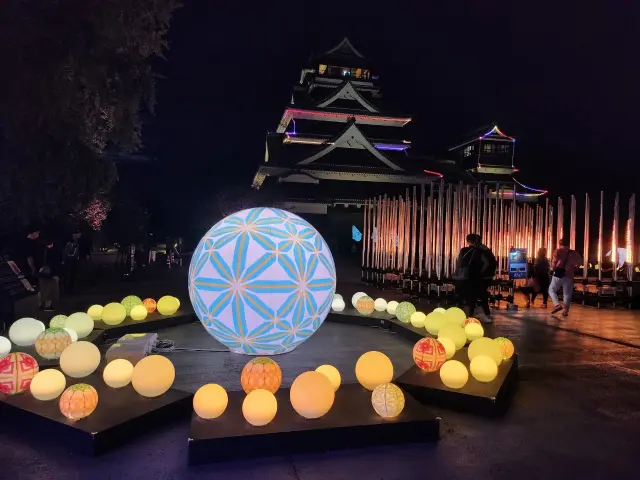
When I visited Kumamoto Castle this time, it happened to be around dusk, and I caught a beautiful sunset while walking there from my hotel. When I reached Sakuranobaba Josaien, I was also lucky enough to see a samurai performance featuring performers in impressive historical costumes. The nearby Wakuwakuza is one of the area's main buildings. If you plan to visit both Kumamoto Castle and Wakuwakuza, discounted combination tickets are also available on-site. The museum mainly presents historical information and details about the daily lives of feudal lords and samurai during the Edo period, along with an introduction to what Kumamoto Castle looked like in the past.
However, since I wanted to spend more time enjoying the nighttime view of Kumamoto Castle after it was illuminated, I only took a quick look around the museum. As a side stop on the itinerary, it offers a strong sense of history, but if you're worried about not having enough energy, I recommend saving your time for visiting Kumamoto Castle.
-