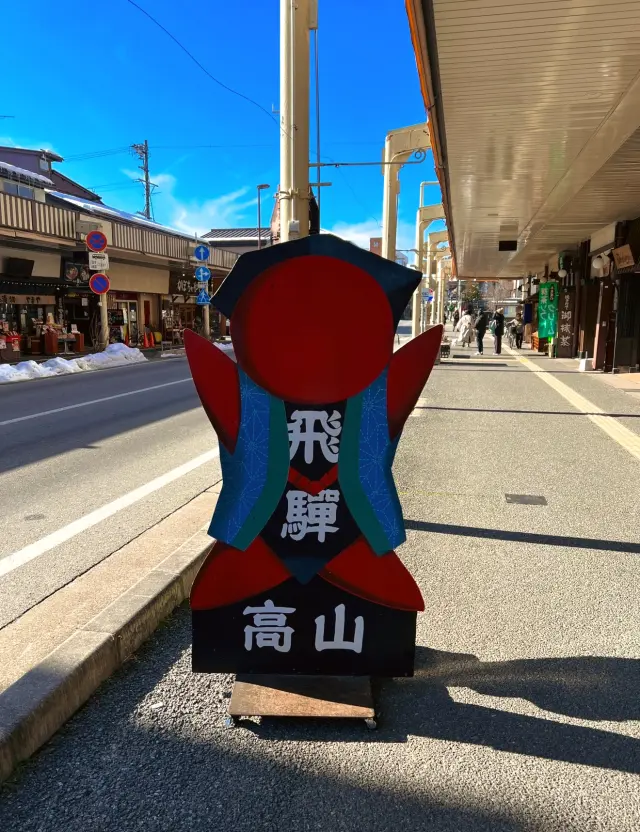
On the streets of Hida Takayama Old Town, the winter sunlight shines on the clean roads, and the air feels chilly yet refreshing. Traditional wooden houses full of Edo-period charm and a prominent red “Hida Takayama” sign greet you as you arrive.
Strolling at an easy pace between the quaint old streets, you can catch the faint aroma of freshly grilled Hida beef skewers and soy sauce rice crackers in the air, making you want to stop and look inside every shop.
Standing under the covered walkway by the street and gazing into the distance, I could see snow still covering the mountaintops beneath a brilliantly blue sky. The pace of strolling through the entire old town felt incredibly comfortable.
Actually walking through such a well-preserved traditional district and experiencing the Hida region’s uniquely slow pace of life makes you reluctant to reach the end too quickly.
I highly recommend planning a walk through Hida Takayama Old Town and using your own two feet to discover the locally handcrafted items hidden inside the old houses, adding the most authentic chapter of Japanese charm to your journey!
Hida Takayama Old Townscape | Review by Jk
Other Reviews by Jk
-

Itsukushima Shrine
Itsukushima Shrine stands on the island of Itsukushima, which is also known as the island of gods. It is said that the shrine was founded in 593 by Saeki no Kuramoto, and the 3 goddess “Ichikishimahime-no-Mikoto,” “Tagorihime-no-Mikoto,” and “Tagitsuhime-no-Mikoto” are enshrined there. Famous for granting a wide list of benefits, these three goddesses as are worshipped as the goddesses of the sea, transportation, fortune, and art.
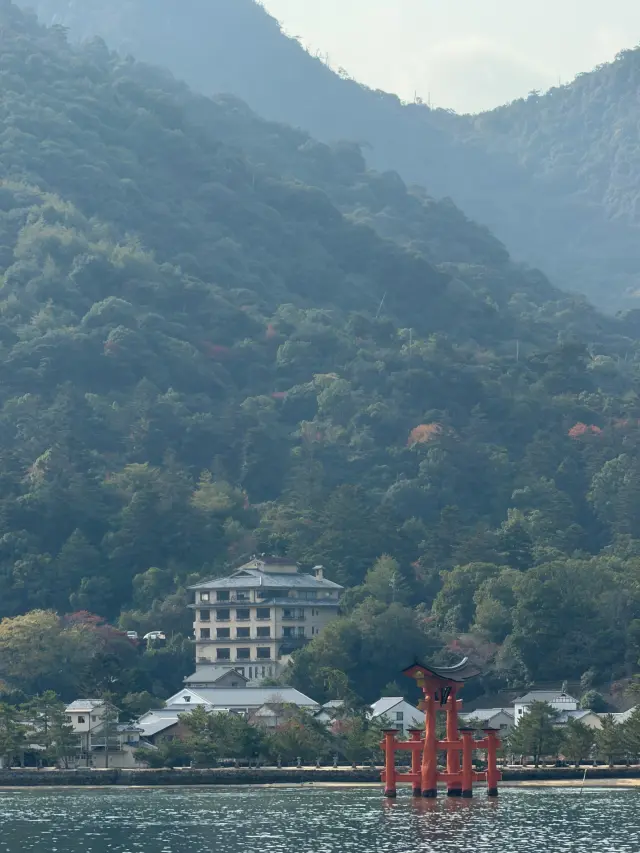
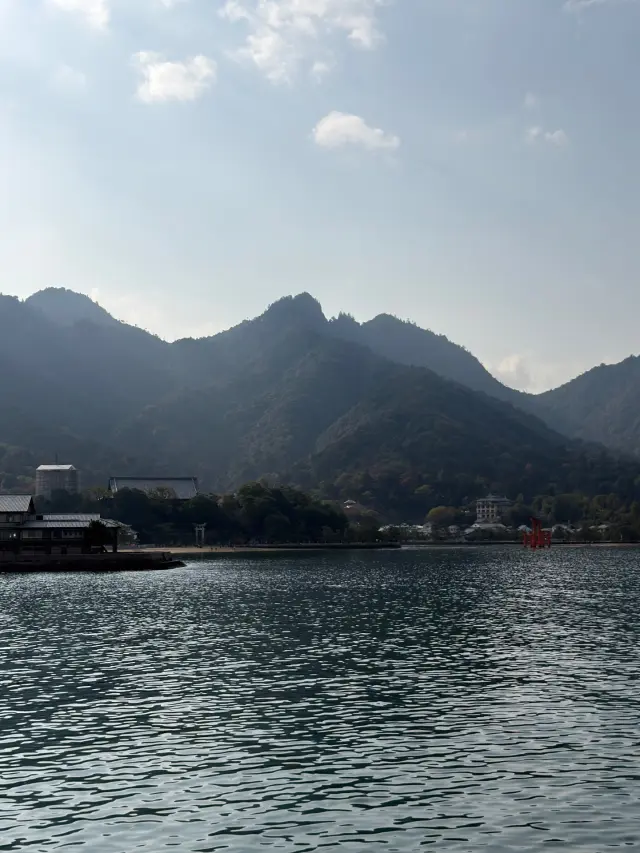
Seeing that huge red torii gate standing in the sea from afar really gives you goosebumps! This is the World Heritage Site Itsukushima Shrine, and the wildest part is that the entire shrine was built right on a beach where the tide comes and goes. It's incredibly unique!
At high tide, the seawater slowly rises, making the vermilion wooden corridors and shrine buildings look as if they're floating on the water. The red pillars are reflected in the blue sea, and every photo looks like a fairyland. At low tide, it's a completely different experience. Once the water recedes, the entire beach is exposed, and everyone can walk across the sand right underneath the huge torii gate. Looking up at those enormous camphorwood pillars, they're truly massive and spectacular up close. You can clearly see the barnacles and wood grain at the bottom—they're incredibly impressive!
Walking along the long wooden corridors with the cool sea breeze blowing toward you, you can even see the seawater flowing beneath your feet. You can often spot wild deer that aren't afraid of people leisurely wandering along the shore. They're incredibly adorable. -
-

Matsue Castle
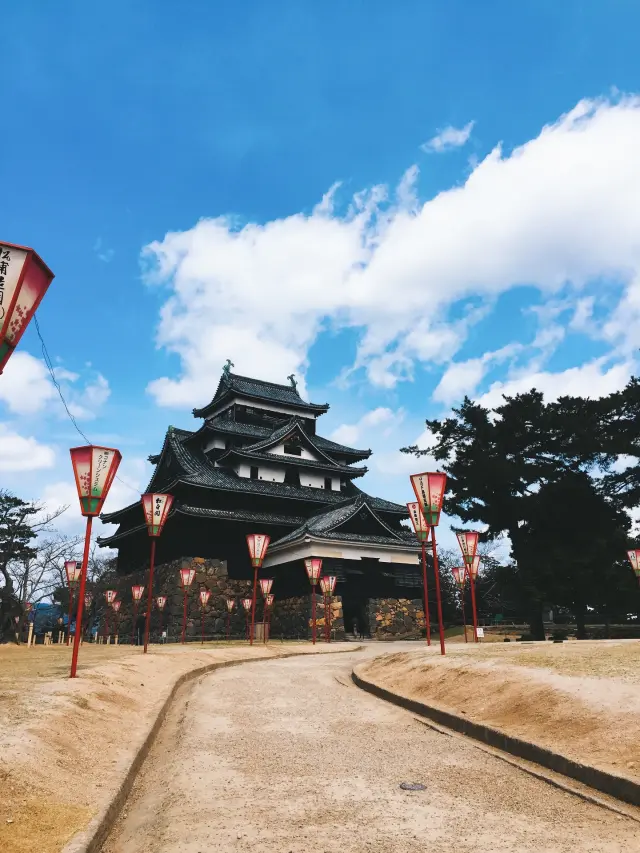
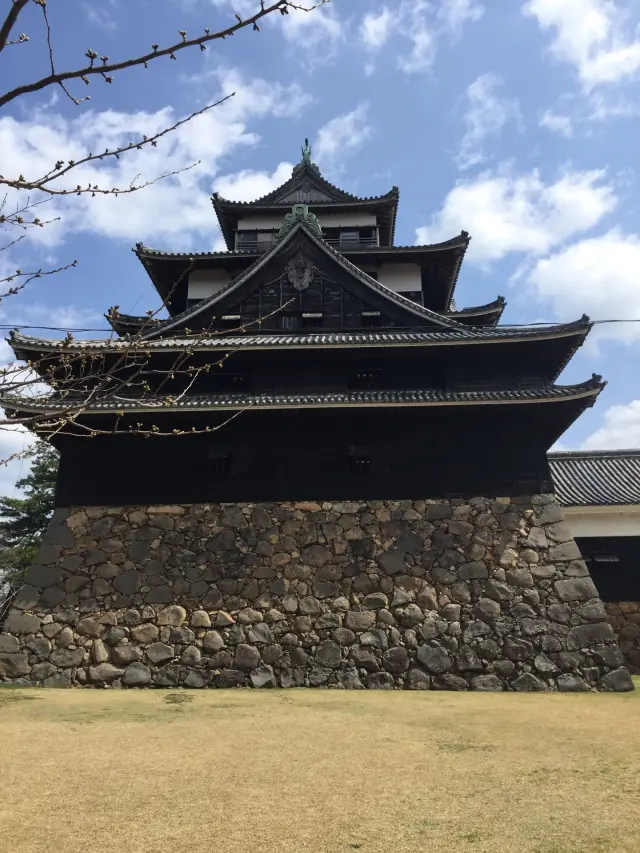
Perched on a 29-meter tall hill in the flatlands near Shinji Lake, Matsue Castle was designated a Japanese national treasure in 2015. It was built some 400 years ago by Yoshiharu Horio, the lord of Izumo and Oki Provinces. The castle is sometimes nicknamed “Plover Castle” due to the castle gables resembling a plover bird with outstretched wings.
Looking up at that imposing dark brown castle keep instantly makes you feel as if you've traveled back to Japan's war-torn Sengoku and Edo periods! This ancient castle, one of Japan's Five National Treasure Castles, is also one of only 12 surviving original castle keeps in the country. It has completely preserved its appearance from when it was built more than 400 years ago. The exterior walls of the keep are covered with dark black wooden siding, and the boldly spreading eaves look both elegant and commanding, like a huge black bird about to take flight. That's why it earned the impressive nickname "Plover Castle"! Climbing the steep, sturdy old wooden stairs inside and walking across the thick wooden floors that make a deep sound underfoot, you eventually reach the observation level at the very top. The view is unbelievably open, offering an unobstructed 360-degree panorama of Matsue's cityscape as well as a distant view of sparkling Lake Shinji. The breeze blowing against your face feels incredibly refreshing!
-
-

Don Quijote Dotonbori Store
Known for its late-night hours, quirky shelf displays, and handwritten promotional signs, Don Quijote is a beloved all-in-one discount store. The Dotonbori branch is especially eye-catching thanks to its iconic yellow Ferris wheel attached to the building’s façade-now a well-known landmark along the Dotonbori River in Osaka’s Minami district.
Right beside Osaka’s Dotonbori Canal, there’s absolutely no way to miss the Don Quijote Dotonbori Store, with its giant yellow Ferris wheel and penguin mascot. This place is truly a late-night shopping paradise for all night owls and shopaholics! Every floor is packed with all kinds of extremely popular products, from the overwhelming selection of snacks, instant noodles, and matcha sweets at the first-floor entrance to beauty and skin care products, medicine, electronics, household goods, and even funny cosplay costumes upstairs. There are so many products stacked to the ceiling that it feels like a maze. Pushing a shopping basket through the narrow, bustling aisles while hunting for treasures, with the catchy signature theme song and lively checkout calls ringing in your ears, sends the thrill of shopping and your adrenaline straight through the roof!
-