

The soy sauce tasting especially was a really interesting and nice experience
Trekking Mount Kongo and Exploring the Roots of Japanese Cuisine | Review by Erin
Other Reviews by Erin
-
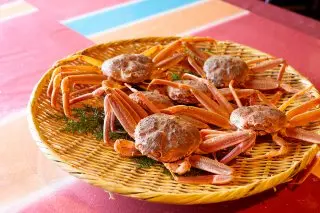
Taiza Crab - Kyotango Ryugu Project -
Make your own crab rice bowl at a local inn using crab landed in Taiza, one of Japan’s leading crab-fishing areas. The female seko crabs used as toppings are small but prized for their rich tomalley, bead-like outer roe, and inner roe found inside the shell.
The whole meal was very delicious and traditional. Also we were served strawberry from the private farm which was really nice.
-
-
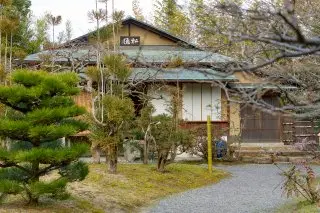
Shōkadō
Shōkadō Shōjō was a Buddhist monk of the early Edo period (1603-1868), as well as a man of culture. With his talent for the arts, Shōjō left us excellent calligraphy works and paintings, and the tea ceremonies that he hosted used to attract many cultured people and flourished as a place of exchange. In his last years, he retired to small residence (Shōkadō) that he built in Otokoyama in Yawata City, Kyoto, where he lived simply until his death in 1639. Since then, Shōkadō has been relocated several times. In 2014 it was relocated in Shōkadō garden, which was designated a national place of scenic beauty.
I love to learn more about the tea ceremony and how to properly enjoy it. The garden was very pretty and I’m glad we could see some camellias!
-
-

Asahikan
Founded around 140 years ago, Asahikan stands at the trailhead of World Heritage-listed Mount Omine. It has long welcomed hikers as a place to rest and recharge. Its cuisine features an abundance of seasonal local ingredients, including salt-grilled ayu sweetfish, fresh venison sashimi, and dishes made with wild mountain vegetables.
The building was so pretty full of things of the past. The owner was such a nice lady and the food was amazing!
-


