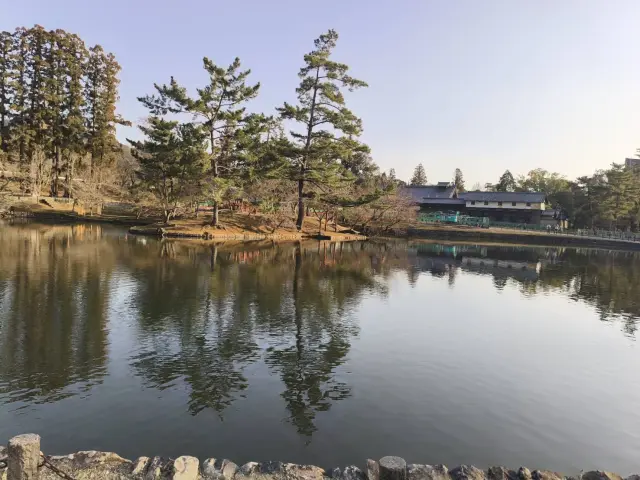
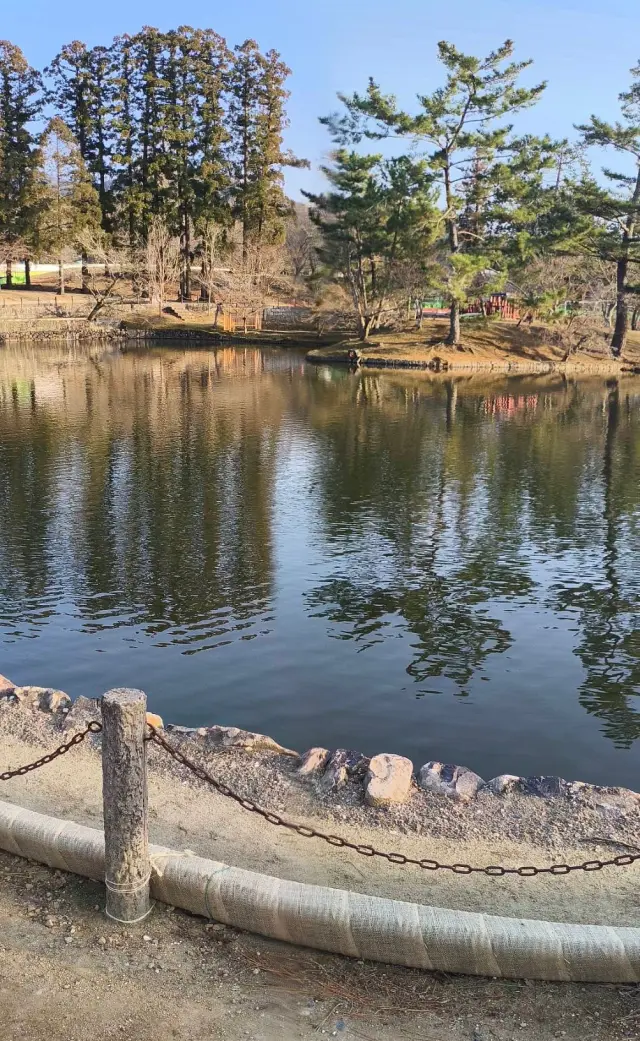
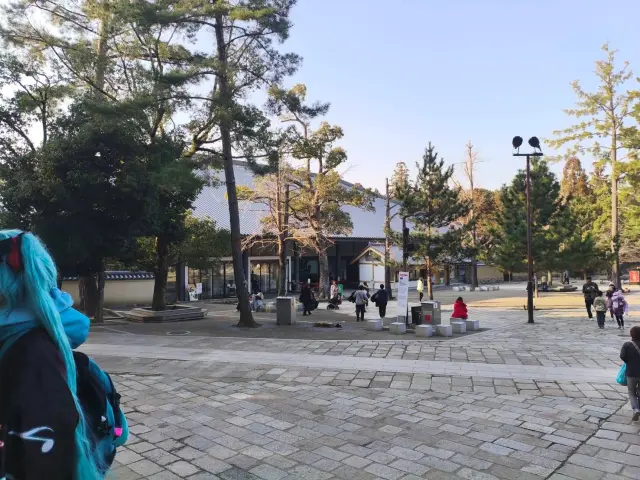
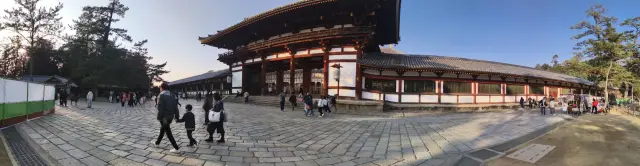
I visited Todaiji Temple in Nara in January. After touring the temple, I also took a walk around the pond on the temple grounds and the old street near Todaiji. The January weather was chilly, which made walking around especially pleasant. Without the summer heat and humidity, I could take my time enjoying the scenery.
The pond on the temple grounds felt very peaceful. The water reflected the surrounding scenery, and together with the old buildings nearby, it made me want to stop and take a longer look. After leaving, I continued toward the old street near Todaiji. There are quite a few shops along the way where you can browse local souvenirs and try some Nara specialties. Rather than rushing from one attraction to another, I prefer this kind of itinerary, where I can stroll around freely and discover little surprises along the way.
If you're planning to visit Todaiji Temple, I recommend exploring the nearby area as well. Don't rush to leave; walking slowly lets you experience a different side of Nara's charm. Although January is colder, it has its own unique atmosphere and is worth taking the time to explore.
Todaiji Temple | Review by Eddie
Other Reviews by Eddie
-

Deai Bridge
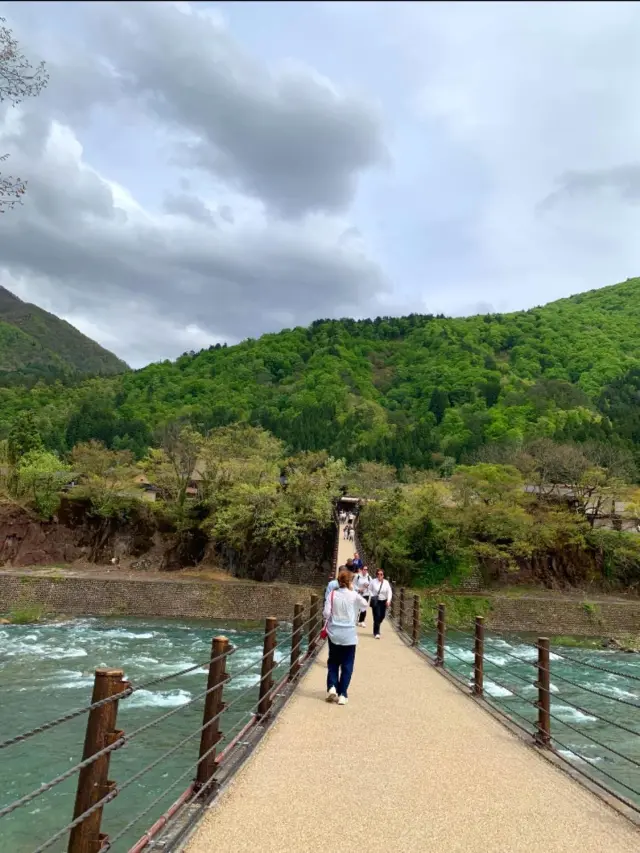
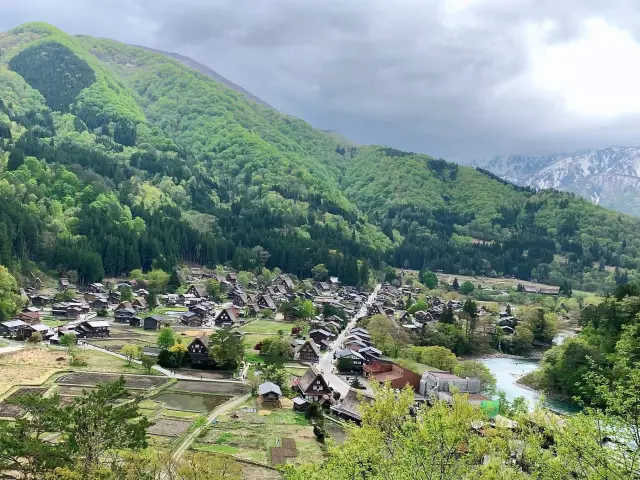
Deai Bridge is a 107-meter-long suspension bridge that leads to the Shirakawa-go gassho-zukuri village, a registered World Heritage site. The bridge connects the convenient public parking area, 'Village-Operated Sesaragi Park Parking Lot', to the village, and crossing the bridge brings you to the entrance of the village.
As I crossed Deai Bridge, the mountain breeze blowing toward me still carried a slight chill.
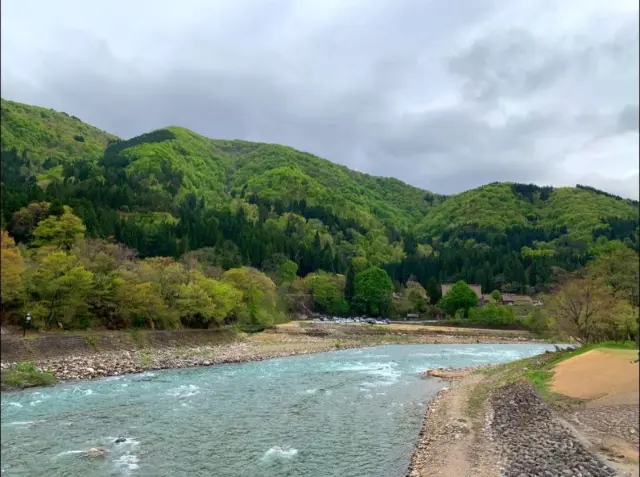
The water of the Shokawa River below was so clear it shimmered, with a faint blue-green hue. The rushing sound of the water blocked out all the noise from outside the village. The entire mountain before me had just taken on a fresh layer of green, with soft, pale new leaves interspersed among the dark cedar trees, creating distinct layers.
Even though the sky was slightly overcast and there was no bright sunshine, the clean, refreshing air and expansive river view still made me stop in the middle of the bridge. Before I even entered the gassho-zukuri village, this mountain and river scenery had already calmed my mind. -
-

Yokohama Red Brick Warehouse
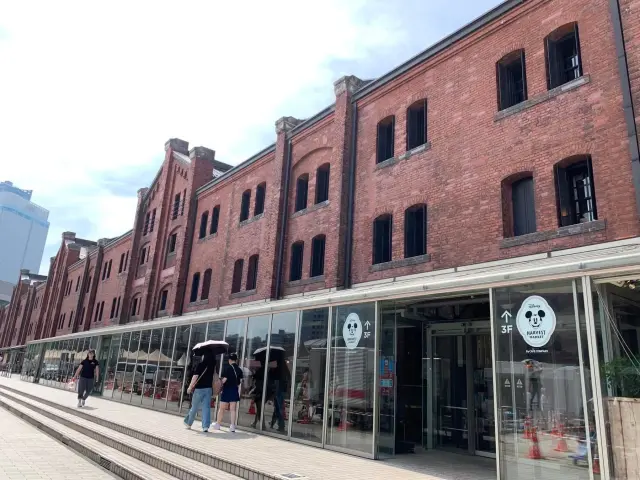
This red brick warehouse was a world-renowned state-of-the-art Japanese warehouse from the Meiji era into the Taisho era. Presently, its appearance has been maintained, and the 2-building warehouse contains shops, restaurants, and a multipurpose hall, making it a culture and shopping spot.
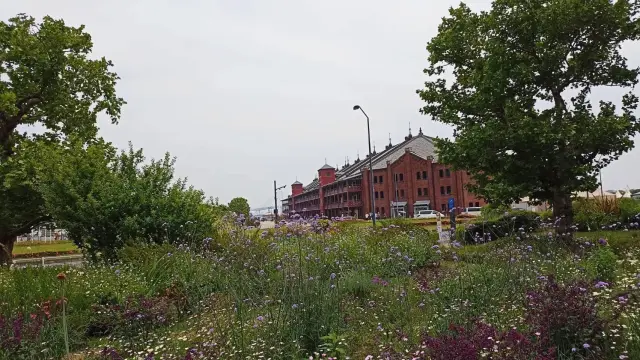
On the way to the Yokohama Red Brick Warehouse, I happened to pass through the garden walkway beside it.
The sun wasn't too strong that day, and there was a light breeze, making it just right for a stroll along the harbor. A field of small purple flowers and green trees swayed gently in the wind. Beyond the flowers and greenery stood the old red brick building, quiet and still. The view from this angle was unexpectedly pleasant, with a wonderful sense of depth.
Compared with the lively market atmosphere right in front of the warehouse, I actually preferred this walkway. There were fewer of the crowds and noise often found at tourist spots, and the air carried the faint scents of plants and the sea breeze. I slowly wandered along the stone-paved path with the wind blowing, watching the century-old building blend in with the blooming flowers and greenery. It had a relaxed feeling that naturally made me unwind.
Walking around Yokohama is always like this. You don't necessarily have to rush from place to place just to check things off a list. Little corners you happen to find along the way are enough to make you want to stop and take them in for a while. -
-

The Time Bell Tower (Toki no kane)
Kawagoe is only about an hour away from the center of Tokyo, and it is a city where you can enjoy the quaint streets. One of the most famous tourist landmarks in this city is the Bell of Time. It is a landmark with a striking presence in the street lined with old-fashioned warehouses.
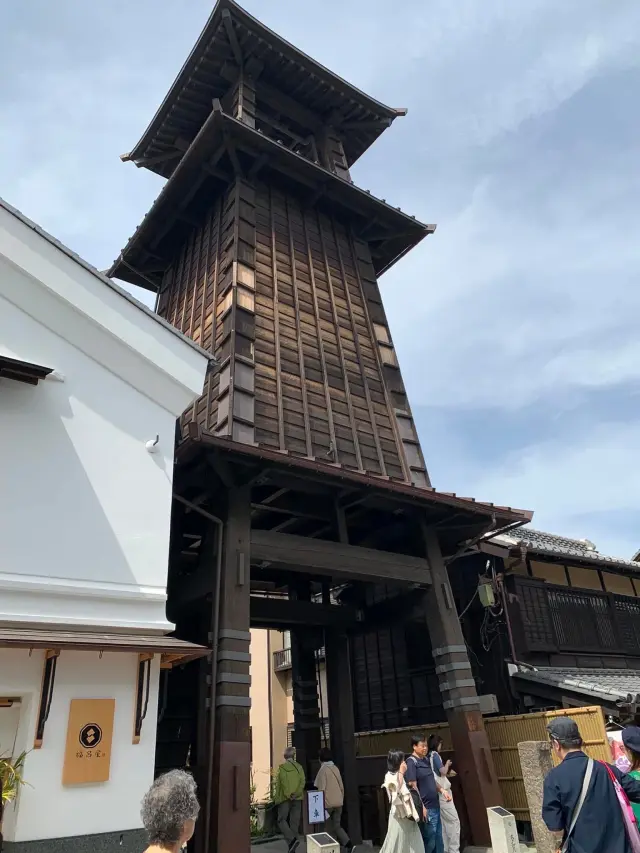
Looking up at the sky over Koedo Kawagoe, the most striking landmark is this wooden bell tower that has stood for centuries—the Time Bell (Toki no Kane).
This three-story wooden structure, about 16 meters tall, has watched over the town since the early Edo period. Despite the passage of time and being rebuilt after fires, it still stands beside the historic kurazukuri warehouse district. Its steady, clear bell rings every day at 6:00 a.m., noon, 3:00 p.m., and 6:00 p.m., and it was selected as one of the 100 Soundscapes of Japan.
Walking along the stone-paved path beneath the tower, I looked up at the dark brown wood grain, which appeared especially rustic and charming against the blue sky. Surrounded by distinctive little shops and the aroma of Japanese sweets, hearing the bell echo softly felt like traveling through time in an instant, back to the lively yet leisurely pace of old Edo. When you visit Kawagoe, be sure to stop and listen to this tranquil bell that has echoed through the centuries. -