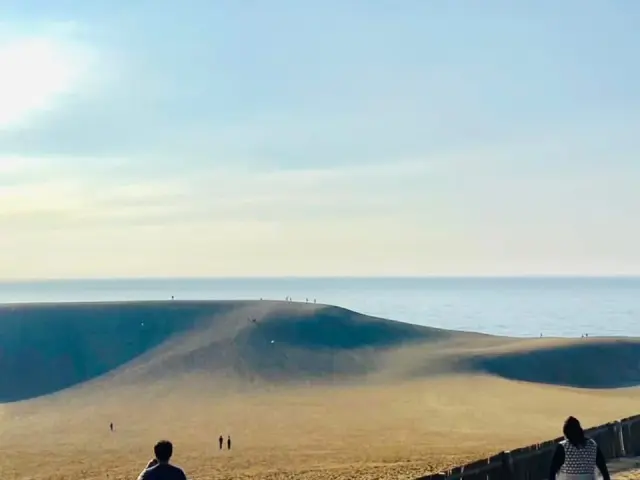
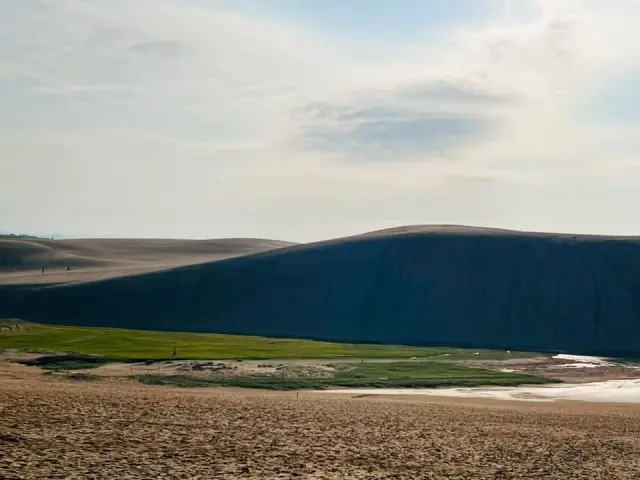
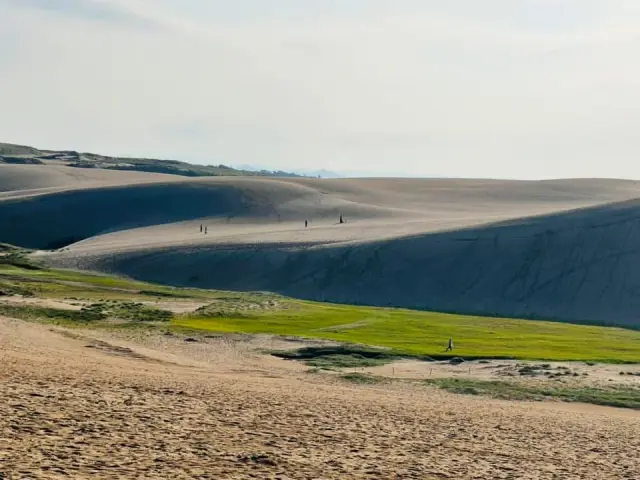
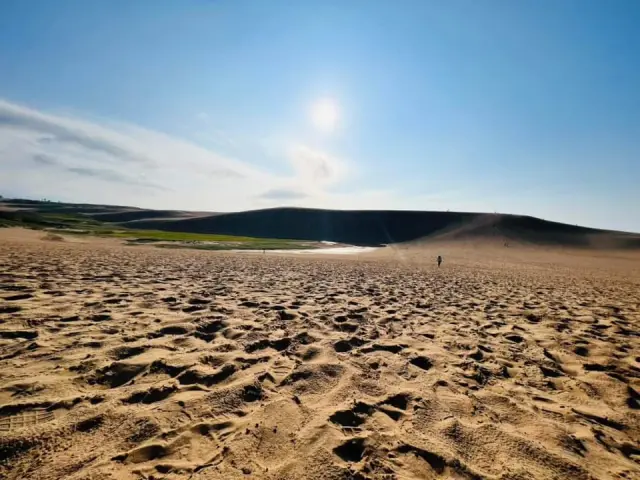
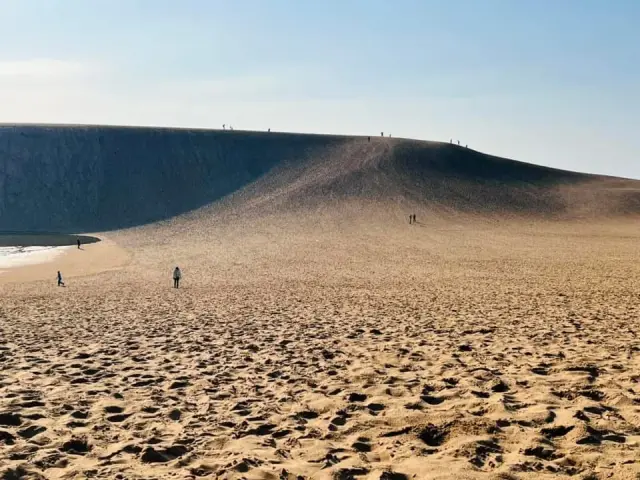
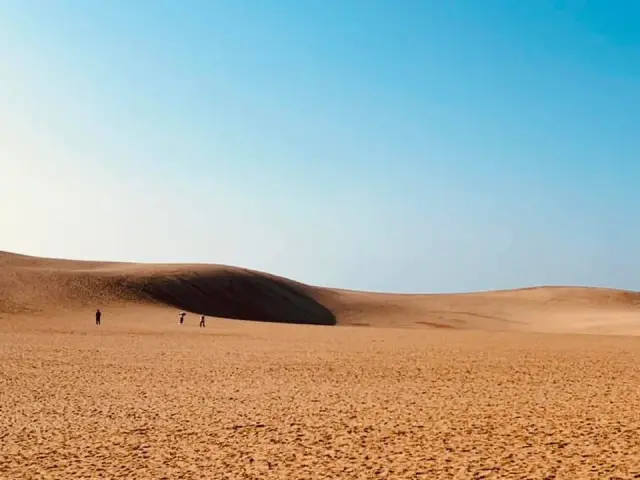
When visiting Tottori, the Tottori Sand Dunes are a must. Located within the San'in Kaigan Geopark, the dunes stretch 2.4 kilometers from north to south and 16 kilometers from east to west, making them Japan's largest coastal sand dunes.
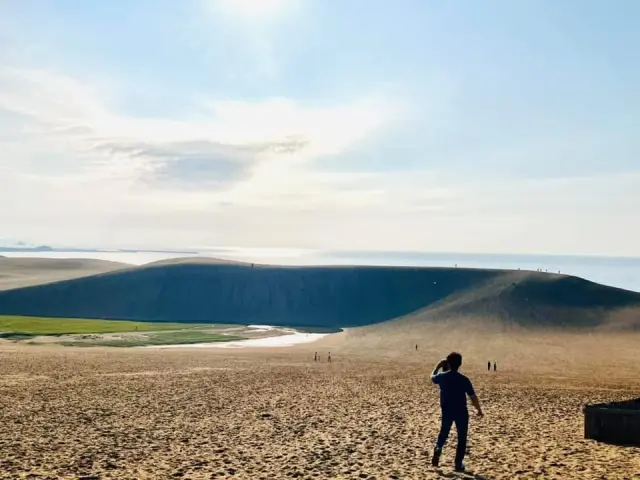
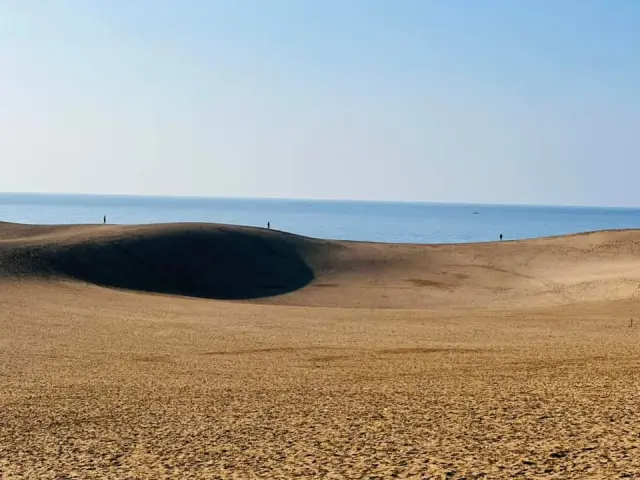
The beautiful wind patterns formed by the Sea of Japan winds and the dune sand are mesmerizing.
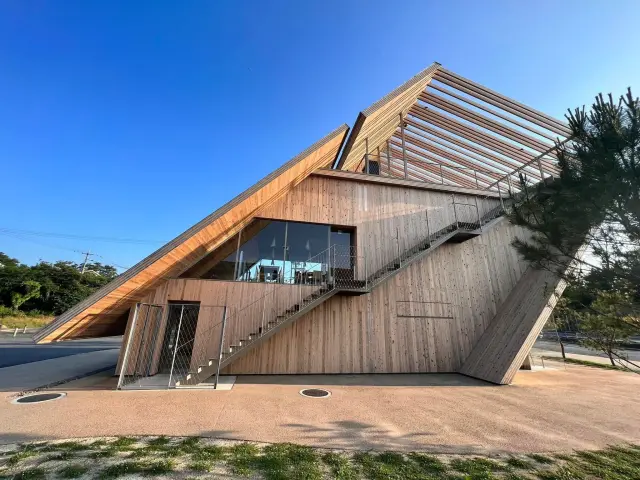
Like a staircase leading to the sky! Takahama Cafe, designed by Kengo Kuma at the Tottori Sand Dunes
Takahama Cafe was built to celebrate the 60th anniversary of the Tottori Sand Dunes Kaikan. The building is angled at 17 degrees and resembles a wooden staircase leading to the sky. It also embodies master architect Kengo Kuma's three concepts of “negative architecture,” “stacking,” and “blending with the environment.” Locally sourced cedar was used and combined with earthquake- and fire-resistant cross-laminated timber (CLT) and reinforced concrete construction.
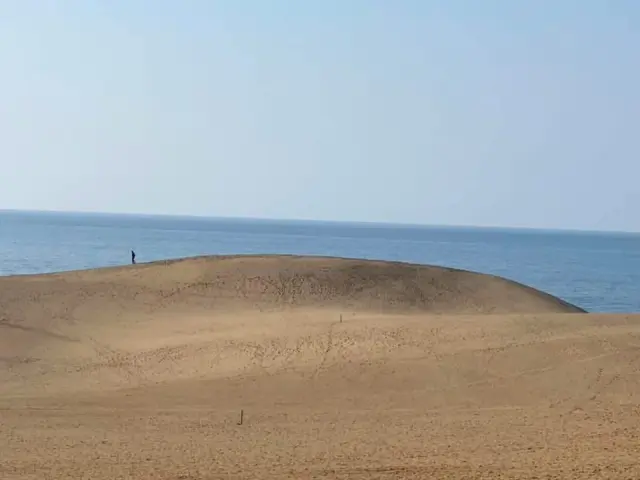
And from the small hill known as “Horse's Back,” you can enjoy a spectacular panoramic view of the Sea of Japan.
Tottori Sand Dunes | Review by Norton Liang
Other Reviews by Norton Liang
-
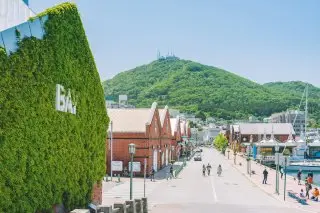
Kanemori Red Brick Warehouse
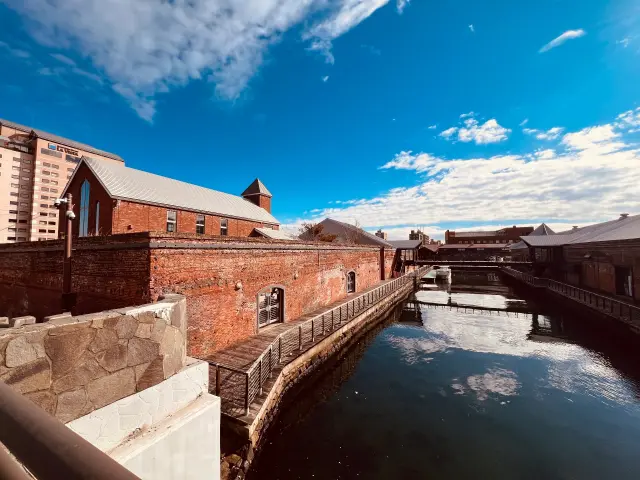
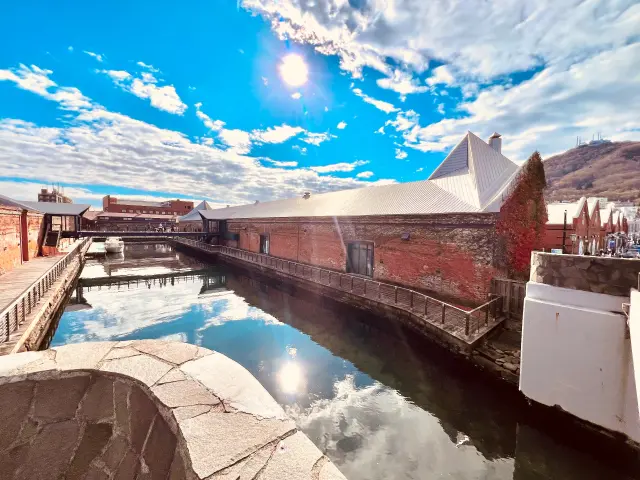
The Kanemori Red Brick Warehouse features 4 warehouses and is a landmark of the Hakodate Bay Area. It is a romantic, and scenic spot featuring an array of red brick warehouses. It is popular among locals, tourists, and couples.
This set of photos captures the charming autumn scenery along the #函館港灣區 walking route, from the #紅磚倉庫 covered in red and yellow fall leaves and a lively American retro-style burger restaurant to the waterfront at the West Wharf and historic statues. Together, they form a walking route filled with both romance and cultural depth.
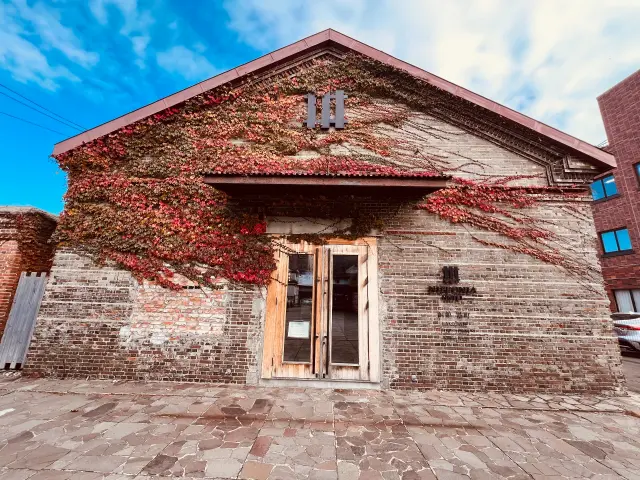
🏨Starting accommodation: NIPPONIA HOTEL Hakodate Port Town
NIPPONIA HOTEL Hakodate Port Town was converted from a historic warehouse once used to store kelp. The exterior retains the weathered texture of its brick walls and climbing fall foliage, while the interior incorporates minimalist woodwork and Scandinavian-style design, creating a charming contrast between old and new. The hotel has a quiet, welcoming atmosphere and is an ideal starting point for exploring the Hakodate Bay Area and its sloping streets.
* Historical background: Formerly a long warehouse used to store kelp, it preserves the existing structure and historical memories while incorporating the modern functions of a hotel.
* Spatial aesthetics: Red brick and aged wood are paired with soft lighting and Scandinavian furniture. Each guest room has a different color theme and offers plenty of privacy.* Slow travel experience: Close to the Kanemori Red Brick Warehouse complex and the harbor, it makes it easy to begin exploring on foot. The hotel also offers dining and bathing experiences featuring local elements.
A romantic harbor walking route rich in culture🧱1. Kanemori Red Brick Warehouse complex
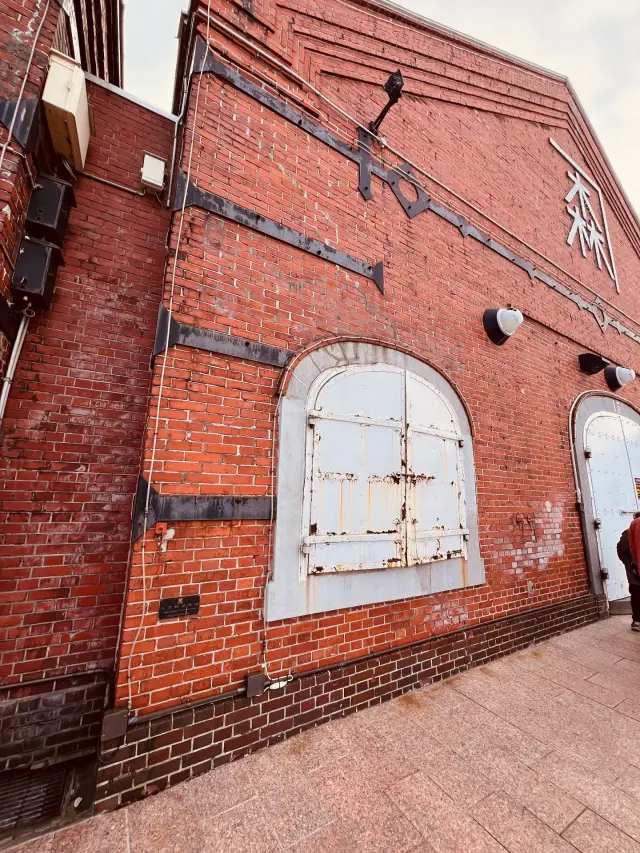
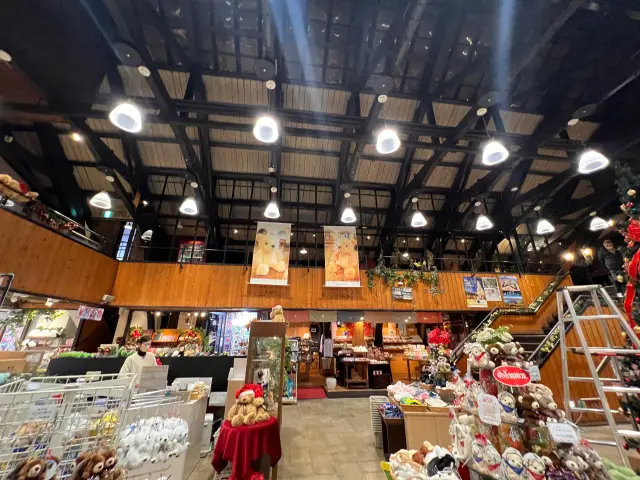
The Kanemori Red Brick Warehouse is within walking distance of the hotel. The red brick buildings line the bay and look especially nostalgic and romantic against the deep blue sky and autumn sunlight. Inside the warehouses are a variety of curated shops, general stores, and souvenir shops, making this a great place for a leisurely stroll while taking in the port city's international atmosphere.
* Architectural features: The buildings reflect Hakodate's trading history since the opening of its port, while the red brick walls and harbor scenery create a classic view.
* Walking highlight: You can also visit the neighboring Kanemori Youbutsukan to browse retro items and Hokkaido souvenirs.🤡🍔2. #幸運小丑漢堡 (Bay Area Main Store)
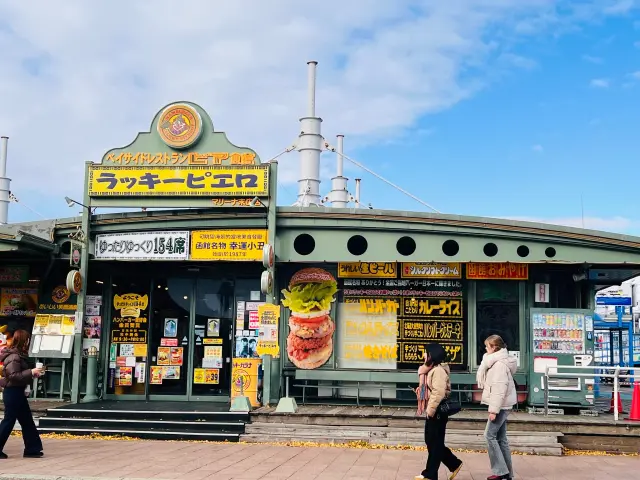
After exploring the red brick warehouses, head to the colorful and lively Lucky Pierrot Bay Area Main Store, which adds a playful touch to the walk. The interior has a strong retro American and whimsical style, creating a vivid contrast with the quiet historic buildings along the harbor.
* Local character: One of Hakodate's most iconic burger chains, with a different decorative theme at each location.
* Dining atmosphere: The restaurant is filled with eye-catching decorations, making it a good place to sit down, recharge during your walk, and experience the lively local atmosphere.🧜☕️3. Starbucks Hakodate Bayside and #西波止場⭐️⭐️⭐️⭐️⭐️
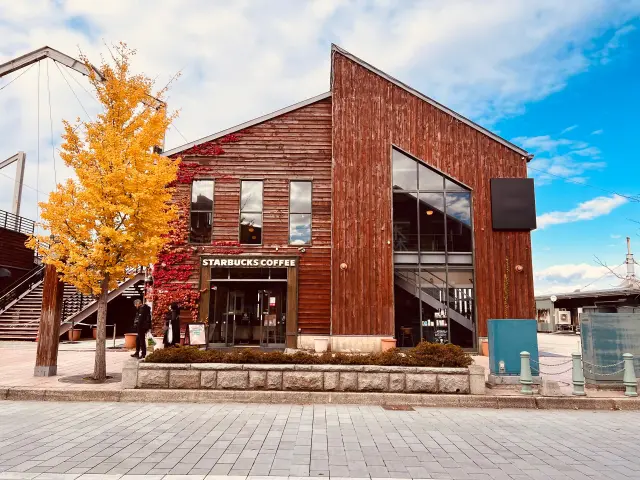
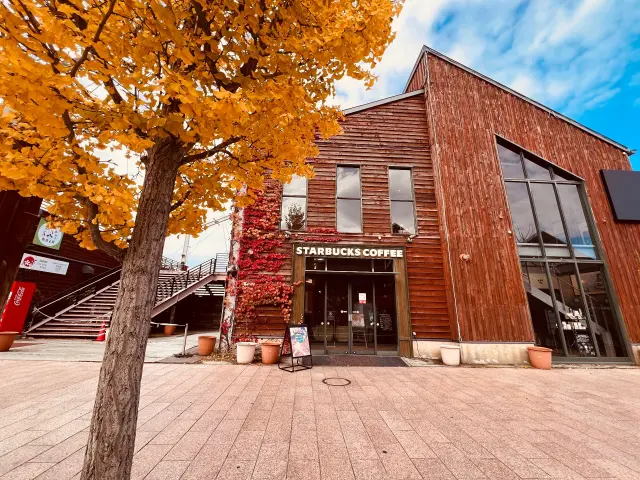
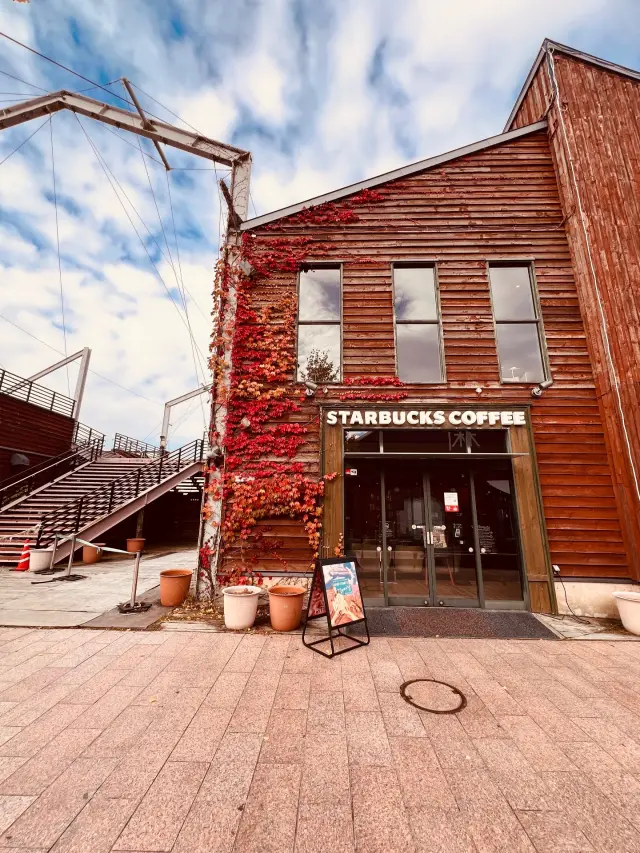
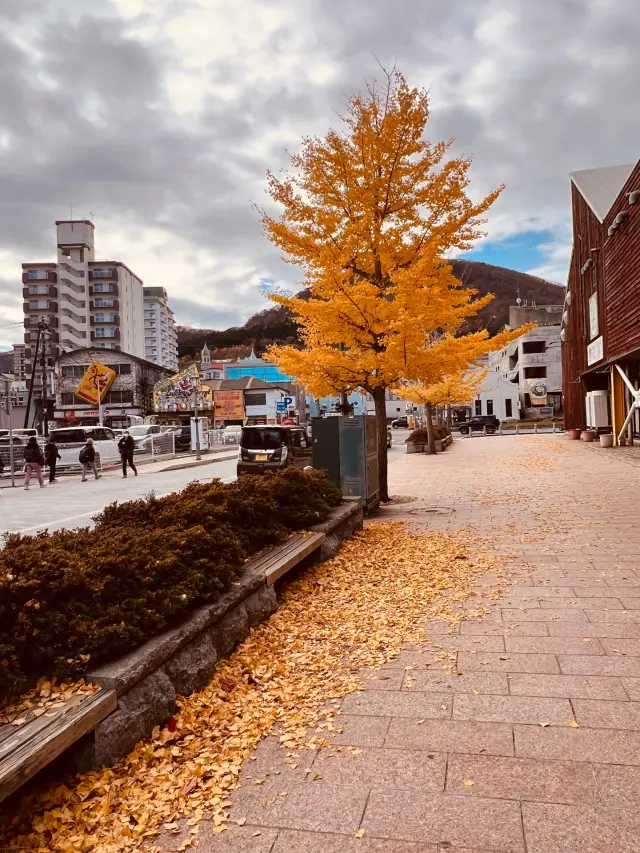
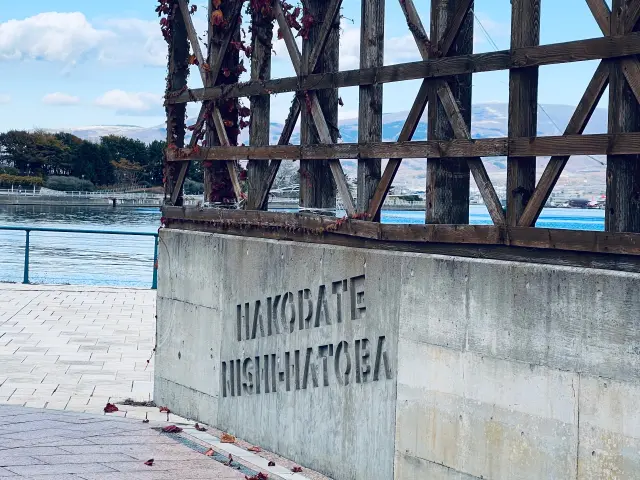
Continue along the waterfront to Starbucks Hakodate Bayside. Its wooden building with a sloped roof and large glass windows is surrounded by golden and fiery red leaves in autumn, creating a very atmospheric scene. Hakodate West Wharf is right next door, so you can take your coffee for a walk along the breezy harbor while looking out over the water and distant mountains.
* Autumn scenery: The wooden exterior and tall windows are framed by a mix of yellow and red foliage in fall, making this a popular waterfront spot for photos and a break.
* Harbor views: Located right beside the waterfront promenade at Hakodate West Wharf, it offers close-up views of the expansive Hakodate harbor and a chance to feel the sea breeze.⭐️⭐️⭐️⭐️⭐️
4. #同志社雕像 (#新島襄銅像) and its historical significance
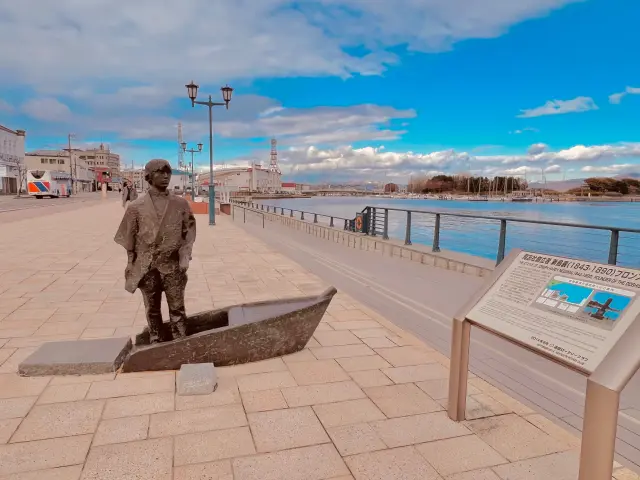
While walking along the harbor, don't miss the bronze statue of Jo Niijima by the waterfront (the official title of the work is “Commemorative Photo #未来への始まり-#海原-,” created by sculptor #峯田敏郎). The statue portrays Jo Niijima, the founder of Doshisha, standing in a small boat and looking out to sea as he prepares to set sail. It adds a deep cultural and modern historical dimension to the otherwise romantic harbor walk.
* Courage to defy the isolation policy: In the closing years of the Edo period, when the ban on leaving the country was still strictly enforced, Jo Niijima was driven by a desire to learn about knowledge and the world overseas. In 1864, he left Hakodate Port in a small boat, boarded an American merchant ship anchored in the bay, and successfully stowed away abroad.
* Education and modern enlightenment: After studying overseas, he returned to Japan and founded Doshisha English School, now Doshisha University. He educated students according to modern educational principles and had a profound influence on modern Japanese education and thought.
* A cultural mark of the port city: Located by the sea, the statue symbolizes Hakodate as a gateway to the outside world and a starting point for looking toward the unknown and the future. While enjoying the sea breeze and harbor scenery, visitors can also reflect on the spirit of a young man pursuing knowledge and broader horizons on the eve of the Meiji Restoration.This route begins at a retro red brick hotel and connects the warehouse complex, a distinctive burger restaurant, an autumn-colored café, and a historic waterfront statue. The pace is relaxed, yet the experience is richly layered.
-
-

Hakodate Meiji-kan
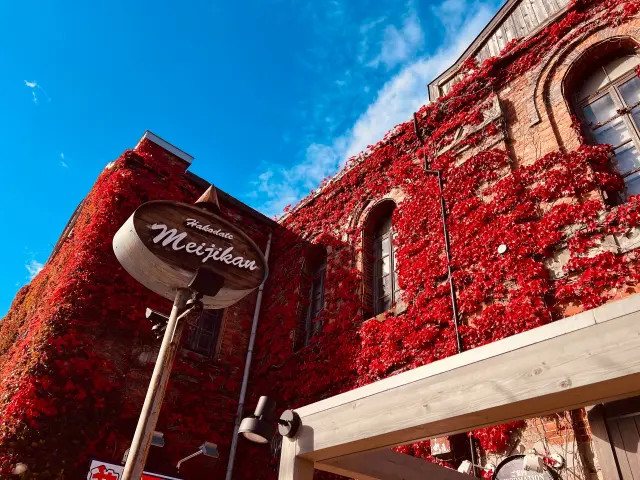
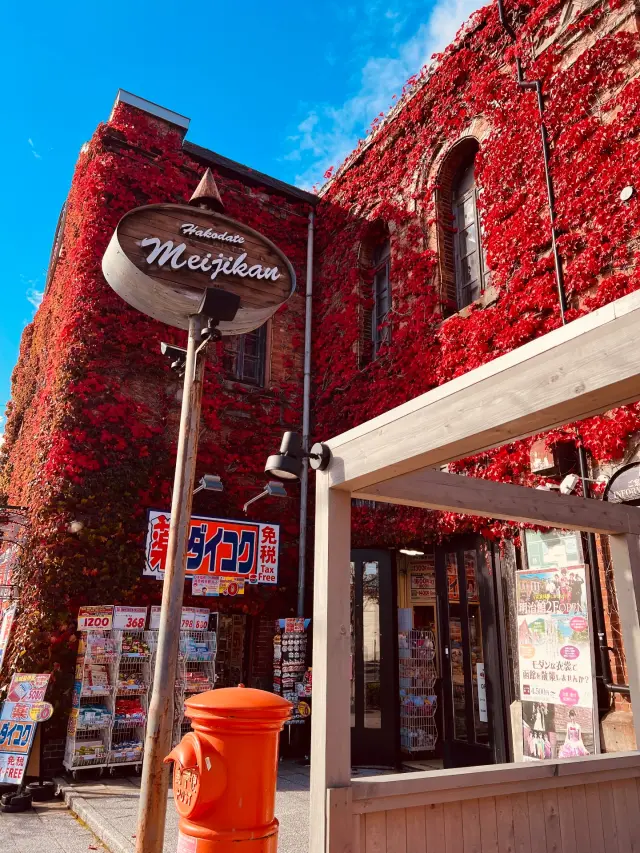
The Bay Area is a popular tourist destination in Hakodate. The Hakodate Meiji-kan is a commercial facility located in one section of the bay area, where you can find stores selling products perfect for Hakodate souvenirs.
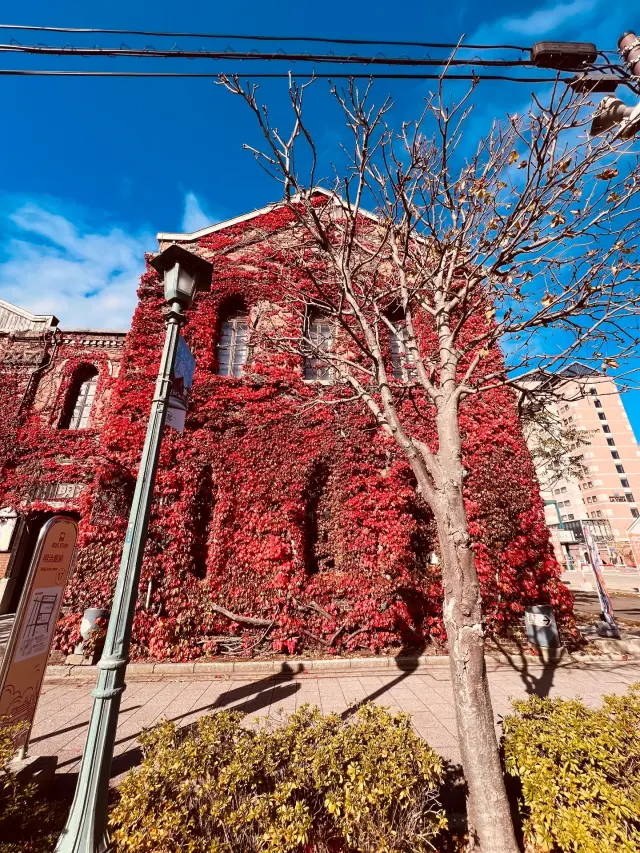
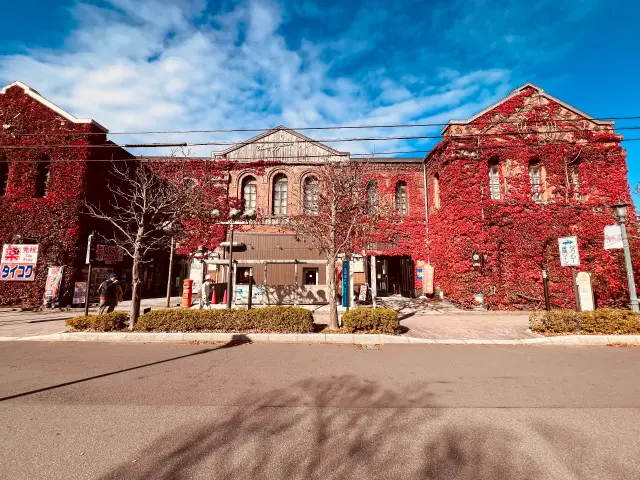
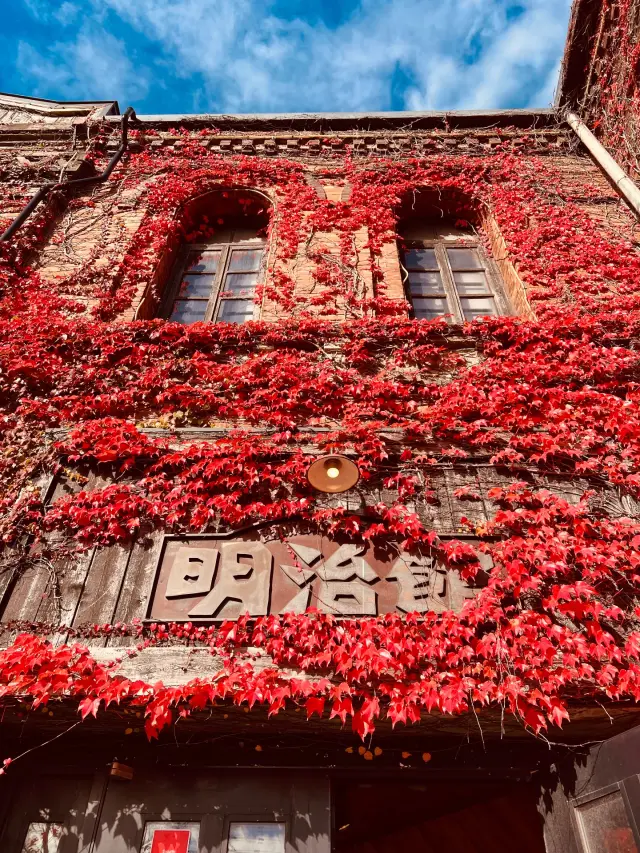
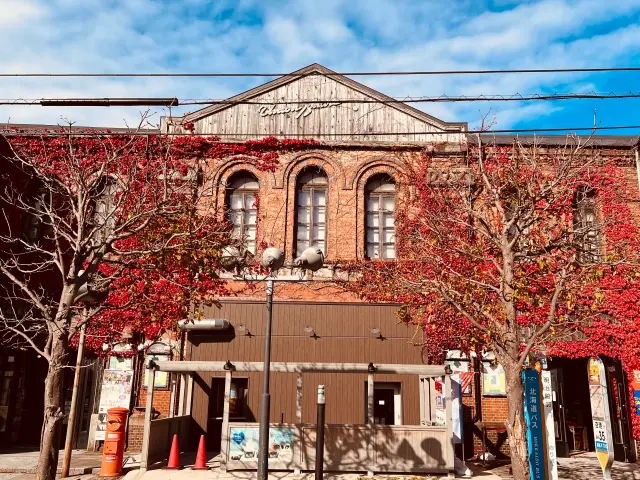
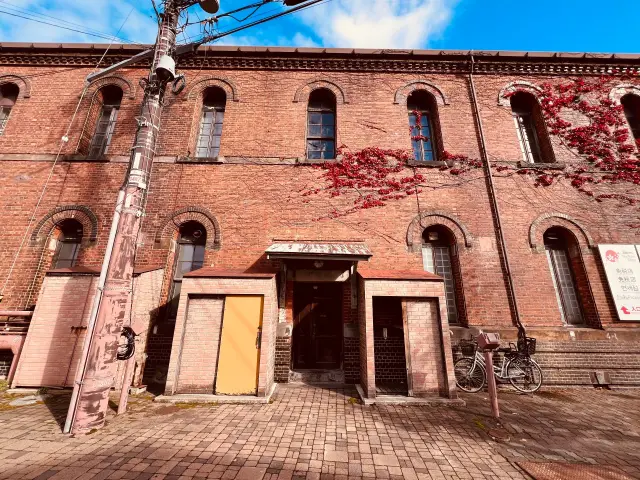
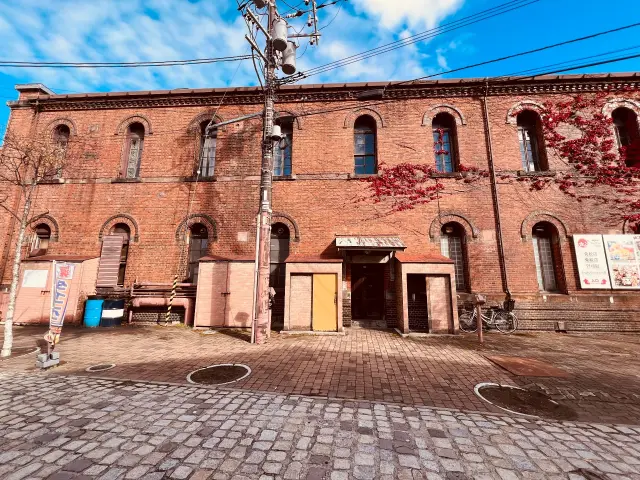
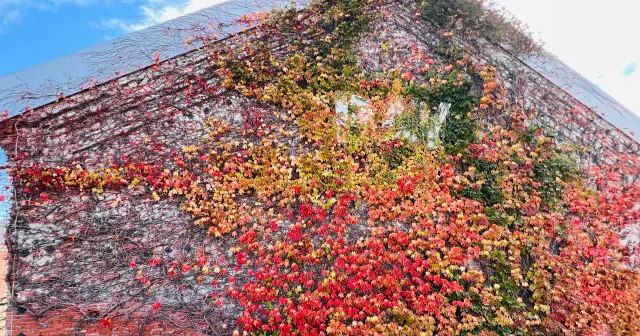
Hakodate Meiji-kan is at its most charming in autumn—the red-brick exterior is covered in layers of fiery red Boston ivy, looking especially vivid and romantic beneath Hokkaido’s clear blue sky.
Hakodate Meiji-kan: Built in 1911 (Meiji 44), it was formerly the Old Hakodate Post Office and is one of the oldest surviving red-brick buildings in Hokkaido, bearing witness to Hakodate’s prosperity as an early trading port.
🍂🍁Limited-time autumn “fall foliage coat”: Every year from late October to early November, the vines climbing the red-brick exterior and arched window frames turn from green to red, coloring the entire building in varying shades of crimson. Together with the retro “Meiji-kan” sign, they create a rich, foreign autumn atmosphere.
-
-

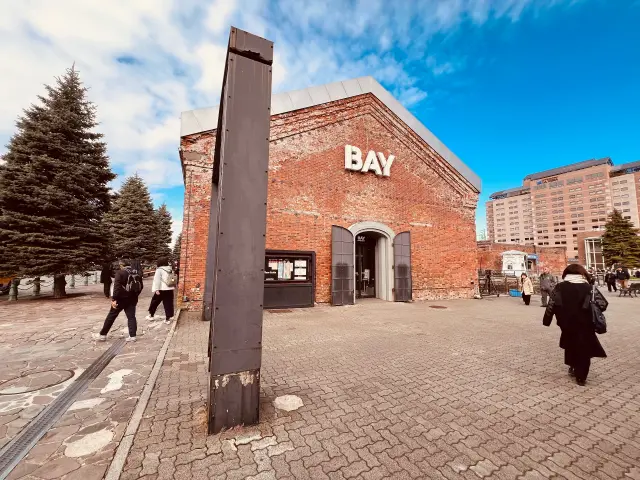
Kanemori Red Brick Warehouse BAY Hakodate
This multi-purpose complex occupies part of Kanemori Red Brick Warehouse, one of Hakodate’s most popular sightseeing spots. The facility repurposes red brick warehouses once owned by Nippon Yusen, with a canal-constructed around 1882 (Meiji 15)-flowing between two buildings connected by bridges, creating a striking and memorable scene.
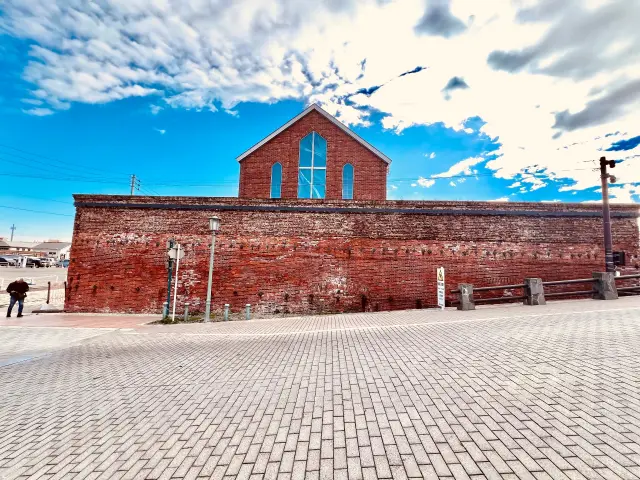
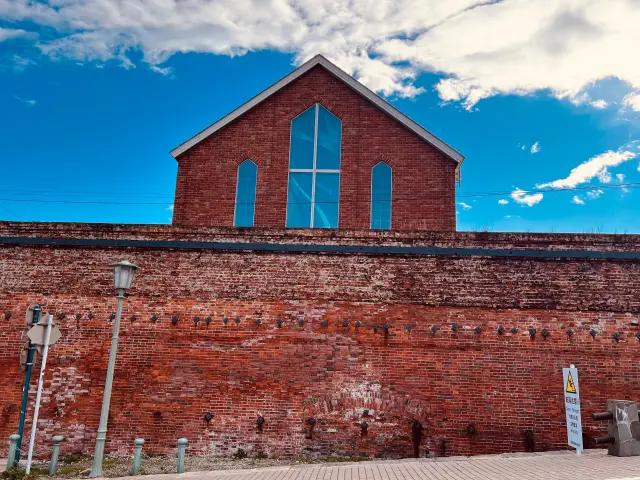
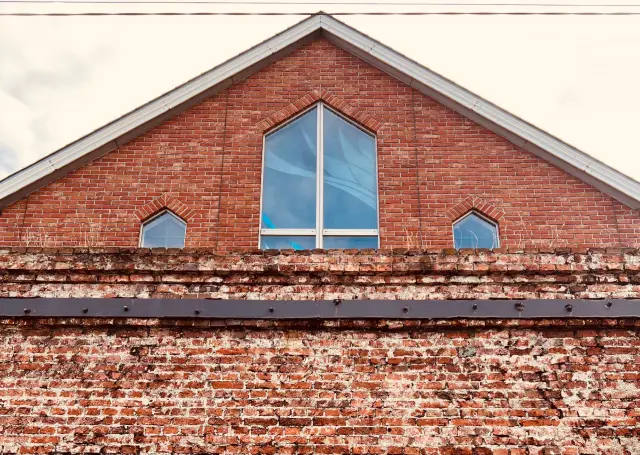
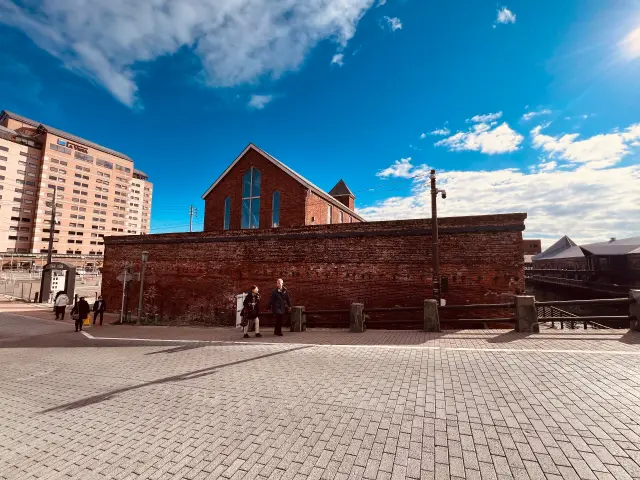
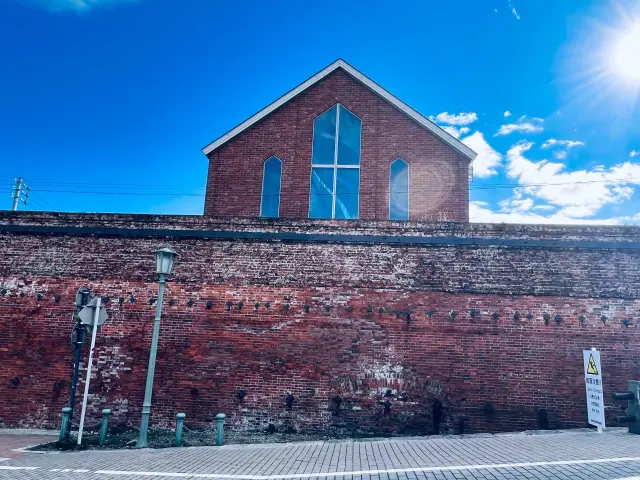
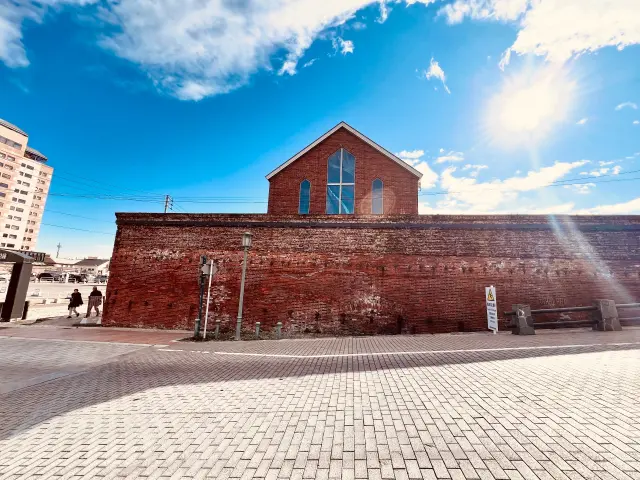
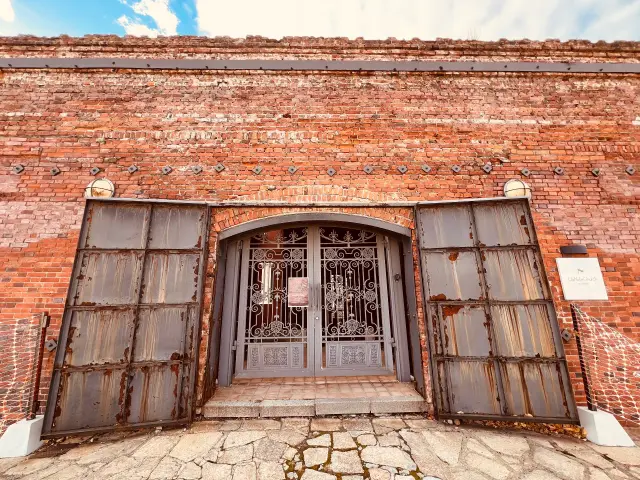
A special introduction to this red-brick church located within #北海道函館金森紅磚倉庫群(BAY函館): #LilaNoteChurchBAYHAKODATE (Japanese: #リラノートチャーチベイ函館, commonly translated into Chinese as “Church of the Star of the Sea”).
リラノートチャーチ ベイ函館 is the only wedding chapel in the Kanemori Red Brick Warehouse complex, blending historic red-brick architecture dating back to the Meiji era with the romantic atmosphere of the harbor.
-