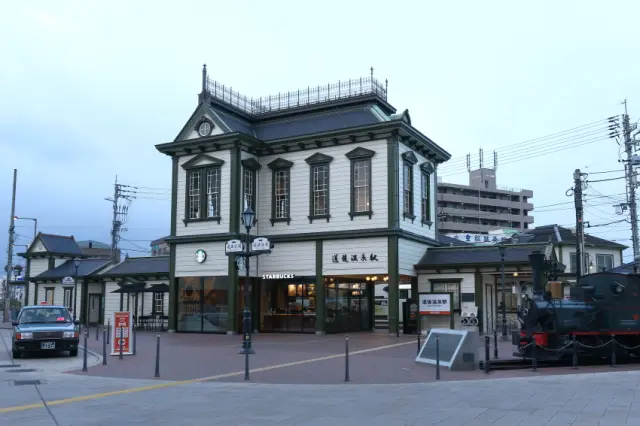
When planning a visit to the Dogo Onsen shopping street and a hot spring bath, don’t forget to stop by this distinctive Starbucks! The store was converted from a classic Japanese-style building, and its wooden exterior and retro atmosphere fit in perfectly with the surrounding hot spring town. Inside, the nostalgic and warm ambiance makes it feel very different from a typical chain coffee shop. Besides having coffee and taking a short break, you may also find a locally inspired JIMOTO Mitsukarakusa mug, featuring design elements from Ehime that make it hard to resist collecting. I can’t believe I didn’t notice this mug the last time I visited, and thinking about it now, I really regret it! If I get the chance to visit again, I’ll definitely bring one home as a travel souvenir.
Starbucks Coffee Dogo Onsen Station Building | Review by Linda Liao
Other Reviews by Linda Liao
-

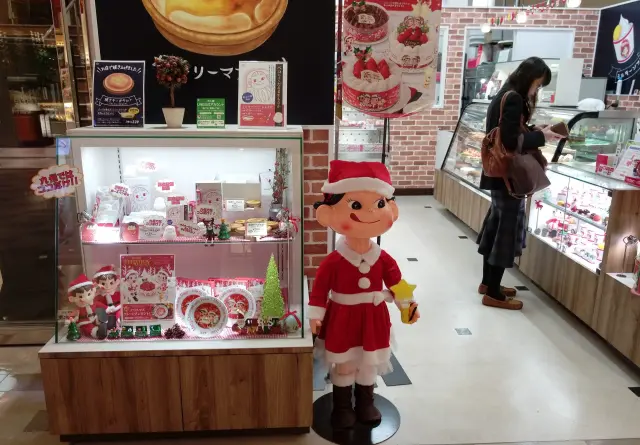
Peko-chan
Peko-chan appears on the packaging of Milky, a longtime favorite among Fujiya’s candies. She is forever six, and her name is a Western-style adaptation of beko, an affectionate Japanese term for a calf. She loves sweets and helps spread the word about Fujiya’s treats.
When it comes to classic Japanese snacks, you can't leave out Fujiya's Peko-chan! This adorable girl with pigtails and her tongue sticking out has been part of many people's childhoods and remains a familiar, classic character today. As a child, my favorite treat was Fujiya's milk candy. Its rich milky aroma and sweet flavor still bring back so many memories. In addition to snacks, Fujiya also offers all kinds of Peko-chan merchandise, from desserts to everyday items that are hard to resist. I've visited Peko-chan specialty stores in Fukuoka and Kagurazaka, Tokyo. Every time I see all these cute products, I can't help but stop and look, as if I've rediscovered the happiness of childhood~
-
-

Mojiko Retro Tourist Souvenir Hall “Minato House”
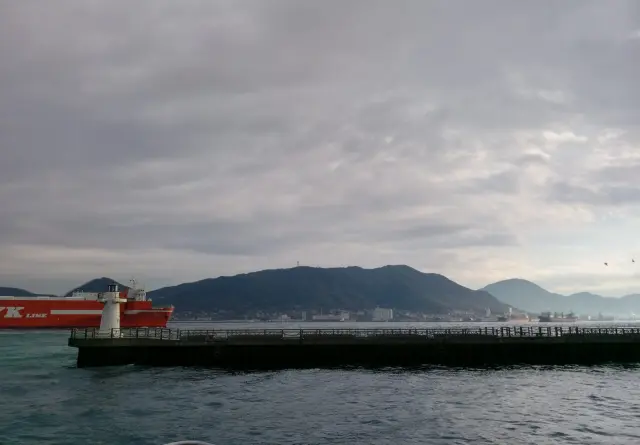
Mojiko Retro, one of Kitakyushu City’s most iconic sightseeing areas, preserves the atmosphere of the port town that once thrived on international trade. The area is lined with historic buildings designated as Registered Tangible Cultural Properties of Japan, such as the Former Moji Mitsui Club-where Einstein once stayed-and JR Mojiko Station, built in 1914. Nearby, you’ll also find the Blue Wing Moji, one of the largest pedestrian drawbridges in Japan, making the area full of fascinating sights.
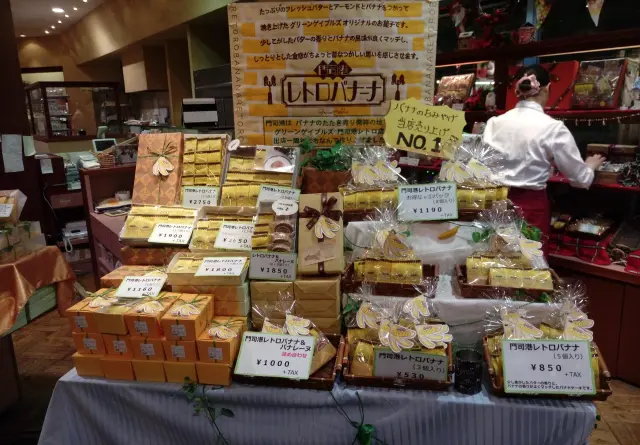
The Mojiko Retro Tourist Souvenir Hall “Minato House” has a food court and a variety of local souvenirs to choose from. I was just casually browsing when some banana-shaped treats caught my eye, and that’s when I discovered the special connection between bananas and Mojiko Port! Starting in the Meiji era, large quantities of Taiwanese bananas were imported to Japan through Mojiko Port. To quickly sell bananas that had been damaged or become overripe during transport, a unique culture of “banana hawking” gradually developed and became one of Mojiko Port’s signature features. When you visit Mojiko Port, don’t forget to take home a few banana treats to try〜
-
-
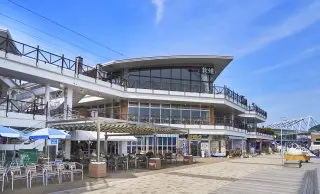
Kamon Wharf
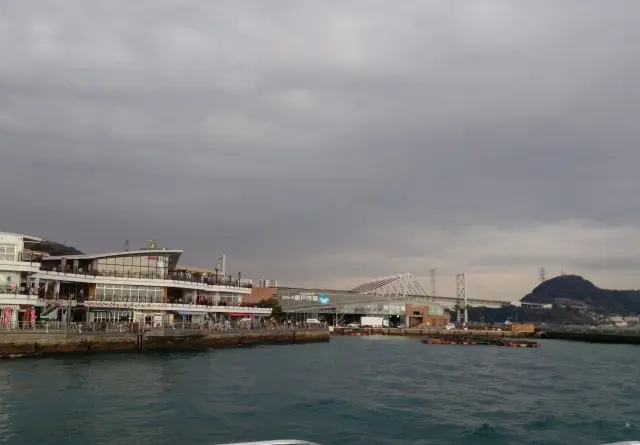
Opened in 2002 in the Karato area of Shimonoseki Port, Kamon Wharf is the seaside mall where you can delight in Shimonoseki famed fugu dishes, sushi, seafood bowls, and other tastes from the Kanmon Straits, along with shops selling local specialties and souvenirs. The area is known to draw a crowd thanks to the Karato Market and its fresh seafood that’s open to the general public to come and shop, while the Kaikyo Kan aquarium and its 550 some species inside continues to stir up an unprecedented level of buzz around Moji Port.
Take a ferry from Mojiko to Shimonoseki, and once you dock, you’ll arrive at Kamon Wharf near Karato Market. This seaside mall combines dining and souvenir shopping, with a variety of seafood dishes, fugu specialties, and local products. After exploring Karato Market, stop by for something to eat or to buy souvenirs. You can also stroll along the waterfront, admire the Kanmon Straits and passing boats, and enjoy the relaxed harbor atmosphere.
-