• See More

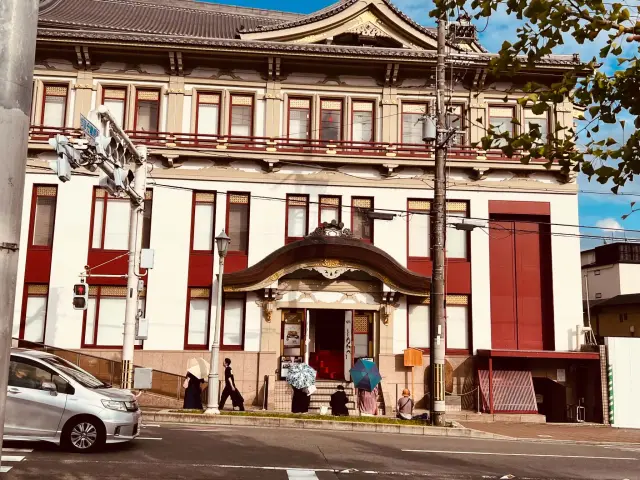
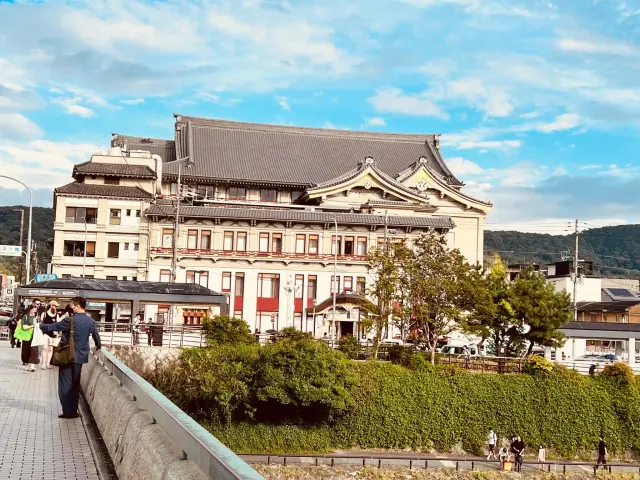
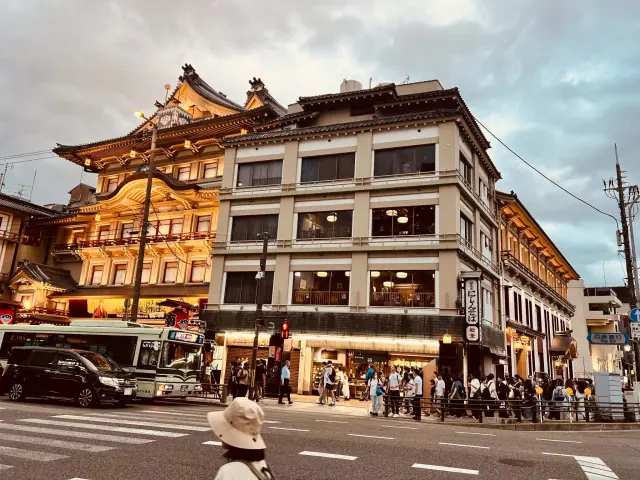
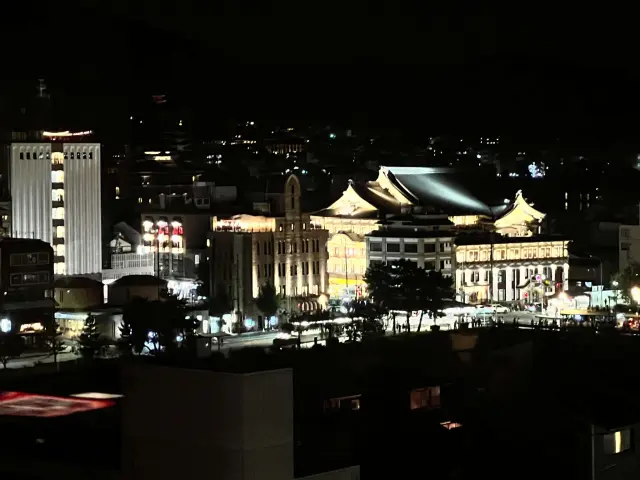
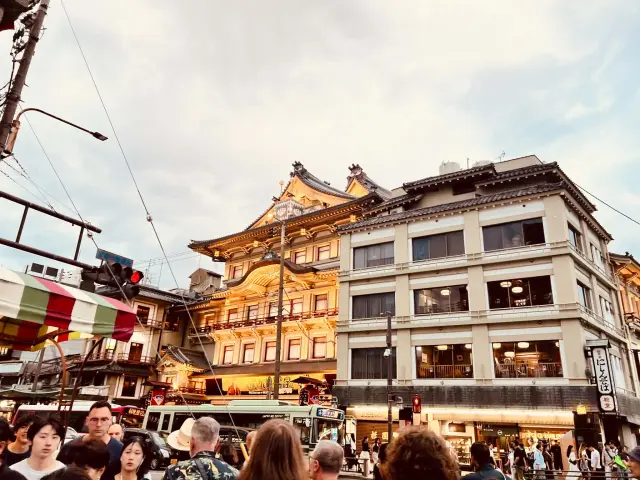
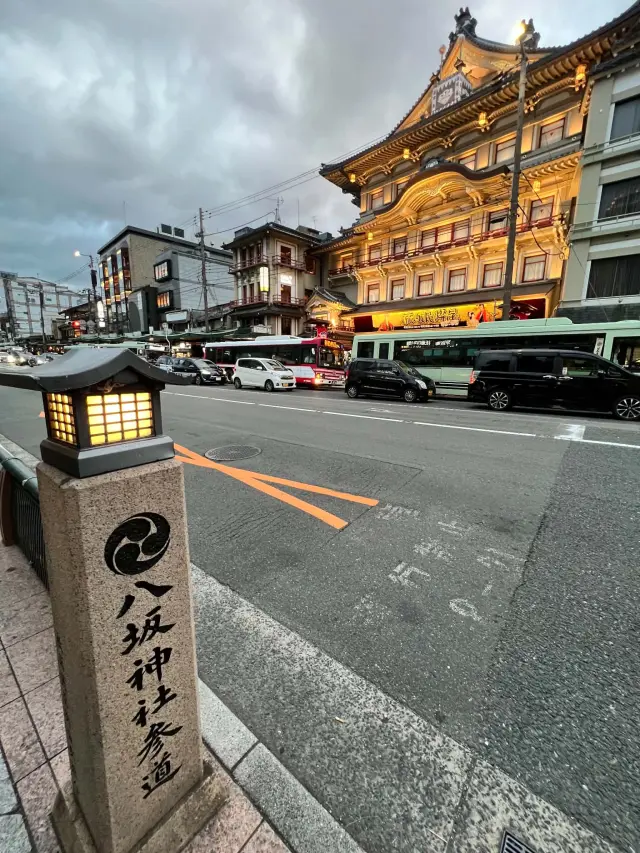
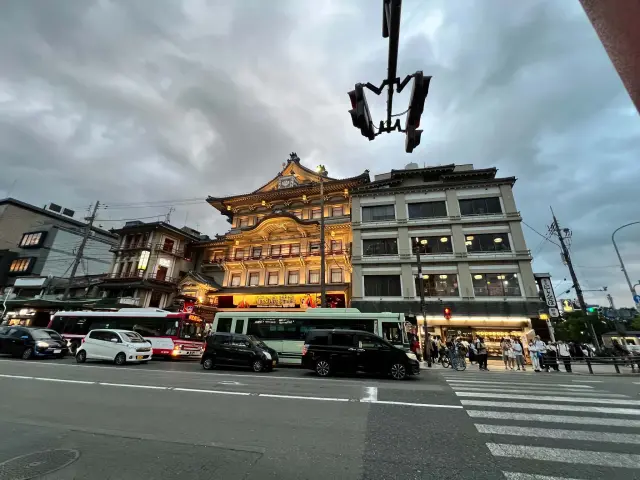
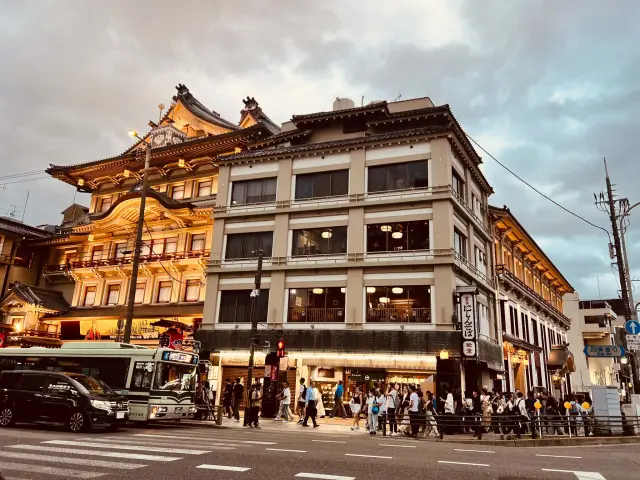
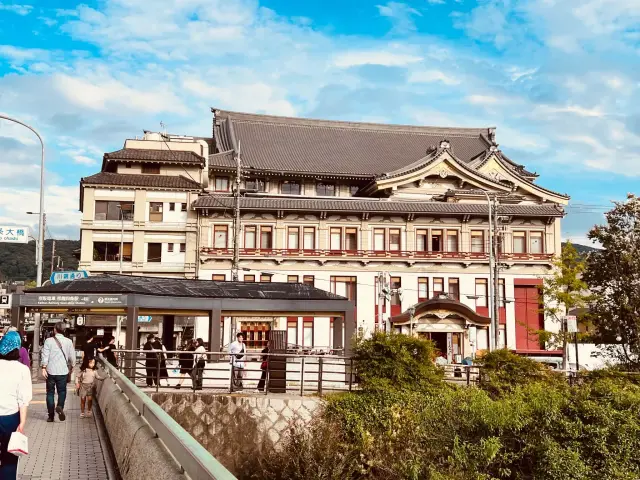
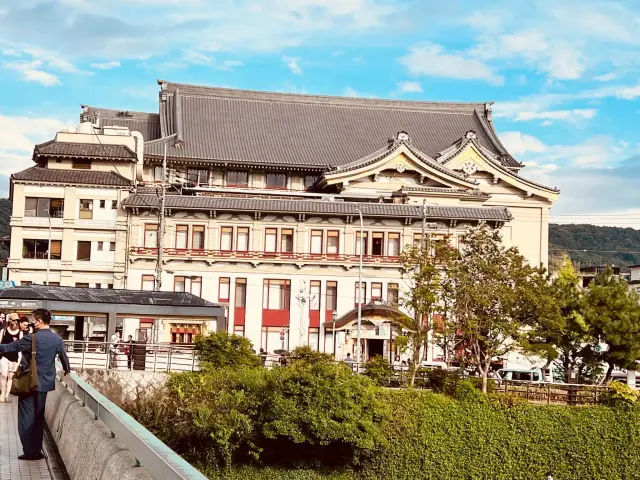
    Kyoto Minamiza is a kabuki theater located in Higashiyama Ward, Kyoto City, Kyoto Prefecture, Japan, and is recognized as the oldest theater in Japan. It stands on the east side of Shijo Bridge, where Shijo Street meets the Kamo River, and is operated by Shochiku Co., Ltd. The current building, with four floors above ground and one basement level, was rebuilt in 1929 and designated a National Registered Tangible Cultural Property of Japan in 1996.
    The main highlights and visitor information for Kyoto Minamiza are as follows:

    History and Development

    • Origins: The history of Minamiza dates back to the early Edo period, around 1610. At that time, Izumo no Okuni pioneered kabuki performances at Kyoto’s Shijo riverbank, and the Tokugawa shogunate issued an officially authorized business license for this site.
    • Architectural style: The ornate exterior is designed in the style of the Momoyama period, while the interior combines traditional kabuki stage features, such as the hanamichi and revolving stage, with Western architectural structures. Extensive seismic reinforcement and facility renovations were completed in 2018.
Other Reviews by Norton Liang

  • Keage Incline

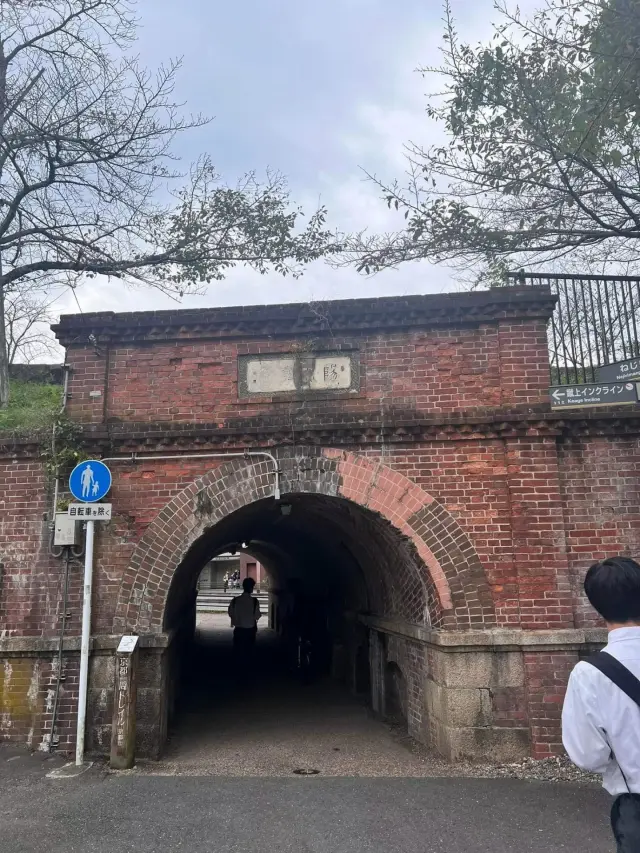
    Lake Biwa Canal is a man-made waterway that connects Otsu and Kyoto. Although it was made in the Meiji Period, it is still being used and made up of the roughly 20 km-long 1st Canal, the 7.4km-long 2nd Canal, and 3.3km-long Canal Branch, etc.
    • Gion, Higashiyama, Yamashina
    • Tourist Attractions
    See More

    Kyoto’s **Keage** area is a historic and scenic district in Higashiyama Ward, Kyoto City, known for its unique industrial heritage and beautiful scenery throughout the four seasons.
    Main attractions
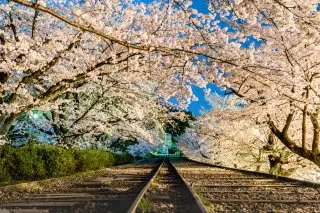
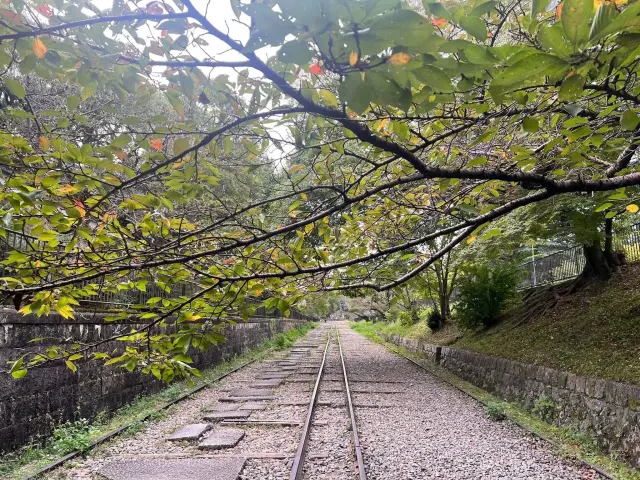
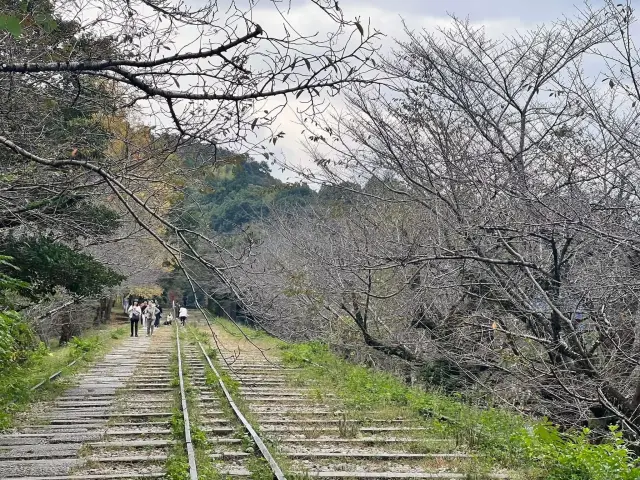
    Keage Incline: This is the area’s most famous attraction. This abandoned railway was built during the Meiji period to connect two sections of the Lake Biwa Canal with a significant difference in elevation, allowing boats to be transported between them. It is now a popular walking path, especially in spring when the Yoshino cherry trees lining both sides are in full bloom, creating a beautiful “cherry blossom tunnel.” It is also a great place to see the fall foliage.
    Lake Biwa Canal Museum: Located near the end of the incline, the museum introduces the history and engineering of the Lake Biwa Canal.
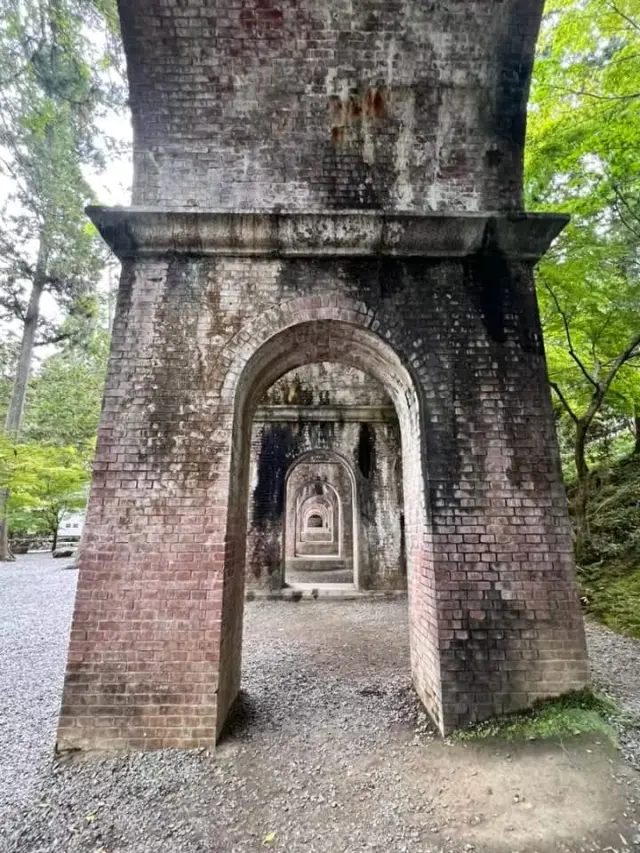
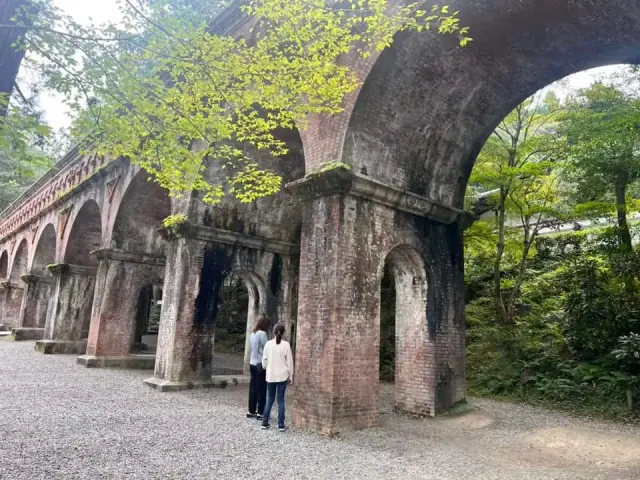
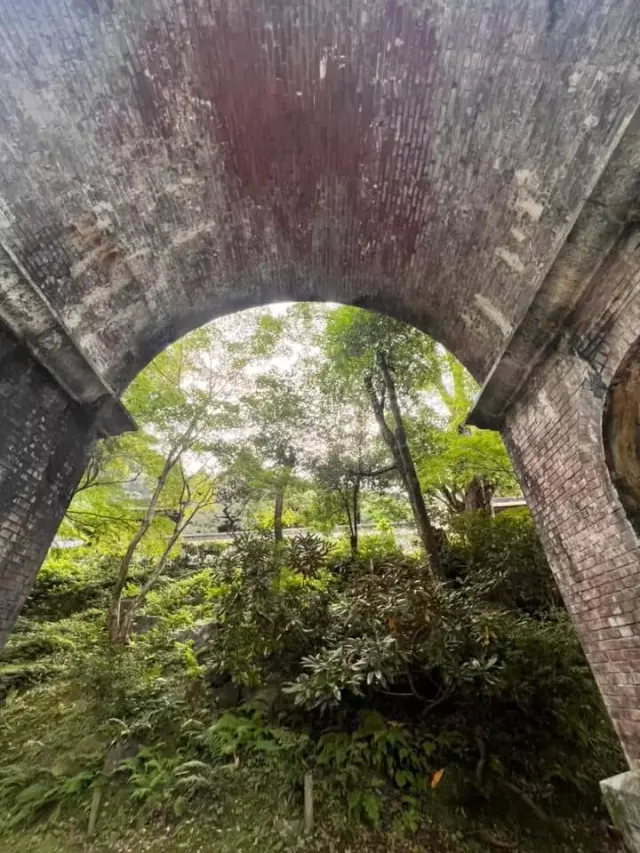
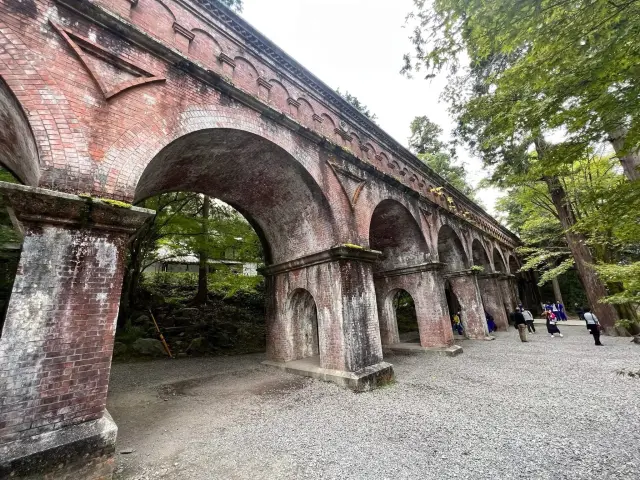
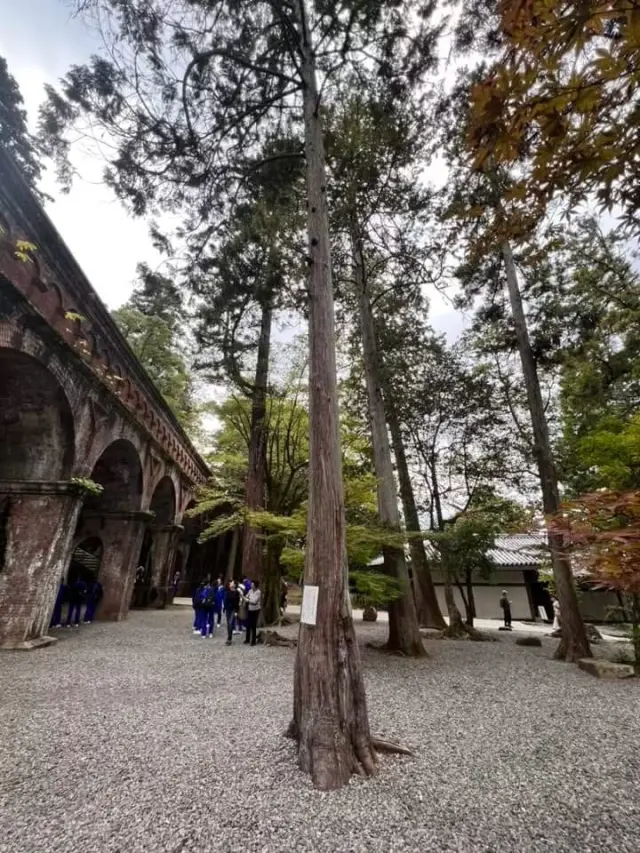
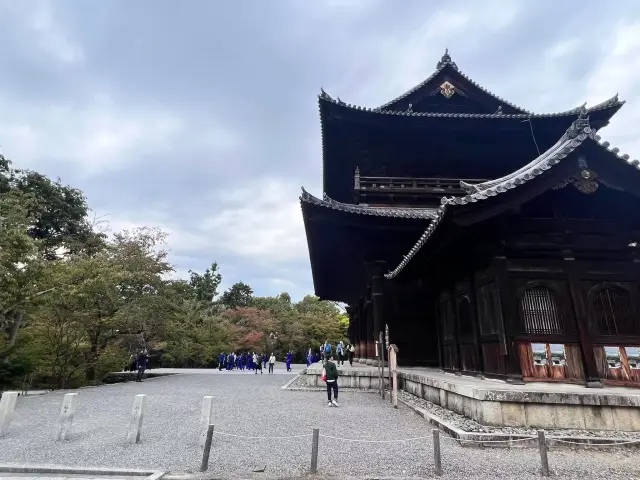
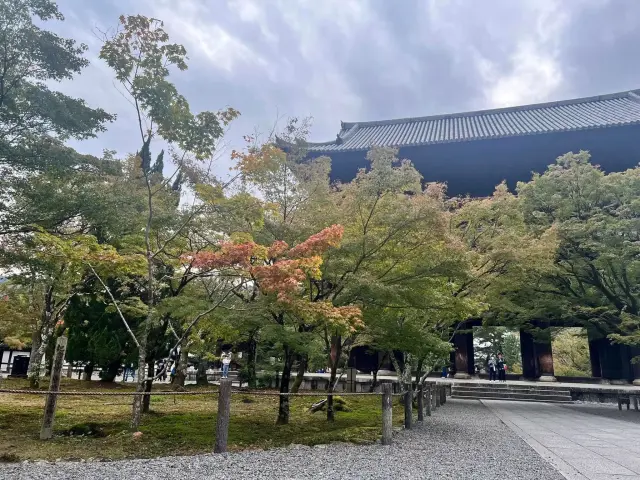
    Nanzenji Temple: This famous Zen temple is about a 10-minute walk from Keage Station and is known for its magnificent Sanmon Gate and the distinctive red-brick Suirokaku Aqueduct.
    Philosopher’s Path: Beginning near Nanzenji Temple, this walking path follows the canal and is another famous spot for viewing cherry blossoms and fall foliage.
    Heian Jingu Shrine: A little farther away, but still near the Okazaki Park area, it features striking vermilion buildings and a beautiful Japanese garden.
    Transportation
    The most convenient way to reach Keage is via the Kyoto Municipal Subway Tozai Line:
    Get off at **Keage Station**, then walk about 3–5 minutes from the station to the entrance of the incline.
    From Kyoto Station:
    Take the subway Karasuma Line to Karasuma Oike Station, then transfer to the Tozai Line toward Rokujizo and get off at Keage Station. The entire trip takes about 17 minutes.
    Alternatively, take JR to Yamashina Station and transfer to the subway Tozai Line to Keage Station, which lets you avoid congestion in central Kyoto.
    The Keage area combines historic sites, natural beauty, and cultural attractions, making it ideal for a leisurely stroll. Visiting during cherry blossom season or fall foliage season is especially recommended.

  • Nanzenji Temple

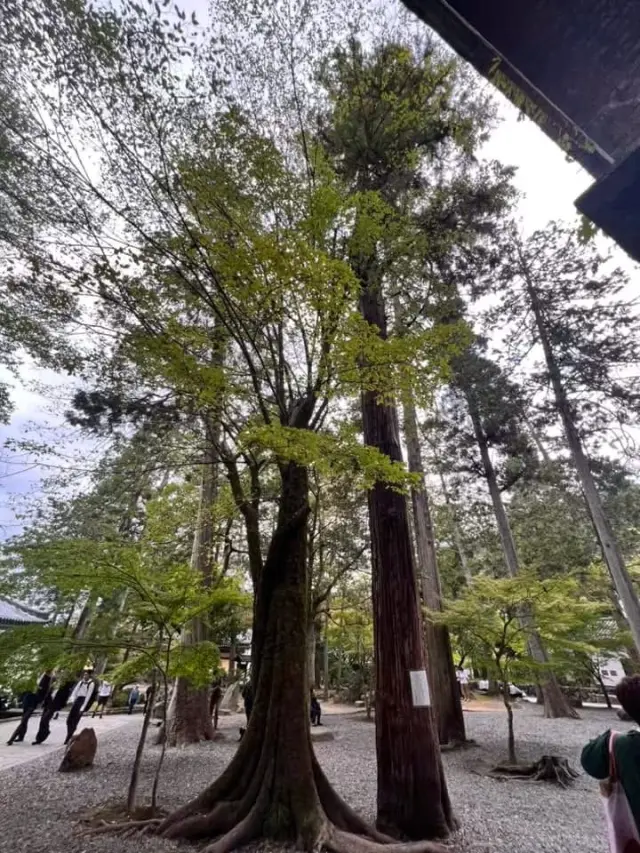
    In the latter half of the 13th century, Emperor Kameyama, who had defeated the Mongols (Yuan) twice, became the Pope and made the temple the first imperial temple in Japan as a Zen temple. After the main temple complex was built by Norian Soen, it was succeeded by Issan Ichinei, a high priest who was dispatched to Japan as an envoy of the Gen.

    • Okazaki, Ginkakuji, Ohara
    • Shrines & Temples
    See More

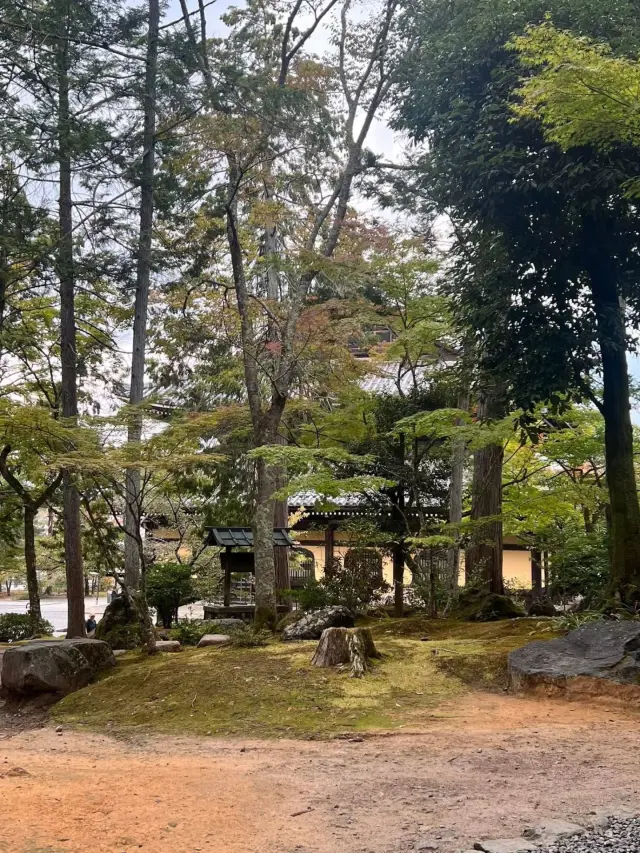
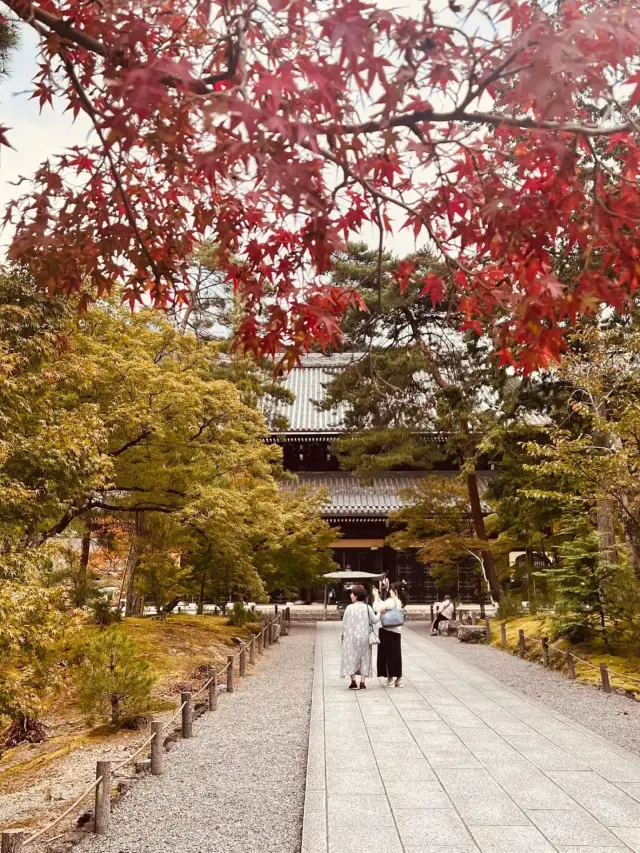
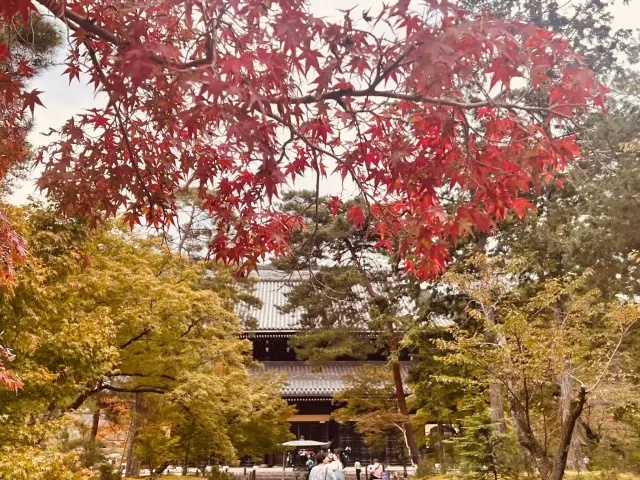
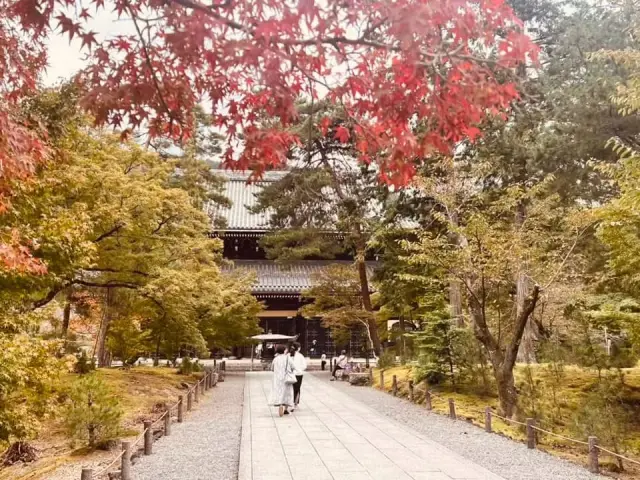
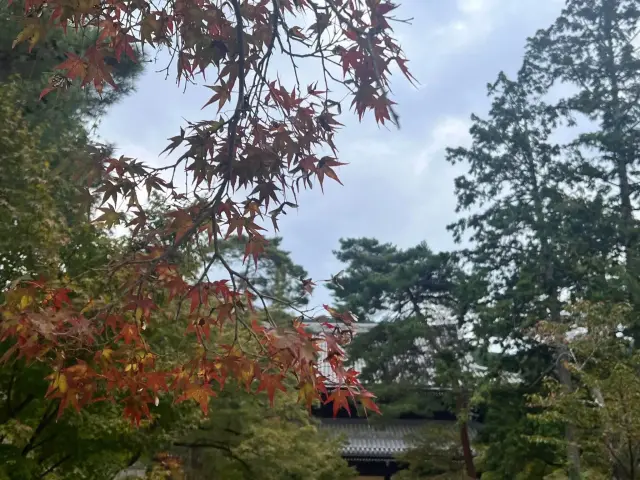
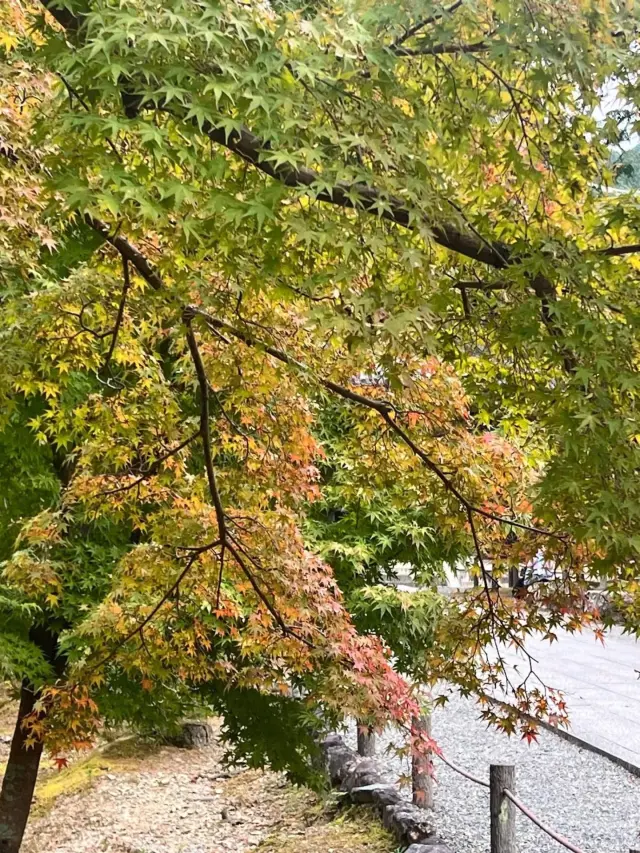
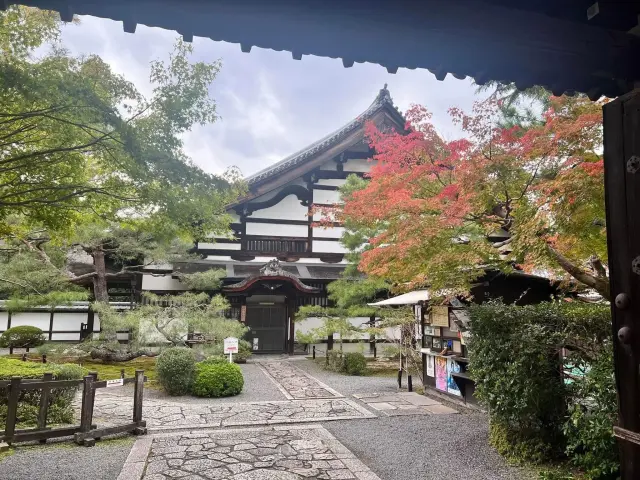
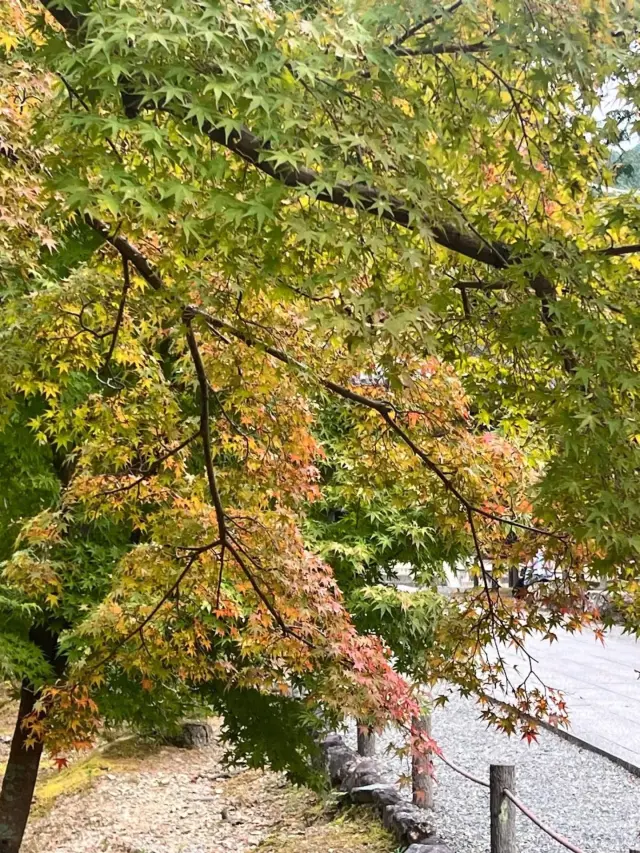
    Nanzenji Temple is one of Kyoto’s top spots for fall foliage and fresh green leaves. Every autumn, the brilliant red leaves and the rustic red-brick Suirokaku Aqueduct complement each other, creating a truly striking scene.
    • Avoid the crowds: Weekends from noon through the afternoon are usually the busiest. If you want to experience the unique serenity and tranquility of a Zen temple, I strongly recommend coming early in the morning, right when it opens (around 8:40 a.m.).

  • Prince Smart Inn Kyoto Sanjo

    Opened in April 2022, this "next-generation specialized accommodation" hotel offers services using ICT and AI, with the concept of being an "innovation-driven specialized hotel."

    • Kyoto Station, Shijo Kawaramachi, Kyoto Imperial Palace
    • Hotels
    See More

    Affordable prices
    Enthusiastic staff
    A hotel in an excellent location

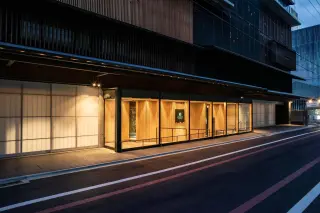
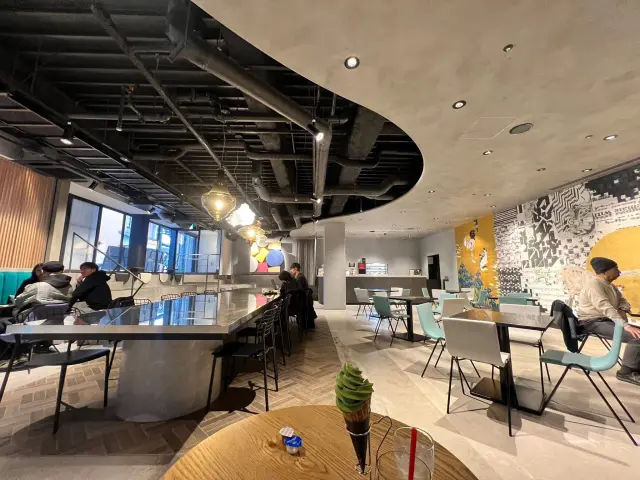
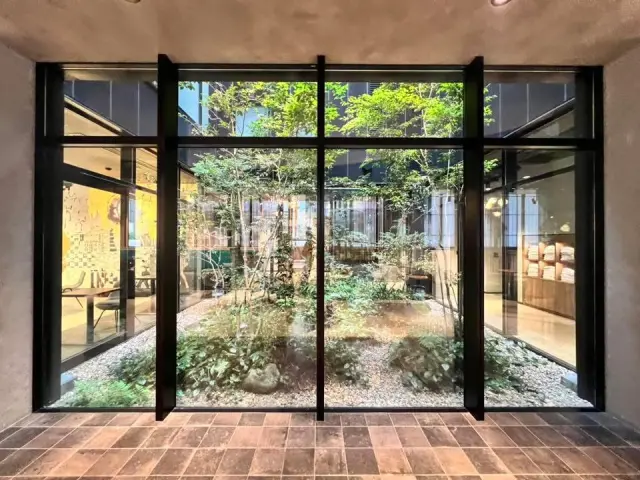
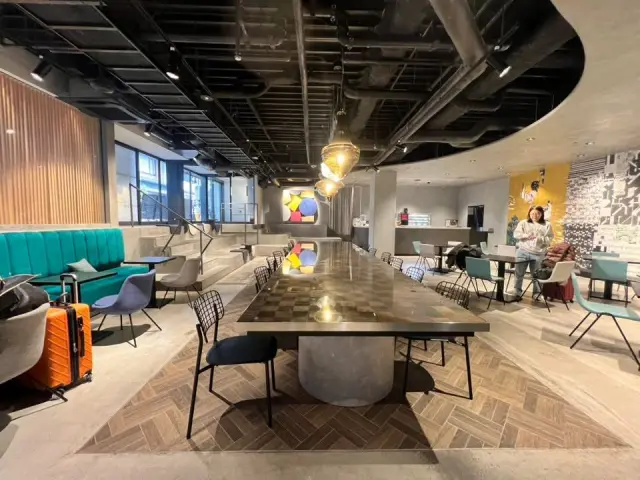
    The lobby design of Prince Smart Inn Kyoto Sanjo combines modern smart technology with traditional Kyoto aesthetics, in an overall style described as a “modern machiya.”
    The main features of the lobby design are as follows:
    1. Design concept: Learning from the past
    Designed by GARDE, the hotel’s core concept blends elements of Kyoto’s traditional kyo-machiya townhouses with a modern industrial feel.
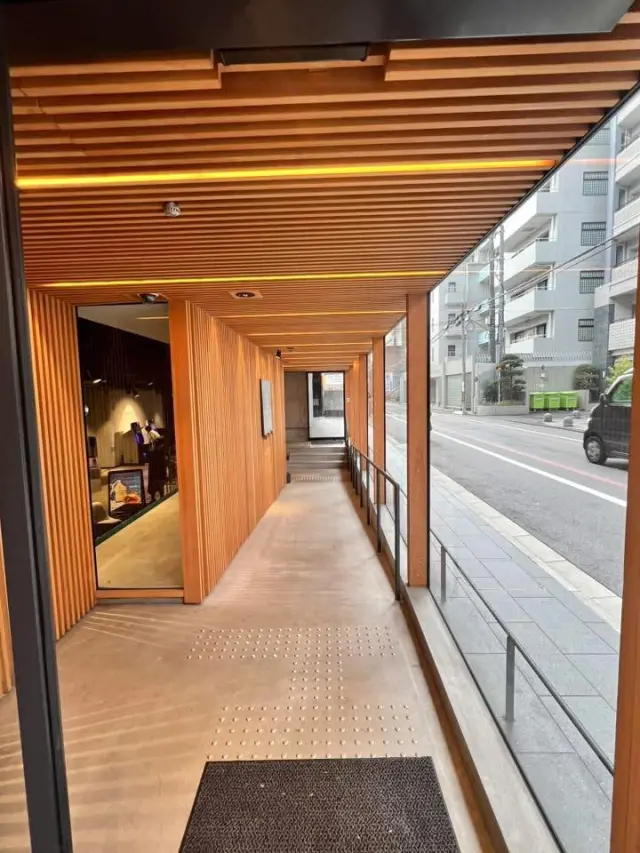
    Entrance and facade: The hotel entrance is built with solid wood and has a fresh woody scent. The exterior incorporates the latticework characteristic of Kyoto machiya, with understated, refined lines.
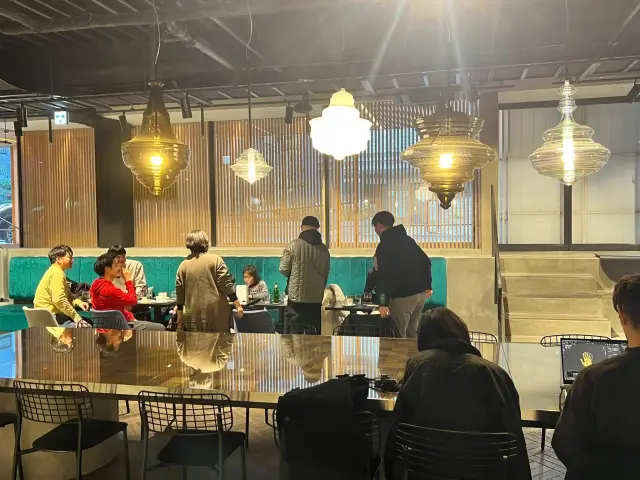
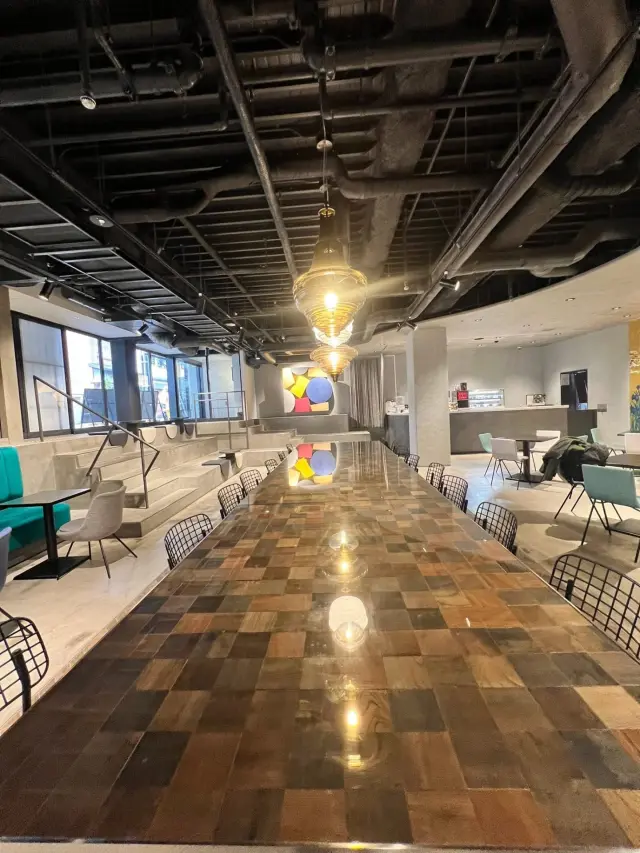
    Contrasting materials: The space combines cool exposed concrete and metal decking with the warmth of century-old wood, such as the large communal table, creating an atmosphere that transcends time.
    2. Smart spatial layout
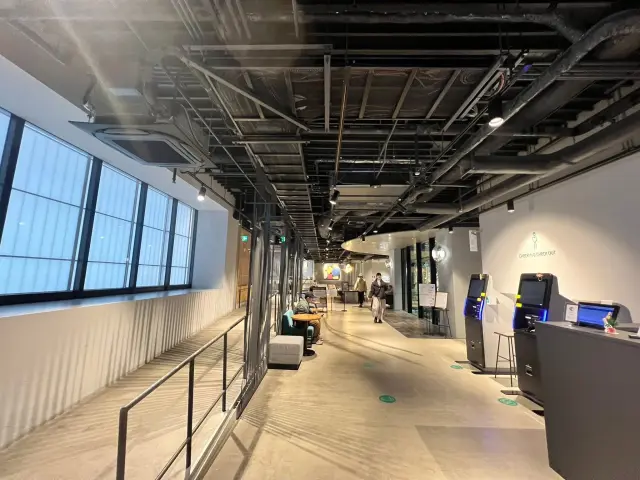
    The lobby, restaurant, and check-in area have an open, integrated design that enhances the sense of space and functionality.
    Digital map screen: A large interactive digital display near the entrance provides sightseeing and map information for the surrounding area.
    Self-service facilities: The lobby is equipped with automated check-in/check-out machines and self-service luggage lockers, emphasizing seamless smart services.
    3. Local art and decor
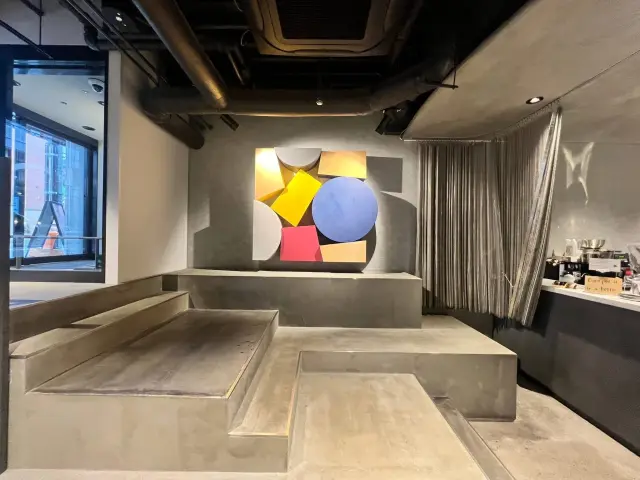
    The interior is decorated with works by several artists who have close ties to Kyoto:
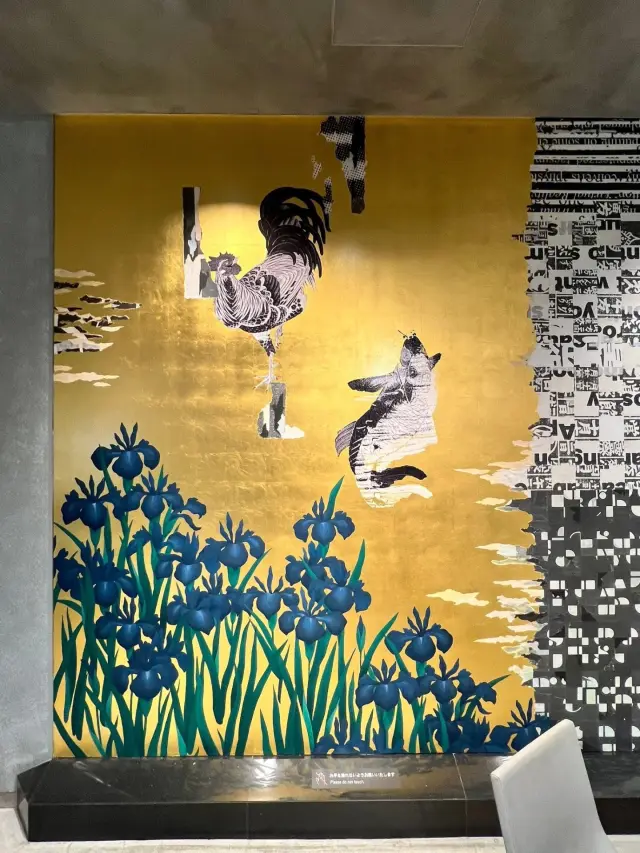
    Gold leaf and collage art: The walls feature artwork combining gold leaf with modern collage.
    Woodblock prints of the Four Guardians: These incorporate motifs of the “Four Guardians” that protect Kyoto in the four directions—the Azure Dragon, White Tiger, Vermilion Bird, and Black Tortoise.
    Kamo River-inspired tiered seating: The tiered seating in the lobby was inspired by the banks of Kyoto’s Kamo River, providing guests with a relaxing space to rest and socialize.
    4. Functional facilities
    There is an Amenity Bar in one corner of the lobby where guests can pick up items such as pajamas and toothbrushes themselves.
    Prince Smart Inn Kyoto Sanjo received an iF Design Award!
    The hotel’s interior design, created by GARDE, won an award in the Interior Architecture category of the “iF DESIGN AWARD 2023.”
    The hotel has also received other design awards, including:
    2022 Kyoto Global Design Awards
    Silver Award at the MUSE Design Awards 2023

Hokkaido Tohoku Kanto Chubu Hokuriku Kansai Chugoku Shikoku Kyushu Okinawa