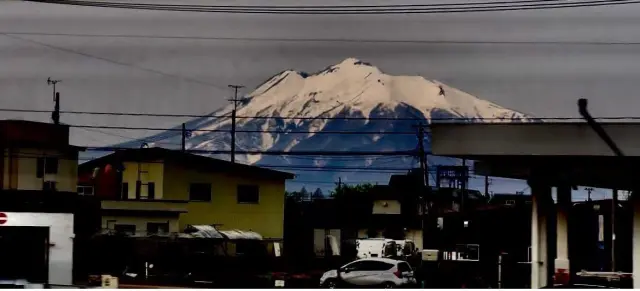
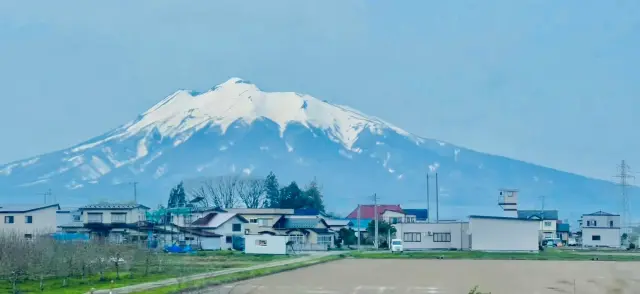
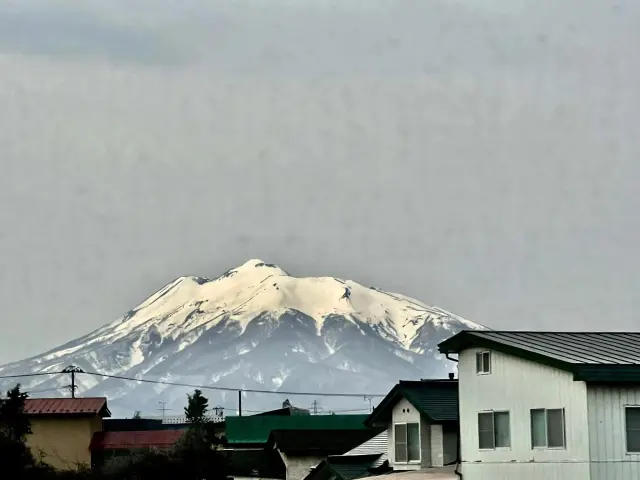
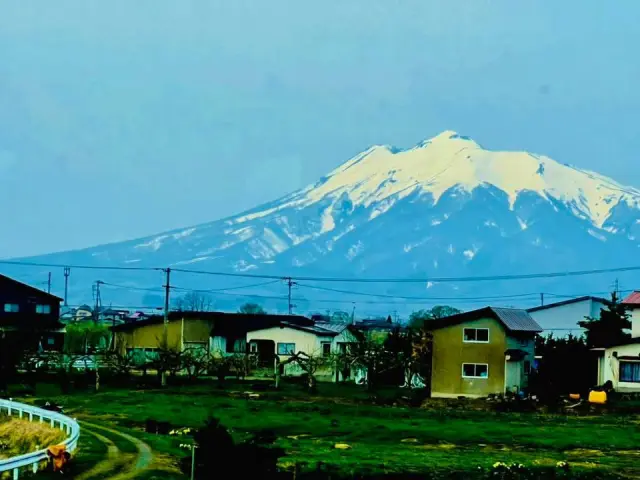
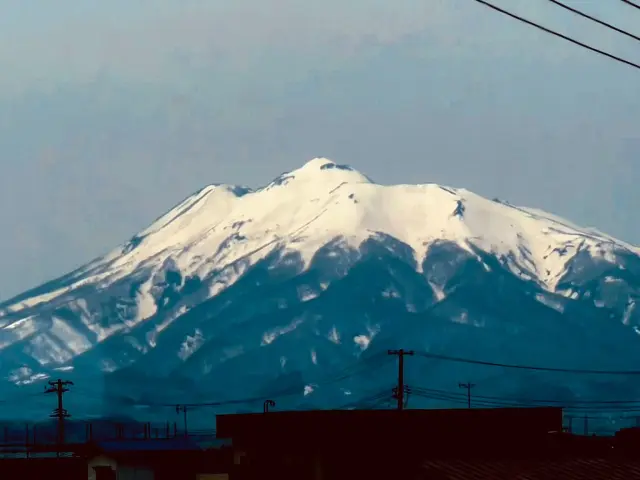
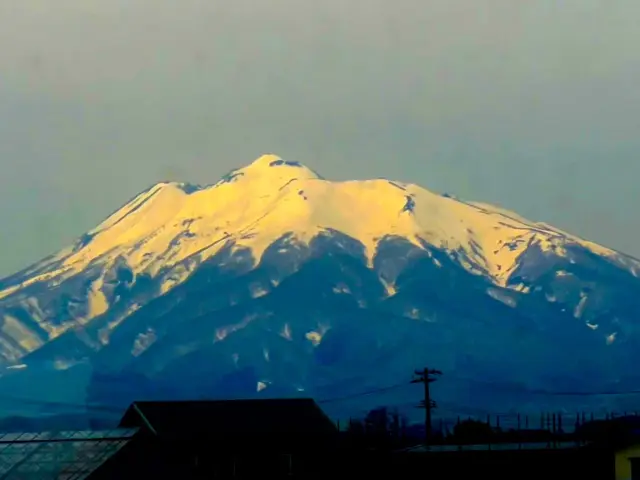
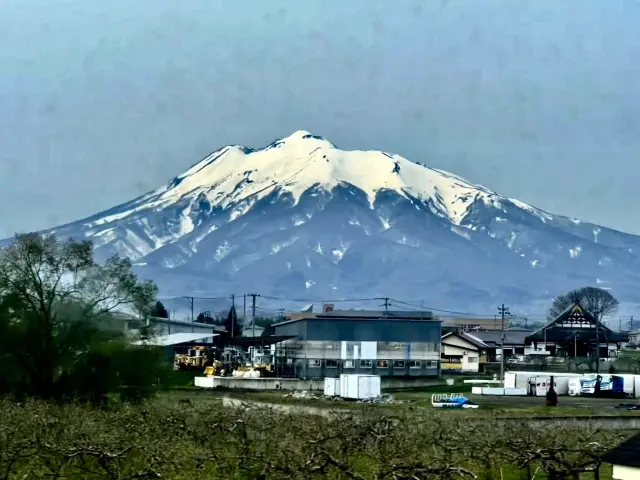
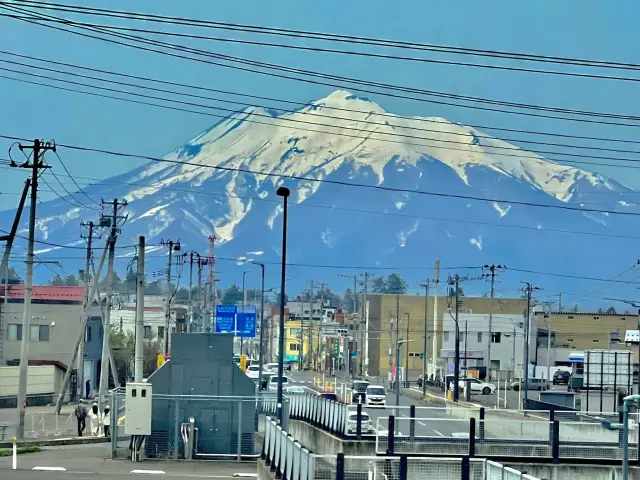
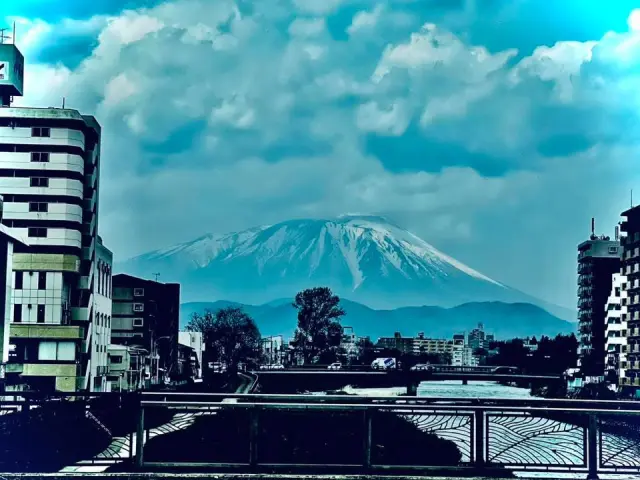
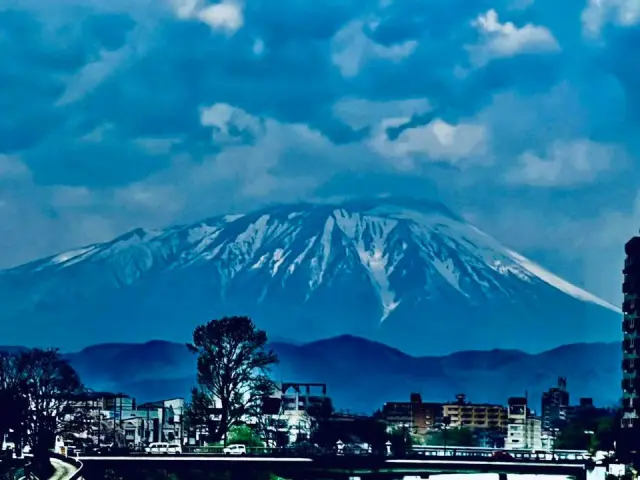
The main mountain visible from the Hirosaki area is **Mount Iwaki**, located on the outskirts of the city. With its conical shape and snow-covered summit, Mount Iwaki is known as “Tsugaru Fuji.” It is the highest peak in Aomori Prefecture and one of Japan’s 100 Famous Mountains. In Hirosaki and the surrounding area, you can enjoy magnificent views of Mount Iwaki from Hirosaki Castle or even from the train.
Features of Mount Iwaki
One of Japan’s 100 Famous Mountains: Mount Iwaki was selected as one of Japan’s 100 Famous Mountains.
Known as “Tsugaru Fuji”: Because its shape resembles Mount Fuji, locals call Mount Iwaki “Tsugaru Fuji.”
Aomori’s highest peak: At 1,625 meters, Mount Iwaki is the highest mountain in Aomori Prefecture.
A sacred mountain: Since ancient times, it has been an important center of worship in the Tsugaru region, and the historic Iwakiyama Shrine stands at its base.
Varied scenery: Mount Iwaki offers different beautiful views in every season. In spring, there is the 20-kilometer “World’s Longest Cherry Blossom Road,” while winter offers snow activities.
How to enjoy Mount Iwaki in Hirosaki
Hirosaki Castle: From the castle keep at Hirosaki Castle, you can enjoy an unobstructed view of magnificent Mount Iwaki. In spring, the cherry blossoms in full bloom throughout the castle grounds contrast beautifully with the snow-covered mountain, creating an especially moving scene.
World’s Longest Cherry Blossom Road: Every year from late April to early May, cherry blossoms bloom along a 20-kilometer prefectural road at the foot of Mount Iwaki. Driving along this “World’s Longest Cherry Blossom Road” while taking in views of Mount Iwaki is a wonderful experience.
Nearby attractions: Outside Hirosaki, Mount Iwaki can also be seen from different angles at many places in the surrounding area, including Tsurunomai Bridge in Tsuruta and various locations throughout the Tsugaru region.
Mount Iwaki | Review by Norton Liang
Other Reviews by Norton Liang
-

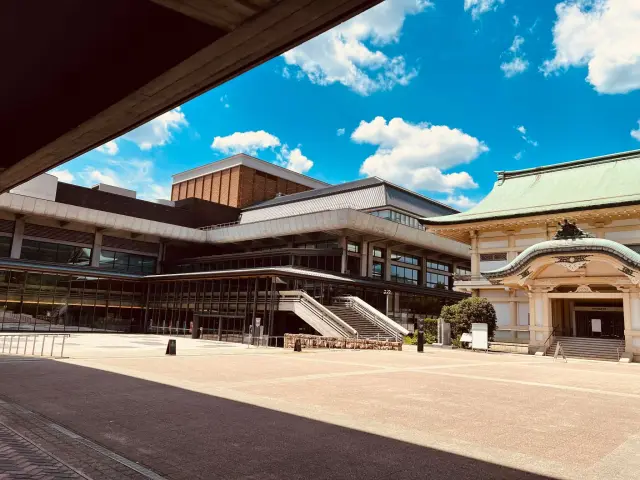
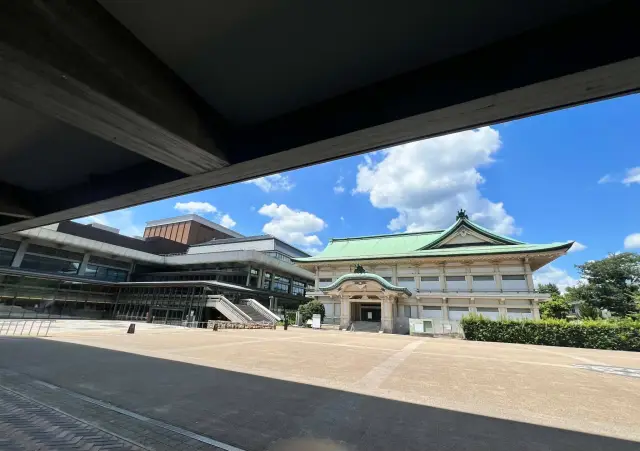
Heian Jingu Shrine
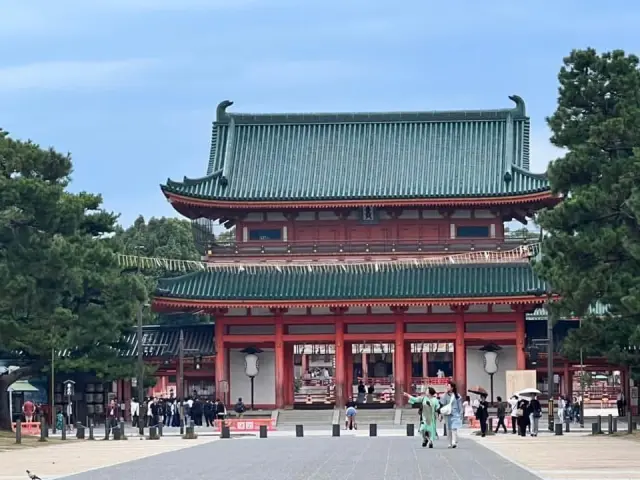
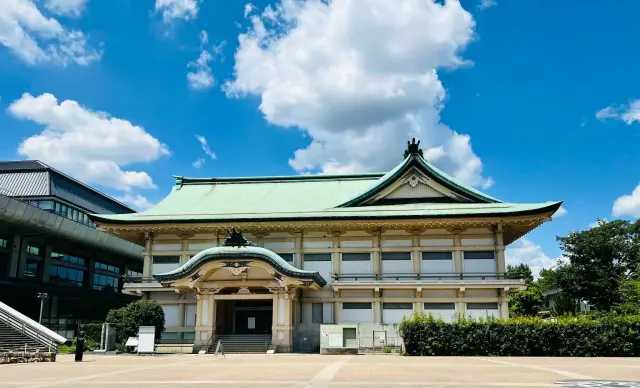
Established in 1895 to commemorate the 1100th anniversary of the transfer of the capital to Heian-kyo, this shrine is relatively new. The buildings emulate the central government office, the "Chodo-in," where significant ceremonies took place during the Heian period. Once you step into the precincts, adorned with these vermilion structures, you feel as though you've time-traveled back to the Heian era.
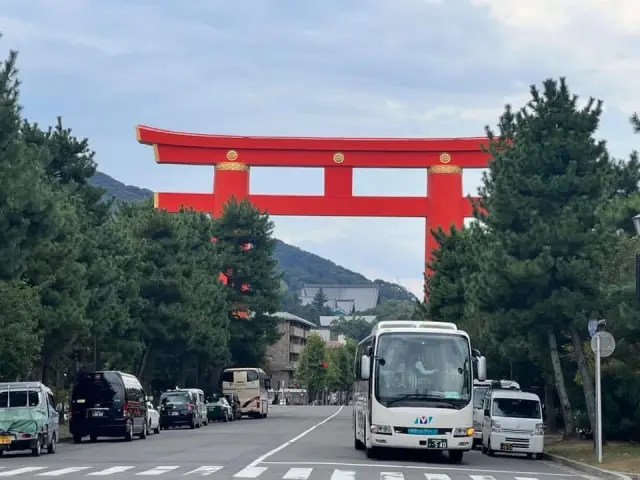
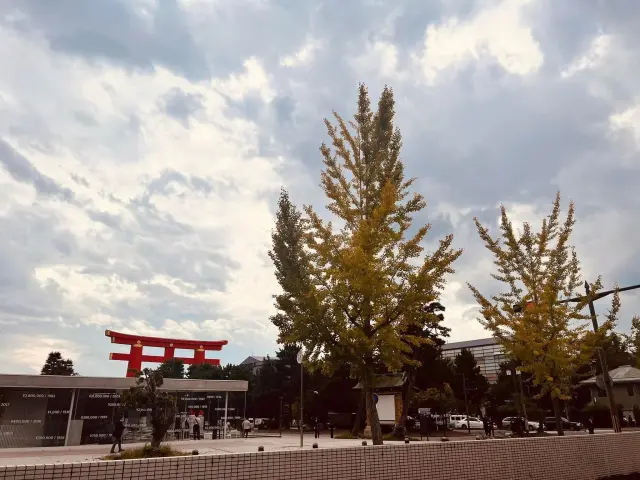
As soon as I got off the bus 🚌, I was drawn to the massive 24.4-meter-tall vermilion torii gate, an iconic landmark in Kyoto’s Okazaki area 🤩
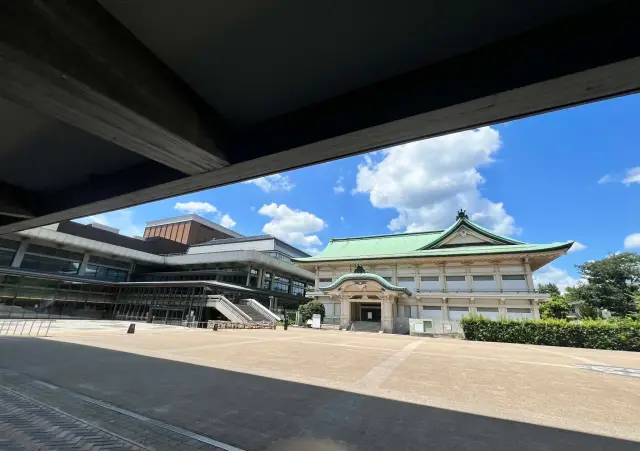
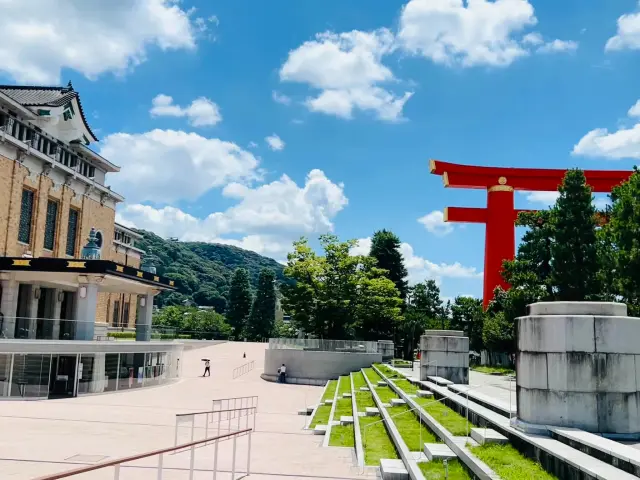
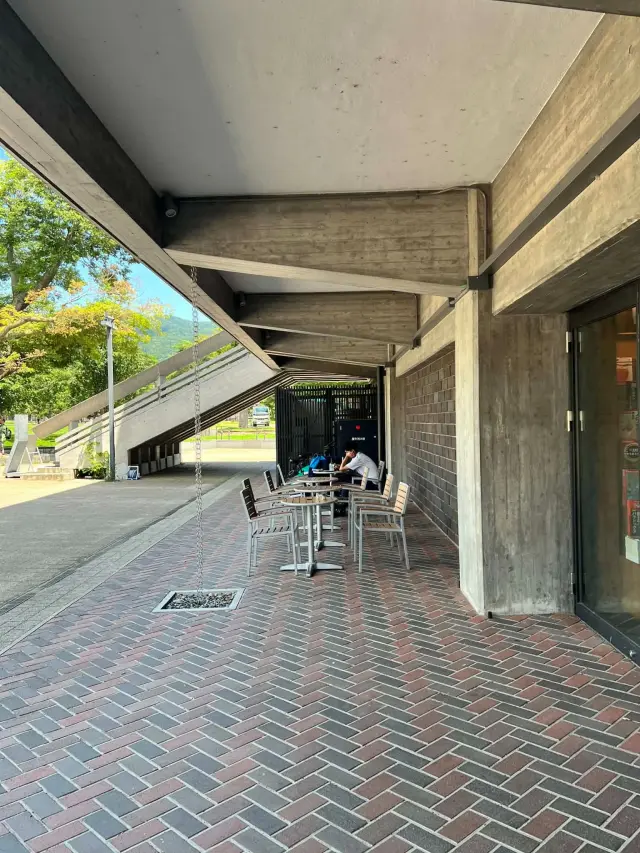
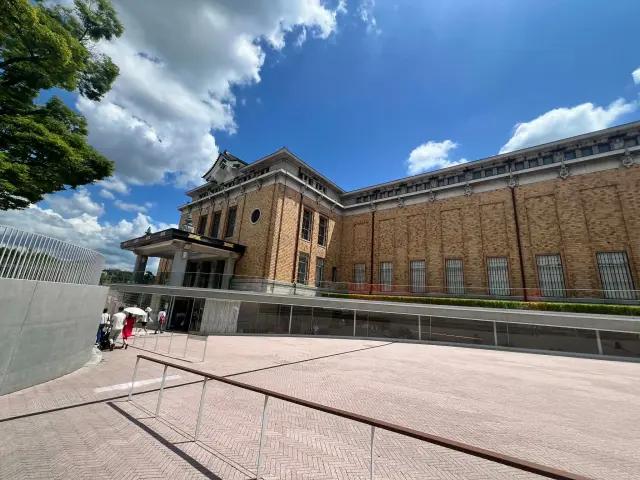
The surrounding area is also great for an artsy stroll, with the Kyoto City KYOCERA Museum of Art, Tsutaya Books, Nanzenji Temple, and a Blue Bottle Coffee in a machiya townhouse that’s worth visiting. -
-

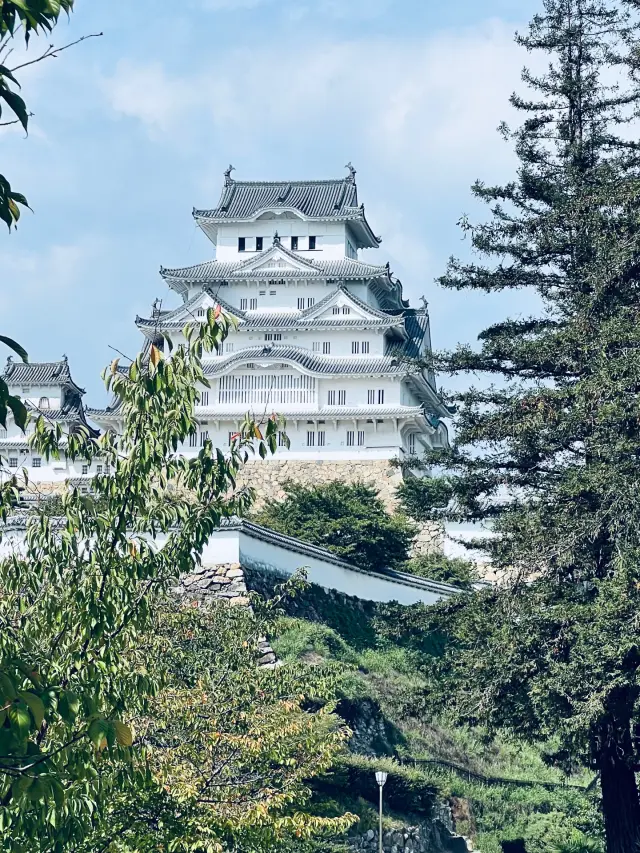
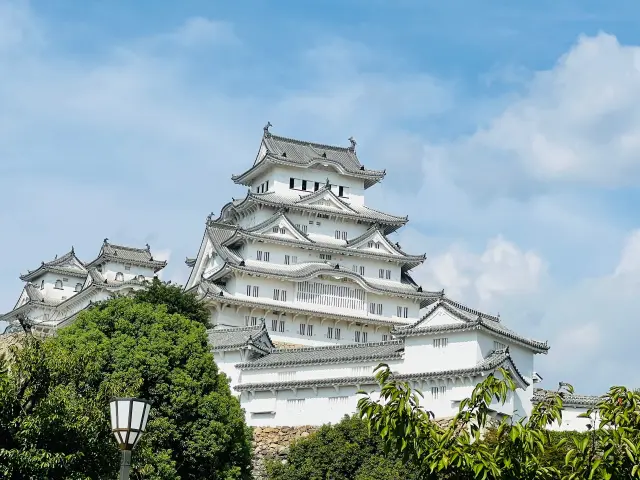
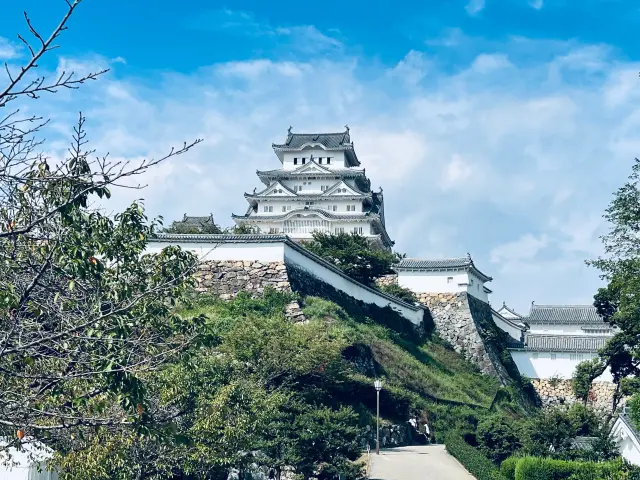
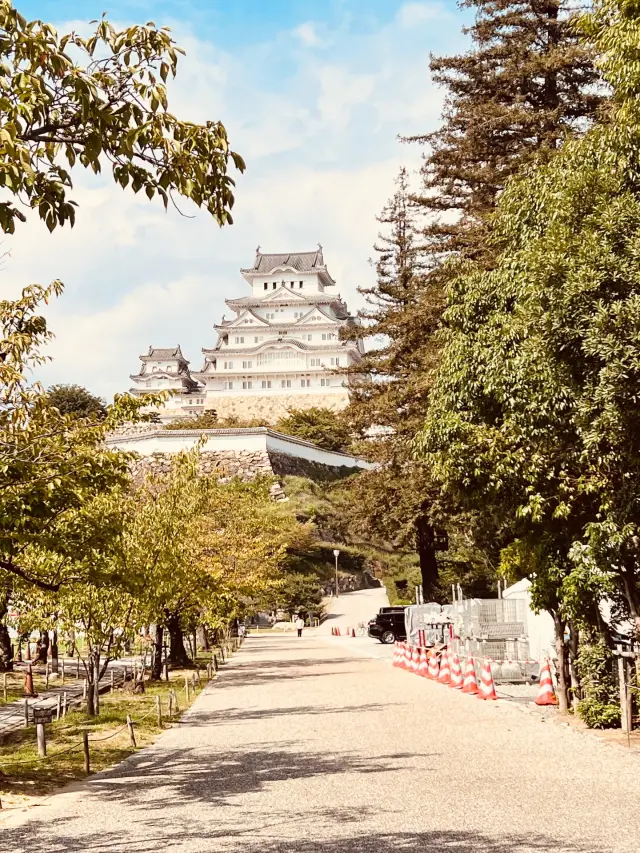
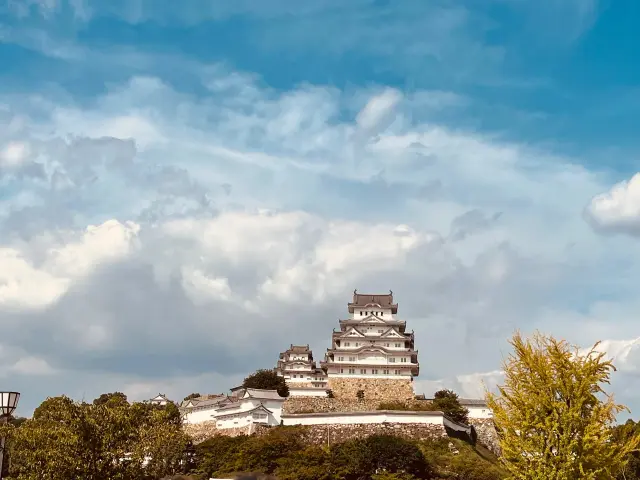
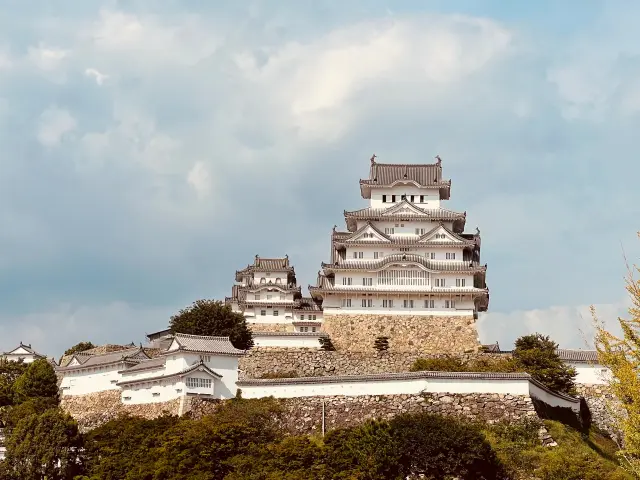
Himeji Castle
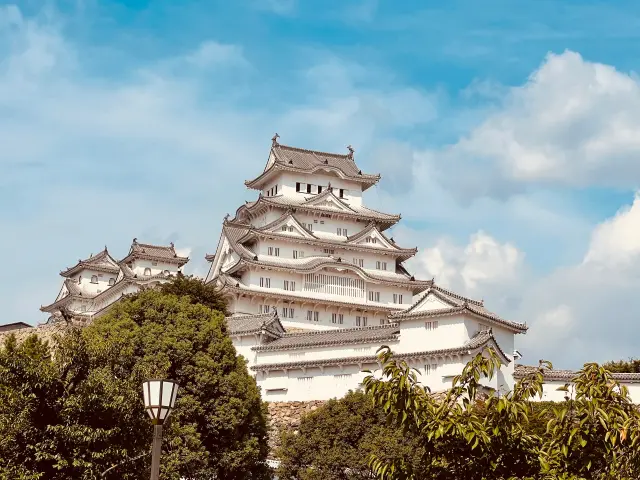
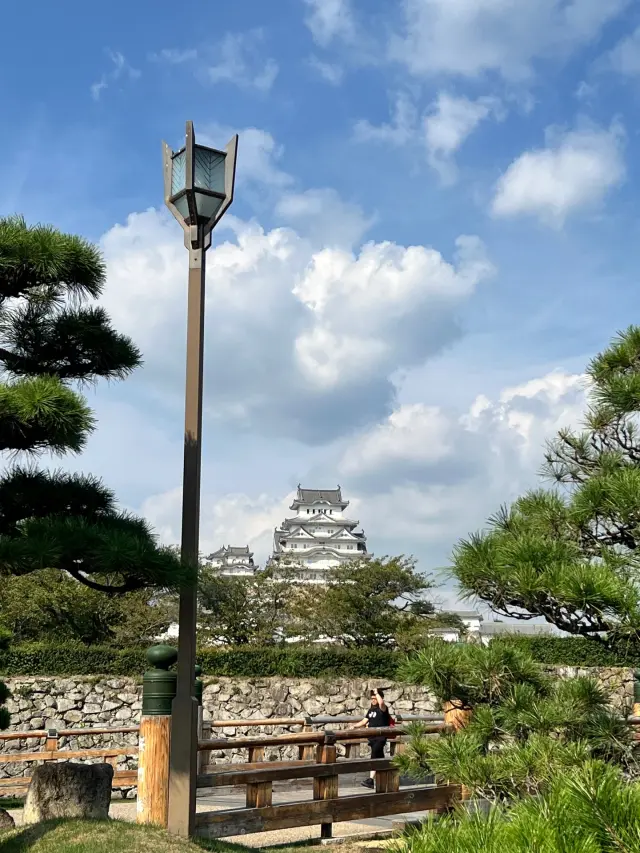
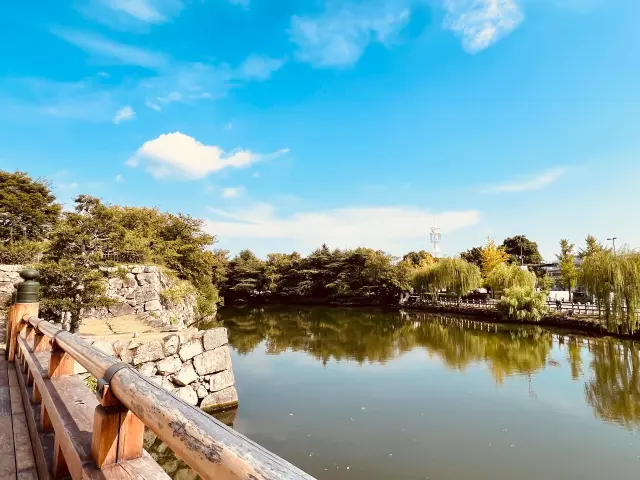
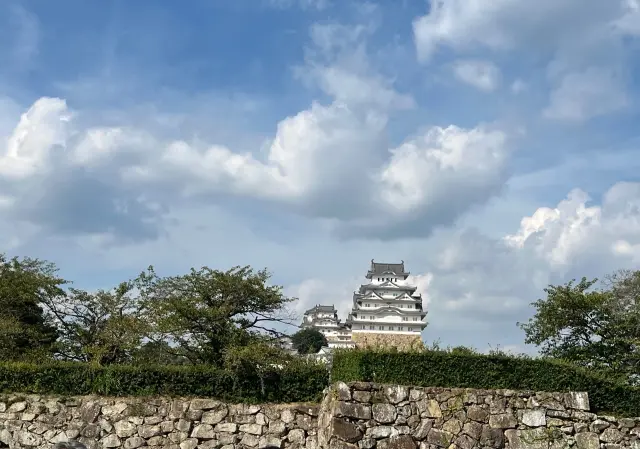
This castle is a World Heritage Site and a Japanese castle masterpiece. The main keep, built by Ikeda Terumasa in the early Edo period, has a five-story exterior, one basement level, and six stories above ground on the inside, making it the largest Edo period castle tower still standing.
With its snow-white exterior walls, this cultural heritage site looks like a white heron about to take flight. Himeji Castle itself is absolutely ethereal~
It truly lives up to its reputation. -
-

Underground Mall Grand Festa / Festa BLD. in front of Himeji Station
Underground Mall Grand Festa is the expansive 7,000㎡ shopping hub that’s directly connected via underground passages at select Himeji Station exits. The entire floor is divided into “streets” 1 through 6, each zone with plenty of Himeji soul food classics, apparel, cosmetics, local sake, Japanese confections and more to shop.
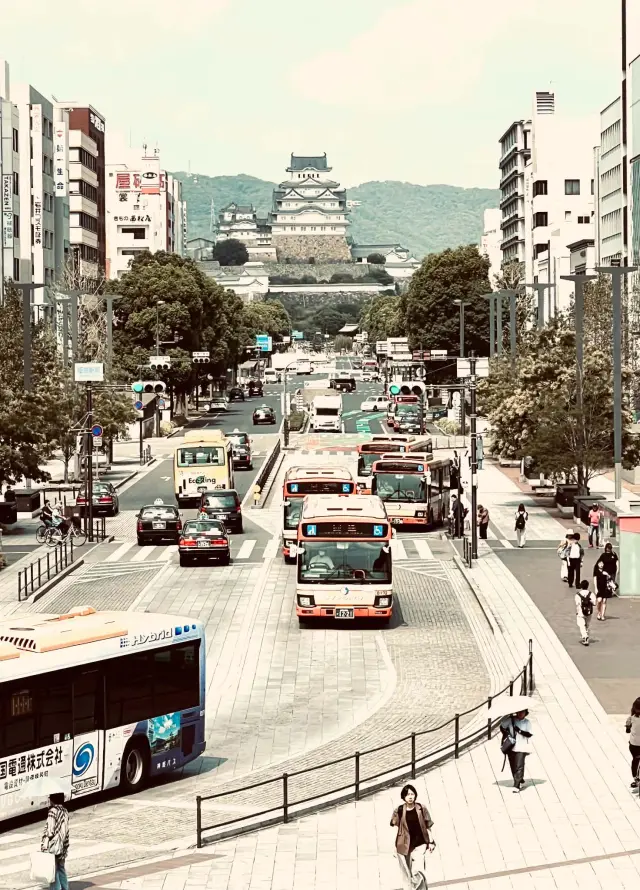
I especially recommend going up to JR Himeji Station to take a photo of the view from afar,
and following this reminder 🔔 for travelers to slow down
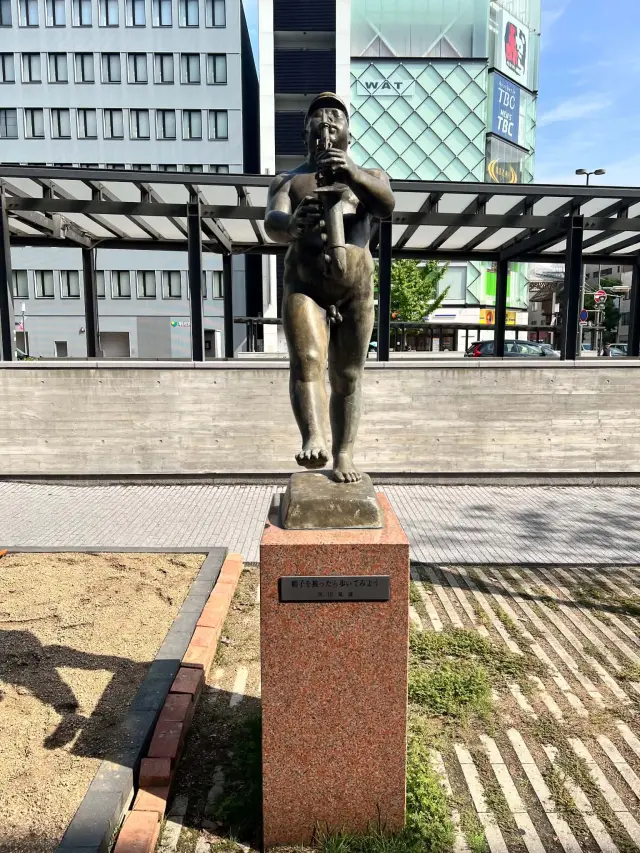
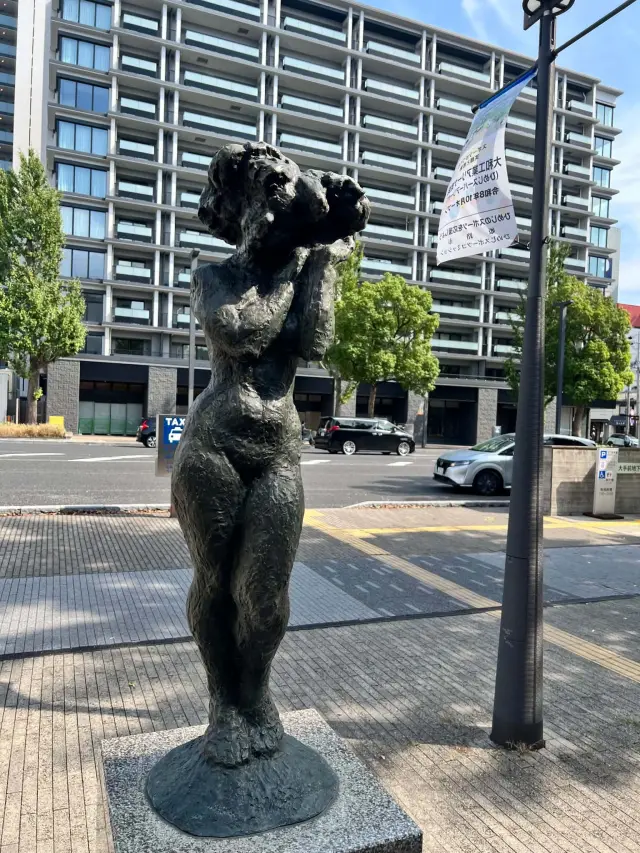
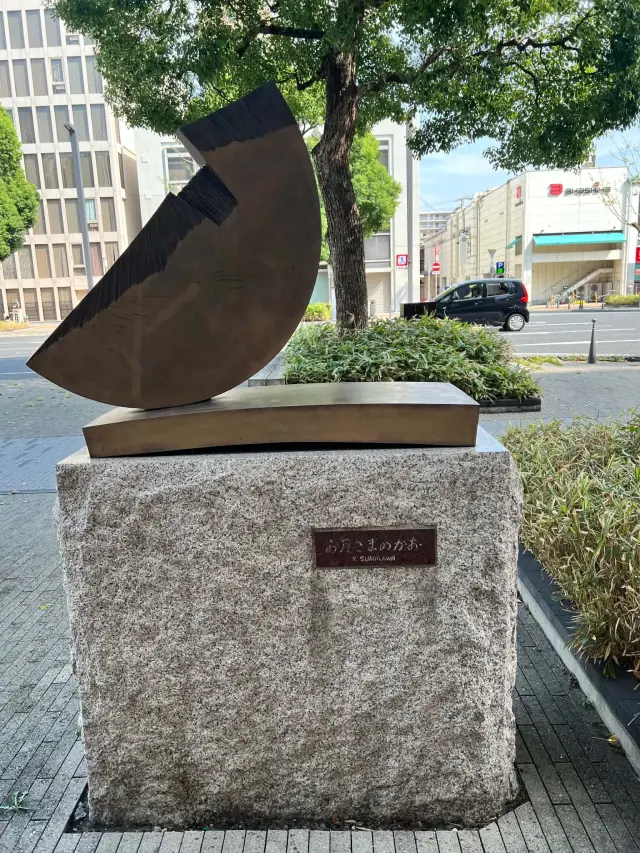
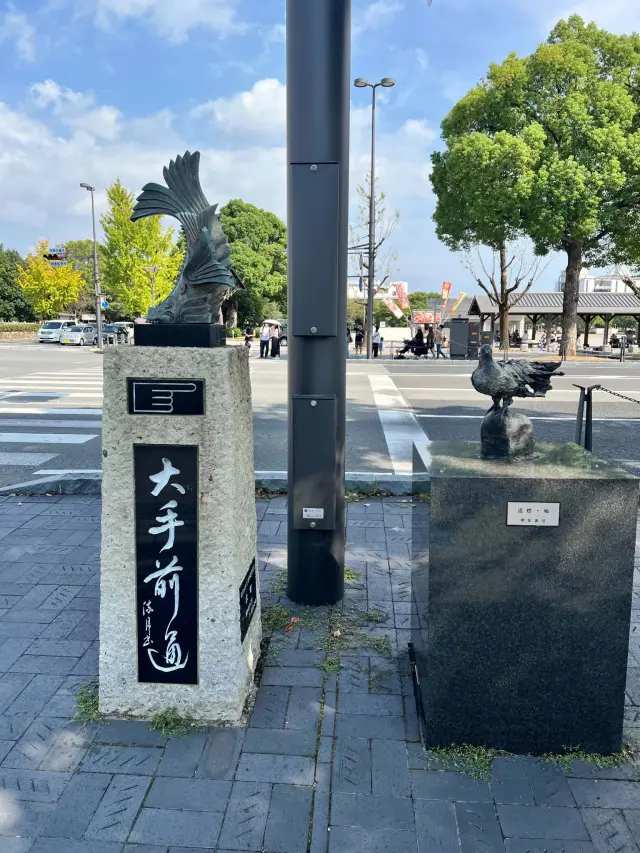
and truly appreciate the beauty of the White Heron Castle 😊:• Otemae Street, which stretches from JR Himeji Station to the entrance of Himeji Castle, is an outdoor gallery street renovated under Japan’s first implementation of the “Hokomichi” sidewalk utilization system. Along the way, there are many artworks and statues created by renowned sculptors.
One example is “Face of the Moon”:
Its clean lines and metal materials symbolize the universe, encouraging passersby to look up at the sky amid the bustle of the city and appreciate the poetry of nature.
• “I Can Hear It”: This work captures the classic gesture of listening to a conch shell, symbolizing the exploration of nature’s sounds and reminding people to slow down and listen to the whispers of the wind and their inner voice. -