• See More

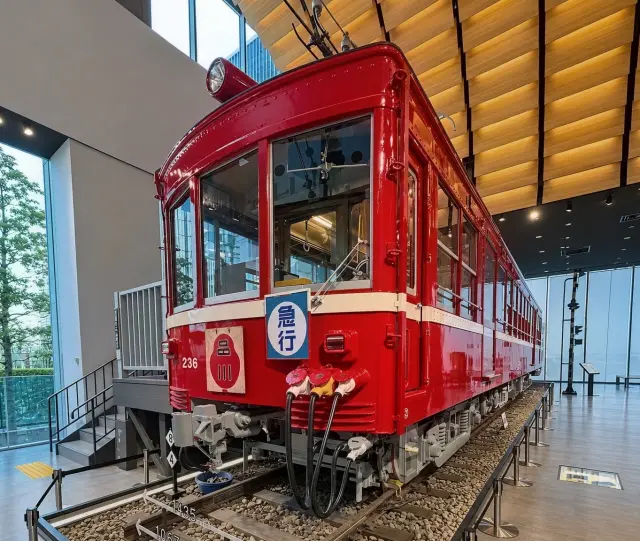
    This time we visited the Keikyu Museum, and for kids who love trains, this place is truly irresistible! As soon as you enter, you can see a bright red, full-sized Keikyu train, along with all kinds of model railways, exhibits, and train-driving experiences. The entire space is filled with the charm of railways.

    The biggest attraction, of course, is being able to see a real train up close. Through the various interactive facilities, kids can also experience the fun of being little train drivers. No wonder children who love trains have so much fun here that they don't want to leave!

    The staff also seemed very friendly. From the way they introduced the facilities and interacted with the children, you could tell that they genuinely love trains and patiently accompany the kids through the experiences.

    There are also three experiences that require an additional fee, but they're very popular on weekends and spots are limited. If you want to participate, it's best to check the reservation information in advance, or it can be really difficult to get a spot.

    Overall, this is a place where adults can learn about railway culture while children have a great time. If you have a train enthusiast in the family, I highly recommend making time for a visit when you're in Yokohama!

Other Reviews by Queenie

  • Kamakura Music Box Museum

    Kamakura is a popular tourist destination that is home to many shrines, temples, historic buildings, as well as a blend of old-fashioned cityscape with modern cafes and shops. Kamakura Music Box Museum is in front of Hase Temple, a 5-minute walk from Hase Station, which is home to the Great Buddha of Kamakura.

    • Kamakura
    • Miscellaneous Goods
    See More

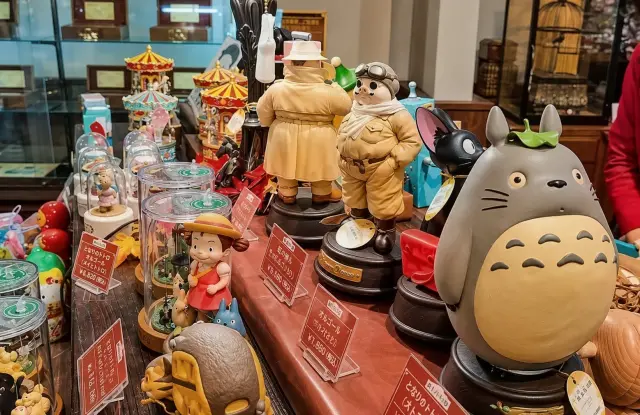
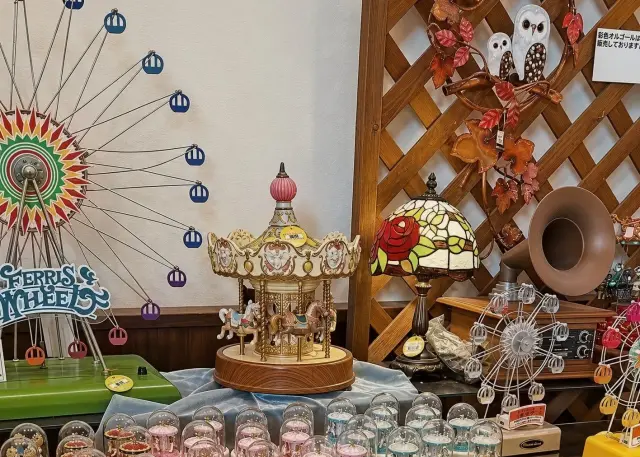
    On this trip, I visited the Great Buddha of Kamakura and then stopped by the nearby Kamakura Music Box Museum. I didn't expect there to be so much to see inside! The store is filled with all kinds of music boxes, with so many varieties that it's almost overwhelming. It feels like stepping into a small music box museum.

    From classic designs and cute animals to music boxes that play all kinds of different songs, each one has its own special features. Just taking my time looking around and listening to the different melodies was a lot of fun.

    The ones that moved me most were the music boxes with a spinning ballerina. They instantly reminded me of the music box my parents gave me when I was a child. Familiar memories suddenly came flooding back, and it felt like I had returned to my childhood.

    From delicate classical music boxes to music boxes hidden inside stuffed animals, everything made me want to stop, look, and listen. I was really happy browsing around!

    If you're planning to visit the Great Buddha of Kamakura, I highly recommend stopping by. Besides admiring all kinds of music boxes, you may also rediscover some wonderful childhood memories.

  • The Great Buddha of Kamakura at Kotoku-in Temple

    As the principal object of worship at Kotoku-in temple (officially known as Daii-san Kotoku-in Shojosen-ji), the Buddhist statue of Amida Nyorai enjoys tremendous popularity among the famous spots of Kamakura. The Great Buddha of Kamakura is familiar for the intensity of its presence.

    • Kamakura
    • Shrines & Temples
    See More

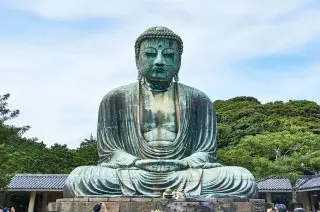
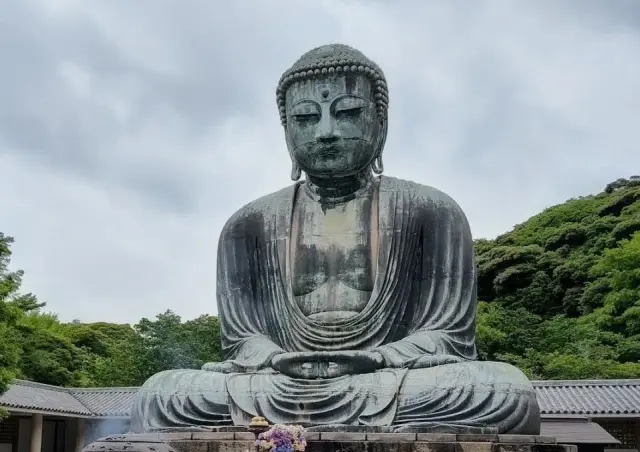
    When visiting Kamakura, of course you can’t miss its most famous attraction, the Great Buddha of Kamakura! This time, I made a special trip to Kotoku-in. Before even entering, I saw quite a few visitors, and the temple grounds were really lively. In addition to tourists from around the world, there were also many Japanese students on school trips.

    As soon as I approached the Great Buddha, my first thought was, “It really is huge!” At approximately 11.35 meters tall and weighing 121 metric tons, you can only understand how impressive it is when you see it in person. The Great Buddha sits quietly outdoors, and together with the surrounding scenery, it creates a sense of solemnity and calm.

    Upon entering the temple, you first pass through the Nio Gate, and the guardian statues on both sides are also quite distinctive. The temple grounds aren’t very large, so it doesn’t take much time to see everything. It’s easy to include in a one-day Kamakura itinerary.

    It’s about an 8–10 minute walk from Hase Station on the Enoden Line. However, the sidewalks along the way are rather narrow and there are quite a few cars, so be a little careful while walking.

    This Great Buddha is truly iconic and one of Kamakura’s most classic attractions. Since you’ve come all the way to Kamakura, of course you should see the famous “handsome man of Kamakura” in person and take a photo as a keepsake to make the trip worthwhile!

  • Kamakura Komyo-ji Temple (Jōdo-shū Daihonzan Tenshōzan Renge-in Kōmyō-ji)

    Komyo-ji Temple is a famous temple of the Jodo sect of Buddhism, and the temple is said to have been founded in 1243. It was founded by Ryochu Nen’a after Hojo Tsunetoki converted to Buddhism. Its formal name is Jōdo-shū Daihonzan Tenshōzan Renge-in Kōmyō-ji.

    • Kamakura
    • Shrines & Temples
    See More

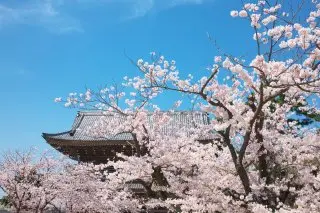
    This time, I visited Komyo-ji Temple in Kamakura, hoping to take a good look at this historic temple. Once I entered, I found it even more peaceful and secluded than I had imagined. There were fewer crowds than at busier tourist attractions, giving it a sense of tranquility that allowed me to take my time looking around.

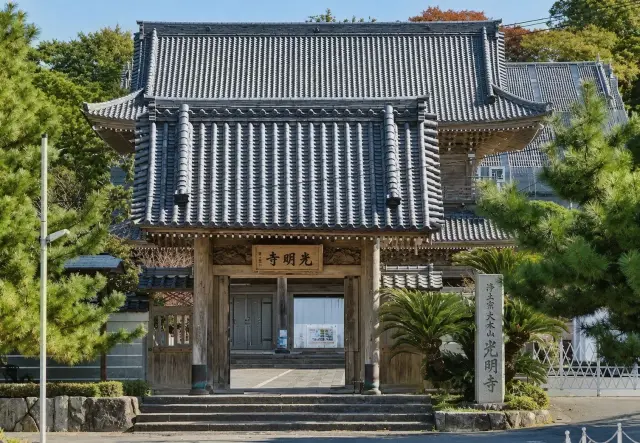
    The first thing that caught my eye upon entering the temple grounds was the historic main gate. The traditional wooden structure, paired with layers of overlapping black roof tiles, looked very imposing. Just standing in front of the gate, I couldn't resist taking several photos.

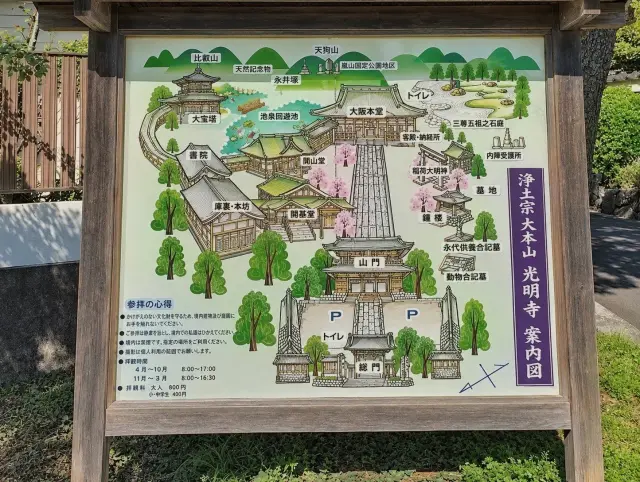
    Unfortunately, the main hall has been undergoing extensive renovations since November 2019, with the work expected to last about 10 years. Because of this, the famous Three Buddhas and Five Patriarchs Stone Garden on the south side is also temporarily closed to visitors.

    This time, I mainly visited the Kaisando Hall, which is serving as the temporary main hall, Daishokaku Hall, the bell tower, and the main gate. Afterward, I also walked toward Mt. Tensho behind the temple to see the mausoleum area. I took in the scenery in different corners of the temple as I walked and took quite a few photos.

    Although I wasn't able to see the complete main hall or the stone garden this time, the visit was still very rewarding overall. I especially liked the rustic old buildings, the surrounding greenery, and the atmosphere that naturally made me slow down.

    I originally thought it would only take a short time to look around the temple, but I ended up spending nearly an hour and a half taking photos and walking around Komyo-ji! Every corner is worth appreciating at a leisurely pace.

    If I have the chance to visit again, I hope it will be during cherry blossom season or when the lotus flowers are in bloom, so I can see what kind of beauty Komyo-ji has to offer in a different season.

Hokkaido Tohoku Kanto Chubu Hokuriku Kansai Chugoku Shikoku Kyushu Okinawa