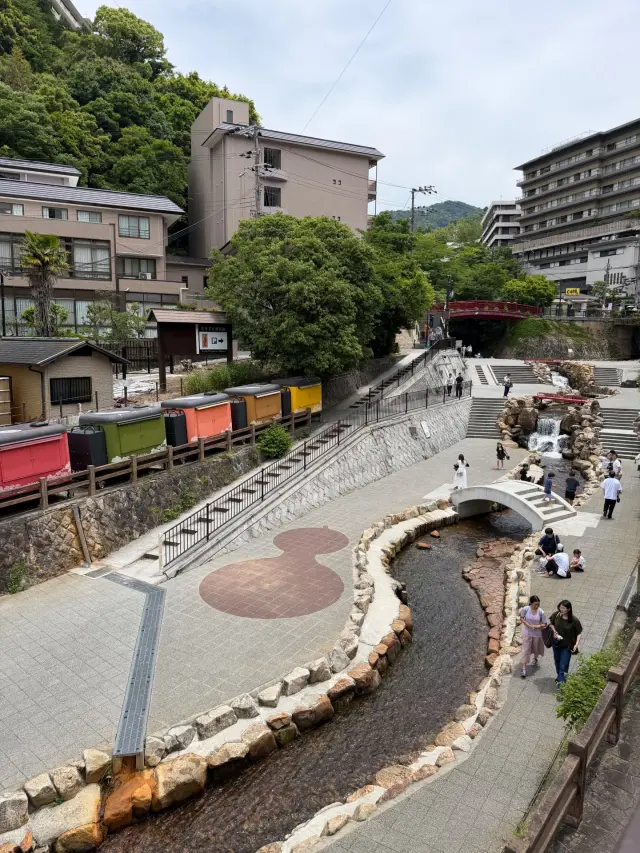
Hot white steam and a faint rusty mineral scent immediately drift through the air, making you feel like you’ve stepped into an old-fashioned Japanese movie! Ranked as one of Japan’s Three Ancient Hot Springs, its history goes back so far that even ancient emperors, nobles, and the great Sengoku-era ruler Toyotomi Hideyoshi couldn’t get enough of it, coming here from time to time to soak and recover. The entire hot spring town is built along the mountainside. As you slowly climb the winding, hilly stone-paved path called Yumotozaka, you’ll see old-fashioned wooden machiya townhouses, teahouses, and souvenir shops made of dark wood lining both sides. With the crisp clacking of wooden geta, even just wandering around feels incredibly relaxing and restorative.
The most exciting highlight of Arima is definitely its two magical hot springs with completely opposite qualities—Kinsen and Ginsen! Kinsen is originally clear when it emerges, but because the water contains extremely high concentrations of iron ions and salt, it oxidizes upon contact with the air and turns a rich reddish brown. It looks just like a pool of warm, creamy milk tea. It retains heat extremely well, warming your entire body and really driving away the cold. Even the free public footbath by the entrance is always filled with travelers relaxing and soaking their feet. Ginsen, on the other hand, is a clear and transparent carbonated and radioactive spring. After soaking, your skin feels silky smooth, and the circulation throughout your body feels better. Two kinds of enjoyment, all in one visit!
Besides soaking until every pore in your body feels refreshed, the local street food around the hot spring town is impossible to resist! Freshly made, steaming onsen manju are soft, fragrant, and sweet when you bite into them. The thin, crisp traditional tansan senbei have a light sweetness, and you can also grab a cold, refreshing bottle of local Arima carbonated soda along the way. The moment the refreshing bubbles burst on your tongue, they perfectly balance the lingering warmth from the hot spring.
Arima Onsen | Review by Jk
Other Reviews by Jk
-
Yasaka Koshindo
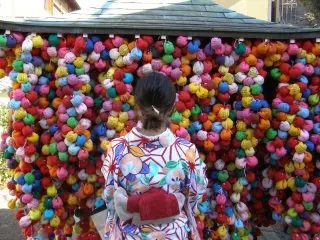
A temple built in a famous tourists spot in Kyoto called Higashiyama, where other famous sights such as the Kiyomizu Temple and Yasaka Shrine are located. The official name of the temple is "Daikokusan Kongoji Koshindo,” but is well-known as "Yasaka Koshin-san" in the local area. It is said that this was where the Koshin faith, which derived from Chinese Taoism, first started in Japan, and is also one of the three Koshin in Japan.
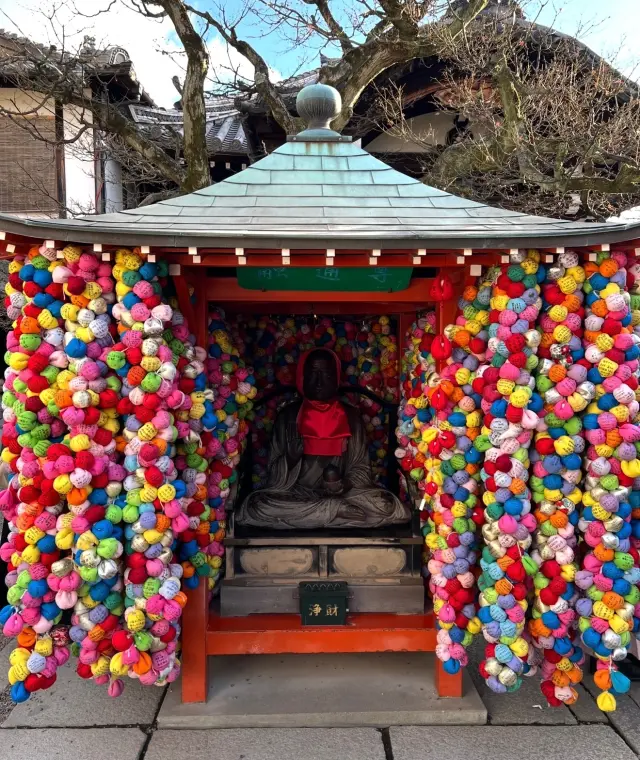
Turn into a small alley in Kyoto’s Higashiyama district and you’ll find Yasaka Koshindo, where your eyes are instantly bombarded with an unbelievable explosion of color! This tiny temple hidden next to Yasaka Pagoda is basically Kyoto’s dreamiest Instagram photo spot. As soon as you enter the courtyard, you’ll see the eaves and wooden racks covered with strings of colorful, round cloth balls called “kukurizaru” (tied monkeys). Red, yellow, blue, and green are all woven together, looking super vibrant and super cute in the sunlight! These cloth balls actually represent monkeys with their hands and feet tied, symbolizing the restraint of inner greed and desire. Just write your wish on the blank side of a cloth ball and tie it up yourself, and your wish will come true. The whole concept is both interesting and full of ceremony!
-
-
Himuro Shrine (Nara Prefecture, Tenri City)
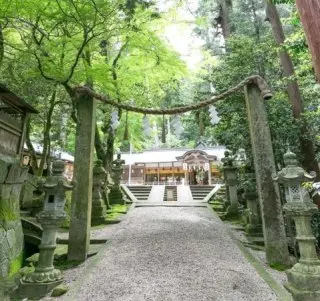
Located in Fukuzumi-cho, Tenri City, a place known as the origin of ice storage in Japan, the site boasts over 20 historical ice storage (Himuro) sites. Deeply connected to the Imperial family, the shrine, believed to have been established around 414 AD, is considered the head shrine of all Himuro Shrines across the country.
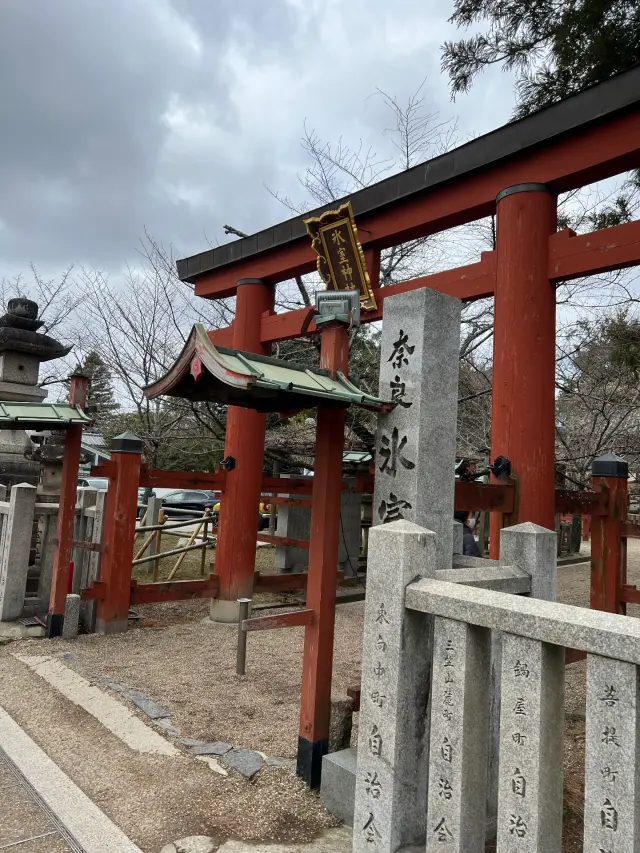
Directly across from the Nara National Museum and next to the Great South Gate of Todaiji Temple, Himuro Shrine is a refreshingly cool hidden spot with an unexpectedly cute contrast along a stroll through Nara Park! In ancient times, this shrine was dedicated to the guardian deity of ice making and ice storage, and now it’s a major pilgrimage site for ice manufacturers, drink shops, and even famous shaved ice shops from all over Japan. Once you pass through the wooden torii gate, the atmosphere inside is peaceful and elegant. The wildest and most clever thing is that they actually have an extremely rare “ice fortune” here! Place a blank fortune slip on the large block of pure ice prepared by the shrine to chill it, and the hidden fortune slowly appears like magic. It feels cool and refreshing to the touch in summer, while in winter the whole experience still feels ceremonial. It’s so much fun that you can’t help wanting to draw one and try your luck!
-
-
Todaiji Temple
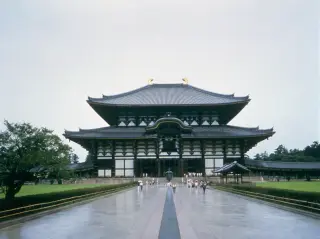
The Great Buddha Vairocana was commissioned by Emperor Shomu during the Nara period and consecrated in 752. The temple complex took nearly 40 more years to complete, making Todaiji one of Nara's most prominent temples. It continued to prosper under generous protection even after the capital was moved from Heijo-kyo.
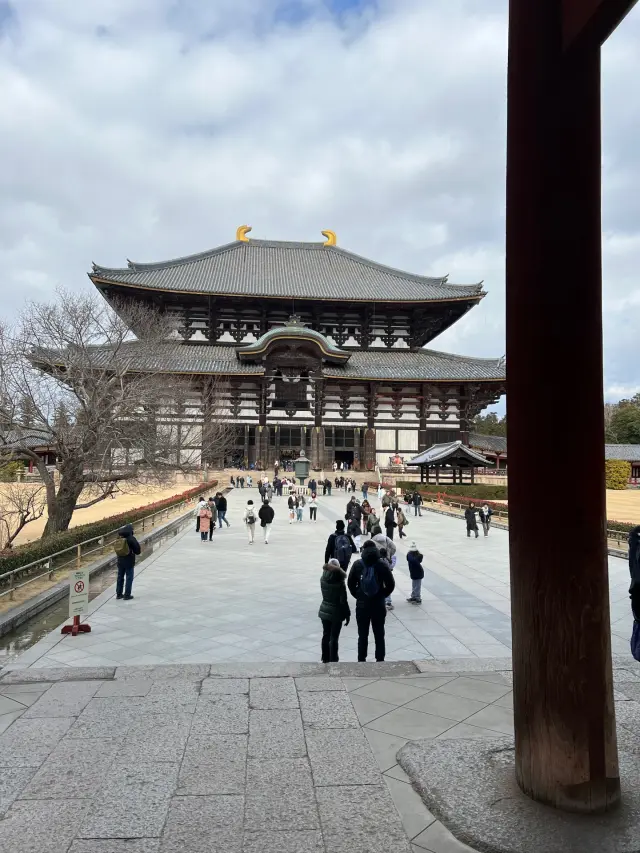
Inside the hall, there’s also a classic must-try highlight that really tests your size and flexibility: the “Great Buddha’s Nostril” hole at the bottom of the thick wooden pillar behind and to the right of the Great Buddha! Legend says the hole is exactly the same size as the Great Buddha’s nostril. If you can successfully squeeze through it, you’ll be free from illness and misfortune for the entire year and receive good luck and blessings. You’ll often see kids slip through in a second like eels, while adults get stuck and make everyone burst out laughing. The atmosphere is super cheerful! If you still have energy after touring the Great Buddha Hall, I highly recommend walking up to Nigatsudo Hall, located partway up the hill nearby. From its large wooden terrace, you can take in the entire city of Nara and the distant mountains without paying an admission fee. At dusk, the sunset is as beautiful as a painting!
-