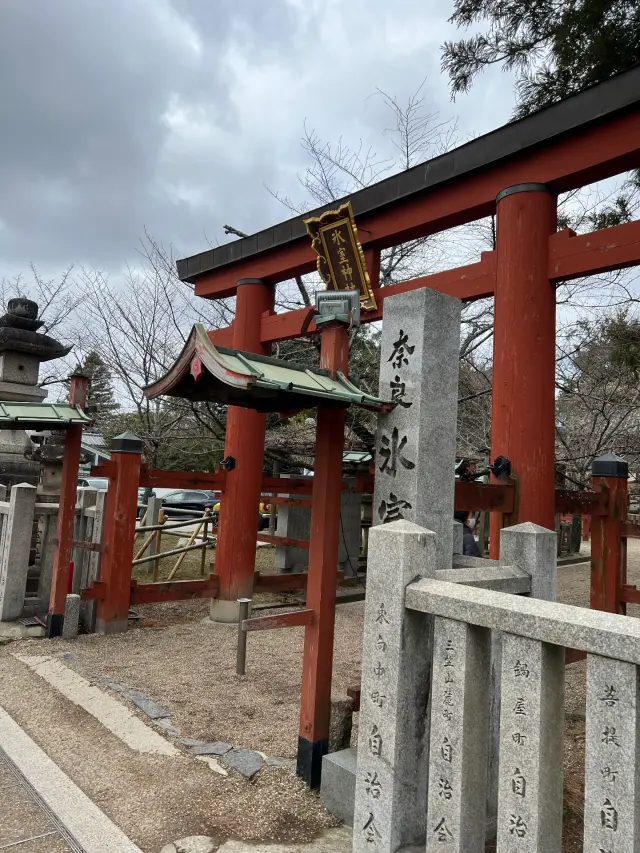
Directly across from the Nara National Museum and next to the Great South Gate of Todaiji Temple, Himuro Shrine is a refreshingly cool hidden spot with an unexpectedly cute contrast along a stroll through Nara Park! In ancient times, this shrine was dedicated to the guardian deity of ice making and ice storage, and now it’s a major pilgrimage site for ice manufacturers, drink shops, and even famous shaved ice shops from all over Japan. Once you pass through the wooden torii gate, the atmosphere inside is peaceful and elegant. The wildest and most clever thing is that they actually have an extremely rare “ice fortune” here! Place a blank fortune slip on the large block of pure ice prepared by the shrine to chill it, and the hidden fortune slowly appears like magic. It feels cool and refreshing to the touch in summer, while in winter the whole experience still feels ceremonial. It’s so much fun that you can’t help wanting to draw one and try your luck!
Himuro Shrine (Nara Prefecture, Tenri City) | Review by Jk
Other Reviews by Jk
-
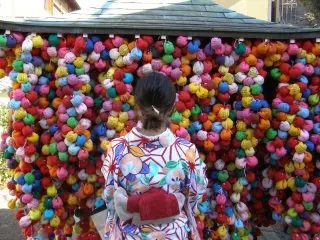
Yasaka Koshindo
A temple built in a famous tourists spot in Kyoto called Higashiyama, where other famous sights such as the Kiyomizu Temple and Yasaka Shrine are located. The official name of the temple is "Daikokusan Kongoji Koshindo,” but is well-known as "Yasaka Koshin-san" in the local area. It is said that this was where the Koshin faith, which derived from Chinese Taoism, first started in Japan, and is also one of the three Koshin in Japan.
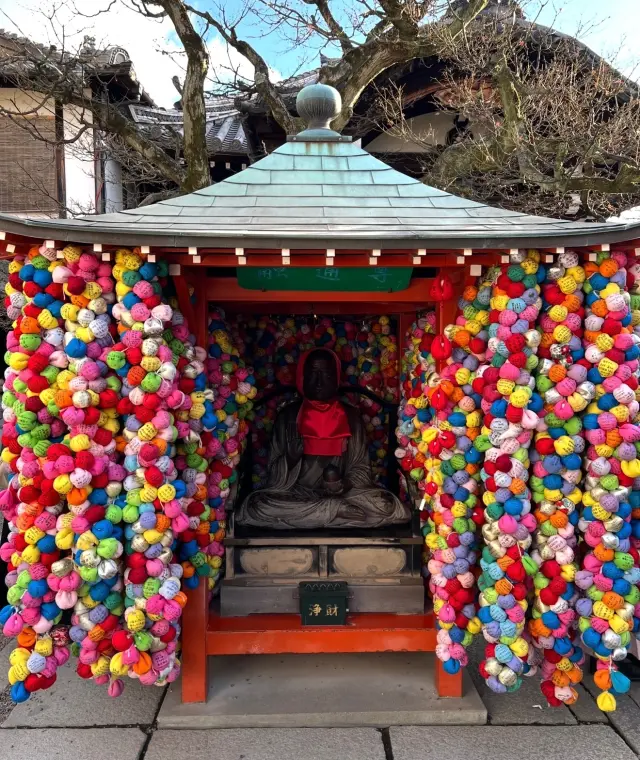
Turn into a small alley in Kyoto’s Higashiyama district and you’ll find Yasaka Koshindo, where your eyes are instantly bombarded with an unbelievable explosion of color! This tiny temple hidden next to Yasaka Pagoda is basically Kyoto’s dreamiest Instagram photo spot. As soon as you enter the courtyard, you’ll see the eaves and wooden racks covered with strings of colorful, round cloth balls called “kukurizaru” (tied monkeys). Red, yellow, blue, and green are all woven together, looking super vibrant and super cute in the sunlight! These cloth balls actually represent monkeys with their hands and feet tied, symbolizing the restraint of inner greed and desire. Just write your wish on the blank side of a cloth ball and tie it up yourself, and your wish will come true. The whole concept is both interesting and full of ceremony!
-
-
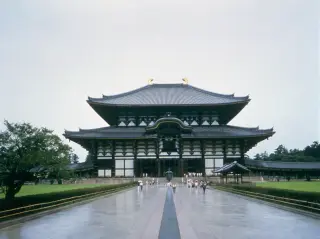
Todaiji Temple
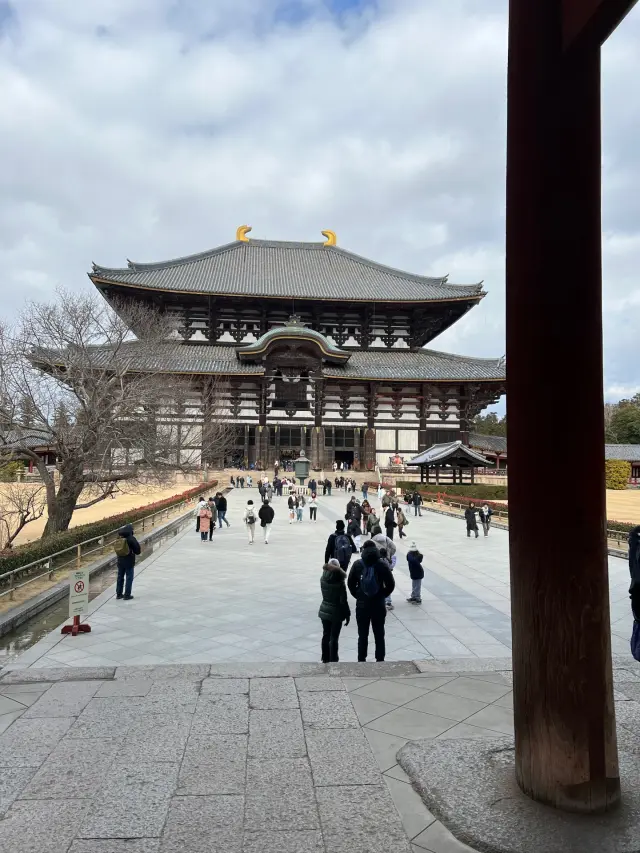
The Great Buddha Vairocana was commissioned by Emperor Shomu during the Nara period and consecrated in 752. The temple complex took nearly 40 more years to complete, making Todaiji one of Nara's most prominent temples. It continued to prosper under generous protection even after the capital was moved from Heijo-kyo.
Inside the hall, there’s also a classic must-try highlight that really tests your size and flexibility: the “Great Buddha’s Nostril” hole at the bottom of the thick wooden pillar behind and to the right of the Great Buddha! Legend says the hole is exactly the same size as the Great Buddha’s nostril. If you can successfully squeeze through it, you’ll be free from illness and misfortune for the entire year and receive good luck and blessings. You’ll often see kids slip through in a second like eels, while adults get stuck and make everyone burst out laughing. The atmosphere is super cheerful! If you still have energy after touring the Great Buddha Hall, I highly recommend walking up to Nigatsudo Hall, located partway up the hill nearby. From its large wooden terrace, you can take in the entire city of Nara and the distant mountains without paying an admission fee. At dusk, the sunset is as beautiful as a painting!
-
-
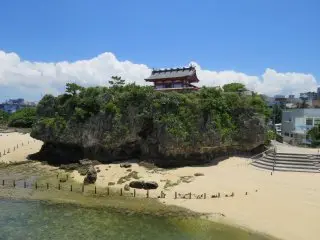
Naminoue Shrine
As the name implies, this ancient shrine stands on a quay overhanging the blue sea, and is affectionately known as "Nanmin-san" by the local people.
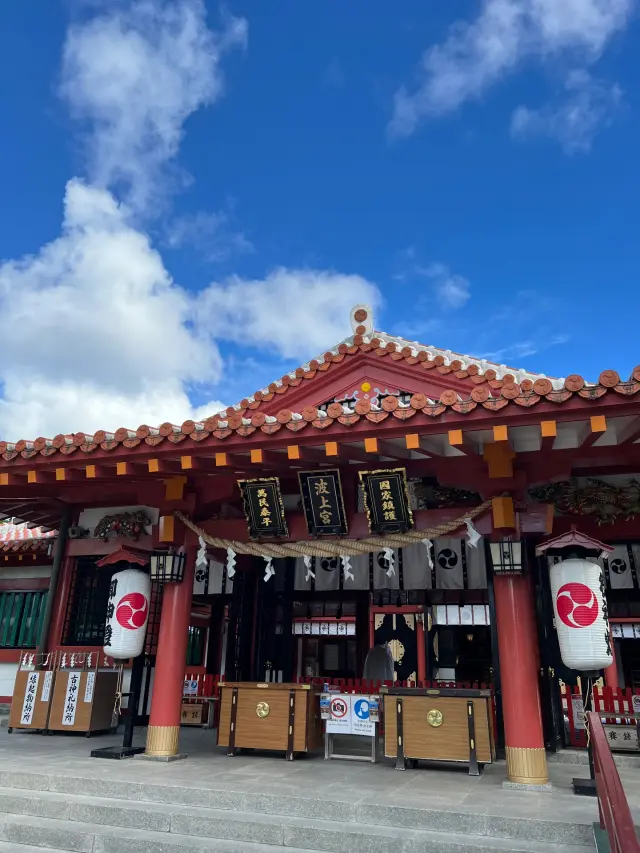
Naminoue Shrine in Naha sits right by the sea. The sight of the red-tiled wooden shrine built directly on top of a coral cliff, with the endless Ryukyu-blue ocean behind it, is so beautiful it leaves you speechless! This is the foremost of Okinawa’s Eight Shrines and the most prestigious and representative shrine in Okinawa. It’s completely different from the traditional shrines on Japan’s main islands—the worship hall’s roof is covered in distinctive Okinawan red tiles, and a pair of imposing Ryukyu-style shisa stand guard at the entrance, perfectly blending Shinto with the atmosphere of a tropical island! Standing on the approach by the cliff, feeling the sea breeze and listening to the waves crash against the rocks below, instantly puts you in a super chill tropical vacation mood.
-