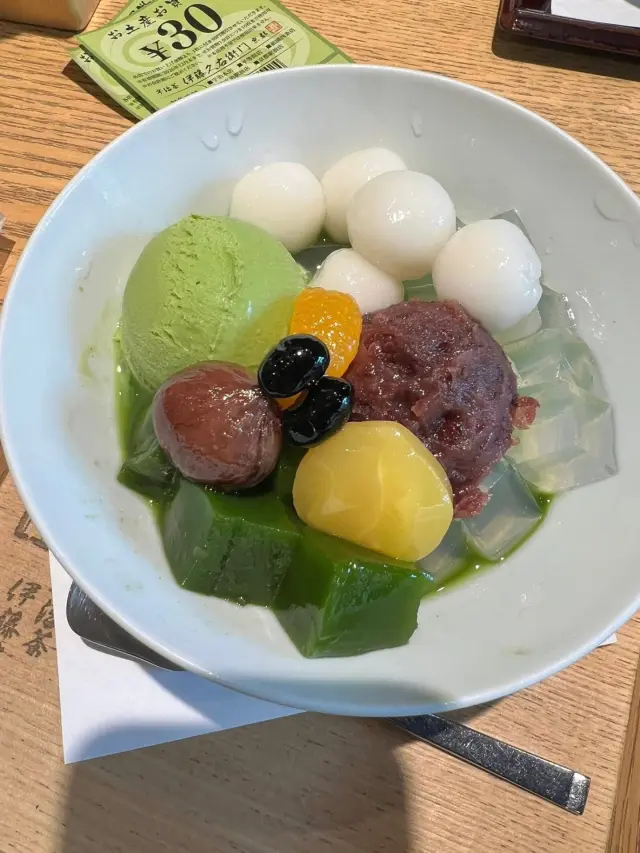
Uji is a must-visit for matcha🍵 lovers!
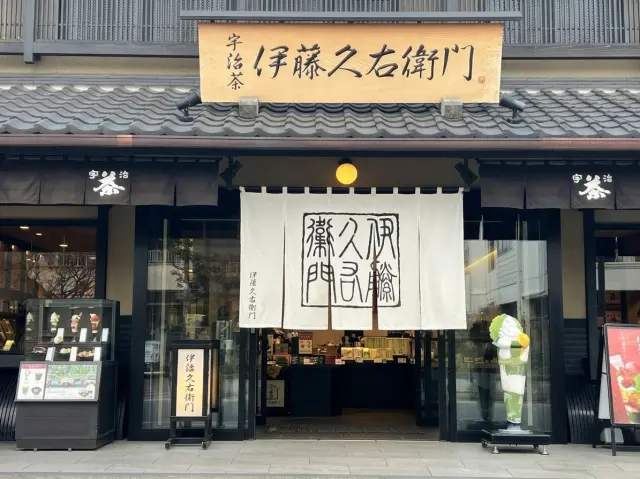
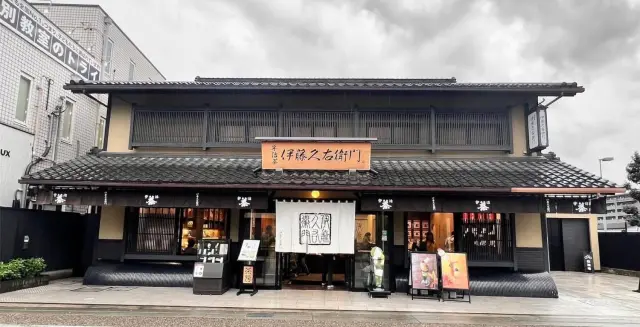
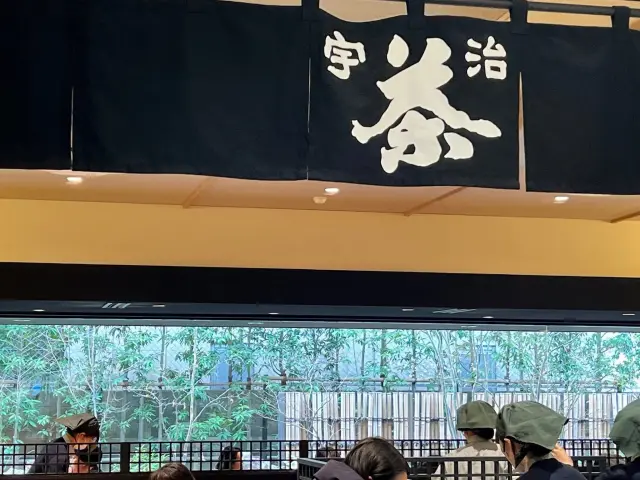
Once you leave Uji Station🚉 and cross the street, this famous shop is the first one you'll see!
It's always crowded.
It's always so hard to choose,
with so many matcha🍵 products and tea leaves you'll want to take home!
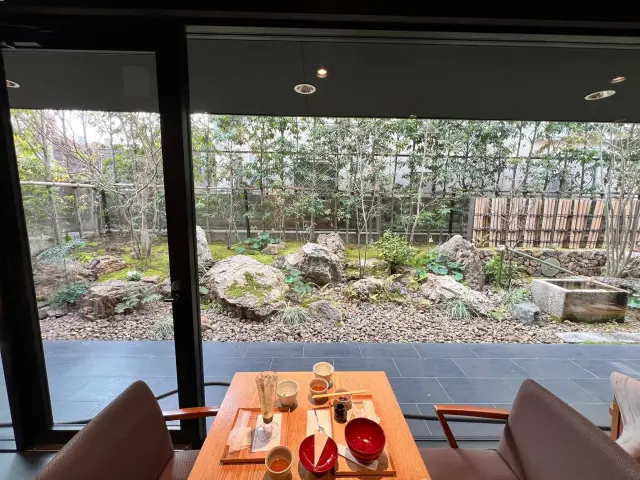
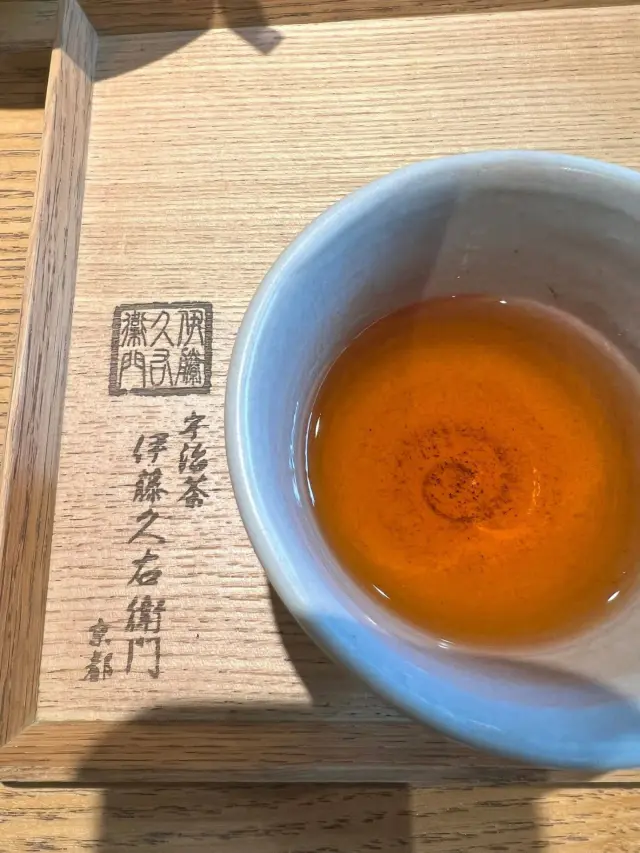
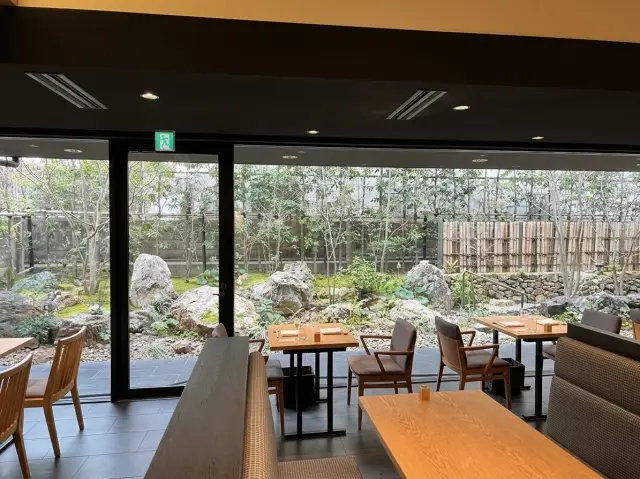
It's also worth taking your time and enjoying them in the shop.
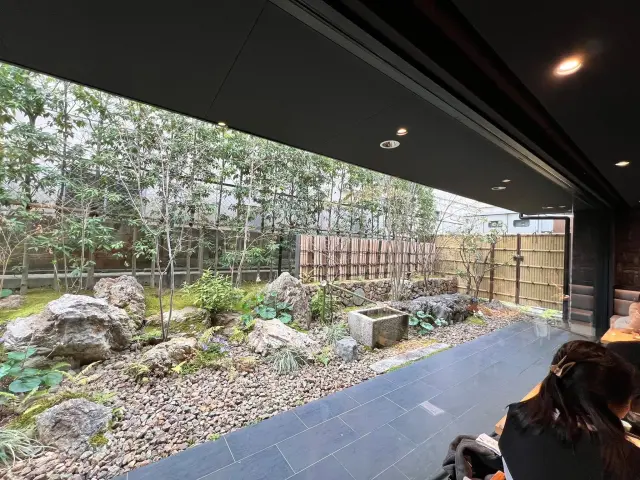
The atmosphere of the Japanese garden
is definitely a plus!
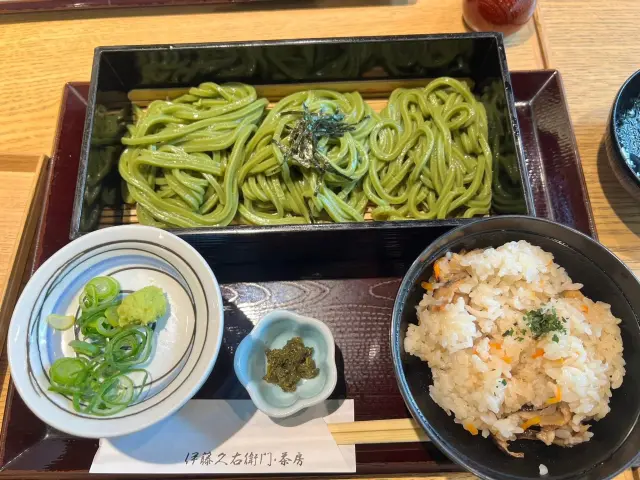
Itohkyuemon Uji Main Store Tea Room | Review by Norton Liang
Other Reviews by Norton Liang
-
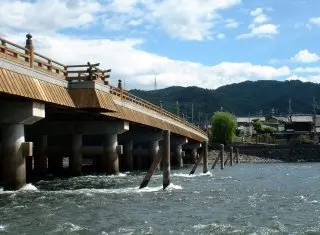
Uji Bridge (Kyoto)
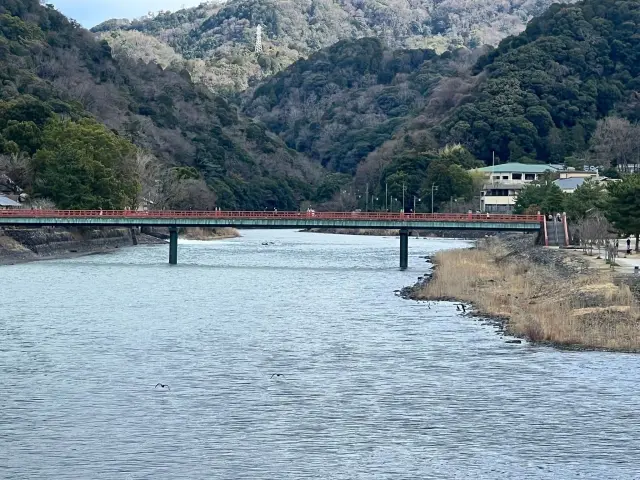
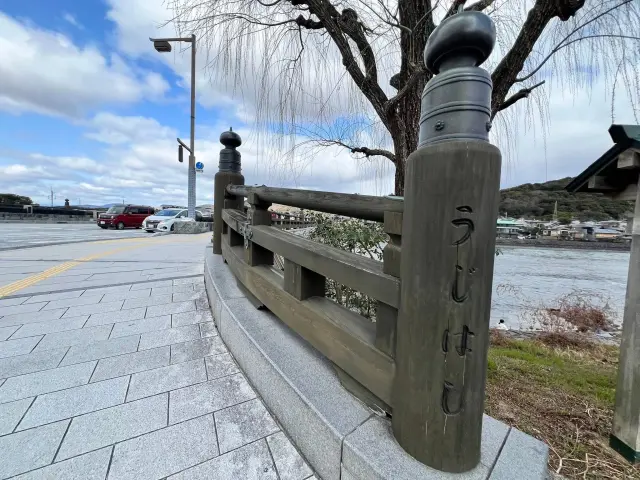
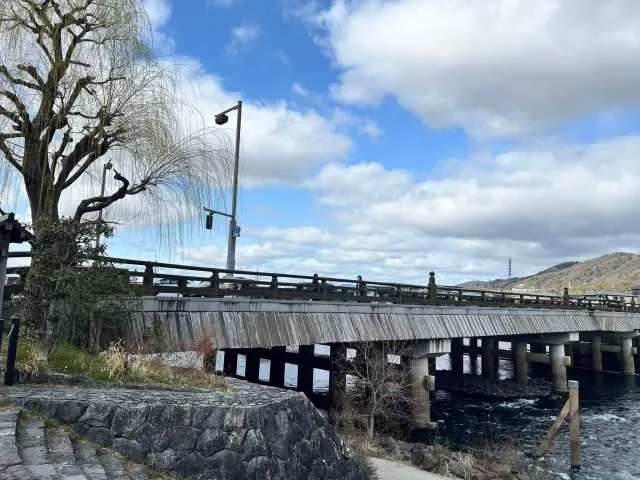
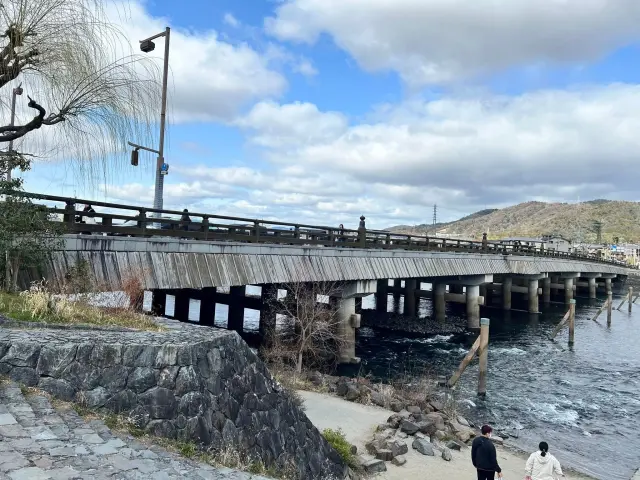
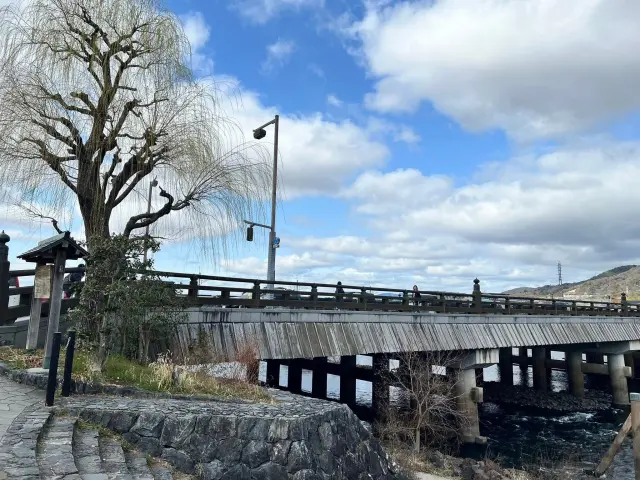
Stepping out of the ticket gates at Keihan Uji Station, the first thing that catches your eye is Uji's landmark, the Uji Bridge. According to the "Uji Bridge Monument" at Hashidera Hojo-in, it is said to have been built in the second year of the Taika era (646) during the Asuka period by a monk named Doto from the Nara temple of Gango-ji, making it one of Japan’s three ancient bridges alongside the Seta no Karahashi and Yamazaki Bridge.
Uji is the main setting of the final ten chapters of the Japanese literary classic The Tale of Genji, known as the “Ten Uji Chapters.” The area is filled with tangled love and resentment, fate, and the sorrow of impermanence (mono no aware).
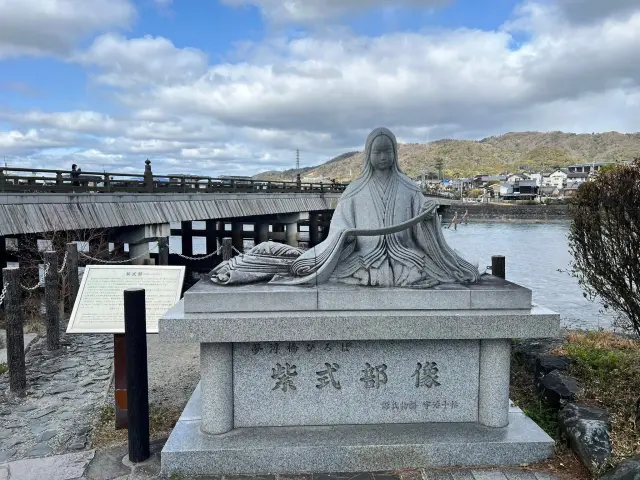
* The statue of Murasaki Shikibu quietly gazes at the Uji River, as if immersed in a connection to history🔗.
Since ancient times, Uji Bridge has been an important transportation route connecting Kyoto and Nara. It is also a symbolic place in literary works where many characters part, meet, or experience emotional turning points.
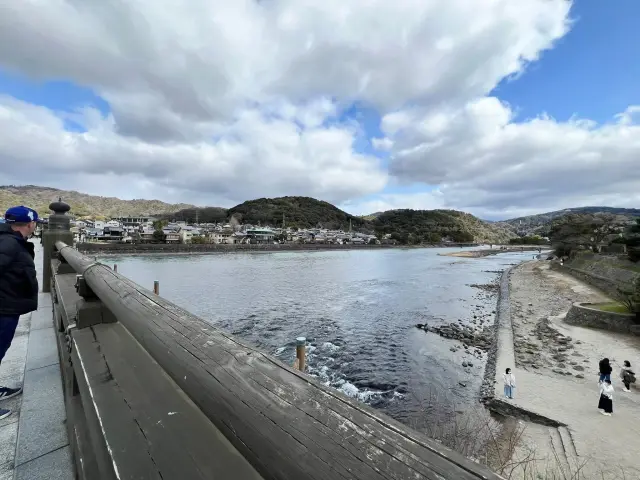
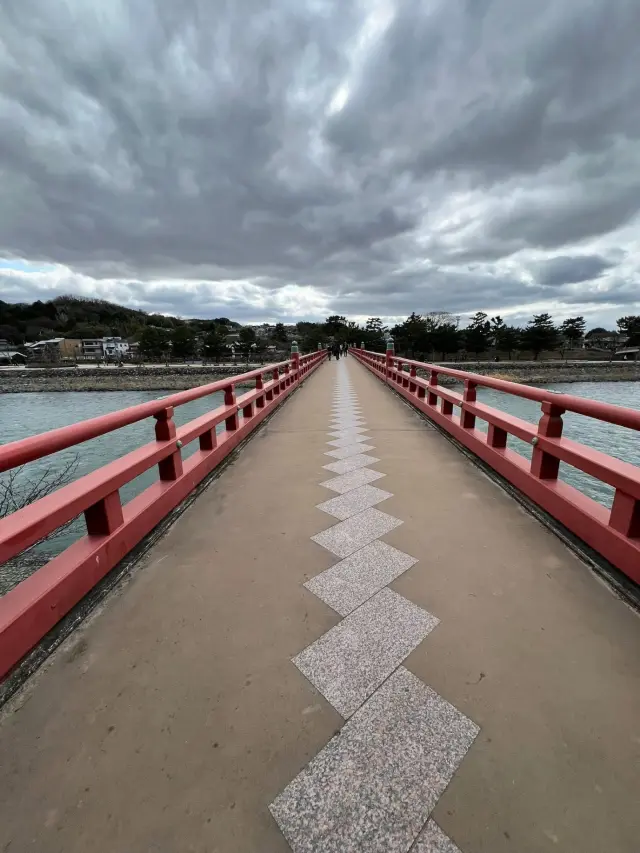
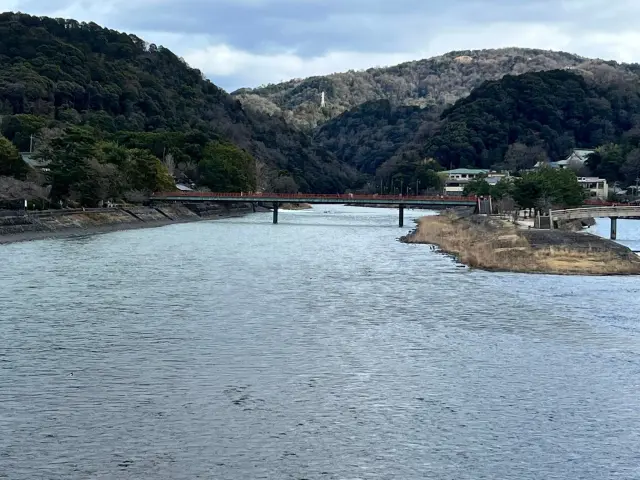
* The magnificent force of intertwined mountains and river: The bright red bridge spans the wide, fast-flowing Uji River, with layers of lush green mountains rolling across the distant background. The composition of distant mountains, greenery, and a vast expanse of water conveys the calm yet grand majesty of Japan's natural scenery.
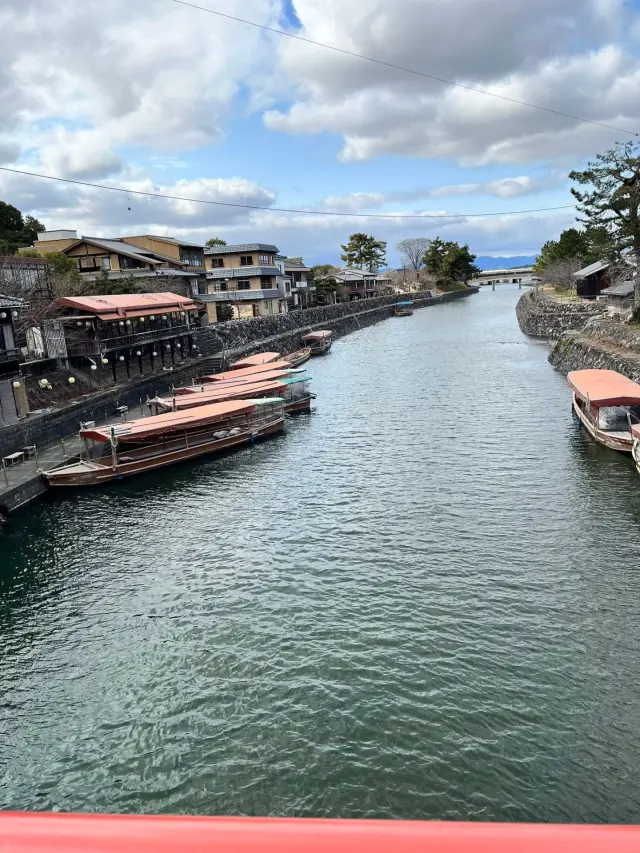
The rapid current of the Uji River contrasts sharply with the steady flow of pedestrians on the bridge and the tranquil green mountains in the distance. Shifting clouds and sunlight falling across the mountaintops and water add a rugged, powerful, epic atmosphere, making you feel as though you have stepped into the long flow of history. -
-

Zentis Osaka
A new brand by Palace Hotel Tokyo, one of Japan’s premier luxury hotels, now expanding its refined hospitality to Osaka. Combining comfort with sophisticated design and exceptional service, the hotel offers an upscale yet effortless stay that resonates with guests' senses.
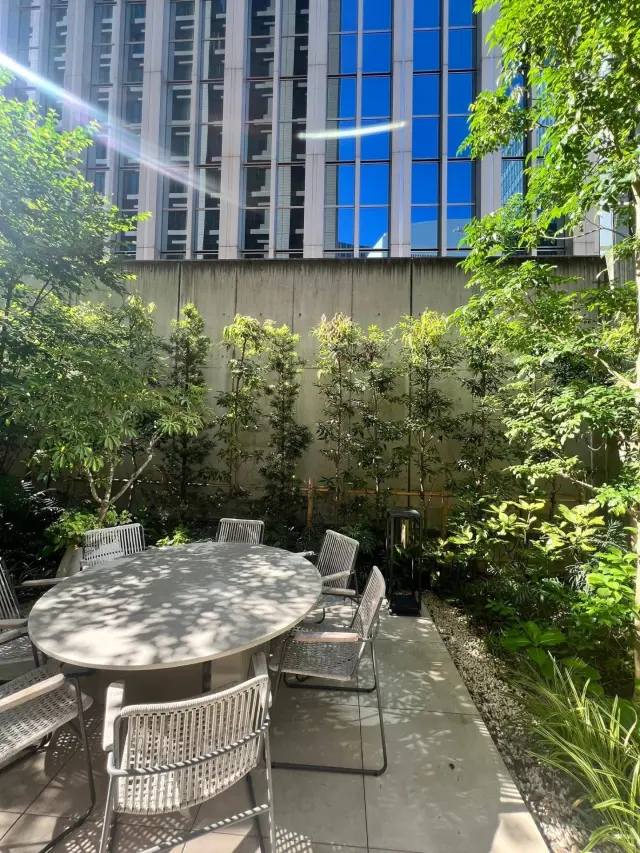
If, like me, you just want to enjoy 😎 the tranquility of an urban oasis away from the lively shopping crowds in Osaka’s busy districts,
I highly recommend this area.
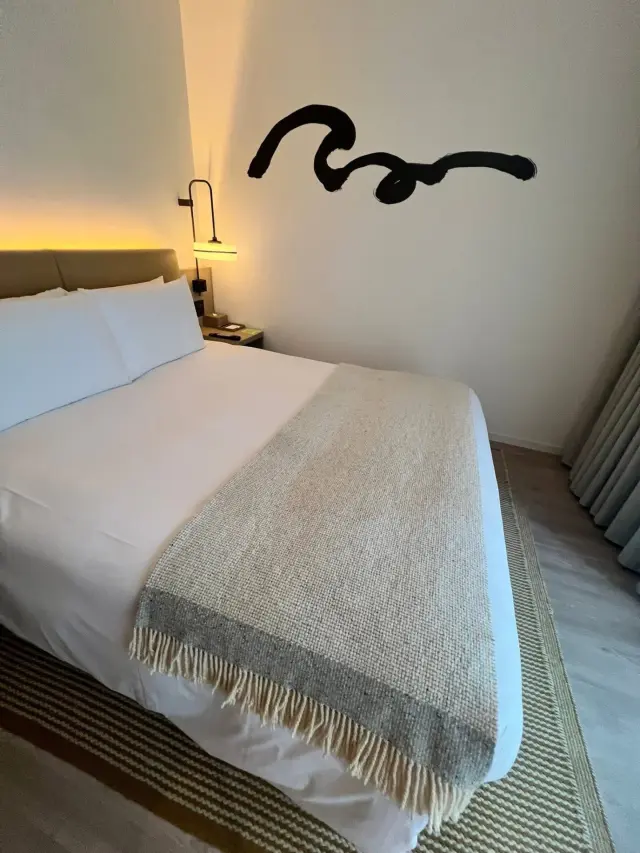
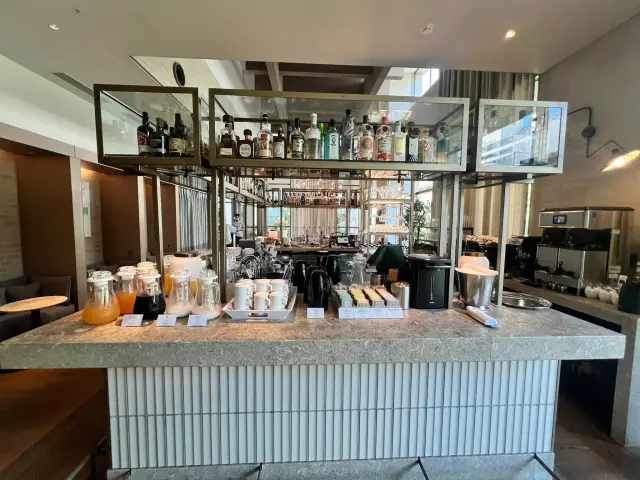
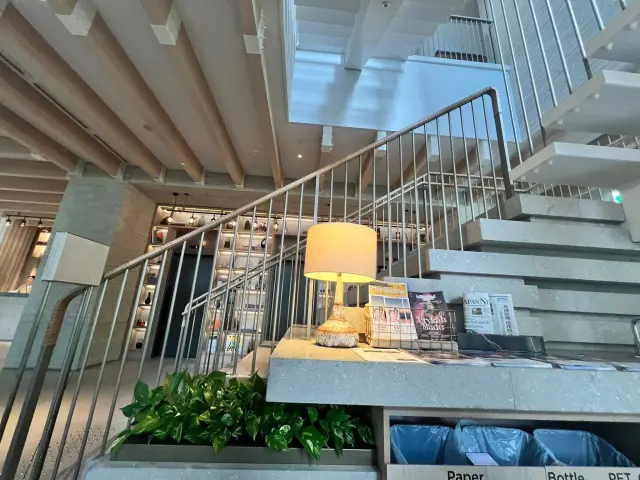
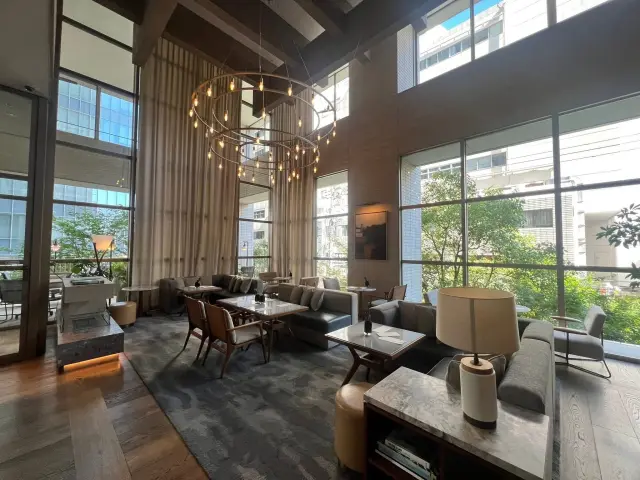
This hotel 🏨 has such a stylish design. The entrance is surrounded by greenery. Although the check-in counter doesn’t feel grand or luxurious, a lot of thought and care has clearly gone into the lounge 😴 area. If you don’t visit during the hottest part of summer, the outdoor seating area is the legendary social media photo spot 🤳.
It’s really chill. There’s a McDonald’s 🍔 right outside the hotel,
and there are also lots of yakiniku restaurants 🍴 at the intersection. It really has the atmosphere of a peaceful urban oasis in the middle of a busy area!
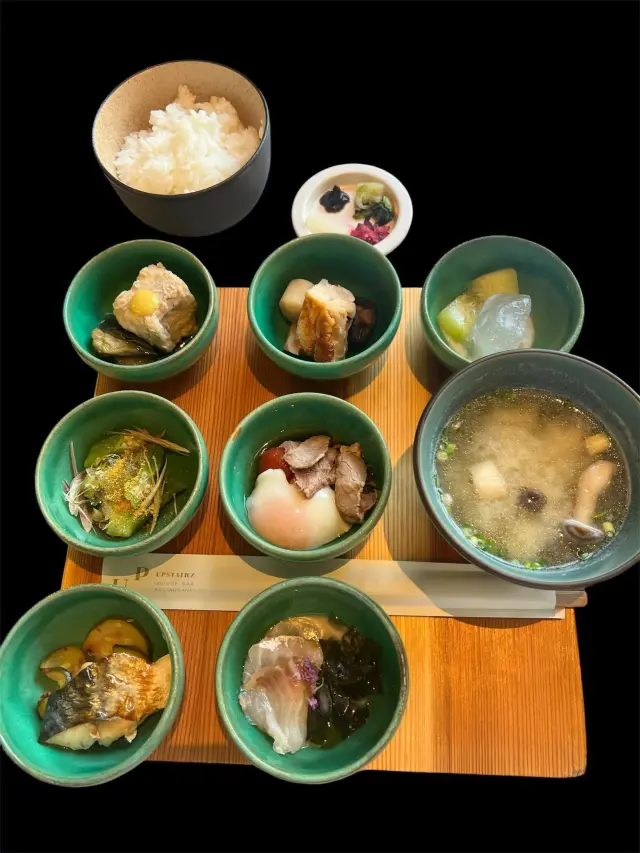
I highly recommend their Japanese set breakfast 🍳.
It may look ordinary, but the first bite made my taste buds dance ballet 🩰.
It’s an incredibly thoughtful and refined breakfast!
I looked it up
and found out why it’s so impressive 👍.
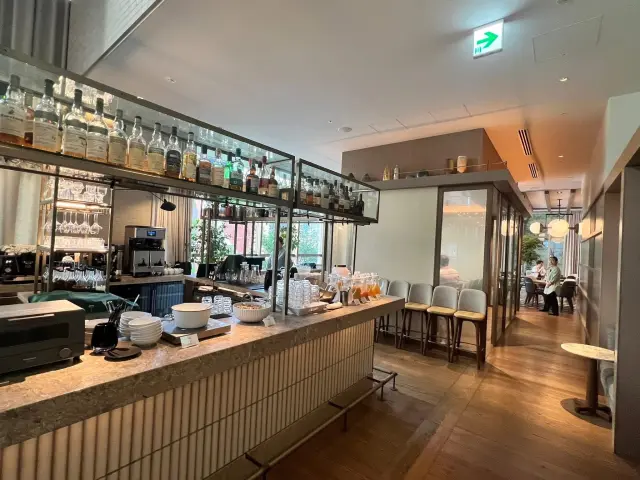
Breakfast at Zentis Osaka is served at the UPSTAIRZ restaurant on the second floor of the hotel. Supervised by Chef Shinya Otsuchihashi, the restaurant combines Japanese and French culinary styles and uses local, seasonal ingredients. It offers several breakfast options, including American breakfast, a Japanese set meal (with seven refined Japanese dishes), and vegetarian meals. Breakfast is served from 7:00 to 9:30 a.m.
Restaurant and cuisine highlights
UPSTAIRZ Restaurant: Located on the second floor of the hotel, with an open kitchen, dining area, and outdoor seating.
Japanese-French fusion: Chef Shinya Otsuchihashi draws on his experience studying in France to combine the essence of Japanese and French cuisine.
Local ingredients: Breakfast features local ingredients, with an emphasis on seasonal flavors.
Variety of choices: Several breakfast styles are available, including American breakfast, a Japanese set meal (with soup and Japanese-style omelet), and vegetarian options. -
-

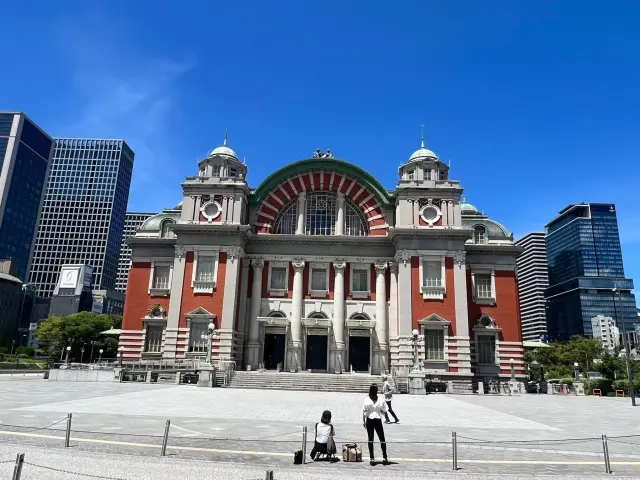
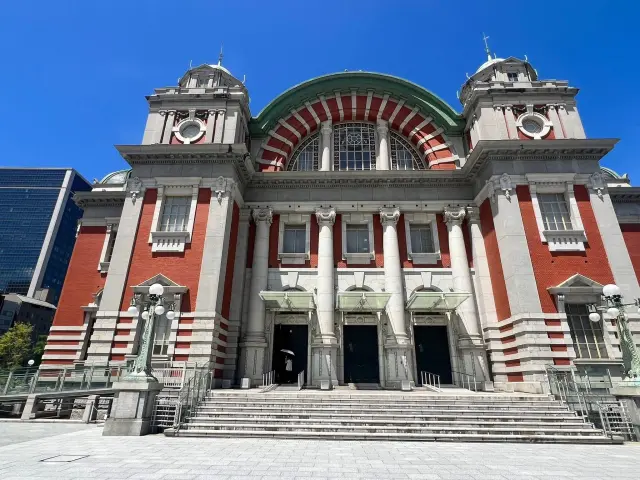
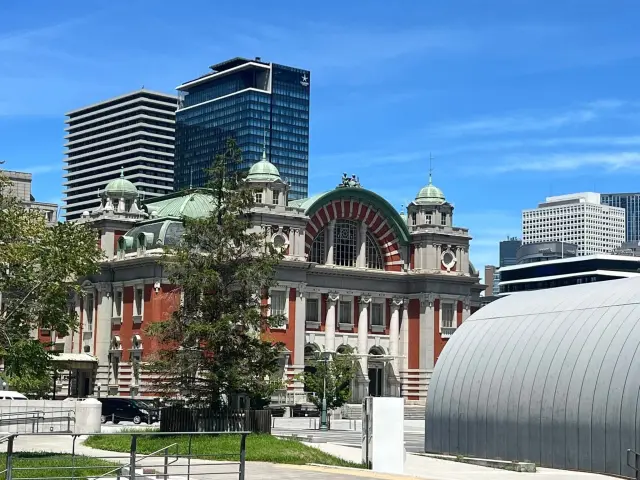
Osaka City Central Public Hall
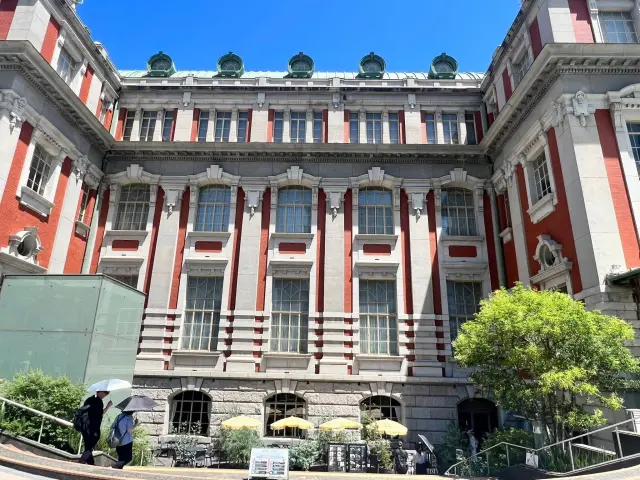
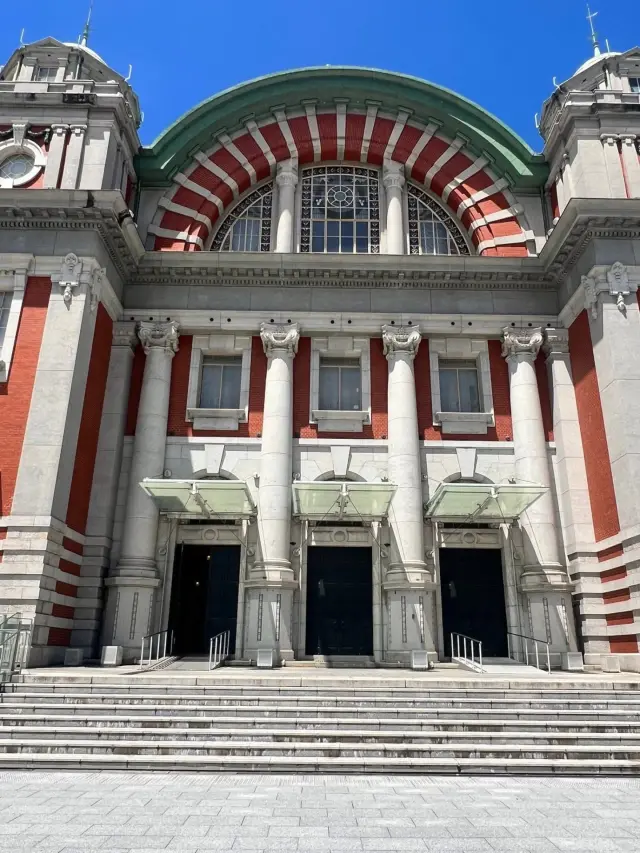
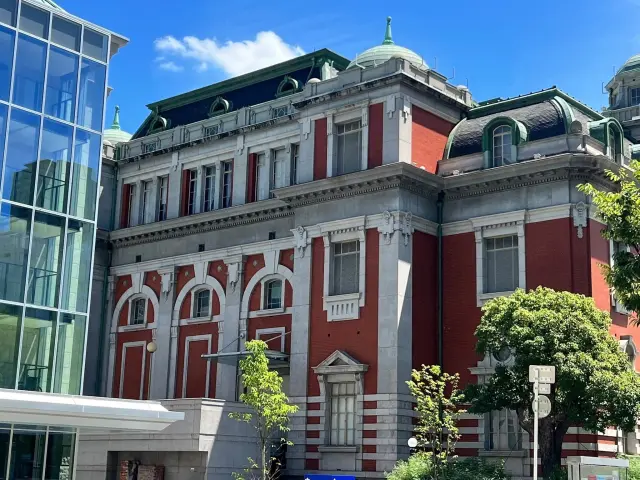
A meeting facility in Nakanoshima. The elegant red brick building, based on the Neo-Renaissance style with baroque elements, is a landmark of Nakanoshima. The Osaka Central Public Hall construction was completed in 1918, which was paid by Einosuke Iwamoto, who was known as a "speculator of chivalrous" 's donation only.
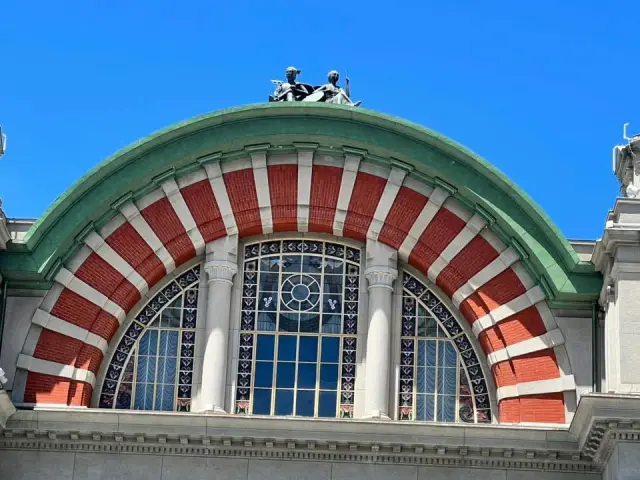
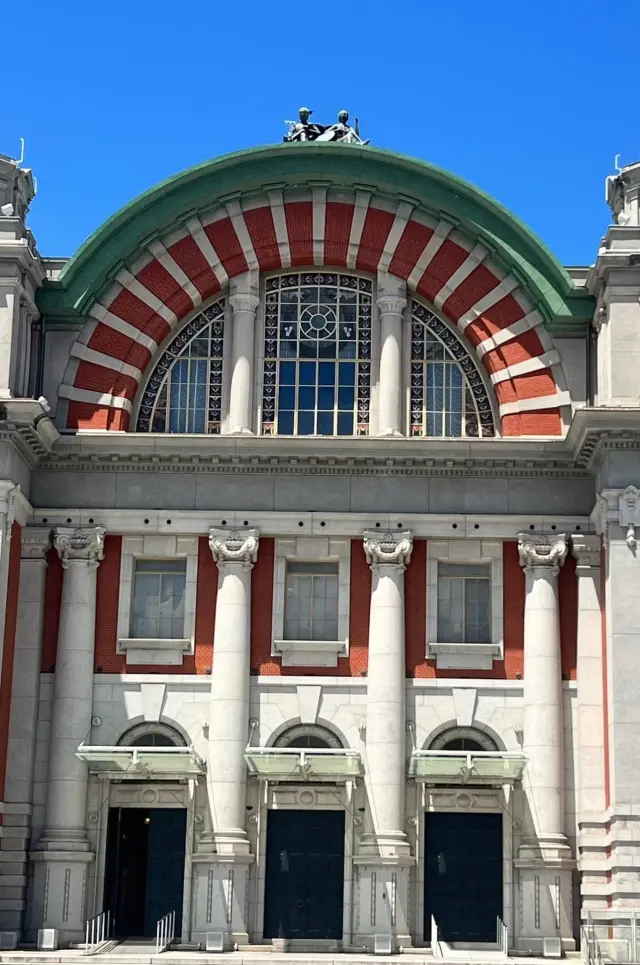
A work of European-style architecture🏘️ in Japan🇯🇵 that incorporates literary themes from (Greek🇬🇷 mythology):
The statues above the arched section of the Osaka City Central Public Hall's roof depict two deities representing the god of commerce and the goddess of wisdom.
The two deity statues
Mercury, god of commerce: The Roman god of commerce, trade, and industry.
Minerva, goddess of wisdom: The Roman goddess of wisdom and knowledge.
These statues were intended as a wish for Osaka's commerce and industry to prosper, reflecting the character and aspirations of Osaka as a commercial city. -