• See More

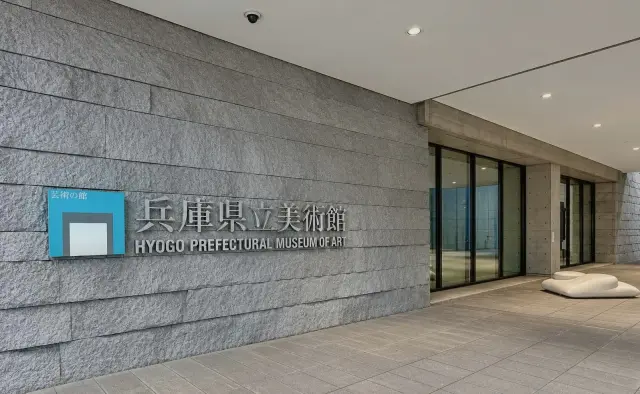
    On my trip to Kobe, I made a special visit to the Hyogo Prefectural Museum of Art. It’s not just an art museum—the building itself is also well worth appreciating.

    We took the Hanshin train to Iwaya Station, then walked at a leisurely pace for about 10–15 minutes to get there. It wasn’t actually that far, and when the museum building came into view, I started looking forward to seeing what kinds of unique designs were inside.

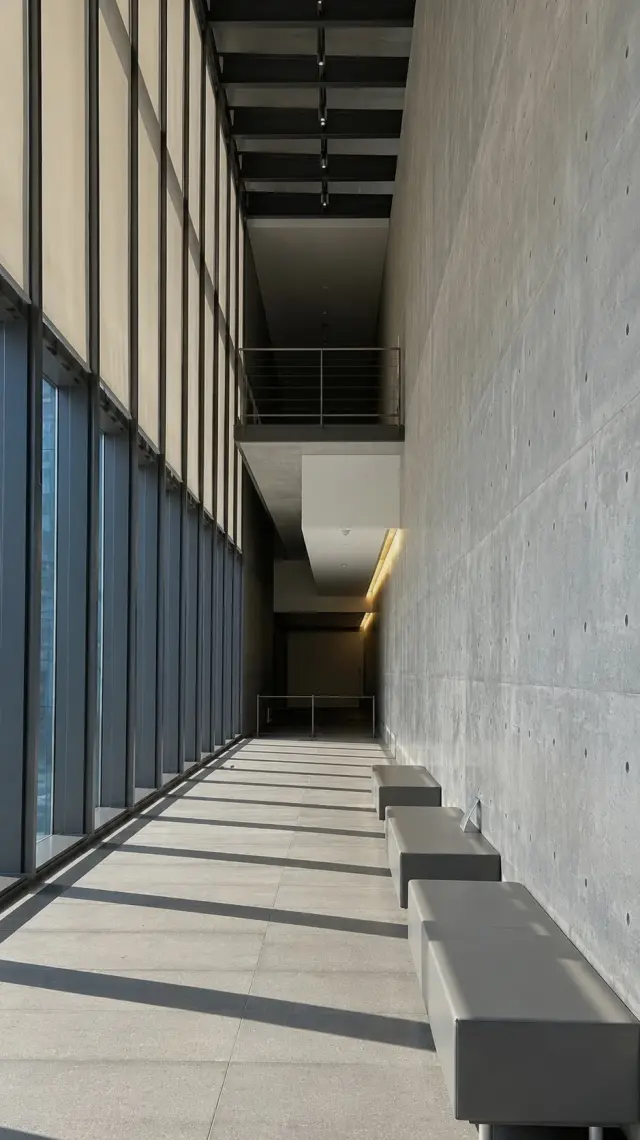
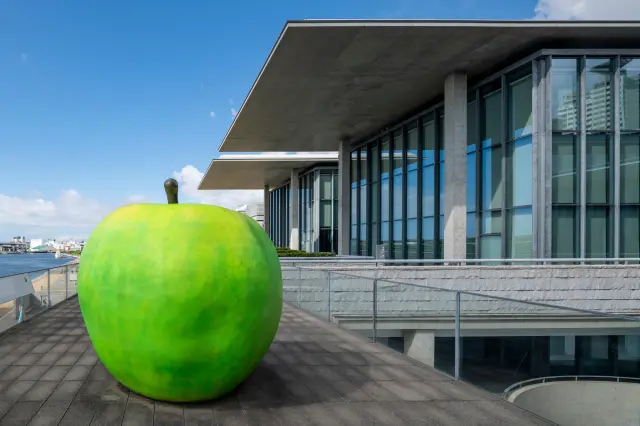
    The museum was designed by world-renowned architect Tadao Ando, and what impressed me most was the overall exposed-concrete architectural style. The gray concrete walls may look simple, but their lines and spatial layers are very captivating. Combined with the natural light, they give the entire building an artistic atmosphere.

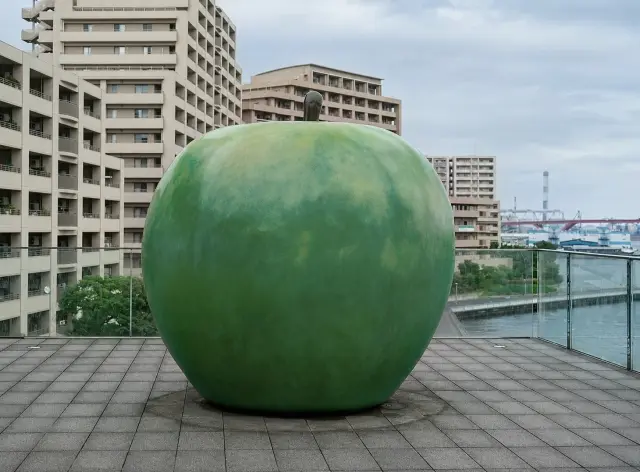
    And what caught my eye the most was definitely the huge “Green Apple” outside the museum! As soon as I got close, I couldn’t resist taking more photos. The vivid green really stands out against the gray building, creating a wonderful visual effect. I originally just wanted to take one photo as a keepsake, but I ended up shooting it from several different angles. It looks distinctive from every angle and is definitely the most eye-catching landmark here.

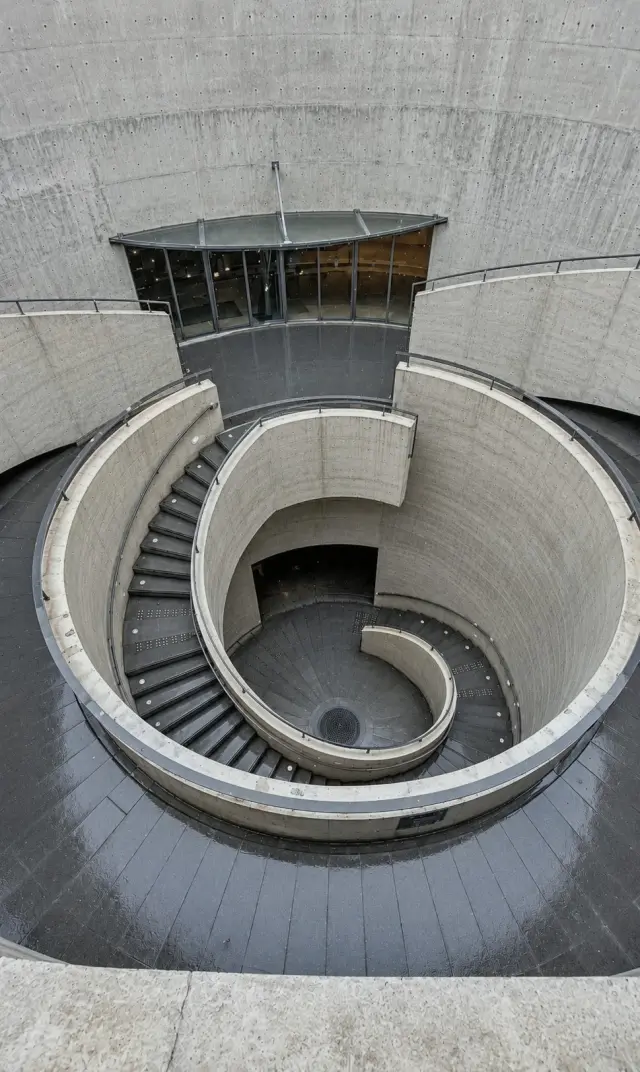
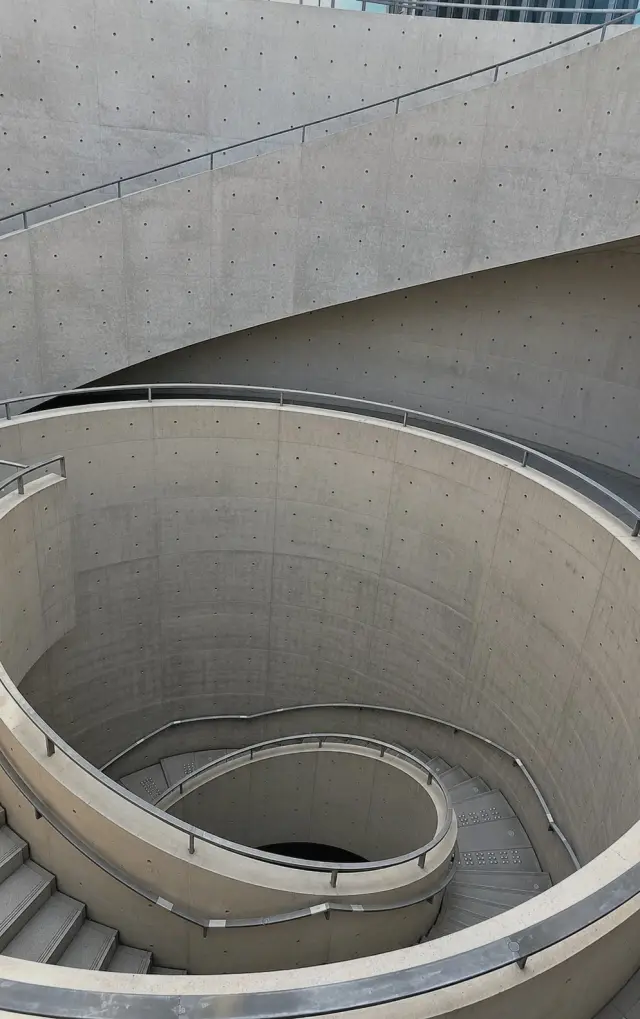
    Besides the Green Apple, the interior design also made the museum very interesting to explore. The large spiral staircase was especially impressive. Looking down from above, the curved concrete walls extend downward in concentric circles. The lines are beautiful and visually striking. The view looks a little different from each floor, so I couldn’t help stopping to admire it and take quite a few photos.

    There are many small details here that are worth observing closely. There aren’t any ornate decorations, but the lines of the architecture itself, the interplay of light and shadow, and the changing spaces all reveal the thoughtful design. As you walk through the museum, you naturally slow down and enjoy the quiet, comfortable atmosphere.

    This visit made me realize that appreciating architecture can also be a very enjoyable part of traveling. Even without specifically planning to see an exhibition, simply admiring the building and looking for different photo angles made the trip well worth it!

    If you’re planning an independent trip to Kobe, I highly recommend taking the train here for a walk and appreciating Tadao Ando’s architectural aesthetics. And don’t forget to take a photo with that super eye-catching Green Apple!
Other Reviews by wendy

  • Misaku Kobe Sannomiya Branch

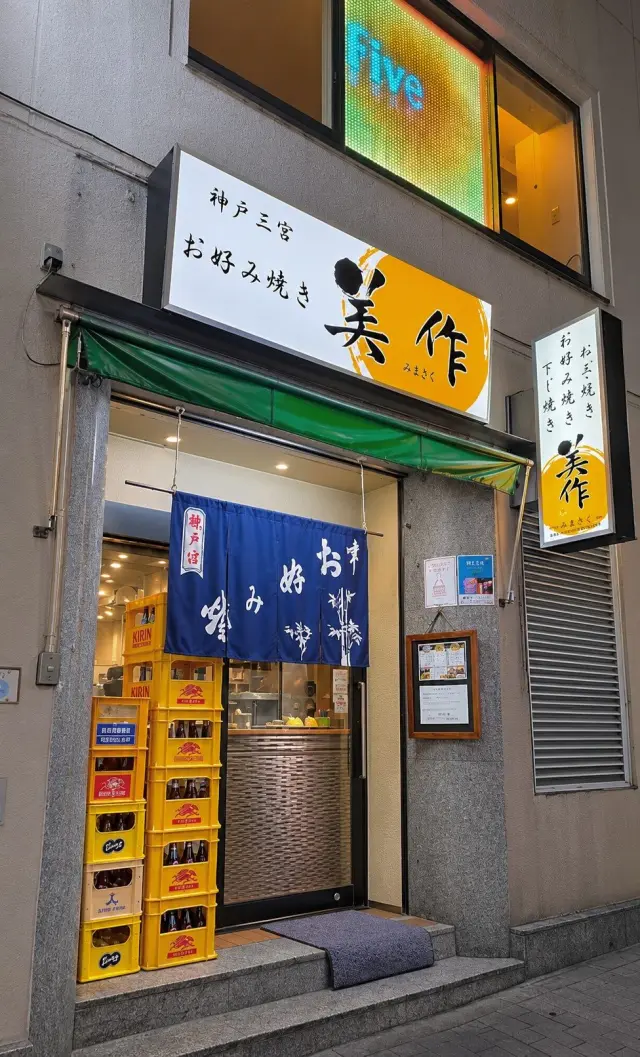
    Located just steps from the Sannomiya subway station, this long-standing okonomiyaki restaurant has been serving the taste of home-style cooking since its founding in 1972. Today, the founder’s son continues to carry on the tradition.

    • Kobe
    • Japanese Cuisine
    See More

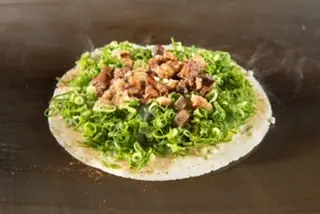
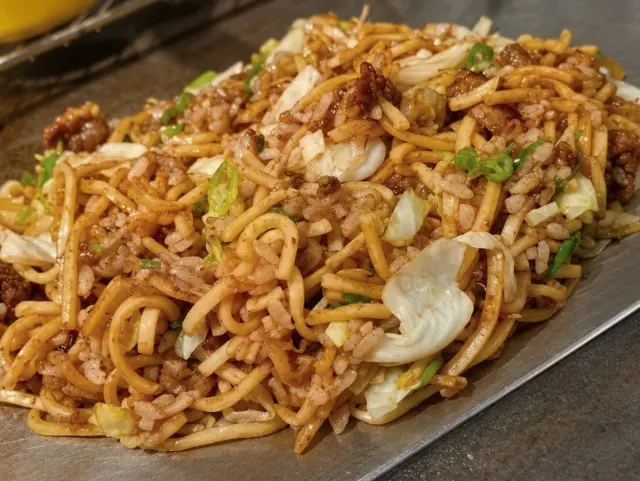
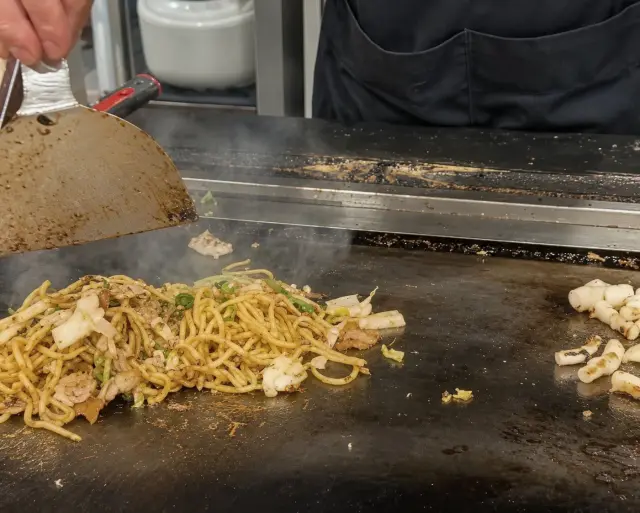
    When visiting Kobe Sannomiya, of course you have to plan a meal featuring a local specialty! This time, I visited Misaku, an okonomiyaki restaurant known for Kobe's famous beef tendon.

    This restaurant is quite popular in Sannomiya. Even on weekdays, there are often one or two groups waiting outside, which shows just how popular it is.

    The interior isn't large, with mainly a counter and one table for four. There aren't many seats, but since many customers choose to sit at the counter, quickly eat one serving, and leave, the turnover is fairly fast. If you're dining alone or with one other person, you usually have a better chance of being seated quickly.

    There are two types of okonomiyaki here:
    - **Regular okonomiyaki**: A mixed okonomiyaki that leans toward Osaka style.
    - **Thin and crispy okonomiyaki**: Kobe-style layered okonomiyaki with a more distinctive texture.

    Each has a different flavor. The batter has the rich aroma of broth, and the texture is fluffy and layered, making it hard to stop after just one bite.

    It's no wonder so many customers make a special trip here even on weekdays. Being able to enjoy okonomiyaki with such a distinctive local character in Kobe really makes it worth adding to your food itinerary.

  • Kirin Beer Kobe Factory

    A popular spot where you can tour the Kirin Beer production process. Learn how Kirin Ichiban Draft Beer, known for its first-press brewing method, is made through aromas, flavors, and videos.

    • Kobe
    • Experiences Facilities
    See More

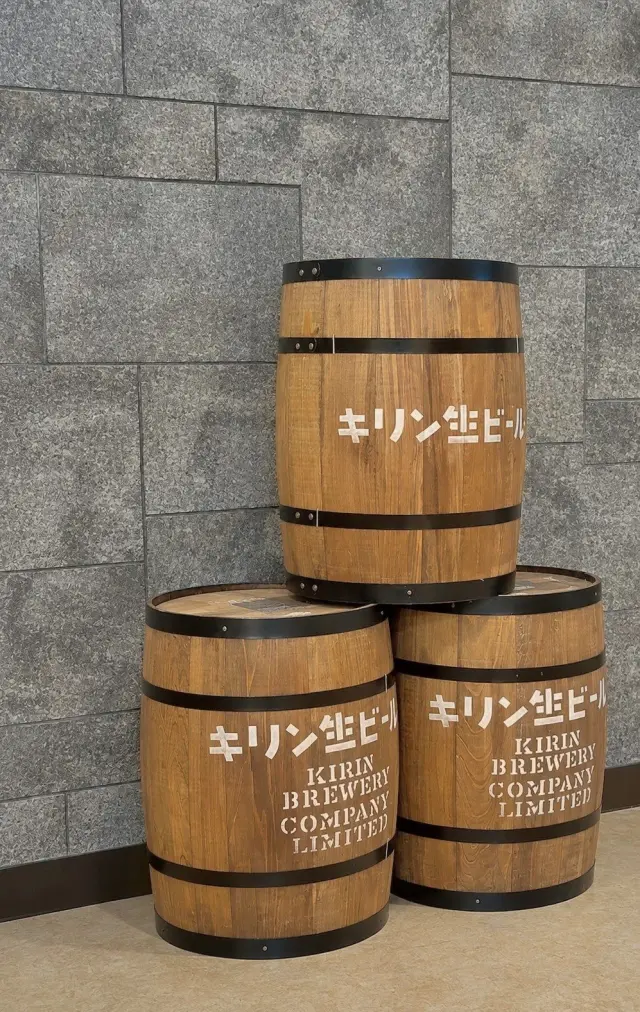
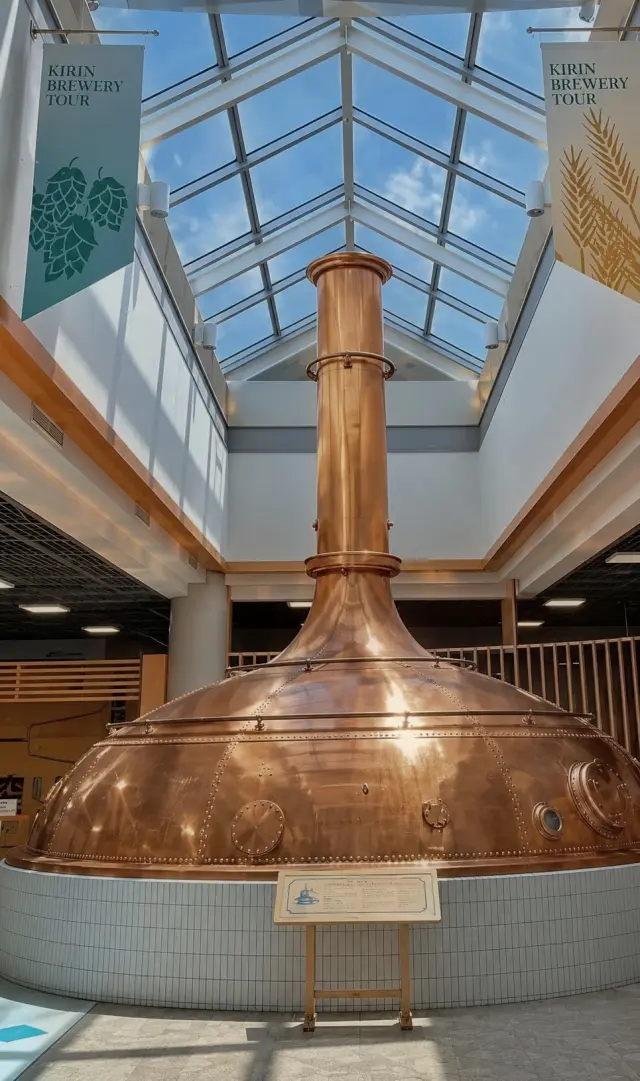
    After visiting Mentaiko Park, we stopped by the nearby Kirin Beer Kobe Factory. Since the two attractions aren't far apart, we decided to add the beer factory to this trip. It was my first time there, and I was curious and excited to learn how beer is actually made.

    We had reserved a factory tour in advance. Once we arrived, we followed the guide and learned about the beer-making process step by step, from the ingredients to brewing. Although we usually just drink beer, this gave us a chance to learn about how it's made. It turns out there's so much that goes into making a glass of beer!

    Of course, the part we were looking forward to most was the tasting at the end! For just JPY 500, you can have three glasses of beer and try different flavors, which was pretty nice. However, I was the designated driver this time, so of course I couldn't drink alcohol and chose soft drinks instead. To my surprise, I could also have three glasses of soft drinks, which was really thoughtful.

    The only disappointing part was that we visited on a weekend, when the factory wasn't operating, so we couldn't see the large machines running or the beer being produced in person. Without the excitement of seeing the actual production process, it felt like something was missing. It also made me look forward to coming back on a weekday to see what the factory looks like when it's actually operating.

    This unexpected beer factory tour added an interesting experience to what was originally just a quick stop along the way. With the tour, learning, and tasting, it was a pretty full itinerary!

    If you like beer, consider stopping by when you visit Kobe, and remember to make a reservation in advance! Next time, I'd also like to come back on a weekday to see the production floor that I missed this time!

  • ROUSHOUKI

    Founded in 1915. “Buta-manjyu” (Butaman) was born from the Tenshin Paozu (Tianjin Buns) of Tianjin, China that were made easier to be accepted by the Japanese. The first generation arrived in Japan from Zhejiang province, China and opened ROUSHOUKI which would be the first pork bun specialty restaurant in the country that remains popular to this day, with long lines forming out the door.

    • Kobe
    • Chinese Food
    See More

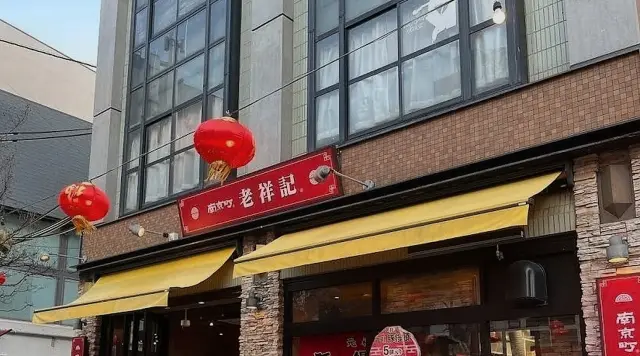
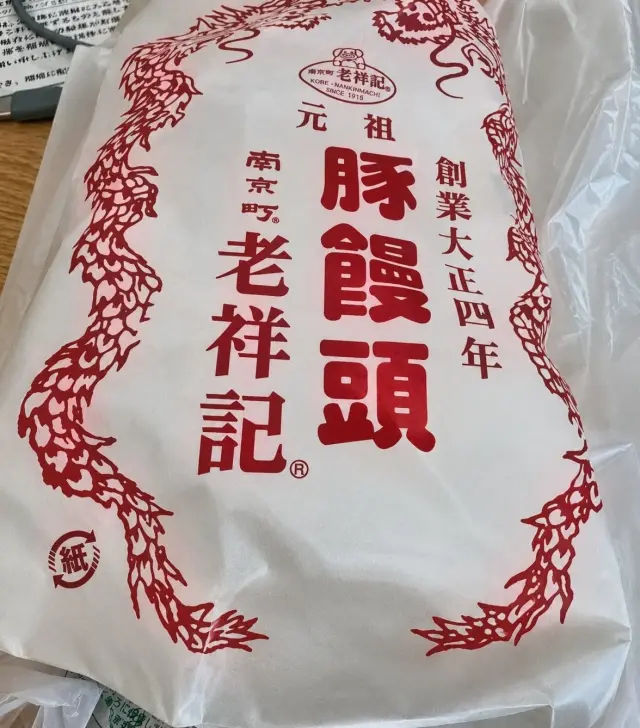
    While walking around Kobe Nankinmachi, I came across a very long line outside ROUSHOUKI. Since it's a century-old shop founded in 1915, and its signature pork buns are considered a must-try by many visitors to Nankinmachi, I couldn't help wondering what made them so appealing. So I joined the line and bought some to try!

    When I got them, I realized the buns were much smaller than I had imagined. Each one was tiny, more like a small pork bun than a regular bun. The filling had a nice pork aroma and tasted pretty good, but it wasn't especially impressive to me.

    Considering the portion and price, they do feel a little expensive compared with pork buns in Taiwan. Perhaps because of the shop's century-old reputation, you can almost always see tourists lining up to try them when you visit Nankinmachi.

    This time, I got to check off one of Kobe's famous foods, and now that I've tried it myself, I know what it tastes like! But for me, trying it once was enough. The next time I visit Nankinmachi, I'll probably save room for other foods!

Hokkaido Tohoku Kanto Chubu Hokuriku Kansai Chugoku Shikoku Kyushu Okinawa