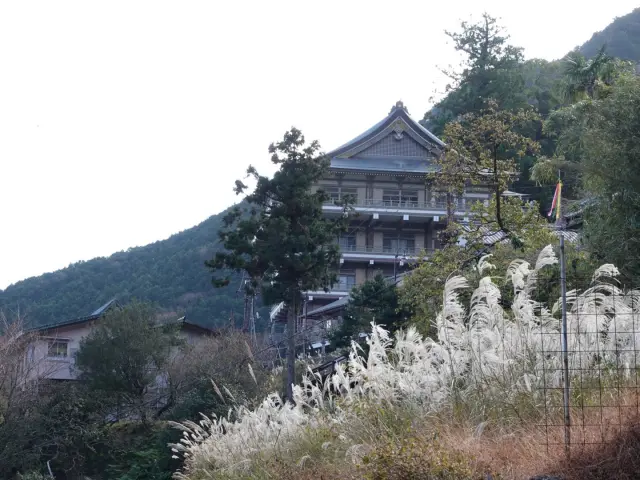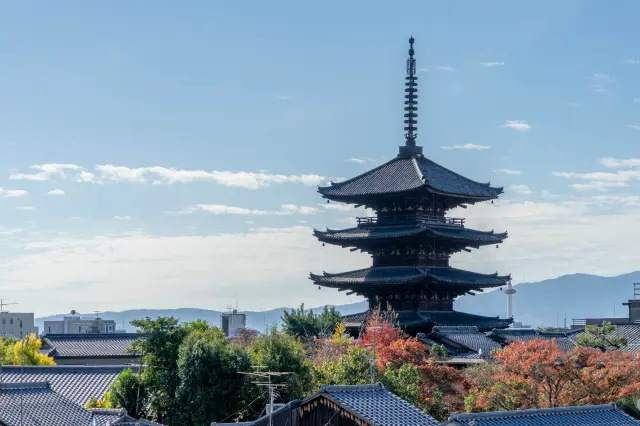
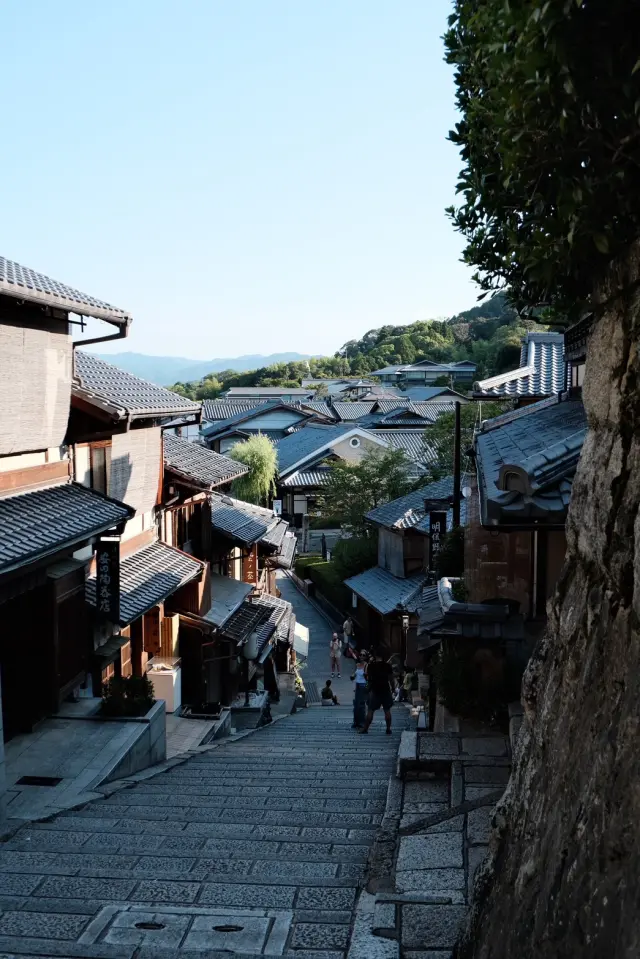
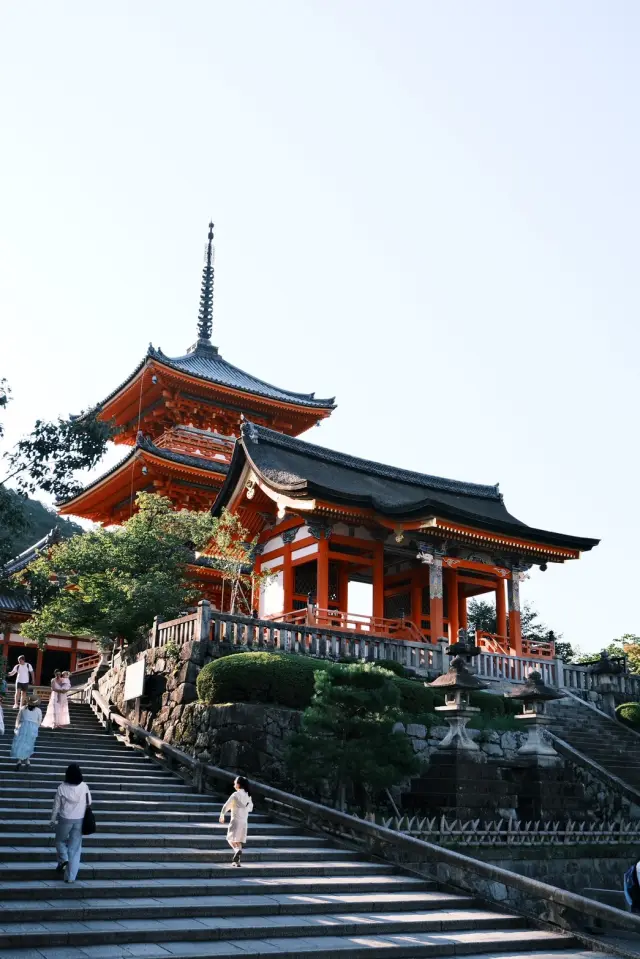
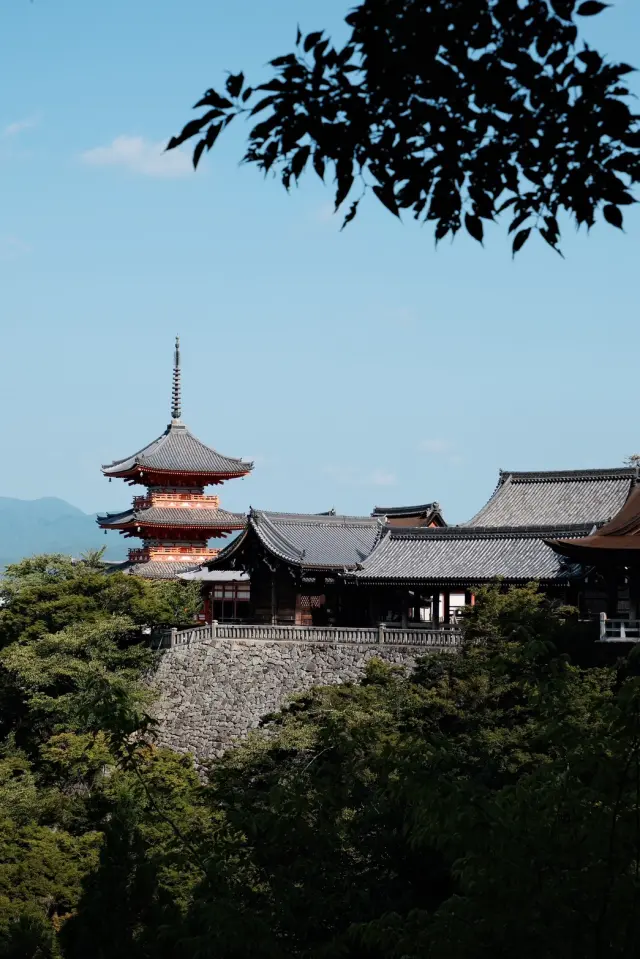
I’ve visited Kyoto several times, and this area has become more and more famous, with the crowds of tourists growing as well. In the morning, I walked down from Kiyomizu-dera, first turning back on the hillside to photograph the eye-catching vermilion three-story pagoda and West Gate. Then I slowly made my way down the steep stone steps of Sannenzaka, lined on both sides with one wooden old house and distinctive little shop after another. After turning onto Yasaka-dori, I looked up and was immediately drawn to the imposing Yasaka Pagoda at the end of the street. This is also the setting for many of the classic photos people take around Kiyomizu-dera in Kyoto.
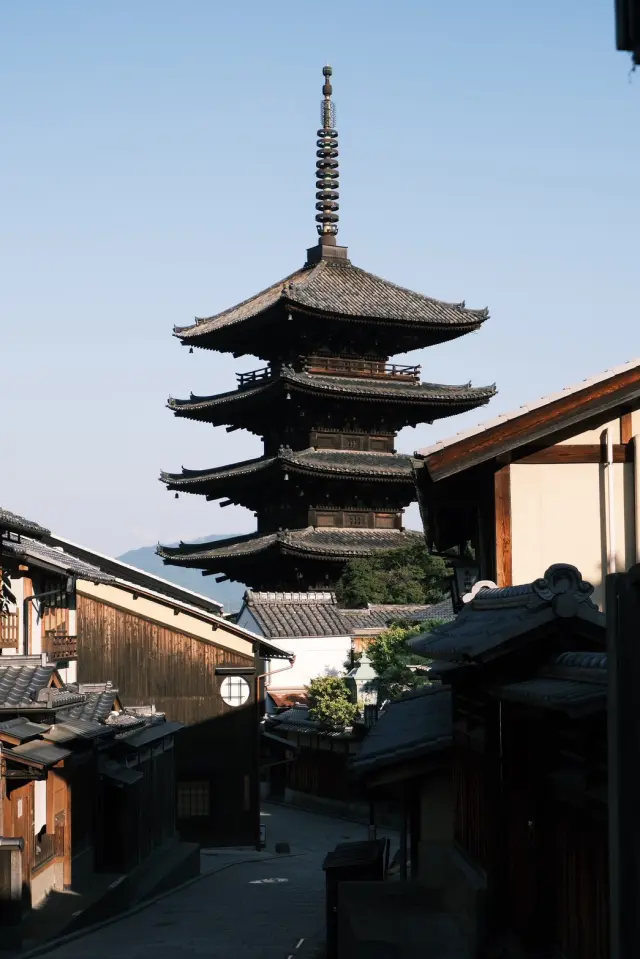
This five-story pagoda, about 46 meters tall, is actually part of Hokan-ji Temple and is one of the most iconic landmarks in the Higashiyama area. I heard that it was first built by Prince Shōtoku during the Asuka period. After being destroyed several times by war and lightning strikes, it was rebuilt by Shogun Ashikaga Yoshinori. The structure that has survived to this day is designated as an Important Cultural Property of Japan. Up close, the layered wooden eaves are truly impressive. The dark wood and gray roof tiles have a completely different, more subdued feel from the ornate, eye-catching vermilion three-story pagoda I had just seen at Kiyomizu-dera. Standing on the stone-paved Yasaka-dori with the old houses and distant pagoda in the same view really feels like stepping back into ancient Kyoto. If you dislike crowds like I do, I recommend coming in the early morning or around dusk, when the light falls at an angle. There are fewer people, and almost any photo you take has a lot of atmosphere.
Hokan-ji Temple (Yasaka Pagoda) | Review by 一個漸漸喜歡上慢旅的人
Other Reviews by 一個漸漸喜歡上慢旅的人
-
Nara Park
Nara Park is a scenic area surrounded by historical and cultural treasures, including Kasuga Taisha Shrine, Kohfukuji Temple, Todaiji Temple, the Nara National Museum, and Shoso-in. Visitors can enjoy the breathtaking natural beauty of its expansive greenery while exploring these iconic landmarks. The park is located in the center of the city, making it easily accessible to various tourist spots.
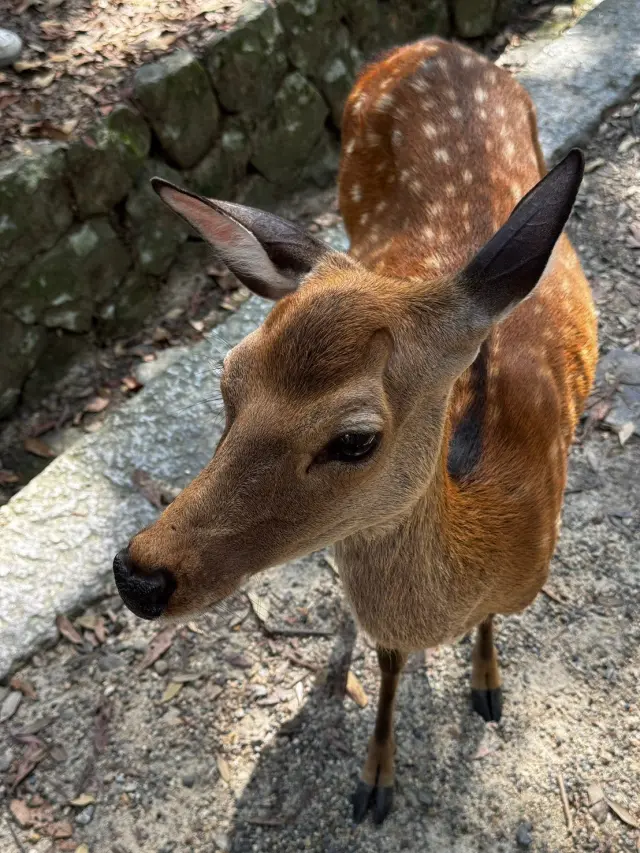
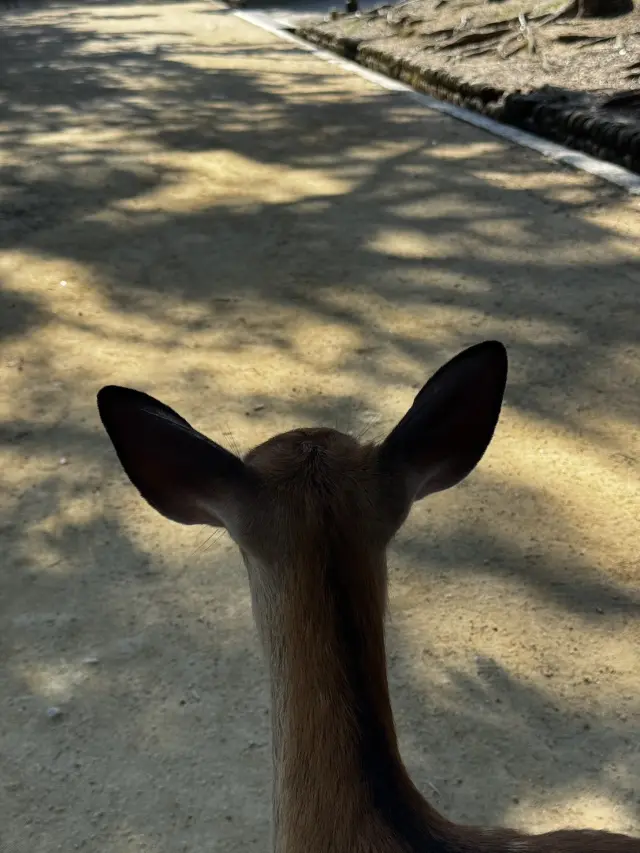
Getting to Nara from Kyoto is very convenient, so many travelers plan a side trip to Nara while visiting Kyoto. This time, I also made a special trip to the expansive Nara Park to meet the famous Nara deer. The deer here are a type of sika deer and look a little different from those seen on farms in Taiwan. Their big, watery eyes and innocent, adorable expressions instantly melted my heart, and I couldn't resist buying some deer crackers to feed them.
Historically, the Nara deer were regarded as messengers of the deity of Kasuga Taisha Shrine and have been carefully protected since ancient times. As a result, they aren't afraid of people at all and are even very friendly, becoming especially enthusiastic when they see someone holding crackers. Leisurely interacting with these sacred deer in the lush park of this ancient capital was truly a soothing and unforgettable travel memory. Encounters with animals like these during a trip become precious memories to cherish in the future.
-
-
Daimon-zaka Slope
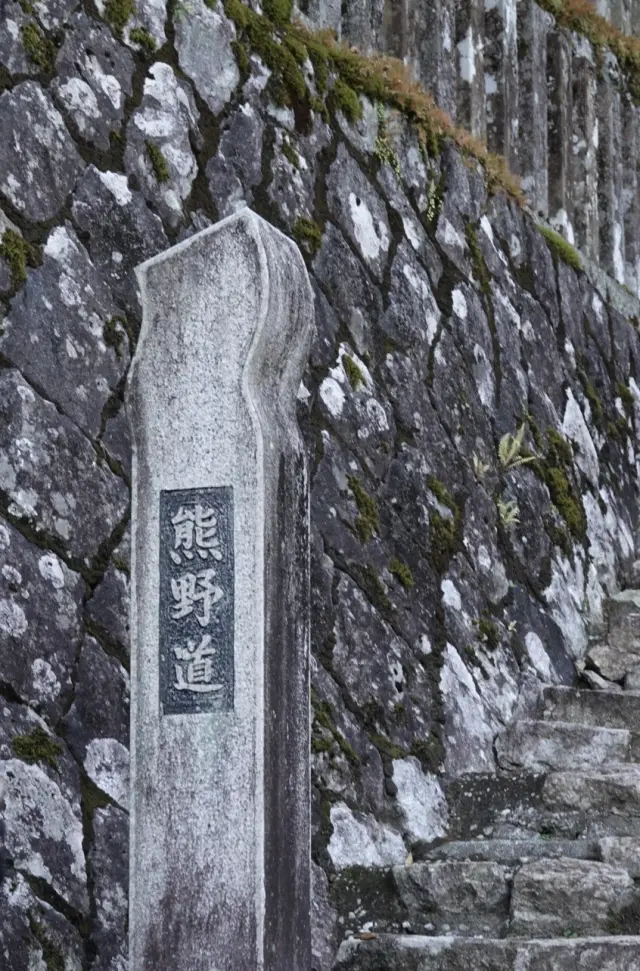
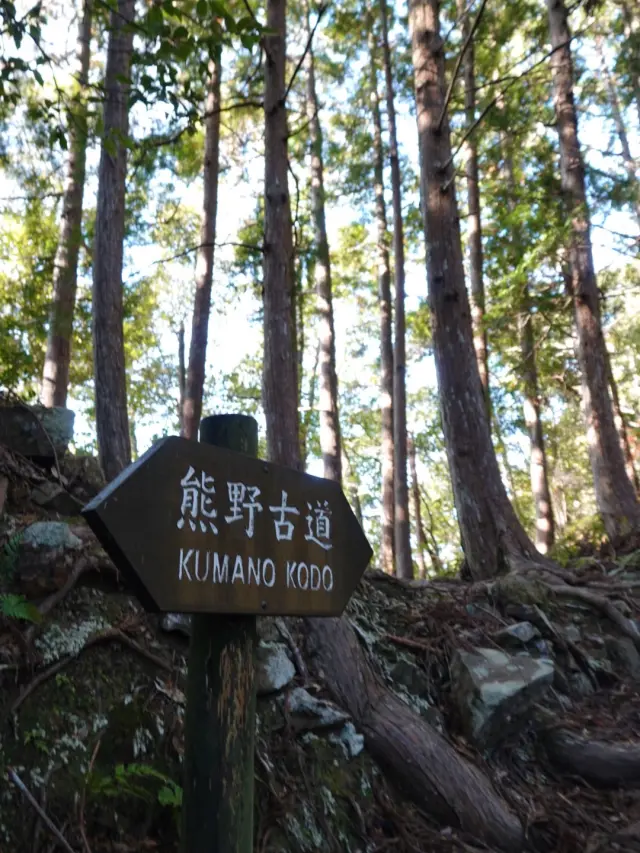
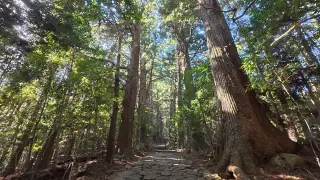
This approximately 500 m historic approach leads to Kumano Nachi Taisha Grand Shrine. More than 100 cedar trees over 800 years old line each side of its moss-covered stone-paved slopes and steps. The scenery is known as a symbol of the Kumano Kodo, a UNESCO World Heritage pilgrimage route leading to the Kumano Sanzan-the three grand shrines of Kumano Hongu Taisha, Kumano Hayatama Taisha, and Kumano Nachi Taisha.
After walking the final section of the Kumano Kodo pilgrimage route, the historic stone-paved Daimon-zaka approach leading to Kumano Nachi Taisha was definitely the most moving highlight. As I stepped onto this historic stone path, towering centuries-old cedar trees lined both sides, as if welcoming every traveler who had come from afar. Walking along the shaded stone path felt steady and comfortable underfoot. The sound of the breeze rustling through the treetops seemed to gently encourage me as I finally completed this pilgrimage.
Filled with spiritual energy and a tranquil atmosphere, this historic approach was not only very pleasant to walk, but also made me deeply feel the unique historical warmth and healing power of this World Heritage Site. I really loved that sense of being healed.
-
-
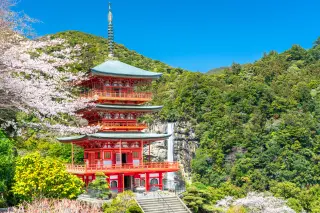
Nachi-san Seiganto-ji Temple
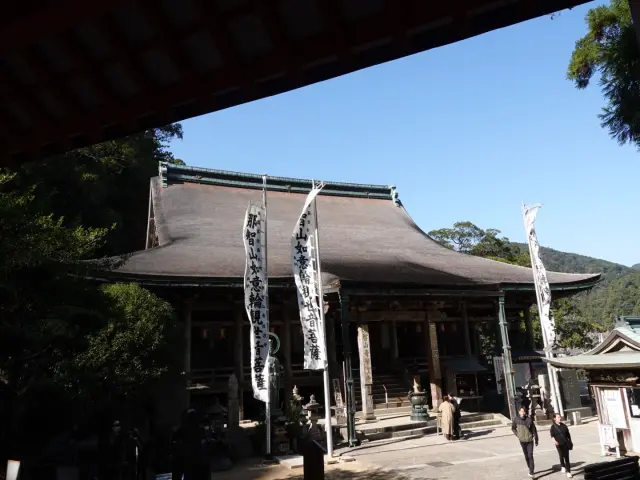
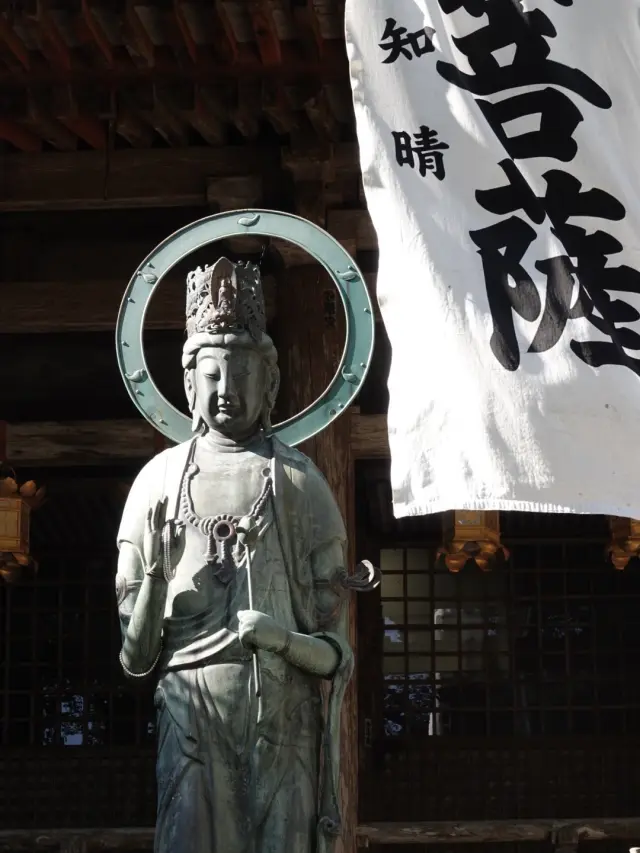
With over 1,600 years of history, Seiganto-ji Temple on Mt. Nachi is a Tendai Buddhist temple that flourished as a center for syncretic practices blending Shinto and Buddhism. Known as the first stop of the Saigoku 33 Kannon Pilgrimage, it draws numerous visitors each year and is recognized as part of the UNESCO World Heritage Site "Sacred Sites and Pilgrimage Routes in the Kii Mountain Range”.
After visiting Nachi Grand Shrine, Nachisan Seiganto-ji Temple right next door is also well worth taking the time to explore. This historic temple has deep ties to Toyotomi Hideyoshi. Today, it is not only a World Cultural Heritage Site but also designated as an Important Cultural Property of Japan.
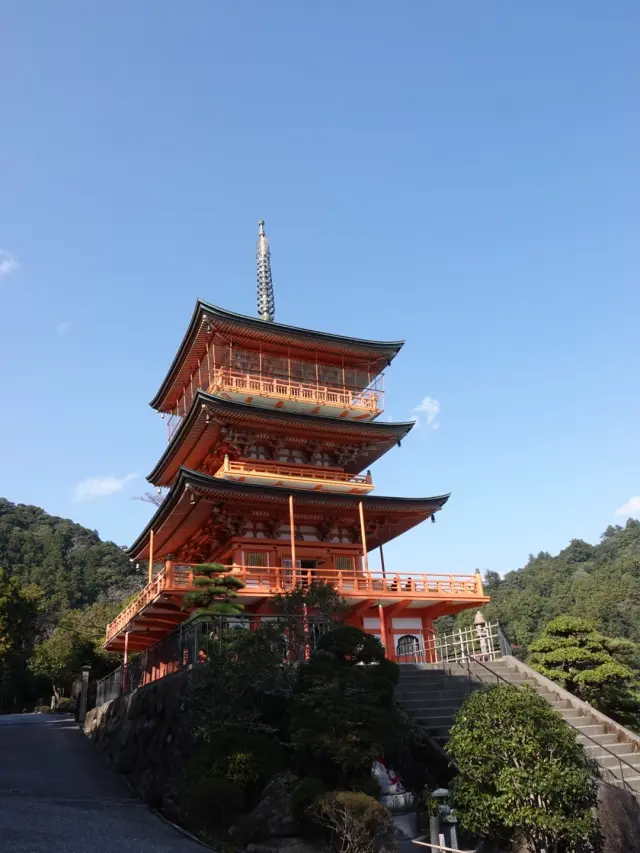
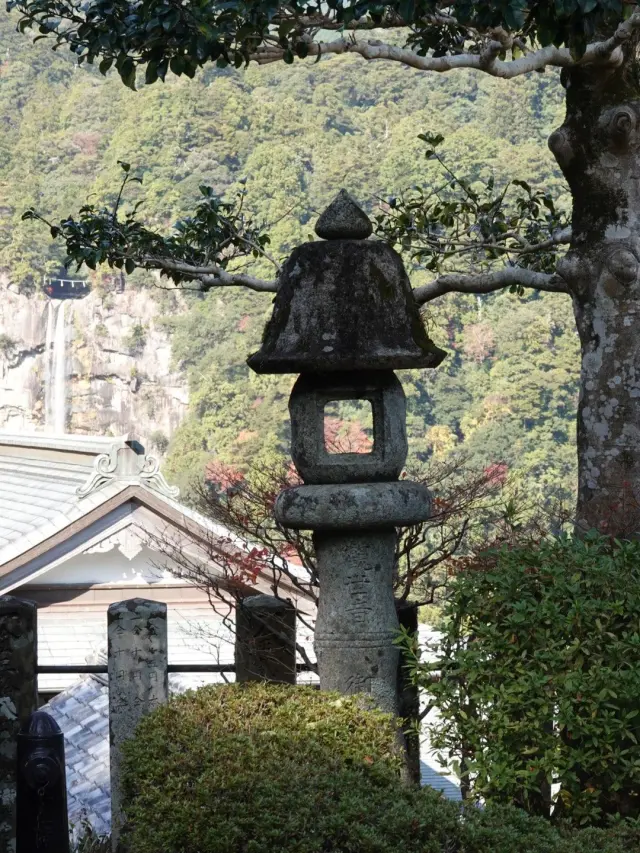
After entering the temple’s main hall to pay your respects, don’t miss its most iconic landmark—the three-story pagoda. The elegant vermilion pagoda looks especially beautiful against the red maple leaves in autumn. From nearby, you can also take in the white, veil-like Nachi Falls and the Pacific Ocean in the distance at the same time. The view is both breathtaking and captivating.
While strolling through this spiritual energy spot, the most important thing is to let go of all the distractions and worries in your mind, completely quiet yourself, and experience the cleansing power of the mountain forest and nature. After walking around, I felt as if I had been fully recharged, with my heart filled with peace and strength. I really enjoy this kind of journey of self-awareness, quietly taking everything in.
-