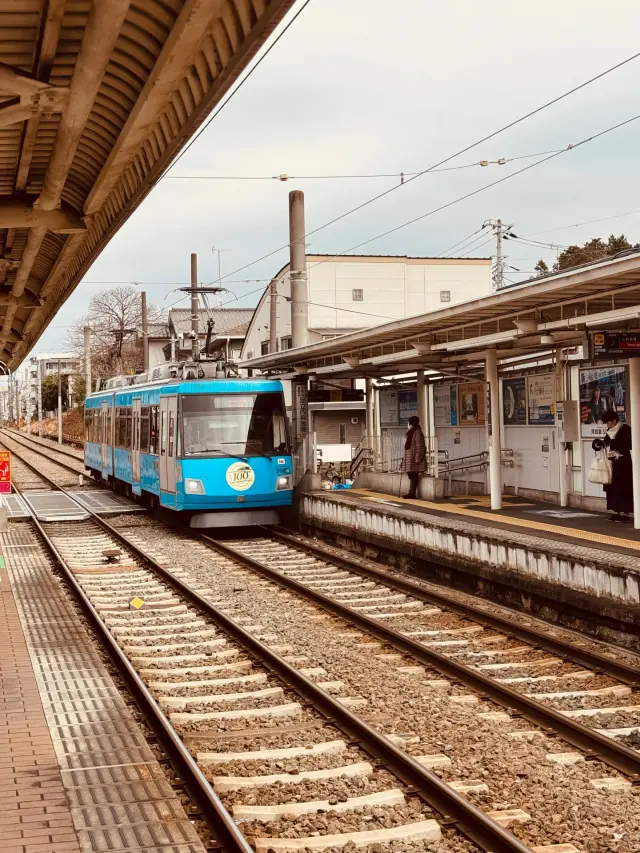
Ginza Wako, located in the heart of Ginza, Tokyo, is mainly known for its luxury goods. It can be considered a Ginza landmark. On the hour, the prominent clock tower on the roof chimes. With its historic significance and Renaissance-style exterior, it draws the gaze of people passing by while shopping at night. Besides shopping, you can also take beautiful nighttime photos here.
WAKO Main store | Review by hdwf2002
Other Reviews by hdwf2002
-
KARUIZAWA PRINCE SHOPPING PLAZA
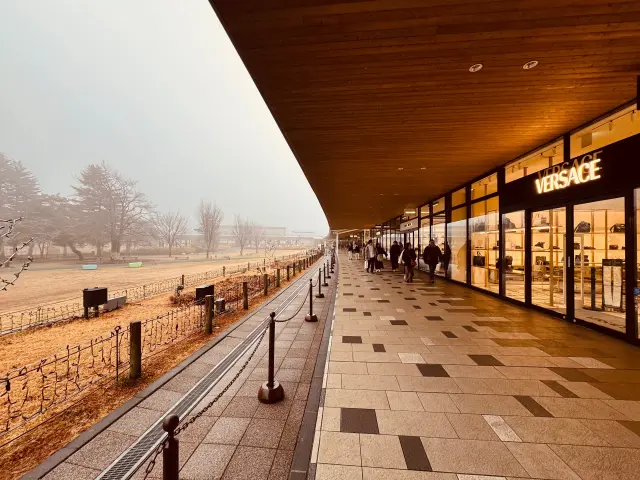
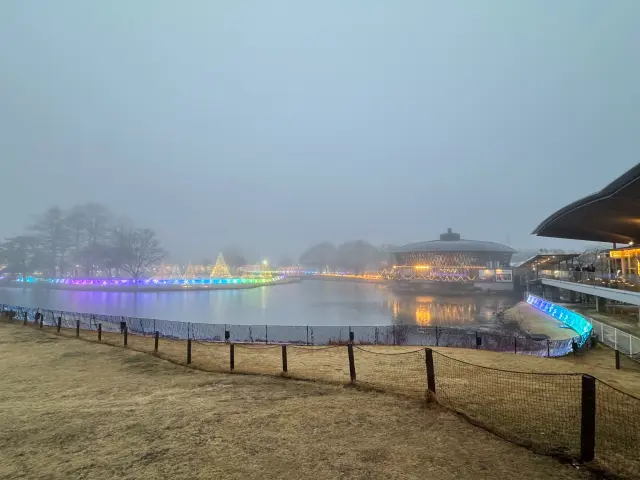
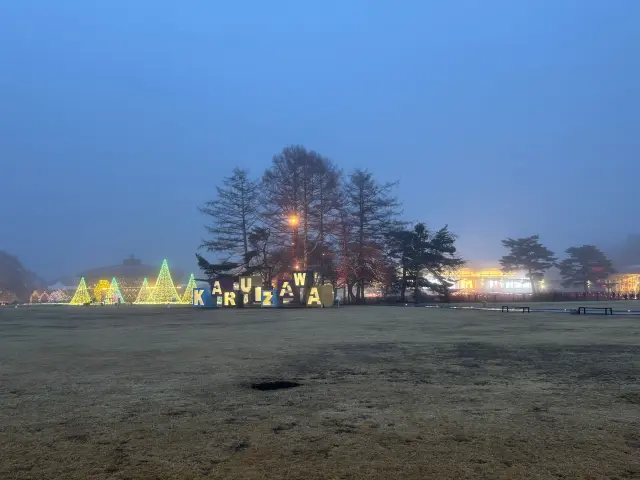
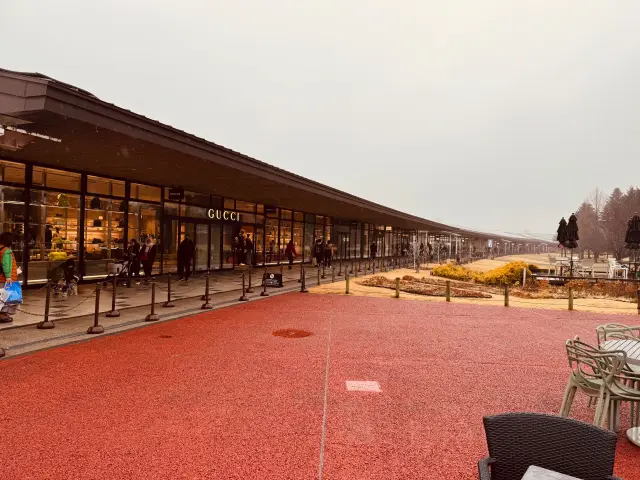
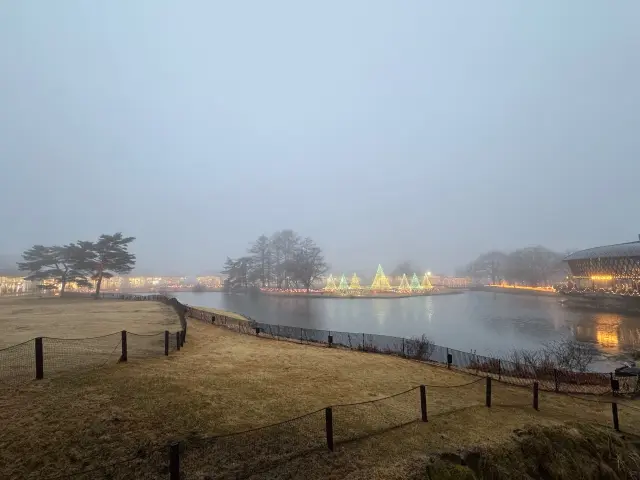
It is one of Japan’s largest resort-style shopping malls, located just outside the south exit of JR Karuizawa Station. There are 10 areas on the premises in a rich natural setting, having about 240 stores offering a wide range of products, including famous brands, interior goods, general goods, and outdoor products. It is an attractive place where you can get high-quality items from top brands at outlet prices.
Karuizawa is a resort destination near Tokyo and a popular place for fall foliage and skiing. When you come here, don't miss the Karuizawa outlet mall. The grounds are extensive and divided into several areas, with around 240 stores offering everything from sports brands and Japanese brands to hiking and camping gear, general goods, and luxury items. When you're tired from shopping, you can head straight to a restaurant for some authentic food. If you're staying at the Prince Hotel but aren't having dinner there, remember that you can stroll around the outlet mall and eat there in the evening, so you won't have to worry about finding a restaurant.
-
-
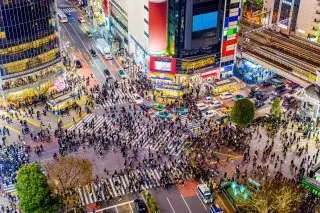
Shibuya Scramble Intersection
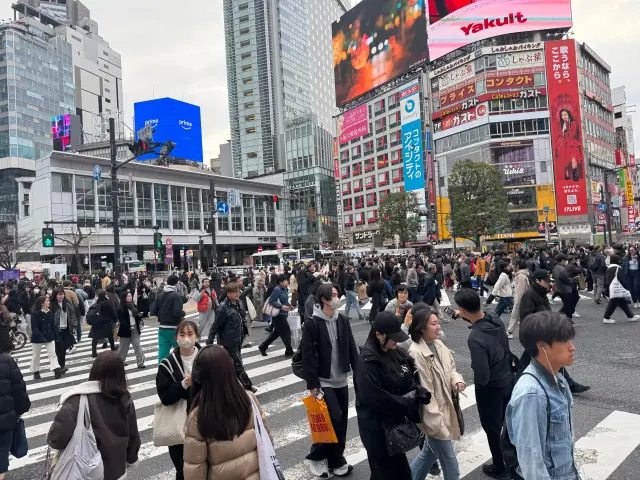
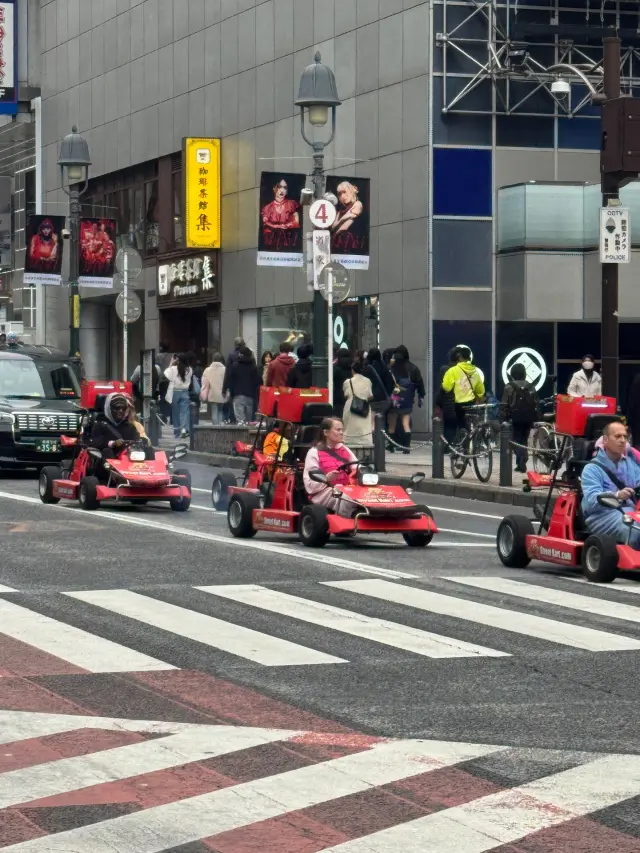
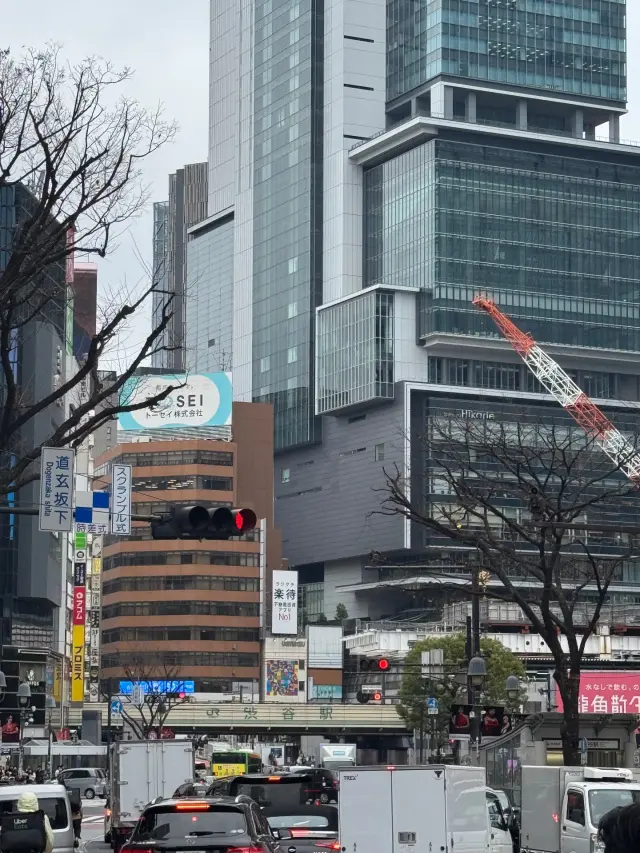
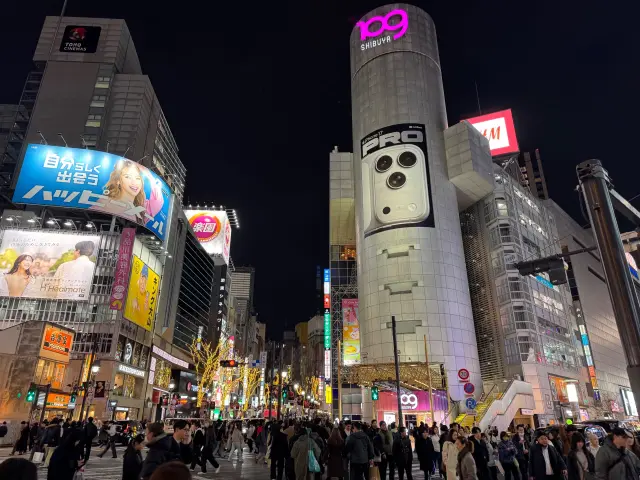
This is a scramble intersection in front of Shibuya Station. Said to be the world’s busiest crosswalk, it has become a famous sight to see in Tokyo. From the pedestrian bridge connecting the JR Yamanote Line and the Keio Inokashira Line, you can view the flurry of people crossing the intersection from above.
After more than a dozen trips to Japan, this was my first time visiting Shibuya Crossing. The crowds and lively atmosphere here are on par with Shinjuku, if not greater. The iconic sight of crowds crossing the intersection in every direction has been used as a setting in many movies and Japanese TV dramas, making it instantly recognizable to visitors. Of course, travelers should still be careful when crossing the street and watch out for people who deliberately bump into others.
-
-

Gotokuji Temple
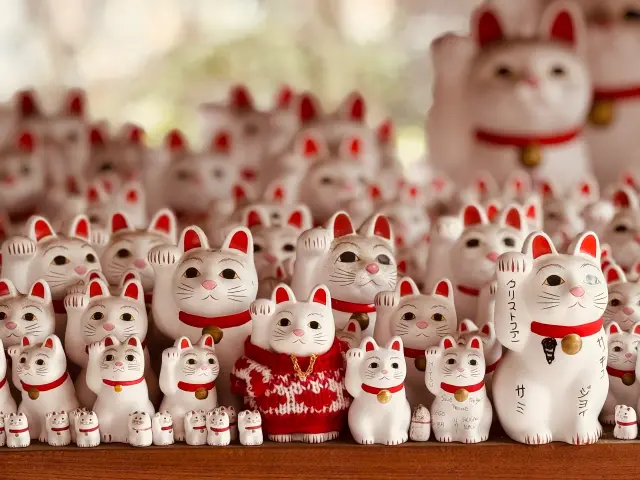
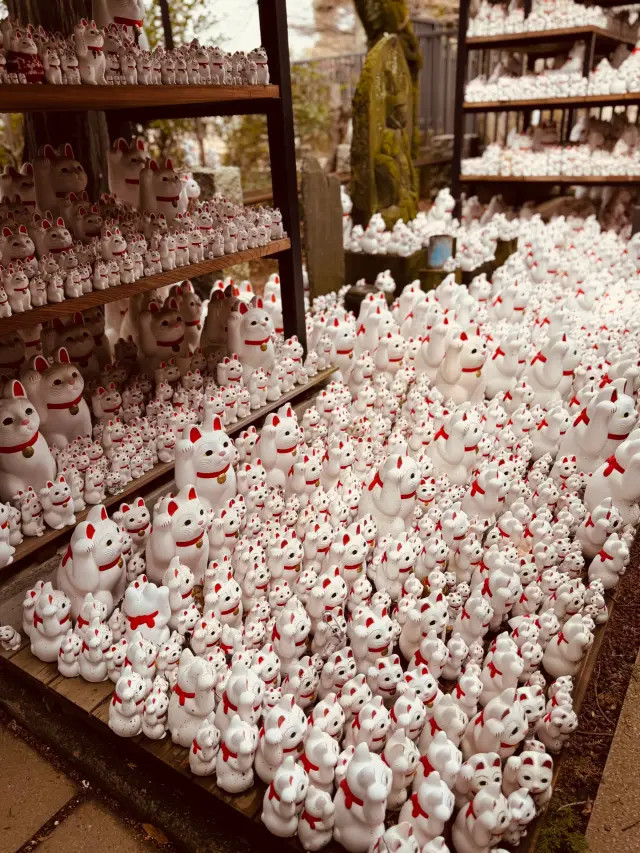
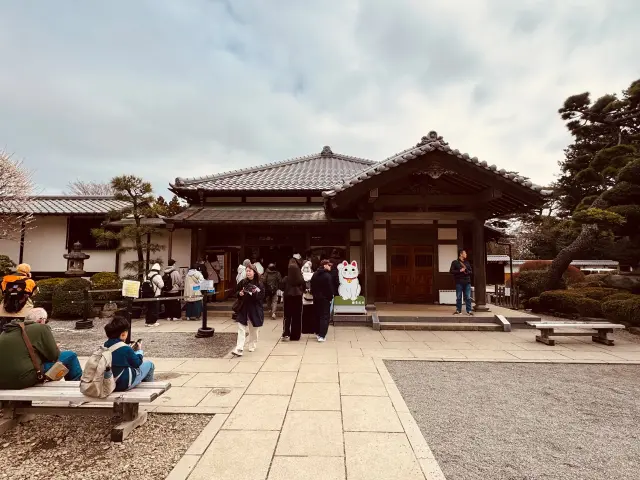
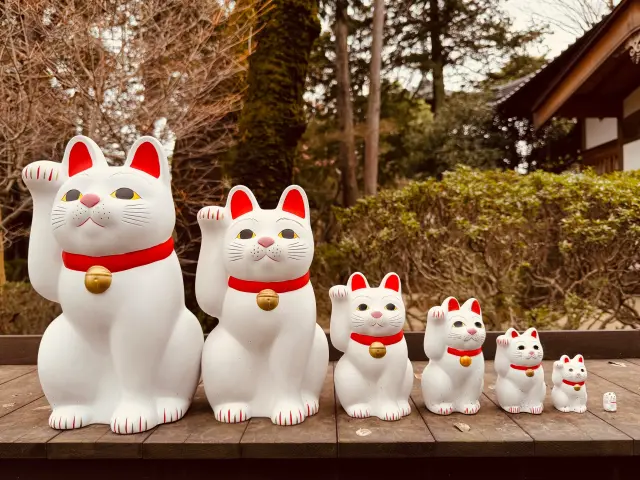
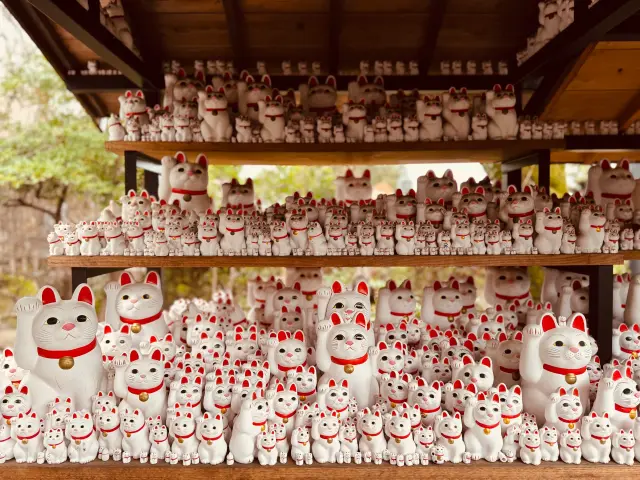
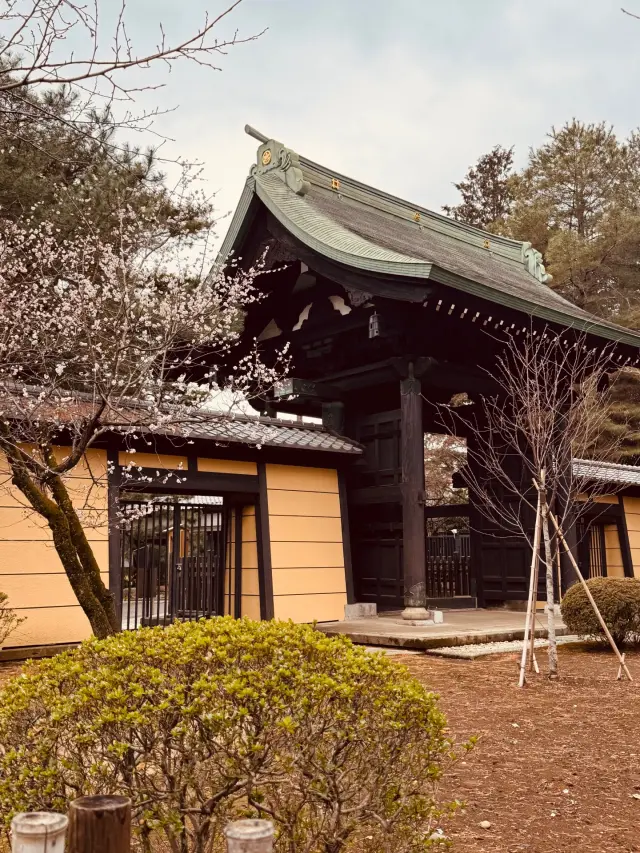
This Soto Zen temple in Tokyo’s Setagaya City is said to be the birthplace of the maneki-neko, or beckoning cat. Kotoku-in Temple, founded in 1480 by Kira Masatada, lord of Setagaya Castle, was renamed Gotokuji Temple in 1659. It became the Ii family’s family temple in Edo. The grounds contain the graves of generations of the Ii family and many cultural assets associated with them.
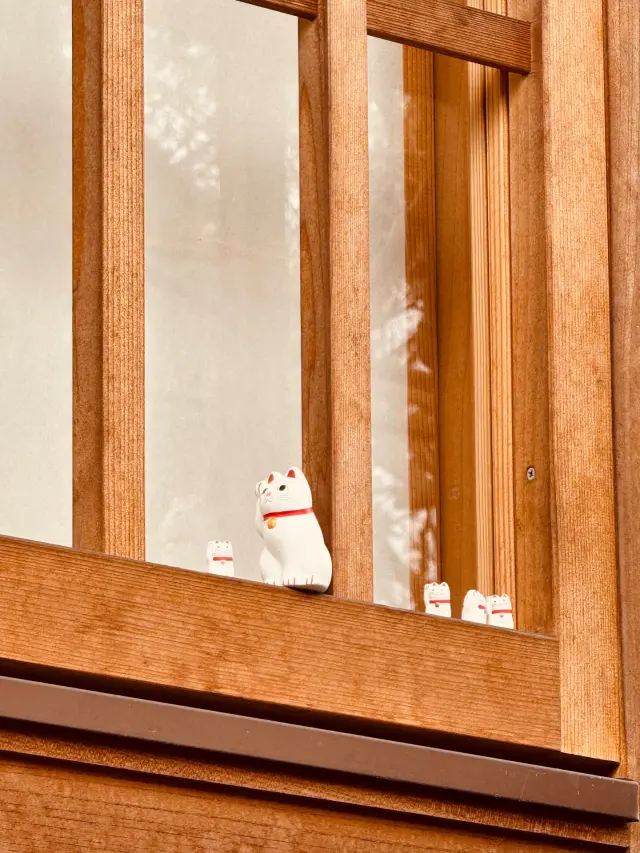
If you want to see beckoning cats, Gotokuji Temple is definitely a must-visit when you come to Tokyo. It has rapidly become popular over the past three years. Located on the outskirts of central Tokyo, it can be combined with Shimokitazawa and Sangenjaya for a full-day itinerary. Once you arrive at Gotokuji Temple, be sure to visit the area with the most beckoning cats—it’s guaranteed to have you snapping away. Most importantly, if you want to buy a beckoning cat, I recommend coming in the morning; otherwise, the limited quantities can be unforgiving. After visiting Gotokuji Temple, head to Shimokitazawa or Sangenjaya for lunch. It makes for a very nice day trip.
-