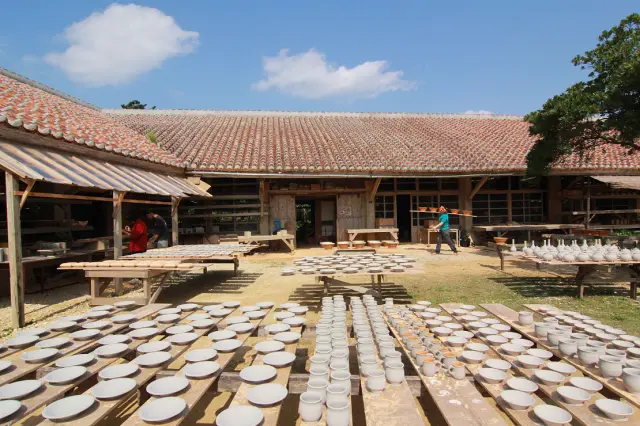
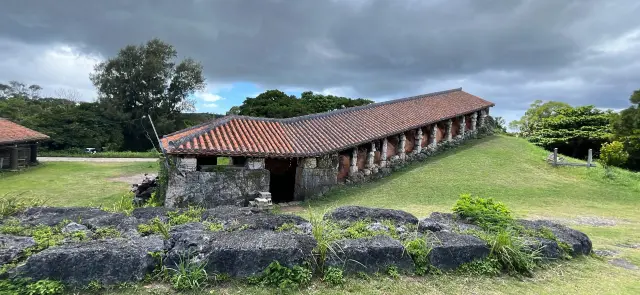
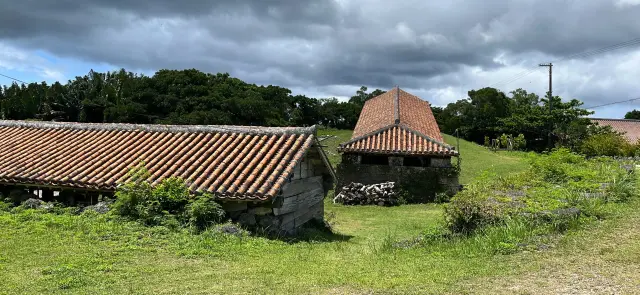
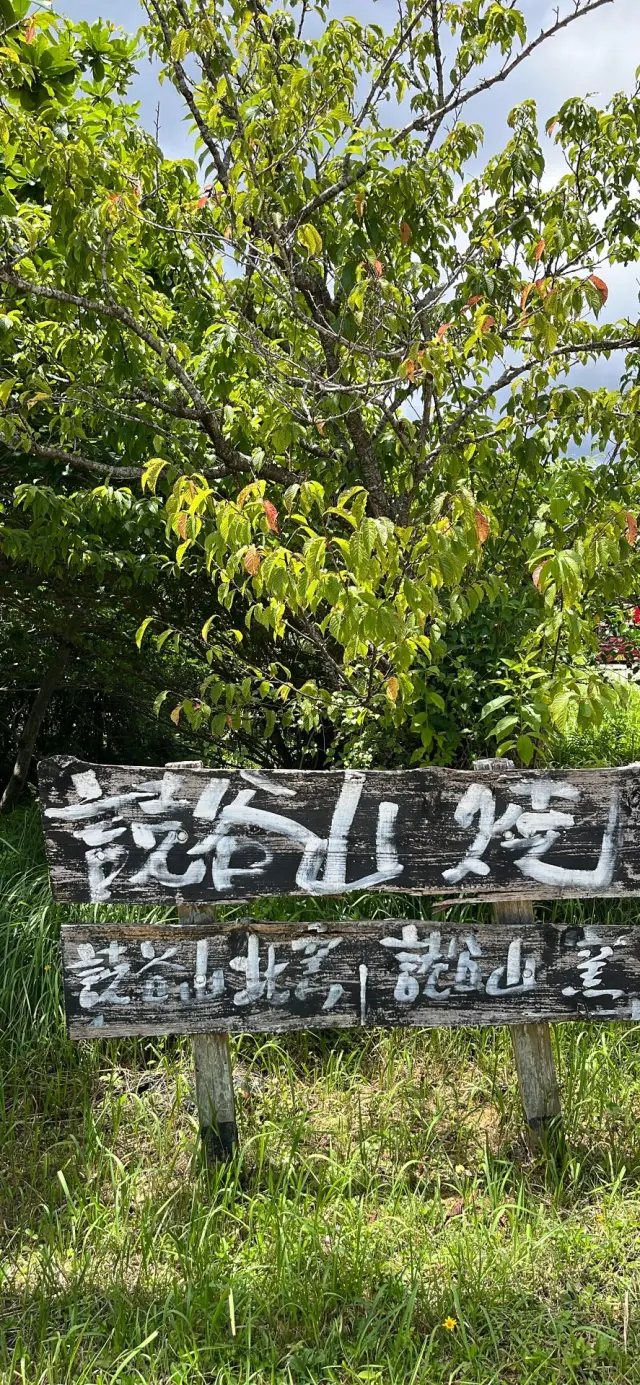
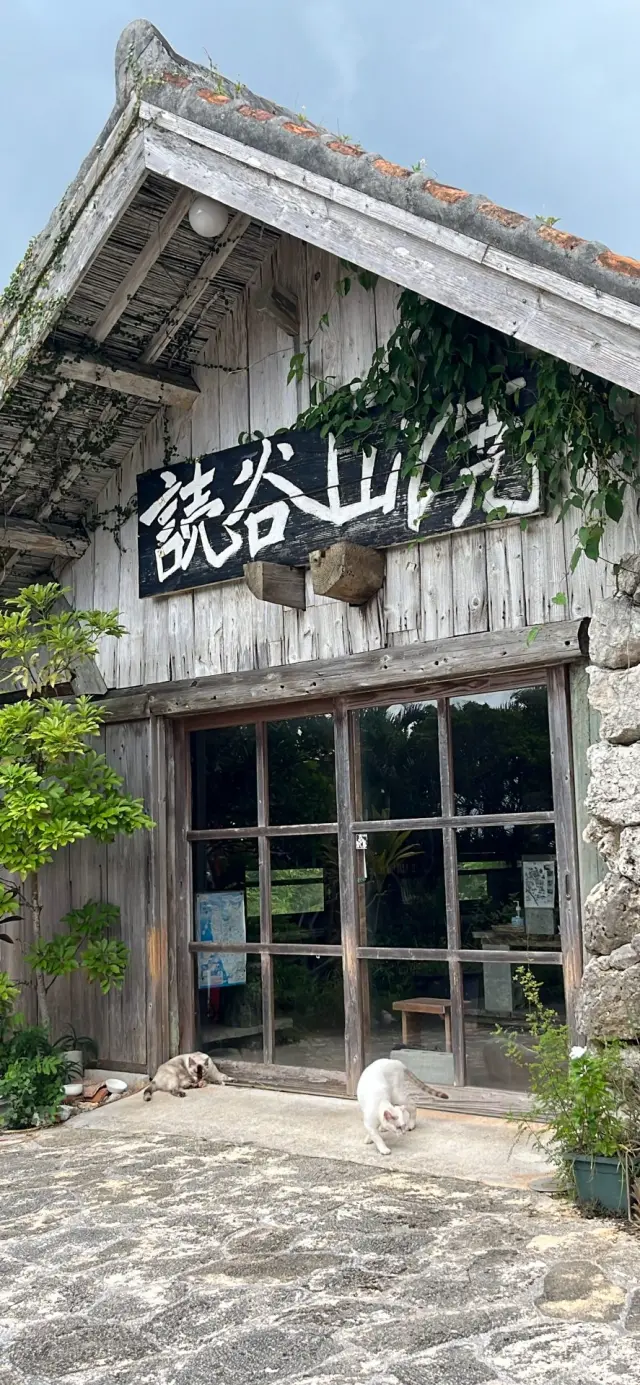
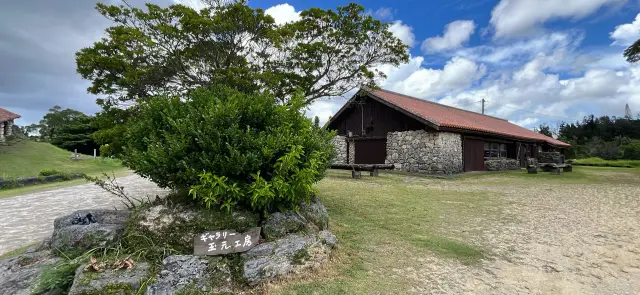
Before going to Okinawa, I specifically looked through travel guides for places related to pottery that I could visit. At first, I found Tsuboya in the city, but as I learned more, I discovered that the artisans had moved to Yomitan Village because they were concerned about pollution from firing kilns as the city developed. I was very interested in this history and wanted to see the place for myself. The entire village is filled with potters and all kinds of different works. When I arrived in Yomitan Village in Okinawa and parked the car, I couldn’t take my eyes off everything around me. Distinctive shops are scattered throughout the hills, creating a village filled with the warmth of handmade crafts. After entering the grounds, I saw a handwritten wooden sign for “Yuntanzayaki.” I walked along the lush green path, and the most eye-catching sight was the traditional red-tiled climbing kiln built into the hillside. Firewood was neatly stacked beside it, and just standing outside, I could imagine the impressive scene when the kiln was being fired.
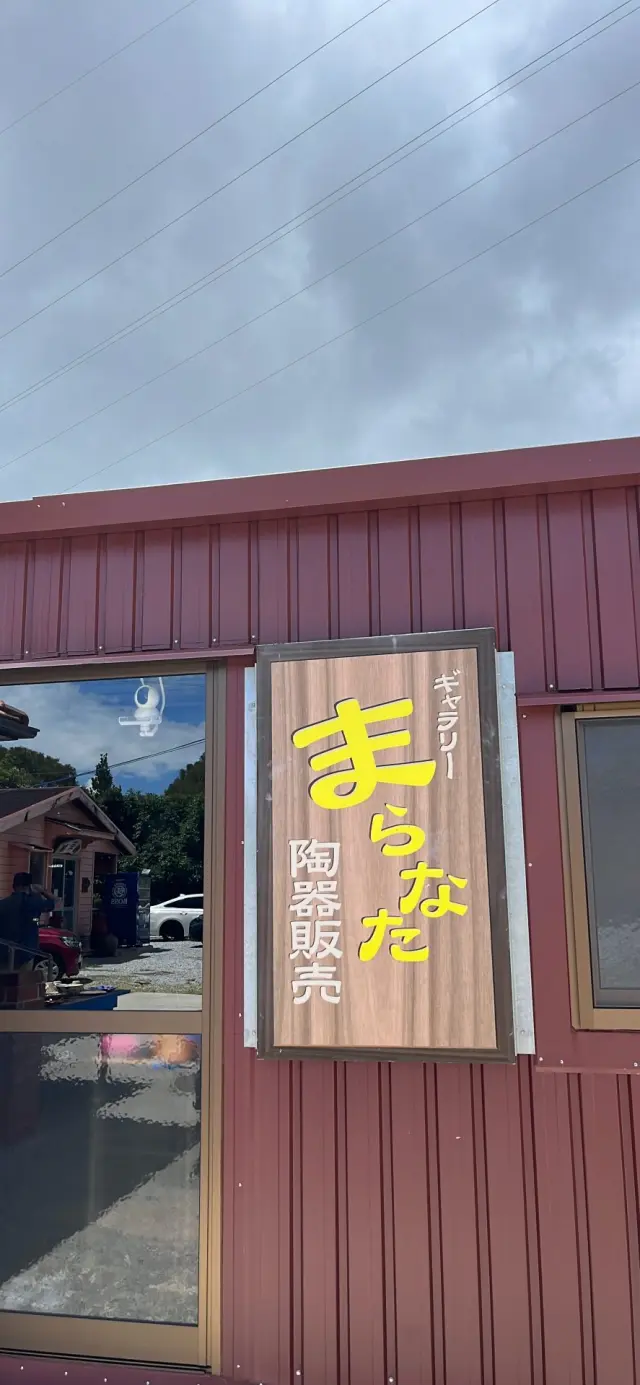
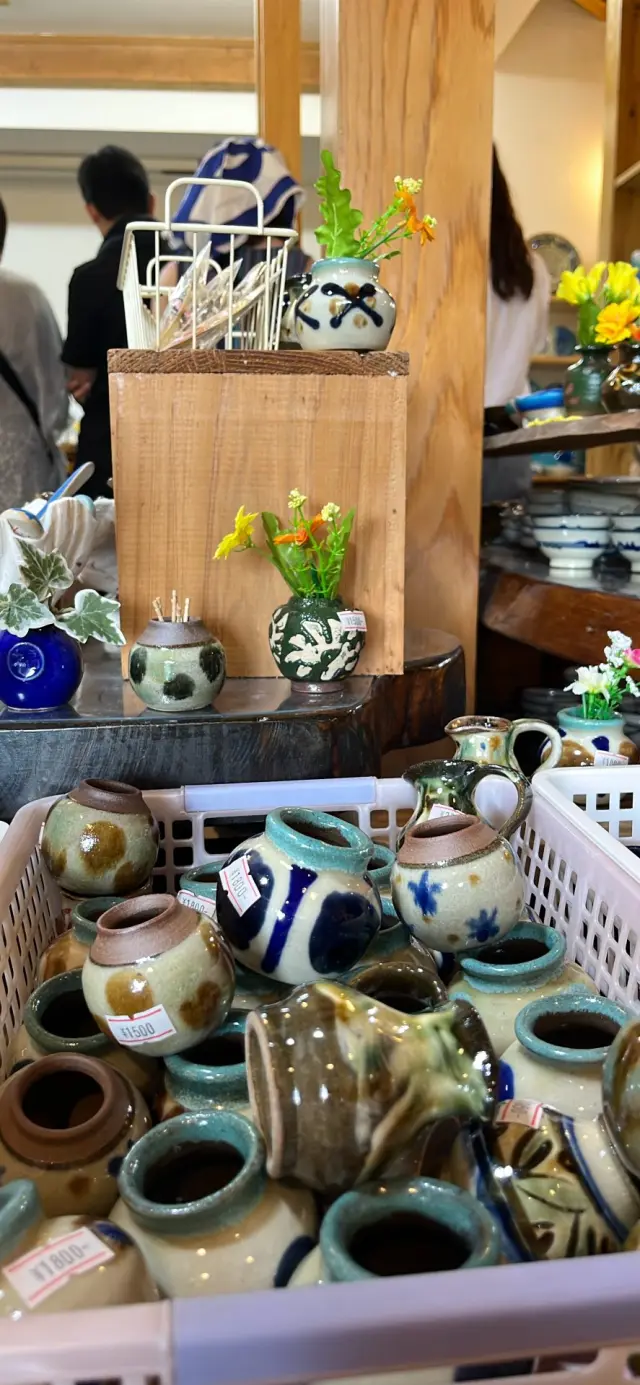
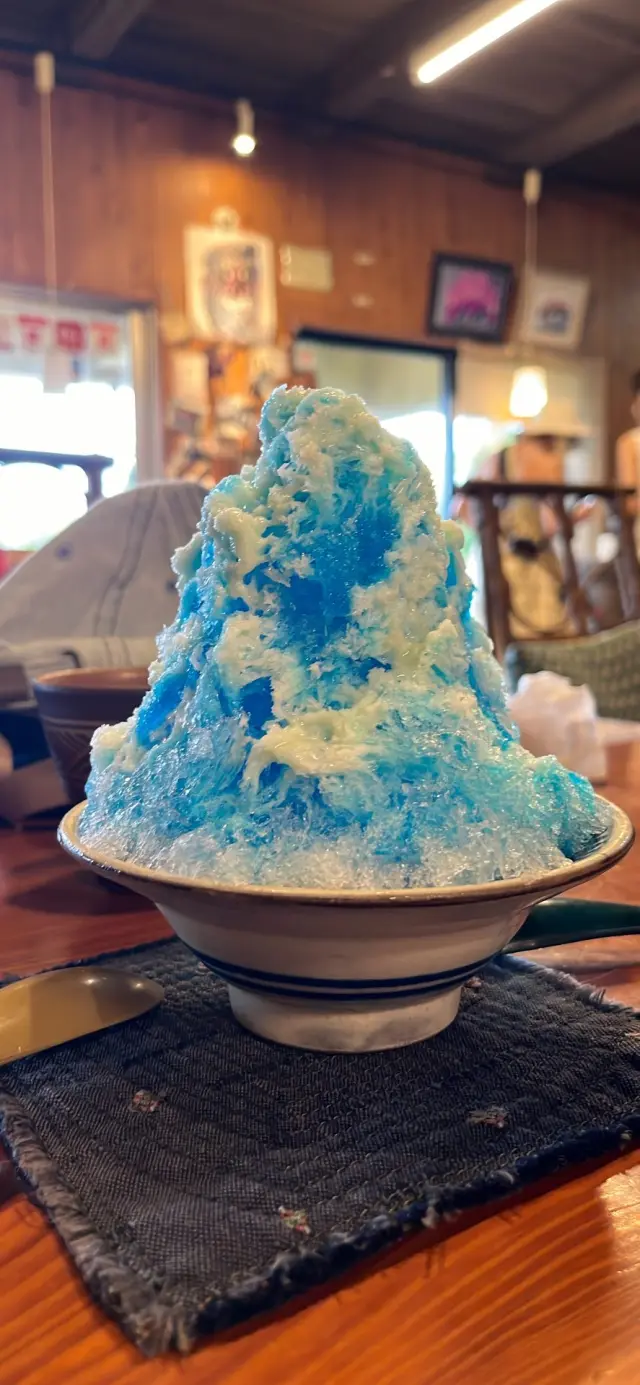
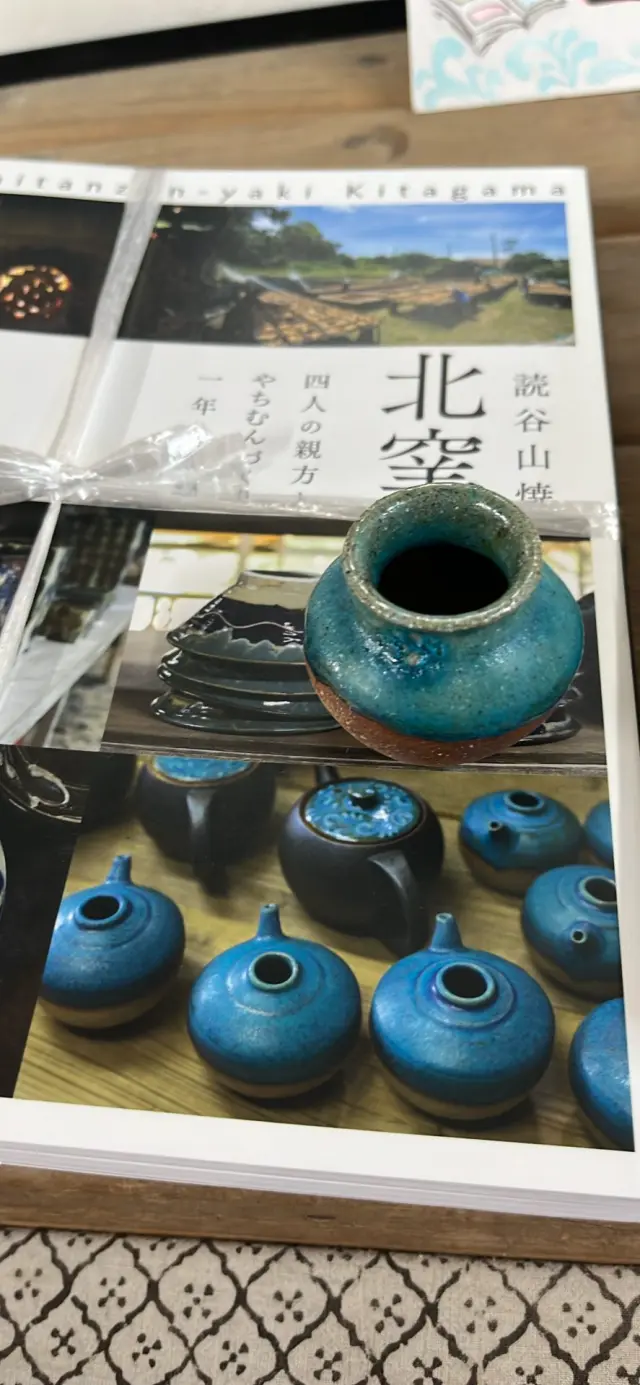
Many pottery workshops with their own distinctive styles are gathered here, including workshops with traditional red-tiled roofs and coral stone walls, as well as small shops with outdoor wooden tables covered with painted bowls, plates, and cute shisa figures. I enjoyed browsing so much that I didn’t want to leave at all. One small shop also had a booklet introducing “Yuntanzayaki Kitagama.” Looking at the pottery jars with soothing blue-green glazes reminiscent of the Okinawan sea, each piece felt substantial and warm. I couldn’t resist choosing a small vase as a memory of Okinawa. After walking around until I got tired, I followed the red-tiled stone steps into Mori no Chaya, hidden among the trees, where I enjoyed their specialty shaved ice and petted the cats. This is a great place to slow down and hunt for treasures. Even the village cats were leisurely sunbathing. I was reluctant to leave, and if I have the chance to visit Okinawa again, I’ll come back to this village.
Yachimun no Sato | Review by 一個漸漸喜歡上慢旅的人
Other Reviews by 一個漸漸喜歡上慢旅的人
-
Atsuta nagAya
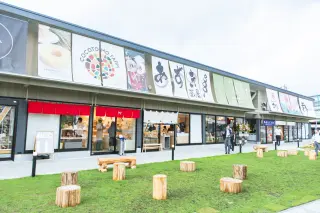
A commercial complex located right by the west exit of Meitetsu Jingumae Station, the gateway to Atsuta, an area that has welcomed countless travelers and built its history as a post town along the Tokaido. Based on the concept of being a place where visitors can appreciate and rediscover charm passed down through the local community, it features long-established local businesses, restaurants serving Nagoya’s signature regional dishes, and shops where you can discover the area's appeal, including lesser-known specialty products from the Tokai region.
After visiting the solemn and peaceful Atsuta Jingu, don’t forget to stop by Atsuta nagAya next to the west exit of Meitetsu Jingumae Station on your way back to catch the train. It’s filled with all kinds of rice crackers and delicate wagashi, and you can find nearly all the popular souvenirs from across the Chubu region in one place. They even sell seasonal steamed chestnut cakes from Ena Kawakamiya, which was a wonderful surprise. If you get tired or hungry while shopping, you can sit down and enjoy some piping-hot local Nagoya dishes there as well.
The best part is that it’s right next to the station. After eating, drinking, and buying everything you want, you can turn around and head straight into the station to catch the train back to your hotel. It makes the whole itinerary easy and seamless, letting you take care of everything in one place. It’s a good option.
-
-
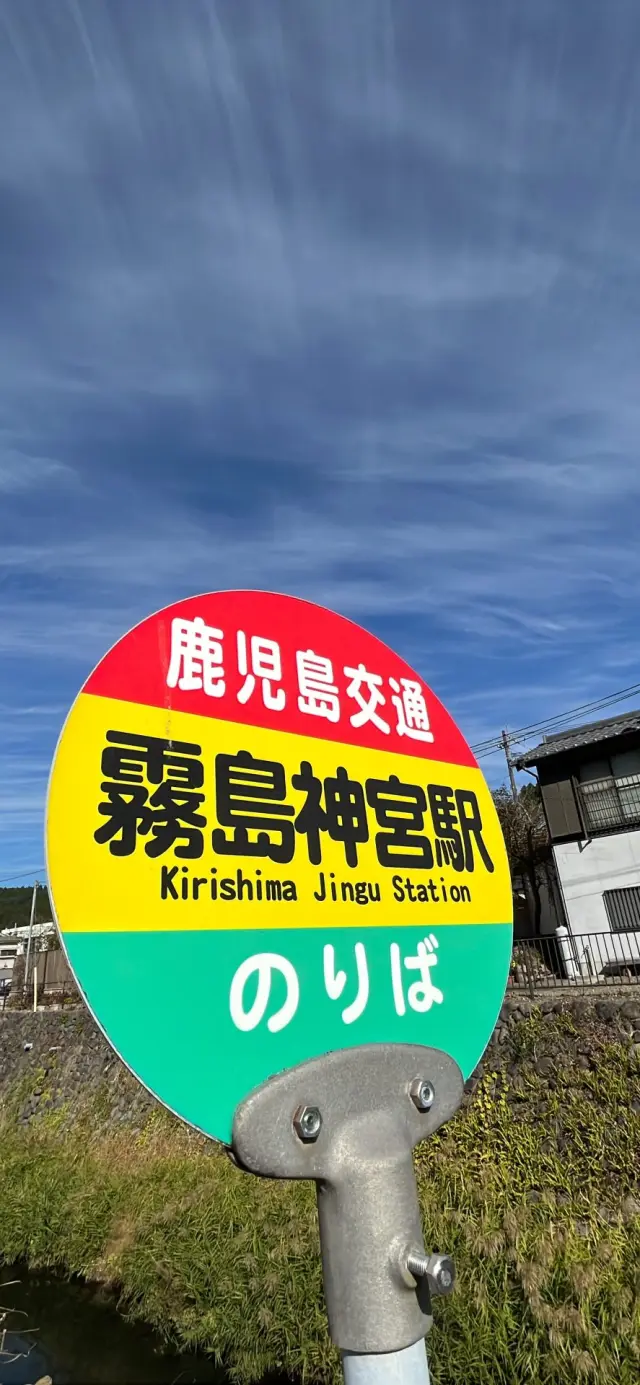
Kirishima-Jingu Station
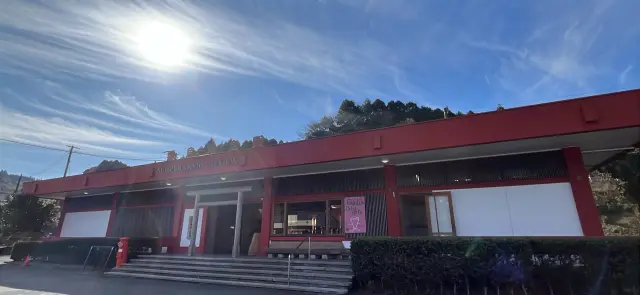
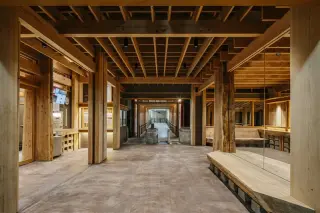
Kirishima-Jingu Station is the closest station to Kirishima Shrine, which is designated as an Important Cultural Property of Japan. The station was newly renovated and reopened on March 22, 2024, using nearly 100% locally sourced cedar wood from Kagoshima Prefecture. Inspired by the surrounding forests near Kirishima Shrine, the station building features a symbolic “sacred tree” standing 4 meters tall, cut from the experimental forest of Kagoshima University’s Faculty of Agriculture. The result is a warm, tranquil atmosphere filled with the scent of wood.
To visit Kirishima Shrine, I took the JR train from Miyazaki and arrived in Kagoshima. As soon as I stepped out of Kirishima-Jingu Station, its distinctive vermilion design immediately caught my eye. Even before visiting the shrine, I could already feel its strong atmosphere. The station first opened in 1930 and was recently renovated. It retains its classic shrine-inspired colors and now houses several small shops, including a French savory crepe shop and stores selling handmade goods, giving the old station a much more artsy feel.
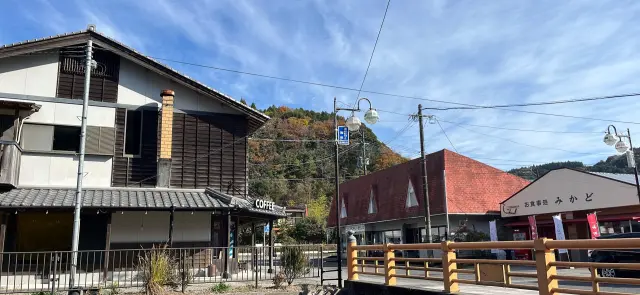
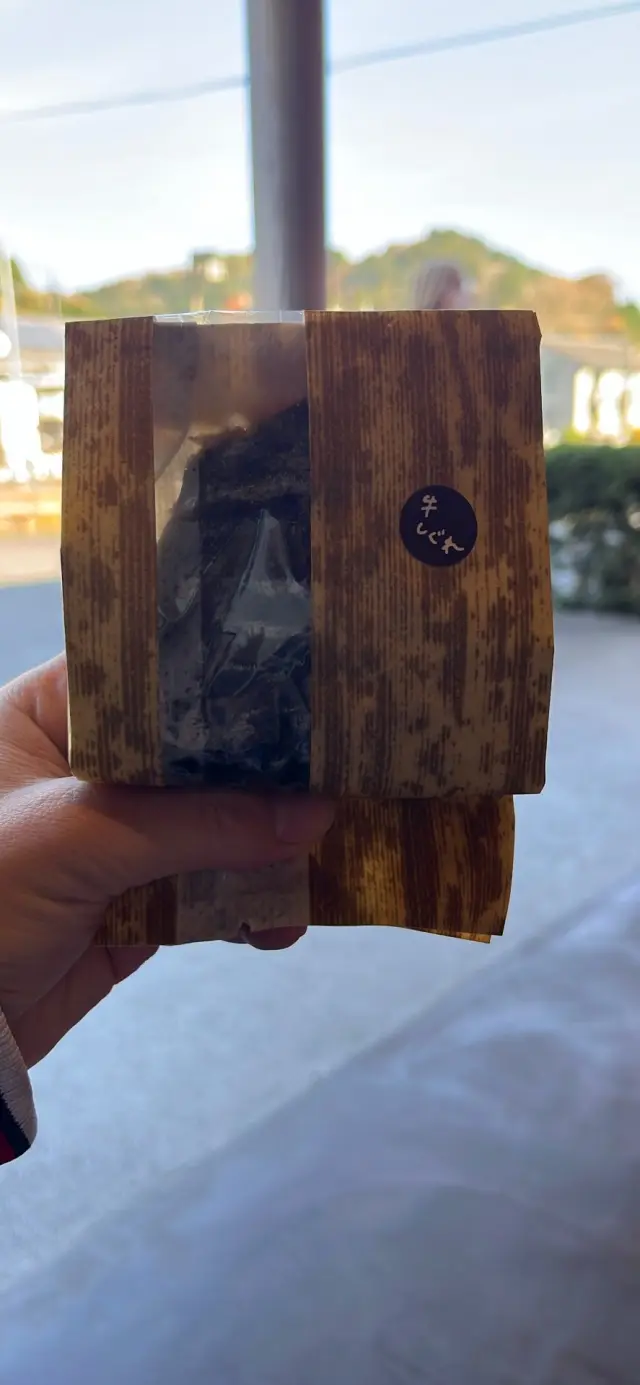
While waiting for the bus up the mountain, I walked outside the station and crossed a small bridge, where I found a simple, peaceful streetscape. I also stopped by Mikado, an old restaurant with a nostalgic Showa-era feel, and got a rice ball wrapped in traditional bamboo leaf to go. I sat inside the station and enjoyed the sunshine and food. The savory-sweet, flavorful beef went perfectly with the plump rice. As I ate in the sunlight in front of the station, even an adorable cat was drawn over, leaving me with a heartwarming local memory from this short trip to Kirishima. -
-
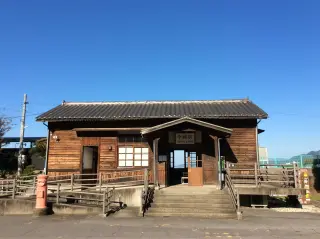
Chiwata Station
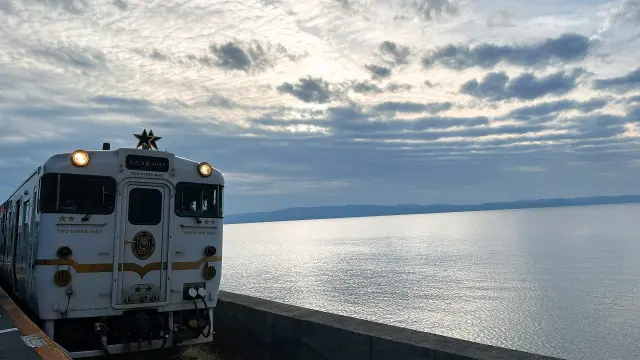
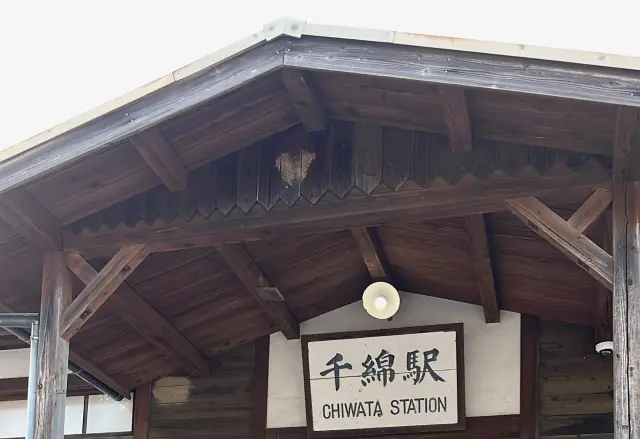
A station on the JR Omura Line, which runs along the coast of Higashisonogi Town in Nagasaki Prefecture. The wooden station building, built in 1928, has retained much of its old-time charm over the years and carries a nostalgic atmosphere. The station’s greatest appeal is its one-of-a-kind scenery, where the sea and railway come together. The calm waters of Omura Bay stretch out before you, and from the platform, you can feel time slow down along with the scent of the sea.
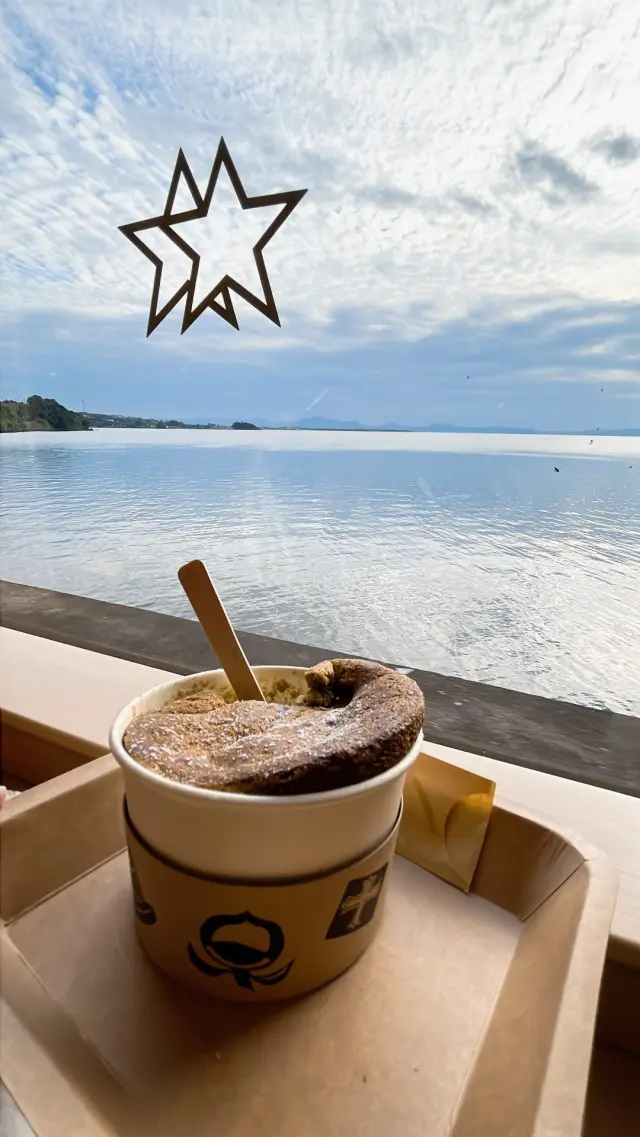
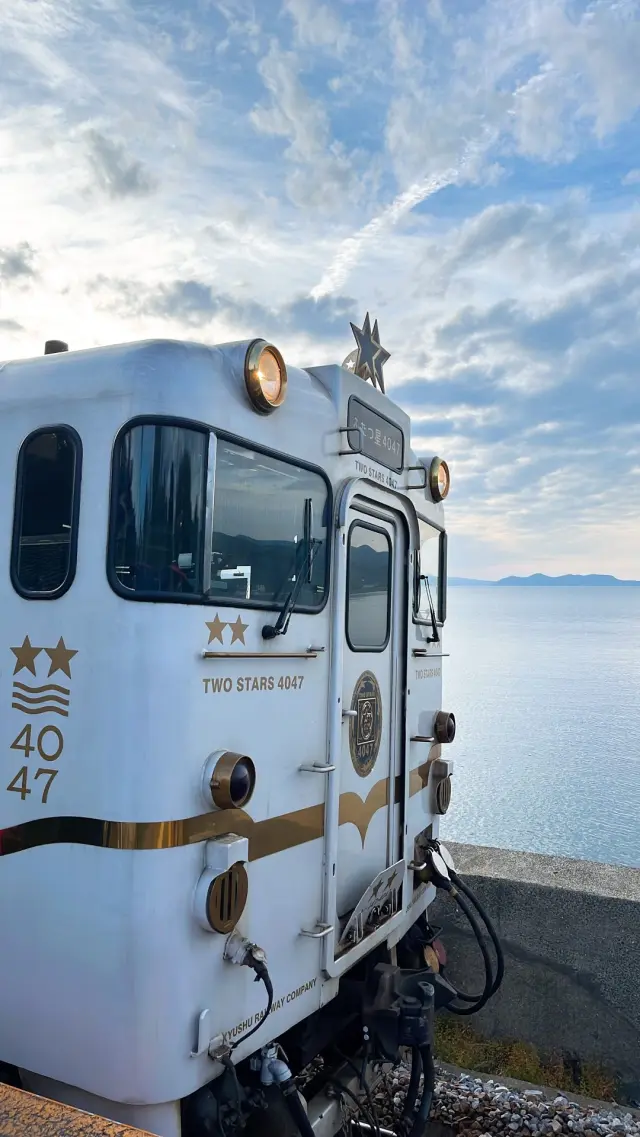
What I love most is riding unique sightseeing trains in Kyushu, especially the Futatsuboshi 4047, which follows different routes in the morning and afternoon, each with its own highlights. Even though this was already my third time riding the Futatsuboshi 4047, as the train traveled along the Omura Line and I looked through the Futatsuboshi logo on the window at the sparkling sea outside, I couldn't help but look forward to the scenery ahead.
The most unforgettable stop on this trip was Chiwata Station in Nagasaki, known as the “station closest to the sea.” This small seaside station opened back in 1928, and its old wooden station building still retains a strong sense of Showa-era nostalgia. What makes it especially unique is that one side of the platform sits right next to the seawall of Omura Bay, with no buildings blocking the view, so you can feel the sea breeze as soon as you step off the train. The afternoon Futatsuboshi 4047 thoughtfully stops here for about ten minutes, giving everyone time to get off, walk around, and take photos. Seeing the white locomotive with gold trim quietly parked beside the sea and sky, with the evening sunlight sparkling on the water, was so beautiful that I couldn't stop taking photos and didn't want to get back on the train. I really love these wonderful moments of traveling by train and quietly lingering at this little unmanned station. -