



Yachimun no Sato

Verified [Verified] denotes information that has been published with confirmation of its owing parties.

Yachimun no Sato

A major center for yachimun pottery, with 19 workshops offering shopping and hands-on experiences.

3.20 2

Last update :

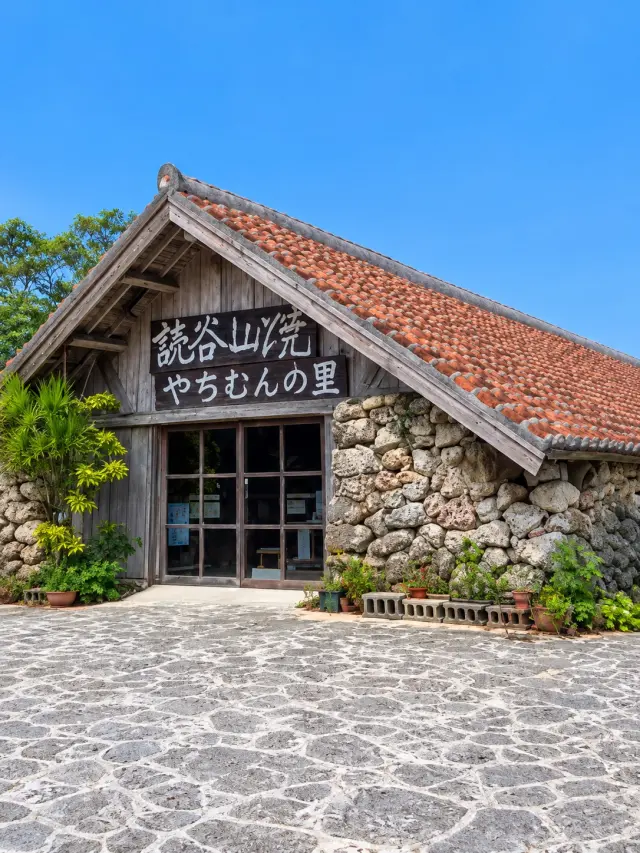
Yachimun no Sato is a traditional pottery village in Yomitan Village in central Okinawa, home to 19 workshops. Yachimun is the Okinawan word for pottery, a traditional craft characterized by earthy colors, substantial forms, and bold painted designs. Pottery production flourished in Yomitan after Jiro Kinjo, a potter designated a Living National Treasure, moved his kiln there from Naha. Today, the village is known as Okinawa’s leading center for yachimun pottery.

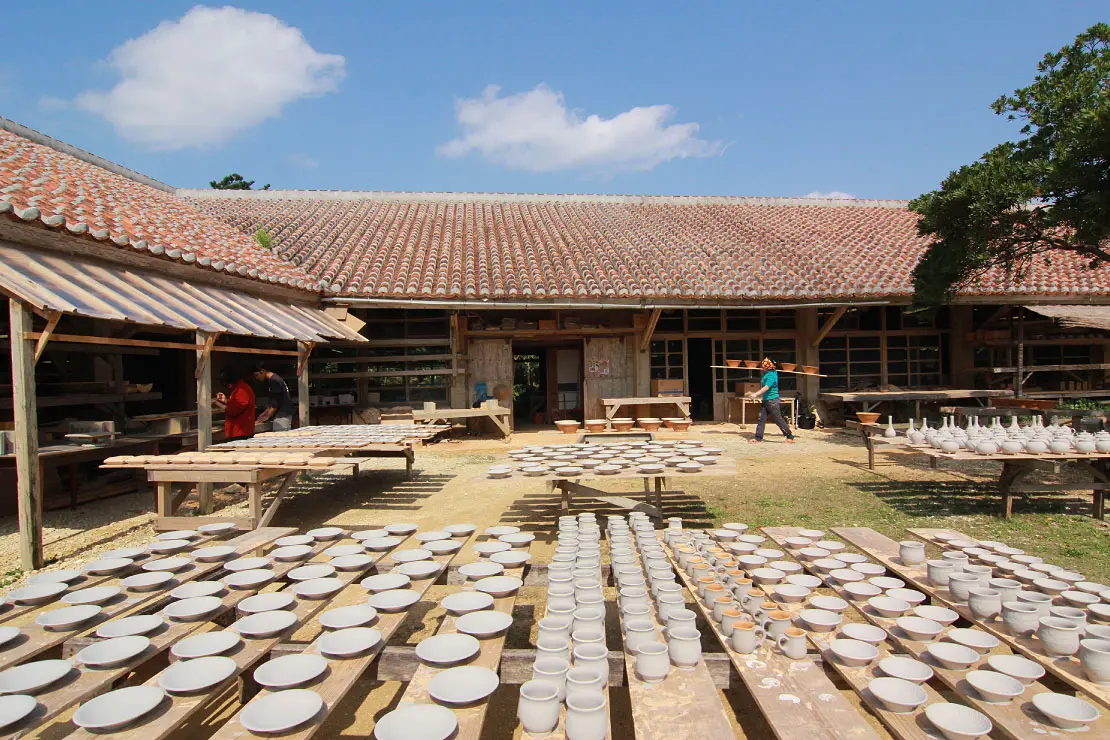
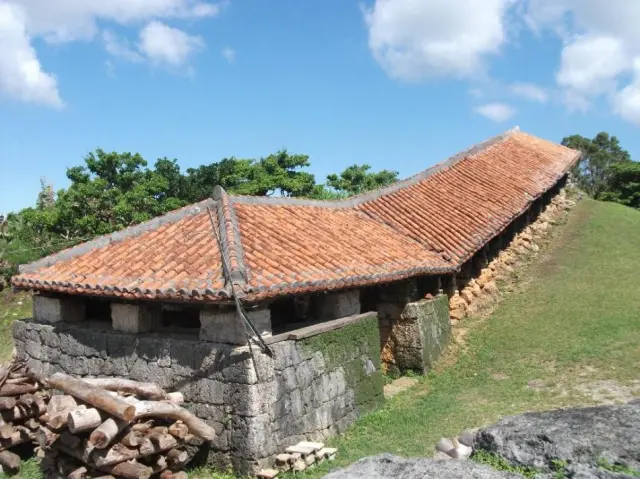
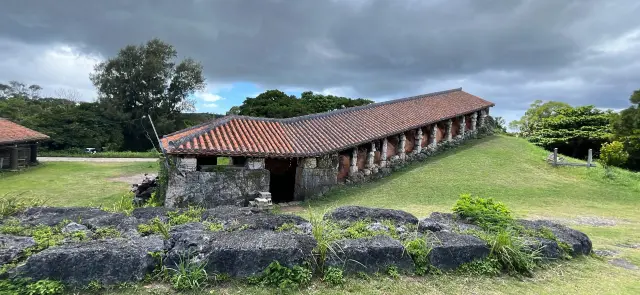
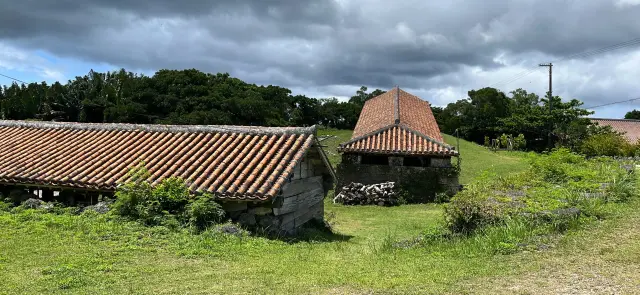
Set amid lush greenery, the village is home to the Yomitanzanyaki Cooperative Kiln, its iconic landmark, which is open for public viewing. The impressive nine-chamber climbing kiln, built into a slope, is a remarkable sight. The galleries attached to each workshop and the cooperative shops offer plenty of time to compare and purchase distinctive pieces handcrafted by local artisans. Please note that the workshops in the village do not offer pottery-making experiences. Instead, this is a place to appreciate pottery, stroll around the grounds, and shop.

Vehicles cannot pass through some parts of the grounds. If arriving by car, visitors are advised to park in the shared parking lot near the entrance and explore on foot. Some workshops also have cafés, and rest areas are available, allowing visitors to take their time amid the greenery while searching for pottery to treasure for a lifetime.

Highlights

  • Okinawa’s leading center for yachimun pottery.
  • The impressive Yomitanzanyaki Cooperative Kiln.
  • Browse pottery while visiting 19 workshops.
  • No hands-on experience programs are available.
  • If arriving by car, park in the shared parking lot and explore on foot.

Photos

  • A major yachimun pottery center with 19 workshops and the impressive Yomitanzanyaki Cooperative climbing kiln

    A major yachimun pottery center with 19 workshops and the impressive Yomitanzanyaki Cooperative climbing kiln

  • Okinawa’s leading center for yachimun pottery

    Okinawa’s leading center for yachimun pottery

  • Admire pottery, stroll around, and shop at the galleries and cooperative shops

    Admire pottery, stroll around, and shop at the galleries and cooperative shops

Official FAQs

Frequently Asked Questions have been vetted and answered directly by each listing.

Q

Are foreign-language brochures or information signs available? If so, which languages are supported?

A

No.

Q

Is free Wi-Fi available within the area?

A

No.

Q

Are coin-operated lockers available?

A

No.

Q

Is there a designated smoking area?

A

No.

Q

Are there any nearby sightseeing attractions?

A

The Zakimi Castle Ruins, a World Heritage Site, are about a 7-minute drive away.

Reviews

2

Some reviews are AI-translated.

  • 一個漸漸喜歡上慢旅的人
    See More

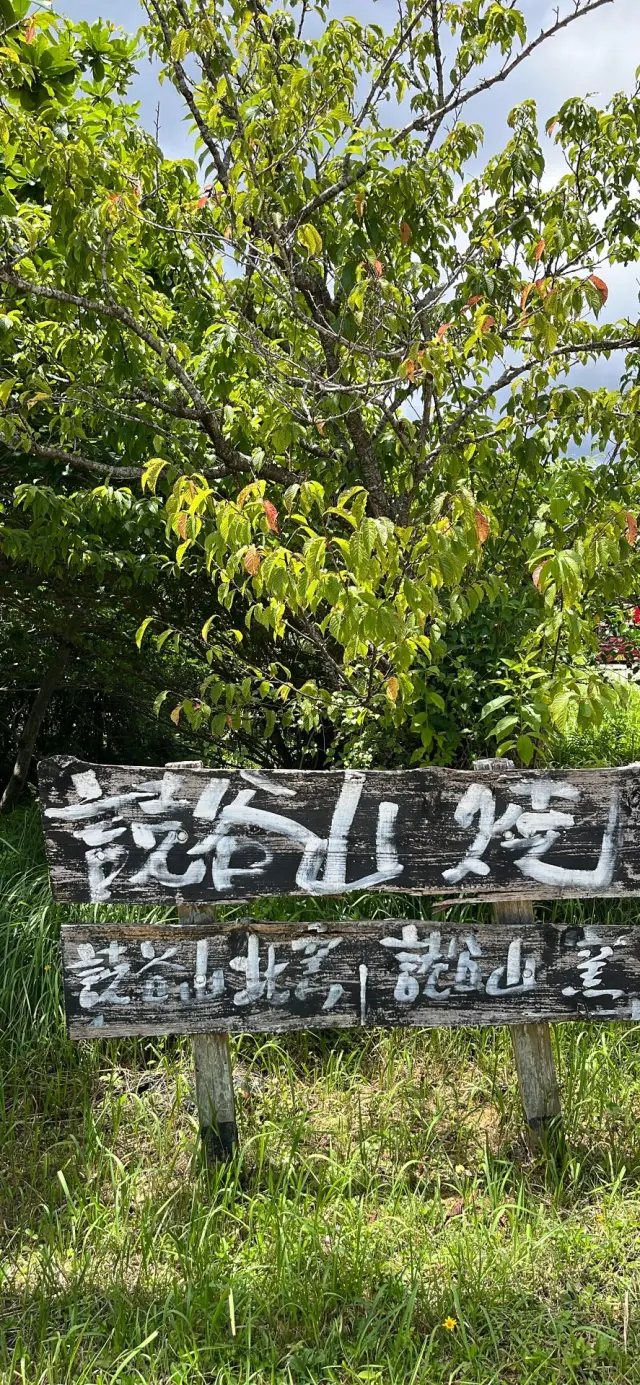
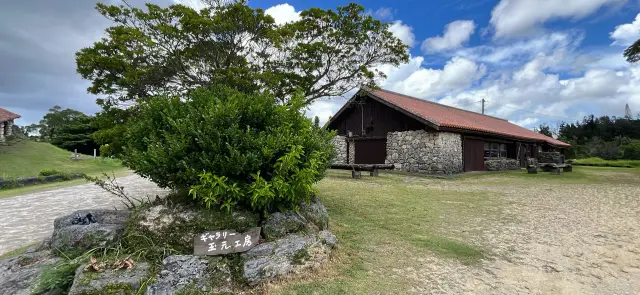
    Before going to Okinawa, I specifically looked through travel guides for places related to pottery that I could visit. At first, I found Tsuboya in the city, but as I learned more, I discovered that the artisans had moved to Yomitan Village because they were concerned about pollution from firing kilns as the city developed. I was very interested in this history and wanted to see the place for myself. The entire village is filled with potters and all kinds of different works. When I arrived in Yomitan Village in Okinawa and parked the car, I couldn’t take my eyes off everything around me. Distinctive shops are scattered throughout the hills, creating a village filled with the warmth of handmade crafts. After entering the grounds, I saw a handwritten wooden sign for “Yuntanzayaki.” I walked along the lush green path, and the most eye-catching sight was the traditional red-tiled climbing kiln built into the hillside. Firewood was neatly stacked beside it, and just standing outside, I could imagine the impressive scene when the kiln was being fired.
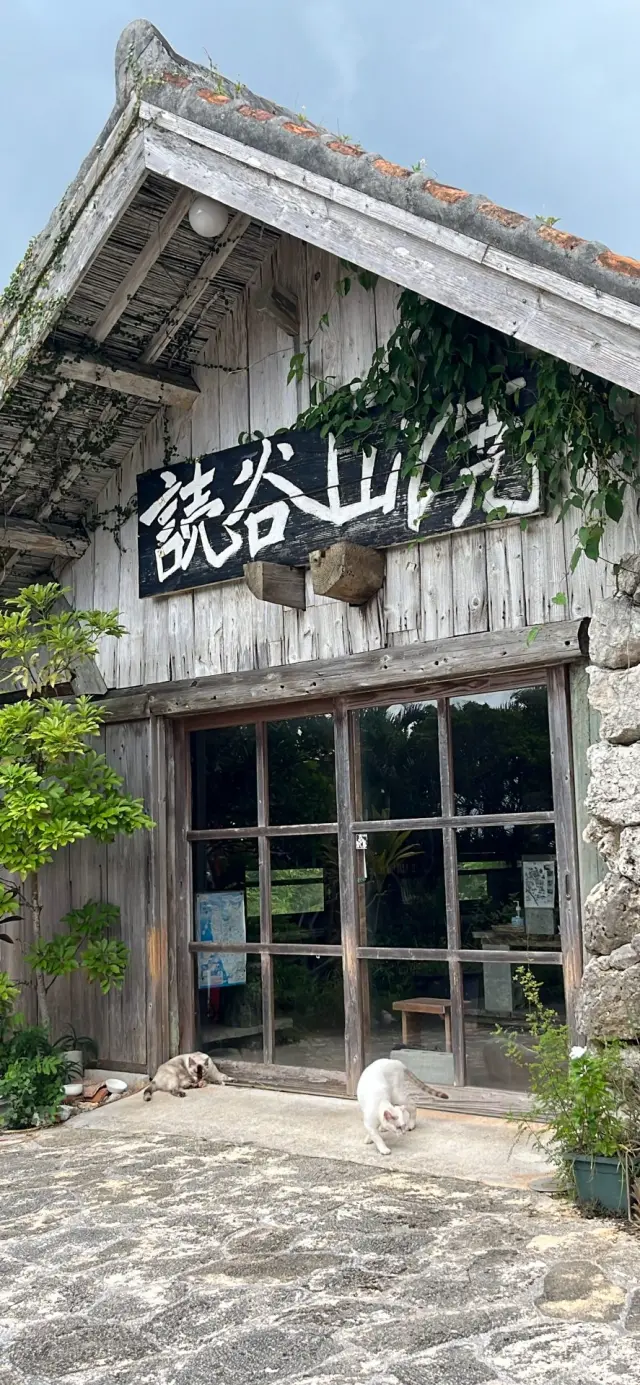
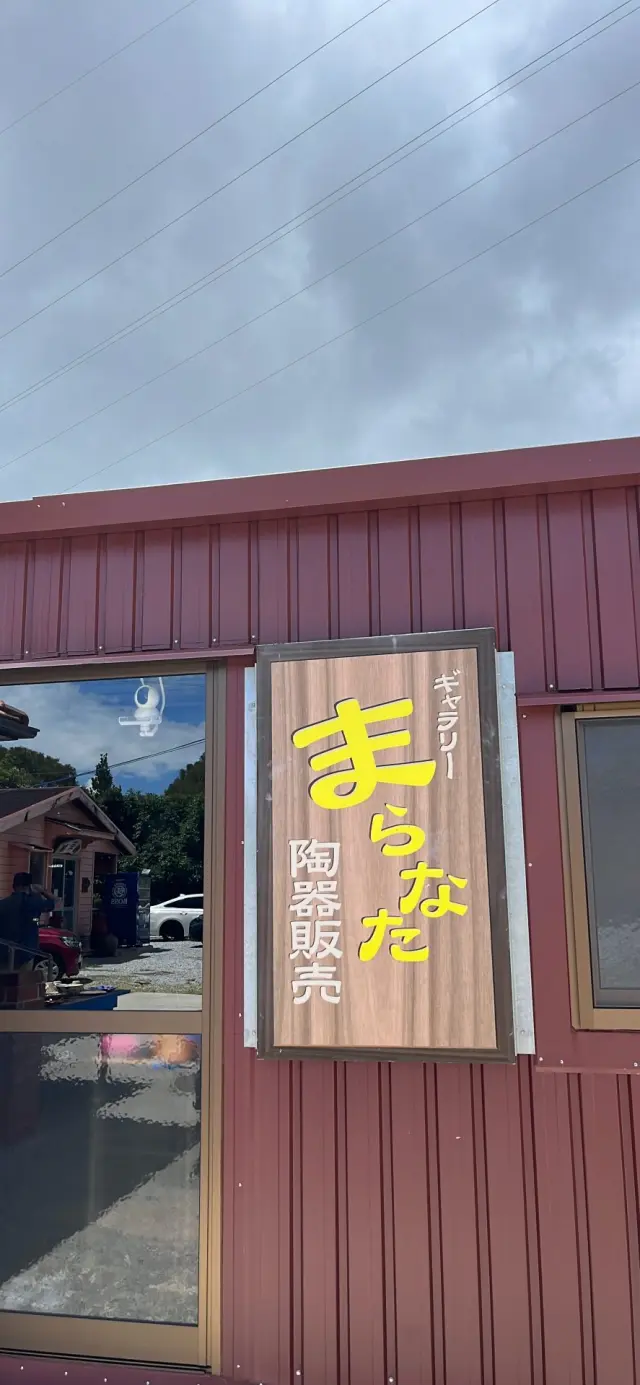
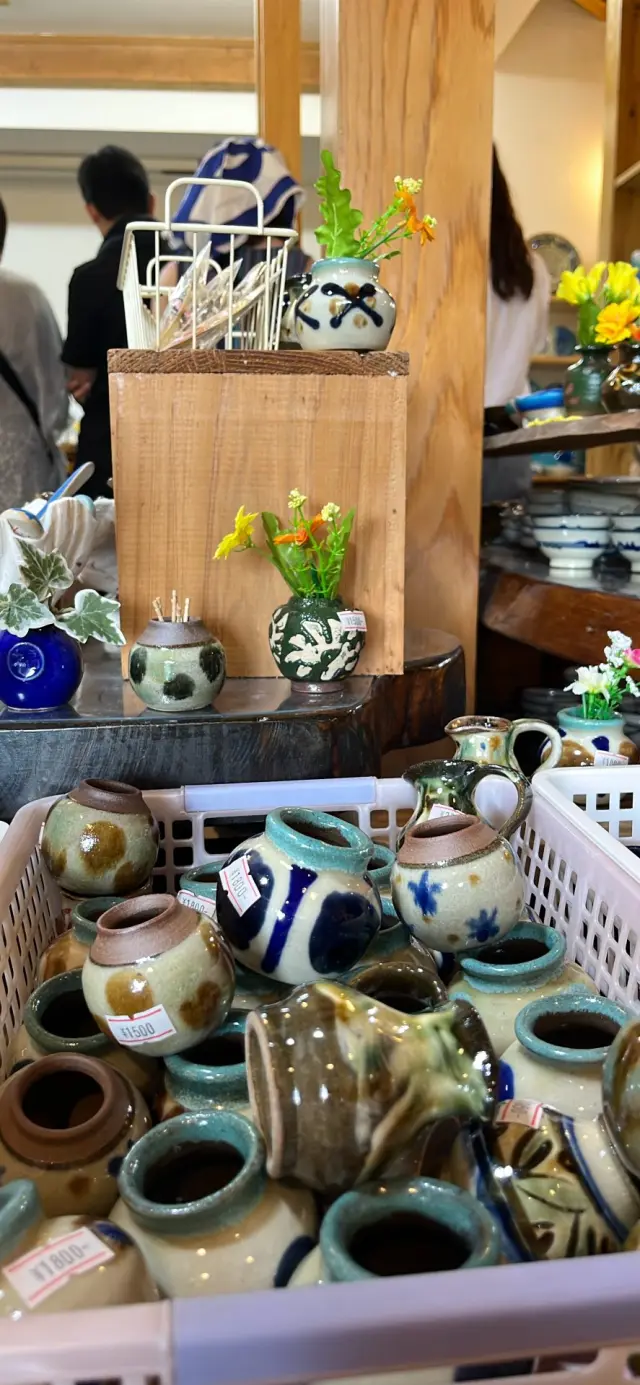
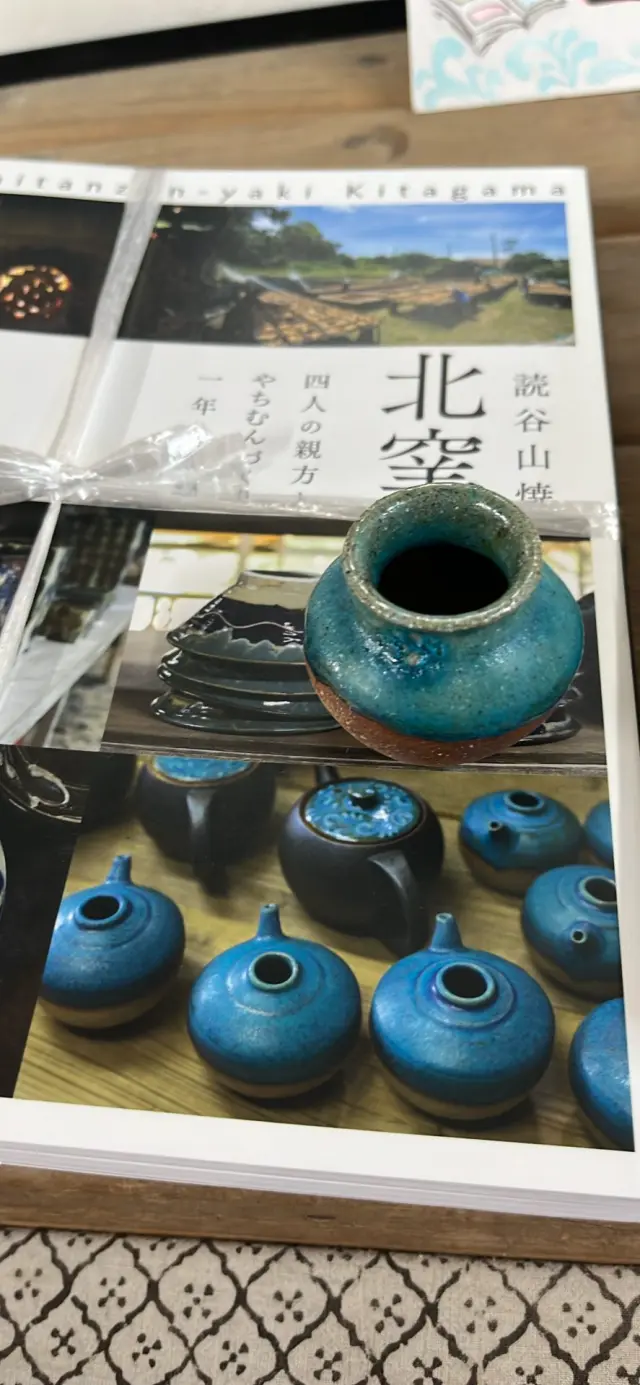
    Many pottery workshops with their own distinctive styles are gathered here, including workshops with traditional red-tiled roofs and coral stone walls, as well as small shops with outdoor wooden tables covered with painted bowls, plates, and cute shisa figures. I enjoyed browsing so much that I didn’t want to leave at all. One small shop also had a booklet introducing “Yuntanzayaki Kitagama.” Looking at the pottery jars with soothing blue-green glazes reminiscent of the Okinawan sea, each piece felt substantial and warm. I couldn’t resist choosing a small vase as a memory of Okinawa. After walking around until I got tired, I followed the red-tiled stone steps into Mori no Chaya, hidden among the trees, where I enjoyed their specialty shaved ice and petted the cats. This is a great place to slow down and hunt for treasures. Even the village cats were leisurely sunbathing. I was reluctant to leave, and if I have the chance to visit Okinawa again, I’ll come back to this village.

  • 屈逍遙
    See More

    The entire pottery village retains a simple, natural feel. Walking around doesn't feel like browsing an ordinary shopping mall, but more like strolling through a small Okinawan village. Looking at the workshops and pottery along the way really gives you the feeling of traveling.

Details

Name in Japanese
やちむんの里
Postal Code
904-0301
Address
2653-1 Zakimi, Yomitan Village, Nakagami District, Okinawa Prefecture
Phone
098-958-6494 (Yomitan Village Tourism Association)
Closed on
Varies by workshop
Hours
Varies by workshop
Access
1) From Asahibashi/Naha Bus Terminal, take a Ryukyu Bus for 90 minutes, get off at the Oyashi Iriguchi bus stop, and walk 15 minutes
2) 25 minutes by car from Okinawa-kita IC on the Okinawa Expressway
Credit Cards
Varies by workshop
Official website
Official website (Japanese)
Hokkaido Tohoku Kanto Chubu Hokuriku Kansai Chugoku Shikoku Kyushu Okinawa