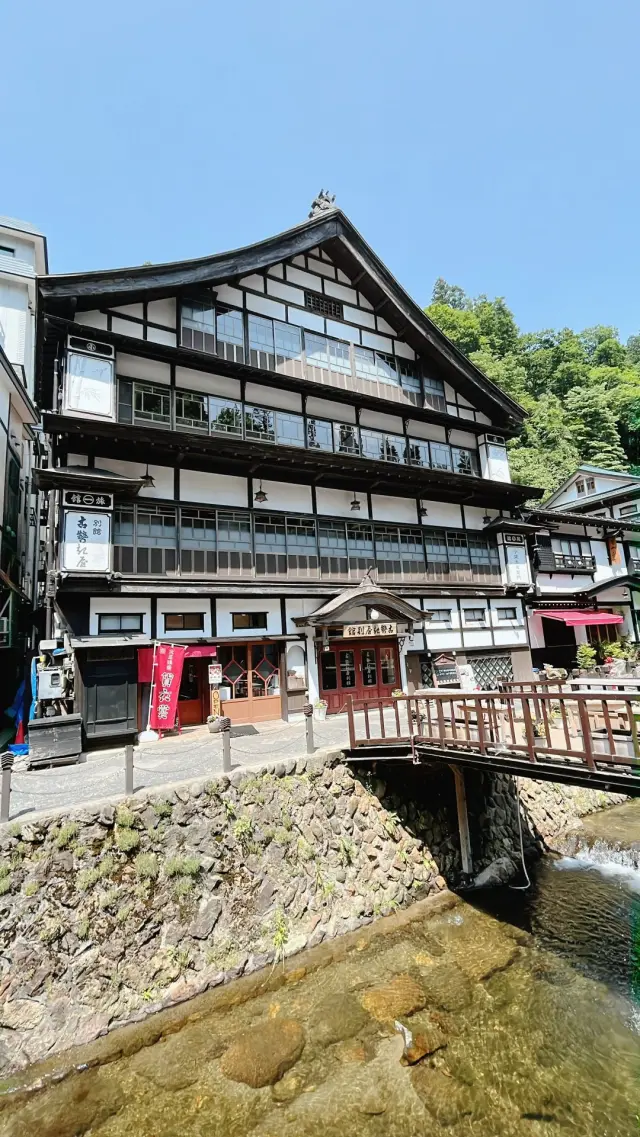
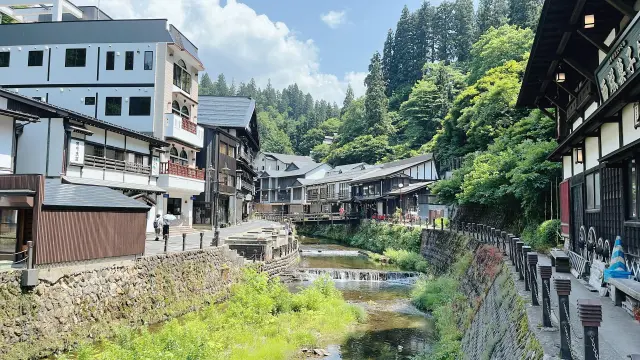
On this visit to Ginzan Onsen in Yamagata Prefecture, I didn’t have the chance to stay here overnight, but simply strolling along the Ginzan River and admiring the historic buildings on its banks was already very satisfying. Besides Notoya, what caught my eye was this four-story Kosekiya Annex in the middle of the hot spring town.
The exterior is filled with Taisho Romantic style, with white plaster walls, dark wooden beams, and rows of vintage wood-framed glass windows. Against the blue summer sky and the lush green mountains, it looks especially impressive. If you look closely at the white lightbox signs on the corners of the second and third floors, you can still see the name of the founder, “Koseki Kichizaemon.” After looking it up, I learned that this is where the historic Kosekiya name came from.
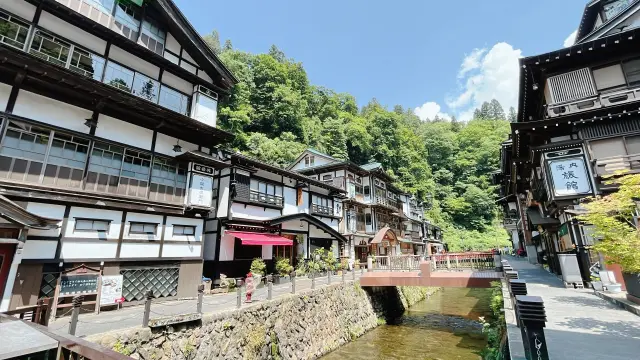
Standing on the stone bridge by the river and looking at this century-old wooden ryokan, with the equally classic Izu no Hana next door and Notoya Ryokan across the river, even just passing by and taking photos makes you feel as if you’ve instantly traveled back to the Taisho era. So this is what people mean by Taisho Romance. I really enjoy taking the time to appreciate the beauty of Japanese architecture like this.
Kosekiya Annex | Review by 一個漸漸喜歡上慢旅的人
Other Reviews by 一個漸漸喜歡上慢旅的人
-
Atsuta nagAya
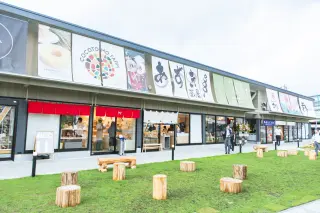
A commercial complex located right by the west exit of Meitetsu Jingumae Station, the gateway to Atsuta, an area that has welcomed countless travelers and built its history as a post town along the Tokaido. Based on the concept of being a place where visitors can appreciate and rediscover charm passed down through the local community, it features long-established local businesses, restaurants serving Nagoya’s signature regional dishes, and shops where you can discover the area's appeal, including lesser-known specialty products from the Tokai region.
After visiting the solemn and peaceful Atsuta Jingu, don’t forget to stop by Atsuta nagAya next to the west exit of Meitetsu Jingumae Station on your way back to catch the train. It’s filled with all kinds of rice crackers and delicate wagashi, and you can find nearly all the popular souvenirs from across the Chubu region in one place. They even sell seasonal steamed chestnut cakes from Ena Kawakamiya, which was a wonderful surprise. If you get tired or hungry while shopping, you can sit down and enjoy some piping-hot local Nagoya dishes there as well.
The best part is that it’s right next to the station. After eating, drinking, and buying everything you want, you can turn around and head straight into the station to catch the train back to your hotel. It makes the whole itinerary easy and seamless, letting you take care of everything in one place. It’s a good option.
-
-
Yachimun no Sato
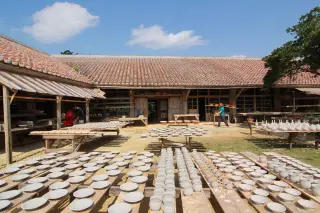
A traditional pottery village in Yomitan Village in central Okinawa, home to 19 workshops. Yachimun is the Okinawan word for pottery, a traditional craft characterized by earthy colors, substantial forms, and bold painted designs. Pottery production flourished in Yomitan after Jiro Kinjo, a potter designated a Living National Treasure, moved his kiln there from Naha. Today, the village is known as Okinawa’s leading center for yachimun pottery.
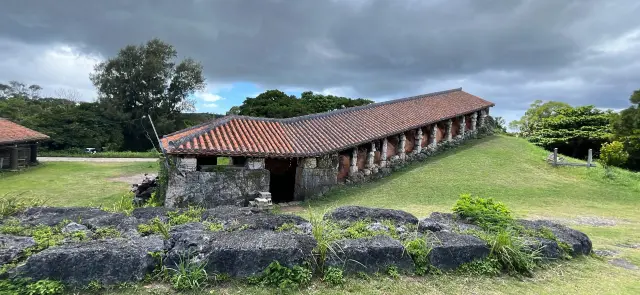
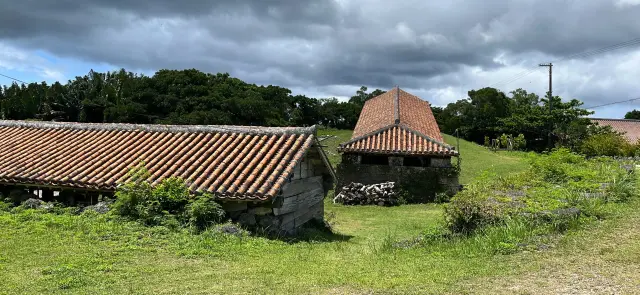
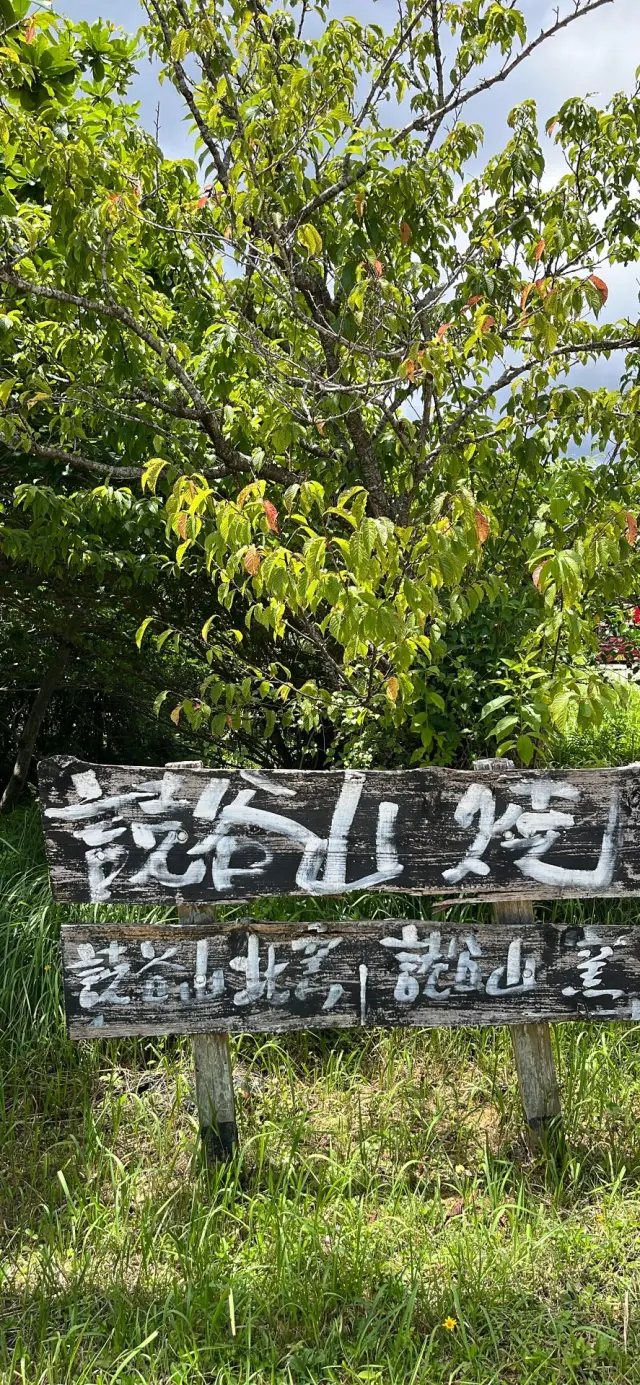
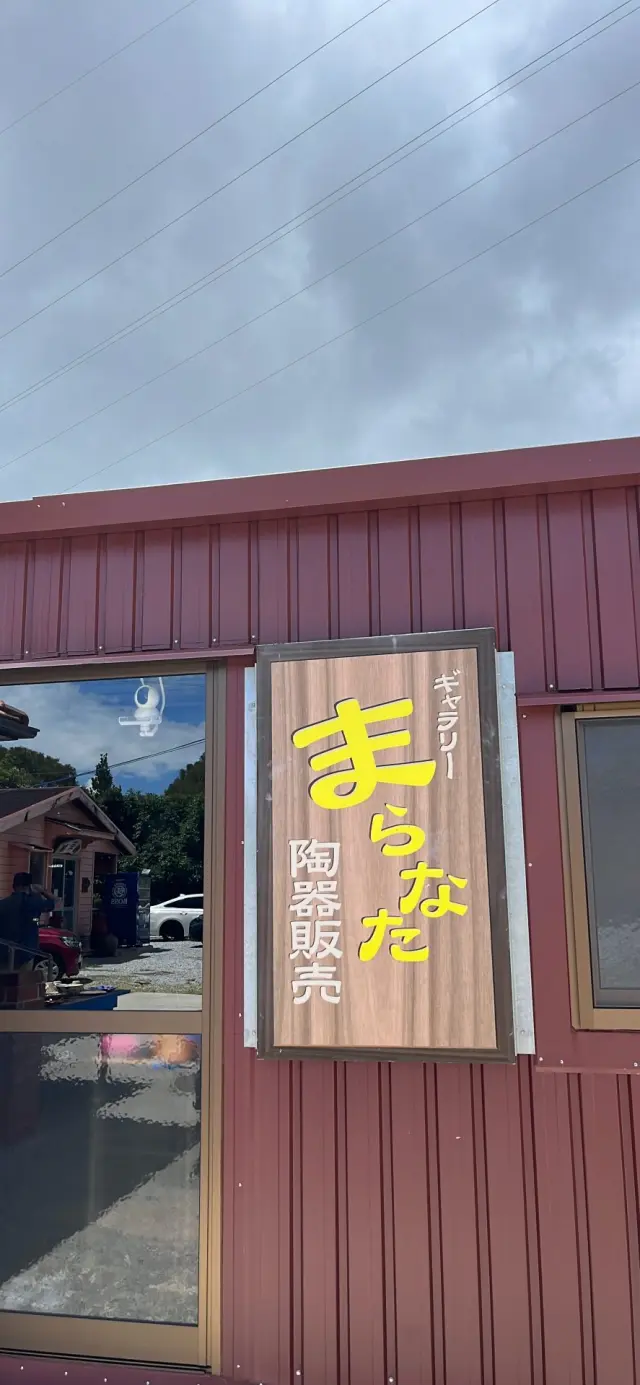
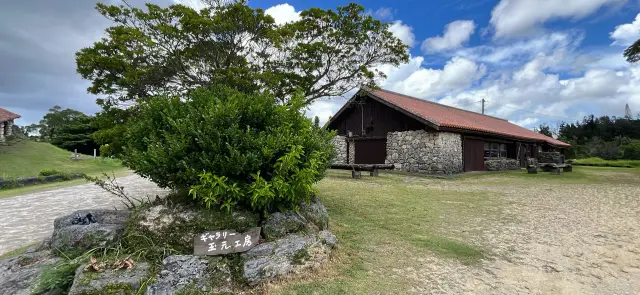
Before going to Okinawa, I specifically looked through travel guides for places related to pottery that I could visit. At first, I found Tsuboya in the city, but as I learned more, I discovered that the artisans had moved to Yomitan Village because they were concerned about pollution from firing kilns as the city developed. I was very interested in this history and wanted to see the place for myself. The entire village is filled with potters and all kinds of different works. When I arrived in Yomitan Village in Okinawa and parked the car, I couldn’t take my eyes off everything around me. Distinctive shops are scattered throughout the hills, creating a village filled with the warmth of handmade crafts. After entering the grounds, I saw a handwritten wooden sign for “Yuntanzayaki.” I walked along the lush green path, and the most eye-catching sight was the traditional red-tiled climbing kiln built into the hillside. Firewood was neatly stacked beside it, and just standing outside, I could imagine the impressive scene when the kiln was being fired.
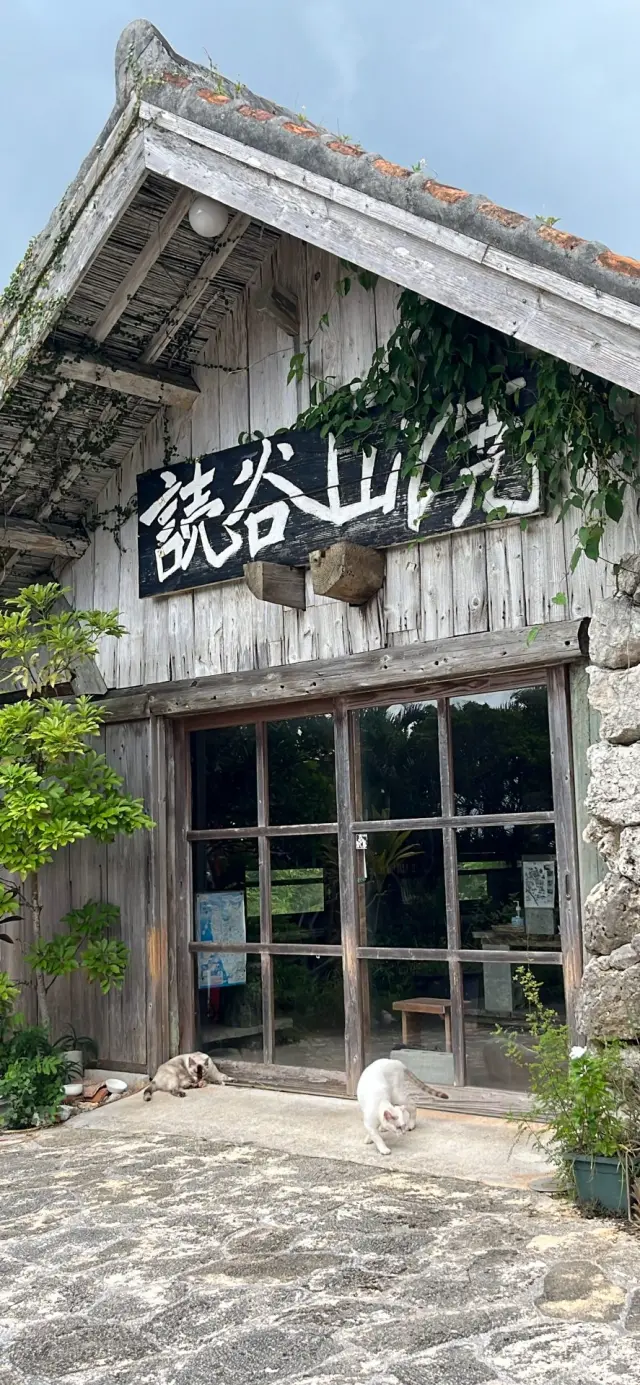
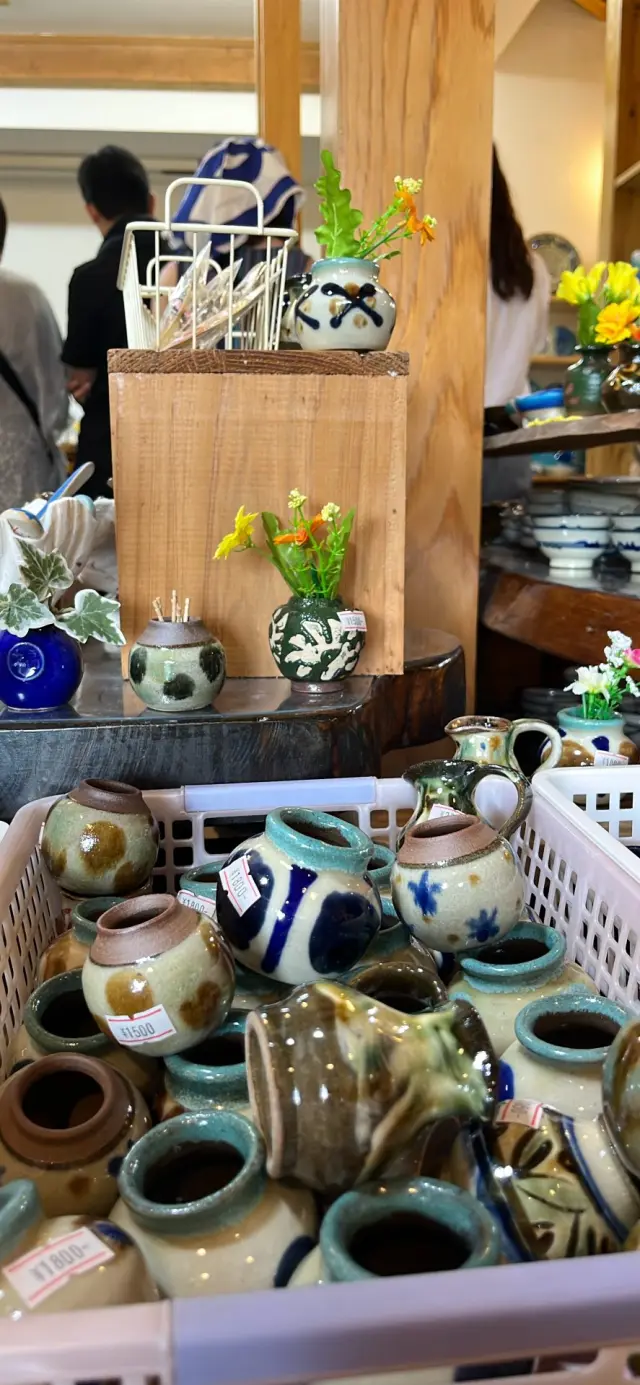
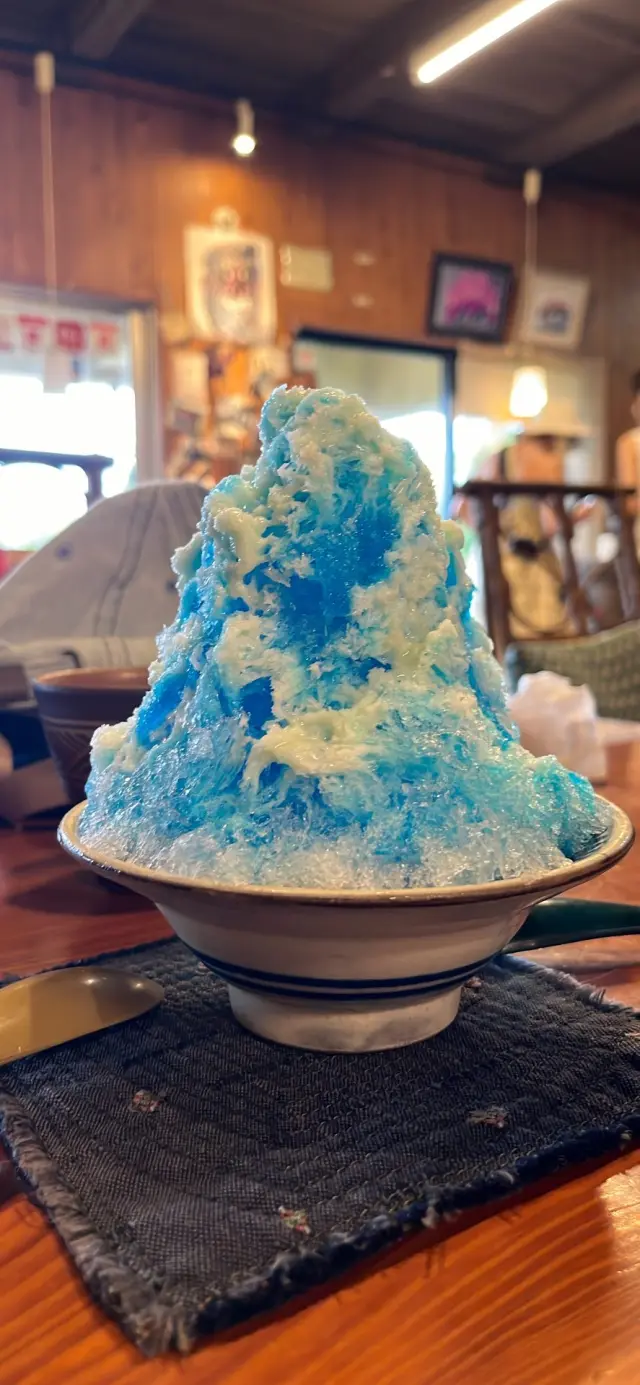
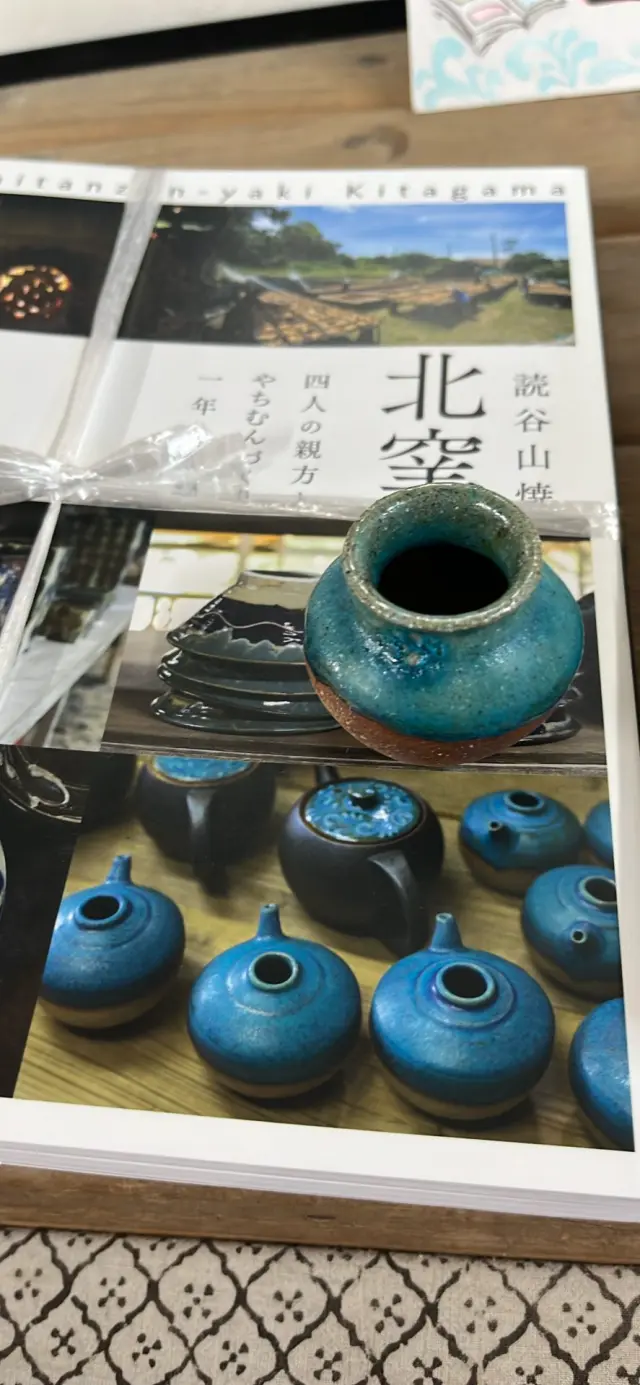
Many pottery workshops with their own distinctive styles are gathered here, including workshops with traditional red-tiled roofs and coral stone walls, as well as small shops with outdoor wooden tables covered with painted bowls, plates, and cute shisa figures. I enjoyed browsing so much that I didn’t want to leave at all. One small shop also had a booklet introducing “Yuntanzayaki Kitagama.” Looking at the pottery jars with soothing blue-green glazes reminiscent of the Okinawan sea, each piece felt substantial and warm. I couldn’t resist choosing a small vase as a memory of Okinawa. After walking around until I got tired, I followed the red-tiled stone steps into Mori no Chaya, hidden among the trees, where I enjoyed their specialty shaved ice and petted the cats. This is a great place to slow down and hunt for treasures. Even the village cats were leisurely sunbathing. I was reluctant to leave, and if I have the chance to visit Okinawa again, I’ll come back to this village. -
-
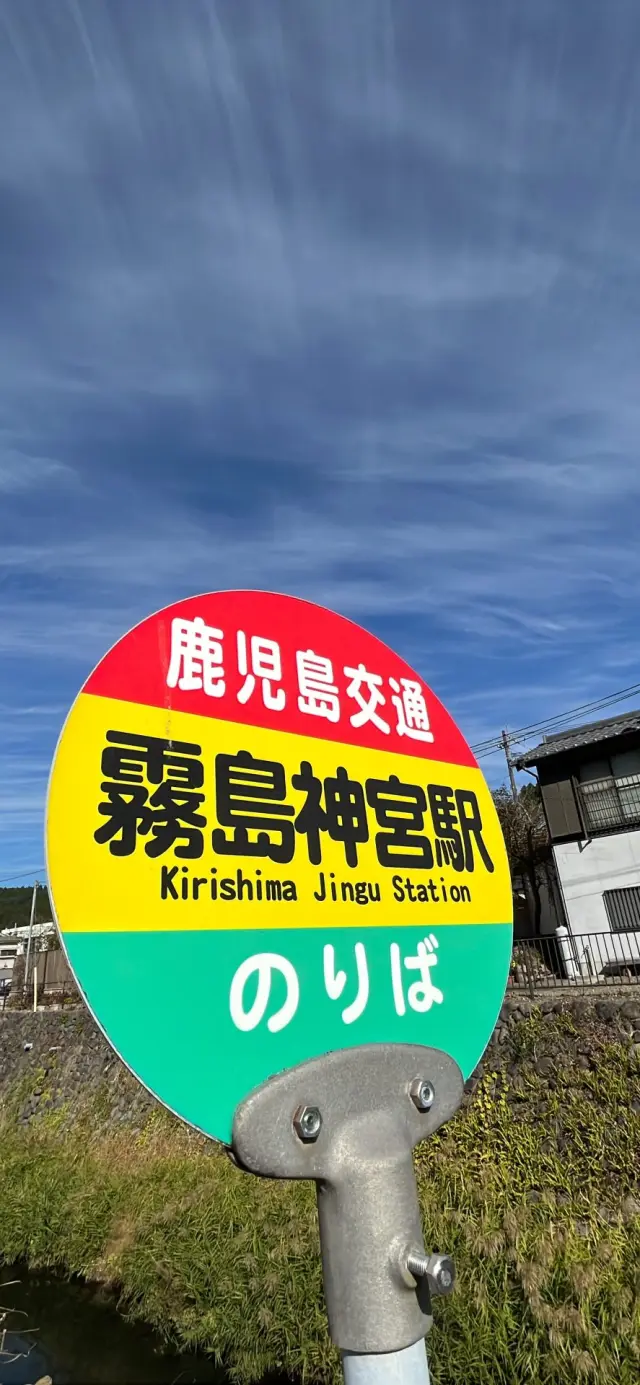
Kirishima-Jingu Station
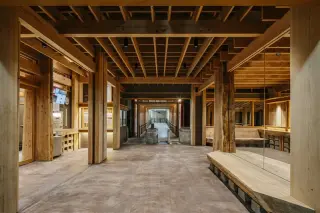
Kirishima-Jingu Station is the closest station to Kirishima Shrine, which is designated as an Important Cultural Property of Japan. The station was newly renovated and reopened on March 22, 2024, using nearly 100% locally sourced cedar wood from Kagoshima Prefecture. Inspired by the surrounding forests near Kirishima Shrine, the station building features a symbolic “sacred tree” standing 4 meters tall, cut from the experimental forest of Kagoshima University’s Faculty of Agriculture. The result is a warm, tranquil atmosphere filled with the scent of wood.
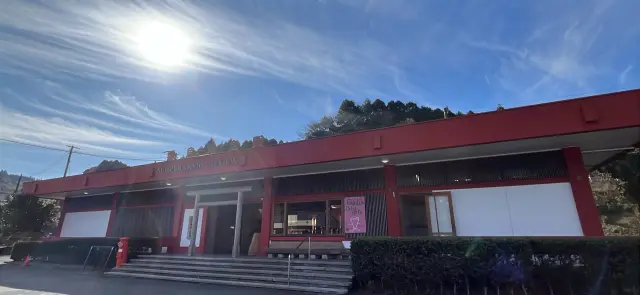
To visit Kirishima Shrine, I took the JR train from Miyazaki and arrived in Kagoshima. As soon as I stepped out of Kirishima-Jingu Station, its distinctive vermilion design immediately caught my eye. Even before visiting the shrine, I could already feel its strong atmosphere. The station first opened in 1930 and was recently renovated. It retains its classic shrine-inspired colors and now houses several small shops, including a French savory crepe shop and stores selling handmade goods, giving the old station a much more artsy feel.
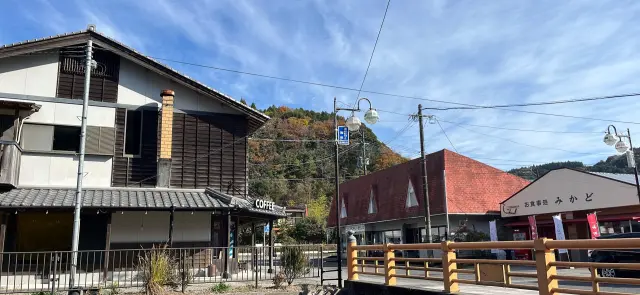
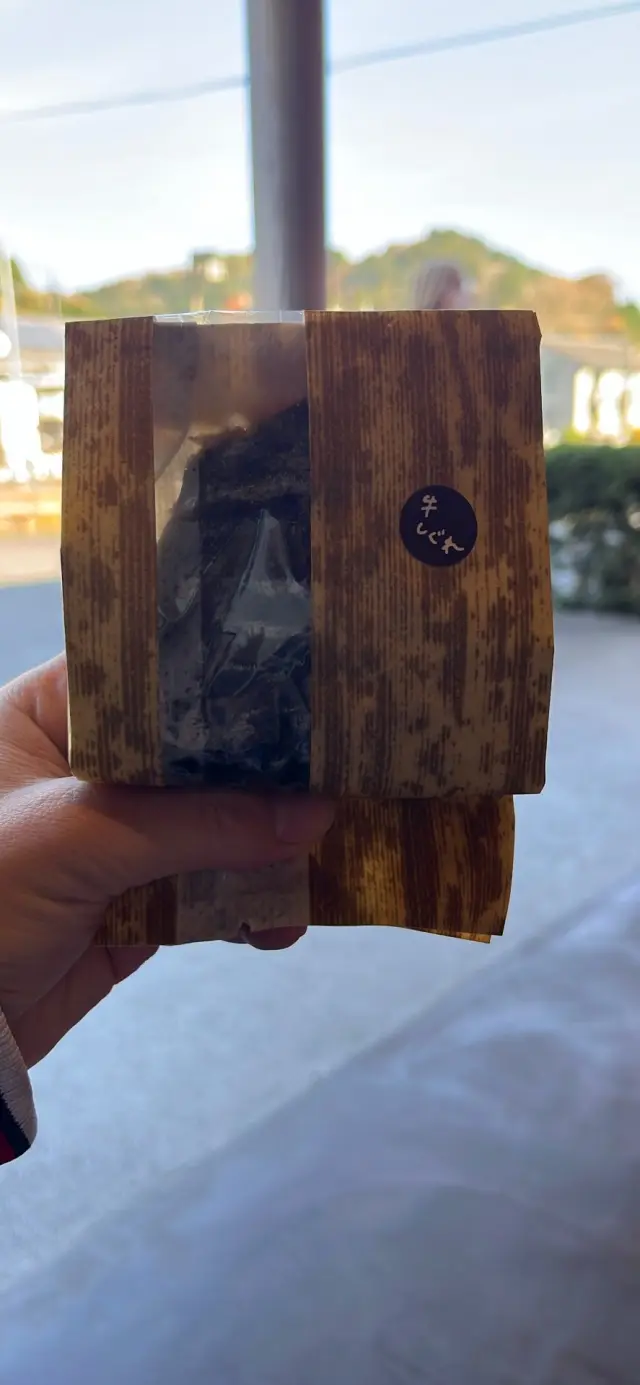
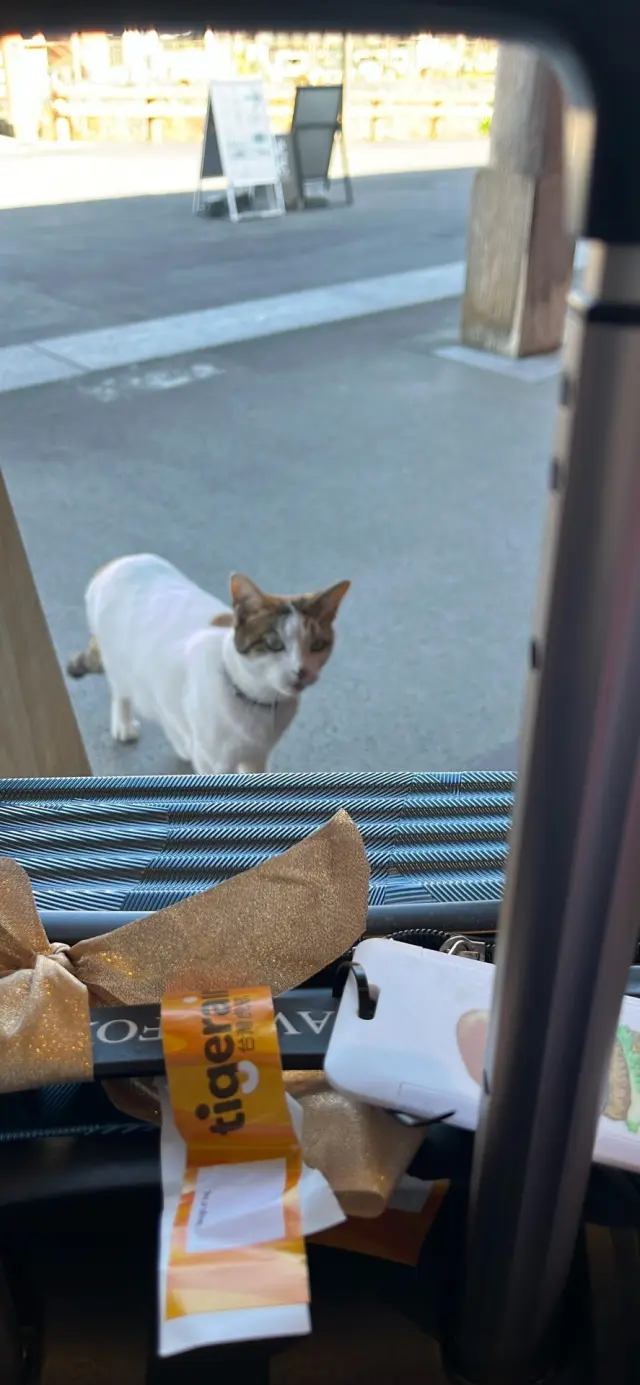
While waiting for the bus up the mountain, I walked outside the station and crossed a small bridge, where I found a simple, peaceful streetscape. I also stopped by Mikado, an old restaurant with a nostalgic Showa-era feel, and got a rice ball wrapped in traditional bamboo leaf to go. I sat inside the station and enjoyed the sunshine and food. The savory-sweet, flavorful beef went perfectly with the plump rice. As I ate in the sunlight in front of the station, even an adorable cat was drawn over, leaving me with a heartwarming local memory from this short trip to Kirishima. -