• See More

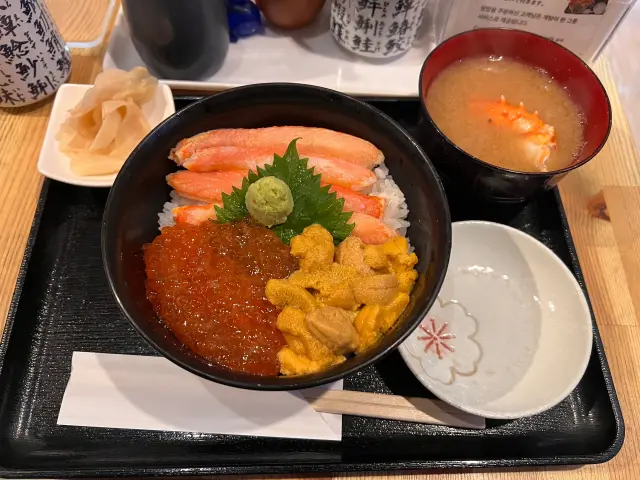
    The heart and culinary highlight of #札幌二條市場 (#NijoMarket): that three-color seafood bowl covered with golden uni, glistening salmon roe, and sweet crabmeat. Just looking at the photo makes your mouth water—the Hokkaido bafun uni or purple uni has none of that alum-like chemical taste, and its rich sweetness melts on your tongue. It truly lives up to the name “gift from the sea.”

    This “kitchen of Sapporo”
    1. History and local character: a century of unchanged Showa-era warmth
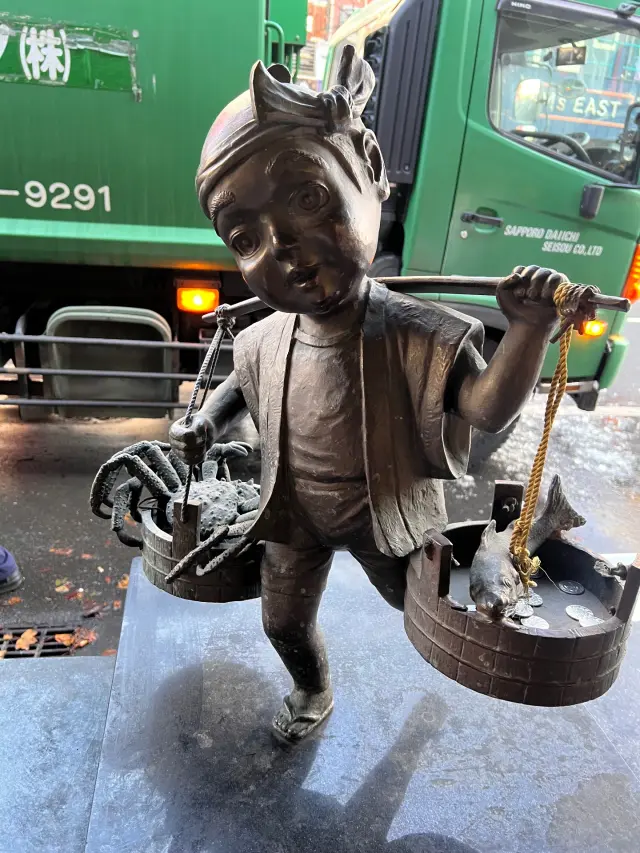
    Nijo Market originated in the early Meiji period, when fishermen from Ishikari Beach began setting up stalls along the Sosei River to sell fresh fish. After more than a century of changes, it has become the most iconic traditional seafood market in central Sapporo.
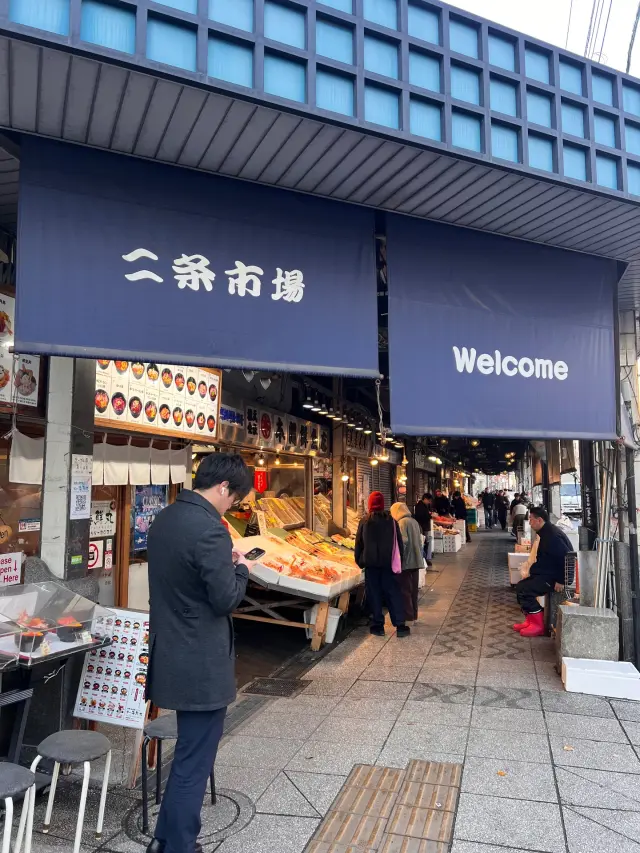
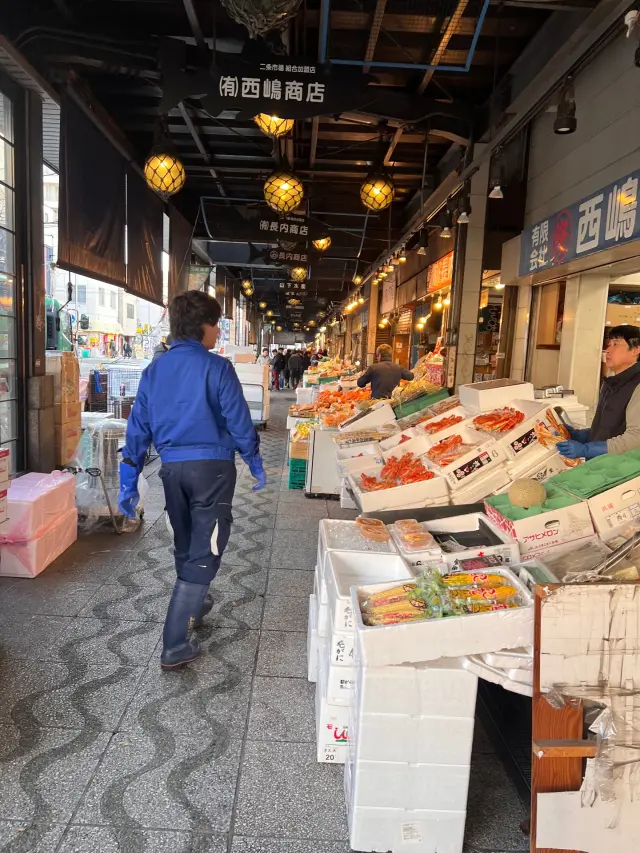
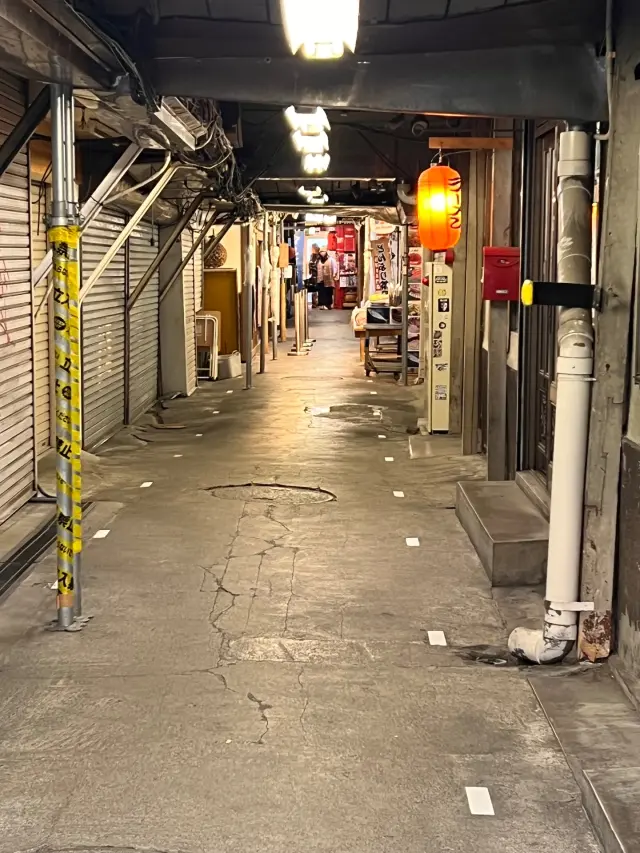
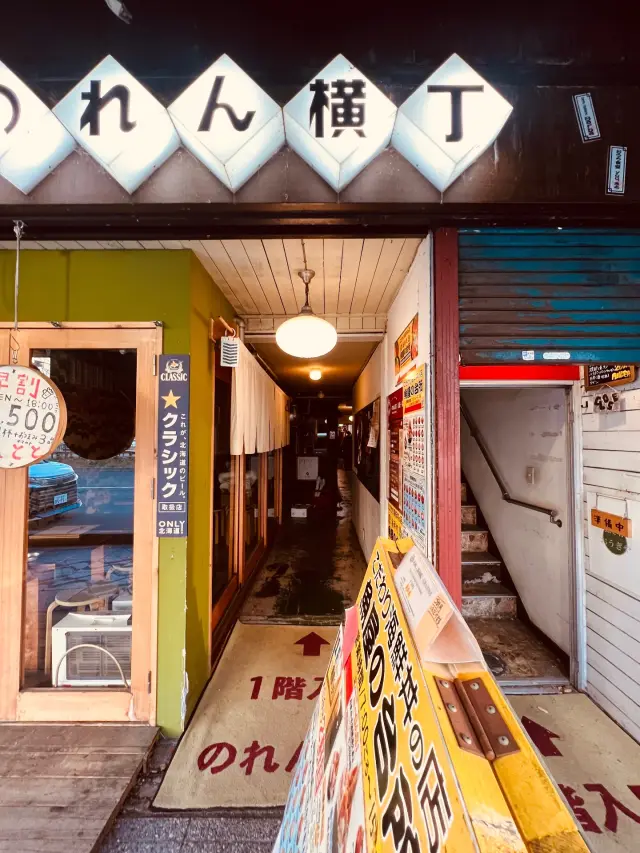
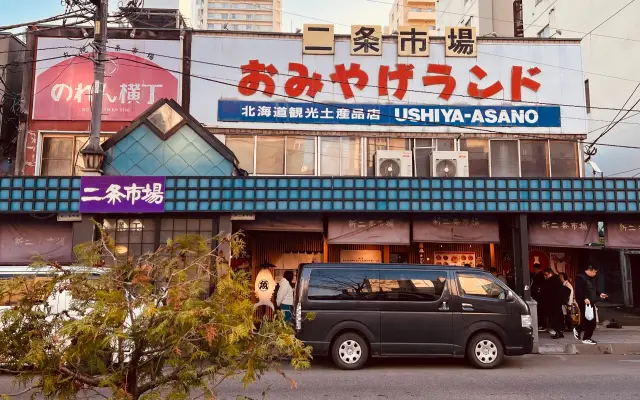
    * Retro streets and alleys: You can see the iconic blue-green checkered awnings and the “Shin Nijo Market” sign, all filled with a nostalgic Showa-era atmosphere. Step into the market’s narrow alley, “#のれん横丁(暖簾橫丁),” where the crisscrossing overhead pipes, dim yellow lighting, and red lanterns perfectly preserve the lively, down-to-earth feel of an old-fashioned market.
    * A treasure trove of souvenirs and dried goods: The market has souvenir shops such as “#おみやげランド( USHIYA-ASANO),” as well as traditional seafood vendors along the street like “株式会社 海鮮 山幸.” Styrofoam boxes out front are neatly filled with impressive king crabs (#タラバガニ), #毛蟹, and boxes of tempting golden fresh uni and scallops, giving you an immediate sense of Hokkaido’s abundant seafood.

    2. The star of the show: market food through the camera lens
    Nijo Market’s biggest appeal is the freshness of seafood delivered “straight from the source to the table,” and it is already bustling at breakfast time:
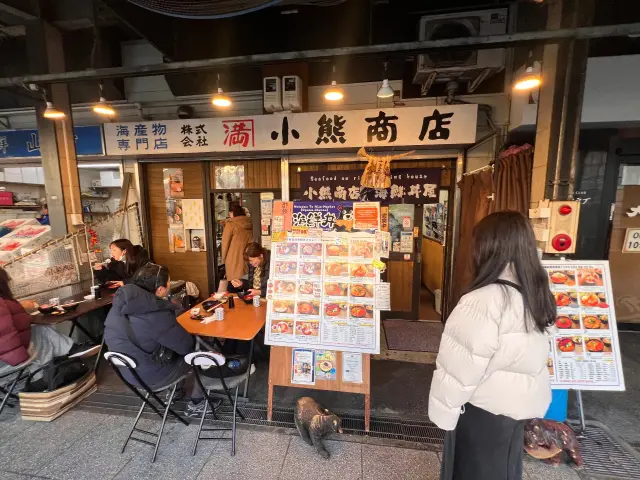
    * The ultimate seafood bowl (#第一海鮮丸): The place visited here, Daiichi Kaisenmaru (#DaiichiKaisenmaru), is a very popular seafood bowl restaurant in the market. The “uni + salmon roe + crabmeat” three-color bowl I ordered was the height of luxury—the distinct grains of savory, salty salmon roe bursting in your mouth, paired with delicate, sweet crab leg meat, followed by a large spoonful of creamy, silky uni with no fishy taste at all. Together with the miso soup served on the side with a whole piece of crab (#鐵砲汁), it makes for the most authentic Sapporo morning ritual.
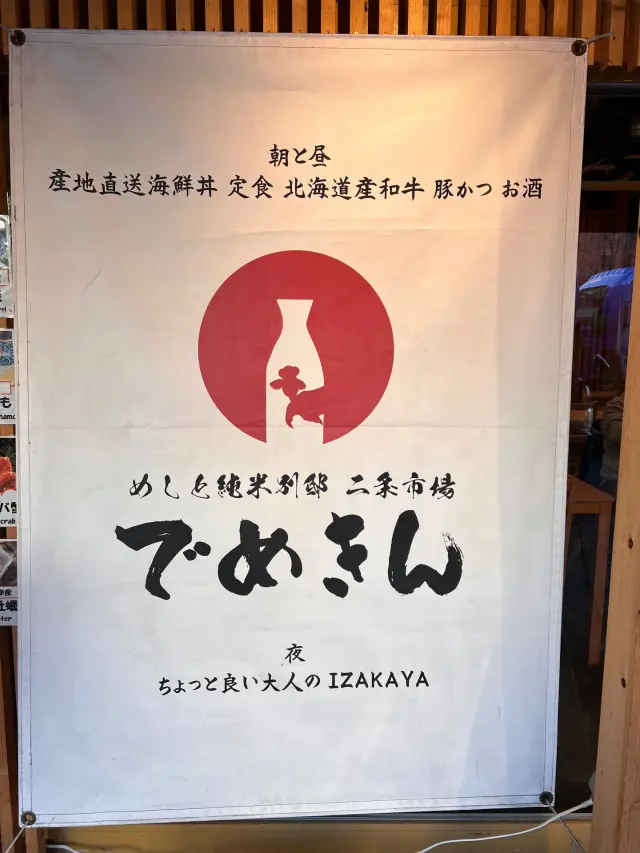
    * A distinctive restaurant and bar that transforms from day to night: The market also has places blending old and new, such as “めしと純米別邸 二条市場 でめきん.” During the day, it serves seafood bowls made with ingredients delivered directly from the source, Hokkaido wagyu, and tonkatsu set meals. At night, it transforms into an “izakaya for adults,” where sipping Japanese sake such as Kakurei offers a different kind of experience.
    3. Practical tips for visiting the market
    * Best time to visit: The market gradually begins opening around 7:00 a.m. Many well-known restaurants, such as Daiichi Kaisenmaru, often have lines during peak dining hours, and some places close or take a break at around 2:00 or 3:00 p.m. (just like the “締切 CLOSED” sign you photographed hanging at the entrance). I recommend visiting between 8:00 and 10:30 a.m. for breakfast or brunch, when the full selection of ingredients is available and the crowds are relatively manageable.
    * Excellent location: It is right in central Sapporo, only about a 3- to 5-minute walk from Odori Park and the Tanukikoji Shopping Street. After eating, you can take a walk to digest your meal and continue shopping along the way.

    * Shipping seafood souvenirs: If you find a whole king crab or boxed uni you like at a seafood vendor such as “海鮮 山幸” or “マルタイ水産,” most shops offer refrigerated delivery within Japan (they can ship directly to your hotel in another Japanese city or to the airport). However, if you plan to take it back to Taiwan, remember to check the entry quarantine regulations for fresh seafood and meat. Dried kombu, scallop snacks, or vacuum-packed processed products are the safest choices.
    On this Sapporo trip, besides the uni bowl, what?
Other Reviews by Norton Liang

  • Morihiko

    Morihiko, widely popular not only in Sapporo but across Hokkaido, began in 1996 as a small coffee shop housed in a wooden cottage tucked away in an alley. Surrounded by seasonal beauty-crocuses in spring, lush ivy in summer, wild grapes in autumn, and snow in winter-Morihiko offers a unique atmosphere for enjoying coffee year-round.

    • Sapporo Station, Odori, Susukino
    • Cafés
    See More

    I recommend it ⭐️⭐️⭐️⭐️⭐️⭐️
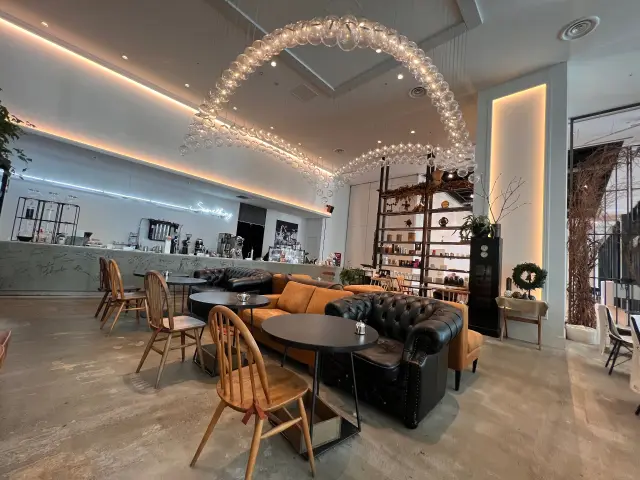
    Located inside #札幌市民交流廣場 (Sapporo Community Plaza) and #札幌文化藝術交流中心 (#SCARTS), #MORIHICO. #藝術劇場店 (MORIHICO. STAY&COFFEE / Art Theater branch) perfectly embodies the brand aesthetic of Hokkaido’s leading specialty coffee company, #森彥(MORIHICO.), blending nature, art, and coffee culture into one.
    This location brings rugged elements of Hokkaido’s natural landscape into a thoroughly modern arts and cultural building. From the interior design to the brand philosophy, there is plenty to see:
    1. Dramatic interior aesthetics: a soaring storefront, a vine-covered iron gate, and cloud-like lighting
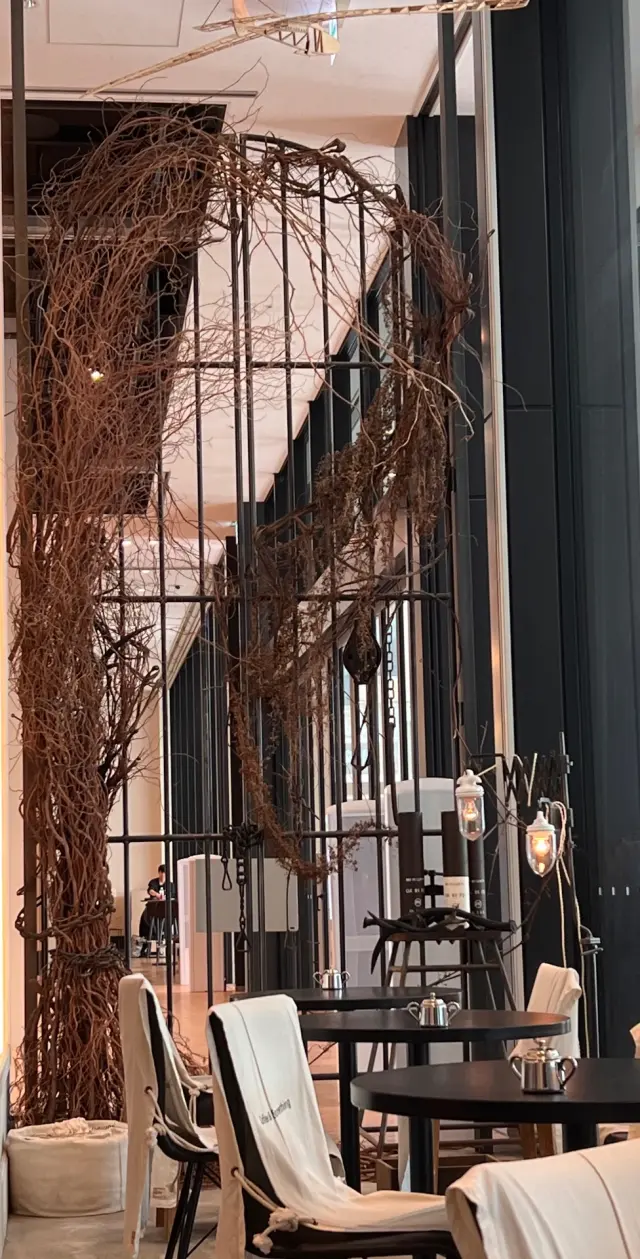
    * Forest-inspired vine gate: The most eye-catching feature at the entrance is the tall arched iron gate with a striking visual presence. Thick black wrought iron is entwined with an abundance of natural dried vines and branches from Hokkaido’s forests, along with vintage pulleys and chains. It looks like an entrance to a hidden forest, creating a strong yet harmonious contrast with the building’s modern design.
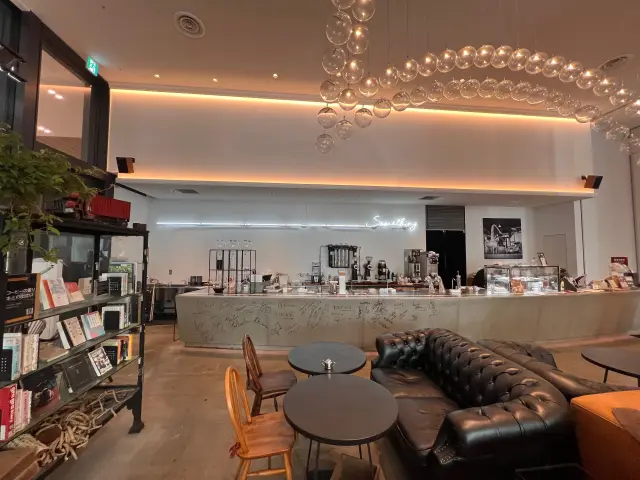
    * An artistic space with high ceilings: The interior has impressively high ceilings and large floor-to-ceiling windows that let in plenty of natural light. A curved art chandelier made of countless transparent glass spheres hangs from the ceiling, resembling a cloud of light or water droplets floating in the air and creating a dreamlike, theatrical atmosphere.
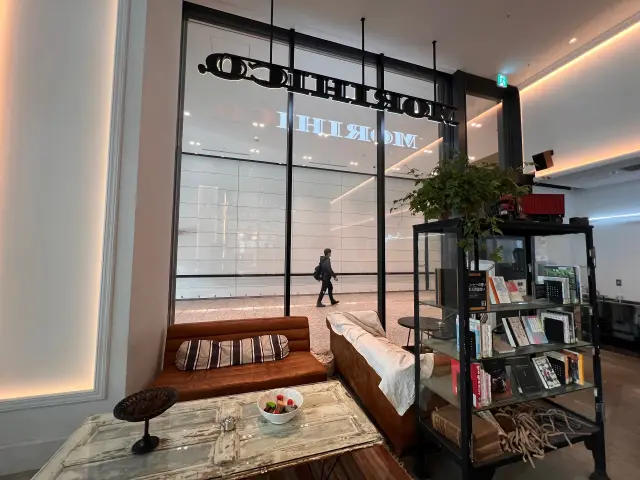
    * Decor blending vintage and modern styles: The seating area mixes dark, classic #切斯特菲爾德 (#Chesterfield) leather sofas, caramel-colored velvet sofas, and warm wooden chairs. Nearby, a floor-to-ceiling metal shelving unit neatly displays the shop’s own roasted coffee beans and merchandise. The top is also decorated with dried vines and vintage mannequin forms, with thoughtful details everywhere.
    2. Artisan-level coffee and seasonal desserts
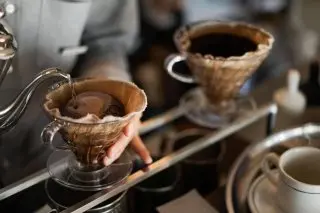
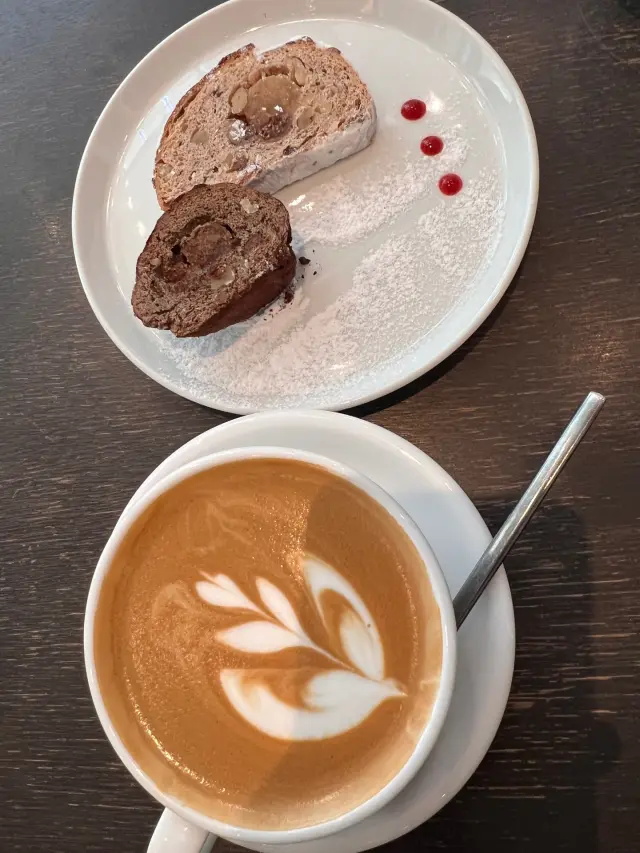
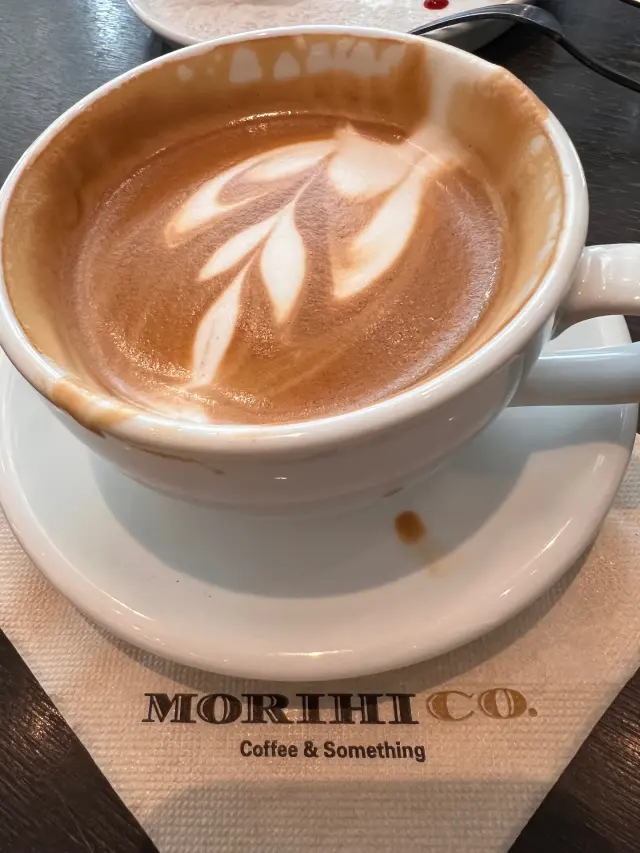
    * Refined coffee craftsmanship: Whether it’s a latte with delicate latte art, velvety foam, and the nutty aroma of a dark roast, or the winter-only “#黑蘭姆酒維也納咖啡(Einspänner with Dark Rum)”—dark-roast black coffee topped with smooth Chantilly cream and cocoa powder, blending the aroma of rum with the full body of the coffee—you can taste MORIHICO.’s dedication to roasting and extraction.
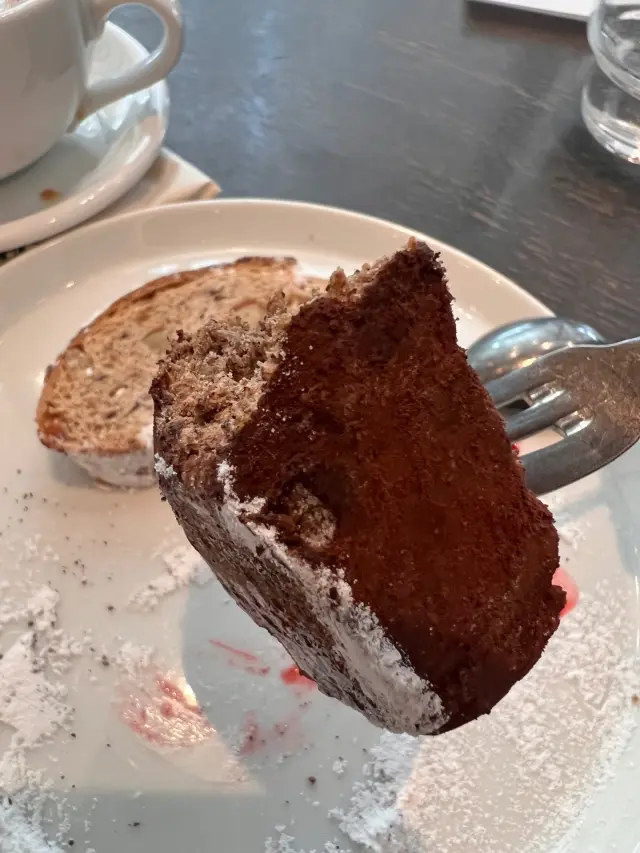
    * Artfully presented desserts with a sense of ceremony: When you order a platter of the traditional German Christmas bread “#史多倫 (#Stollen)” in original and cocoa flavors, the plate is carefully dusted with powdered sugar resembling Hokkaido’s first snowfall and accented with three drops of bright red jam, instantly turning an everyday afternoon tea into a work of art.
    3. A free publication like an art magazine and a commitment to sustainability
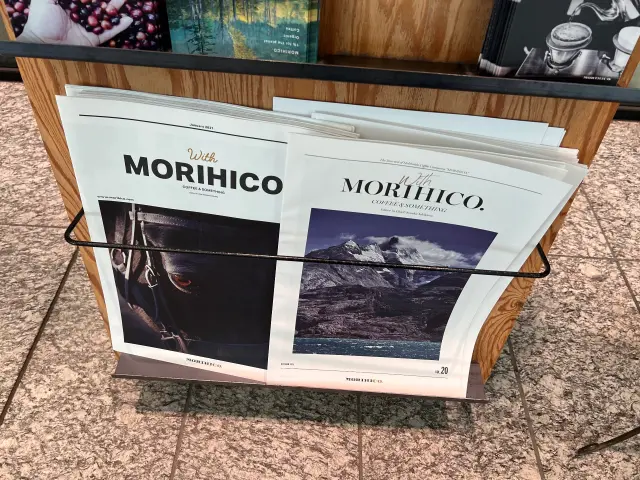
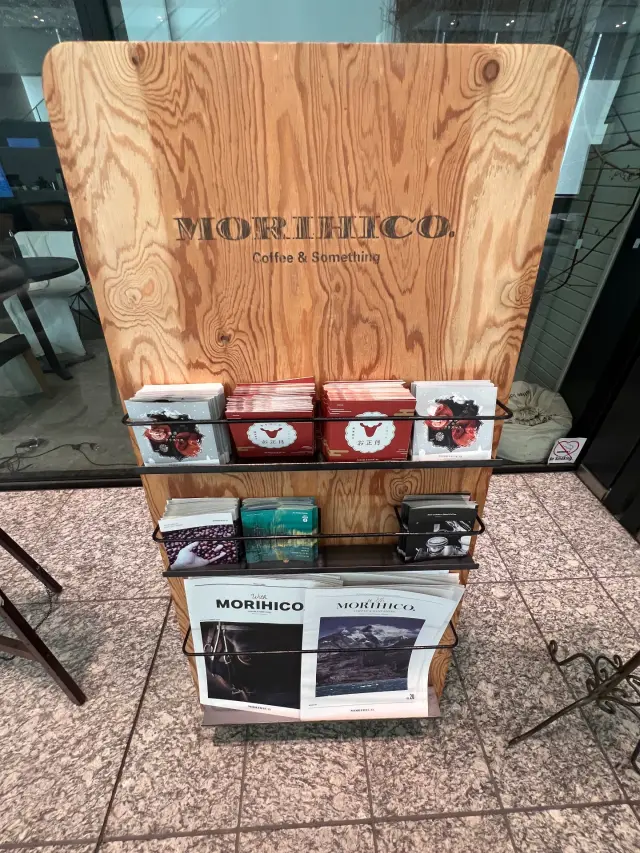
    * The 《With MORIHICO.》 brand publication: The free in-store publication, 《With MORIHICO. COFFEE & SOMETHING》, matches the standards of an independent art magazine in its layout, paper quality, and photography. Its covers often feature natural images such as Hokkaido’s magnificent mountains, snowy landscapes, or horses,
    ⭐️ conveying the message that “#咖啡不僅是飲品,#更是連結人與風土的媒介.”

    * #對北海道大地的熱愛與環境承諾: Above the magazine rack is MORIHICO.’s organic coffee series participating in “1% for the Planet,” which donates a portion of sales to environmental organizations. From the selection of beans and packaging design to the extensive use of natural dried vines and repurposed vintage items throughout the space, you can deeply feel the brand’s commitment to environmental sustainability and its respect and deep affection for the land of Hokkaido.

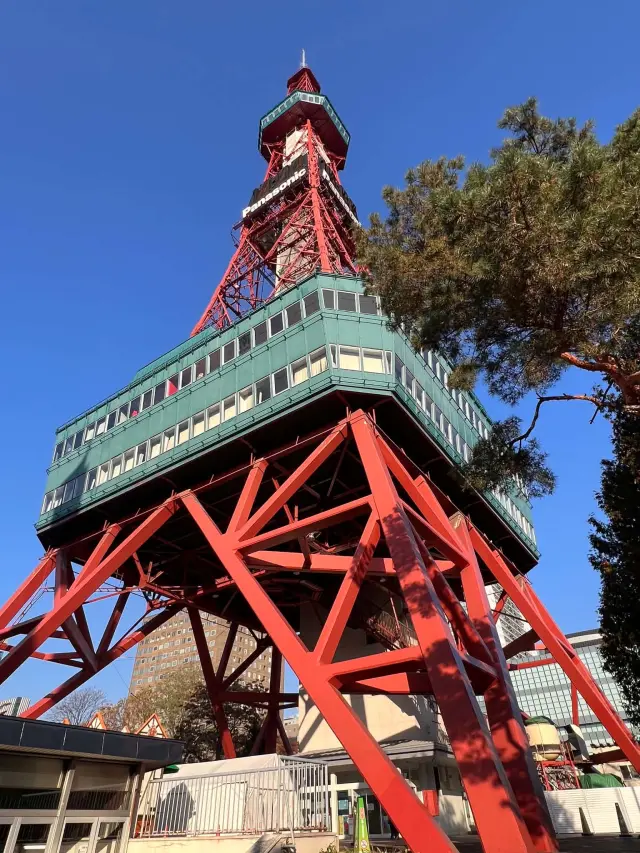
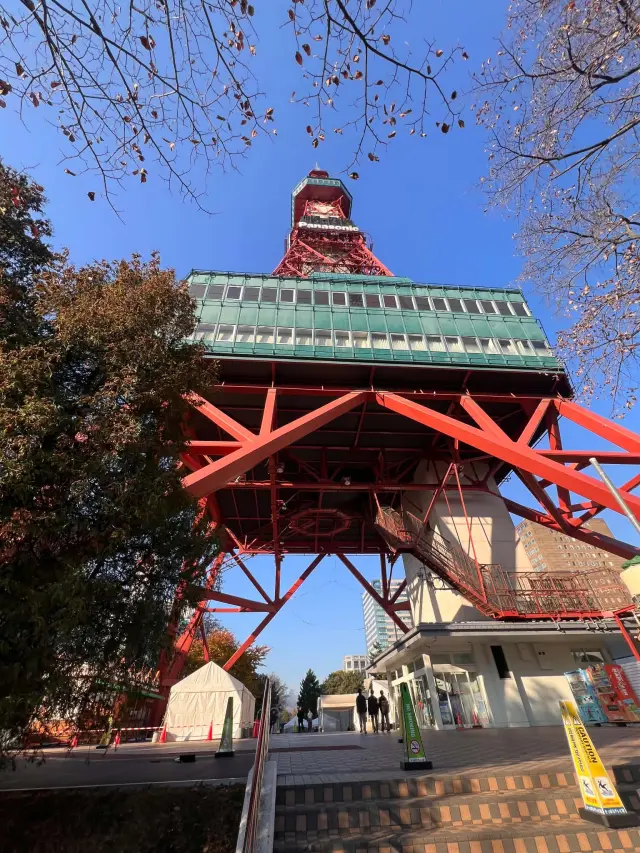
  • Sapporo TV Tower

    Built in 1956 at Nishi 1-chome, the starting point of Odori Park, Sapporo TV Tower has watched over the city’s development ever since. Today, it remains a familiar Sapporo landmark loved by locals and visitors alike.

    • Sapporo Station, Odori, Susukino
    • Observatories
    See More

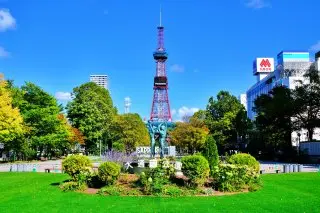
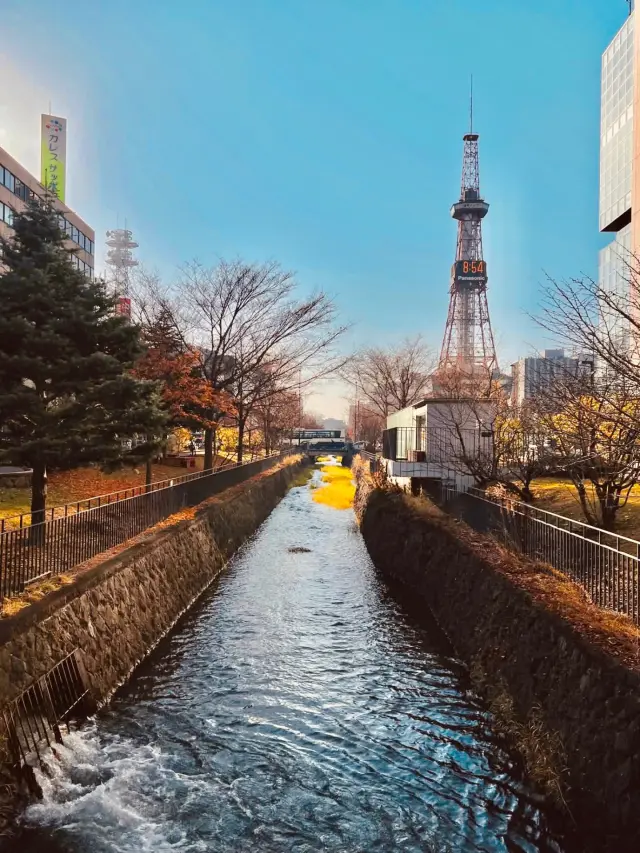
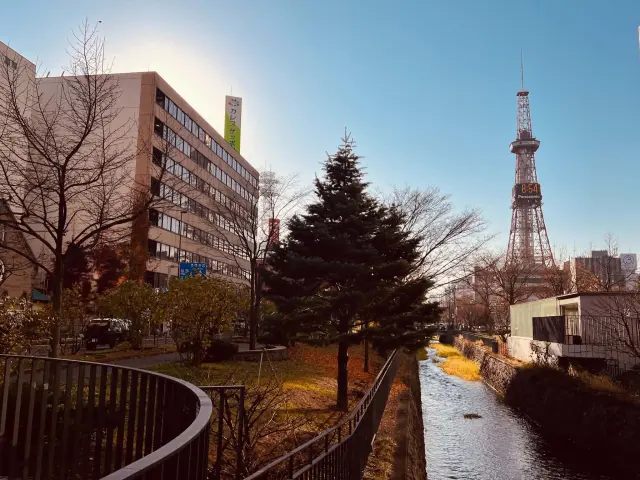
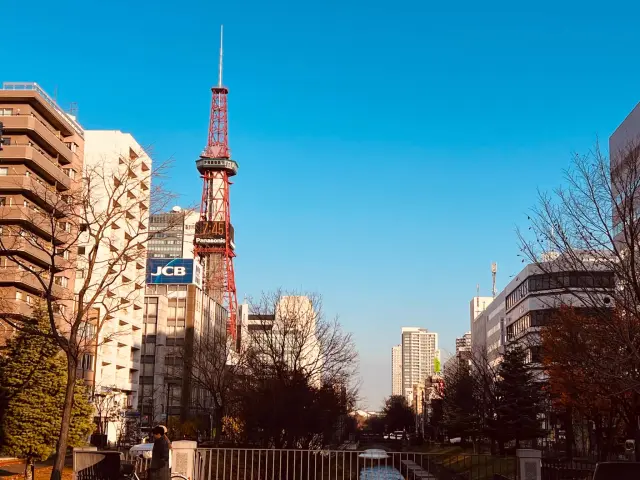
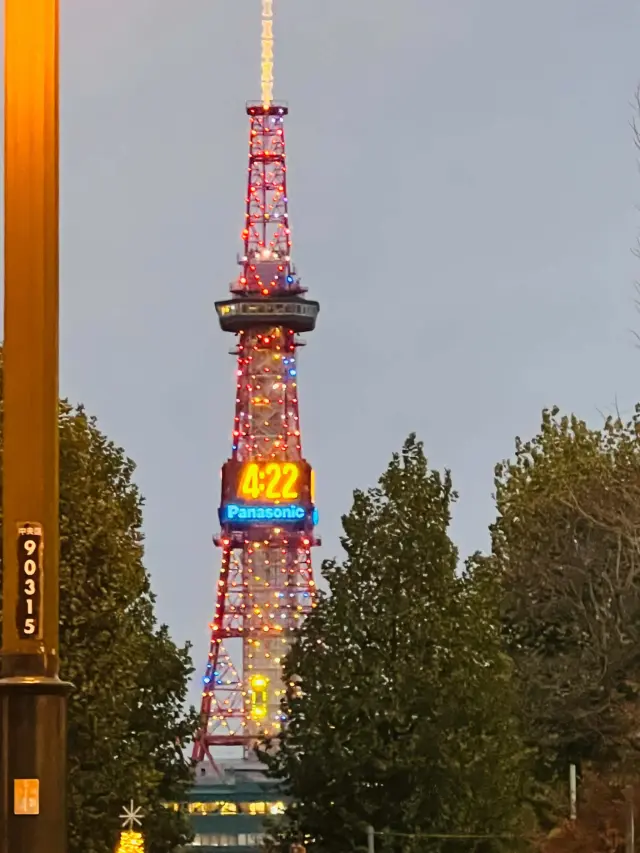
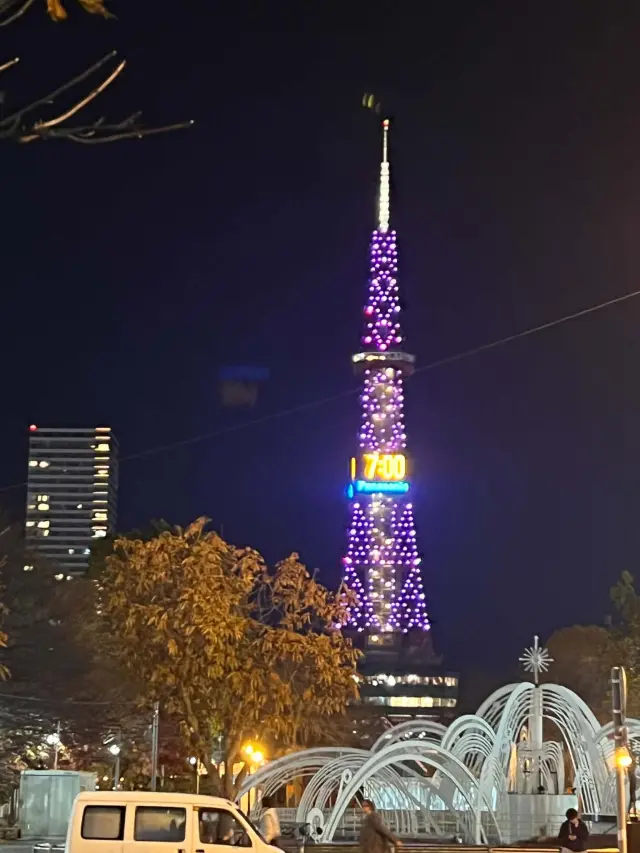
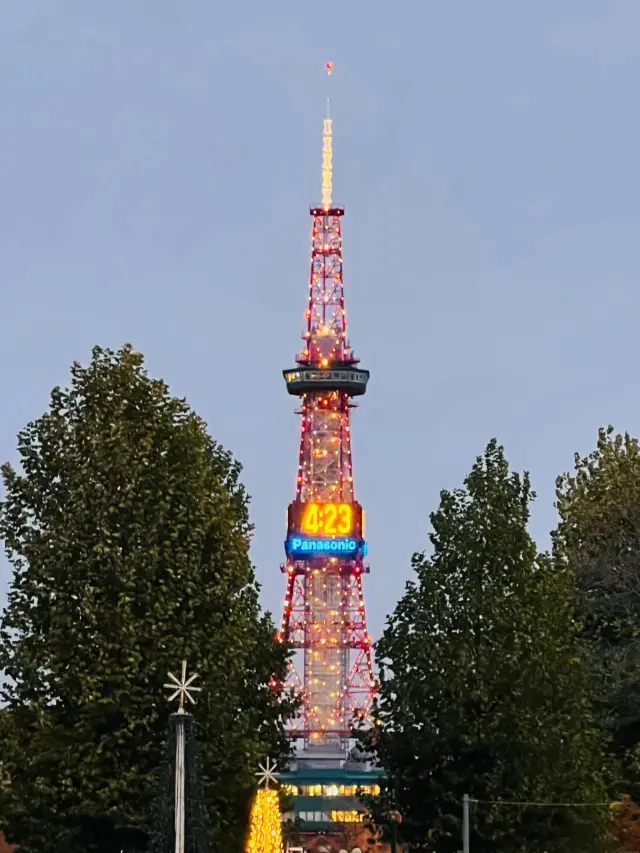
    🗼#札幌's most iconic landmark—#札幌電視塔 (#さっぽろテレビ塔). “Walking along the river” refers to Sosei River Park (#創成川イースト / #SoseiRiverPark), which runs north to south through the city center beside the TV Tower.

    Together, these two places create one of the most classic and relaxing scenes of everyday life in central Sapporo:
    ⭐️1. The star of the photos: Sapporo TV Tower (east end of Odori Park)
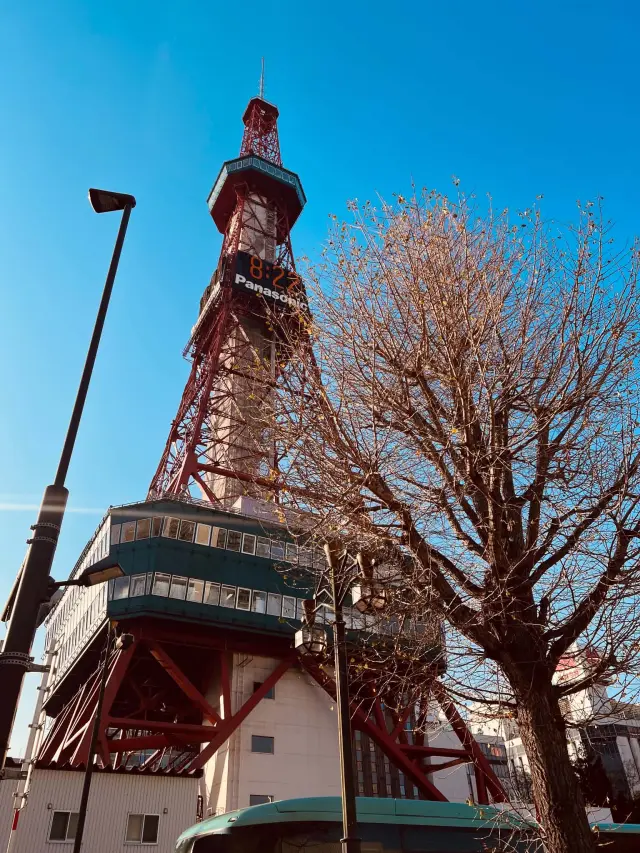
    * History and design: Built in 1957, the 147.2-meter-tall tower was designed by Tachu Naito, the architect who designed Tokyo Tower, and is known as one of the “Six Tower Brothers.”
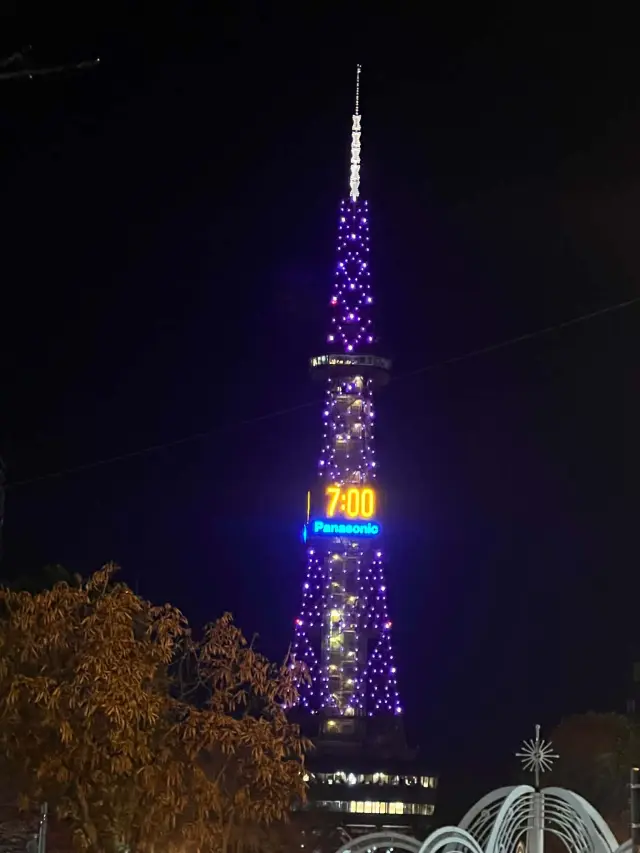
    * Different charms by day and night: As shown in photos taken at different times, the red-and-white steel structure looks very sharp against the blue sky during the day. In the evening (after about 16:30) and at night, the tower is illuminated in colors that change with the seasons and festivals. Along with the “Panasonic” digital clock around the middle of the tower, it’s a classic backdrop for Sapporo residents checking the time and meeting up.

    * View from the observation deck: About 90 meters above the ground, the observation deck offers a 360-degree view of Odori Park stretching straight into the distance, Mount Teine, and the vast sea of silvery-white lights during the winter Snow Festival.

    ⭐️ 2. A super chill riverside: Sosei River Park
    * An urban oasis: The Sosei River is an artificial canal excavated during the Meiji period as part of Sapporo’s development. It was once surrounded by overpasses and roads, but after the roads were moved underground and the landscape was redesigned, it became a waterside park about 820 meters long.
    * The walking experience: Walking south from the TV Tower toward the #狸小路 or #二條市場 area, you’ll pass lilacs, bush clover, and other plants associated with Hokkaido, as well as many sculptures by Hokkaido artists. The early morning air is crisp and clear, and there’s almost none of the tourist bustle on the red-brick paths, letting you experience the most authentic side of everyday life in Sapporo.

    🚶♀️Recommended route for nearby stops (all within a 5–10-minute walk)🚶♀️
    If you enjoy the relaxed pace of this area, you can plan a half-day walk along the river like this:
    * Morning or evening walk: Start at Sapporo TV Tower and stroll south through Sosei River Park, taking photos of the tower’s reflection and the streetscape from different angles along the way.
    * Local food break: Around South 3 is Nijo Market, which has more than 100 years of history. You can have a bowl of fresh sea urchin and salmon roe over rice, or enjoy freshly grilled scallops with a beer.
    * Artsy cafés and shopping: Turn west into the Tanukikoji Shopping Street (blocks 5–7 have a particularly retro feel), or find an independent café in the alleys on the east side of the Sosei River (Sosei East), sit down, and watch the street scene.

  • Togetsukyo Bridge

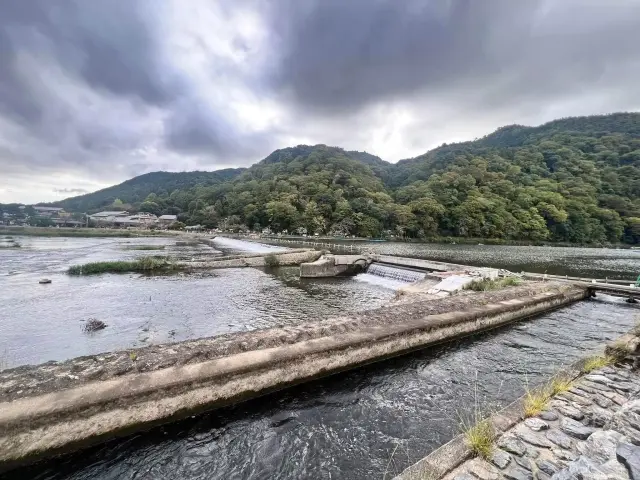
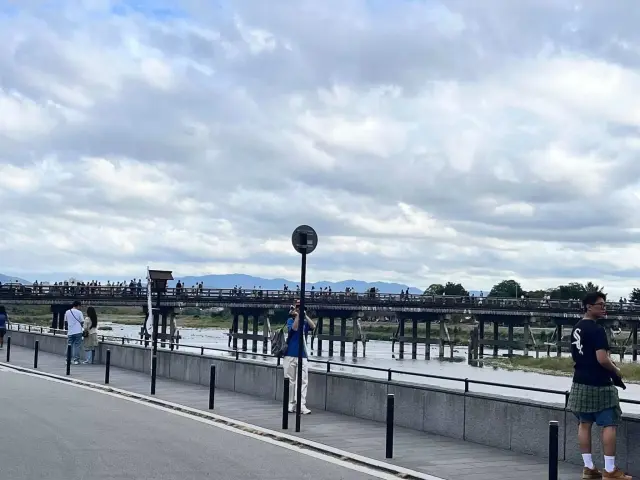
    The bridge was built in the first half of the 9th century during the Heian period (794-1185). It has been washed out many times, but each time it has been rebuilt. It is said that the name was given by Emperor Kameyama in the Kamakura period (1185-1333), as the moon moved across the bridge as if it were crossing over it.

    • Arashiyama, Sagano, Nishiyama
    • Tourist Attractions
    See More

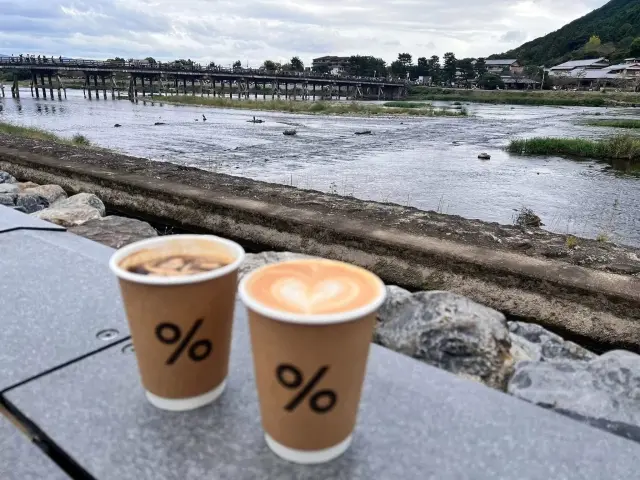
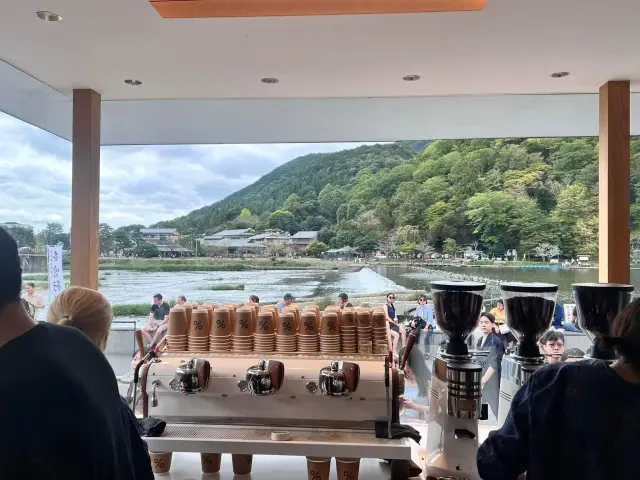
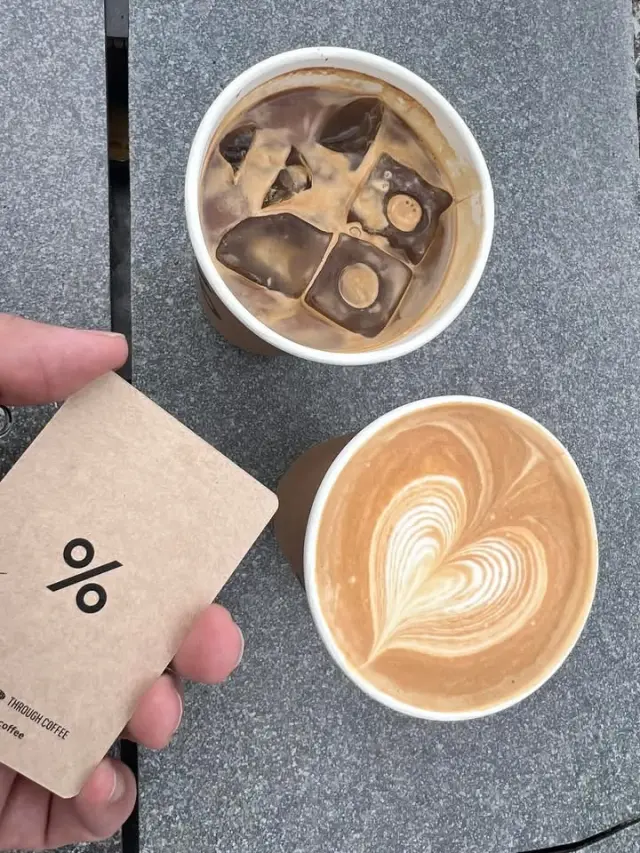
    Super chill place. Be sure to grab a cup of % coffee nearby and take a photo with Togetsukyo Bridge! Get that Arashiyama ritual vibe going.

Hokkaido Tohoku Kanto Chubu Hokuriku Kansai Chugoku Shikoku Kyushu Okinawa