

After walking through a long tunnel, you suddenly come into a bright, almost otherworldly scene—like stepping into a hidden paradise.
MIHO MUSEUM | Review by 香港FitnessYOU
Other Reviews by 香港FitnessYOU
-
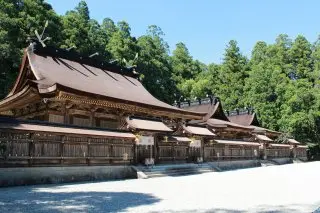
Kumano Hongu Taisha
Kumano Hongu Taisha was founded during the reign of Emperor Sujin, Japan's 10th emperor, and enshrines Ketsumimiko-no-Okami as its principal deity. It was designated a UNESCO World Cultural Heritage Site in 2004. Since ancient times, the shrine has attracted worshippers from all levels of society, including aristocrats, samurai, and commoners. So many pilgrims traveled here from across Japan in long processions that the sight was likened to a line of ants and called the “Ant Pilgrimage to Kumano.”
This is one of the three Kumano shrines, and it's also the newest and most impressive one.
-
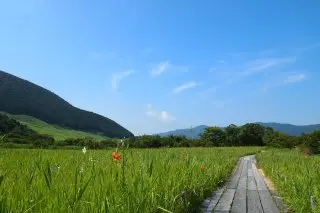
Hakone Botanical Garden of Wetlands
This botanical garden is located next to Sengokuhara Marsh, a nationally designated Natural Monument. Its recreated wetland habitats allow visitors to observe plants in conditions similar to their natural environments. The garden is home to about 1,700 plant species, mainly those found in wetlands such as marshes, rivers, lakes, and ponds, as well as plants from grasslands, forests, and alpine areas, including rare mountain plants from overseas.
Beautiful natural scenery—a great spot for a walk and enjoying the outdoors.
-
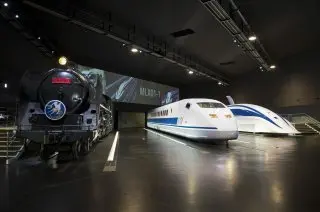
SCMAGLEV and Railway Park
The museum displays 39 full-size railway vehicles, ranging from conventional trains and Tokaido Shinkansen trains to superconducting maglev vehicles. The first area visitors enter is the Symbolic Train Hall, where three vehicles that set world speed records in their day await: the Class C62 steam locomotive, the Class 955 experimental Shinkansen train (300X), and the MLX01-1 superconducting maglev vehicle.
You can see everything here, from old steam locomotives to the latest maglev trains. There are also videos explaining the history of railways.