

The museum mainly showcases the history of Toyota cars, but there are also lots of classic vintage cars on display. They're really well-preserved and have a cool retro vibe. Many visitors come here just for that.
TOYOTA AUTOMOBILE MUSEUM | Review by 白海歌
Other Reviews by 白海歌
-
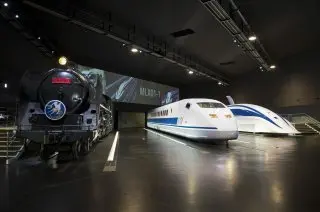
SCMAGLEV and Railway Park
The museum displays 39 full-size railway vehicles, ranging from conventional trains and Tokaido Shinkansen trains to superconducting maglev vehicles. The first area visitors enter is the Symbolic Train Hall, where three vehicles that set world speed records in their day await: the Class C62 steam locomotive, the Class 955 experimental Shinkansen train (300X), and the MLX01-1 superconducting maglev vehicle.
It gives a detailed look at the history of Japanese railways, from the earliest steam locomotives to modern high-speed Shinkansen, and even the future maglev trains.
-
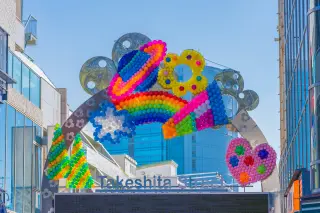
Takeshita Street
This shopping street stretches nearly 350m from Harajuku Station to Meiji Street. Many shops carry one-of-a-kind fashion items, and the world pays attention to them as a source of the latest fashion. Everyday, the youth and many shoppers are milling here.
A lot of shops here sell pieces by independent designers and limited-edition items. It's a great place to hunt for unique finds.
-
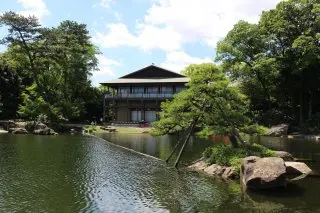
Tokugawaen Garden
This Japanese garden was created on the former site of Ozone Residence, a retirement retreat built in 1695 by Mitsutomo, the second lord of the Owari Domain. The estate is said to have covered approximately 109 acres (44 hectares) at the time. It is designed as a pond-stroll garden, the style most commonly used for feudal lords’ gardens during the Edo period. A clear stream flows from a waterfall, through a ravine, and into a pond representing the sea, symbolically recreating Japan’s natural landscapes.
This Japanese garden has a totally different style from Chinese pavilions and towers. The museum next door also has a large collection of items from the Tokugawa family.