Seeing the charred watches and clothing remnants was really hard, but it's also so important.
Nagasaki Atomic Bomb Museum | Review by Shan Shan


Other Reviews by Shan Shan
-
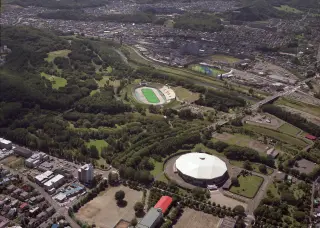
Hokkaido Makomanai Park
A spacious urban park about 8 km south of central Sapporo, spanning approx. 85 hectares-one of the largest in the city. Originally used as the main venue for the 1972 Sapporo Winter Olympics, the area still has skating rinks operating in winter at the Makomanai Sekisui Heim Ice Arena and Makomanai Sekisui Heim Stadium, letting visitors feel the atmosphere where athletes from around the world once competed.
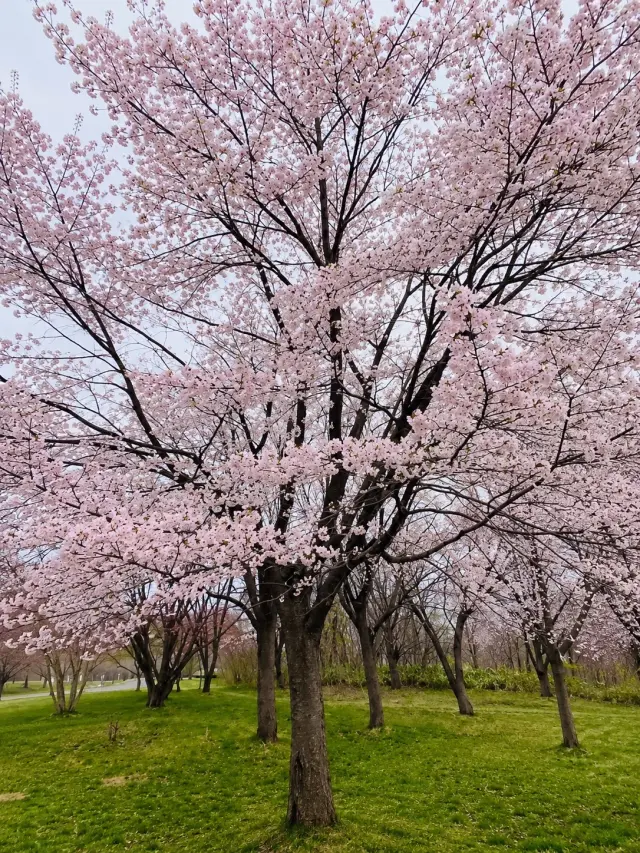
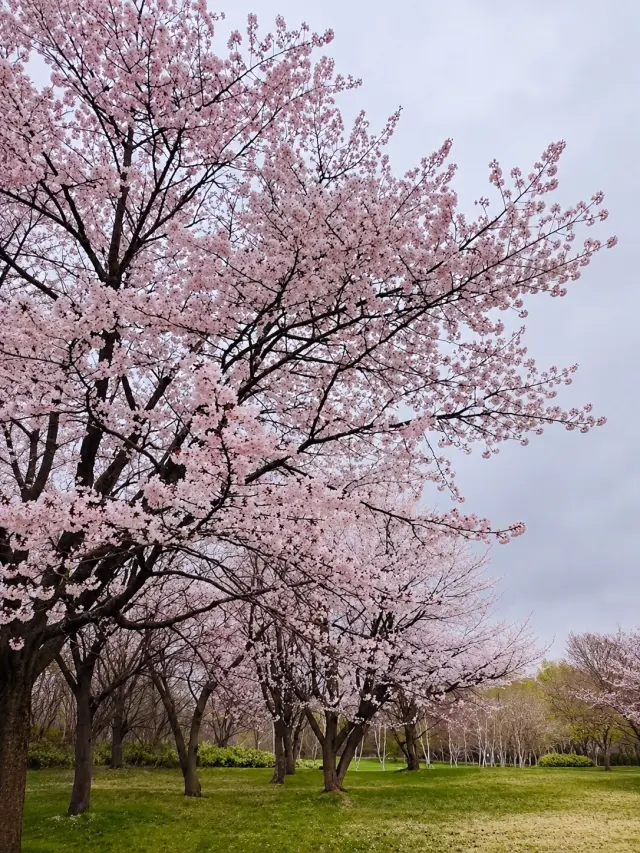
I highly recommend setting aside half a day to enjoy the cherry blossoms at Makomanai Park. The air is fresh, the grounds are clean, and walking under the cherry blossom-lined paths feels so relaxing. It’s definitely one of the worthwhile cherry blossom spots to visit in Sapporo.
-
-
Gojo River Cherry Blossom Promenade
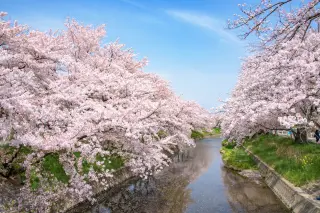
The Gojo River rises in Tajimi City, Gifu Prefecture, and flows through towns and cities in Aichi Prefecture such as Oguchi Town, Konan City, and Iwakura City. Around Iwakura City, it runs through the urban area, where you can enjoy a spectacular view of Approx. 1,300 cherry trees in full bloom lining both riverbanks for Approx. 7.6 km. In Iwakura City, the “Iwakura Cherry Blossom Festival” is held every year from late March to early April to coincide with cherry blossom season. At night, the trees are illuminated, and the fully blooming cherry blossoms glowing in the dark are breathtaking.
Super romantic! The entire riverbank is packed with cherry trees, and when they bloom in spring it feels like you’re walking through a pink tunnel—so magical.
The river reflects the blossoms, and honestly, every photo turns out great. Around sunset especially, with the golden light and the sakura, the atmosphere is 10/10. Perfect for a stroll or a date.
-
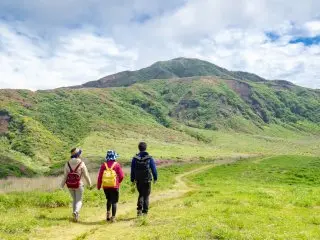
Kusasenri
Mount Eboshi is one of the 5 peaks found in the center of Mount Aso. Here you’ll find Kusasenri, the breathtakingly vast, emerald green grasslands that expand northwards. Many textbook writings, as well as classical poets and song writers have immortalized its beauty in their works, making Kusasenri one of the most iconic images that people know when thinking of Mount Aso.
The museum ticket isn't expensive, but having Shin-chan and Kumamon around totally makes it worth it!
-