
11 Local Aomori Experiences: A Journey Through Food, Hot Springs, and Alleyways
Seafood at Hachinohe City Fish and Vegetable Retail Market and Auga Fresh Market, nights spent at Hachinohe Yatai Village Miroku Yokocho and Western Liquor Cafe Prince.
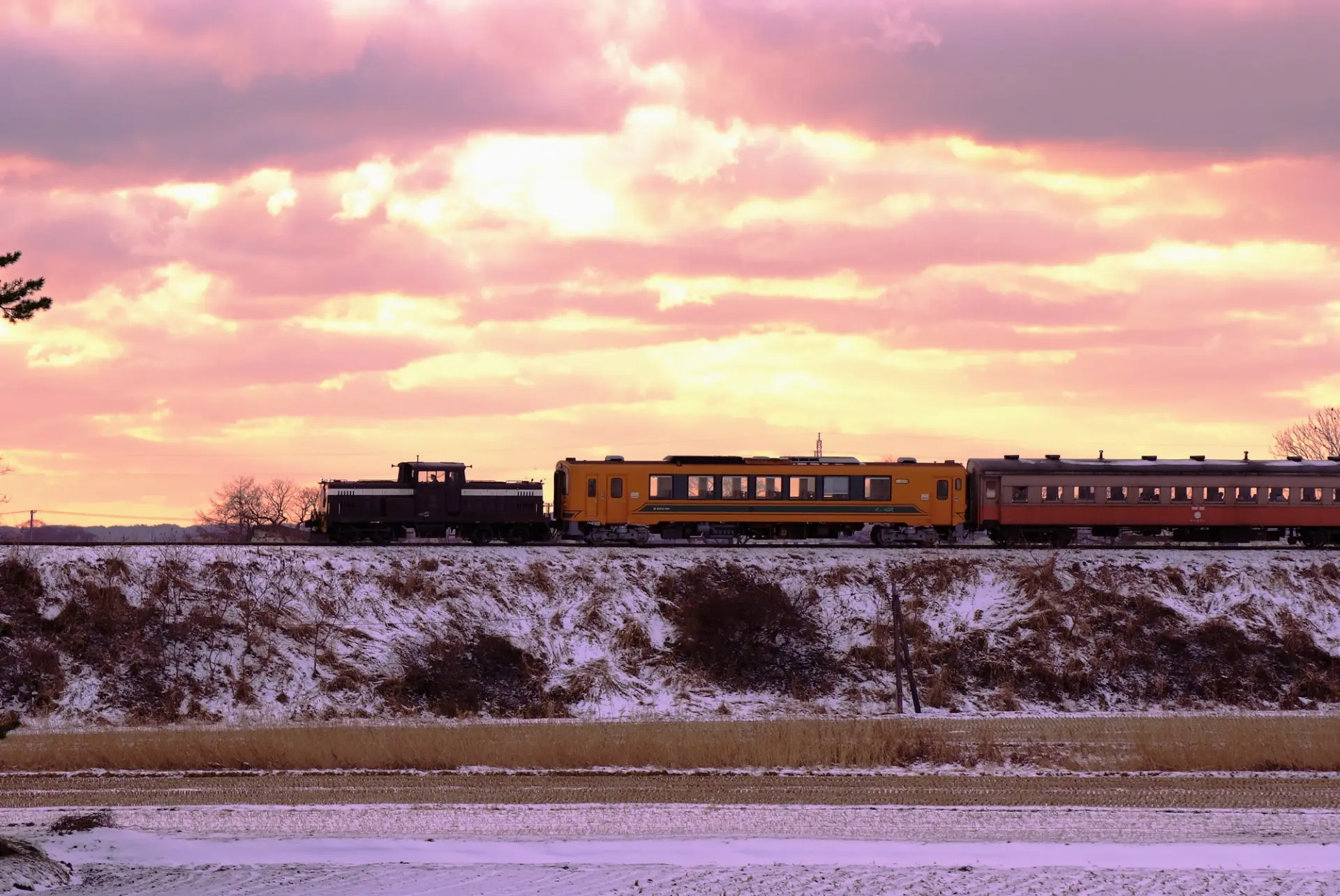
Views from the windows of the Resort Shirakami and Tsugaru Railway Stove Train, and the steam rising from Asamushi Onsen and Sukayu Onsen.
Across Aomori, food, people, travel, and hot springs come together as one continuous experience. Walk through markets, chat in alleyways, ride the trains, and soak in hot springs. Set out on a journey where time flows a little differently from everyday life.
Walk Through Markets and Taste Aomori’s Food Culture
Markets lined with ingredients unique to port towns are places where everyday life and tourism meet.
As you stand at the storefronts, choose what to buy, and taste it, Aomori’s food culture comes into clear focus.
These are places to visit from the morning hours.
1. Hachinohe City Fish and Vegetable Retail Market (Hachinohe City)
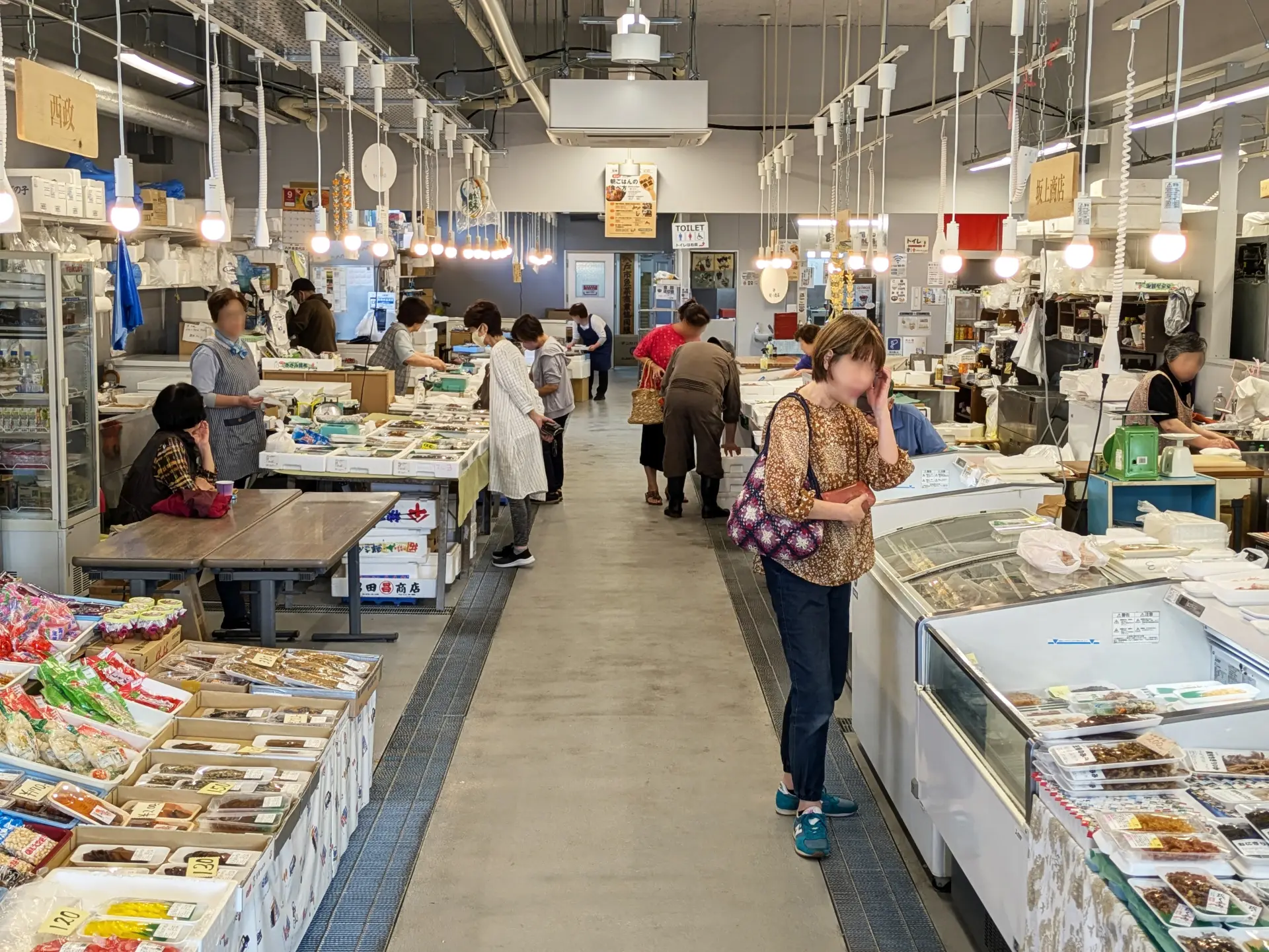
This market spreads out right next to Mutsu-Minato Station and has long been loved as the kitchen of local residents.
At the market, where 16 shops stand side by side, the lively local dialect of the women fish sellers known as “Isaba no Katcha” fills the air.
Seafood landed at Hachinohe Port and processed products line the stalls, with the kind of face-to-face exchanges only a market can offer. You can also eat the sashimi and prepared dishes you purchase at the dining area inside the market, with the fun of arranging them over rice to create your own bowl.
Spend a morning taking in the atmosphere of the market along with its flavors.
2. Auga Fresh Market (Aomori City)
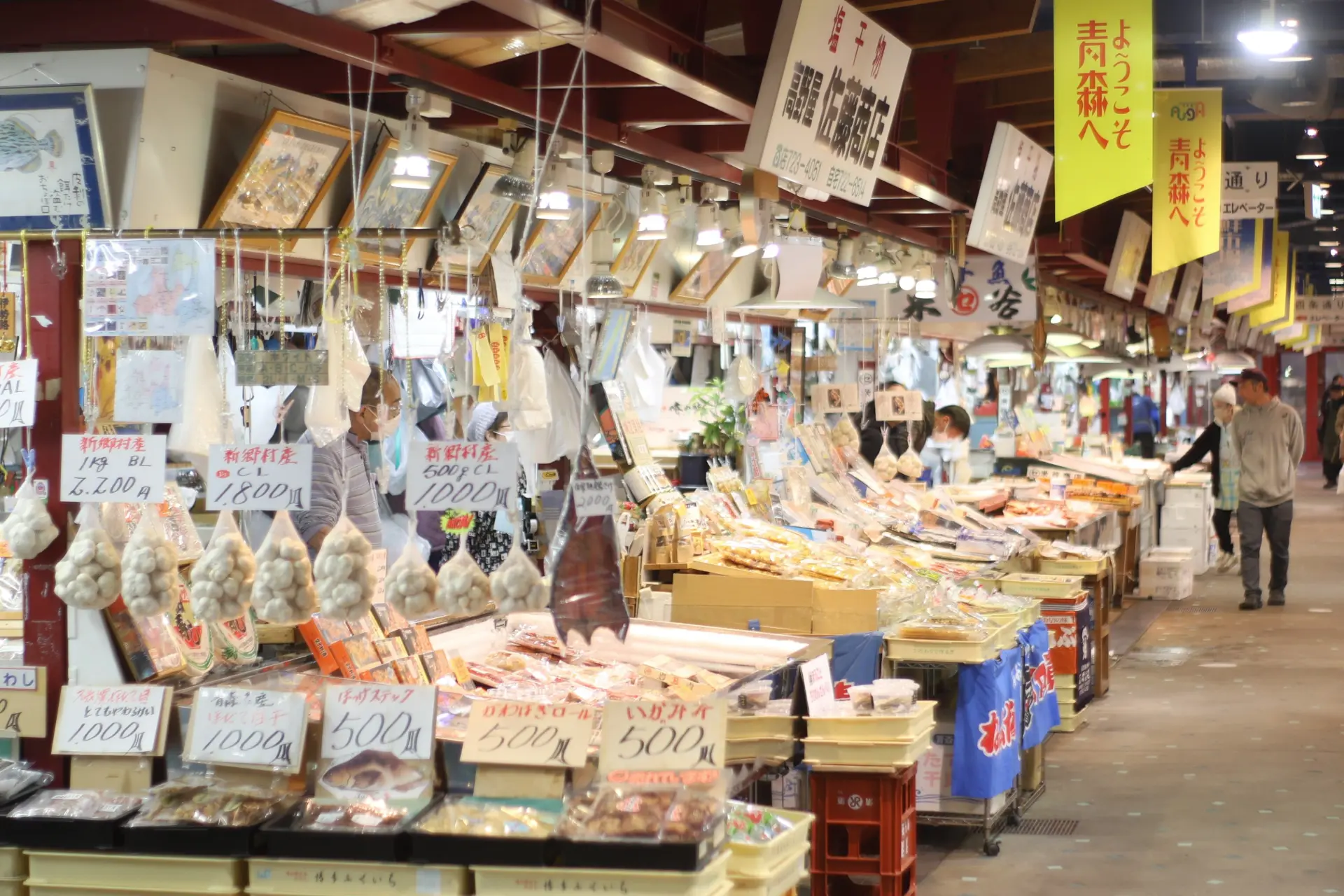
This market is located inside Auga, a multipurpose complex near Aomori Station.
Fresh seafood is available at reasonable prices, centered on nearby catches such as scallops and sea squirts from Mutsu Bay, tuna from Oma, and shijimi clams from Lake Jusanko.
About 50 shops line the market, offering not only seafood but also vegetables, fruit, local sake, and more. There are also spaces where you can eat what you purchase on the spot, as well as plenty of dining spots serving seafood bowls and other dishes.
With its easy-to-reach location within walking distance of the station, it is a convenient place to enjoy Aomori’s food.
Explore Alleyways and Bars to Experience Aomori’s Warm Hospitality
The shops lining narrow alleys and long-running bars reveal a sense of closeness between people that is unique to the area.
Through conversations across the counter and exchanges with customers seated nearby, your impression of the trip gradually begins to change. These are places to visit at night.
3. Hachinohe Yatai Village Miroku Yokocho (Hachinohe City)
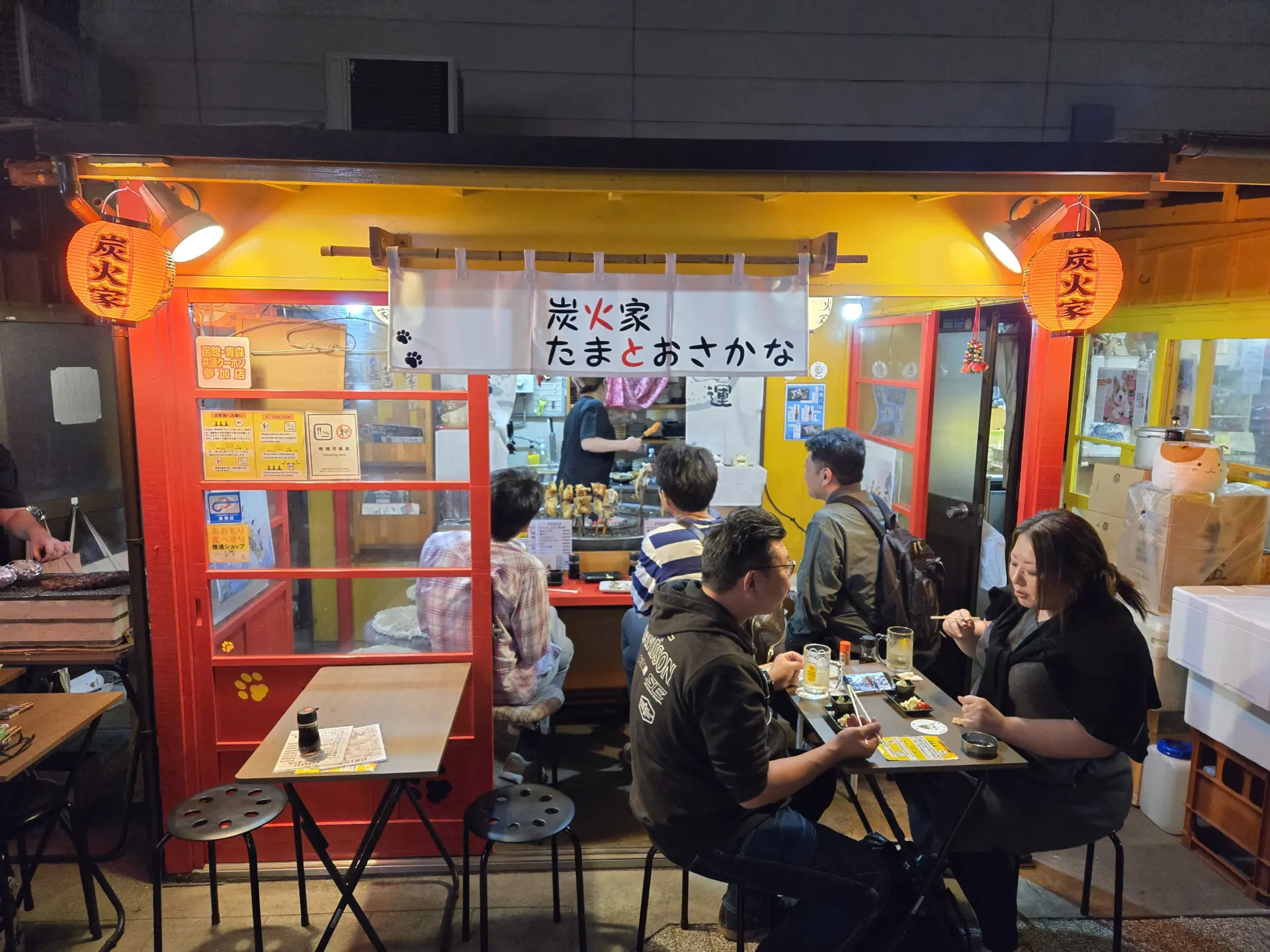
This yatai food stall village was created to coincide with the opening of Hachinohe Station on the Tohoku Shinkansen. Now familiar as a symbol of Hachinohe, it is frequented not only by tourists but also by local regulars.
Twenty-six food stalls line the narrow alley, offering a wide variety of flavors, from charcoal-grilled dishes and local cuisine to small plates. The close distance between owners and customers, and among customers themselves, naturally leads to conversation.
Time passes as you hop between a few stalls and get a feel for each place’s personality.
4. Western Liquor Cafe Prince (Hachinohe City)
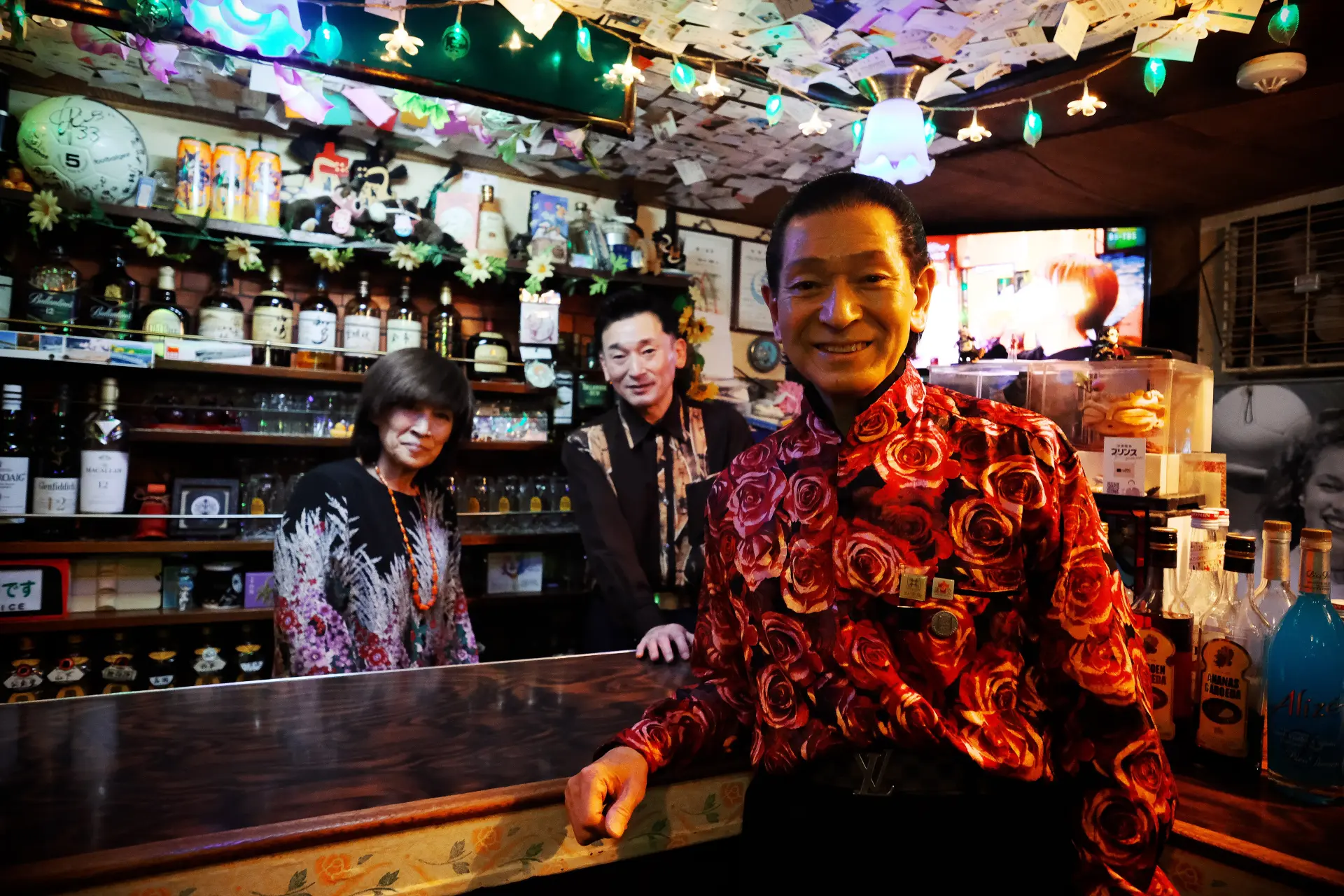
This bar, founded in 1957, operates in Hasecho Rensa-gai, a dining district that has continued since the late 1940s. Since its founding, it has been a popular spot visited not only by locals from Hachinohe but also by many travelers who want to experience a deeper side of the city’s nightlife.
The interior has a retro feel, with original cocktails inspired by Hachinohe place names and festivals. Run by the master and his family, it has a welcoming, homey atmosphere that makes even first-time visitors feel at ease.

Aomori Travel Atmosphere Found Only on Local Trains
On local trains, the journey itself becomes part of the trip. The scenery outside the window and moments inside the train combine to reveal a charm separate from the destination.
Board with plenty of time to spare.
5. Resort Shirakami
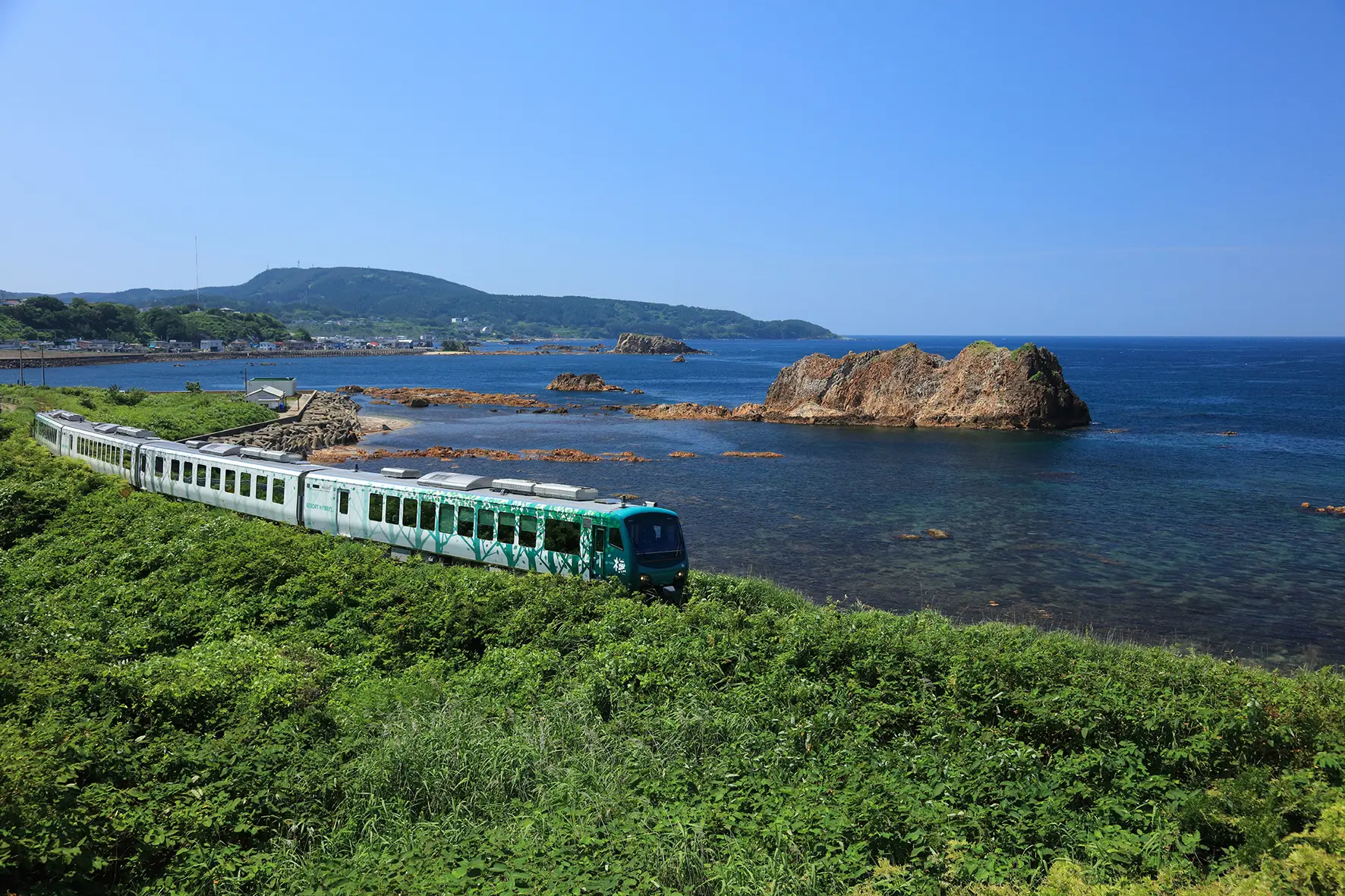
This sightseeing train connects Akita and Aomori. From the windows, passengers can take in sweeping views of the Shirakami-Sanchi World Natural Heritage Site and the Sea of Japan, and since its debut in 1997, it has continued to captivate many travelers.
Each train has its own distinct design, adding to the mood of the journey. Onboard events include sales of local specialties and Tsugaru shamisen performances, offering a train trip where you can experience both the scenery and the presence of people along the line.
6. Tsugaru Railway Stove Train
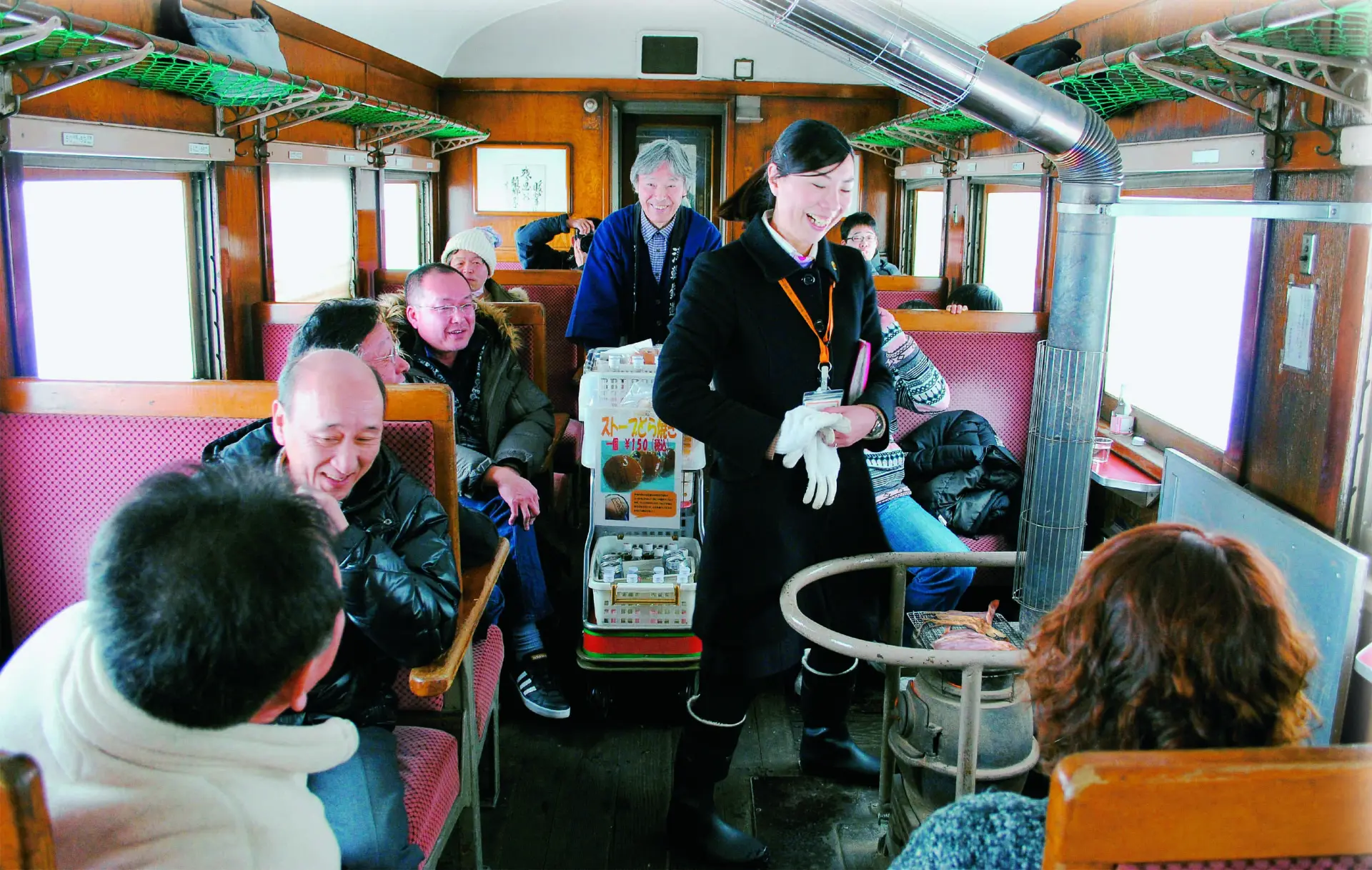
This is a winter tradition on the local railway that runs across the Tsugaru Plain. From December to March only, the Stove Train, a sightseeing train that heats its passenger cars with coal-burning Daruma stoves, operates during the winter season.
Inside the train, time passes as passengers grill dried squid over the stove, while guidance in the Tsugaru dialect by dedicated crew members adds to the atmosphere of the journey.
Rocking along in train cars that retain the feel of the Showa era, it is a pleasure to spend time gathered around the stove.
Feel Aomori’s History from the Jomon Period to the Modern Era
Artifacts, architecture, and the remains of transportation reveal the lifestyles and cultures of each era. While spending time among the exhibits and spaces, experience the feeling of moving between the past and present.
7. Hachinohe City Korekawa Archaeological Institution (Hachinohe City)
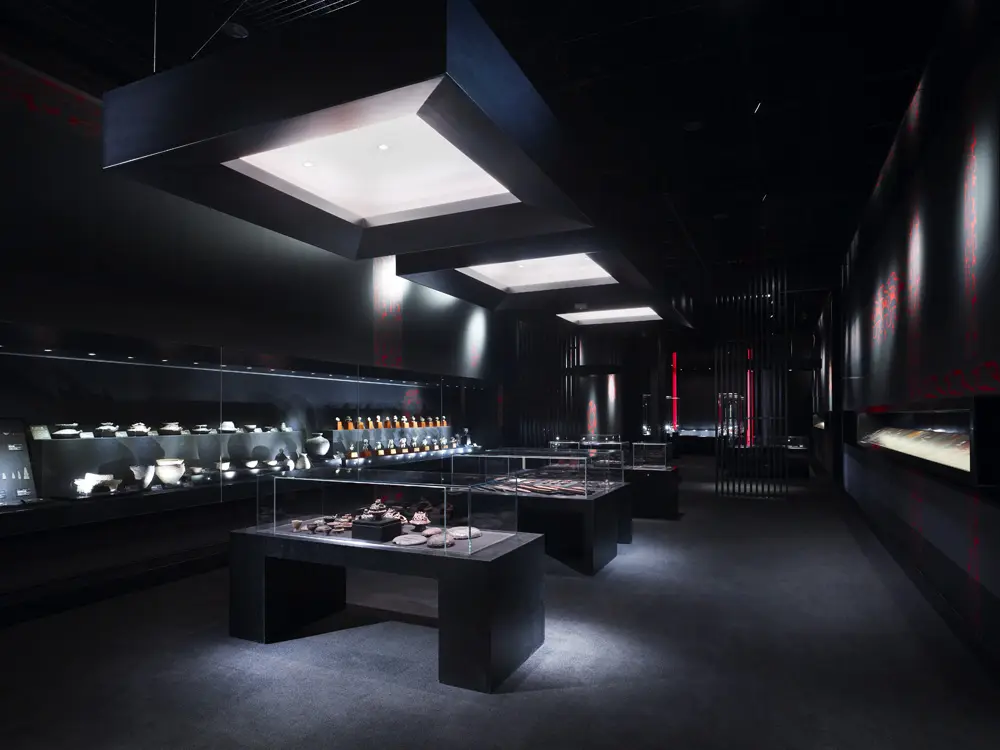
This exhibition facility introduces Jomon culture. Through excavated items such as lacquerware and crafts, visitors can see the techniques and aesthetic sensibilities of the time.
With windows where you can observe the storage area and hands-on exhibits using video and sound, the facility approaches the Jomon period from multiple angles. The National Treasure Exhibition Room, which symbolically displays the Gassho Dogu, a National Treasure excavated from the Kazahari 1 Site, is a highlight.
As you move through the exhibits, you can sense the depth of the era.
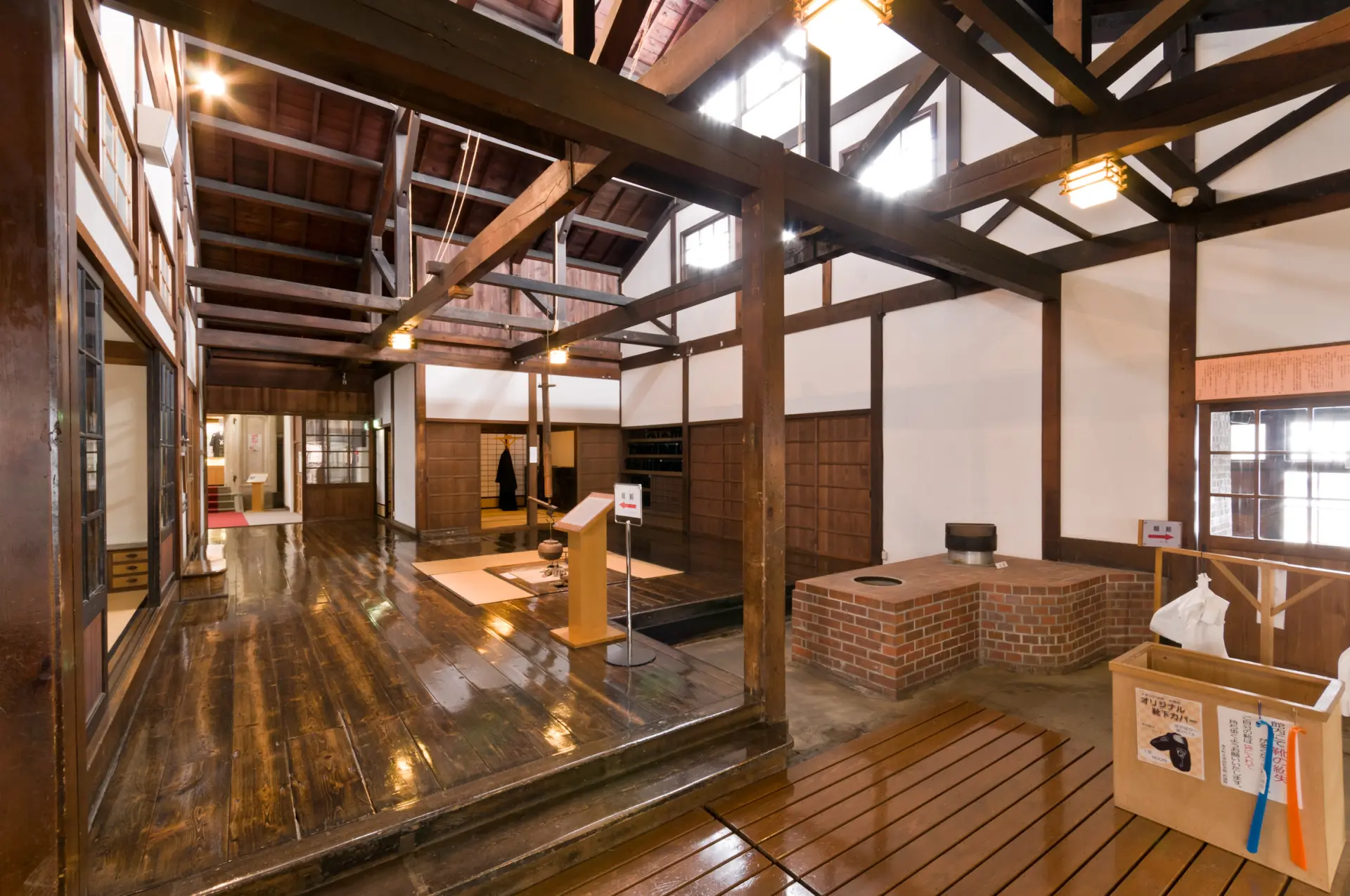
8. Osamu Dazai Memorial Museum “Shayokan” (Goshogawara City)
This memorial museum is located in the former home of Osamu Dazai. In the exhibition room, which makes use of a storehouse, manuscripts of Dazai’s early works and items such as the cape he used are on display.
The large residence, which blends Japanese and Western styles, is also highly valuable as Meiji-period architecture, and its spaces convey how people lived at the time.
Walking through the museum, the life and atmosphere of the era behind his works begin to overlap.
9. Seikan Ferry Memorial Ship Hakkoda-maru (Aomori City)
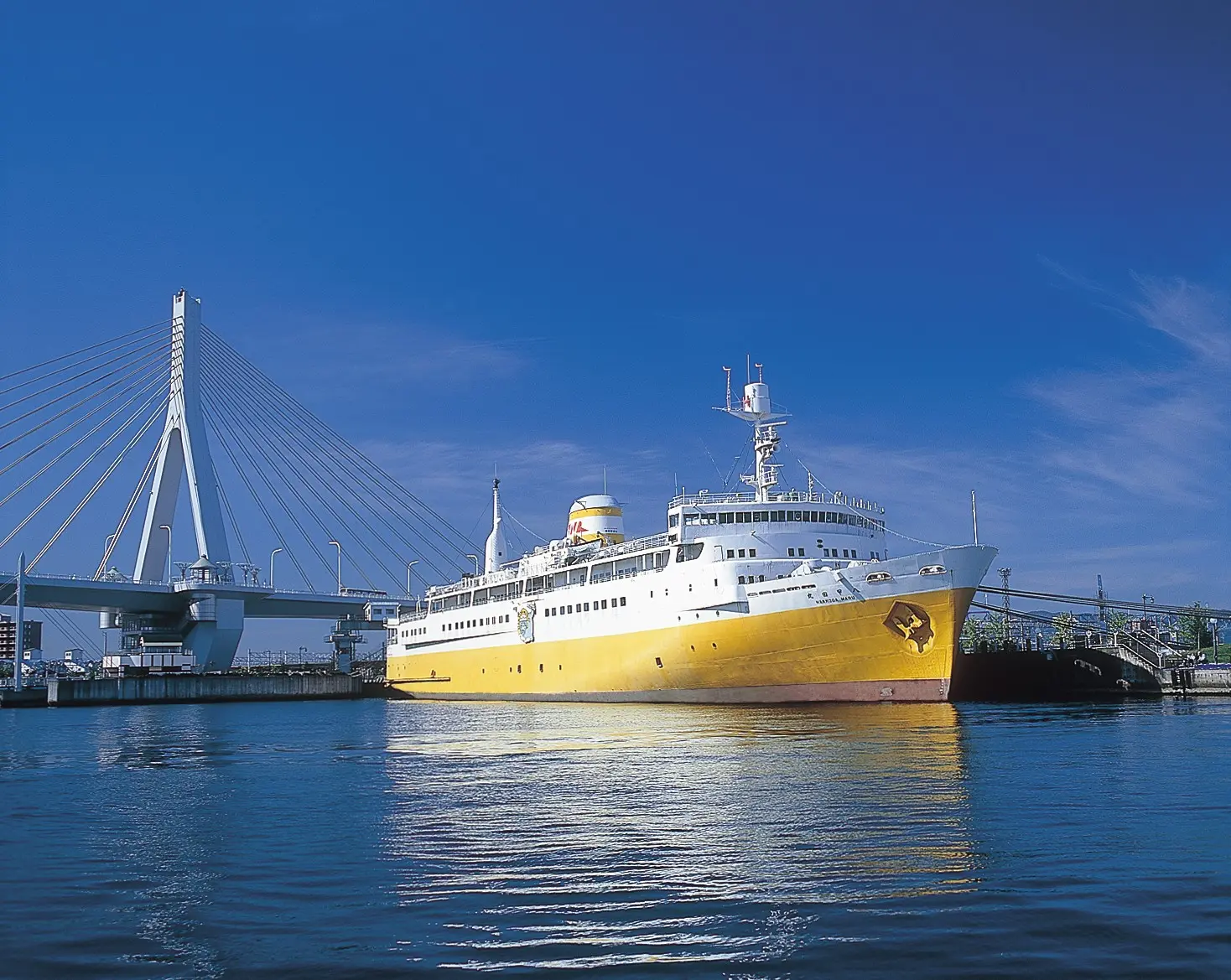
This ship moored at Aomori Port is open to the public as a museum. The Hakkoda-maru once connected Aomori and Hakodate, operating for more than 23 years as a passenger and cargo vessel. Inside, visitors can tour areas such as the wheelhouse and engine room.
A highlight is the vehicle deck, a spacious area with tracks that allowed freight cars to be loaded directly into the ship and transported.
By experiencing the actual structure, you can learn about the transportation system of the time.
Soak in Aomori’s Hot Spring Culture at Historic Onsen
Surrounded by mountains and sea, Aomori is dotted with hot spring areas, each with its own character. As you soak in the baths, walk through the town, and look out at the scenery, you begin to see the local way of spending time.
Consider adding one to the end of your trip.
10. Asamushi Onsen (Aomori City)
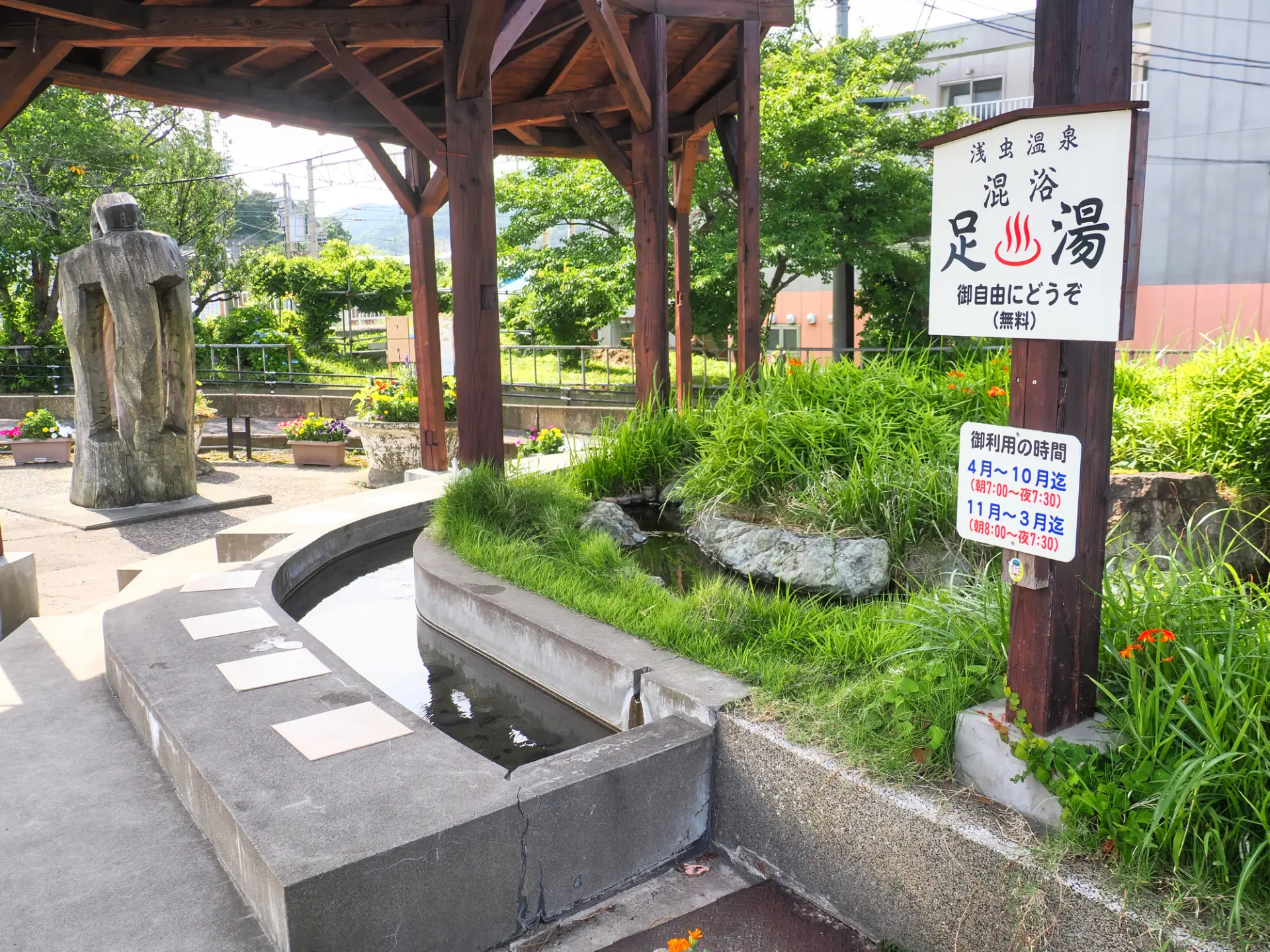
This hot spring area spreads along the seaside, with different atmospheres to the east and west of Asamushi-Onsen Station. On the east side, the hot spring town is lined with traditional ryokan inns and restaurants, making it pleasant to stroll through the atmospheric streets.
It is said to have a history of more than 1,200 years, and access is convenient at about 30 minutes by car or train from Aomori Station. On the west side, a beach extends along the coast, with inns offering sea views scattered nearby.
The water is colorless and clear with a gentle feel on the skin, making it comfortable to soak while taking in views of Mutsu Bay.
11. Sukayu Onsen (Aomori City)
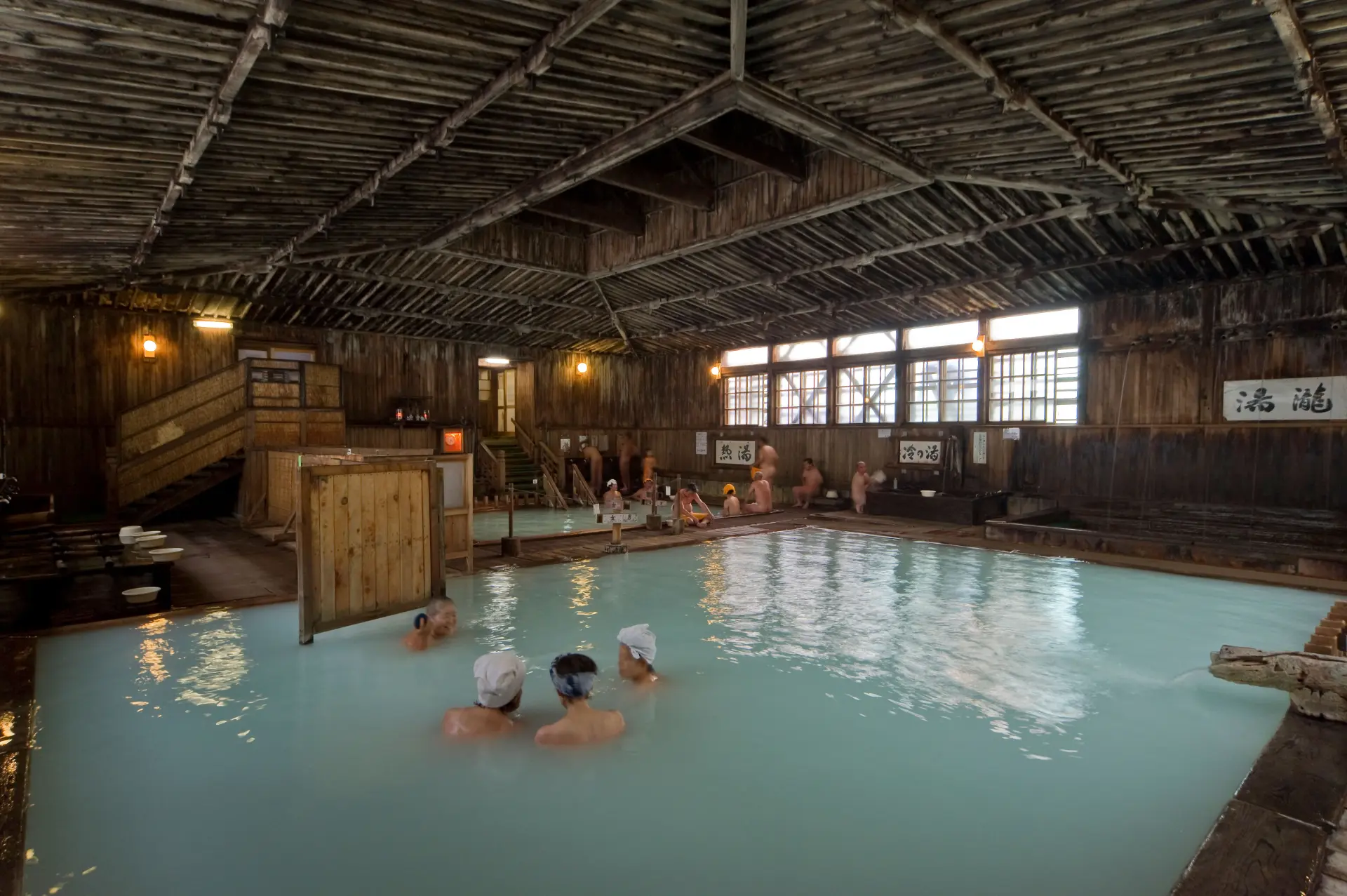
This historic hot spring retreat is located deep in the mountains. The large bath, made with Aomori hiba cypress, is as spacious as 160 tatami mats, or about 2,760 square feet, and consists of five bathing areas, including Netsu-no-yu, Rei-no-yu, Shiburoku-no-yu, and Yudaki.
It is known for its acidic sulfur spring water, and steam fills the spacious bathhouse. While preserving the culture of mixed-gender bathing, the facility also provides a bathing environment with consideration given to specific times and areas.
Spend a quiet time relaxing in the hot spring water.

Summary
Taste local flavors at markets, chat in alleyways, ride the trains, explore history, and soak in hot springs. In Aomori, each experience connects gently with the next, layering into the area’s appeal. Combine the places that interest you and let yourself settle into the rhythm of local time.