
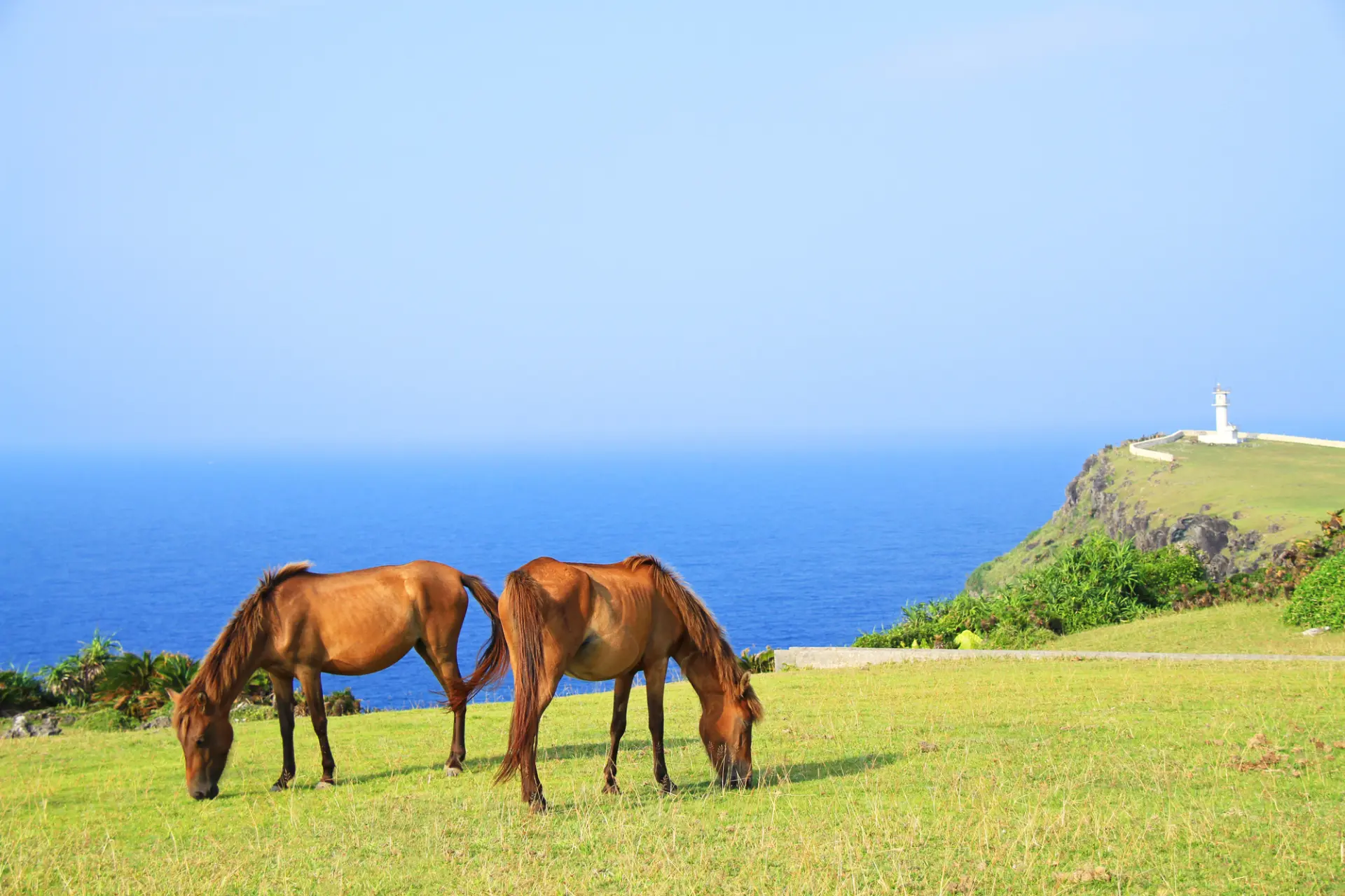
7 Places to Visit on Yonaguni Island: Spectacular Views at Japan’s Westernmost Point, Underwater Ruins, and a TV Drama Filming Location
Yonaguni Island, part of Okinawa Prefecture, is Japan’s westernmost inhabited island. Its distinctive climate and terrain set it apart from the other Yaeyama Islands, with rugged cliffs lining the coast and vast pastures stretching across the island. The scenery created by the blue sea and green land is another highlight. This article covers essential information about Yonaguni Island, recommended attractions, and activities. It also includes a sample sightseeing itinerary, so be sure to read to the end.
What Is Yonaguni Island Like?
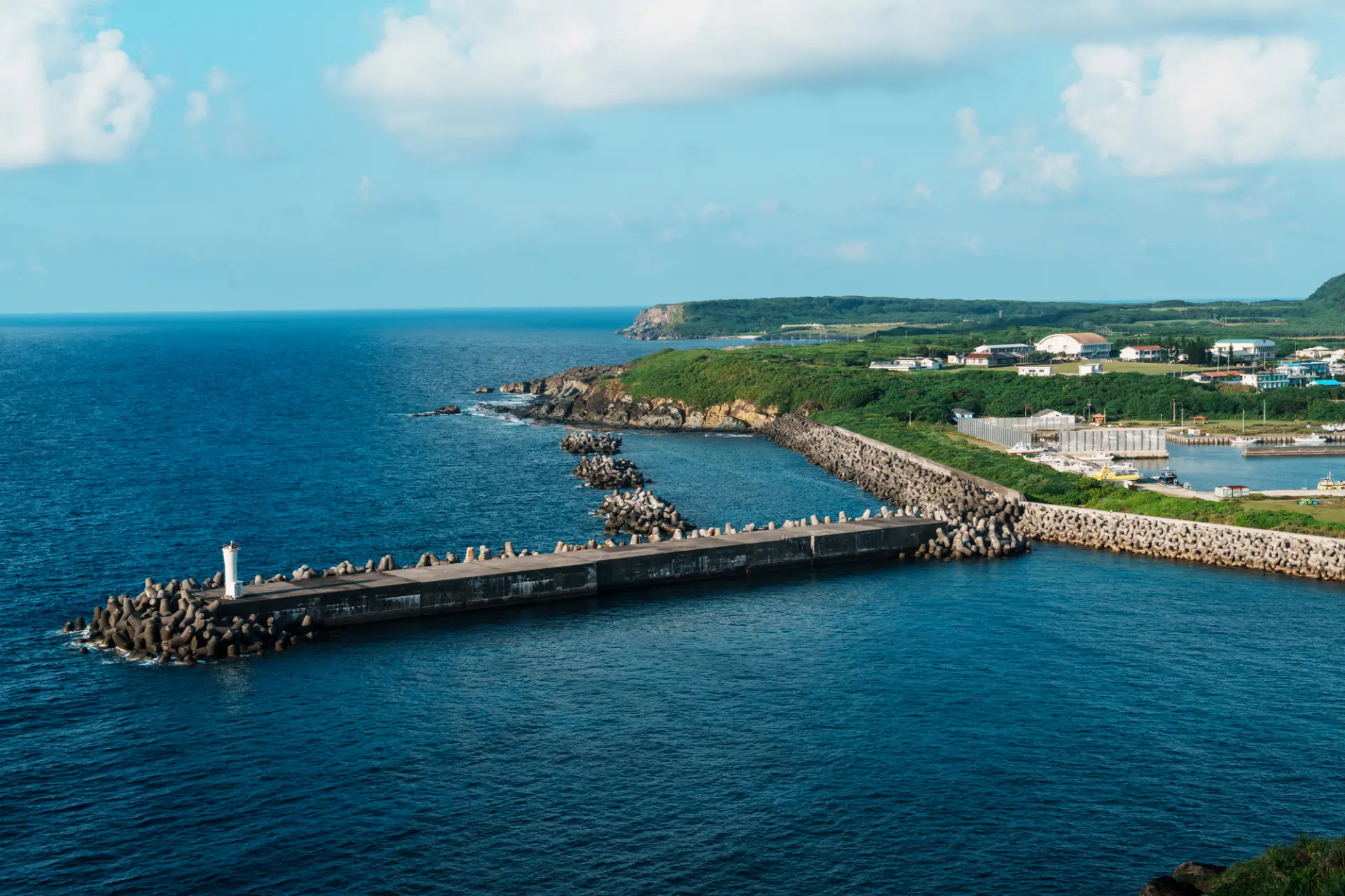
Yonaguni Island, located in Yonaguni Town, Yaeyama District, Okinawa Prefecture, is Japan’s westernmost inhabited island. The long, narrow island covers approximately 11.2 square miles, measuring about 7.5 miles from east to west and 2.5 miles from north to south. Because Taiwan is only about 69 miles away, it is also known as a border island. Yonaguni has a warm subtropical maritime climate throughout the year. Winters are relatively mild, while summers bring intense sunlight, and precautions are essential during the typhoon season. The island’s varied terrain includes 759-foot Mount Urabu, while steep cliffs and rocky reefs line the coast. It has three villages—Sonai, Kubura, and Higawa—each with its own distinctive character. Although its culture is rooted in the broader traditions of the Ryukyu Islands, Yonaguni has also preserved its own language, traditional festivals, and performing arts.
- Name in Japanese
- 与那国島
- Postal Code
- 907-1801
- Address
-
437-17 Yonaguni, Yonaguni-cho, Yaeyama-gun, Okinawa
Google Maps - Phone
- 0980-87-2402 (Yonaguni Tourist Association)
- Access
-
1) 1 round-trip flight per day from Naha Airport, 3 round-trip flights per day from Ishigaki Airport
2) 2 ferry services per week from Ishigaki Island (Tuesday, Friday) - Official website
- Official website (Japanese)
Getting to and Around Yonaguni Island
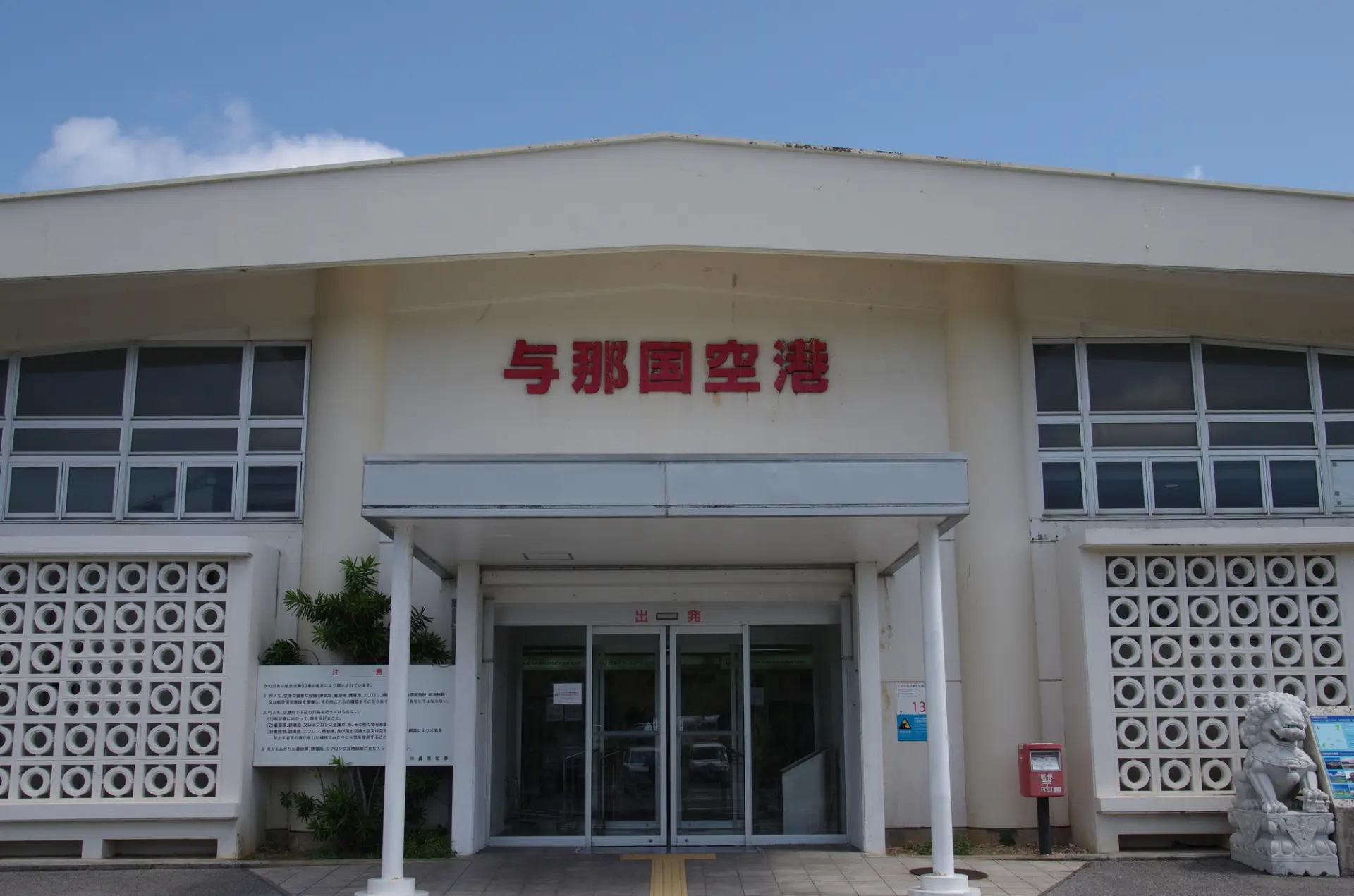
Yonaguni Airport is the main gateway to the island. Direct flights take approximately 30 minutes from Ishigaki Airport and 1 hour and 20 minutes from Naha Airport. Flight schedules and operating days vary by season, so check the airline’s official website in advance. Another option is the Ferry Yonakuni from Ishigaki Port. Fares are generally lower than flying, but the trip takes approximately four hours, with two one-way sailings per week.
After arriving, a rental car is the most convenient way to get around. Attractions are scattered across the island, and the hilly terrain makes exploring solely by bicycle or on foot time-consuming and physically demanding. If you are not comfortable driving, consider the free local bus connecting the island’s three villages, which runs nine times a day, or hire a sightseeing taxi.
When Is the Best Time to Visit Yonaguni Island?
Yonaguni Island’s warm climate makes it possible to enjoy sightseeing throughout the year. Spring is particularly suitable for exploring the island, while winter is recommended for those hoping to see hammerhead sharks.
In early spring, the average temperature is a comfortable 72°F. From late March through April, white Easter lilies—the official flower of Yonaguni Town—bloom along mountain foothills and across open fields, adding delicate color to the island’s scenery. This is a pleasant season for visiting capes and scenic overlooks while taking in the natural landscape. Winter, meanwhile, offers the opportunity to experience Yonaguni’s dramatic underwater scenery and the impressive sight of large sharks swimming in schools.
7 Recommended Attractions on Yonaguni Island
Yonaguni Island is dotted with a variety of attractions, from expansive landscapes shaped by the sea and land to historic sites and a television drama filming location. Here are seven recommended places to visit on the island. Use them to plan an itinerary that makes the most of your limited time.
1. Cape Irizaki: Spectacular Views from the Monument of Japan’s Westernmost Point
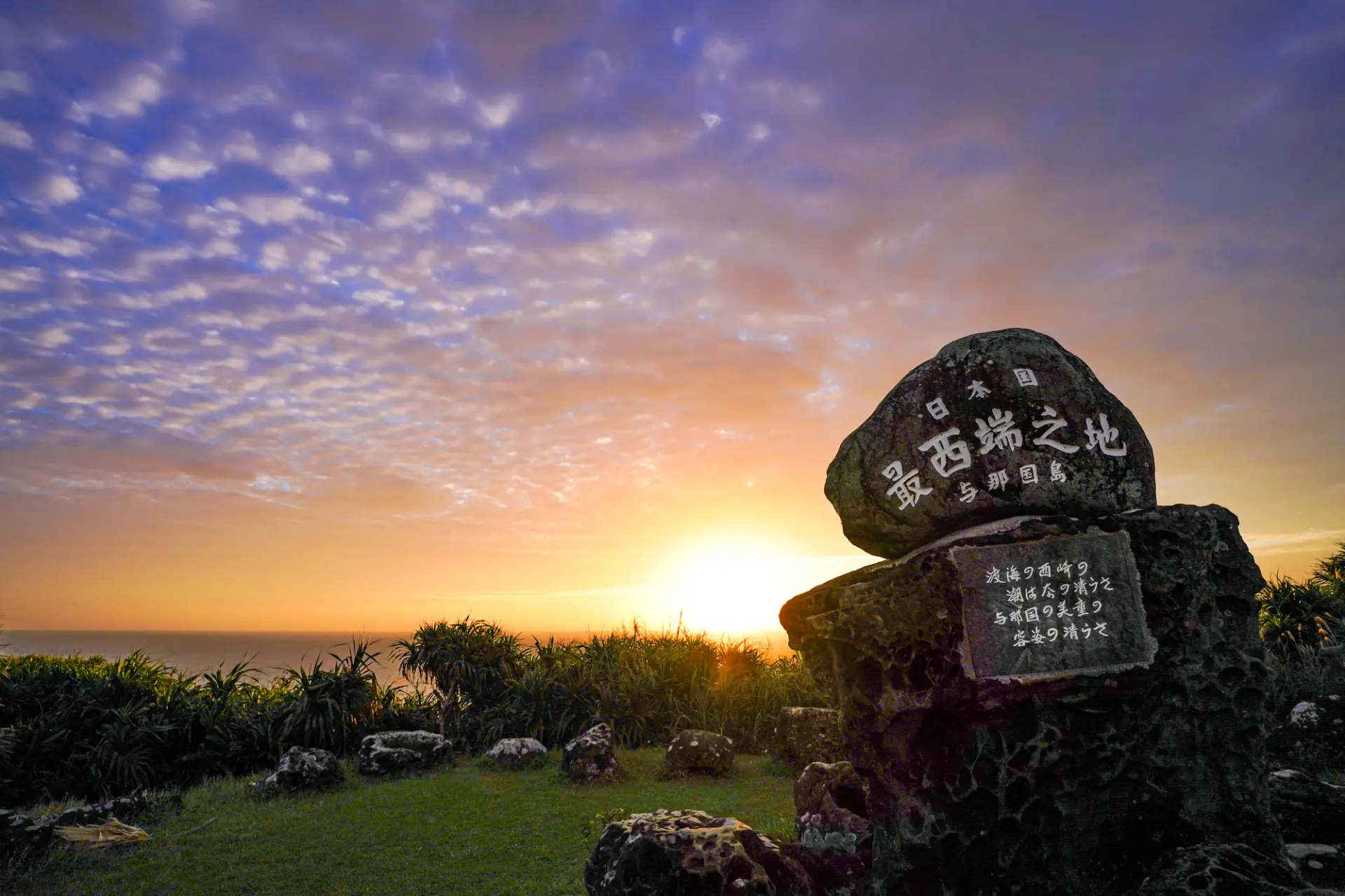
Cape Irizaki, at the western end of Yonaguni Island, is home to the monument marking Japan’s westernmost point. The cape also has the white Irizaki Lighthouse and an observation deck offering panoramic views of the East China Sea and the island’s steep coastline. From the observation deck, you can also take in the open scenery of western Yonaguni, including Kubura and its fishing port.
The cape is also known as the place where the sun sets last in Japan and is especially popular at dusk. Watching the horizon turn crimson as the sun slowly sinks into the sea is an impressive sight that will remain with you long after your trip.
2. Kubura-Bari: A Rock Chasm with a Tragic Legend Linked to the Poll Tax
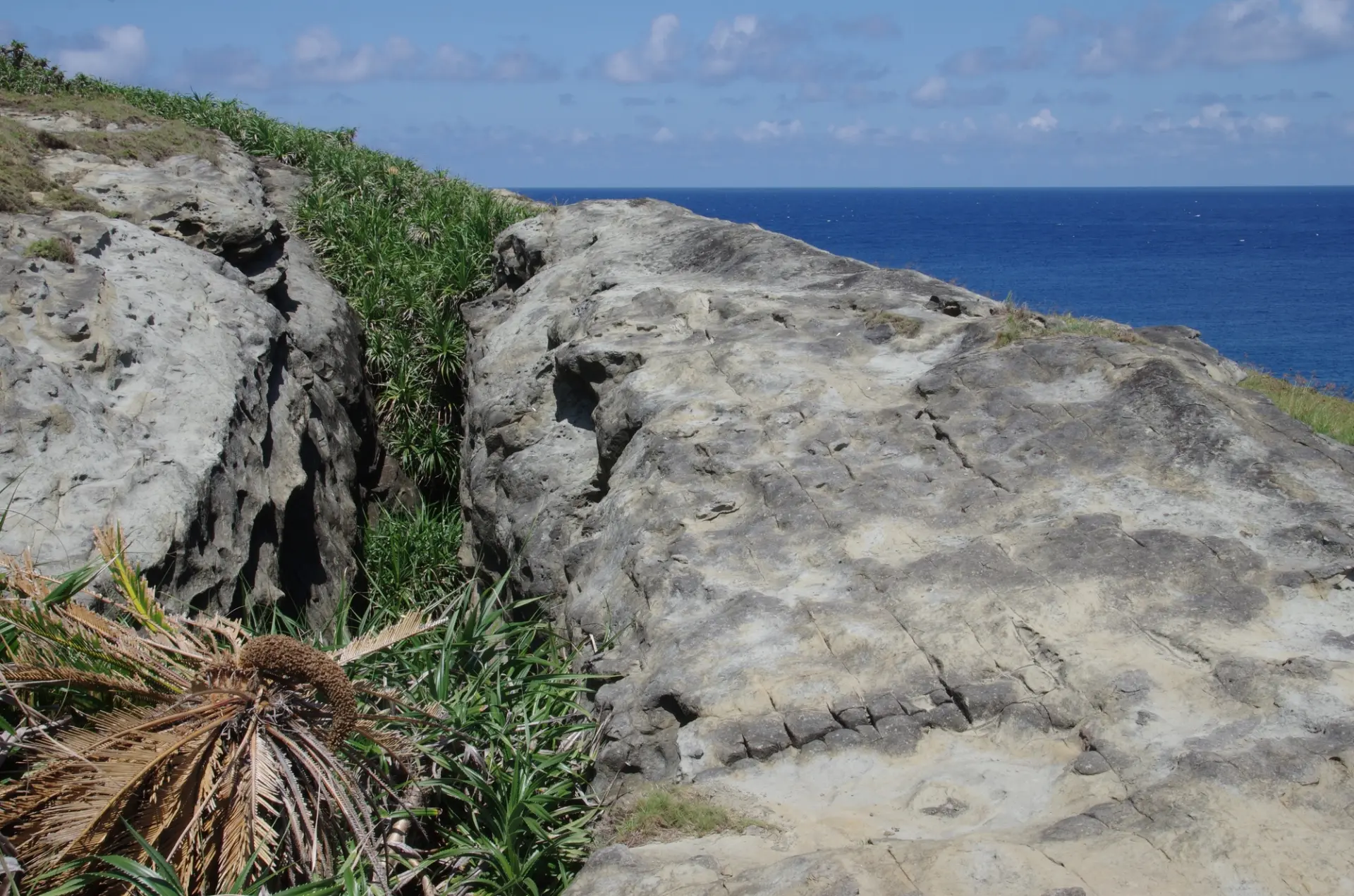
Kubura-Bari is a scenic site featuring a large chasm in the rocky ground near the coast. Located northwest of Kubura, the fissure measures approximately 49 feet long, 11.5 feet wide, and 23 feet deep. “Bari” means a crack or fissure. A tragic legend from the era of the Ryukyu Kingdom tells of pregnant women being forced to jump across the chasm to reduce the population while the islanders suffered under the heavy burden of the poll tax. In the fourth month of the lunar calendar, it was also used as a ceremonial site for sending rice pests out to sea. The site offers insight into both the hardships of life at the time and the island’s spiritual traditions. Its distinctive coastal landscape and cultural significance were recognized in 2014, when Kubura-Bari and nearby Kubura-Furishi were designated a National Place of Scenic Beauty.
3. Cape Agarizaki: Clifftop Pastures Where Yonaguni Horses Graze
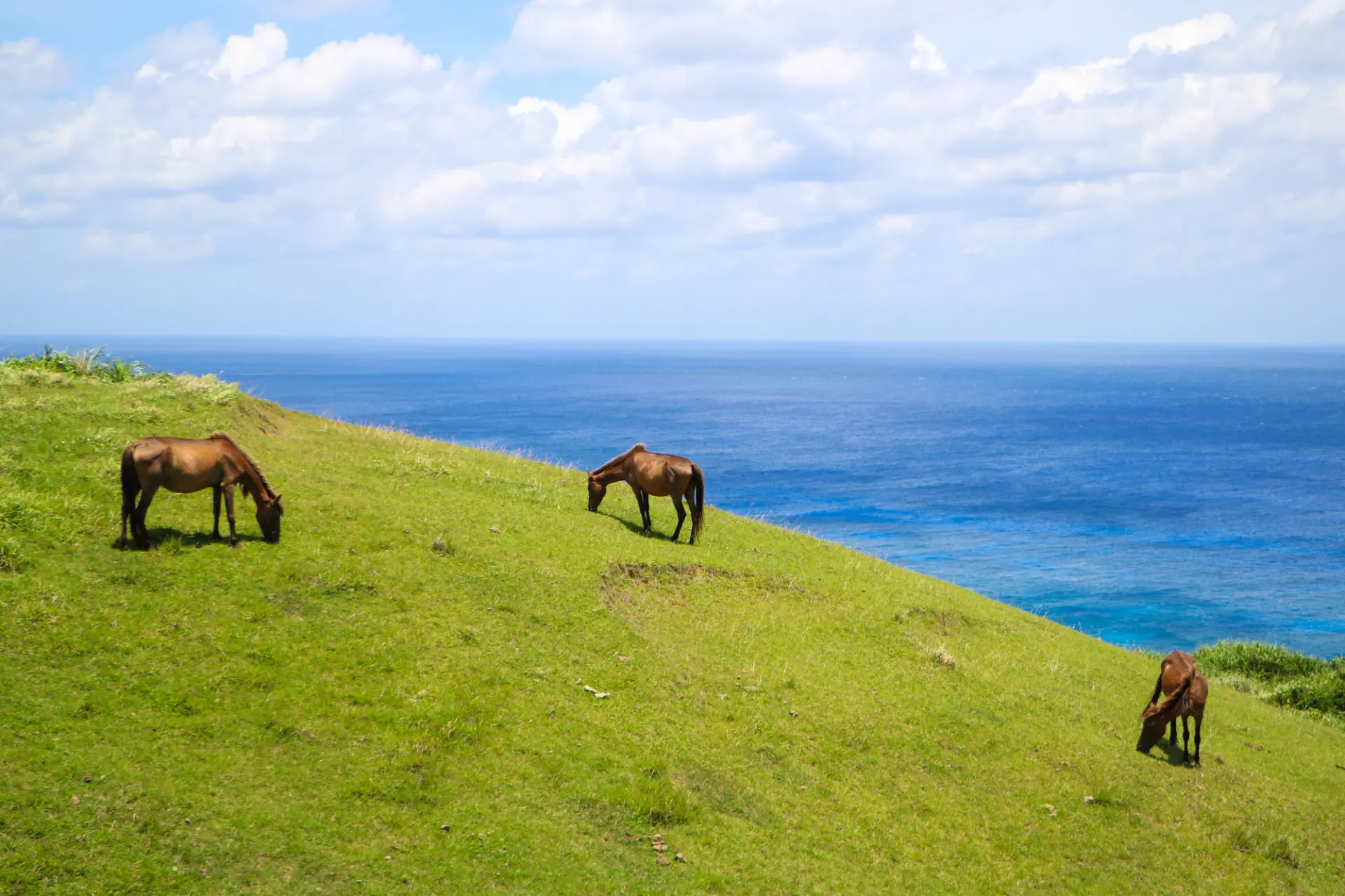
Cape Agarizaki, at the eastern end of Yonaguni Island, is a cape with sheer cliffs rising approximately 328 feet above the sea. “Agari” refers to the rising sun, making its name a counterpart to Cape Irizaki, whose name indicates the direction of sunset. The white Agarizaki Lighthouse stands at the tip of the cape, surrounded by lush green pastures.
Native Yonaguni horses and cattle graze across the grassland, and watching them feed peacefully is one of the area’s highlights. The surrounding area is designated by Okinawa Prefecture as the Cape Agarizaki Nature Conservation Area. Its combination of cliffs, tranquil pastures, and blue sea creates the open scenery characteristic of Yonaguni Island.
Please keep a safe distance from the horses and do not touch or feed them.
4. Tategami Rock: The Island’s Symbol Rising from the Rough Sea
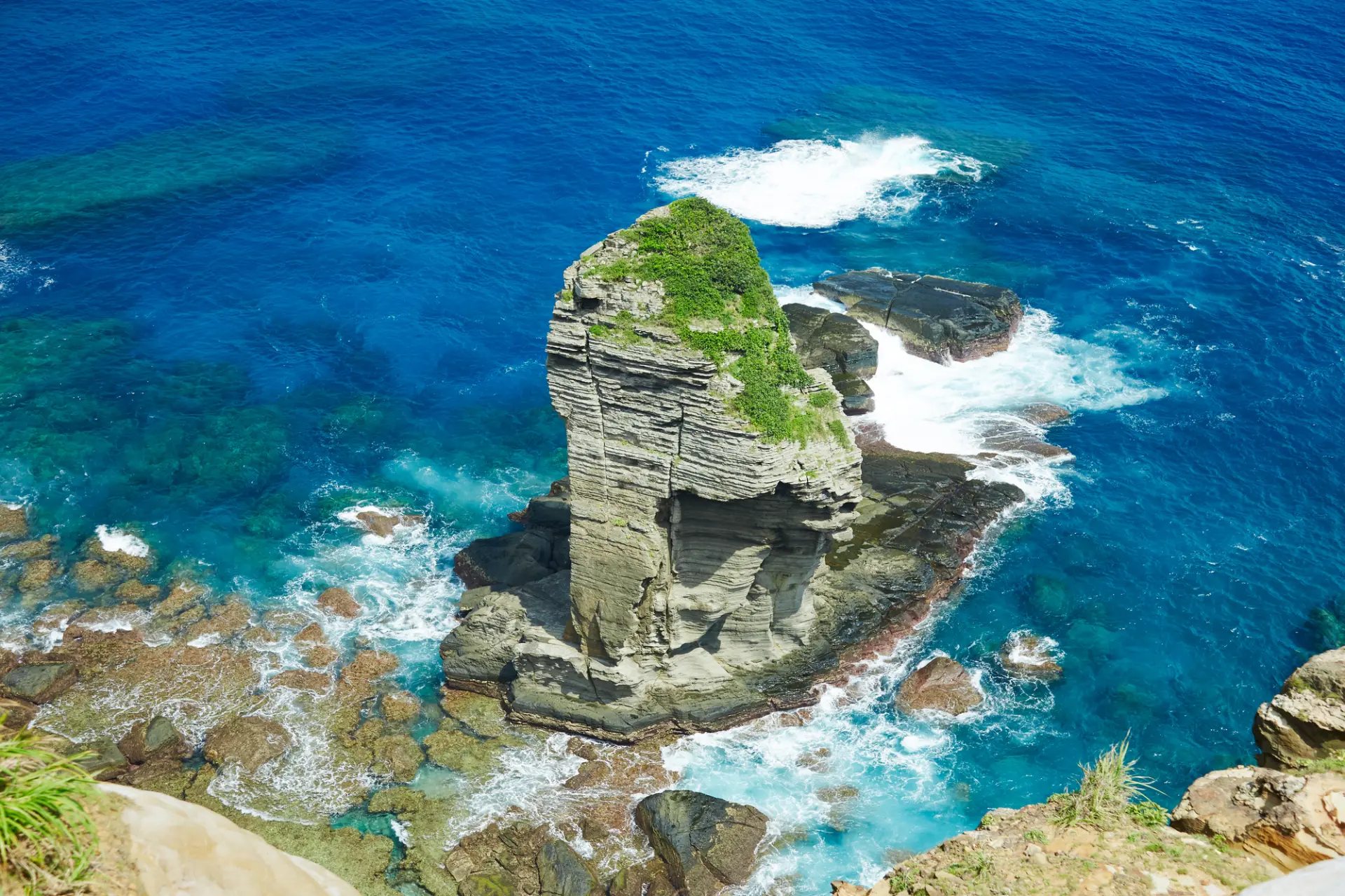
Tategami Rock rises from the rough sea off the southeastern part of the island. Revered as a sacred rock since ancient times, it has long provided spiritual support to the islanders and is considered a symbol of Yonaguni. The massive rock rises almost vertically approximately 66 feet above the water. Together with the surrounding cliffs and crashing white waves, it creates a dramatic landscape. Horizontal bands of layered rock are visible across its surface, giving it a distinctive appearance. There are two main observation points overlooking Tategami Rock, each offering a different angle. Visiting both and comparing the views is well worthwhile.
5. Tindabana: A Natural Observatory Overlooking Sonai and Nantahama Beach
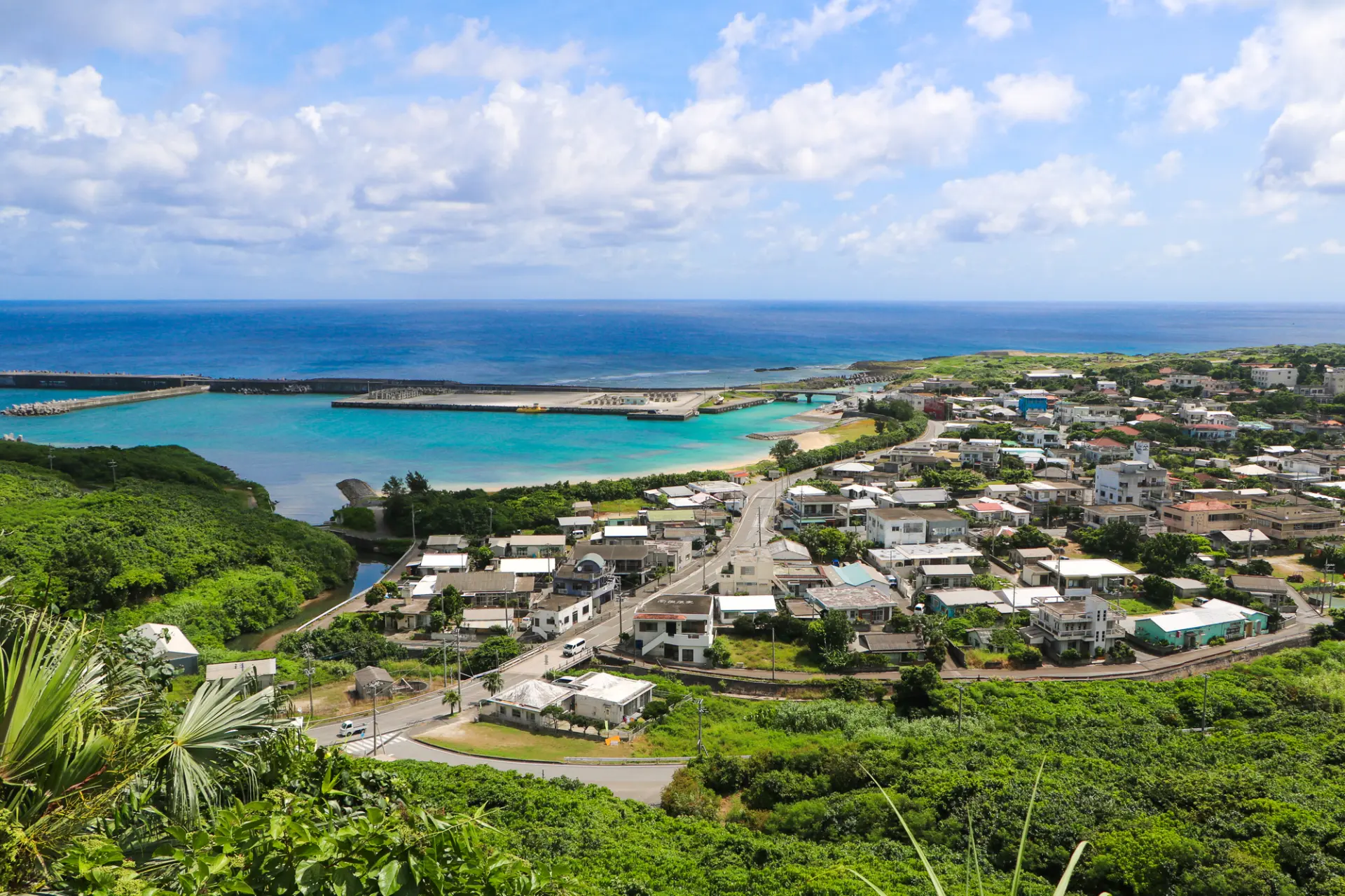
Tindabana is a 279-foot cliff southwest of Sonai. Near the top is a hollow carved into the rock face by groundwater erosion, forming a natural observation deck. From here, open views extend across the village, Nantahama Beach, and the East China Sea.
Legend also holds that the site was once the home of Sanai Isoba, a female chieftain who ruled the island in the late 15th century. The spring water, carefully protected by local residents since ancient times, is closely connected to the island’s rituals, including Aramidi, or “new water,” held in the eighth month of the lunar calendar. This landscape, where distinctive terrain meets traditions and rituals unique to the island, was designated a National Place of Scenic Beauty in 2014.
6. Nantahama Beach: White Sand and Blue Water Beside Sonai
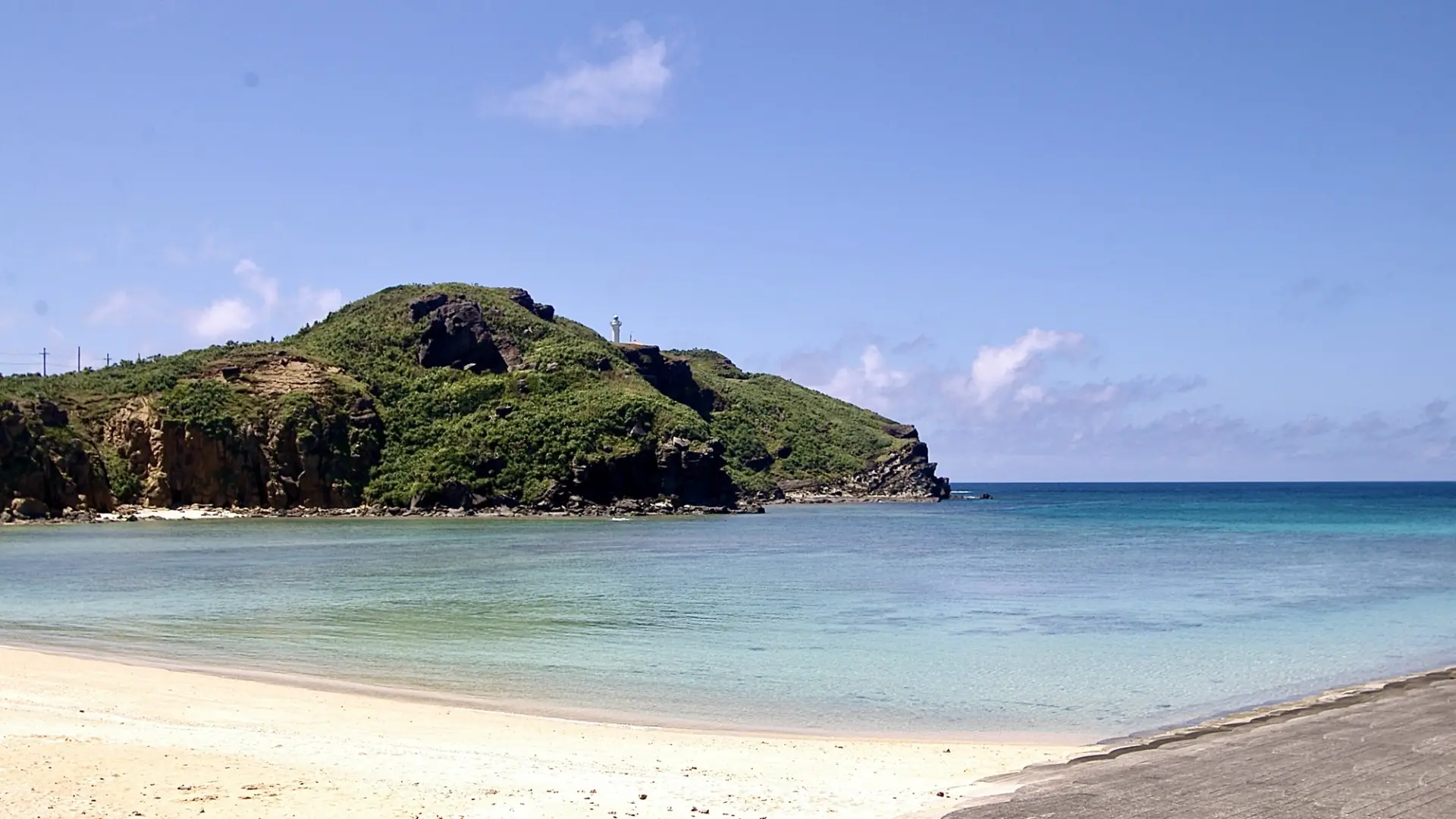
Nantahama Beach is a white-sand beach beside Sonai. Located just a short walk from the village, it offers an easy way to experience the island’s sea while strolling along the water’s edge. The beach is also portrayed in “Nantahama,” a song about Yonaguni’s shoreline. Although the landscape has changed since the song was written, the beach remains closely connected to the islanders’ lives and memories. During the day, the blue sea stretching beyond the breakwater and the white sand create an appealing view. At night, visitors can see the moonlit sea and gaze at the stars from the beach. Approximately a 10-minute drive from Yonaguni Airport, it is also easy to visit between other sightseeing stops.
7. Shikinajima Clinic: Filming Location for the Popular Drama “Dr. Coto’s Clinic”
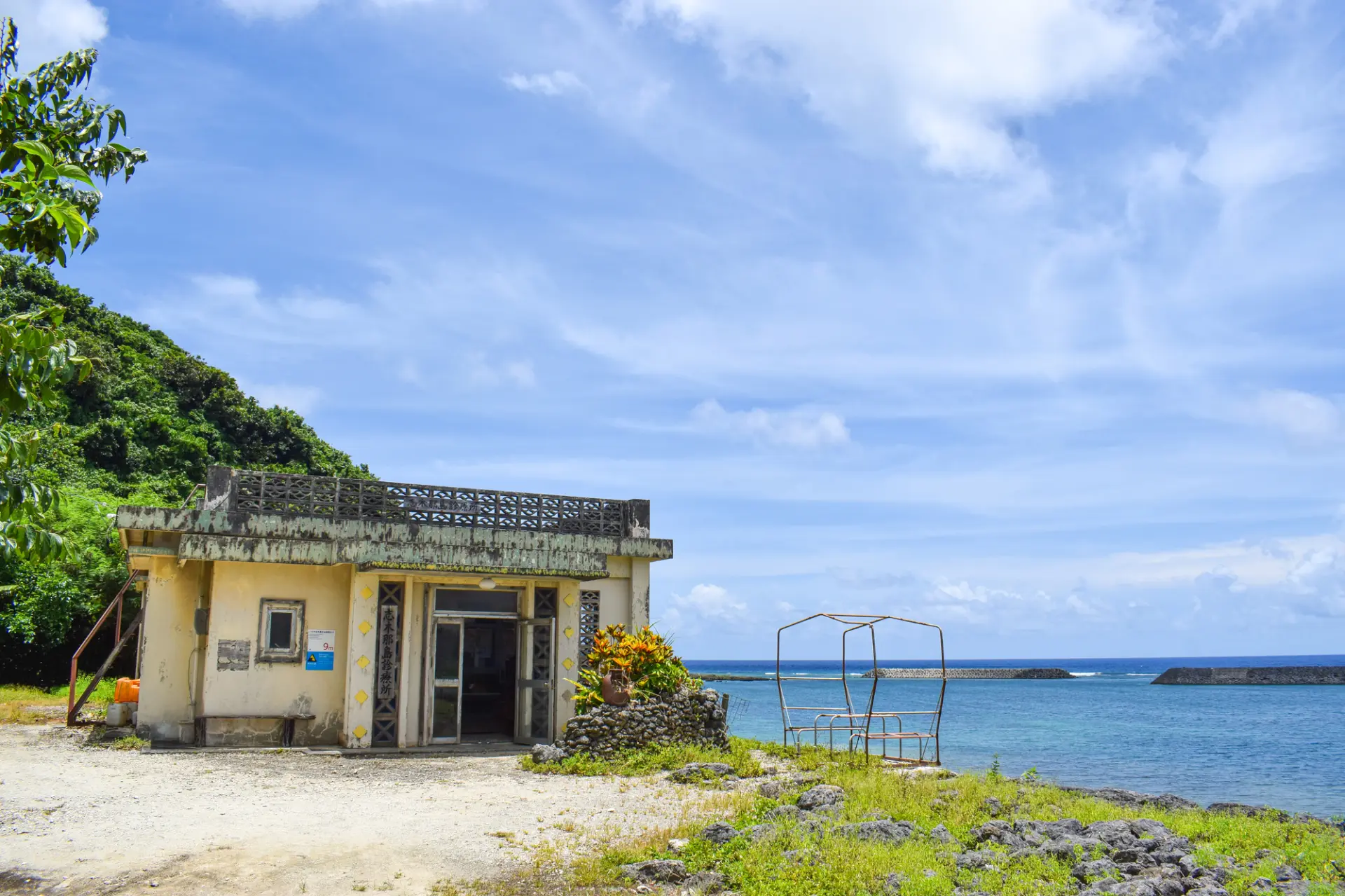
Shikinajima Clinic, in the Higawa area of Yonaguni Island, is an open set used to film the popular television drama “Dr. Coto’s Clinic.” In the series, it appeared as the clinic on the fictional island of Shikinajima and has been popular with fans since the program began airing in 2003. Inside are a waiting room, hospital room, examination room, and other spaces that immerse visitors in the series while preserving the atmosphere of the filming period. Walking through the building may bring memorable scenes from the drama back to mind. Even visitors who have never seen the series can appreciate the nostalgic building and the ocean view stretching out in front of it.
Activities Unique to Yonaguni Island
Surrounded by expansive natural scenery, Yonaguni Island offers a wide variety of activities shaped by its environment. The surrounding sea supports a rich ecosystem and features dramatic underwater terrain. Here are three recommended experiences.
See the Underwater Ruins from a Semi-Submersible Sightseeing Boat
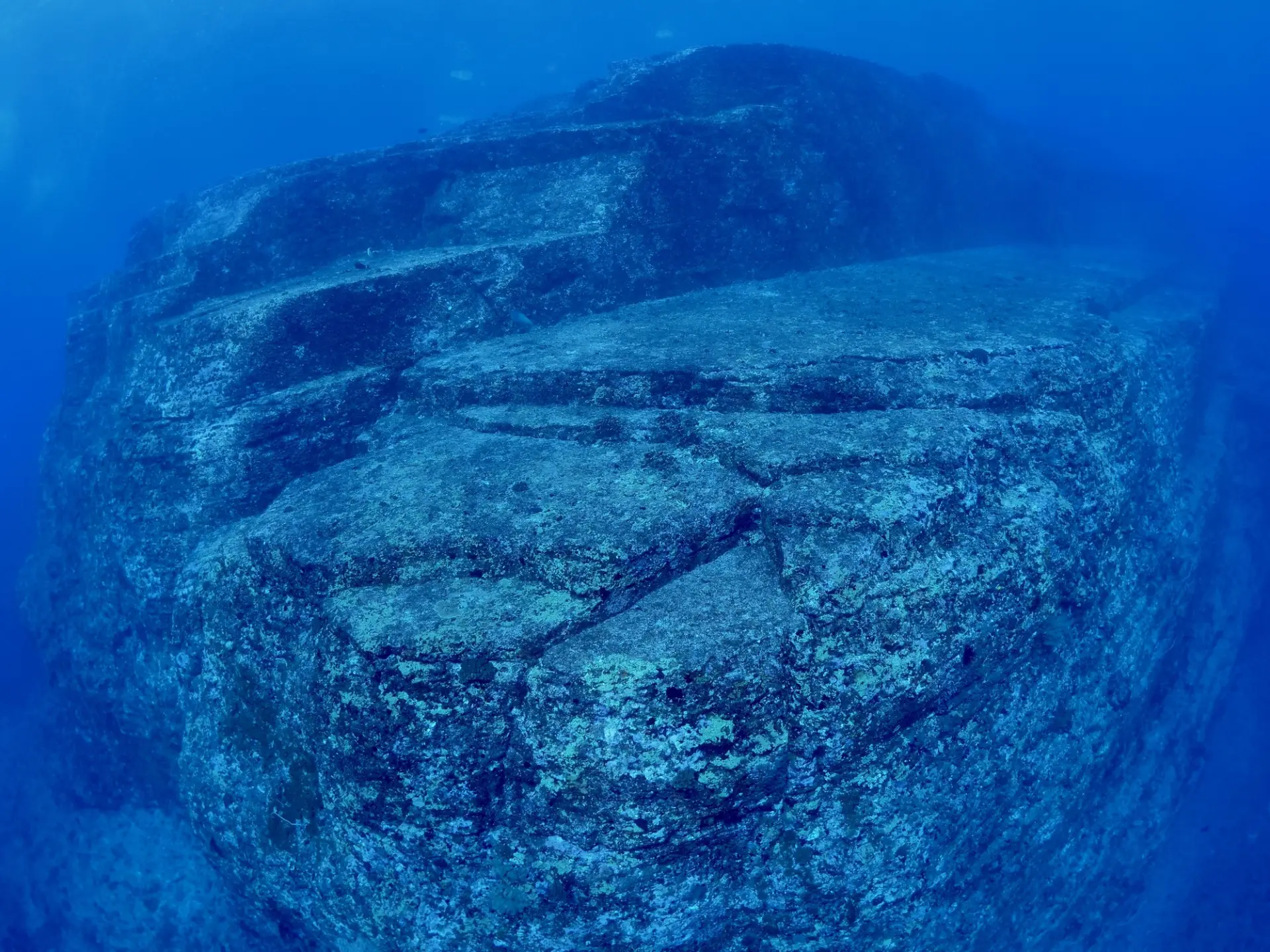
Off the southern coast of Yonaguni Island lies a distinctive underwater formation of step-like terraces and flat rock surfaces. A local diver discovered the unusual terrain in 1986 and named it the “underwater ruins,” sparking debate over whether it was artificial or naturally formed. In recent years, some have suggested that it was created by natural erosion, but the mysterious scenery continues to fascinate many people. One recommended way to see the site is aboard the semi-submersible sightseeing boat Jack’s Dolphin, which departs from Kubura Port and requires reservations. The ruins are approximately 18 minutes from the port, and the entire excursion takes about one hour. From the boat’s underwater observation room, passengers can remain seated and fully dressed while viewing the sea below. In addition to the rock formations, highlights include coral and colorful tropical fish.
Meet and Ride Yonaguni Horses
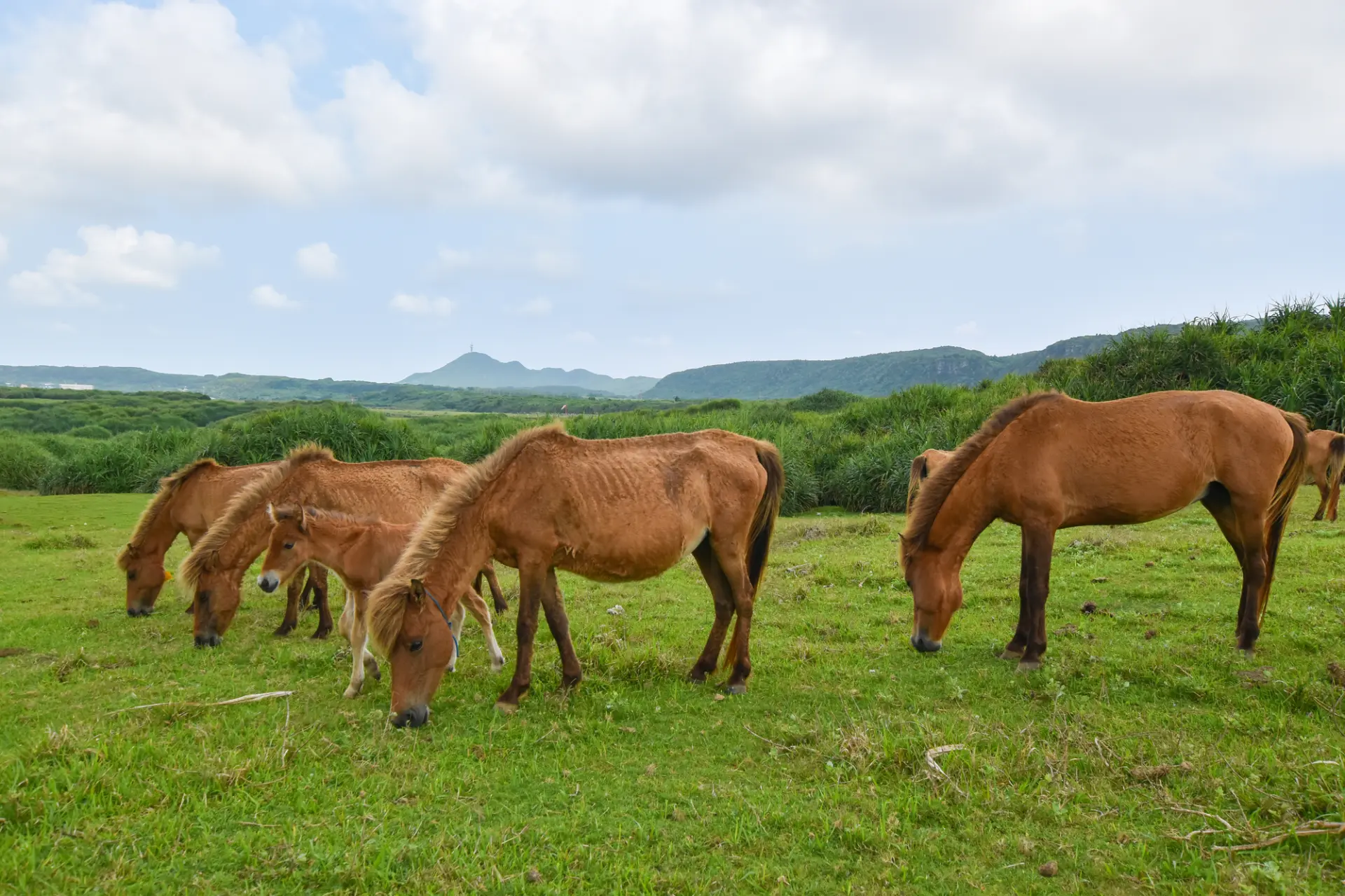
A visit to Yonaguni Island is also an opportunity to meet Yonaguni horses, one of Japan’s native horse breeds. These small horses stand approximately 43 to 47 inches tall and were designated a Natural Monument of Yonaguni Town in 1969. Known for their gentle and friendly nature, they once supported island life by working in agriculture and transporting goods. Today, they are raised at ranches across the island and can sometimes be seen grazing in places such as the pastures around Cape Agarizaki. At Chimanma Hiroba in Kubura, visitors can try horseback riding and short trekking experiences. From May through September, there is also an activity called “Umiuma Asobi,” in which participants enter the sea with the horses. Spend a relaxing time with these endearing native horses while taking in the island’s natural surroundings.
Dive Among Schools of Hammerhead Sharks
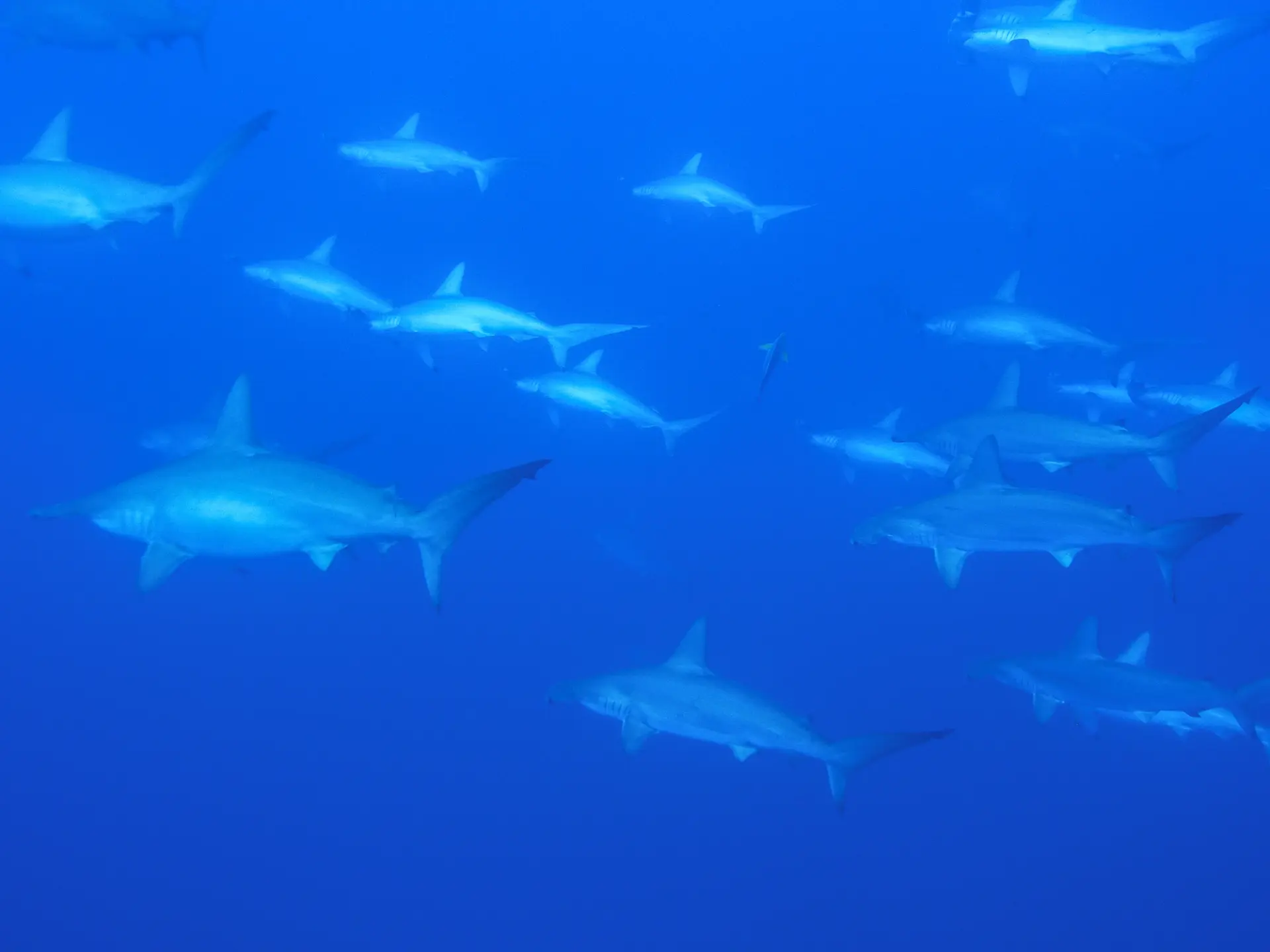
Yonaguni Island is internationally known as a diving destination for encountering schools of hammerhead sharks. The chances of seeing them are particularly high from December through February, although they may appear in the waters around the island from as early as November until around Golden Week in early May. The area around Cape Irizaki offers a high encounter rate, and divers may even see a “hammerhead river,” with dozens or hundreds of sharks swimming in formation. Watching a school pass directly in front of you or glide through the blue water is an experience distinctive to Yonaguni Island.
However, these dive sites are intended for advanced divers. In addition to an advanced-level certification, divers need the experience and skills required to handle strong currents.
Local Foods to Try on Yonaguni Island
When visiting Yonaguni Island, be sure to explore its distinctive food culture, including fresh seafood brought by the Kuroshio Current. Marlin, designated as the official fish of Yonaguni Town, is a familiar ingredient for island residents. It is prepared in many ways, including as sashimi, deep-fried bones, and champuru stir-fry made with the internal organs. Its appeal lies in its firm texture and mild yet savory flavor.
Yonaguni soba, made from wheat flour, is another representative local dish. The straight, uncurled noodles have an oval cross-section and pair well with a light broth made from dried bonito and pork bones. Su, a dish of longevity herb dressed with miso, is also a traditional food essential to sacred ceremonies.
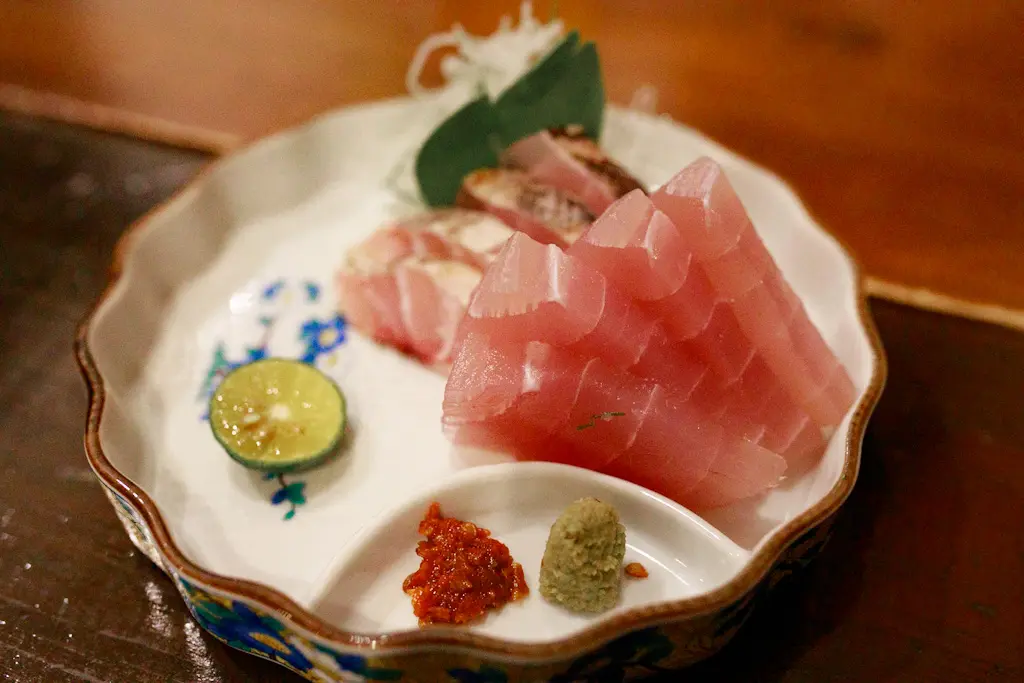
Recommended Restaurants for Local Food
- Beer Garden Hateruma
- Try local Yonaguni dishes such as deep-fried marlin, sashimi, and champuru made with fish landed by the Kubura fishing cooperative.
- Fishermen’s Cooperative Cafeteria
- In addition to sashimi and fried-fish set meals made with fish caught by local fishermen, the restaurant serves noodles made with locally grown thistle. Its interior was also used as a filming location for “Dr. Coto’s Clinic.”
- Yonaguni Island Mumbu Kitchen
- This restaurant is approximately a one-minute walk from Yonaguni Airport. Its menu features island ingredients in dishes such as Yonaguni soba, marlin cuisine, and Donan Wagyu loco moco.
Check operating hours and closing days in advance.
2-Day, 1-Night Sample Itinerary for Yonaguni Island
For an efficient trip around Yonaguni Island, a two-day, one-night stay with a rental car is recommended. The following classic itinerary offers a balanced selection of the island’s main attractions while introducing its natural scenery and history.
Day 1: Explore Cape Agarizaki, Southern Yonaguni, and the Sonai Area
- 10:00 a.m. Pick up a rental car at Yonaguni Airport and begin sightseeing
- 10:30 a.m. Take in the pastures where Yonaguni horses live and the dramatic cliffs at Cape Agarizaki
- 11:30 a.m. View the massive Tategami Rock rising from the sea from an observation point
- 12:15 p.m. Have lunch at a local restaurant and try island cuisine or Yonaguni soba
- 1:30 p.m. Visit Shikinajima Clinic, a filming location for “Dr. Coto’s Clinic”
- 2:30 p.m. Take in panoramic views of Sonai and the East China Sea from Tindabana
- 3:20 p.m. Stroll along Nantahama Beach while viewing its white sand and clear water
- From 4:30 p.m. Check in to your accommodations and relax
Day 2: Experience Japan’s Westernmost Scenery and Mysterious Underwater Formations
- 9:00 a.m. Visit Kubura-Bari to learn about its poll-tax legend and see its distinctive terrain
- 9:45 a.m. View the Monument of Japan’s Westernmost Point and the expansive sea at Cape Irizaki
- 11:30 a.m. Head to the sightseeing boat boarding area at Kubura Fishing Port and complete the boarding procedures at the time provided when booking
- 12:00 p.m. Board a semi-submersible sightseeing boat to see the mysterious underwater formations known as the underwater ruins. Reservations are required, and trips may be canceled depending on sea conditions.
- 1:15 p.m. Enjoy the island’s seafood and local cuisine at a restaurant
- From 2:30 p.m. Return to Yonaguni Airport in time for your flight, return the rental car, and begin your journey home
Travel times are approximate and may vary depending on the time spent at each attraction and traffic conditions.
Frequently Asked Questions About Yonaguni Island
Q
Is it possible to visit Yonaguni Island as a day trip?
Yes. You can arrive on a morning flight from Ishigaki Island and return on an evening flight. However, because you will only have a few hours on the island, staying at least one night is recommended to fully experience its attractions.
Q
Are flights to Yonaguni Island sometimes canceled due to the weather?
Flights may be canceled or delayed due to strong winds, typhoons, and other severe weather. Extra caution is required during typhoon season. Allow plenty of flexibility when scheduling your return flight.
Q
Can you see Taiwan from Yonaguni Island?
On clear days with good visibility, Taiwan’s mountains can sometimes be seen from the western side of the island, including Cape Irizaki. However, this depends on the weather and atmospheric conditions, and the opportunity arises only a few times a year.
Summary
This article has introduced Yonaguni Island, its classic attractions, and its local cuisine. In addition to views found only at Japan’s westernmost point, the island offers opportunities to meet native horses and learn about its deep-rooted history, culture, and distinctive food traditions. Its cliff-lined coast, Japan’s final sunset of the day, and mysterious underwater formations provide scenery and experiences that will remain vivid in your travel memories. Why not leave everyday life behind and spend a memorable time moving at the island’s leisurely pace?
If you would like to explore more of Okinawa’s outlying islands, be sure to read this guide to their major attractions.

Author
Writers & Editors
GOOD LUCK TRIP Editors
Sharing lesser-known ways to experience Japan with the world!