

Must-visit Cherry Blossoms viewing spot, Shinjuku-Gyoen (Shinjuku-ku of Tokyo).
Shinjuku-Gyoen is one of the largest park in Tokyo and just a short walk from Shinjuku-Gyoen Station(しんじゅくぎょえんまえ) on the Tokyo Metro Marunouchi Line.


©Shinjuku Gyoen Management Office
Verified [Verified] denotes information that has been published with confirmation of its owing parties.
Beautiful gardens with seasonal nature and historical buildings.
Shinjuku Gyoen once stood as an estate of the Naito family, the hereditary vassals of the Tokugawa family in the Edo period before being established as an imperial garden in 1906. Today it remains open to the general public. Inside you’ll find the sprawling 58.3ha grounds keep three distinct gardens: a Japanese traditional garden, a formal garden, and a landscape garden, acclaimed as one of the best of modern day gardens. There’s even a greenhouse that keeps a collection of rare plants from Japan and around the world. In spring, you’ll find about 900 cherry blossoms of approx. 70 different varieties , and in the fall, the vibrant colors of autumn leaves await.

Stark contrast of the nature-rich park, backed by the towering skyscrapers of Shinjuku. ©Shinjuku Gyoen Management Office

Cherry blossoms in spring. ©Shinjuku Gyoen Management Office

Brightly colored leaves in autumn. ©Shinjuku Gyoen Management Office
Frequently Asked Questions have been vetted and answered directly by each listing.
Q
How crowded is the garden during cherry blossom season?
The number of visitors peaks on weekends and holidays when the Somei Yoshino cherries are almost in full bloom. Shinjuku Gyoen can be very crowded during the peak season, so you may require a reservation in advance to enter the garden. Please check the official website of Shinjuku Gyoen in advance. The many double-flowered cherry trees, a feature of Shinjuku Gyoen, are at their best when the Somei Yoshino cherry blossoms start to fall. If you want to enjoy the double-flowered cherry trees, we recommend cherry blossom viewing from early to mid-April, although this varies from year to year. There are three entrance gates: the Shinjuku Gate, Okido Gate, and Sendagaya Gate, but we recommend using the Okido Gate or Sendagaya Gate as the Shinjuku Gate, the closest to Shinjuku Station, can be very crowded during the cherry blossom season.
Q
Are there restrooms with changing areas and/or nursing rooms?
There are 15 restrooms with a baby changing table in the garden, and 4 nursing rooms (hot water is not available).
Q
If you need to take shelter due to sudden severe thunderstorms, are there shelters?
You can take shelter in several places within the garden, such as the Central Rest House, Restaurant Yurinoki, and several other buildings across the garden grounds.
Some reviews are AI-translated.
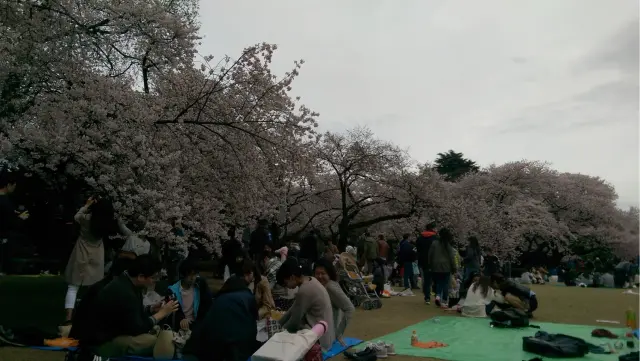
Shinjuku Gyoen is one of Tokyo’s premier cherry blossom viewing spots, with nearly 1,000 cherry trees of more than 65 varieties planted across its expansive lawns. From the early-blooming kanzakura and Kawazu cherry trees to the final display of Somei Yoshino and double-flowered cherry blossoms, the different varieties bloom one after another. The garden combines Japanese, English landscape, and French formal garden designs, creating enchanting scenery. Every spring, visitors and local residents bring picnic blankets and sit beneath the cherry trees, enjoying food and the romantic views while taking in the feeling of spring in Tokyo.
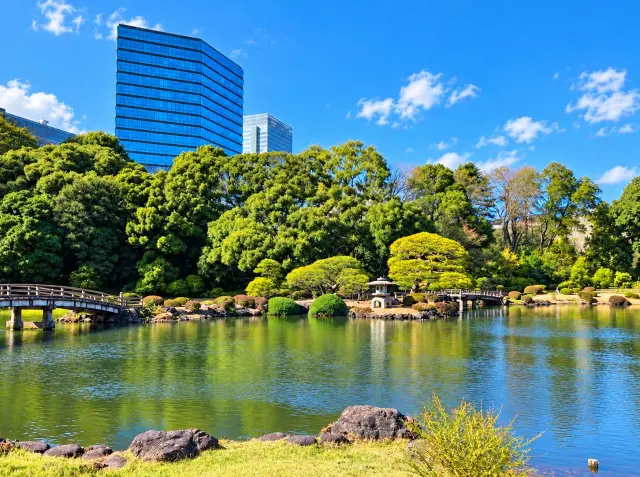
While in Tokyo, I made a special trip to Shinjuku Gyoen National Garden. It skillfully blends the natural scenery of the four seasons with historic architecture, making it a beautiful garden that’s perfect for a leisurely walk and relaxing.
The weather was wonderful on the day I visited. Sunlight fell across the lush green garden, making the scenery look especially fresh and beautiful. Although my visit didn’t coincide with cherry blossom season, so I missed the romance of a garden full of blossoms, I could still feel the garden’s peaceful and elegant atmosphere.
This time, I only visited the Japanese garden area. Walking among the ponds, stone lanterns, neatly trimmed trees, and small bridges was really pleasant, and every corner had the charm of a Japanese garden.
Adult admission is JPY 500. Coming from the Isetan side, it’s only a few minutes away on foot, so it’s very convenient to get to. If you happen to be shopping in Shinjuku, consider stopping by. Walking from the bustling streets into this greenery feels like instantly entering another world.
One of the things I was most looking forward to on my Tokyo trip was seeing the cherry blossoms at Shinjuku Gyoen National Garden. As soon as I entered the park, I was amazed by the blossoms in full bloom. The pink and white flowers, spacious lawns, ponds, and gardens came together like a beautiful spring painting.
Walking beneath the cherry trees was incredibly romantic. Whenever a gentle breeze passed through, petals slowly drifted to the ground, making me stop and admire the view. The park was very pleasant, with visitors leisurely enjoying the blossoms, taking photos, and making the most of spring. Compared with the bustling city, Shinjuku Gyoen felt peaceful and elegant, allowing me to fully appreciate the magic of cherry blossom season.
This visit not only gave me the chance to enjoy some of Tokyo’s most beautiful spring scenery, but also helped me appreciate how deeply people in Japan value and cherish nature. Although cherry blossom season is brief, it left me with wonderful, lasting memories.
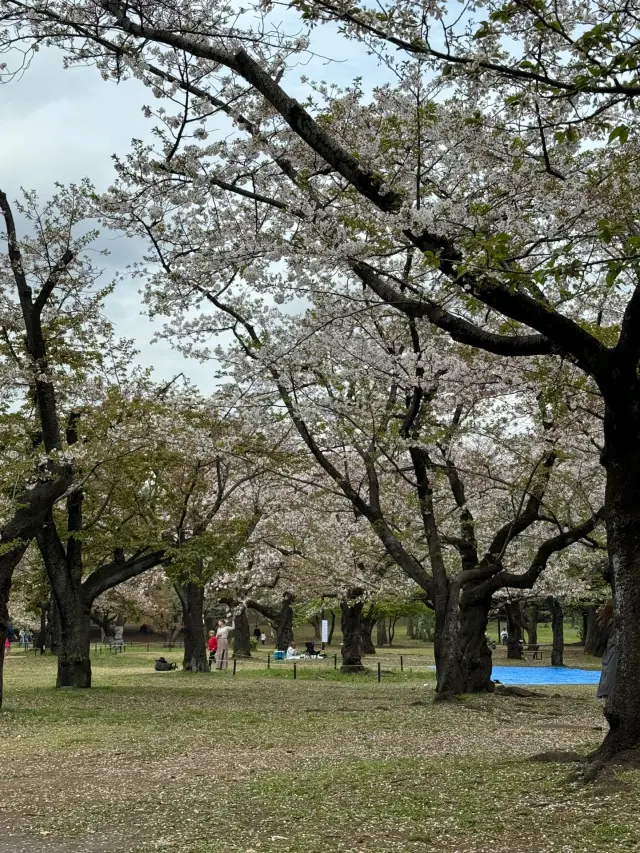
The cherry blossoms at Shinjuku Gyoen are absolutely breathtaking. Whether you're having a picnic on the green lawn or strolling through the cherry blossom tunnels, it feels like stepping into a dream world.


The garden is huge. Watching the cherry blossoms and trees in such a beautiful setting really lifts your mood.