

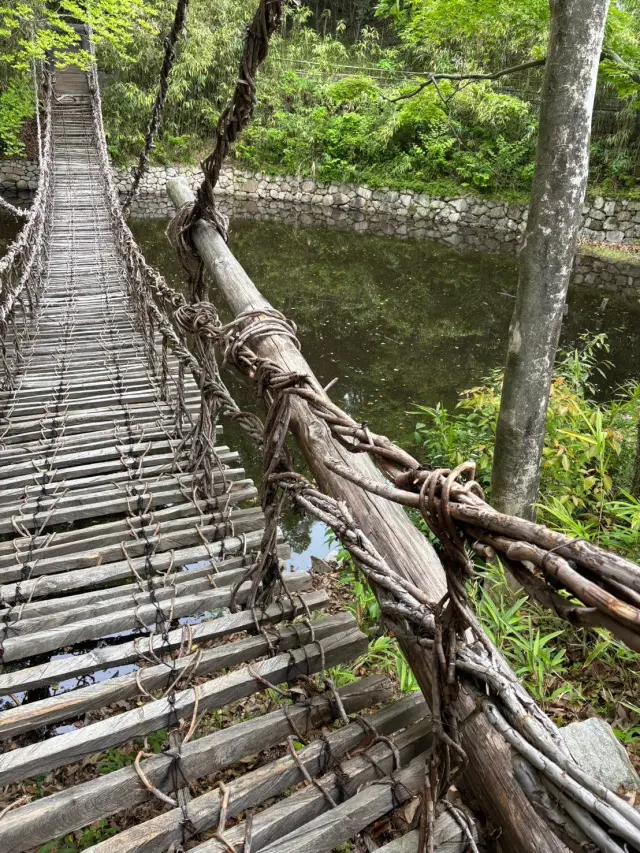
You can get there from the station by bus or on foot. The grounds are very large, and it takes about half a day to explore them properly. The village recreates and showcases the early lifestyles and industries of Shikoku’s four prefectures. The highlight is the reconstructed vine bridge from Iya, Tokushima, which is definitely worth walking across.
Verified [Verified] denotes information that has been published with confirmation of its owing parties.
Shikoku Mura Museum
An open-air museum where visitors can walk through the traditional landscapes of Shikoku.
3.24
1
This open-air museum features historic buildings relocated and restored mainly from Shikoku’s four prefectures. Spread across the expansive grounds of Shikoku Mura Museum at the foot of Mt. Yashima in Takamatsu, Kagawa Prefecture, are 33 structures dating from the Edo period to the Taisho period, including traditional homes, workshops, a rural kabuki theater, rice storehouses, and a soy sauce brewery. Visitors can explore the museum while getting a close-up look at the lifestyles, industries, and regional culture of the time. The buildings also display numerous folk tools once used in daily life, offering insights into the knowledge, skills, beliefs, and everyday activities of the people who lived and worked there.
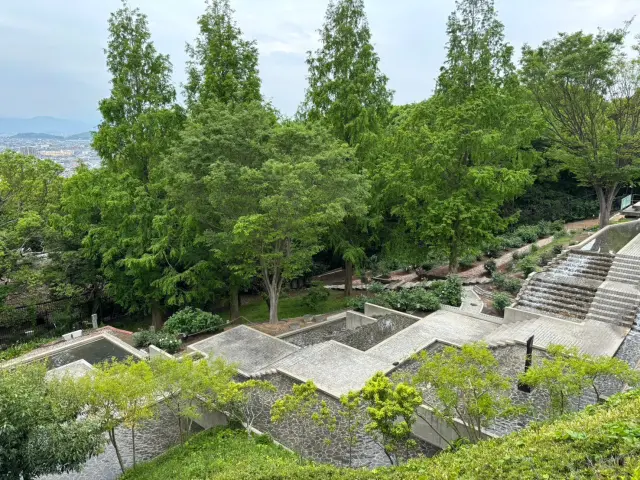
Surrounded by nature that changes with the seasons, the grounds offer a relaxing setting where visitors can take in views of waterfalls, trees, and plants. The Shikoku Mura Gallery, designed by architect Tadao Ando, displays works of art, while the striking contrast between traditional Japanese houses and contemporary architecture is another highlight.
The museum complex also includes a Sanuki udon restaurant housed in a relocated traditional home and a cafe in a relocated Western-style residence from Kobe. With history, architecture, art, and food culture all in one place, the museum appeals to a wide range of visitors.
Highlights
-
An open-air museum at the foot of Mt. Yashima in Takamatsu, Kagawa Prefecture.
-
A striking contrast between historic buildings relocated and restored mainly from Shikoku’s four prefectures and a gallery designed by Tadao Ando.
-
Experience the lifestyles, industries, and history of the past while spending a relaxing time surrounded by nature, away from the everyday routine.
-
Feel your heart race as you cross the Kazura Bashi vine bridge, take in the powerful Nagare-zaka by Masayuki Nagare, and unwind beside Somegataki Waterfall.
-
When hunger strikes, stop by the on-site Sanuki udon restaurant or the cafe housed in a relocated Western-style residence.
Photos
-
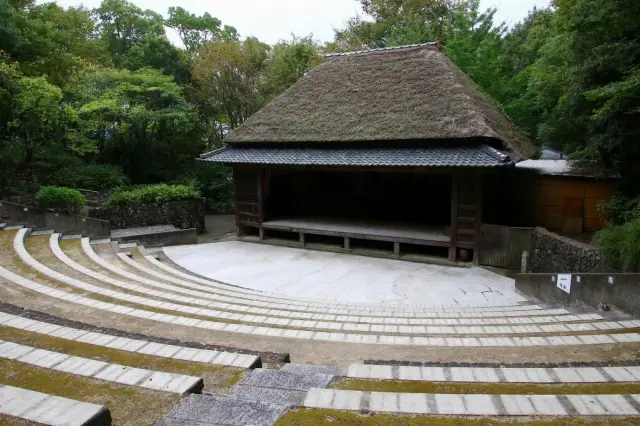
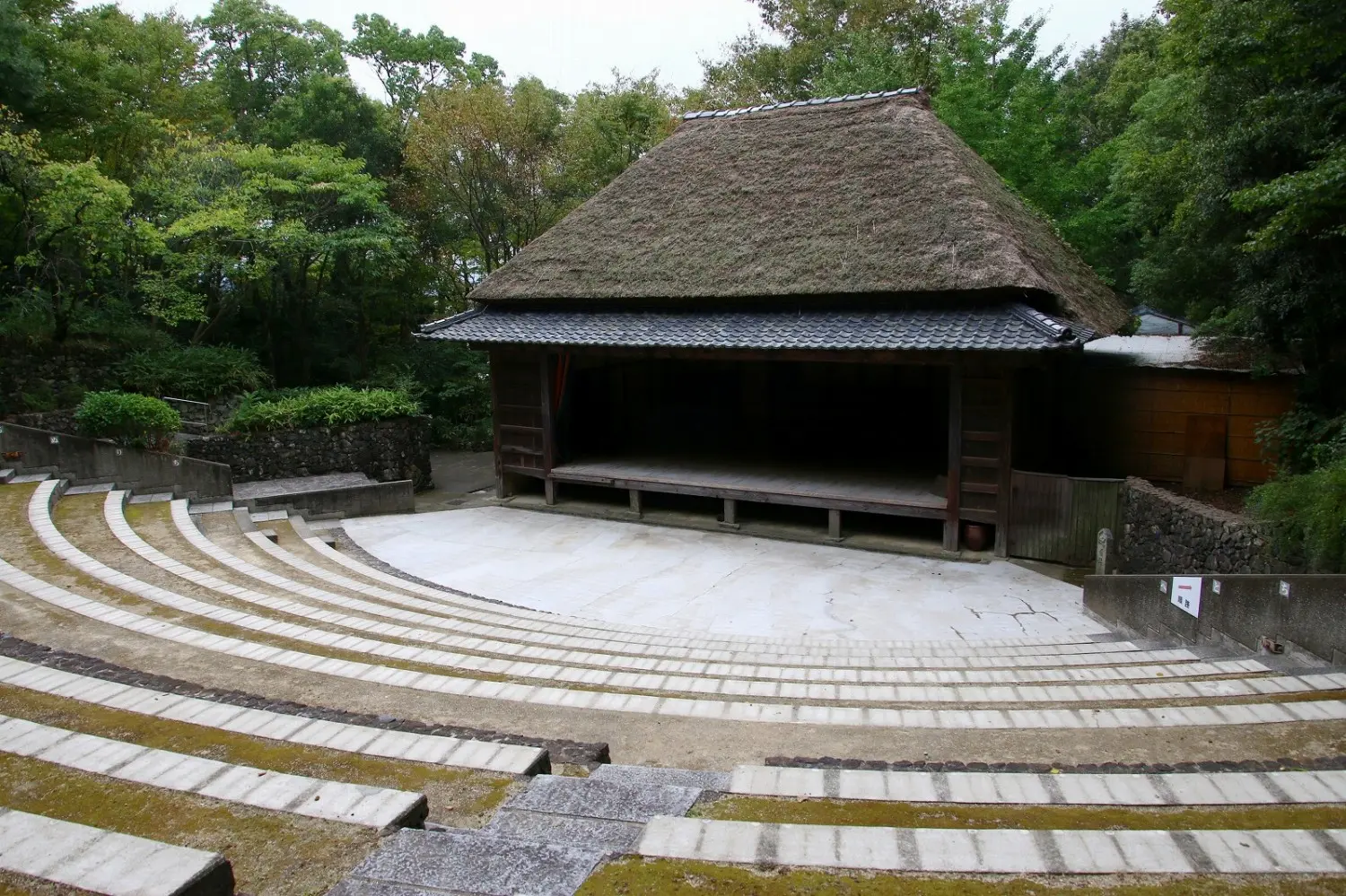
Shodoshima Farmers’ Kabuki Theater, now used as an open-air theater
-
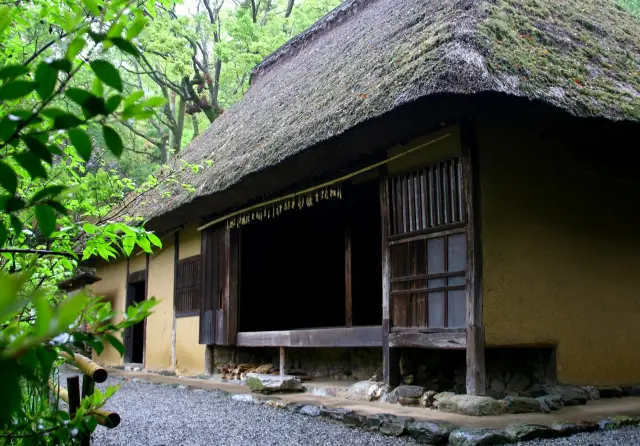
Kono Family House, a Nationally Designated Important Tangible Folk Cultural Property
-
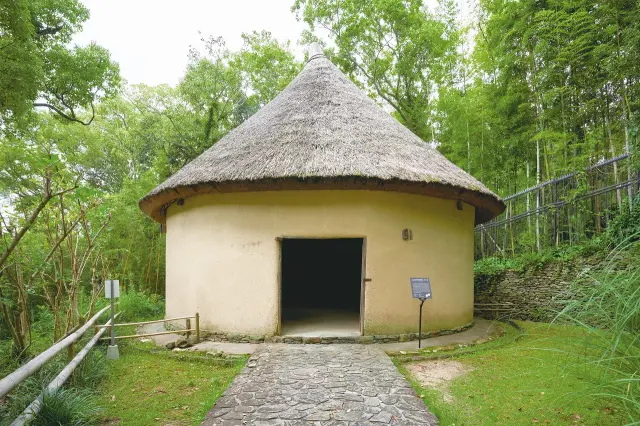
Fukita Family Sugar Cane Press, a Nationally Designated Important Tangible Folk Cultural Property
-
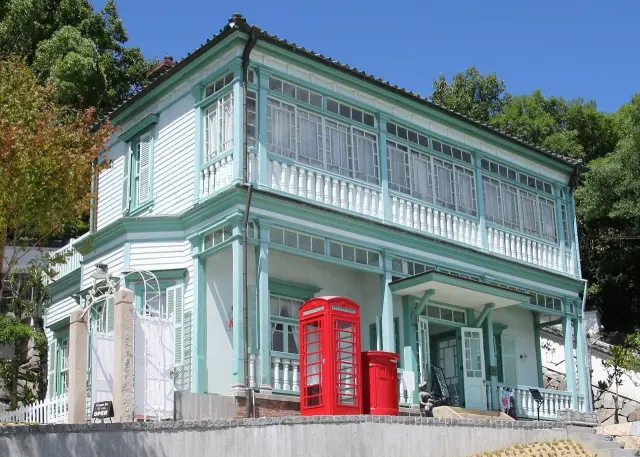
Shikokumura Cafe, housed in a relocated Western-style residence from Kobe
-
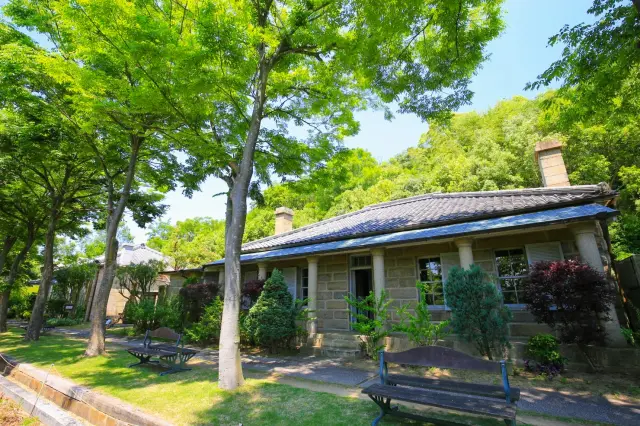
The stately Western-style residence once occupied by the keepers of Esaki Lighthouse
-
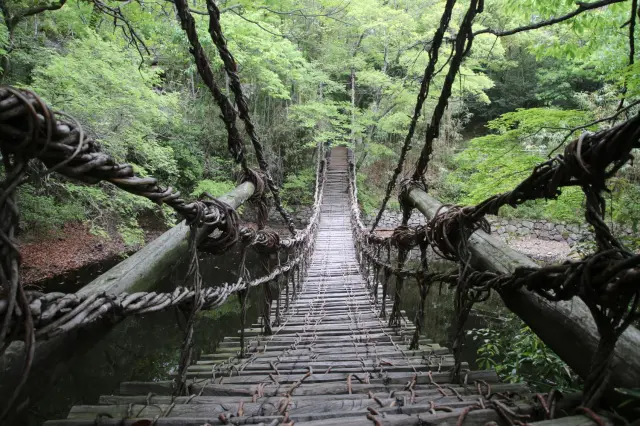
A faithful reproduction of a traditional vine bridge, built by specialist craftspeople
Official FAQs
Frequently Asked Questions have been vetted and answered directly by each listing.
Q
Is free Wi-Fi available on the grounds?
A
Free Wi-Fi is available near the entrance ticket counter. International visitors can use it to download the audio guide.
Q
Are coin lockers available?
A
Yes. Insert ¥100 to use a locker, and the coin will be returned when you retrieve your belongings.
Q
Can I reenter the museum?
A
You may reenter as many times as you like on the day of your visit.
Q
Is there a smoking area?
A
Smoking is prohibited within the museum grounds to protect the historic buildings.
Smoking areas are available outside the neighboring Waraya udon restaurant and Shikokumura Cafe.
Q
Are there any sightseeing attractions nearby?
A
Nearby attractions include Yashimāru observatory at the summit of Mt. Yashima, the Isamu Noguchi Garden Museum Japan, the Masayuki Nagare Museum (Nagare Studio),
the George Nakashima Memorial Gallery, Yashima Shrine (Toshogu), Yashimaji Temple (Temple No. 84 of the Shikoku Pilgrimage), and Ritsurin Garden.
Q
Is parking available?
A
Yes. A shared parking lot for Waraya, Yashima Shrine, and Shikoku Mura Museum accommodates 200 passenger cars.
Q
How long does it take to explore Shikoku Mura?
A
A complete circuit takes approximately 1.5 to 2 hours.
Reviews
1
Some reviews are AI-translated.
Details
- Name in Japanese
- 四国村ミウゼアム
- Postal Code
- 761-0112
- Address
- 91 Yashima Nakamachi, Takamatsu, Kagawa Prefecture
- Phone
- 087-843-3111
- Closed on
- Tuesdays (or the following day if Tuesday is a national holiday). The museum may also close temporarily for maintenance or severe weather.
- Hours
- 9:30 a.m.–5:00 p.m. (last admission and entry to the Shikoku Mura Gallery at 4:30 p.m.)
- Admission
- Adults: ¥2,200; university students with student ID: ¥1,000; high school and junior high school students: ¥600; elementary school students and younger: free
- Access
-
1) Approximately 5 minutes on foot from Kotoden-Yashima Station on the Kotoden Railway
2) Approximately 10 minutes on foot from JR Yashima Station - Credit Cards
- Accepted (transportation IC cards and PayPay are also accepted)
- Official website
- Official website (Japanese)