
Verified [Verified] denotes information that has been published with confirmation of its owing parties.
Bisei Astronomical Observatory
A public observatory in an International Dark Sky Community, showcasing the wonders of the stars through a 101 cm telescope and 3D imagery.
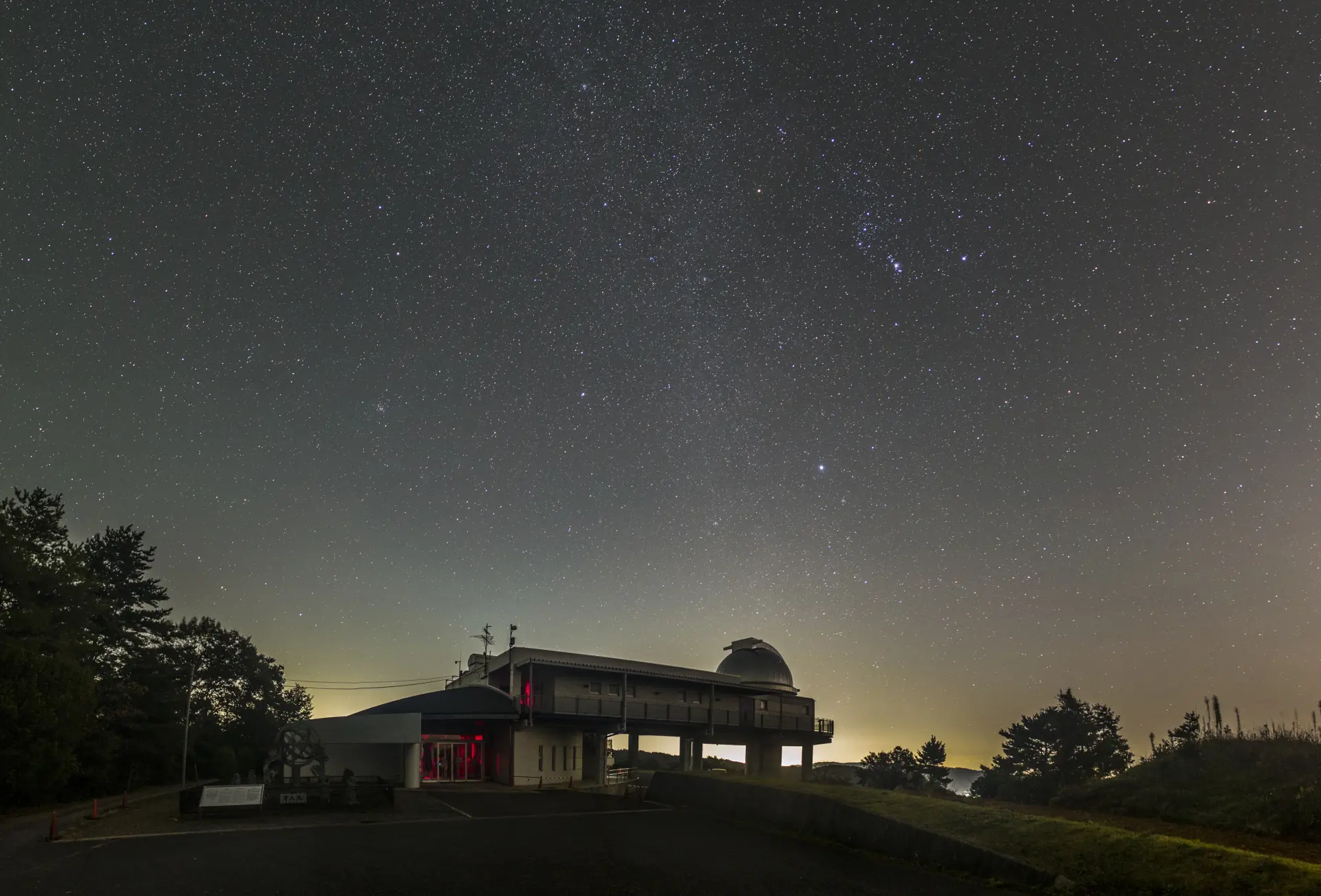
Located on a hill in Bisei, Ibara City, Okayama Prefecture, Bisei Astronomical Observatory is a public observatory where visitors can observe celestial objects and explore exhibits about space both day and night. In 2021, Bisei became the first community in Asia to be certified as an International Dark Sky Community, and ongoing efforts are being made to preserve its starry skies.
The centerpiece of Bisei Astronomical Observatory, which opened in 1993, is a reflecting telescope with a 101 cm aperture. On clear nights, visitors can observe seasonal celestial objects such as lunar craters, Saturn’s rings, and Jupiter with guidance from expert staff. Stargazing sessions using large binoculars and other equipment are also held on the observation deck beside the dome, offering views of the night sky overhead.
Inside the observatory, the Star Wall displays astronomical photographs and videos of space. The 4D2U 3D visualization system provides an opportunity to learn about the structure of the universe and the movement of celestial bodies. On clear days, visitors may also be able to observe first-magnitude stars during daylight hours. Even in poor weather, they can explore video exhibits and attend informative presentations. Seasonal astronomy events offer different perspectives on the universe depending on the time of year.
Highlights
-
Observe lunar craters and seasonal planets through a reflecting telescope with a 101 cm aperture.
-
View the night sky with minimal light pollution in Bisei, a certified International Dark Sky Community.
-
Join guided stargazing sessions using large binoculars and take in the night sky from the observation deck.
-
Learn about space during the day through the 4D2U 3D visualization system and the Star Wall.
-
Attend a variety of astronomy events, including observation sessions featuring seasonal celestial objects.
Video Recorded from the 4D2U Screen
Photos
-
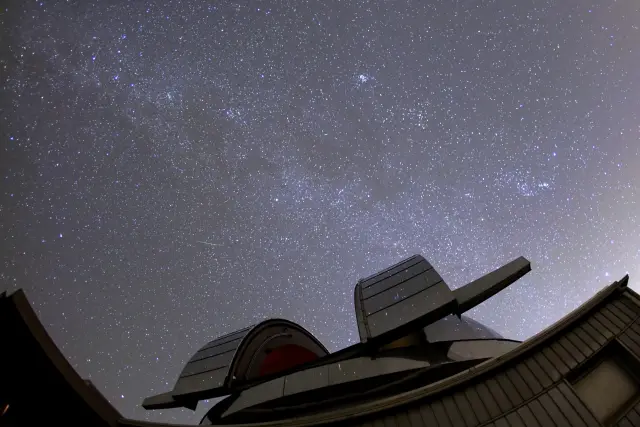
The dome beneath a sparkling winter sky
-
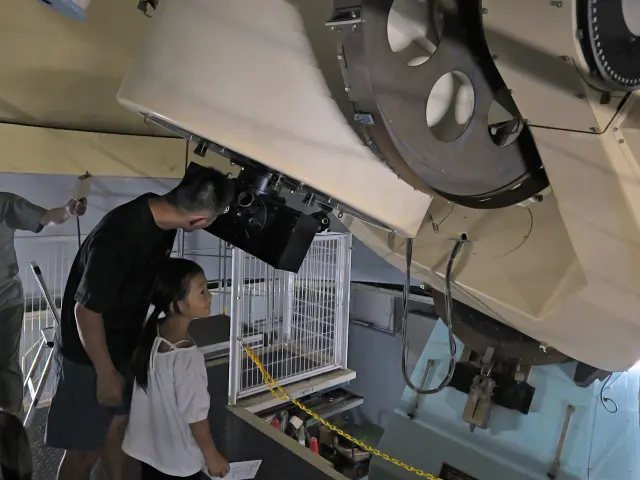
Observing celestial objects through the reflecting telescope with a 101 cm aperture
-
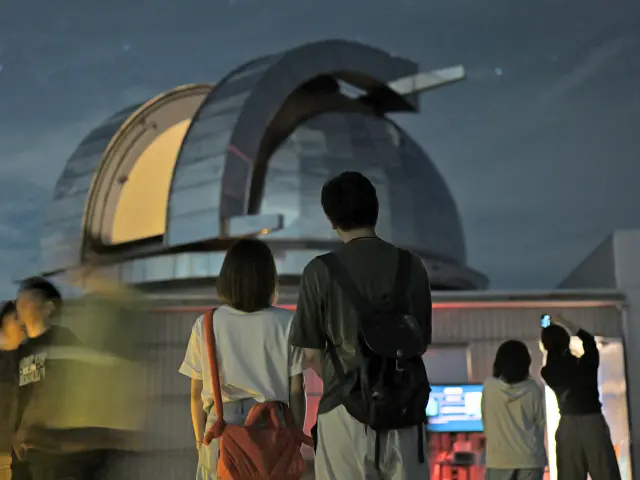
A guided stargazing session on the observation deck at Bisei Astronomical Observatory
-
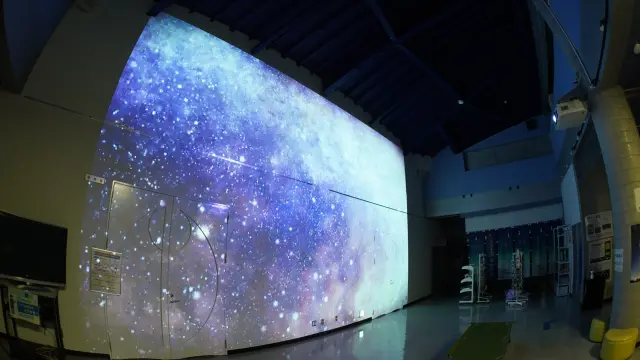
The structure of the universe presented in 3D using the 4D2U system at Bisei Astronomical Observatory
-
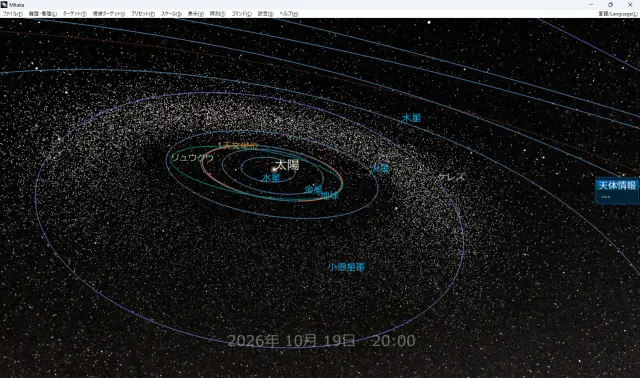
Astronomical photographs displayed on the Star Wall at Bisei Astronomical Observatory (Mitaka: ©2005-2023 Tsunehiko Kato, National Astronomical Observatory of Japan 4D2U Project)
-
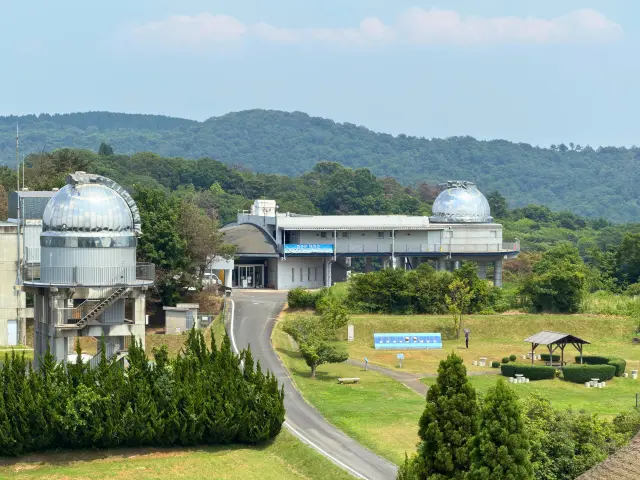
Bisei Astronomical Observatory also offers daytime observations of first-magnitude stars when the sky is clear
Official FAQs
Frequently Asked Questions have been vetted and answered directly by each listing.
Q
Are reservations required for observation sessions at Bisei Astronomical Observatory?
Reservations are not required for regular observation sessions. However, some events require advance reservations. Priority tickets are also available for observations with the 101 cm telescope, so check the official website for details.
Q
Is there anything to do on rainy or cloudy days?
Even when poor weather prevents stargazing, visitors can learn about space through screenings using the 4D2U 3D visualization system and presentations about the telescope.
Q
Can I visit if I do not understand Japanese?
Explanations inside the observatory are generally available only in Japanese. Contact the facility in advance if you require assistance in another language.
Reviews
Details
- Name in Japanese
- 美星天文台
- Postal Code
- 714-1411
- Address
- 1723-70 Okura, Bisei, Ibara City, Okayama Prefecture
- Telephone
- 0866-87-4222
- Hours
- 1:45 p.m.-4:00 p.m. and 6:00 p.m.-10:00 p.m. (celestial observations are available at night); Tuesdays and Wednesdays: 9:30 a.m.-4:00 p.m.
- Closed on
- Thursdays, the day after national holidays, the year-end and New Year holidays, and other dates
- Admission
- 300 yen for elementary school students and older
- Reservations
- Generally not required for regular visits (reservations are required for some events)
- Access
-
1) Approximately 25 minutes by car from Yakage Station on the Ibara Railway Ibara Line
2) Approximately 40 minutes by car from Shin-Kurashiki Station or Kasaoka Station on the JR Sanyo Main Line - Credit Cards
- Accepted
- Official website
- Official website (Japanese)