
14 Must-See Places in Ibara City: Stargazing, Denim Workshops, Local Food, and Itineraries
Located in southwestern Okayama Prefecture, Ibara City is known for its beautiful starry skies and its standing as one of Japan’s leading denim-producing areas. This guide covers how to get to Ibara, the best seasons to visit, experiences such as stargazing and denim workshops, popular attractions, local food, and suggested itineraries. Combine stargazing, hands-on crafts, and historical walks to plan an Ibara trip that suits your interests and the season.
What Is Ibara Like?
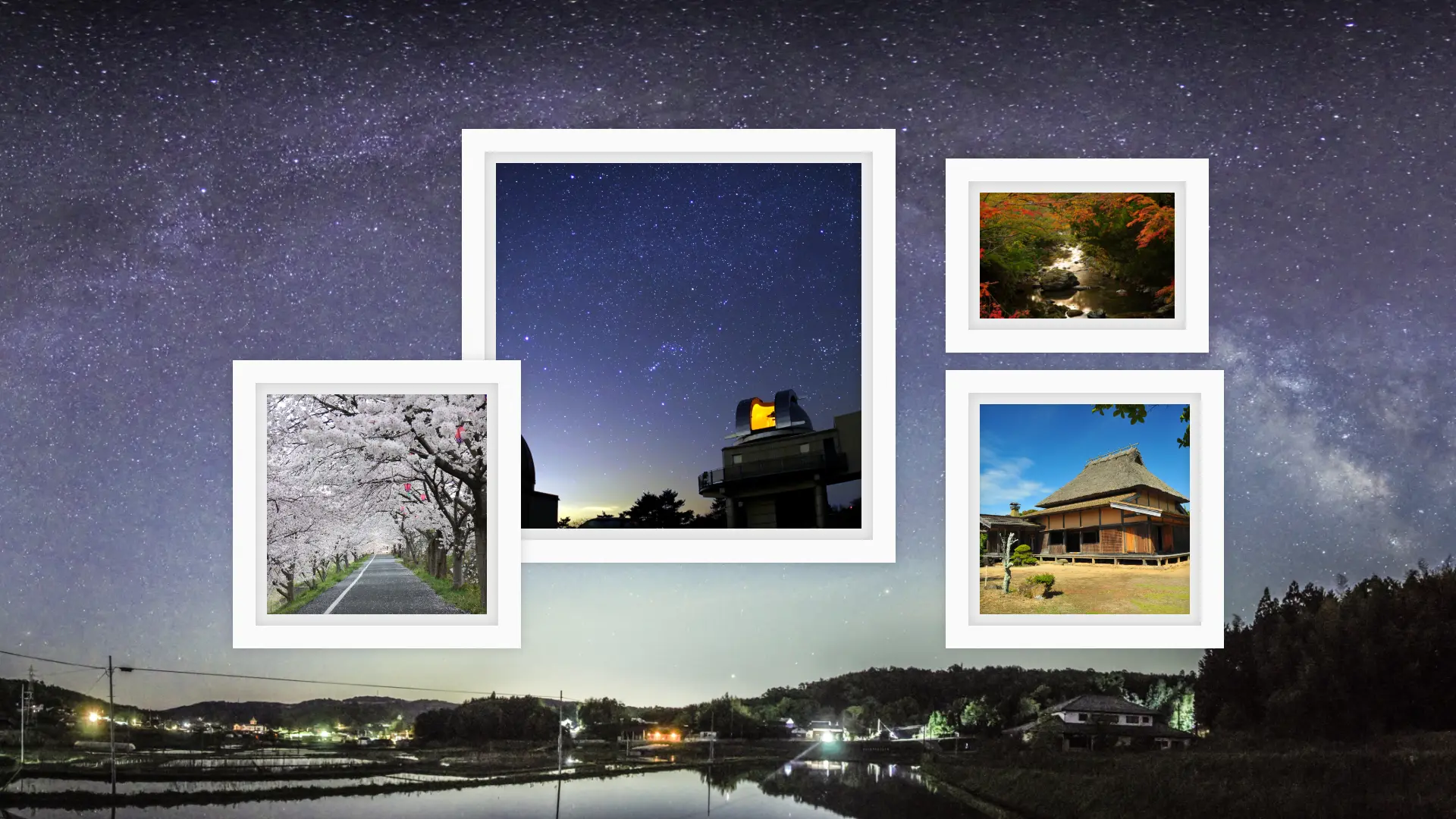
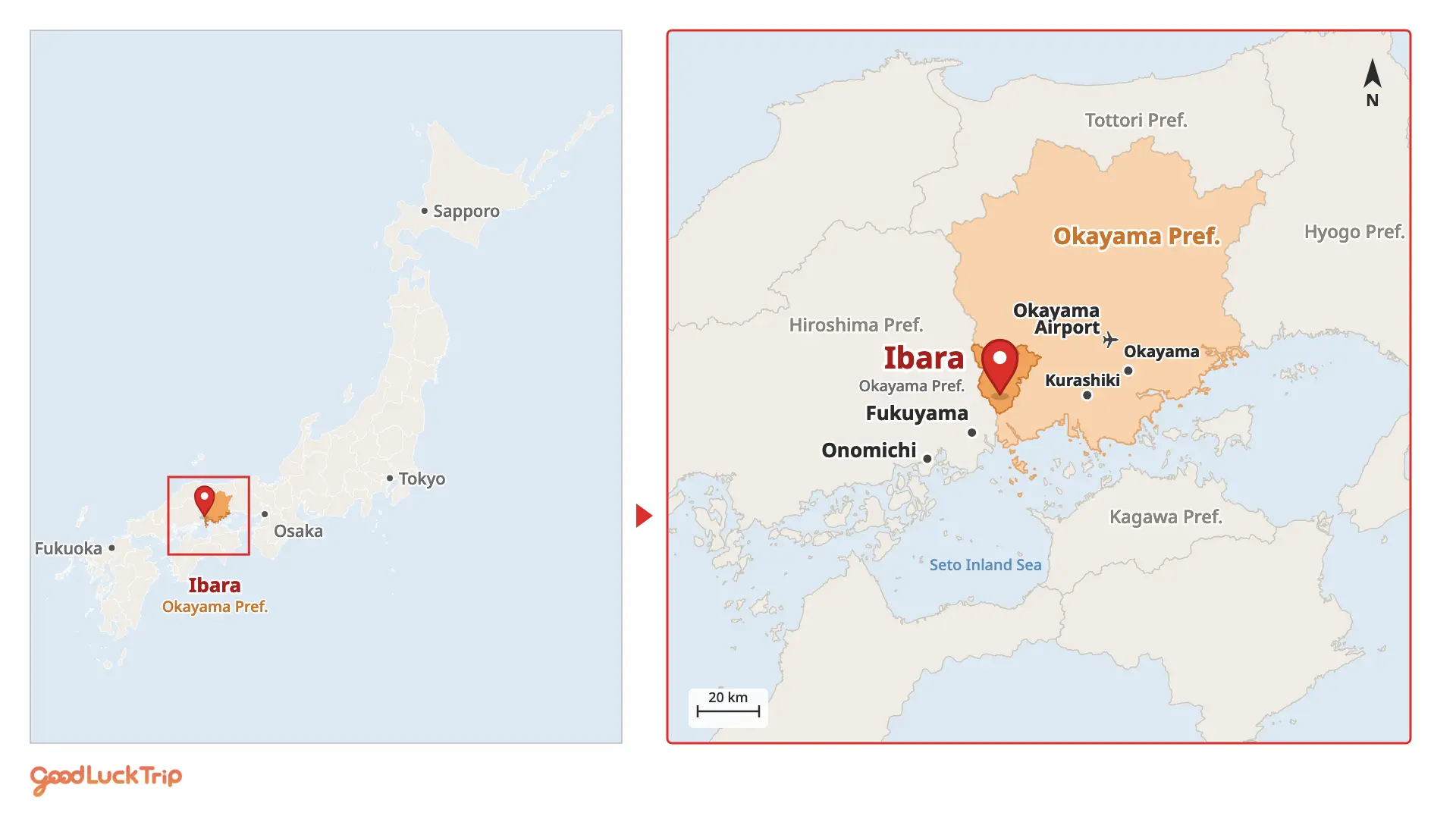
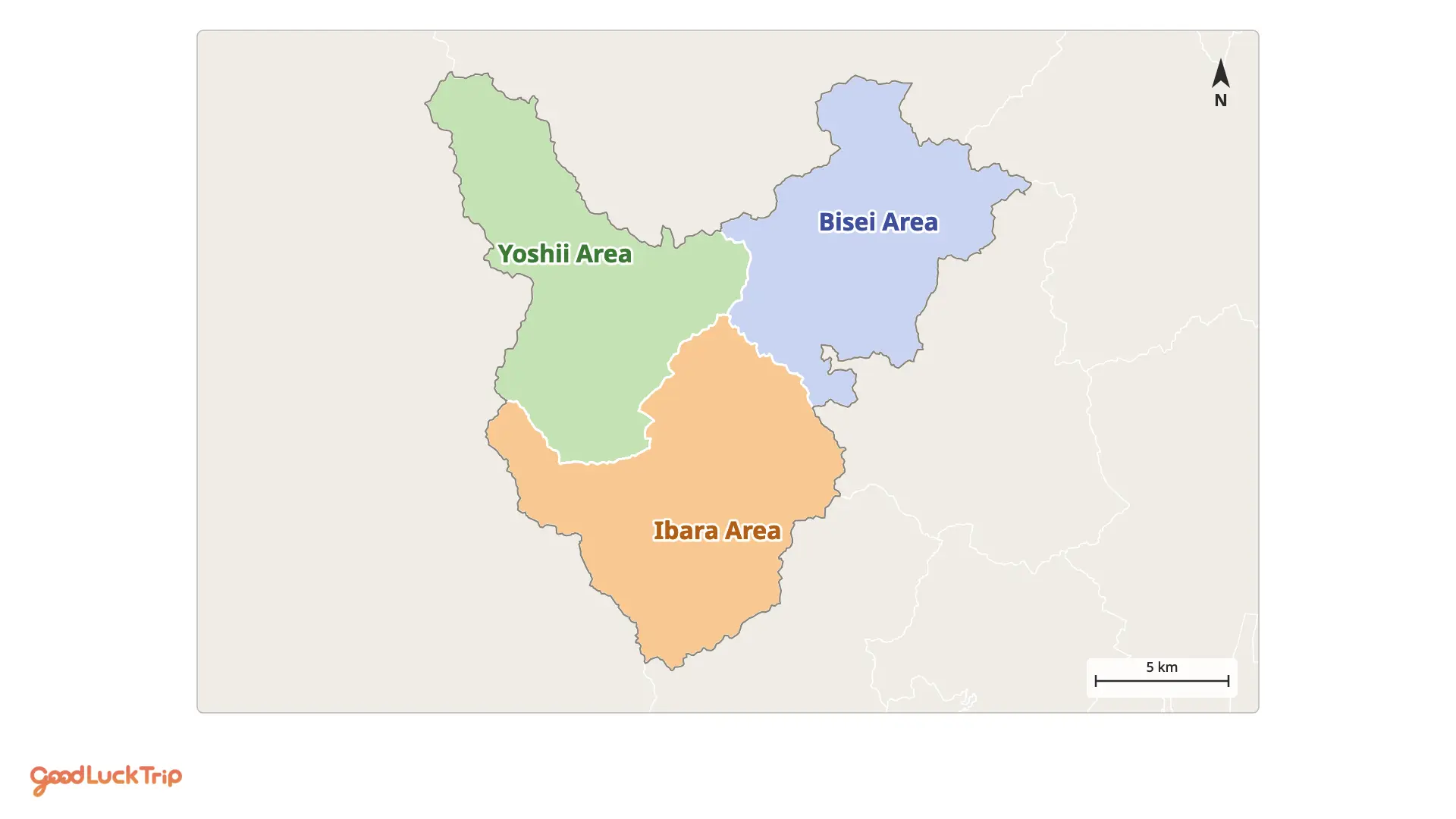
Ibara lies in southwestern Okayama Prefecture, on the border with Hiroshima Prefecture. The city can be broadly divided into three areas: the Ibara area, home to denim businesses and historical and cultural facilities; the Yoshii area, dotted with scenic gorges and sake breweries; and the Bisei area, known for its starry skies and highland scenery.
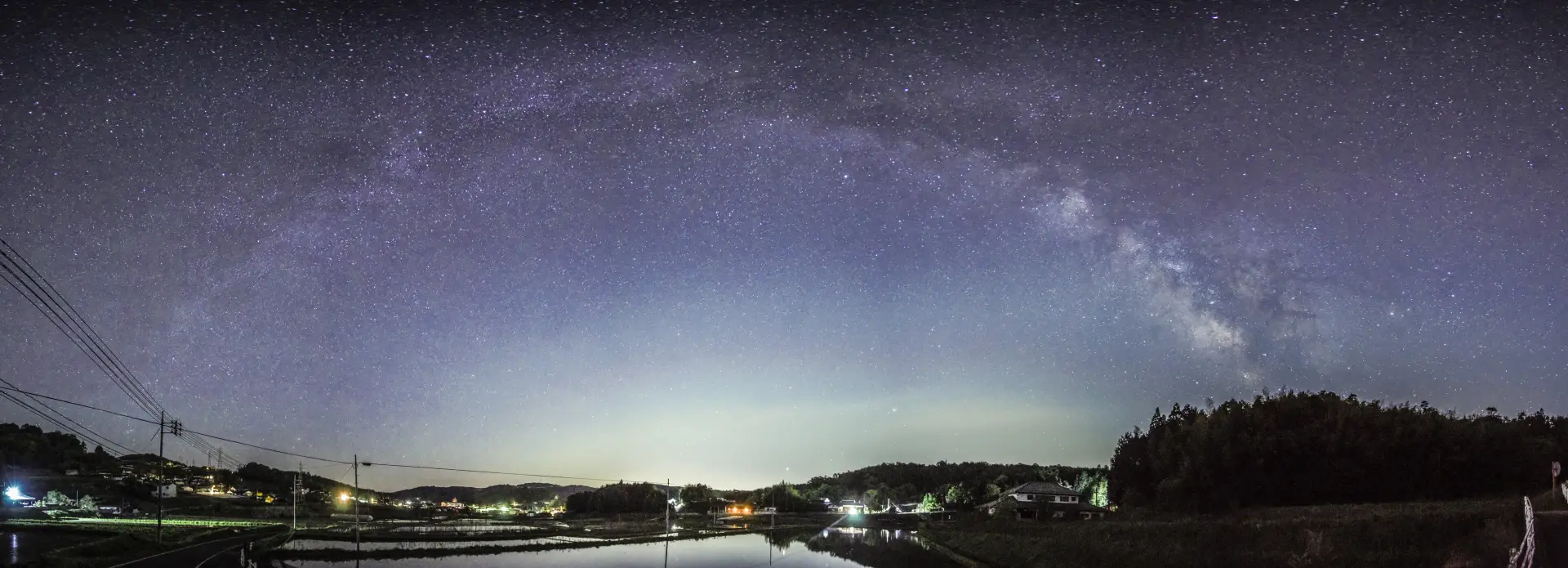
One of the city’s defining attractions is Ibara Denim, which has earned recognition worldwide. Cotton cultivation and indigo-dyed textiles flourished here from the Edo period, and production of a heavy cotton fabric called Bitchu Kokura-ori expanded during the Meiji period. Those skills have been passed down and developed into today’s denim industry. In 2021, Bisei Town became Asia’s first International Dark Sky Community. The city also has plenty of historical and artistic attractions, including sites associated with Hojo Soun and Nasu no Yoichi, and a museum showcasing the work of sculptor Hirakushi Denchu. You can explore the city center on a day trip or spend two days and one night traveling through all three areas.
Access to Ibara
Ibara is accessible by train or car, but the most suitable transportation depends on which area you plan to visit. Consider whether you want to explore the city center on foot or venture farther into Bisei and Yoshii.
By Train
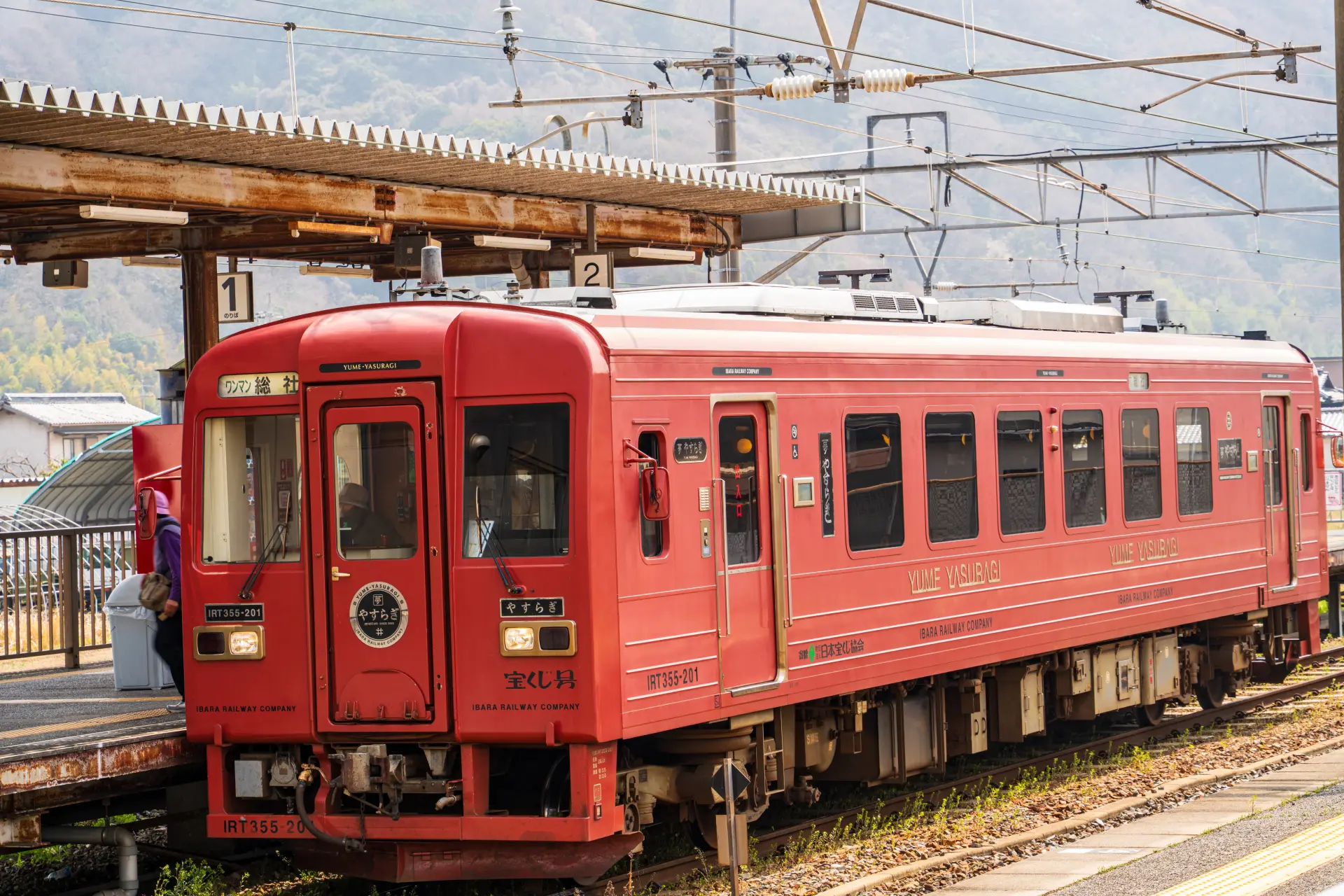
From Okayama Station, take the JR Hakubi Line to Kiyone Station, then transfer to the Ibara Railway’s Ibara Line for Ibara Station. The journey takes approximately 60 minutes. From Fukuyama Station in Hiroshima Prefecture, take the JR Fukuen Line to Kannabe Station and transfer to the Ibara Railway. This journey takes approximately 35-50 minutes, depending on connections. If you are arriving by Shinkansen, Okayama Station and Fukuyama Station are convenient starting points.
By Car
Central Ibara is approximately 20 minutes from Kasaoka IC on the Sanyo Expressway. Allow around 50 minutes from the interchange to highland attractions such as Hoshizora Park in Bisei Town. A car is convenient if you want to visit the city center, Bisei, and Yoshii on the same trip. Mountain roads become dark at night, so check your route before sunset.
By Air
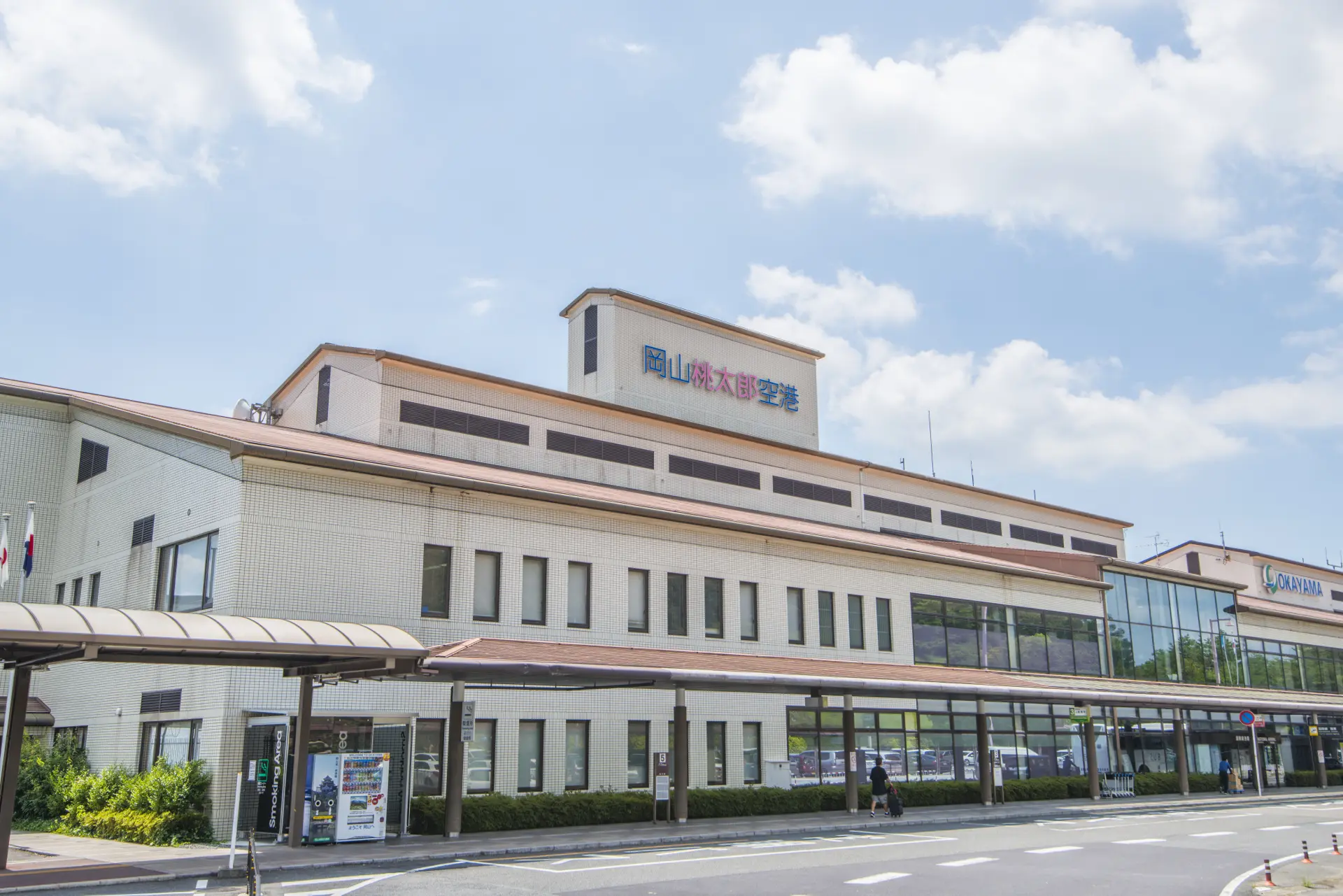
Driving is an option from either Okayama Momotaro Airport or Hiroshima Airport. The journey to central Ibara takes approximately 70 minutes from either airport. Travel times vary with road conditions and your choice of transportation, so check your options to suit your arrival time.
Getting Around Ibara
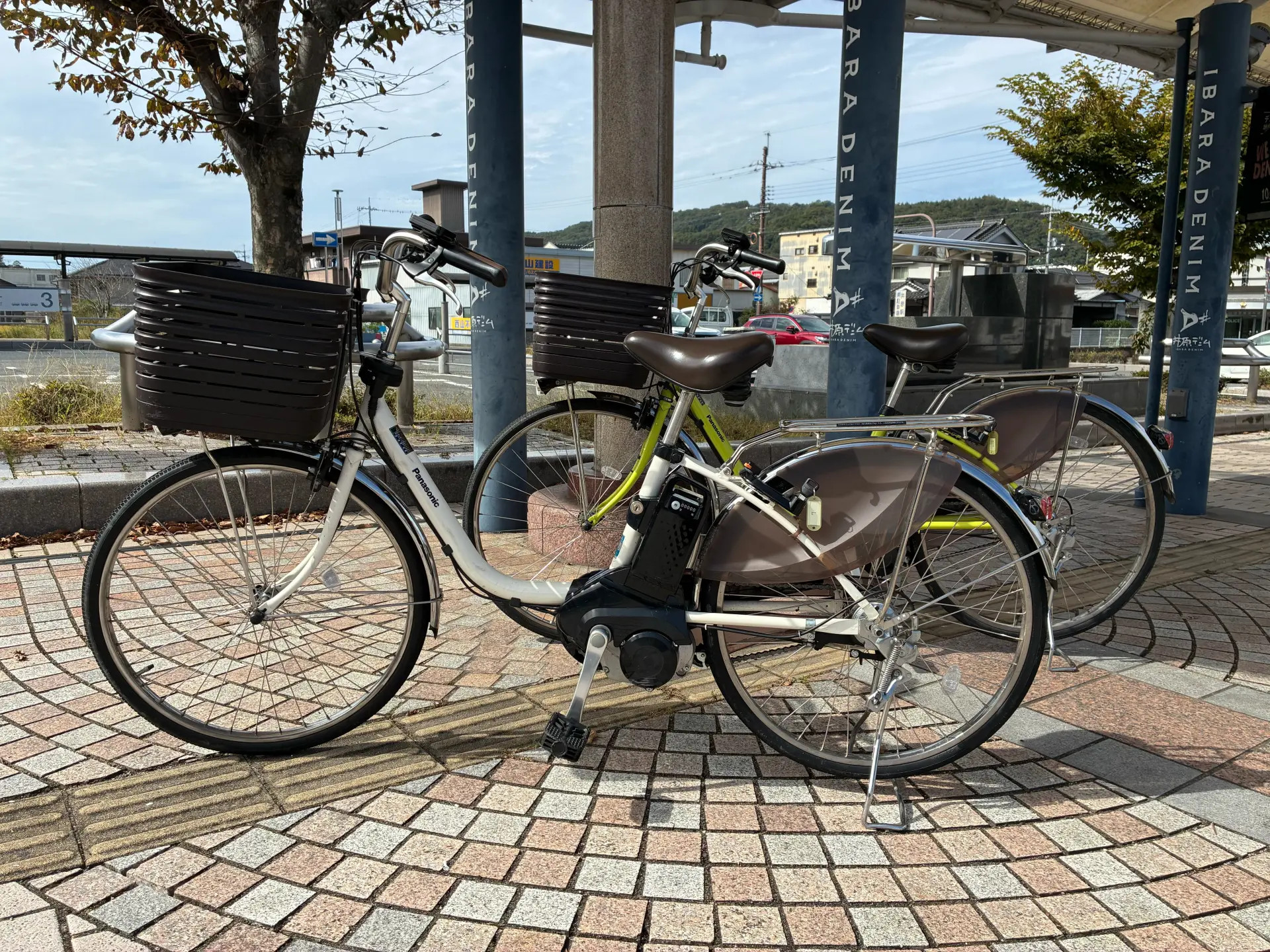
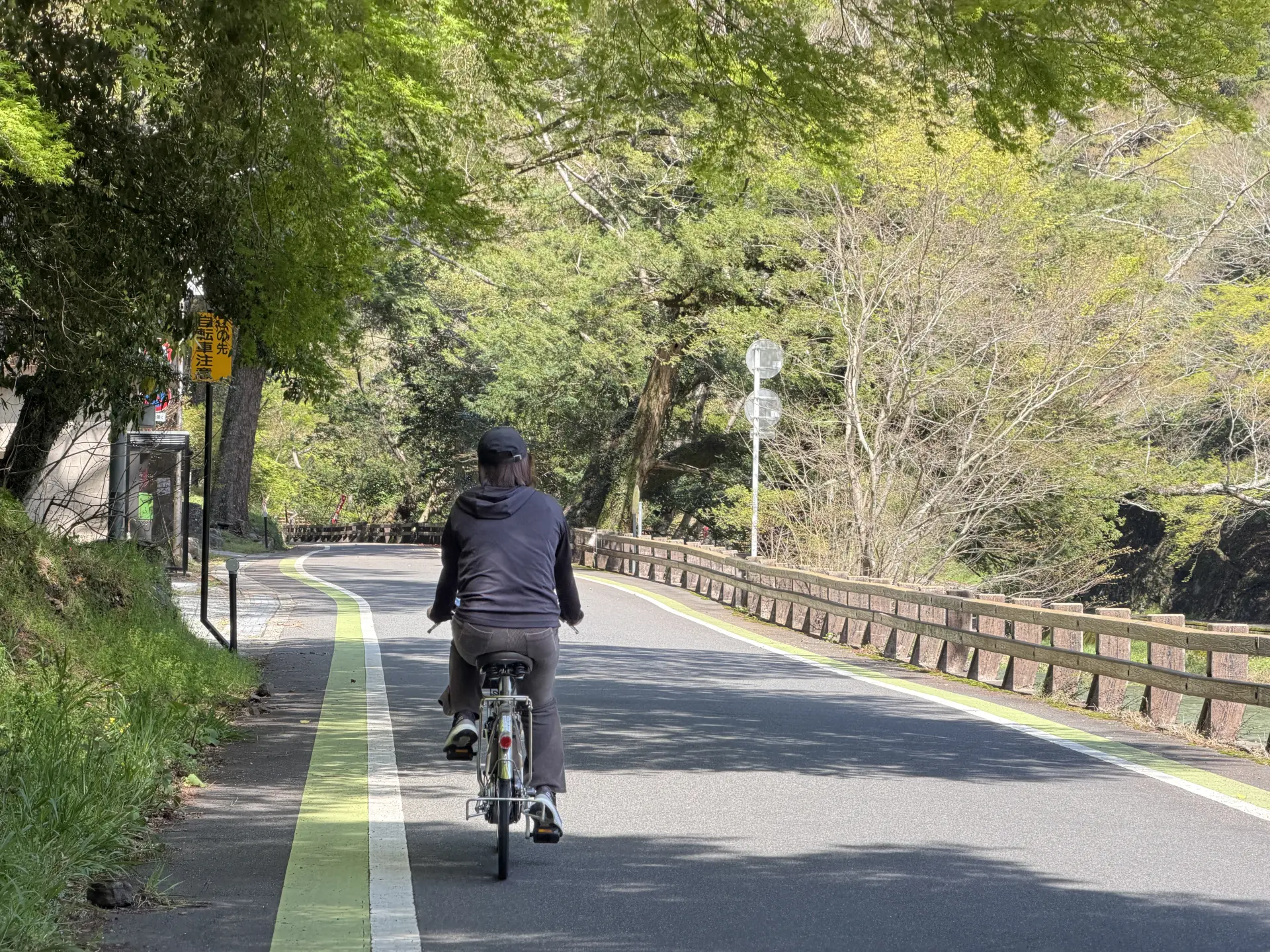
The tourist information booth at Ibara Station rents electric-assist bicycles for 500 yen per bicycle per day. They are convenient for visiting museums, denim shops and facilities, and Ibara Embankment around the city center. Local buses, the Ibara Aiai Bus city loop service, and taxis are also available. However, no local buses run after the evening stargazing sessions at Bisei Astronomical Observatory finish. If stargazing is the focus of your trip, arrange a car or taxi, or combine your visit with an overnight stay in Bisei Town.
When to Visit Ibara: Seasonal Scenery and Stargazing
From winter stars and spring cherry blossoms to summer gorges and autumn foliage, Ibara offers different scenery throughout the year. When deciding when to visit, check both the best times to enjoy nature and the opening days of facilities offering activities.
Winter | Look Up at Clear Night Skies in Bisei Town
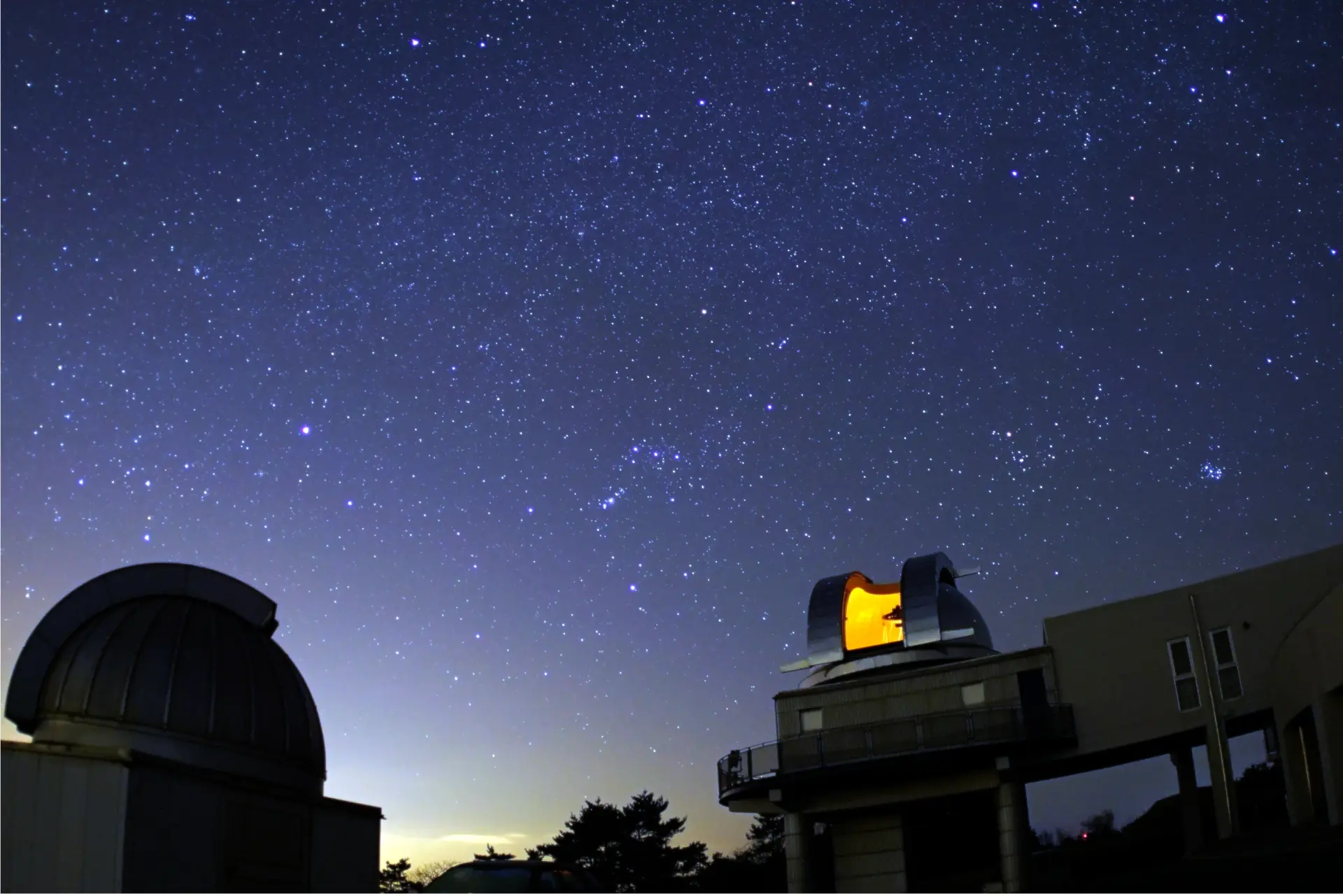
On clear winter nights in Bisei Town, you can observe Orion and other winter constellations, along with bright stars. Visibility depends on moonlight and cloud cover, so check the moon phase and weather forecast if you hope to see as many stars as possible. Bisei Astronomical Observatory and Hoshizora Park are among the places to go stargazing. Nights are particularly cold from December through February, and mountain roads may be icy or snow-covered. Bring warm clothing and confirm your route and transportation before sunset.
Spring | Enjoy Cherry Blossoms across the Countryside
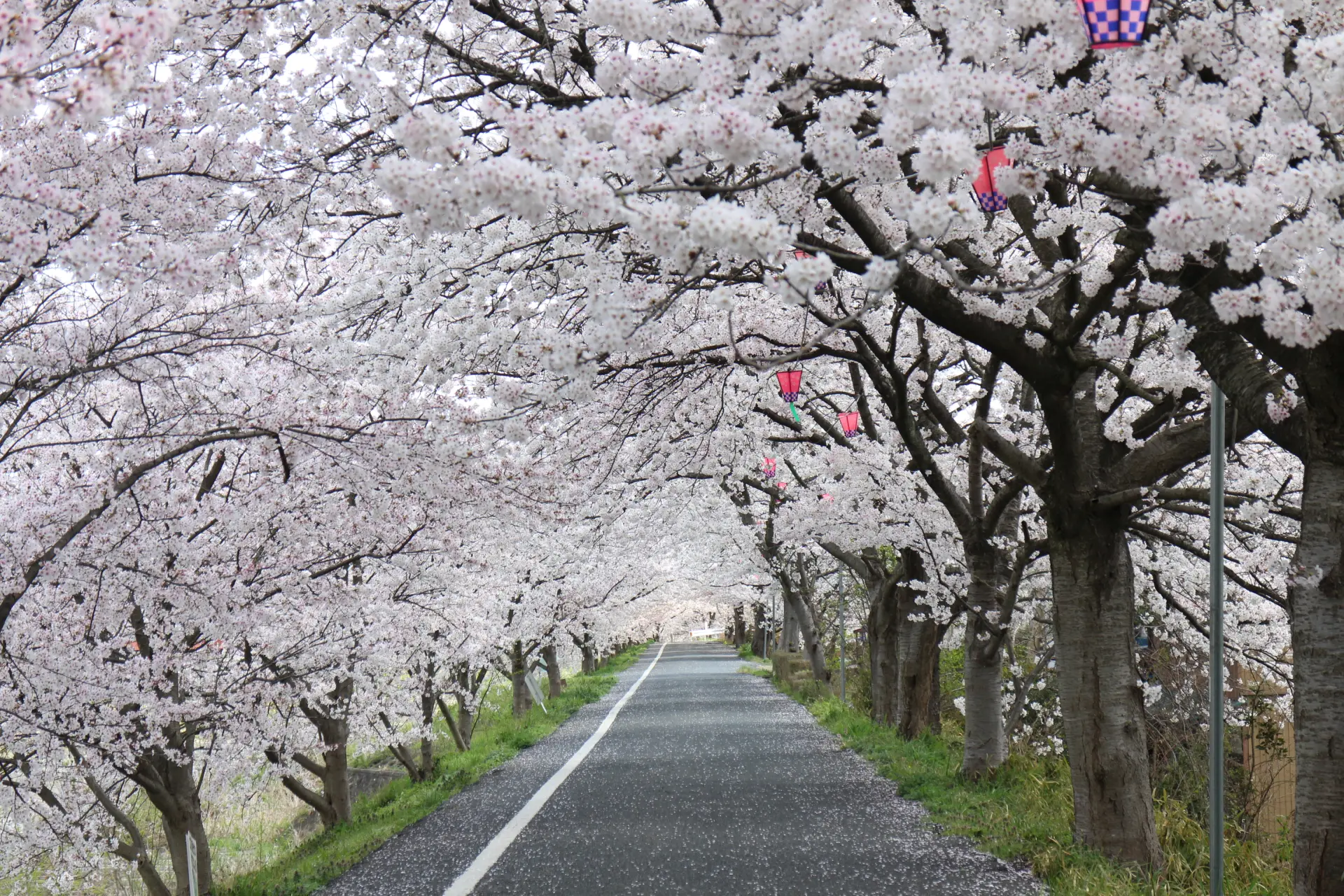
Cherry blossoms come into bloom throughout Ibara in spring. Ibara Embankment, with its rows of cherry trees along the Oda River, is one of the city’s best-known blossom-viewing spots and usually reaches its peak from late March to early April. Other places, including Aibara Park and Kinoyama Park in Bisei Town, offer their own distinctive cherry blossom scenery. From late spring into early summer, colorful roses bloom at Ibara Rose Garden, giving you more places to enjoy flowers as the season progresses. Check flowering conditions and event information before visiting.
Summer | Cool Off by the River and Enjoy Stars and Local Festivals
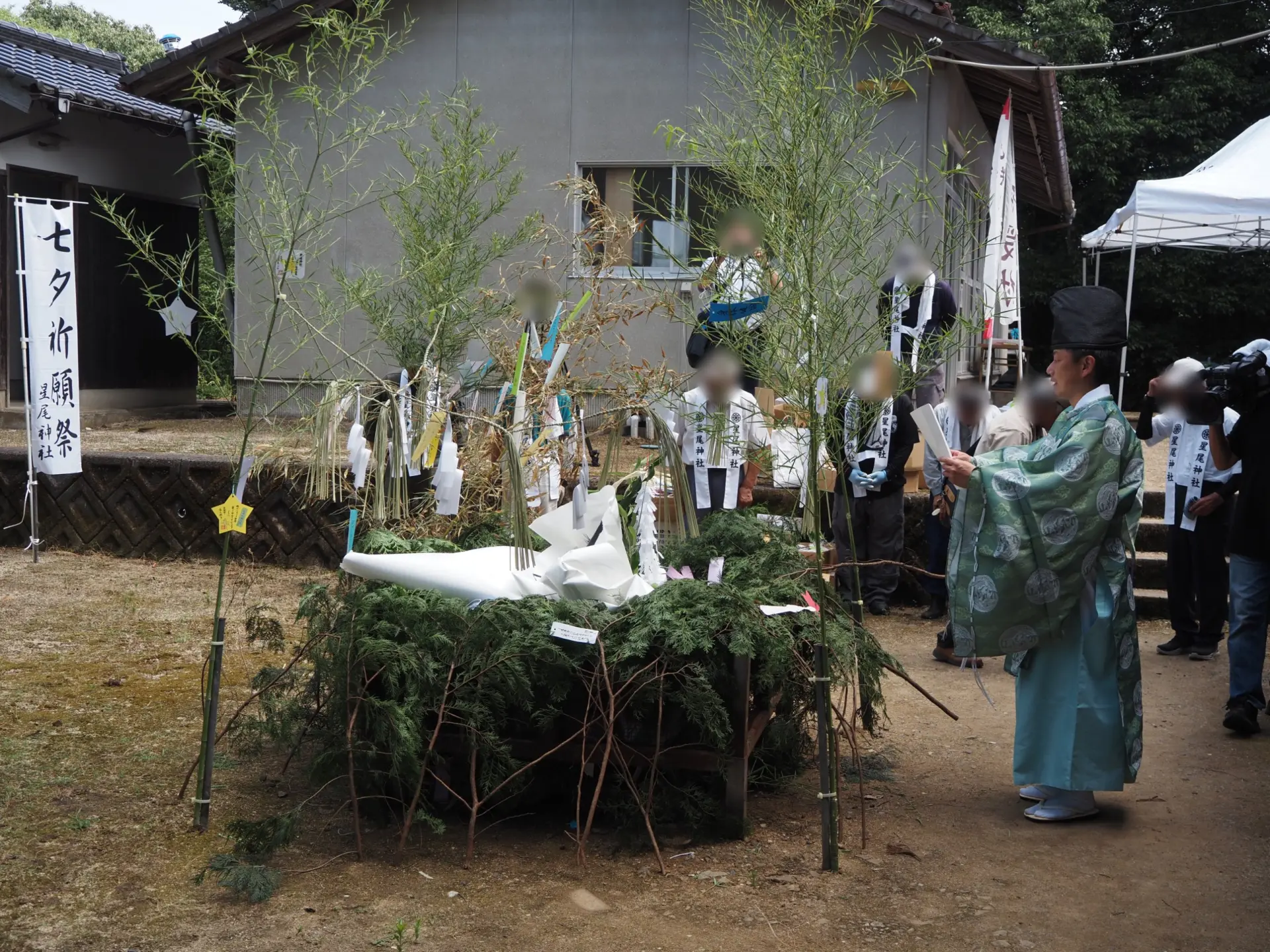
In summer, the lush greenery of Tenjin Gorge provides a setting for riverside walks and a refreshing break by the water. Shiraito Falls in Bisei Town is known for its fireflies, whose magical glow can usually be seen around mid-June. Summer nights also offer opportunities to observe the Milky Way and the Perseid meteor shower. On August 7, Hoshio Shrine holds a Tanabata prayer festival, where you can discover local legends about shooting stars. Check the weather and moonlight conditions before heading out to watch fireflies or stars.
Autumn | Enjoy Gorge Foliage and Bisei Town’s Seasonal Flavors
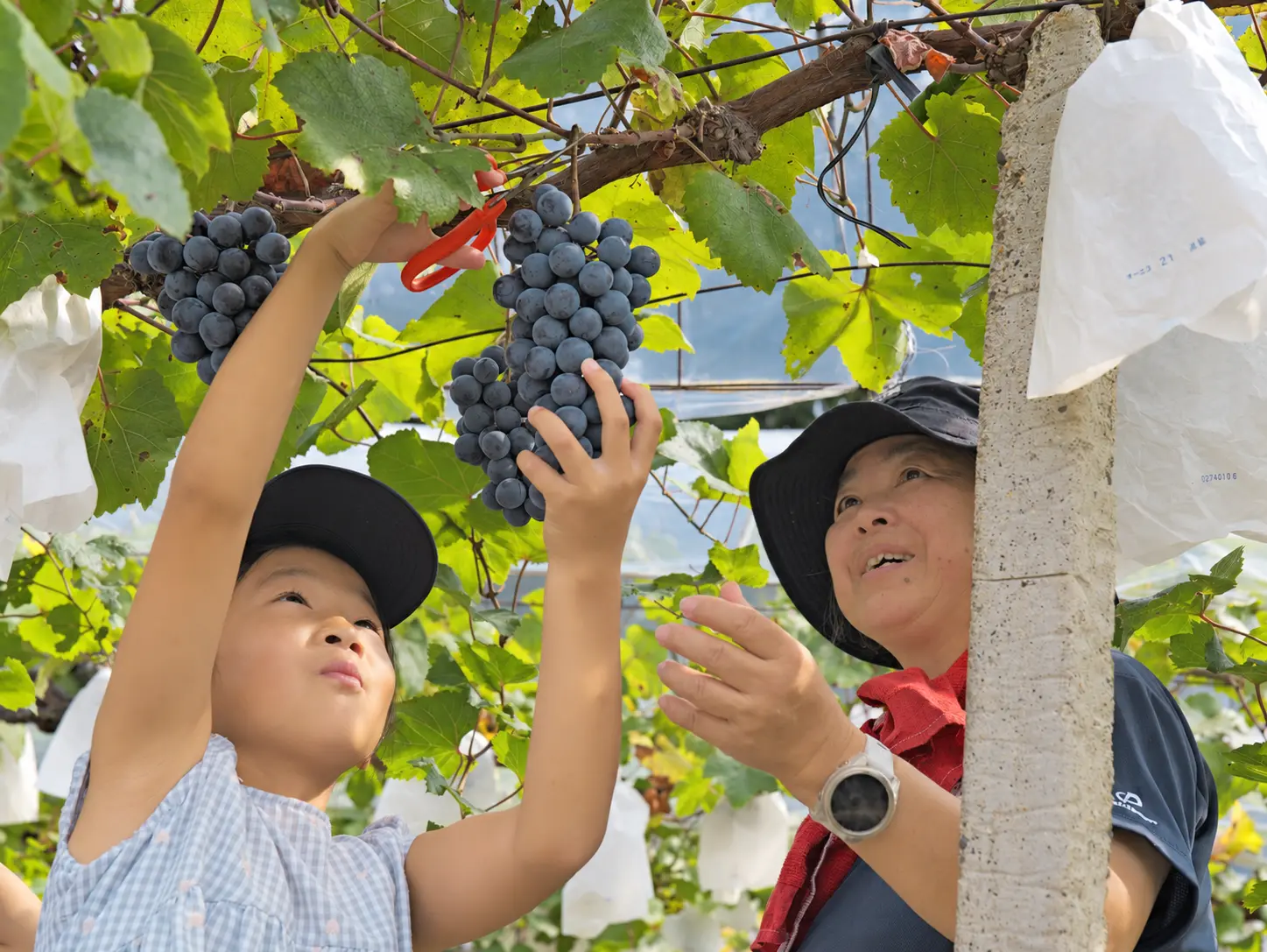
Autumn brings colorful foliage to the mountain scenery of Tenjin Gorge and Onigatake. Grapes reach harvest season in Bisei Town, where grape-themed events are held, while Ibara-cho hosts local celebrations such as the Ibara Oni Festival. Bisei Farmer’s Market and Budo Roman Kan (Grapes Plaza) are good places to look for seasonal produce. It is a season for enjoying both natural scenery and local flavors. Check foliage conditions and the availability of seasonal produce in advance.
6 Experiences to Enjoy in Ibara
Make time for experiences unique to Ibara as well as sightseeing. From stargazing and denim workshops to history and culture, here are six ways to get to know the area. Book activities that require reservations before finalizing your itinerary.
1. Observe the Stars through a 101-Centimeter Telescope at Bisei Astronomical Observatory
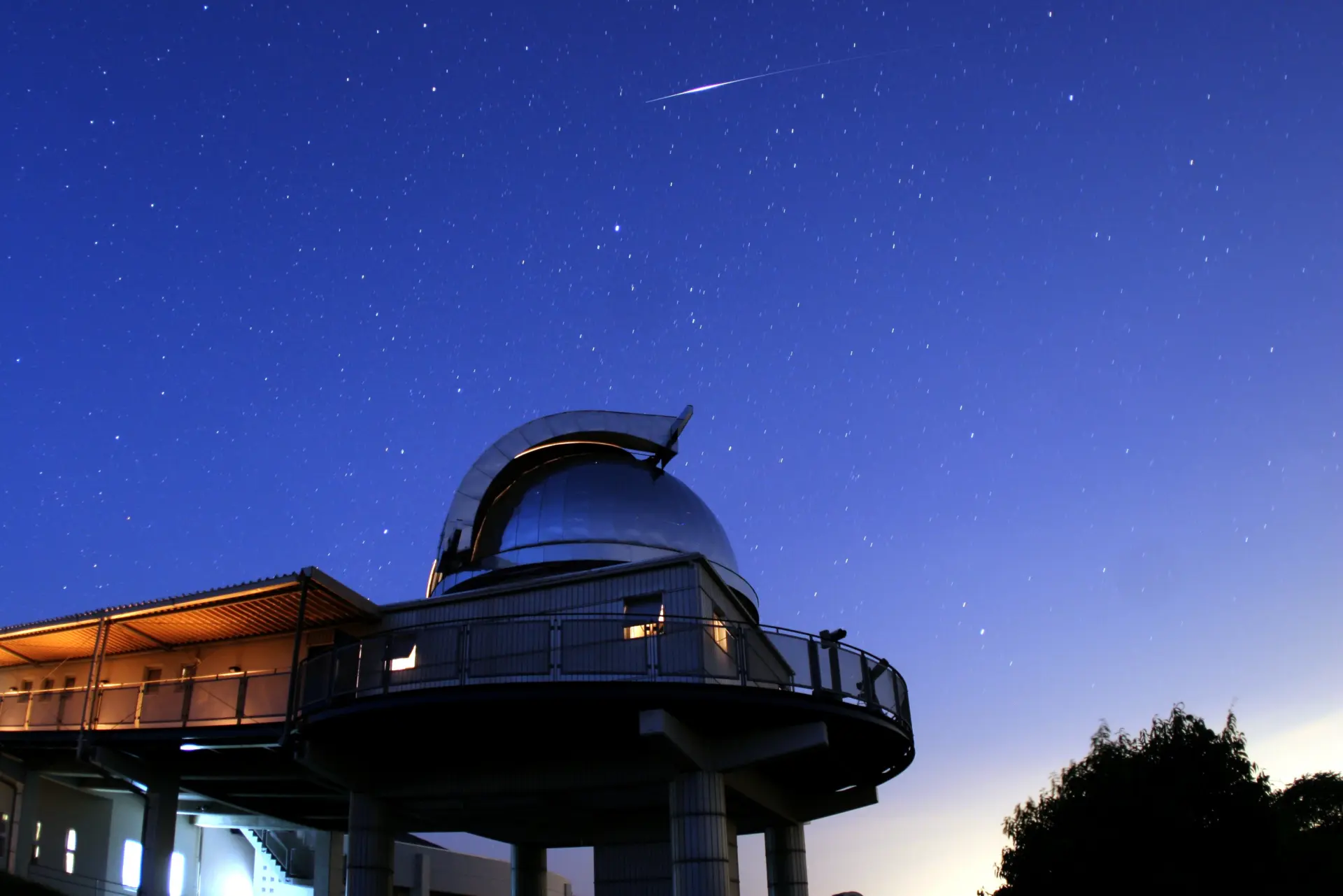
Bisei Astronomical Observatory, one of Bisei Town’s best-known attractions, offers celestial viewing through a reflecting telescope with a 101-centimeter aperture. During evening opening hours, staff guide visitors in observing planets, star clusters, and other objects visible that season, revealing views very different from those seen with the naked eye. What you can observe depends on the weather, but videos and explanations provide opportunities to learn about space on cloudy days. Nearby Hoshizora Park has the approximately 77-meter-long “Wish-Come-True” Lane, paved with glow-in-the-dark stones, where you can stroll while looking up at the sky. Explore Bisei Town’s night skies in different ways: examine celestial objects through the observatory’s telescope, then take in the whole sky with the naked eye at Hoshizora Park.
2. Discover Ibara Denim: Make a One-of-a-Kind Item or Find a Souvenir
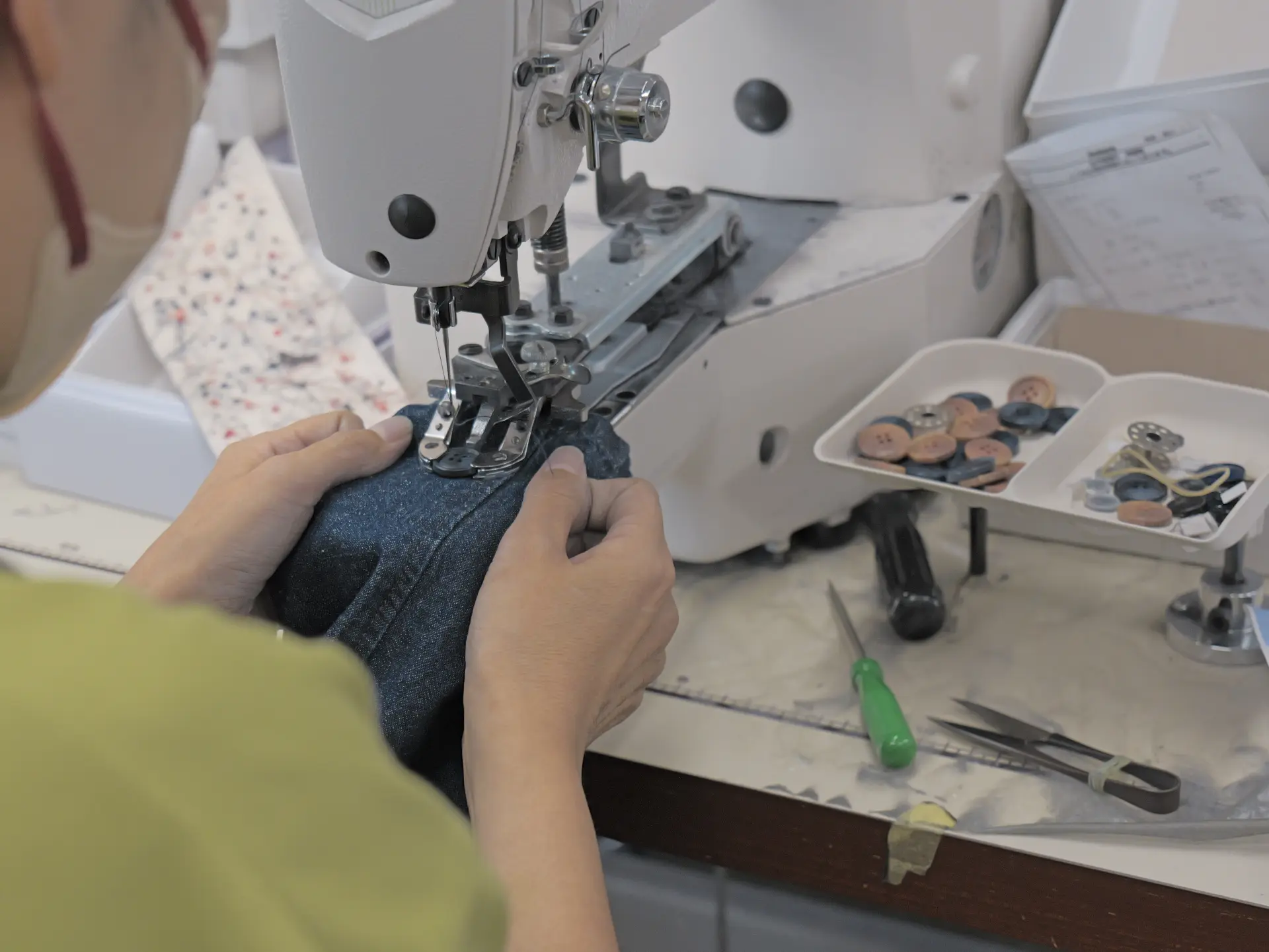
Ibara is one of Japan’s leading denim-producing areas. Around the city, you can make denim accessories or create your own jeans. Visit workshops to see how products are made, or browse factory shops for locally produced items. There are many ways to experience the appeal of Ibara Denim.
Make Denim Accessories at Ono Hanako Shoten H.Faire
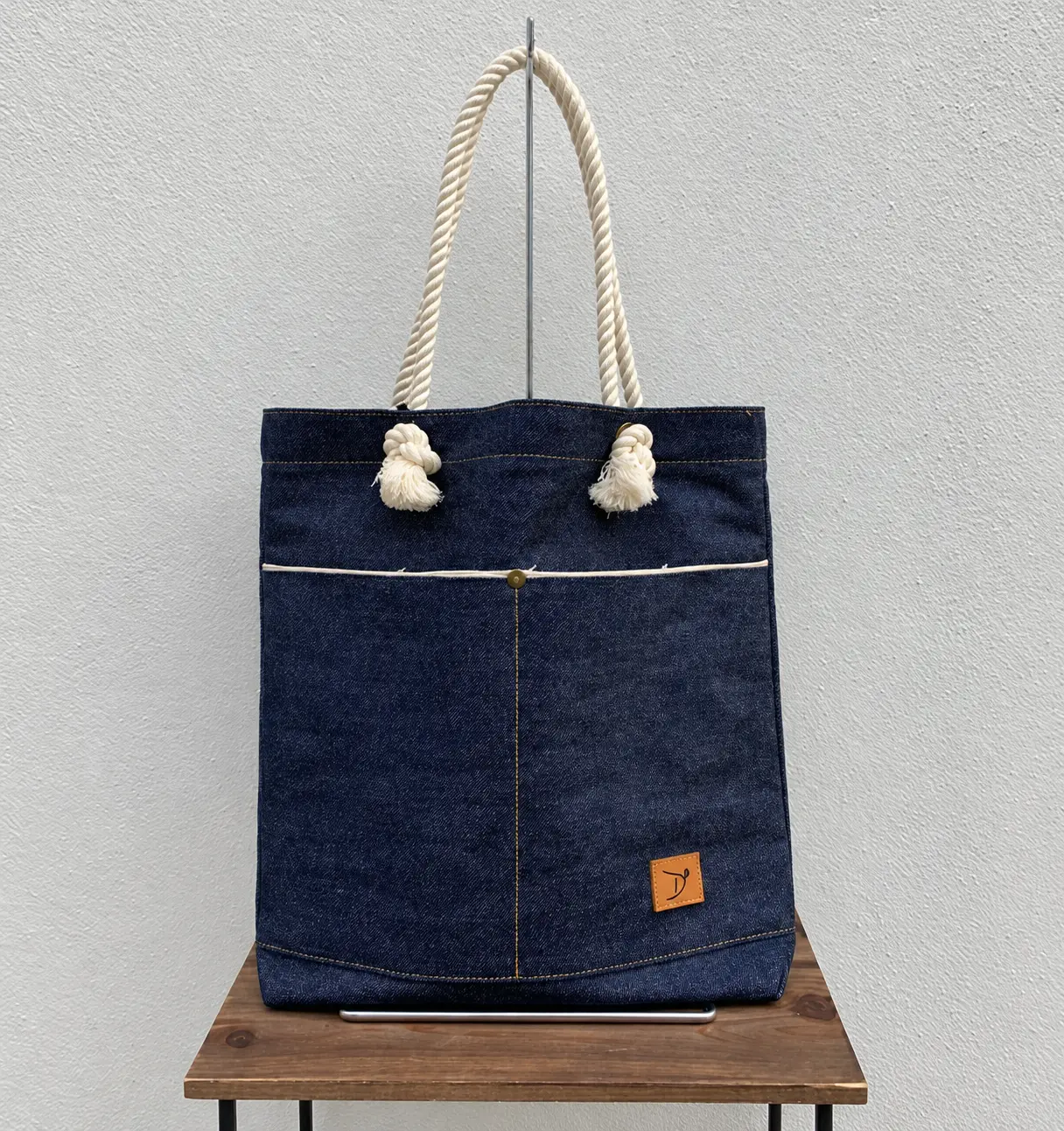
Try making bags and accessories with denim produced in Ibara. In the denim tote bag workshop, you sew the fabric together with a sewing machine and attach the hardware to finish your bag. An instructor provides support, making the activity approachable for beginners. You can also choose to make a panel clock without using a sewing machine.
- Japanese Name
-
おのはなこ商店 H.Faire
Google Maps - Address
- 1496 Ibara-cho, Ibara City, Okayama Prefecture
- Telephone
- 050-3554-5570
- Hours
- 10:00 am-5:00 pm
- Closed
- No fixed closing days
- Fees
- Denim tote bag workshop: 4,400 yen; clutch bag workshop: 4,730 yen; tissue box cover workshop: 3,850 yen; mini crossbody bag workshop: 3,300 yen; panel clock workshop: 2,750 yen. Activities take approximately 1-2 hours, depending on the workshop.
- Reservations
- Required at least 2 days in advance
- Access
- About 7 minutes by car from Ibara Station on the Ibara Railway’s Ibara Line
- Credit Cards
- Accepted
- Official Website
- Official Website (Japanese)
Create Your Own Jeans at Ibara Denim Store
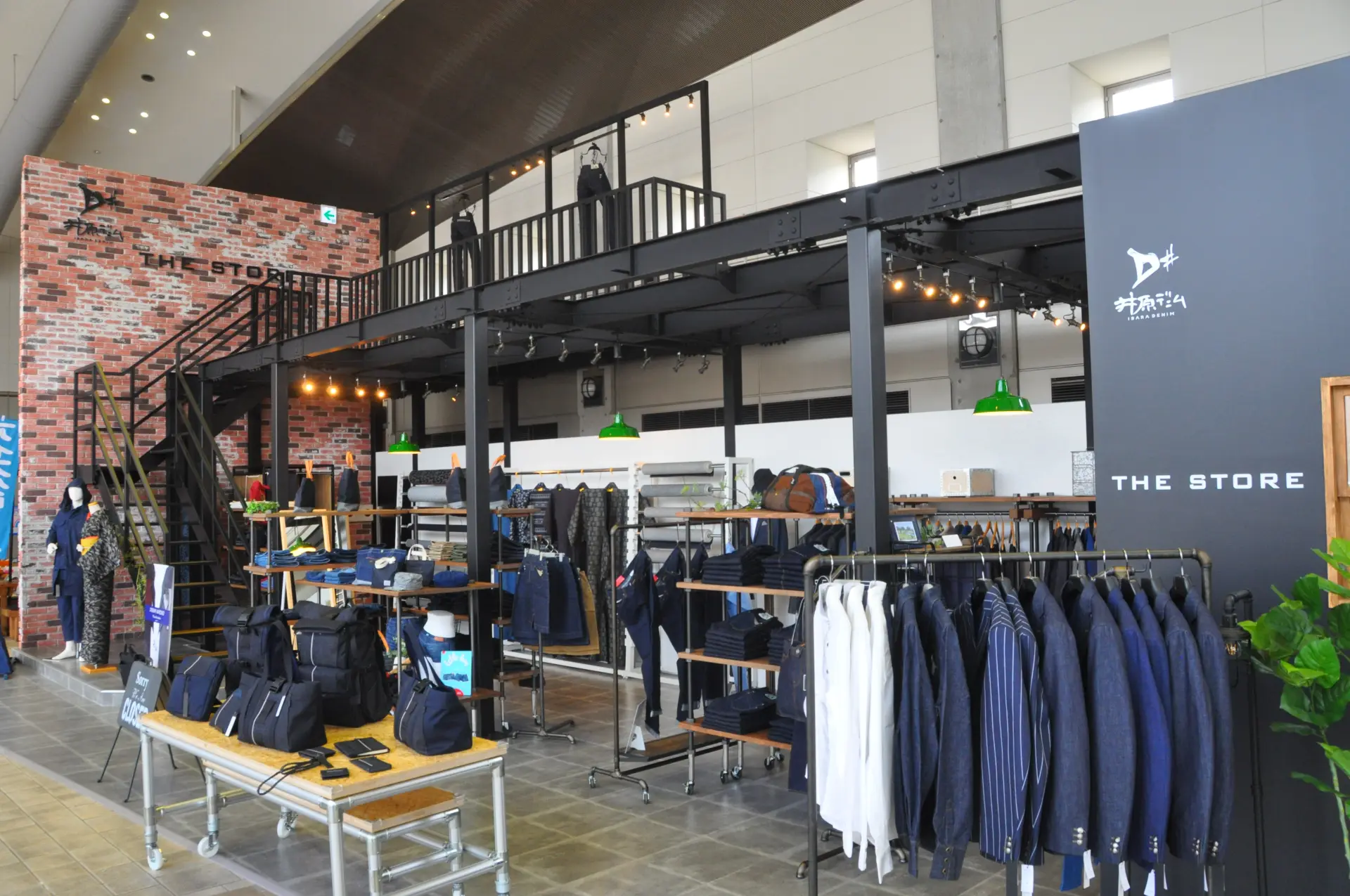
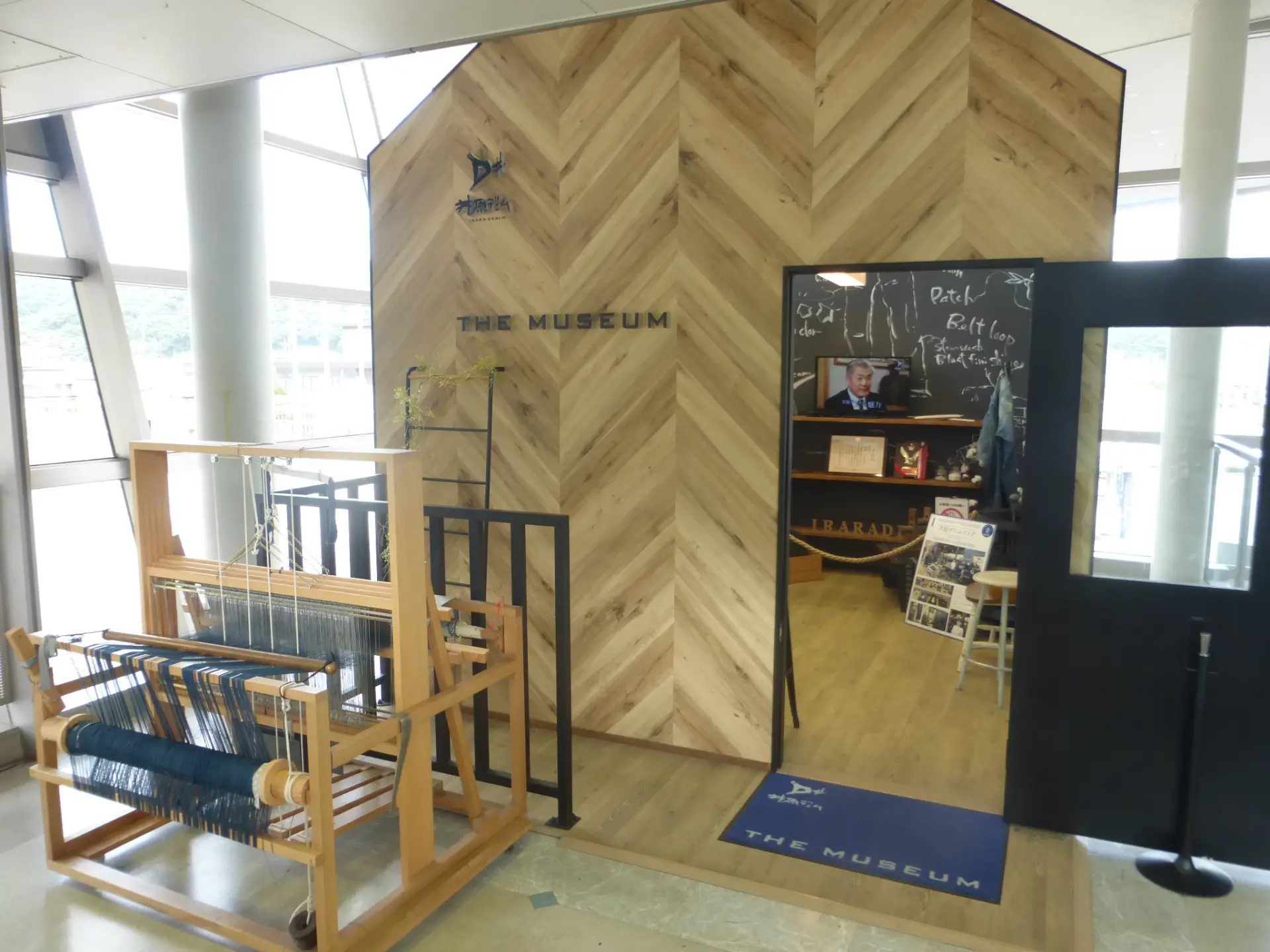
Located inside Ibara Station on the Ibara Railway, this shop sells jeans, bags, and denim fabric. A museum area on the station’s second floor introduces the history of Ibara Denim and the development of this textile-producing area.
- Japanese Name
- 井原デニムストア
- Address
-
944-5 Nanukaichi-cho, Ibara City, Okayama Prefecture
Google Maps - Telephone
- 070-5057-6070
- Hours
- 10:00 am-6:00 pm
- Closed
- Wednesdays (the following day if Wednesday is a public holiday), and the year-end and New Year holidays
- Access
- Inside Ibara Station on the Ibara Railway’s Ibara Line
- Credit Cards
- Accepted
- Official Website
- Official Website (Japanese)
See Craftsmanship Up Close at BlueTrick Ibara Store
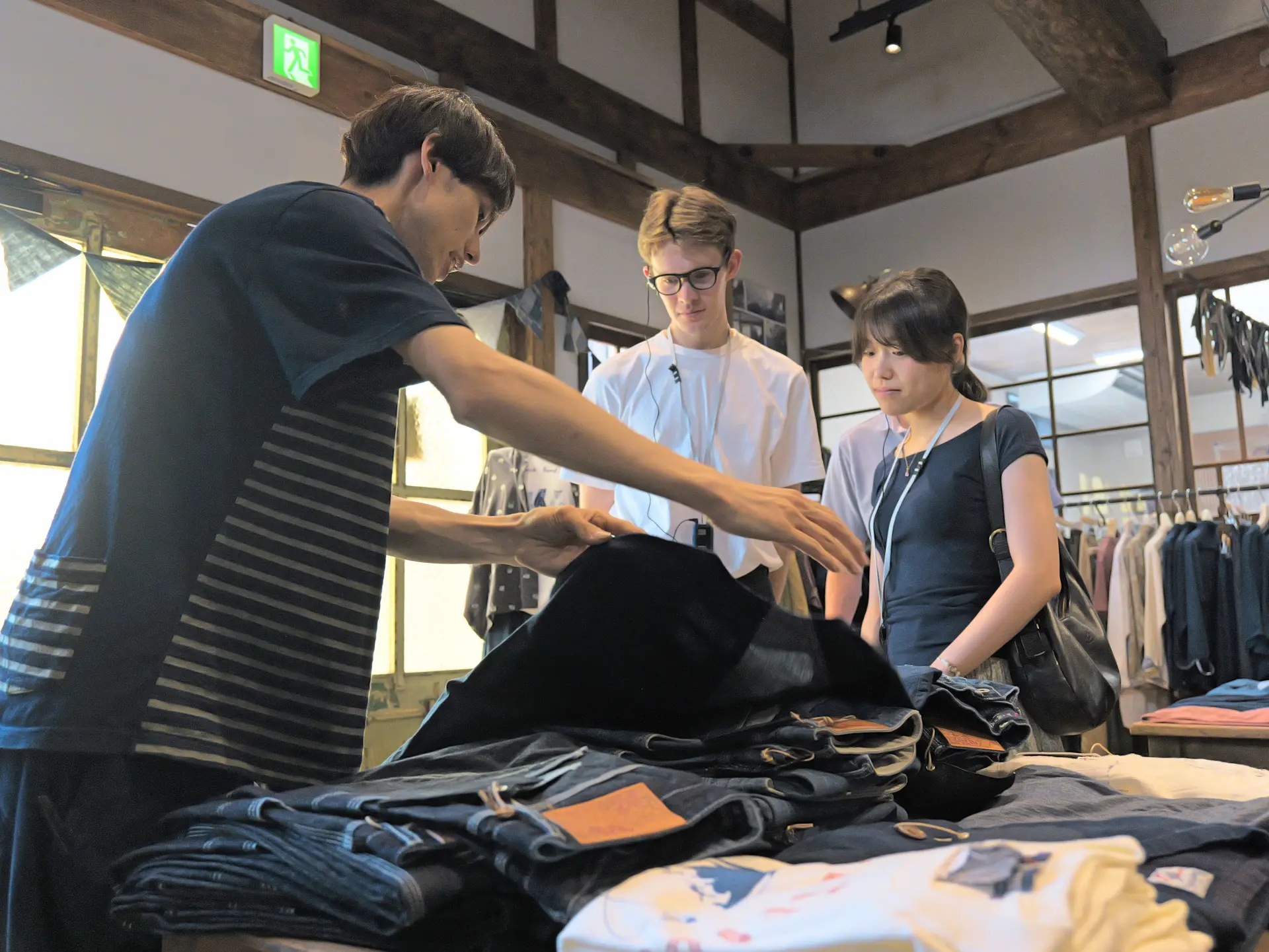
BlueTrick is a denim brand with a workshop in Ibara. It uses a variety of techniques to bring out the character of indigo in its clothing and accessories. At the adjoining shop, you can buy products created by skilled craftspeople. Factory visits offer a look at the work that goes into making denim products. Denim accessory workshops are also available, giving you the satisfaction of finishing an item with your own hands.
- Japanese Name
- BlueTrick 井原店
- Address
-
578-1 Kamiizue-cho, Ibara City, Okayama Prefecture
Google Maps - Telephone
- 0866-62-3801
- Hours
- 11:00 am-5:30 pm; Saturdays, Sundays, and public holidays: 10:00 am-6:00 pm
- Closed
- No fixed closing days
- Fees
-
Open Factory Experiences
- Factory Tour:5,500yen
- Sashiko Pouch-Making Experience:5,500yen
- Neckerchief-Making Experience:3,300yen
- Keychain-Making Experience:2,200yen
- Leather Patch Keychain-Making Experience:2,200yen
※Prices and program details are subject to change without notice.
※Experience programs are scheduled to begin on Monday,February 22, 2027. - Reservations
- Please inquire through the official BlueTrick website or social media accounts
- Access
- About 5 minutes on foot from Ibara Station on the Ibara Railway’s Ibara Line
- Credit Cards
- Accepted
- Official Website
- Official Website (Japanese)
Explore Locally Made Products at Nihon Menpu’s Factory Shop
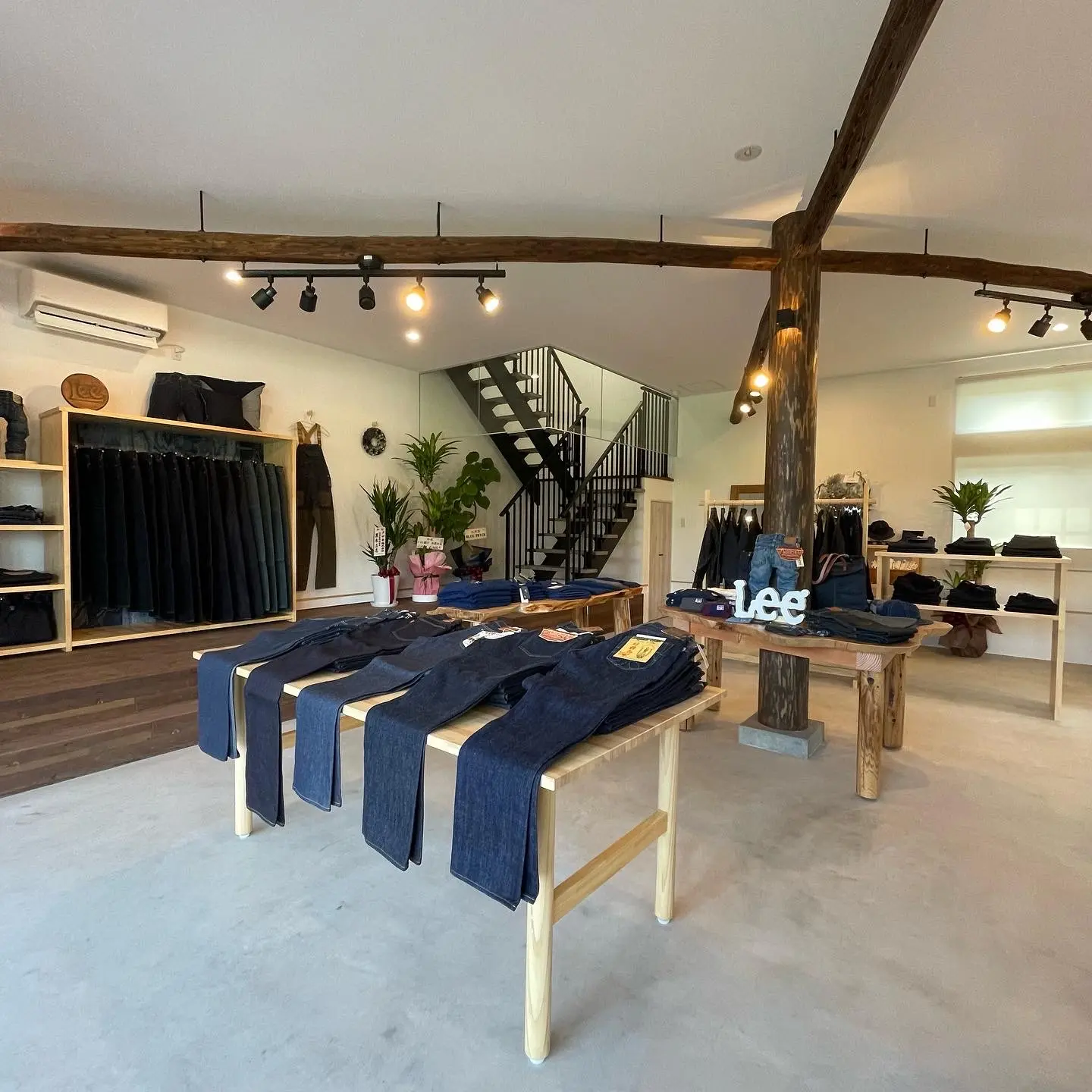
NMP SHOP is the factory shop of Nihon Menpu, a textile manufacturer that supports Ibara’s denim industry. It carries denim fabric made by the company and products created using its textile expertise. Feel the texture and character of the fabrics as you browse denim products from their place of origin.
- Japanese Name
- 日本綿布ファクトリーショップ
- Address
-
1076 Higashiebara-cho, Ibara City, Okayama Prefecture
Google Maps - Telephone
- 0866-63-0111
- Hours
- 10:00 am-5:00 pm
- Closed
- No fixed closing days
- Access
- About 7 minutes on foot from Soun no Sato Ebara Station on the Ibara Railway’s Ibara Line
- Credit Cards
- Accepted
- Official Social Media
- Official Social Media (Japanese)
3. Step Back in Time at Medieval Yumegahara
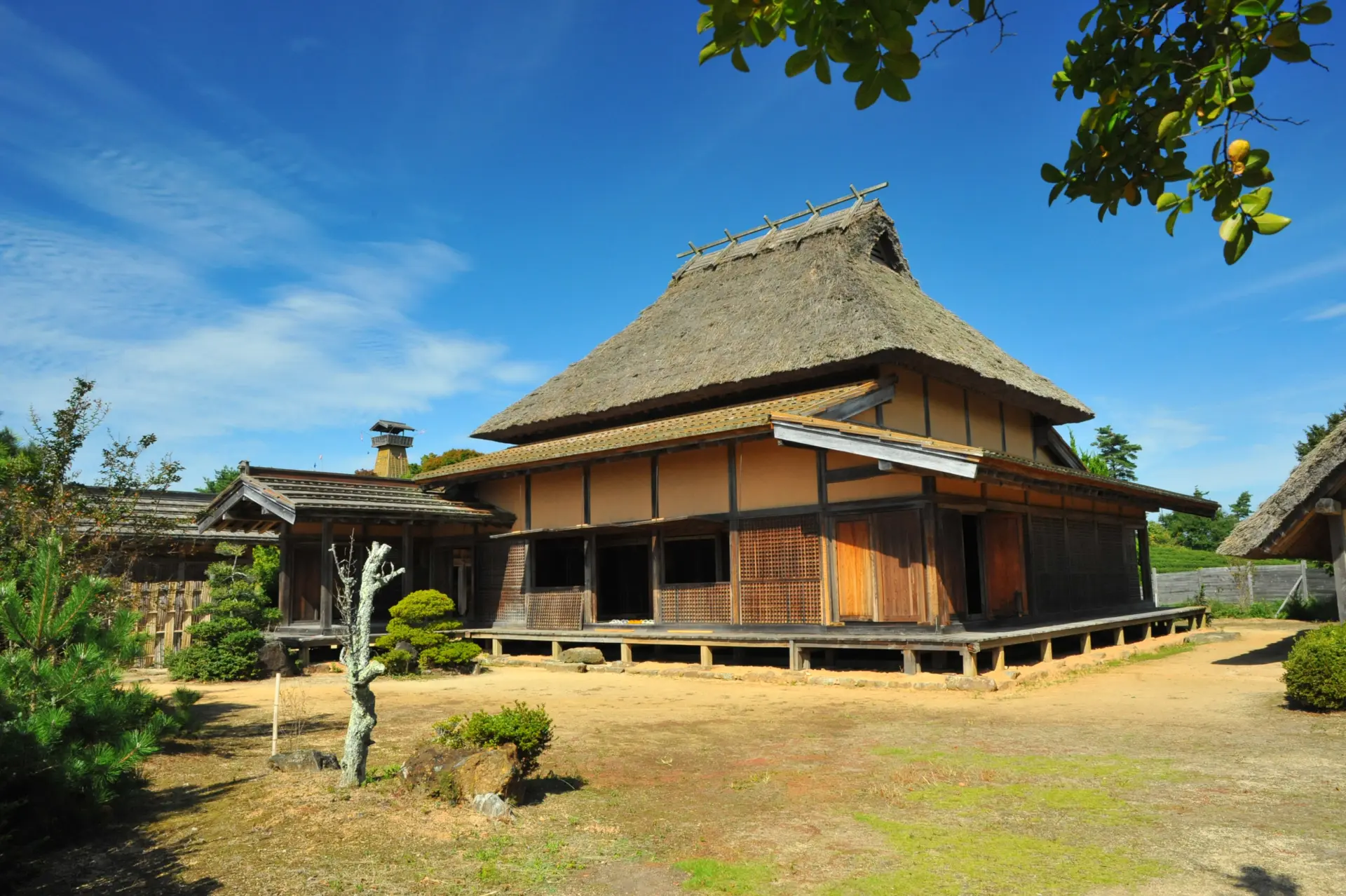
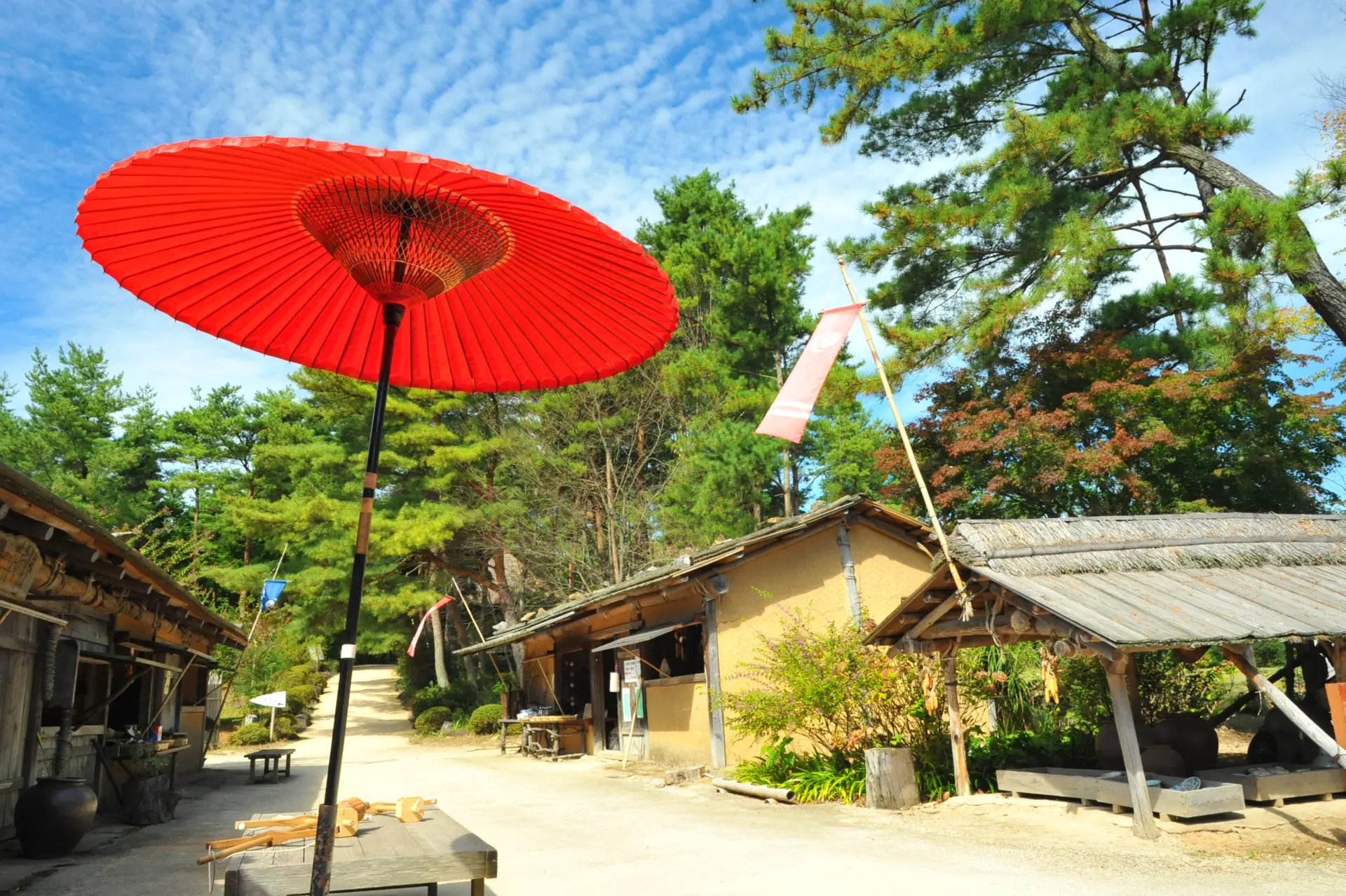
Medieval Yumegahara is a theme park that recreates a village in the Kibi Highlands from the Kamakura period (1185-1333) through the Muromachi period (1336-1573), based on picture scrolls, archaeological findings, and other historical sources. Thatched farmhouses, residences, a marketplace, and a mountain castle are arranged across the natural terrain, creating the experience of walking through a medieval village. The buildings use traditional construction methods, and everyday tools and household implements have also been recreated. Explore the reconstructed Sansai Market and the mountain castle’s watchtower to get a feel for daily life and the organization of society at the time. Activities such as indigo dyeing and making bamboo helicopter toys introduce traditional crafts. The park also serves as a filming location for movies and television dramas, and its historical streetscapes make appealing photo backgrounds. At the entrance, Bisei Kibikogen Kagura Folk Art Preservation Hall displays masks, costumes, and other items used in Bitchu Kagura. Together, the two facilities introduce medieval life and the region’s traditional performing arts.
- Japanese Name
- 中世夢が原
- Address
-
5007 Miyama, Bisei-cho, Ibara City, Okayama Prefecture
Google Maps - Telephone
- 0866-87-3914
- Hours
- 9:30 am-4:00 pm
- Closed
- Thursdays, the day after public holidays, and the year-end and New Year holidays
- Admission
- Adults: 500 yen; elementary school students: 300 yen (300 yen for both categories from December through February)
- Access
- About 15 minutes by car from Yakage Station on the Ibara Railway’s Ibara Line
- Credit Cards
- Accepted
- Official Website
- Official Website (Japanese)
4. Try Kyudo at Yoichi Commemorative Kyudojo in Ibara Sports Park
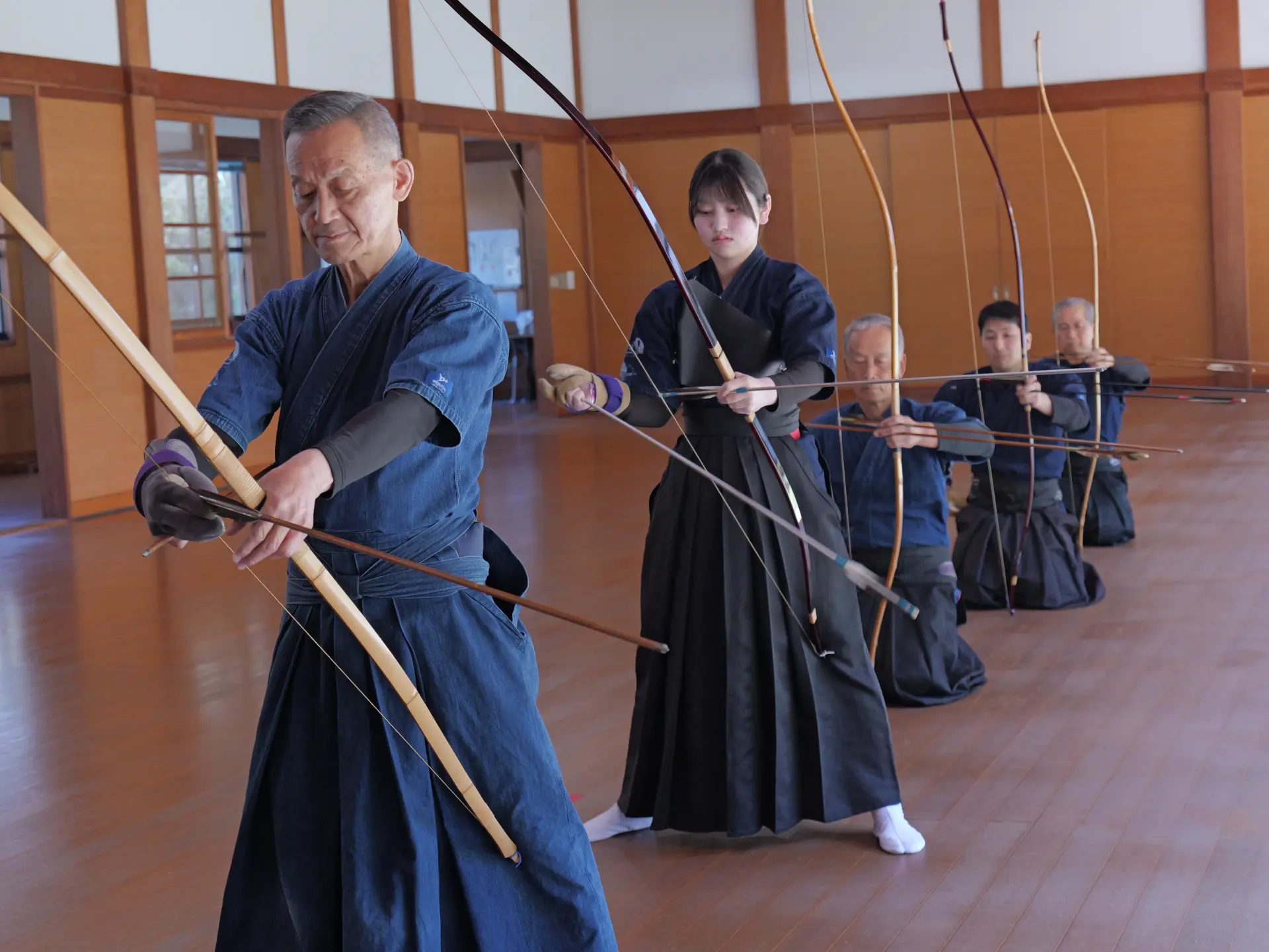
Nasu no Yoichi is said to have shot down a fan used as a target during the Genpei War. Legends associated with him live on in Ibara, where even beginners can try kyudo, Japanese archery, at Yoichi Commemorative Kyudojo in Ibara Sports Park. Learn how to handle the bow and adopt the basic stance with an instructor, then aim at a target and release an arrow. Some packages include wearing hakama (traditional pleated trousers) made from Ibara Denim, combining local history with the area’s craftsmanship. The good-luck archery experience takes its name from a phrase meaning “hit the target with a single arrow” and is inspired by the story of Nasu no Yoichi, who lived more than 800 years ago. Draw your bow while imagining that distant past.
- Japanese Name
- 井原運動公園与一記念弓道場
- Address
-
1770 Kamiizue-cho, Ibara City, Okayama Prefecture
Google Maps - Telephone
- 0866-62-8850 (Ibara Tourist Association)
- Activity Days
- Wednesdays and Saturdays (advance reservations required)
- Fees
- Ibara City: Take on the Legend of Nasu no Yoichi “hit the target with a single arrow” Good Luck Kyudo Experience:5,500yen(approximately 2hours)
- Access
- About 5 minutes by car from Ibara Station on the Ibara Railway’s Ibara Line
- Credit Cards
- Accepted ※Advance payment only
- Official Website
- Official Website (Japanese)
5. Ride the Sengoku Train and Explore Takakoshi Castle Ruins, a Site Associated with Hojo Soun
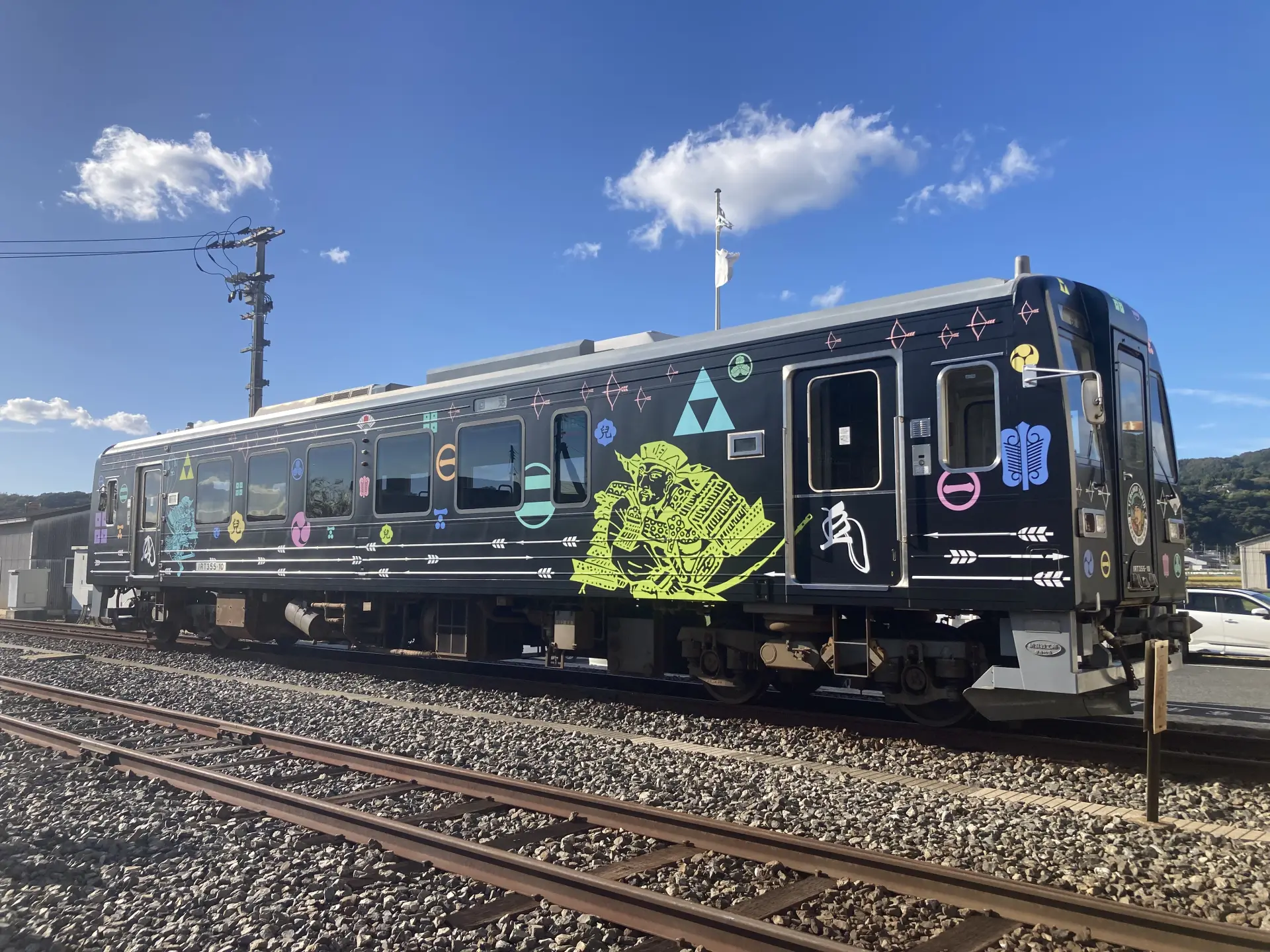
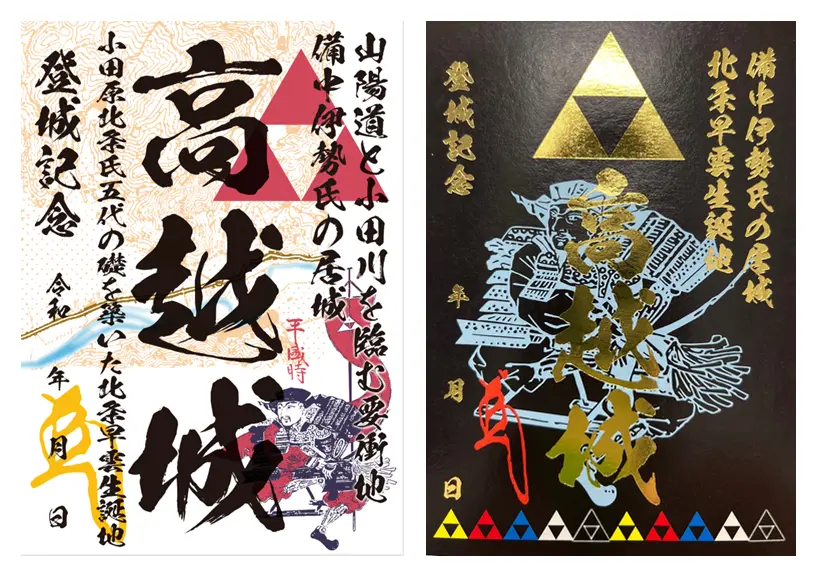
The Sengoku Train on the Ibara Railway’s Ibara Line features a decorative wrap inspired by Japan’s Warring States period. Enjoy the scenery along the route on a train journey with a historical theme. Pair the ride with a visit to Takakoshi Castle Ruins, traditionally believed to be the birthplace of the warlord Hojo Soun. This mountain castle once occupied a strategic position overlooking the Sanyo Road and Oda River, and its remains reveal how its design made use of the terrain. Nearby Hosen-ji Temple is said to have been established by Soun’s father, Ise Morisada. Graves believed to belong to Morisada and Soun remain in the grounds. Commemorative castle stamp sheets for Takakoshi Castle are available at Ibara City Tourist Information Booth, Ibara City Cultural Assets Center “Kodai Mahoroba-kan,” and Ibara Brand Tourism. Stamp sheets are also available for Takiyama, Shoryozan, and Takaya castle ruins, making them souvenirs to collect as you explore Ibara’s mountain castles.
- Japanese Name
- 井原鉄道井原線「戦国列車」
- Route
- Ibara Railway’s Ibara Line
- Operating Schedule
- Check the train’s operating schedule in advance
- Fare
- 340 yen one way between Ibara Station and Soun no Sato Ebara Station
- Credit Cards
- Not accepted
- Official Website
- Official Website (Japanese)
- Japanese Name
- 高越城址
- Address
-
Higashiebara-cho, Ibara City, Okayama Prefecture
Google Maps - Telephone
- 0866-62-8850 (Ibara Tourist Association)
- Visiting Hours
- Open 24 hours; daytime visits recommended
- Admission
- Free
- Access
- About 10 minutes by car from Soun no Sato Ebara Station on the Ibara Railway’s Ibara Line
- Official Website
- Official Website (Japanese)
- Prices
- Standard castle stamp sheet: 400 yen; black-and-gold castle stamp sheet: 700 yen
- Available at
- Ibara City Tourist Information Booth (inside Ibara Station), Ibara City Cultural Assets Center “Kodai Mahoroba-kan,” and Ibara Brand Tourism (second floor of the Ibara Local Industry Promotion Center)
6. Explore Central Ibara’s History and Culture by Rental Bicycle
Renting a bicycle is a good way to explore central Ibara at your own pace. The tourist information booth at Ibara Station rents electric-assist bicycles and other bikes for visiting Ibara Embankment, museums, denim shops, and related facilities. An approximately 13-kilometer cycling route around the city center includes sake breweries and historical sites. Enjoy the journey itself as you take in riverside scenery and stop at shops that catch your eye. Bisei Town also has a cycling route of approximately 12-13 kilometers, offering a ride through the natural scenery of the highlands.
*Available bicycles include 3 standard bicycles, 6 electric-assist bicycles (4 city bikes and 2 sport bikes), 2 children’s bicycles, and 5 walking bicycles.
- Japanese Name
- 井原市観光案内所
- Address
-
944-5 Nanukaichi-cho, Ibara City, Okayama Prefecture (inside Ibara Station)
Google Maps - Telephone
- 0866-65-0505
- Hours
- 9:00 am-5:00 pm
- Closed
- Year-end and New Year holidays
- Rental Fees
- Standard bicycle: 300 yen per day; electric-assist bicycle: 500 yen per day; walking bicycle: 500 yen per day
- Access
- Inside Ibara Station on the Ibara Railway’s Ibara Line
- Credit Cards
- Accepted
- Official Website
- Official Website (Japanese)
14 Must-Visit Attractions in Ibara
Ibara has plenty of places to enjoy nature through the seasons and discover local history and art. Here are some highlights to visit in its three main areas: the central Ibara area, the Yoshii area with its scenic gorges, and the Bisei area, known for its starry skies.
1. Ibara Area | Ibara Embankment: Two Kilometers of Cherry Blossoms to Enjoy by Day and Night
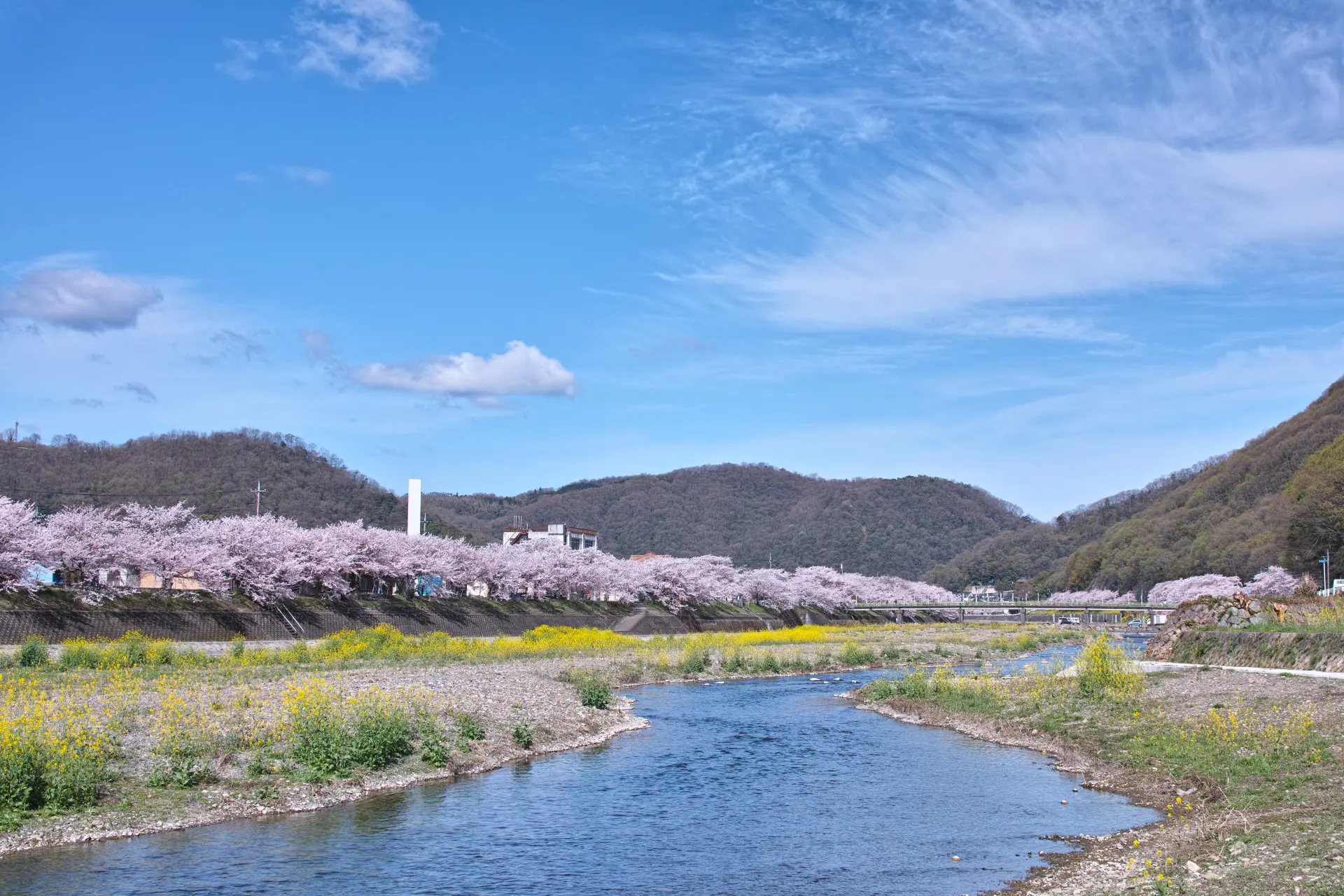
Ibara Embankment is one of the city’s best-known cherry blossom spots, with trees lining the Oda River for about two kilometers. In spring, the riverside turns pink, and walking beneath the blossoms feels like passing through a tunnel of flowers. Paper lanterns are sometimes lit during the flowering season, giving the blossoms a different atmosphere after dark. Cherry blossom festival dates and lantern lighting schedules vary from year to year, so check the latest information before visiting.
2. Ibara Area | Hirakushi Denchu Art Museum and Denchu Park: Masterful Wood Sculptures and Garden Scenery
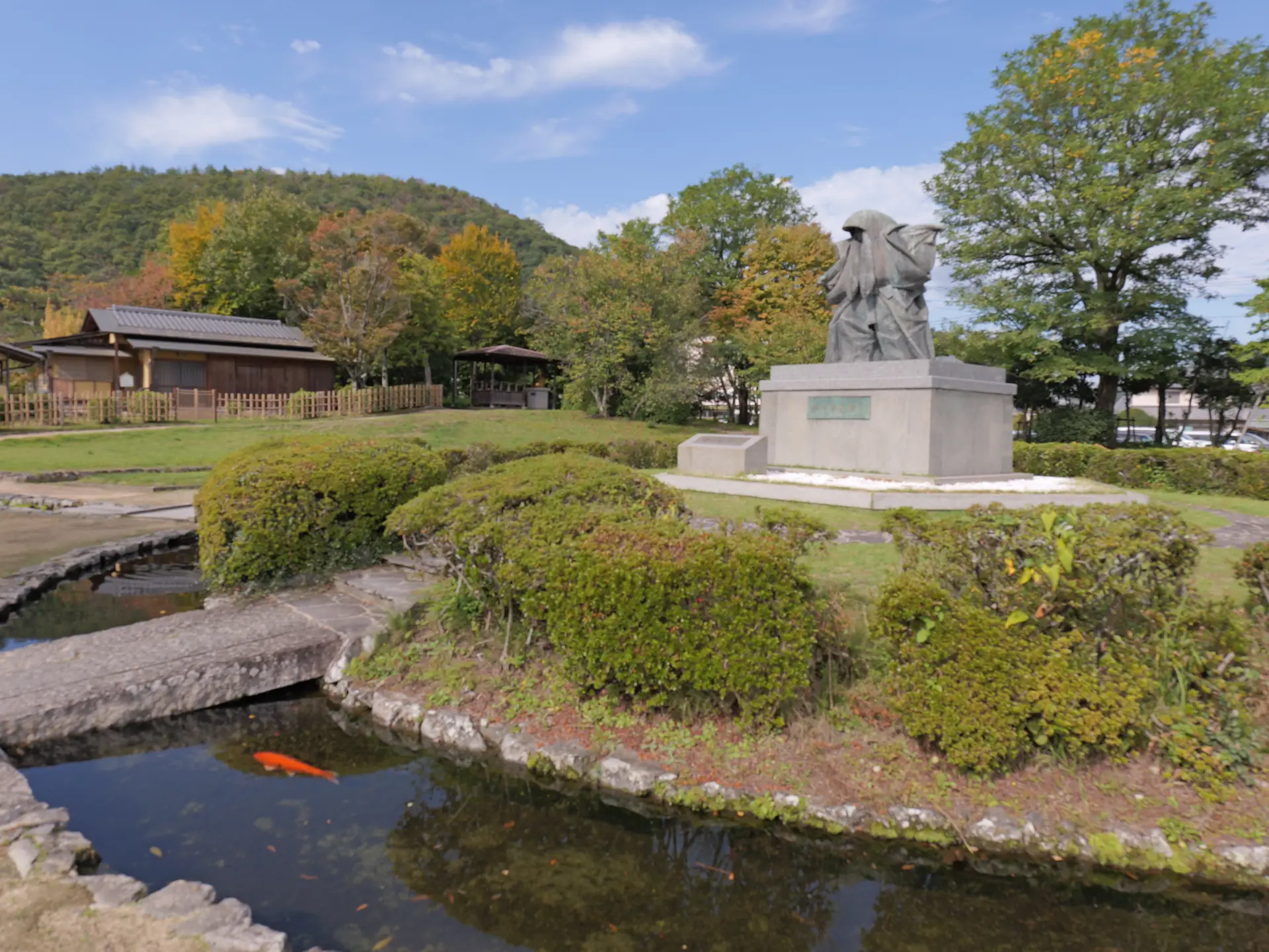
This museum showcases the work of Ibara-born sculptor Hirakushi Denchu. Renovated in April 2023, it explores his art and life, with a focus on his wood sculptures. Sculptures are also displayed in neighboring Denchu Park, where you can enjoy them alongside the changing scenery of the seasons. A visit to both the museum and the garden offers a closer look at the world of this locally born artist.
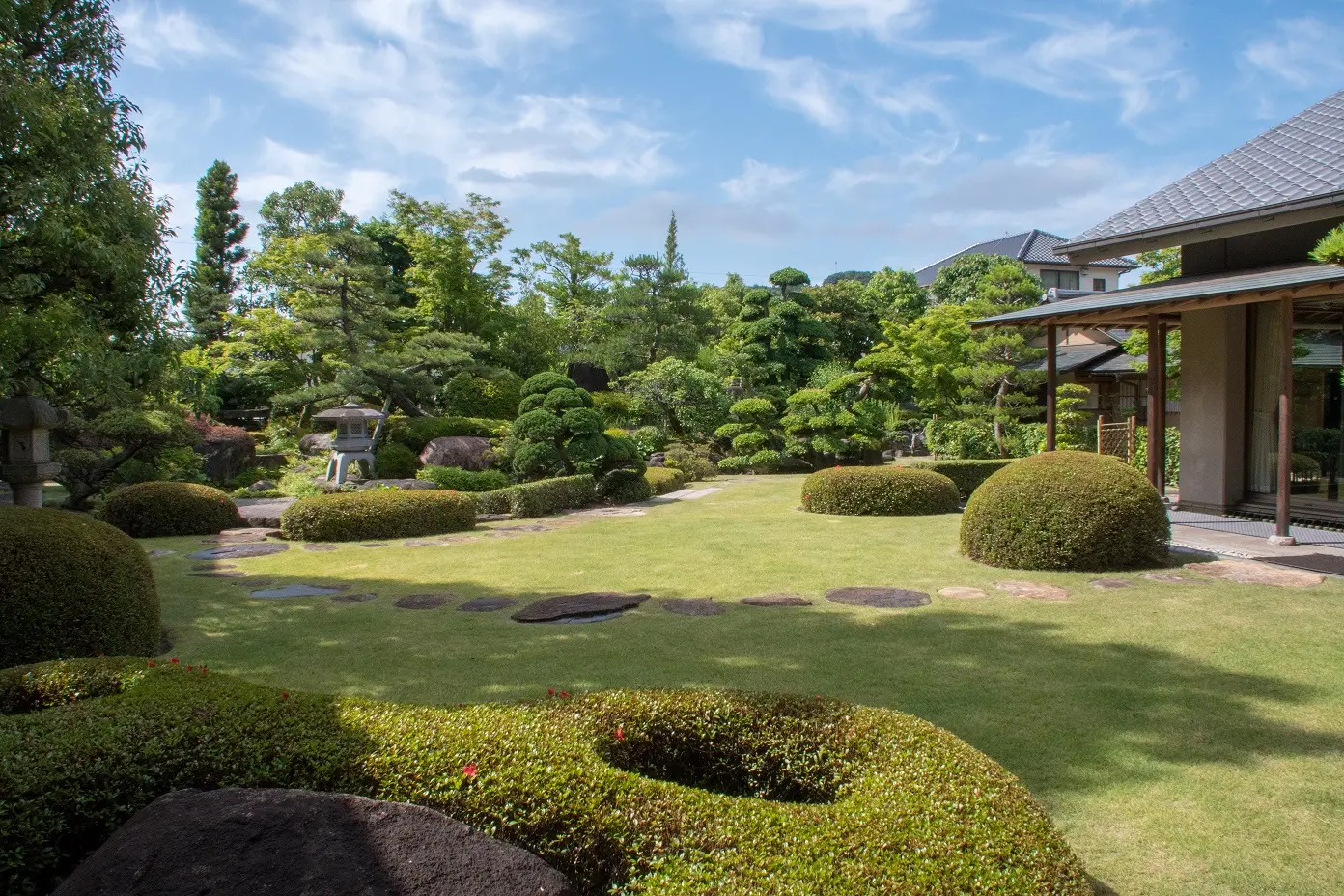
3. Ibara Area | Hanatori Otsuka Art Museum: Japanese Paintings and a Beautiful Garden
This museum houses around 600 Japanese-style paintings, with a focus on works by Keika Kanashima, as well as some 200 tea ceremony utensils and other objects. Alongside modern and contemporary Japanese paintings, including bird-and-flower paintings, you can discover the aesthetics of tea ceremony traditions practiced by the samurai class. After viewing the artworks, take a look at Hanatori no Sono Garden, a Japanese garden designed and overseen by the head of a tea ceremony school. The museum offers the chance to appreciate both art and garden design.
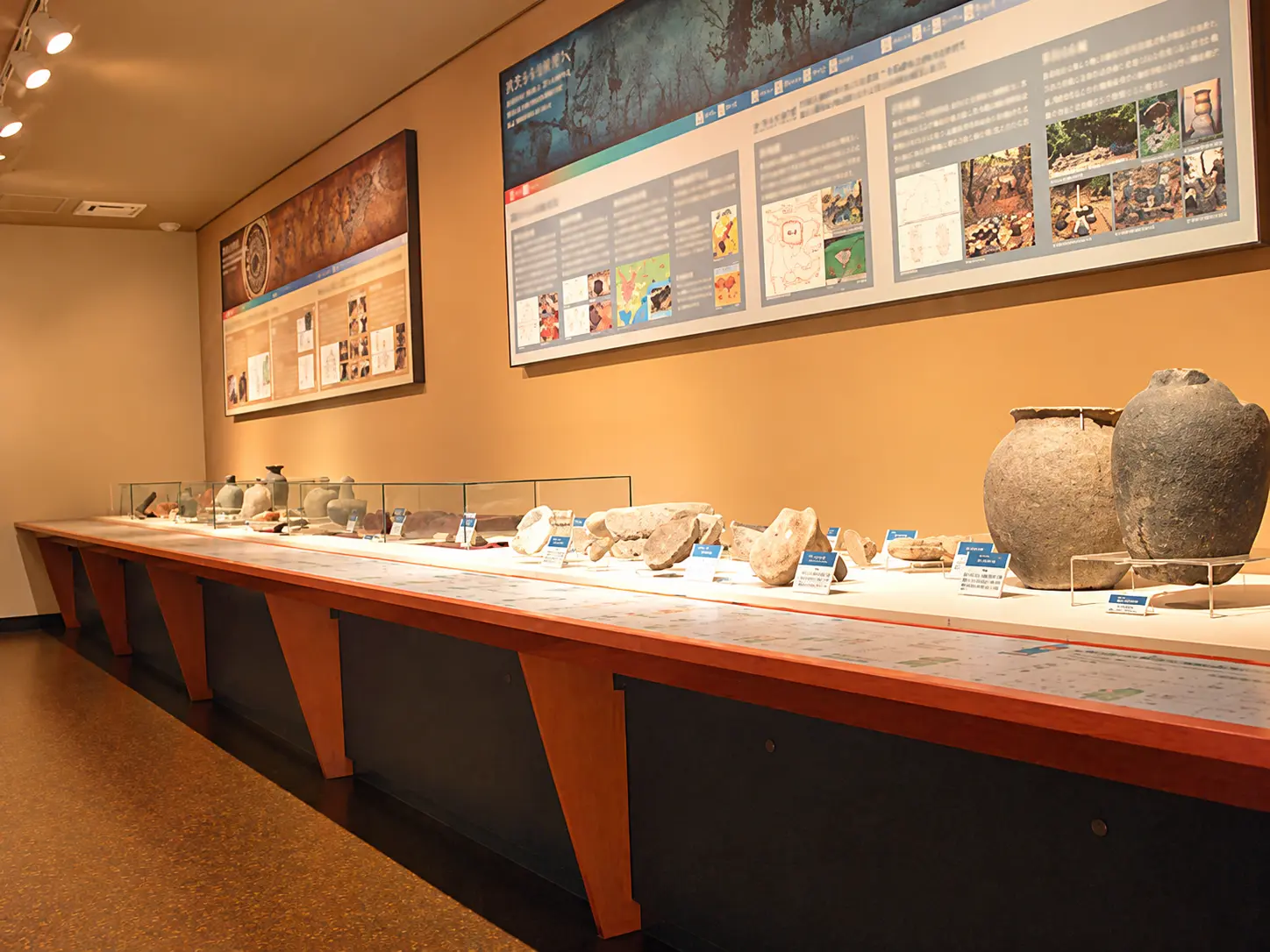
4. Ibara Area | Ibara City Cultural Assets Center “Kodai Mahoroba-kan”: Discover Local History through Archaeological Finds
This cultural facility displays artifacts excavated in Ibara and historical materials from the area. Its exhibits introduce local history, focusing on archaeological finds from the Yayoi through Kofun periods. Visitors can see a reconstructed model of a bronze bell. Admission is free, making it an accessible place to explore life and culture in ancient Ibara.
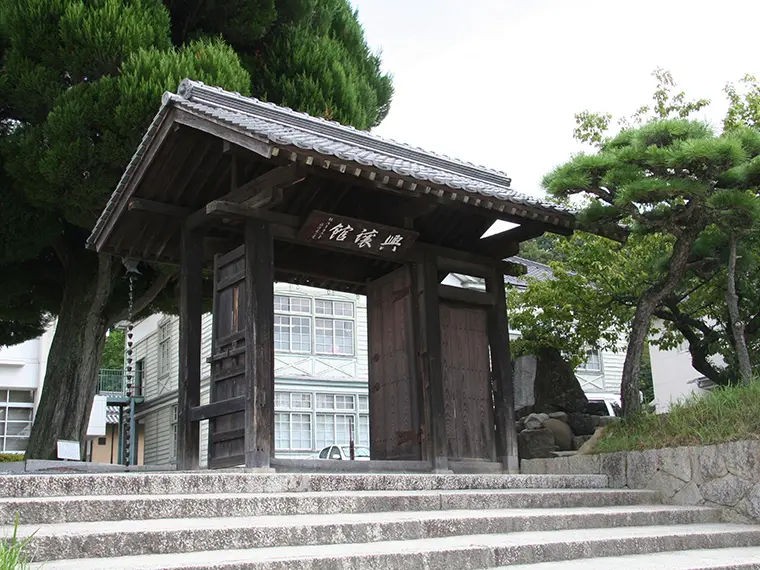
5. Ibara Area | Kojokan: Visit a School Gate with a Connection to Shibusawa Eiichi
Founded in 1853 as a local school, Kojokan had the scholar of Chinese classics Sakatani Roro as its first head. The school gate still bears a plaque with the name “Kojokan” written in 1912 by Shibusawa Eiichi, who was a close acquaintance of Roro. The gate and lecture hall can be visited on weekdays from 9:00 am to 5:00 pm, offering a glimpse into Ibara’s educational history stretching back to the closing years of the Edo period. The site is still used as a school, so check which areas are open to visitors and how to visit in advance.
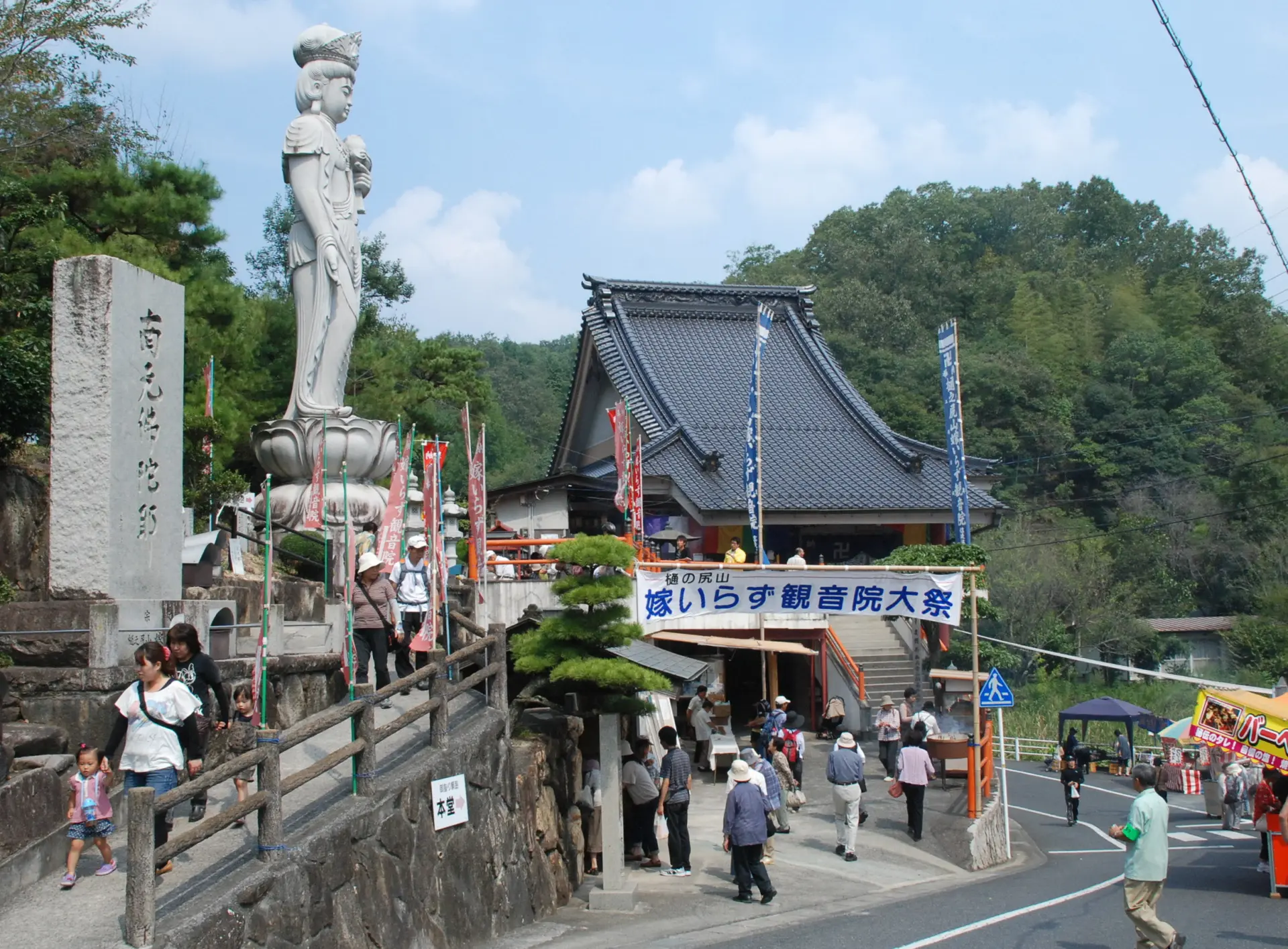
6. Ibara Area | Yomeirazu Kannonin Temple: Pray for a Long, Healthy Life before a Towering Kannon Statue
Said to have been founded by the monk Gyoki in 737, this temple is the 21st stop on the Setouchi 33 Kannon Pilgrimage. The name “Yomeirazu” expresses the wish to stay healthy in old age without needing to rely on family members for care. A statue of Sho Kannon, the bodhisattva of compassion, stands approximately 7.7 meters tall in the grounds, and visitors can follow a route past stone Buddhist statues on the hill behind the temple. Take your time exploring and offer a prayer for a long, healthy life.
7. Ibara Area | Ibara Rose Garden: Enjoy Colorful Blooms and Fragrant Flowers
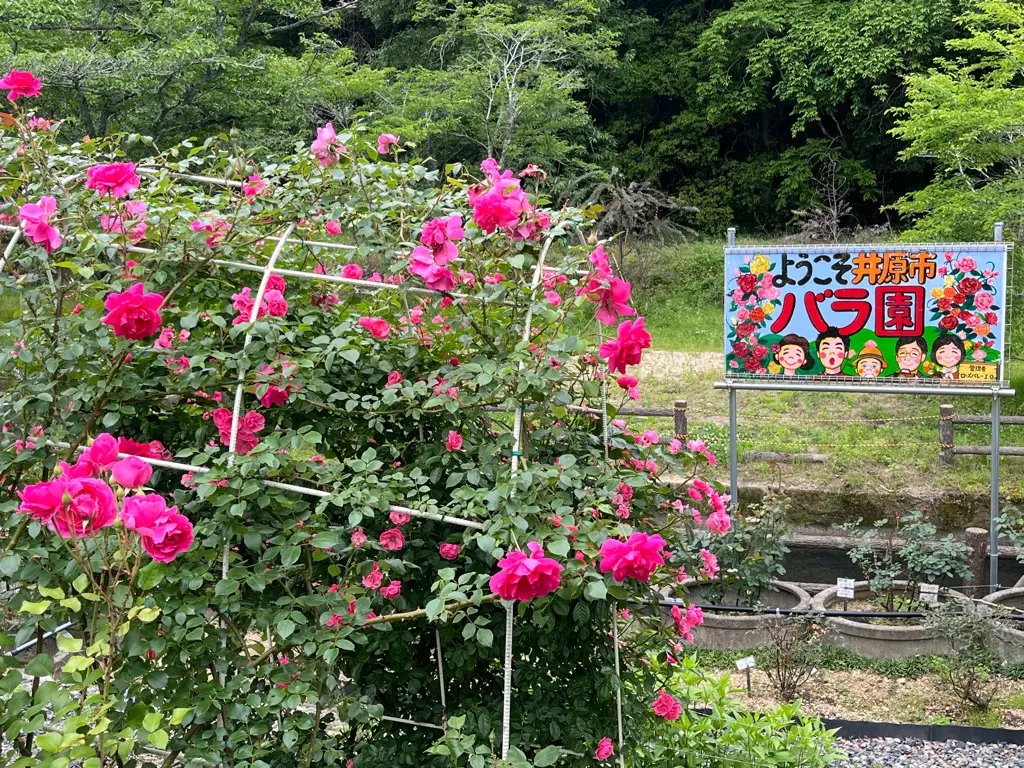
Located in Aibara Park, this garden has more than 500 rose bushes representing over 100 varieties. The flowers typically bloom around late May, offering a colorful display of different shapes and fragrances. Stroll through the garden to find your favorite rose or take photos with the flowers as a backdrop. It is a chance to enjoy another side of Ibara’s floral scenery beyond the spring cherry blossoms.
8. Ibara Area | Kozan-ji Temple, a Special Head Temple of Shingon Buddhism: Historic Buddhist Statues and a Majestic Tree
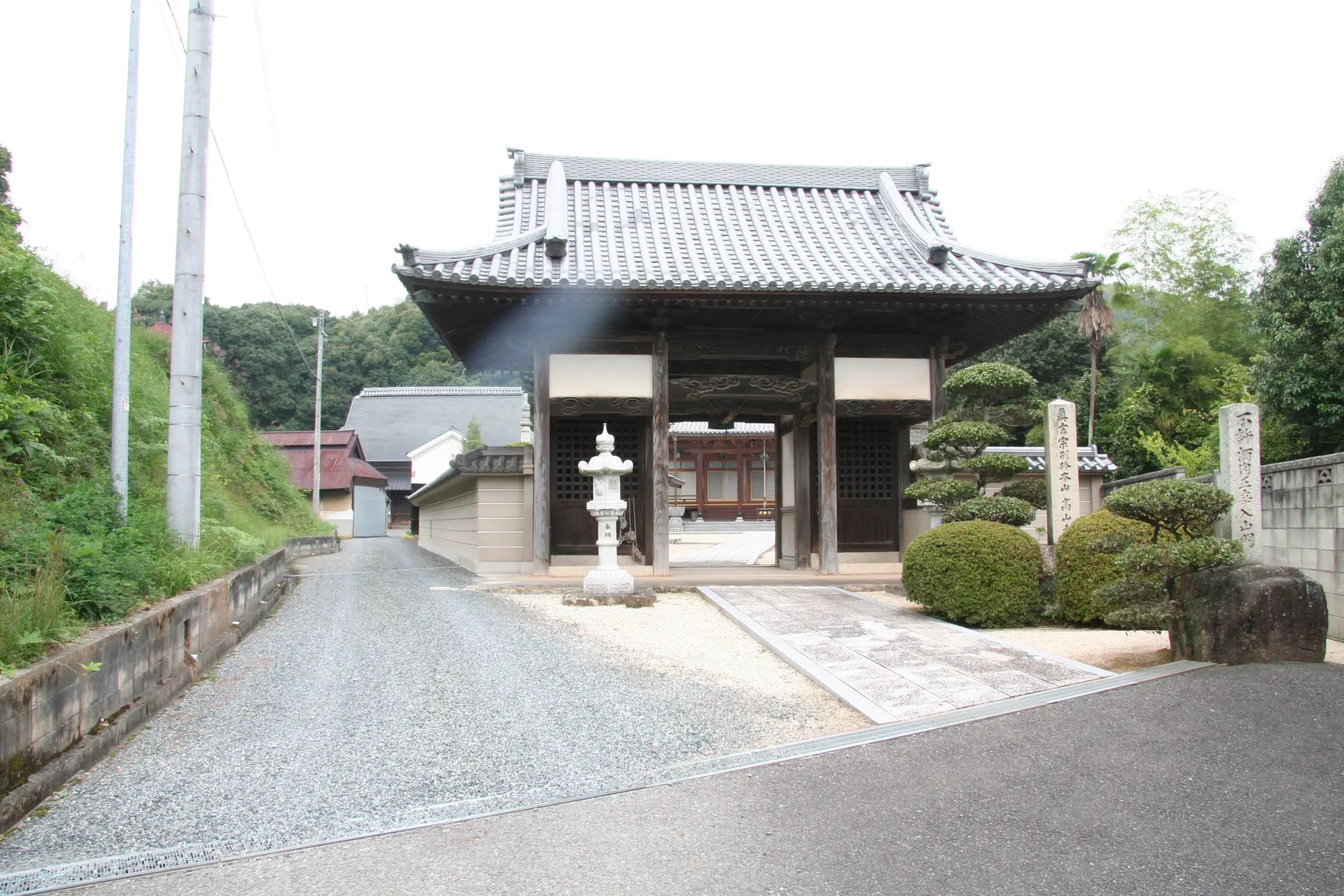
This Shingon Buddhist temple is said to have been founded by Gyoki in 731. It houses a seated statue of Fudo Myoo and a standing statue of Jizo Bosatsu, both designated Important Cultural Properties of Japan. The grounds also contain a mokkoku tree estimated to be around 350 years old, designated a Natural Monument of Ibara City. A walk through the historic temple grounds brings you into contact with religious traditions and nature preserved across generations.
9. Ibara Area | Eisho-ji Temple: Follow the Legends of Nasu no Yoichi
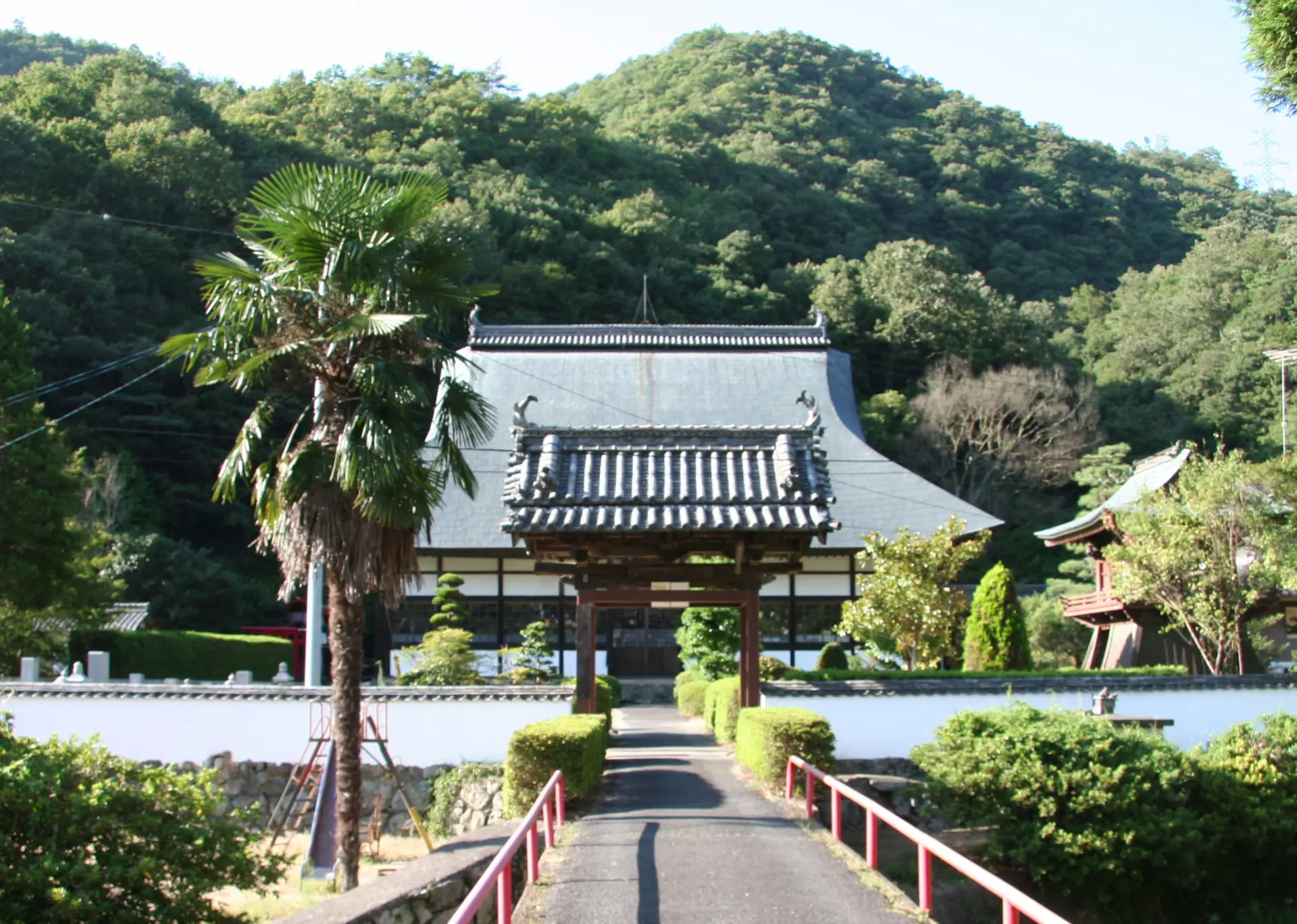
This temple is said to have been established as the family temple of the Nasu clan, whose celebrated archer Nasu no Yoichi fought in the Genpei War. In the grounds is Sodegami Inari Shrine, which enshrines the sleeve Yoichi is said to have torn off and discarded when drawing his bow at the Battle of Yashima. A five-tiered stone pagoda commemorating Yoichi also stands in the hills northeast of the temple, offering another connection to the Nasu clan’s history in Ibara. Consider combining a visit with a kyudo experience.
10. Ibara Area | Kyogamaru Green Park: A Long Slide, Camping, and Outdoor Fun
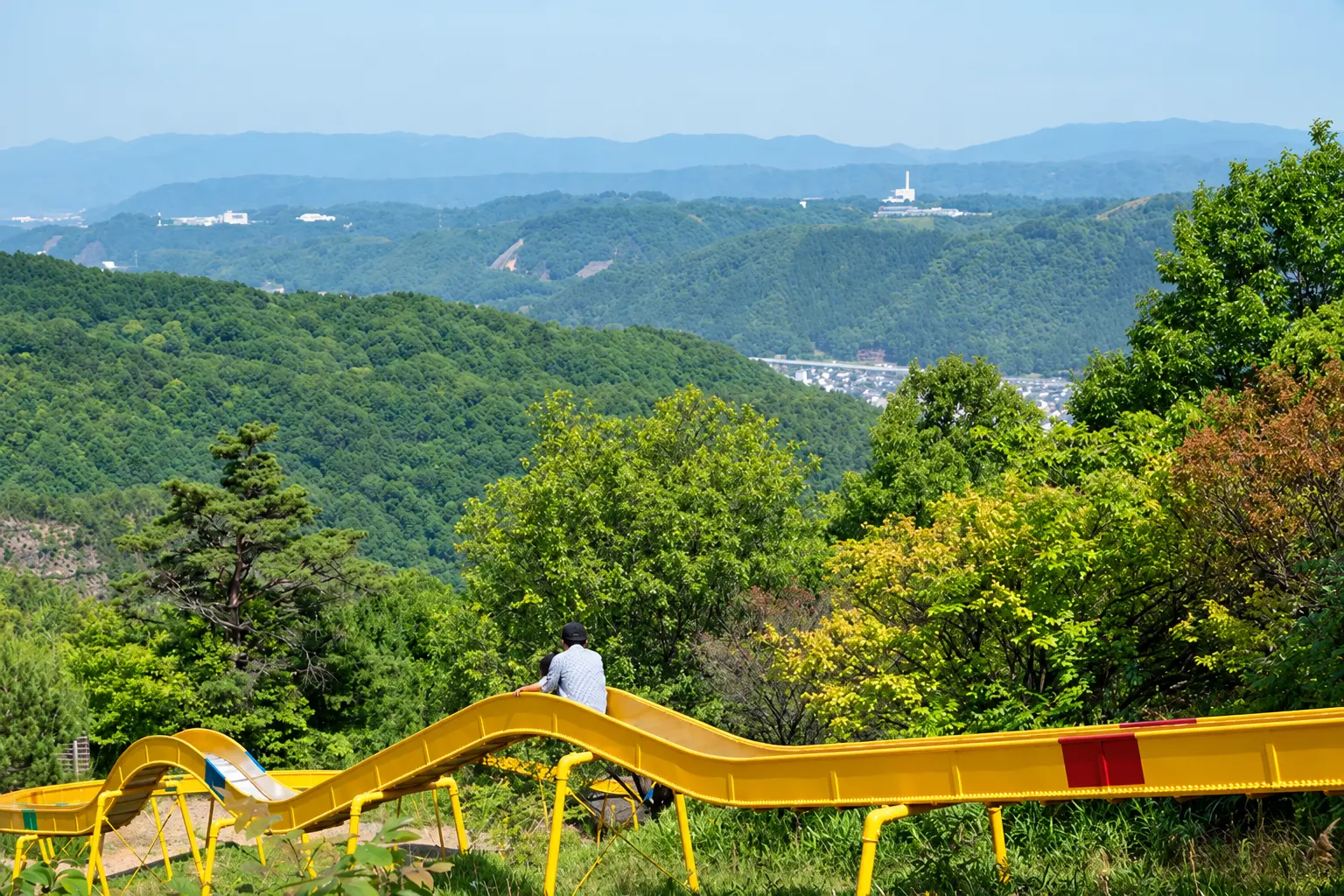
This spacious recreation park is surrounded by nature and has playground equipment, a campground, and more. An 80-meter-long slide, miniature golf, and children’s play areas offer plenty of ways for families to get active together. With campsites accessible by car and bungalows, it is also a good choice for a longer, more leisurely stay in nature.
11. Yoshii Area | Tenjin Gorge: Clear River Waters and Colorful Autumn Leaves
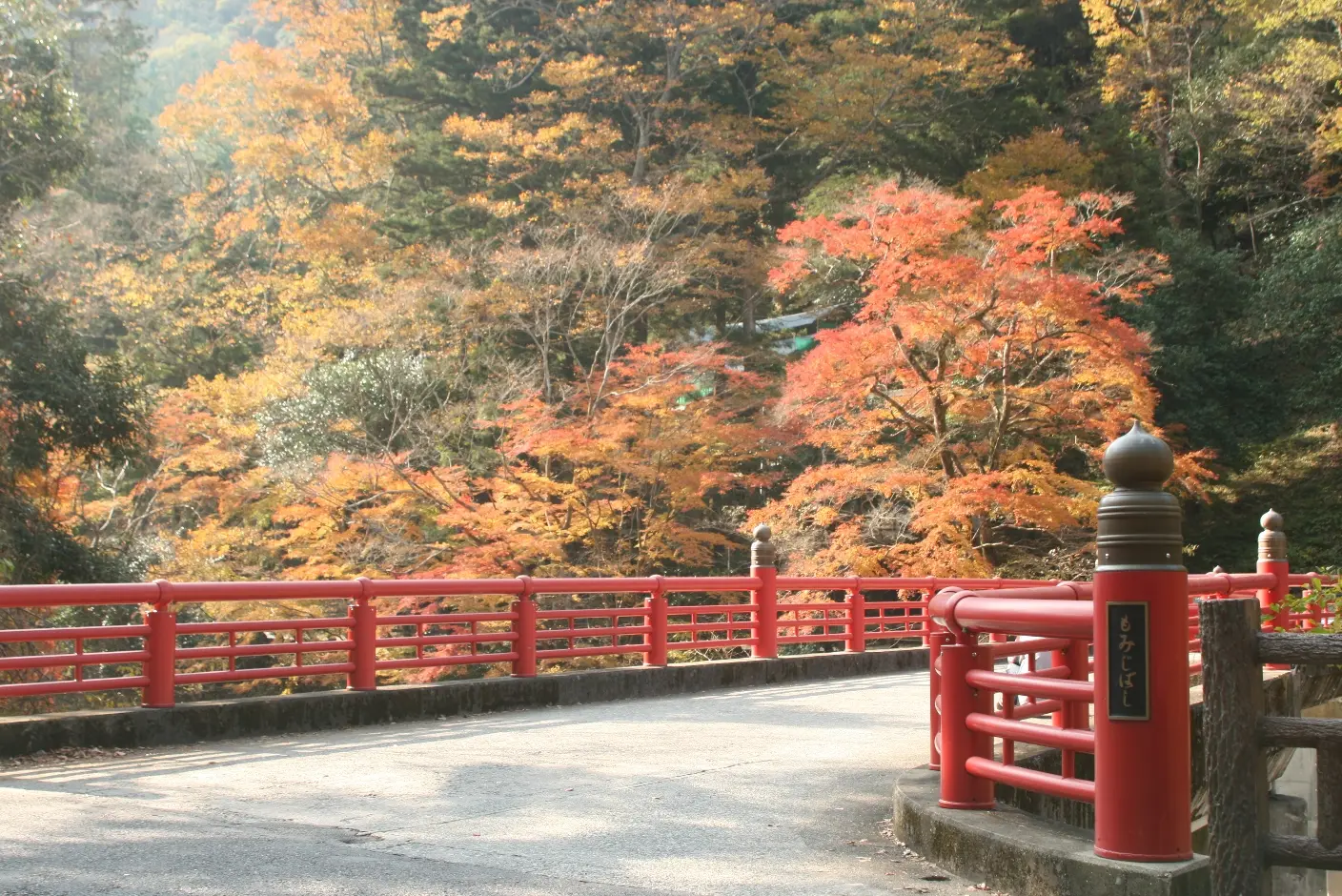
Large maple, fir, and oak trees line an approximately one-kilometer stretch of the Oda River in this scenic gorge. In summer, visitors can play in the river and walk along the water, while autumn brings colorful foliage to the valley. A red bridge over the clear river forms a striking scene with the surrounding trees. Listen to the gentle flow of the water and unwind in scenery that changes with the seasons.
12. Bisei Area | Hoshio Shrine: Make a Wish at a Shrine with a Shooting Star Legend
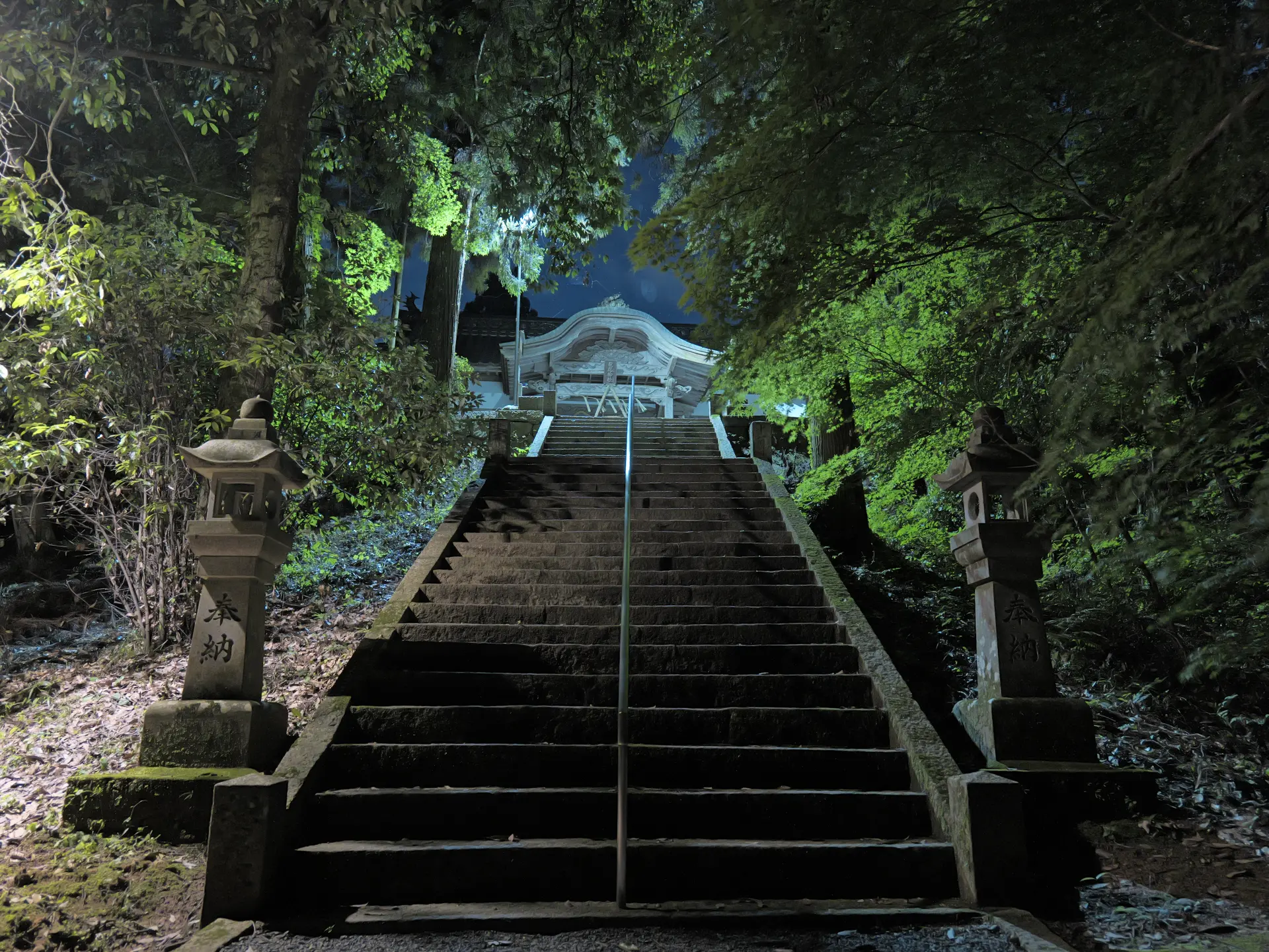
This shrine is associated with the Hoshio legend of three shooting stars that are said to have fallen during the Kamakura period (1185-1333). It preserves the history of the area’s reverence for the stars. A Tanabata prayer festival is held every August 7, when paper strips bearing wishes sent from across Japan are ceremonially burned to carry those wishes to the heavens. It is a place to discover legends and beliefs closely tied to Bisei’s starry skies.
13. Bisei Area | Onigatake: A Scenic Gorge with Unusual Rocks and Autumn Foliage
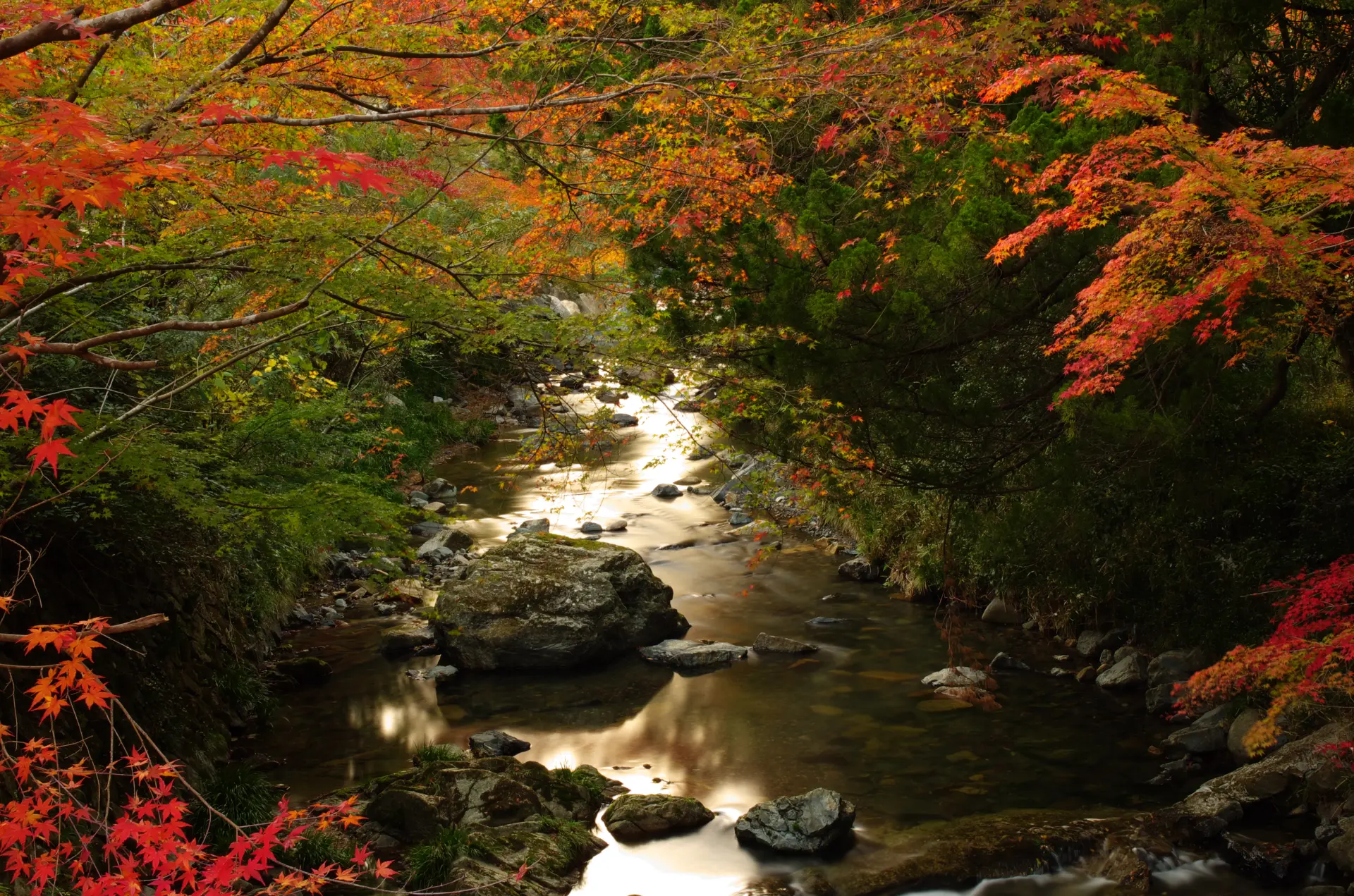
Extending about four kilometers upstream from Onigatake Dam, this gorge features unusual rock formations shaped by clear flowing water and lush natural surroundings. In autumn, the trees along the river change color, filling the gorge with vibrant foliage. Cherry blossoms can also be enjoyed in spring. The place name is linked to a legend that Ura, an oni demon, came here to heal his wounds. Take in the natural scenery while discovering the stories passed down in the area.
14. Bisei Area | Bisei Space Guard Center: Learn about Observations That Help Keep Space Safe
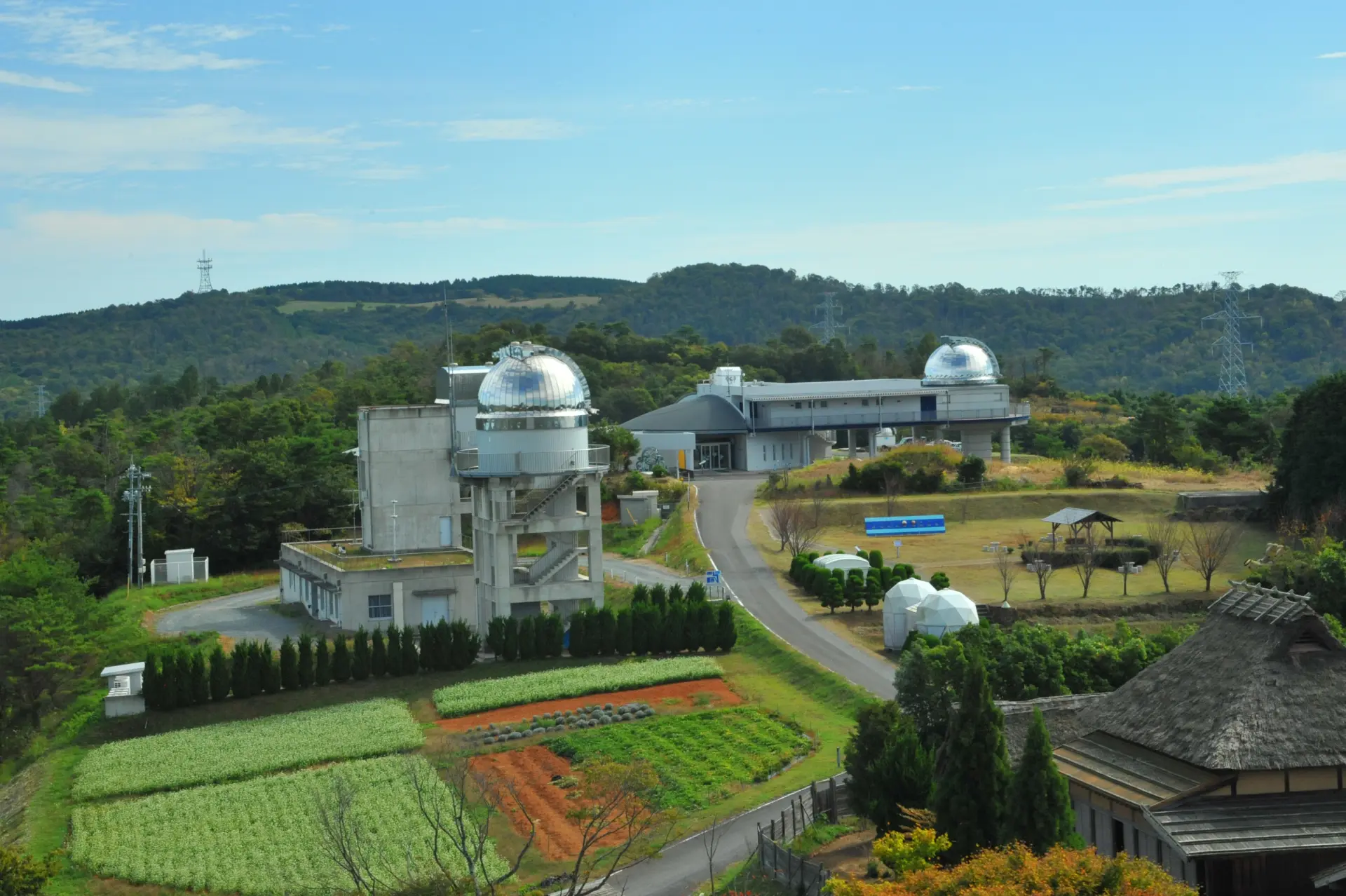
The exhibition room stands beside a facility that monitors asteroids approaching Earth and space debris drifting through space. Models, panels, and videos explain the observation technology and efforts to improve safety in space. The observation facility itself is not open to the public, but the exhibition room follows the same opening days and hours as Bisei Astronomical Observatory, making it easy to visit both.
8 Local Food and Drink Highlights to Try in Ibara
Ibara offers a distinctive range of local favorites, including dishes made with pork and dairy products from Bisei Town. From hearty meat dishes and ramen to Japanese cuisine and sweet treats, here are eight food and drink highlights to enjoy between sightseeing stops.
1. The Bisei Burger at Hoshi no Sato Restaurant: Local Pork and Vegetables
The specialty here is the Bisei Burger, made with ingredients from Bisei Town. A patty made with the local Bisei Manten Pork is topped with a fried Hoshi no Sato egg and seasonal vegetables. Served on a bun made with eight kinds of grains, it is also available to go.

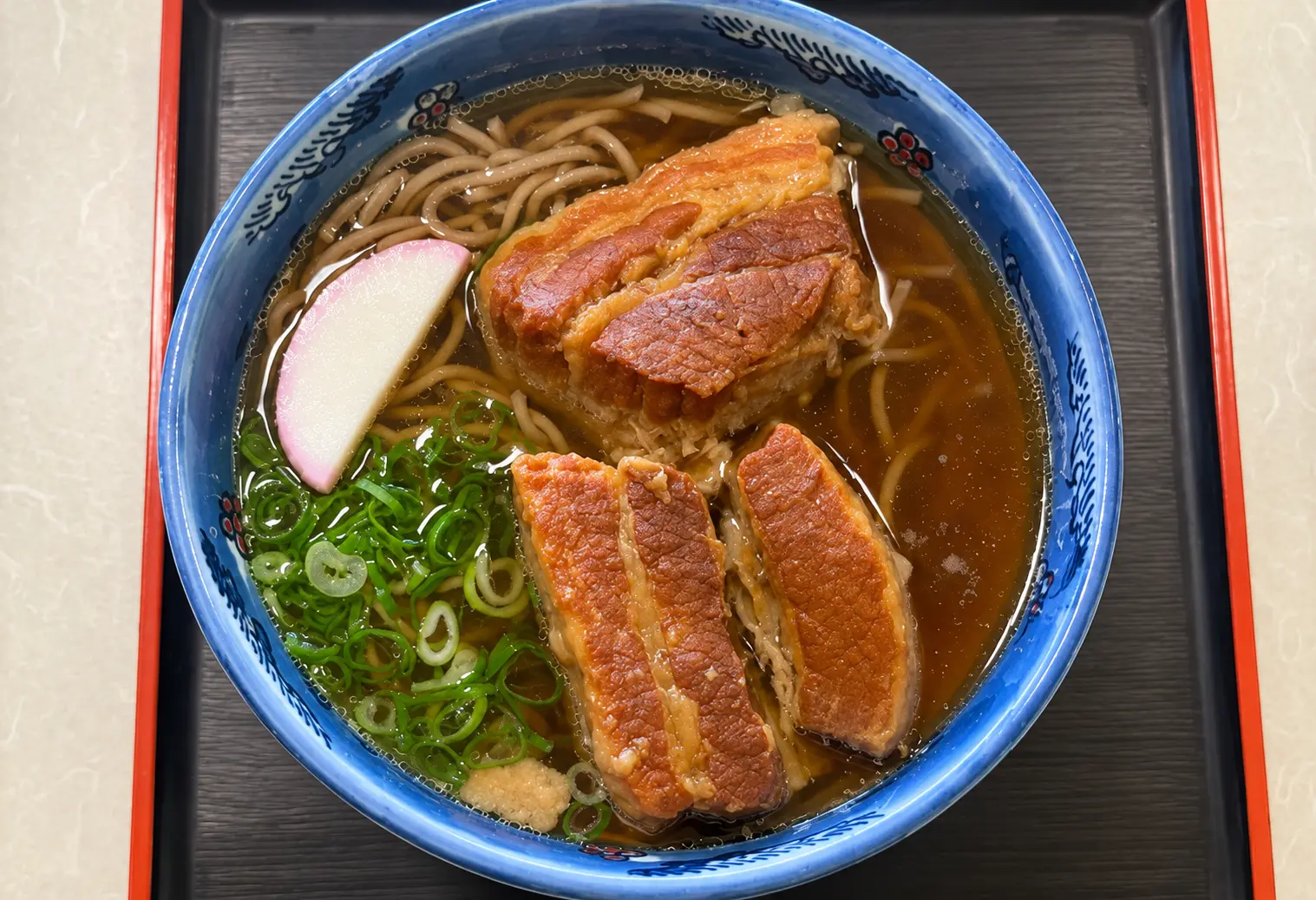
2. Yumemian: Kakuni Soba Topped with a Generous Piece of Braised Pork Belly
This restaurant is in the parking lot of Medieval Yumegahara. Its specialty, Kakuni Soba, is a satisfying bowl of soba noodles topped with a large piece of braised pork belly. It also serves dishes and set meals featuring local vegetables, making it a convenient lunch stop after exploring Medieval Yumegahara.
3. Kiryu: Katsudon Made with Bisei Pork
Kiryu is a Japanese restaurant in central Ibara. Its popular katsudon, a rice bowl topped with a freshly fried cutlet made from local Bisei pork, lets you savor the meat’s rich flavor. The restaurant also serves set meals and multicourse kaiseki meals, with options for both lunch and dinner. It is a good choice for anyone looking to try dishes made with ingredients from Ibara.

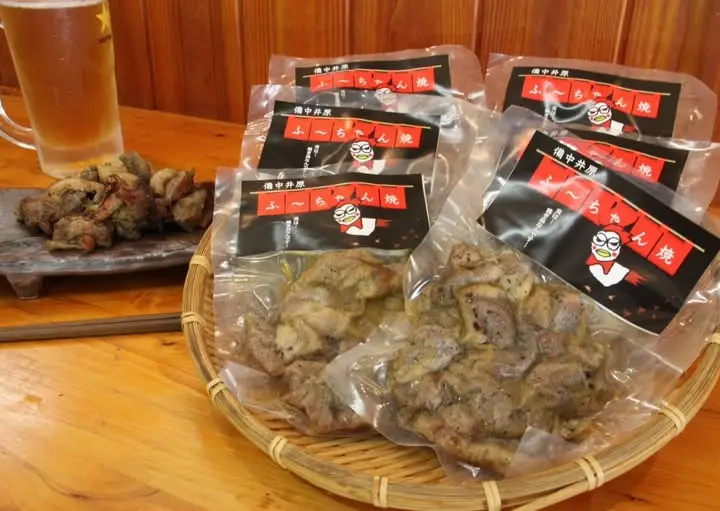
4. Fu-chan Yaki from Efan Foods: Flavorful Mature Chicken Seasoned with Garlic and Salt
Fu-chan Yaki is made with kashiwa, meat from mature chickens raised at a local poultry farm. It has a firm, chewy texture, with savory flavor that develops with every bite. Seasoned with garlic and salt, it offers a different texture from the young chicken commonly used for yakitori.
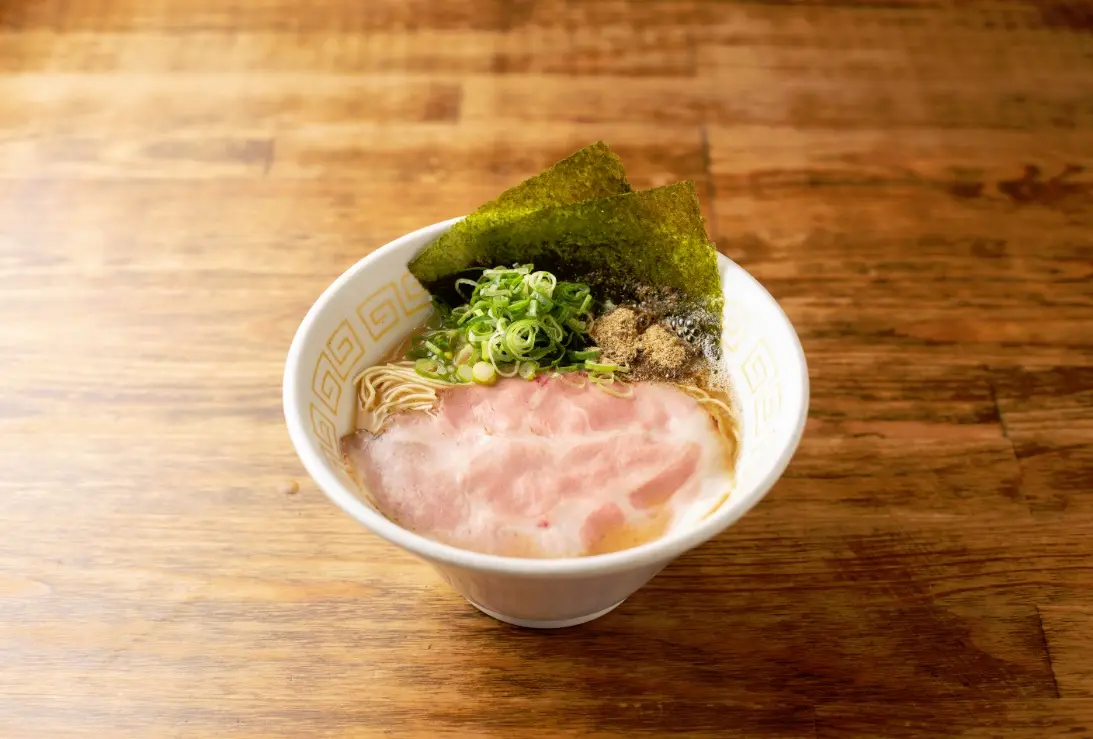
5. Ramen Honpo Ichimatsu’s Tonkotsu Gyokai Ramen: Generous Slices of Pink-Centered Chashu Pork
Ramen Honpo Ichimatsu is known for ramen that combines the savory flavors of pork bones and seafood. Slices of pink-centered chashu pork large enough to cover the bowl make for a striking presentation. Enjoy the chashu together with the rich pork-bone and seafood broth.
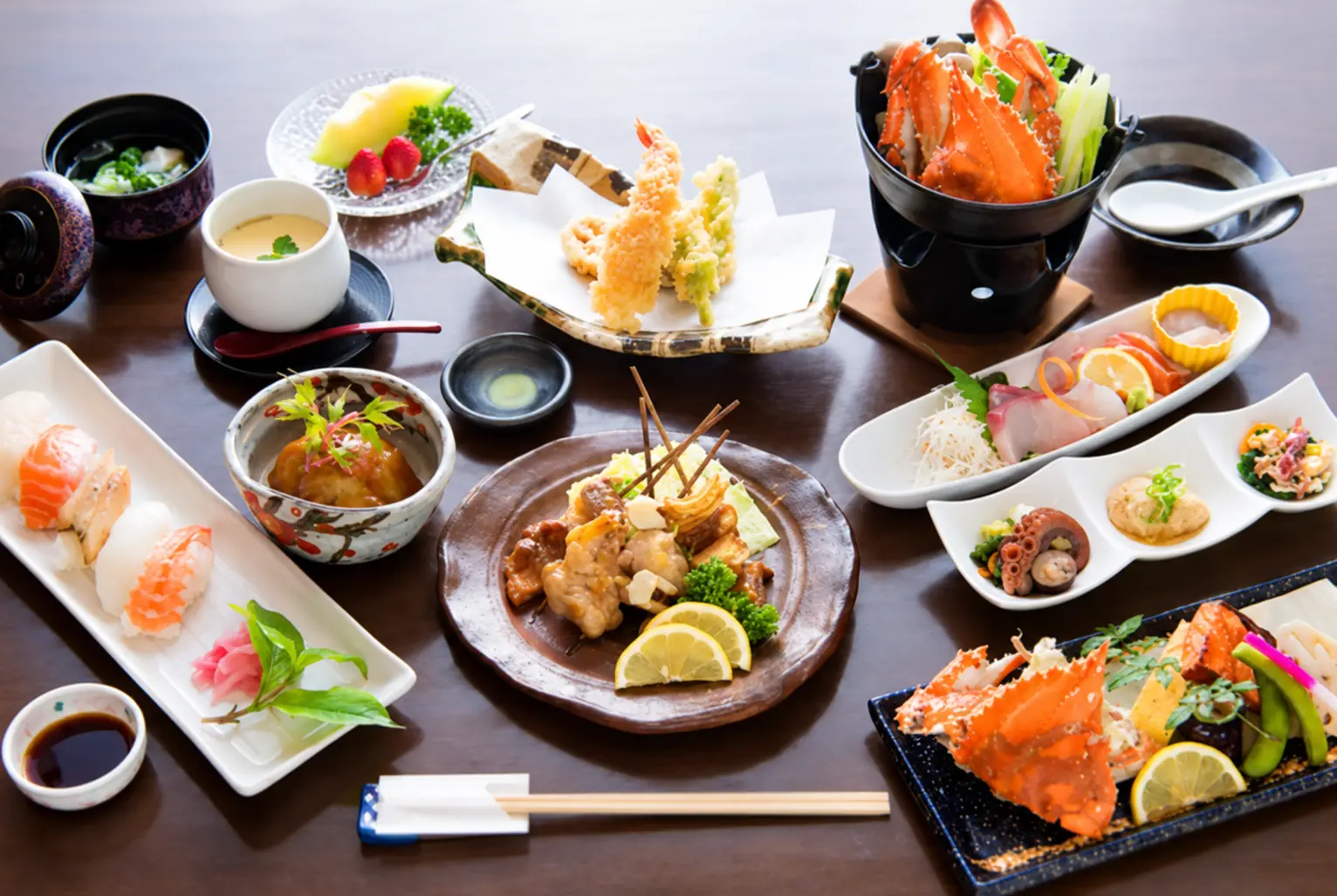
6. Uoya: Seafood Rice Bowls and Handmade Gyoza
Uoya is a Japanese restaurant run by the third generation of a fishmonger’s family. Alongside its Original Seafood Rice Bowl, made with fresh seafood, another signature dish is gyoza made entirely by hand, including the wrappers. With both fish dishes and gyoza to enjoy under one roof, it is a good place to stop for a meal in central Ibara.
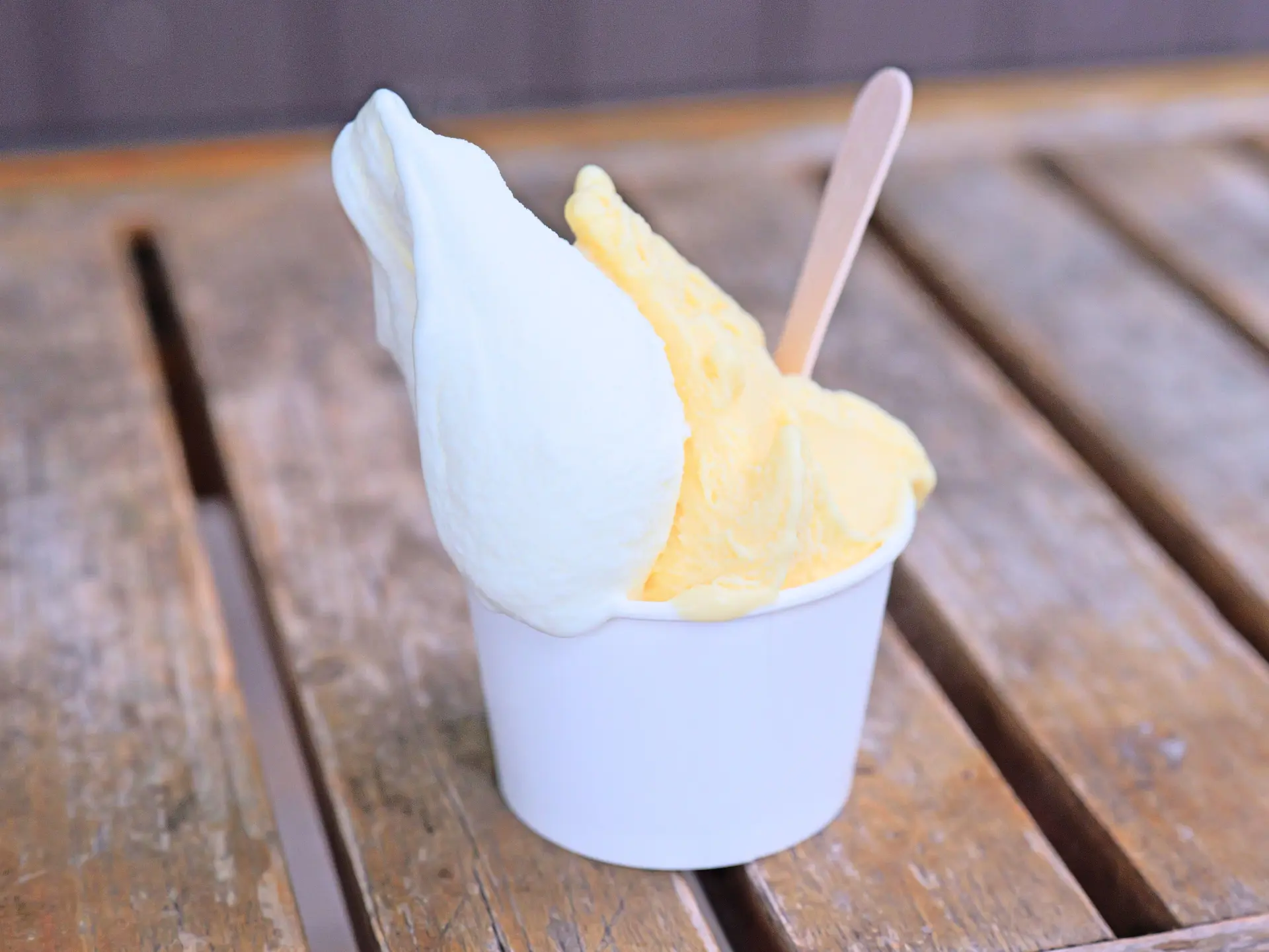
7. TOKUYAMA Ice Factory: Gelato Straight from the Farm
This farm-run gelato shop is in Hoshinosato Sanchoku Plaza in Bisei Town. Made with milk from its own farm, the gelato is rich yet leaves a clean finish. Alongside the classic milk flavor, you can enjoy seasonal flavors made with local ingredients.
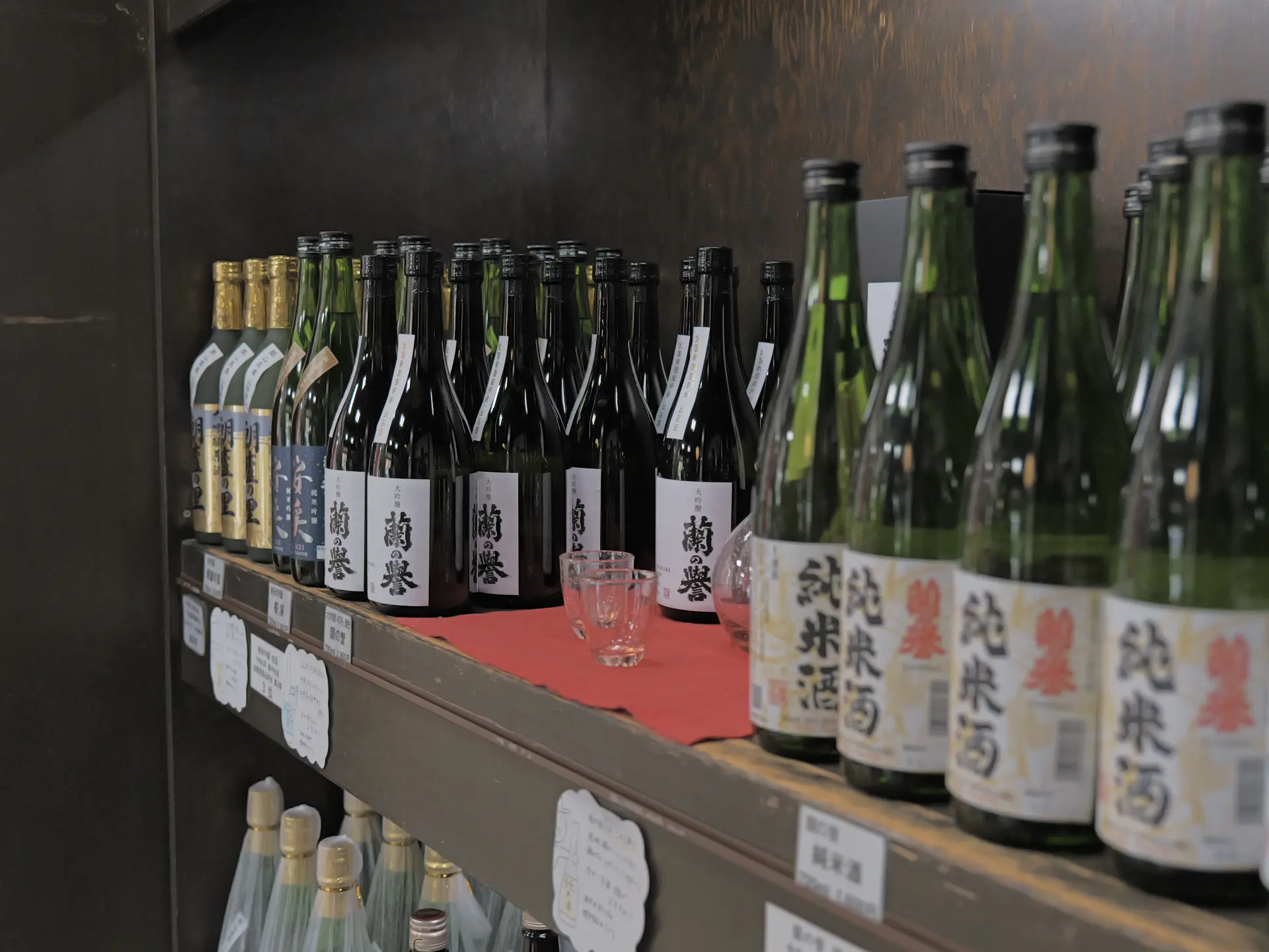
8. Yamanari Sake Brewery: Local Sake Made with Traditional Techniques
Established in 1804, Yamanari Sake Brewery continues to make sake with traditional Japanese kettles and the painstaking work of its master brewer and brewery team. Its signature brand is Ran no Homare, and it also produces Okei using ingredients from Ibara. Visit the brewery shop to buy local sake and discover the area’s brewing traditions.
5 Souvenirs to Pick Up in Ibara
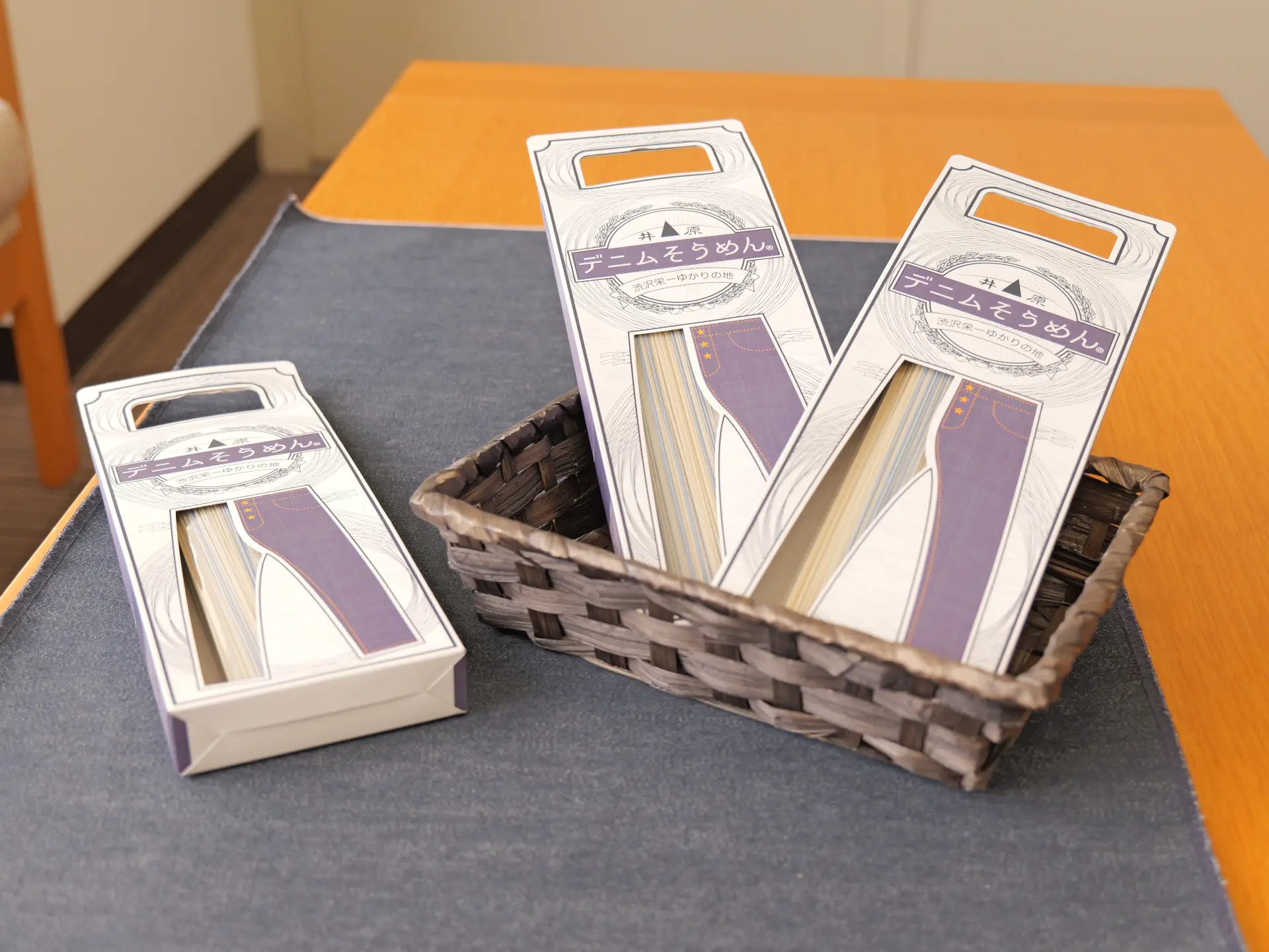
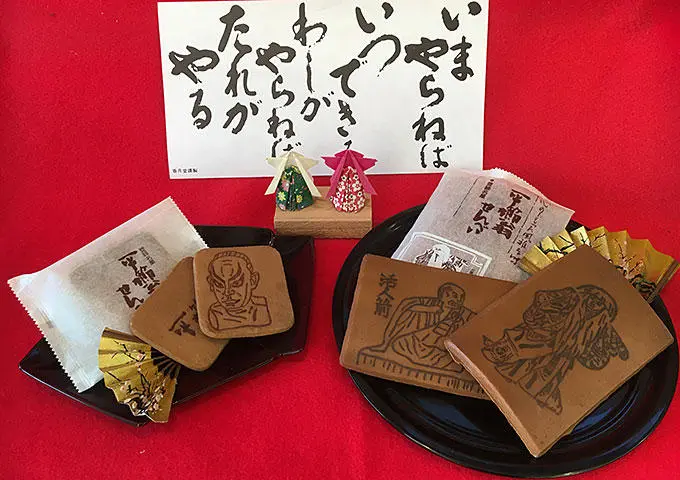
Ibara has plenty of distinctive souvenirs, from products inspired by its denim industry to locally loved Japanese sweets and specialties from Bisei Town. Stop by The BOX inside Ibara Station, Bisei Farmer’s Market, or Budo Roman Kan (Grapes Plaza) to find a memento of your trip or a gift for family and friends.
| Product | Features | Main Shops and Retailers |
|---|---|---|
| 1. Denim Somen | Unique somen noodles inspired by Ibara Denim | The BOX |
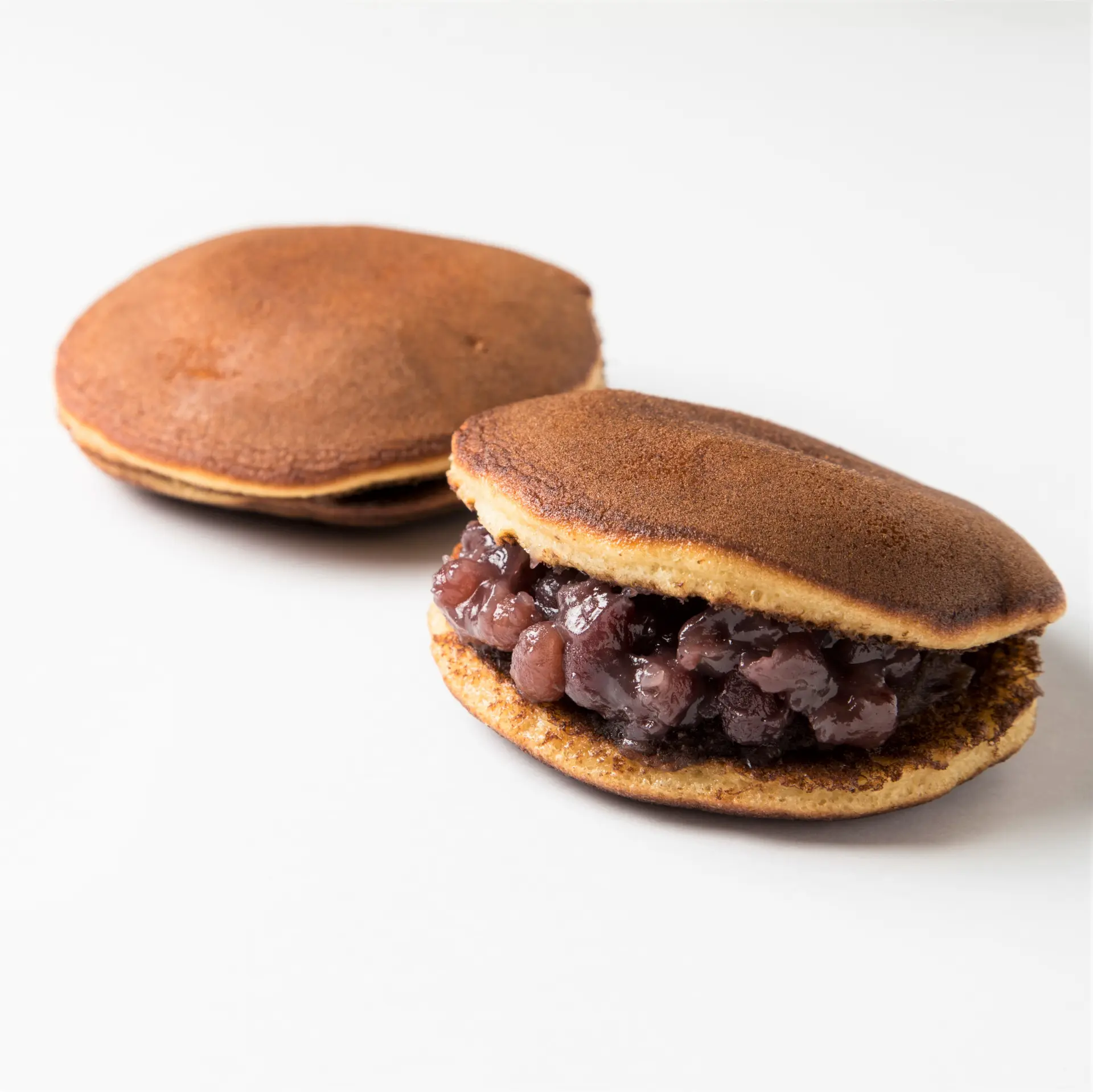
| 2. Hirakushi-o Senbei | A local confection honoring Hirakushi Denchu, a sculptor born in Ibara | Ibara Doshinka Kagetsudo |
| 3. Tamura no Mikasa | Mikasa sweets made by a local Japanese confectionery shop | Satoyama Kobo Wagashi Tamura |
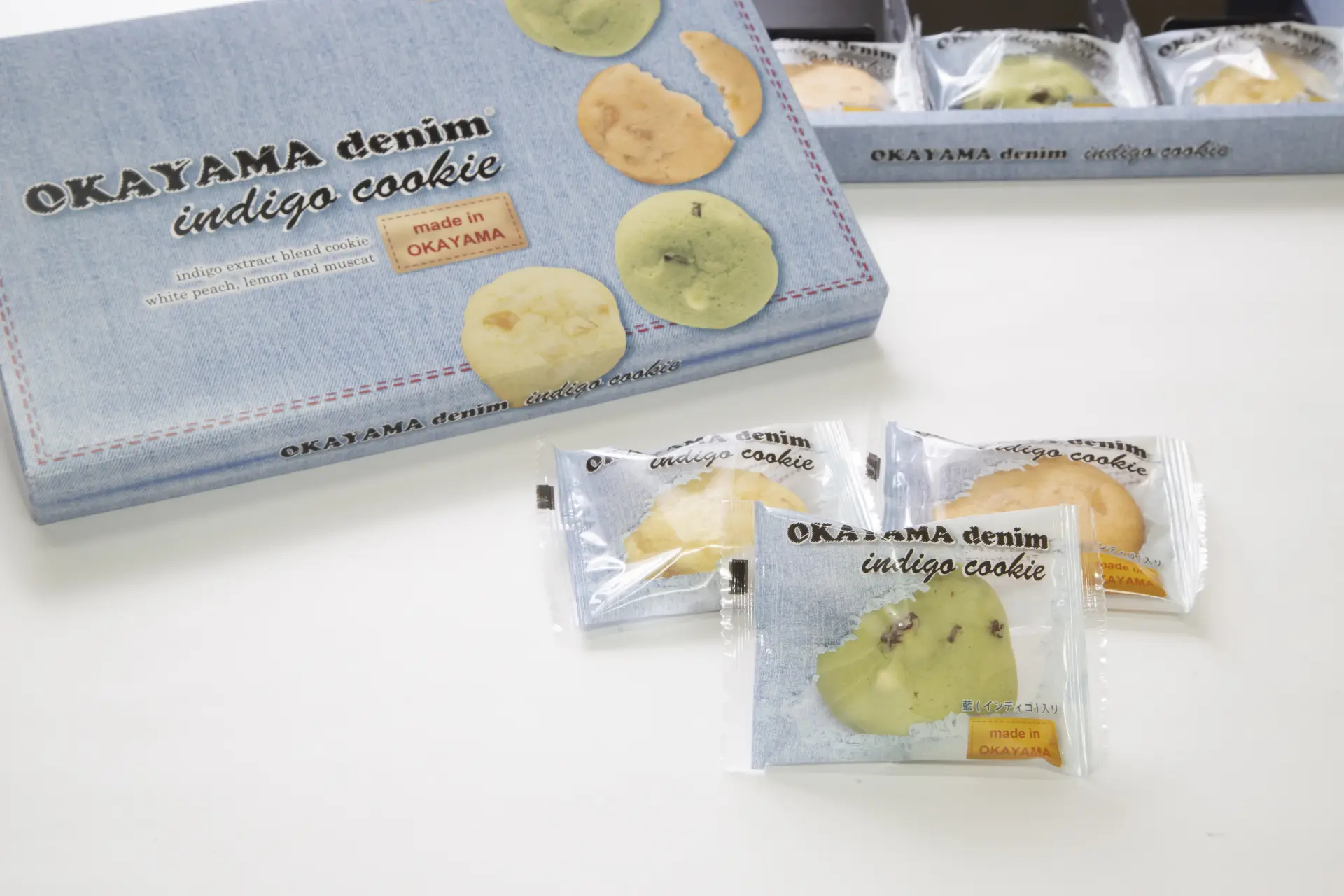
| 4. Yamanbou and Indigo Cookies | Distinctive sweets made by a local confectionery shop | Yamanbou Honpo Kutsuma Seika |
| 5. Hoshi no Sato eggs | Fresh eggs produced at a poultry farm in Bisei Town | Bisei Farmer’s Market |

3 Places to Stay in Ibara
Staying overnight in Ibara gives you time to enjoy stargazing in Bisei Town and make the most of the evening. Here are three places to consider, depending on the kind of trip you have in mind.
| Accommodation | Features | Best for |
|---|---|---|
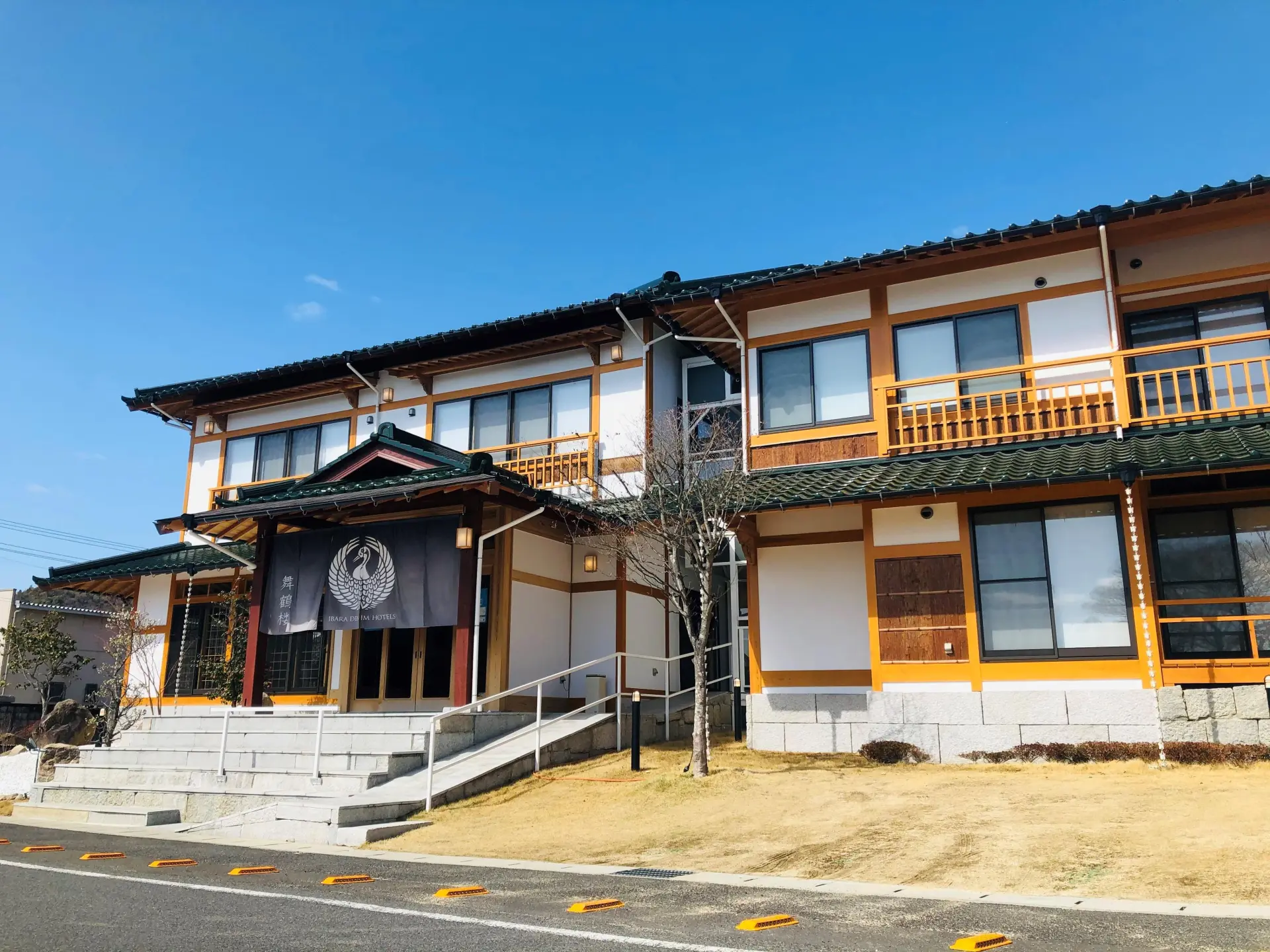
| 1. IBARA DENIM HOTELS Maizuru-ro | A hotel and auberge incorporating Ibara Denim, created from a renovated historic ryotei ryokan, a traditional inn known for its cuisine | Travelers interested in denim culture and dining |
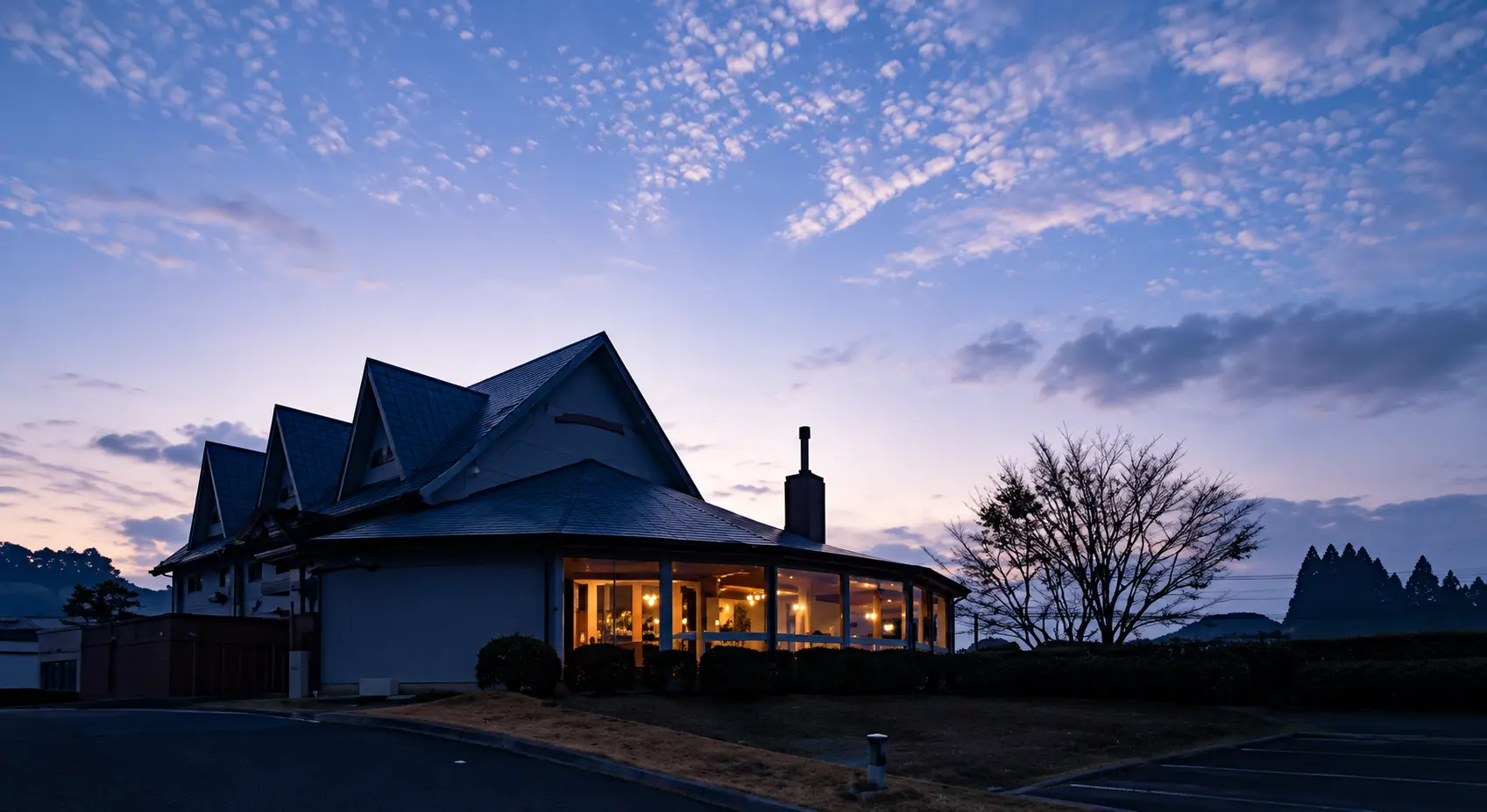
| 2. Hoshizora Pension Comet | A guesthouse in the Bisei highlands, approximately 400 meters above sea level | Travelers planning a trip around stargazing |
| 3. Neko no Hitai no Yado Sanno Chigura | A farmstay hosting just one group per day, with wild game dishes, homemade doburoku (unfiltered rice wine), and a taste of life in the rural hills | Travelers who want to experience life in rural Japan |
Explore by Car or Bicycle: 2 Suggested Ibara Itineraries
For a visit to Ibara, consider a two-day trip combining denim workshops and stargazing. If you have only a day, you can rent a bicycle at Ibara Station and explore the highlights around the city center. Here are two itineraries to choose from, depending on your interests and how you plan to get around.
1. A Two-Day Driving Itinerary: Denim, Starry Skies, History, and Nature
This two-day itinerary centers on Ibara’s celebrated denim and starry skies, with time for history and nature, too. On the first day, try a denim workshop and visit an art museum in central Ibara before heading to Bisei Town for stargazing. On the second day, explore medieval life, walk through a gorge, and visit a sake brewery. Plan to stay on a Friday, Saturday, or Sunday night to coincide with evening opening hours at Bisei Astronomical Observatory.
Day 1 | Denim Workshops and Stargazing
- 10:00 am Explore Ibara Station on the Ibara Railway and visit Ibara Denim Store
- 10:30 am Join a denim workshop at Ono Hanako Shoten H.Faire (reservation required)
- 1:00 pm Have lunch in central Ibara
- 2:30 pm Enjoy art at Hirakushi Denchu Art Museum and Denchu Park
- 4:00 pm Travel to Bisei Town and shop at Bisei Farmer’s Market
- 5:30 pm Check in and have dinner at Hoshizora Pension Comet
- 8:00 pm Go stargazing at Bisei Astronomical Observatory
Day 2 | Medieval History and Gorge Scenery
- 9:30 am Visit Medieval Yumegahara and Bisei Kibikogen Kagura Folk Art Preservation Hall
- 11:30 am Try Yumemian’s signature Kakuni Soba
- 1:00 pm Discover the shooting star legend at Hoshio Shrine
- 2:30 pm Take a walk through Tenjin Gorge
- 3:30 pm Buy local sake at Yamanari Sake Brewery before heading home
2. A One-Day Cycling Itinerary: Discover Ibara’s Denim and Art
Starting at Ibara Station on the Ibara Railway, this day trip takes you around the city center on an electric-assist bicycle. Learn about the history and craftsmanship of Ibara Denim, with stops at art museums and a popular cherry blossom spot. You can experience the city’s distinctive industry and art without a car.
- 9:30 am Rent a bicycle at Ibara City Tourist Information Booth
- 10:00 am See denim craftsmanship during a BlueTrick factory visit
- 11:15 am Enjoy Japanese paintings and the garden at Hanatori Otsuka Art Museum
- 12:30 pm Have lunch in central Ibara
- 1:30 pm Walk along Ibara Embankment and enjoy its rows of cherry blossoms in spring
- 2:00 pm Visit Hirakushi Denchu Art Museum and Denchu Park
- 3:00 pm Join a denim workshop at Ono Hanako Shoten H.Faire (reservation required; approximately 1-2 hours)
- 4:45 pm Return your bicycle to Ibara City Tourist Information Booth
*This sample one-day itinerary is intended for visits on Saturdays, Sundays, and public holidays. Times and durations are approximate, so check opening days, activity schedules, and reservation requirements in advance.
Have More Time? 6 Places to Visit around Ibara Using the Ibara Railway
Extend your Ibara trip to other towns in western Okayama or eastern Hiroshima. The Ibara Railway, JR trains, and local buses can take you to historic post towns, streets lined with white-walled buildings, and port towns on the Seto Inland Sea. Here are six nearby destinations that offer a different experience from Ibara.
| Destination | Highlights | Access and Travel Time |
|---|---|---|
| 1. Yakage-juku | A historic townscape with a former honjin, an inn for feudal lords, and other old buildings | Approximately 15 minutes to Yakage Station, followed by a 10-minute walk. Approximately 25 minutes total |
| 2. Waterwheel Village Fruittopia | Seasonal fruit picking and farm activities | Approximately 15 minutes to Yakage Station, followed by a 5-minute taxi ride. Approximately 20 minutes total |
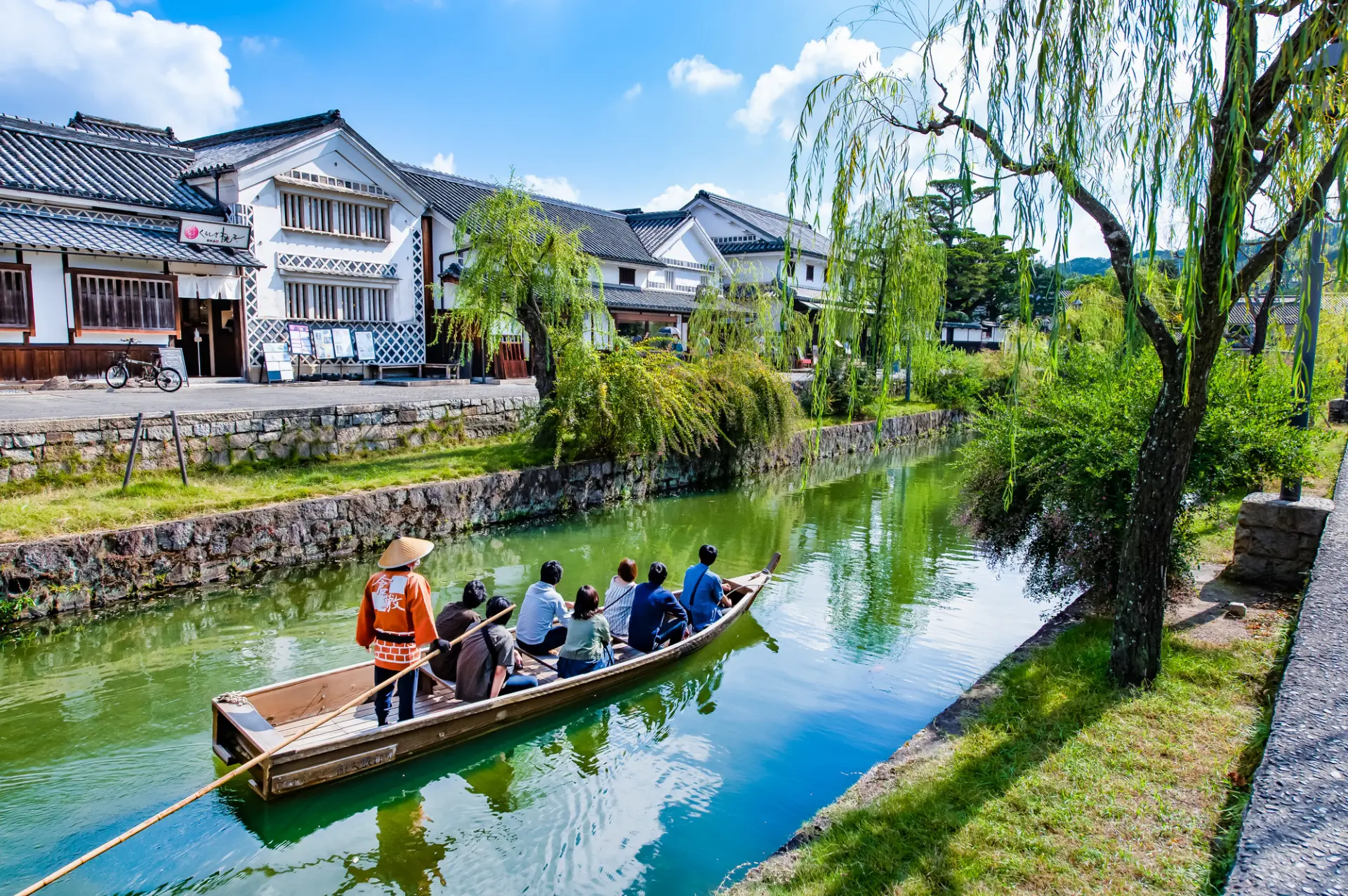
| 3. Kurashiki Bikan Historical Quarter | White-walled streets and walks along the Kurashiki River | Transfer to JR at Kiyone Station, then walk approximately 15 minutes from Kurashiki Station. Approximately 60-80 minutes total |
| 4. Kojima Jeans Street | Shops selling Japanese-made jeans | Transfer to JR at Kiyone Station and travel via the Okayama Station area to Kojima Station. Approximately 100-130 minutes total |
| 5. Fukuyama Castle Museum | A reconstructed castle keep and the history of the surrounding castle town | Transfer to the JR Fukuen Line at Kannabe Station, then walk approximately 5 minutes from Fukuyama Station. Approximately 40-60 minutes total |
| 6. Tomonoura | A port town with a historic stone lantern and traditional townhouses | Travel via Kannabe Station to JR Fukuyama Station, then take a local bus for approximately 30 minutes. Approximately 75-100 minutes total |
Frequently Asked Questions about Visiting Ibara
Q
Can I enjoy Ibara on a day trip?
You can visit denim shops and facilities, art museums, and Ibara Embankment around Ibara Station in a day. If you want to go stargazing in Bisei Town, staying overnight is recommended, given the limited nighttime transportation options.
Q
Can I get to Bisei Astronomical Observatory without a car?
You can reach it by public transportation, but it is approximately a 30-minute walk from the nearest bus stop, Bisei Shinryojo-mae. It is also difficult to make the return trip by local bus after evening viewing hours, so consider traveling by car or taxi.
Q
Do I need a reservation for a denim workshop?
Advance reservations are required for denim workshops at Ono Hanako Shoten H.Faire. Check the workshop options, duration, and availability, then book to fit your travel plans.
Summary
Ibara, in Okayama Prefecture, brings together beautiful starry skies, high-quality Ibara Denim, history, culture, and abundant nature. Each season offers different ways to enjoy the city, from stargazing in Bisei Town and denim workshops to spring cherry blossoms and autumn foliage. Explore the city center on a day trip, or stay overnight to take in a sky full of stars. Plan around your interests and the season to discover experiences unique to Ibara.
Author
Writers & Editors
GOOD LUCK TRIP Editors
Sharing lesser-known ways to experience Japan with the world!