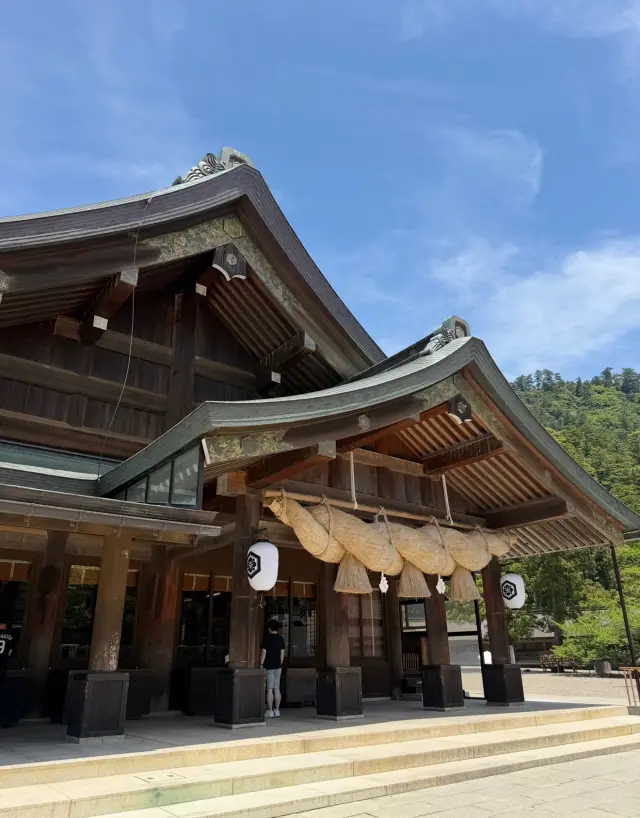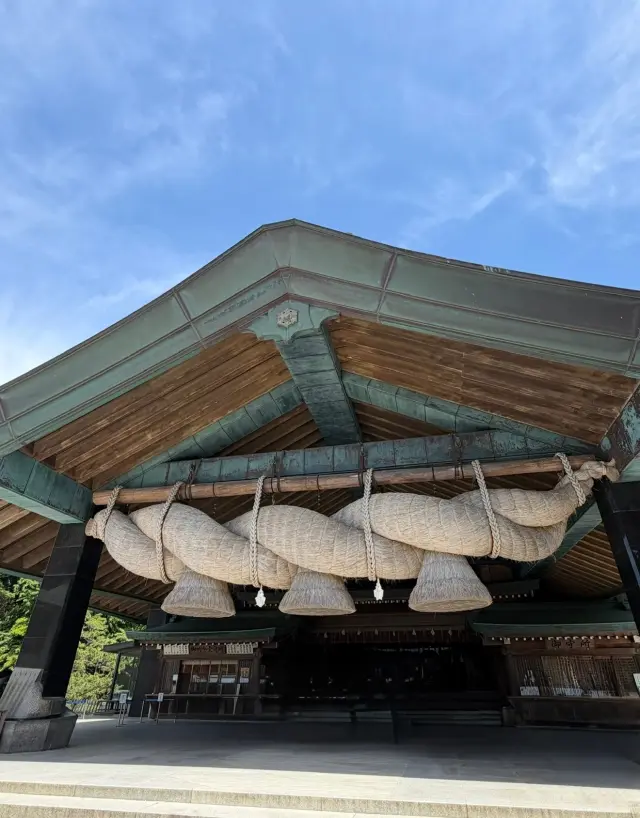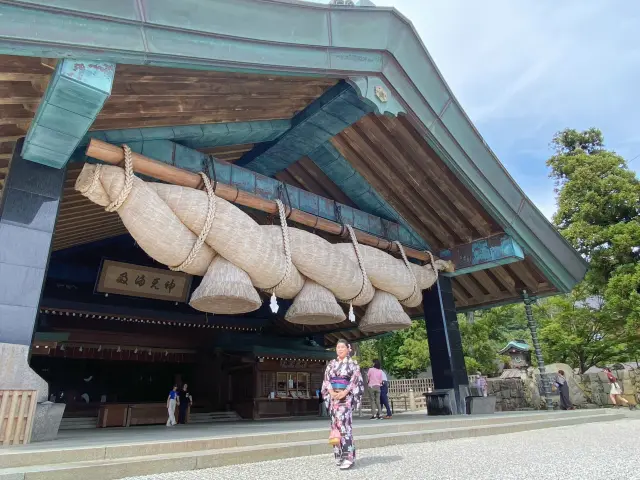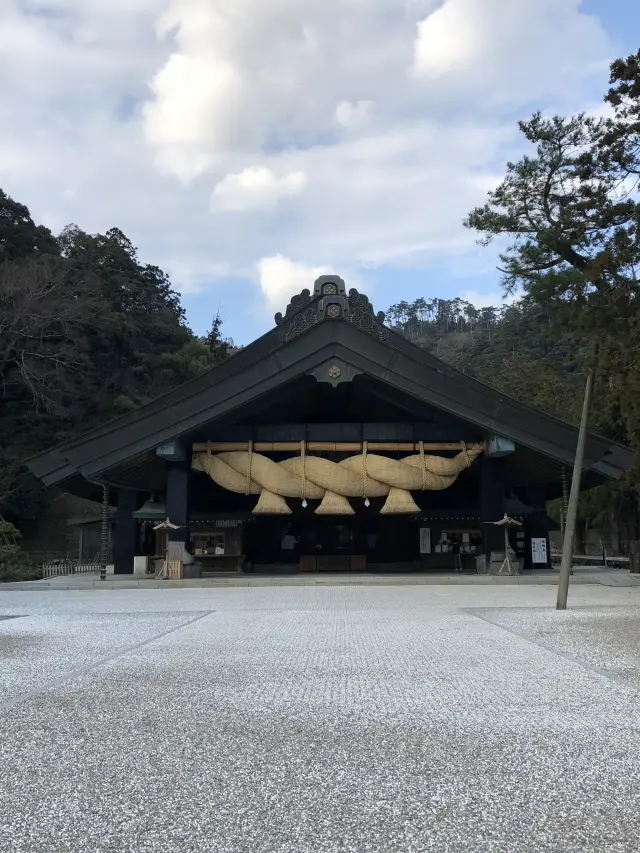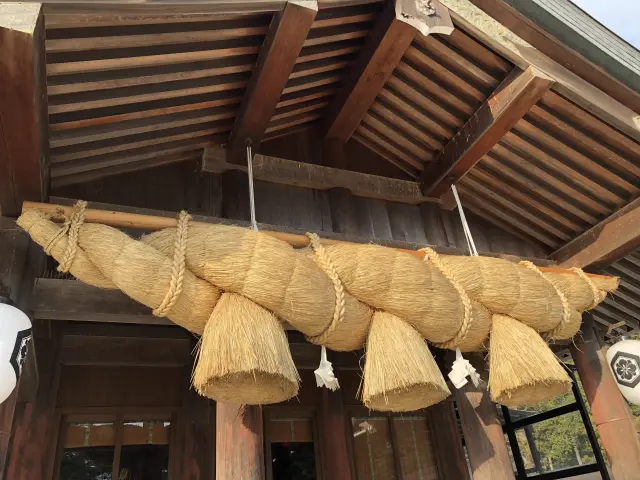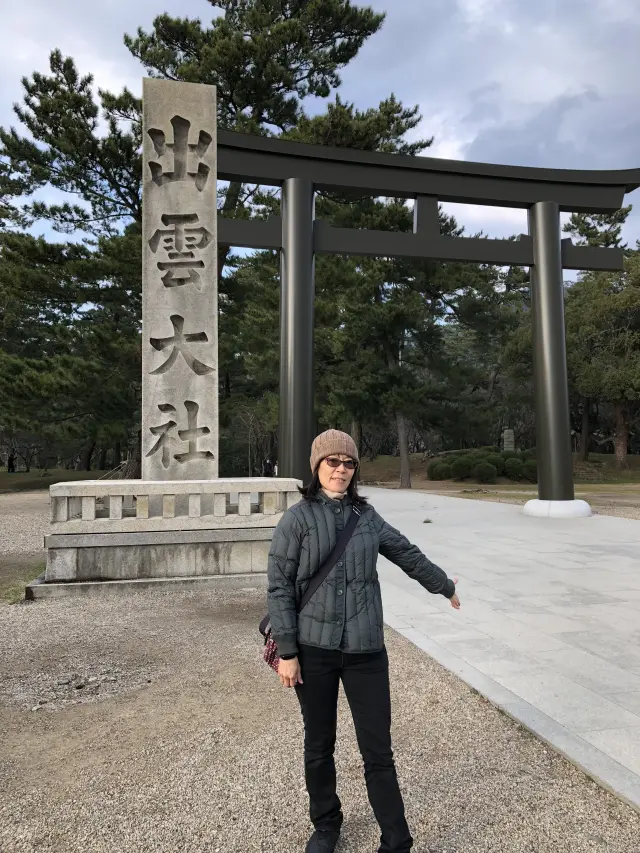
Izumo Taisha, the heart of Japanese mythology in Shimane, truly leaves you speechless the moment you stand in front of the Kaguraden and see its unbelievably enormous shimenawa rope! Seeing one of Japan’s thickest and largest shimenawa ropes in person, with the immense weight of layer upon layer of tightly woven straw, is dozens of times more imposing than it looks in photos. The sheer power of it hanging beneath the majestic wooden eaves makes you keep staring upward in awe!
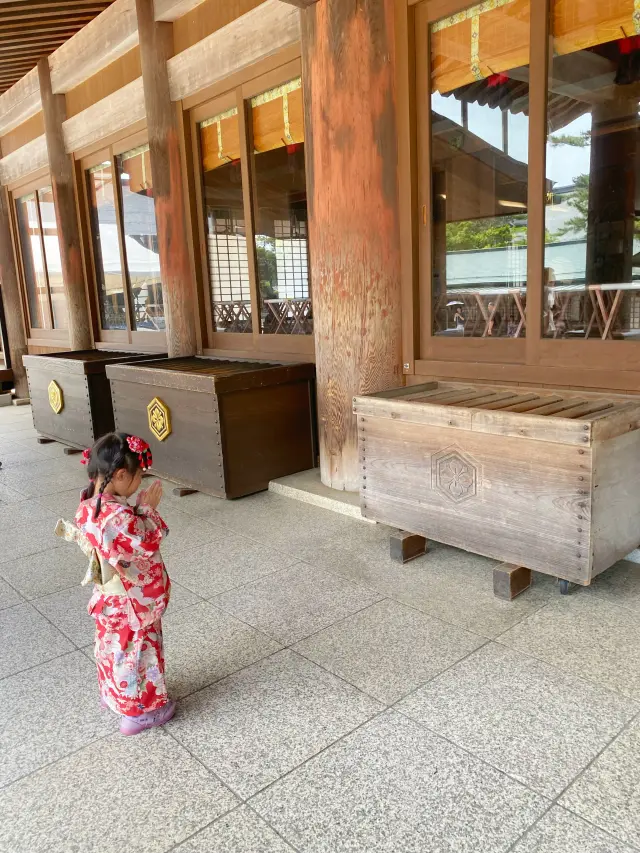
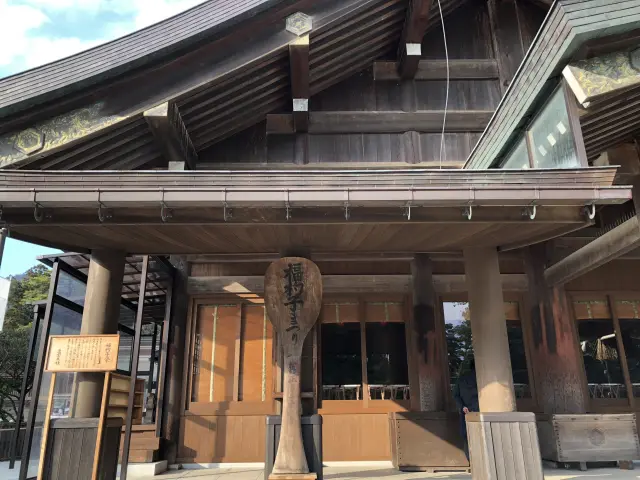
The worship hall is equally magnificent, with thick, dark natural-wood pillars, layers of rustic cypress-bark roofing, white lanterns bearing the shrine crest hanging on both sides, and a solemn shimenawa rope. Under the bright sun and clear sky, it gives off a powerful sense of sacredness and calm. When visiting, don’t forget to follow the local custom. What makes worship at Izumo Taisha especially unique is the ritual of “two bows, four claps, and one bow.” Along with the crisp, resounding claps, you can pray for all kinds of good connections at Japan’s most powerful sacred place for matchmaking—whether in relationships, your career, or finances. It feels like your positive energy is instantly maxed out!
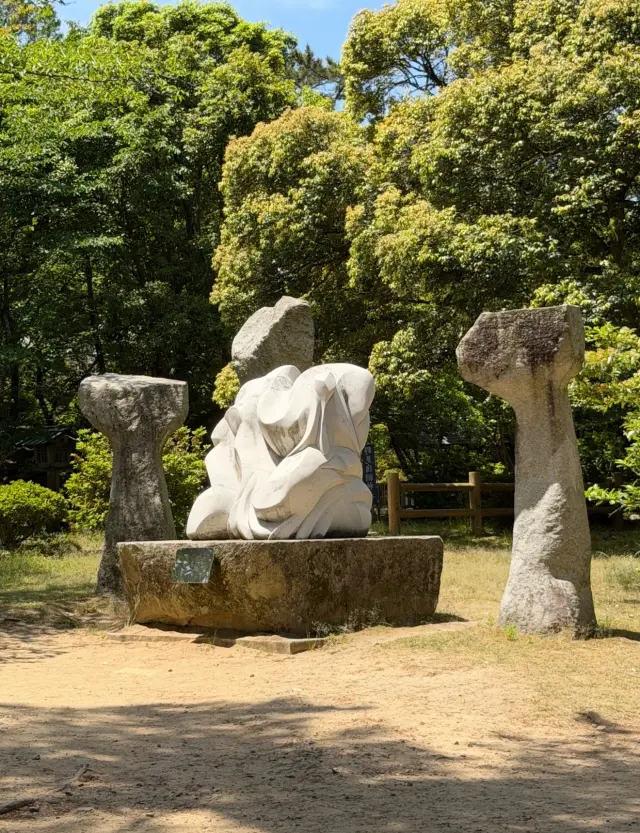
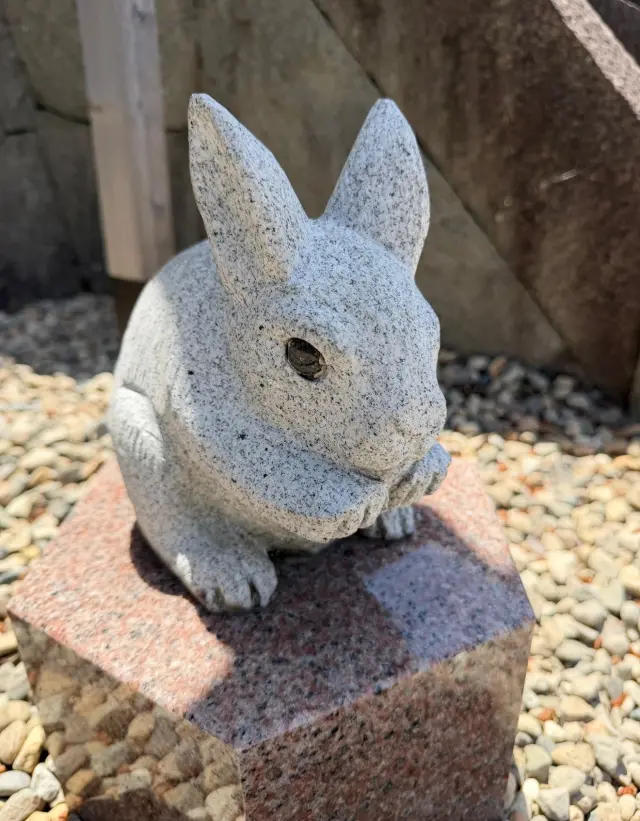
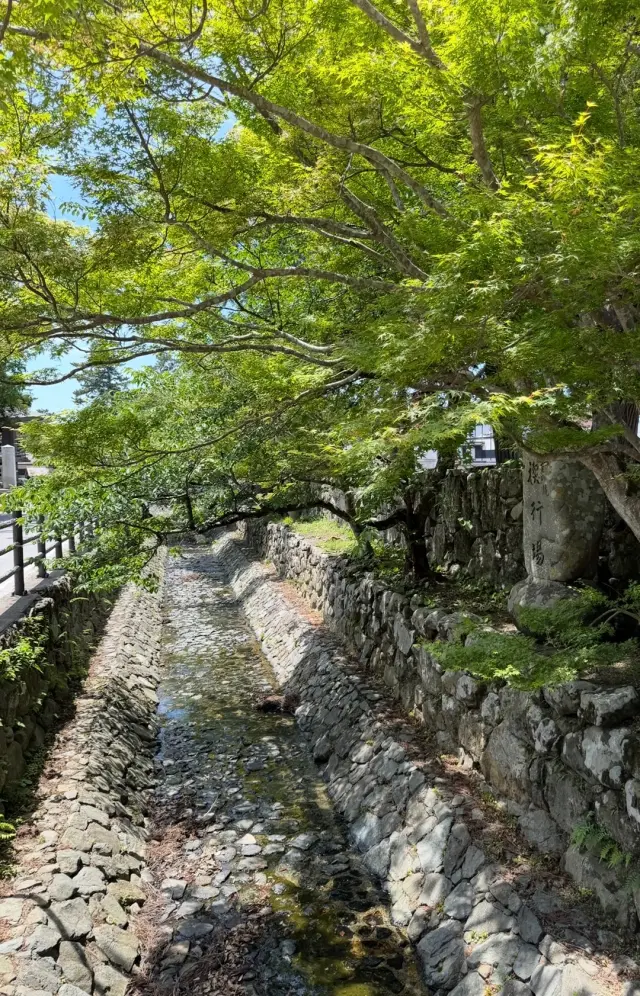
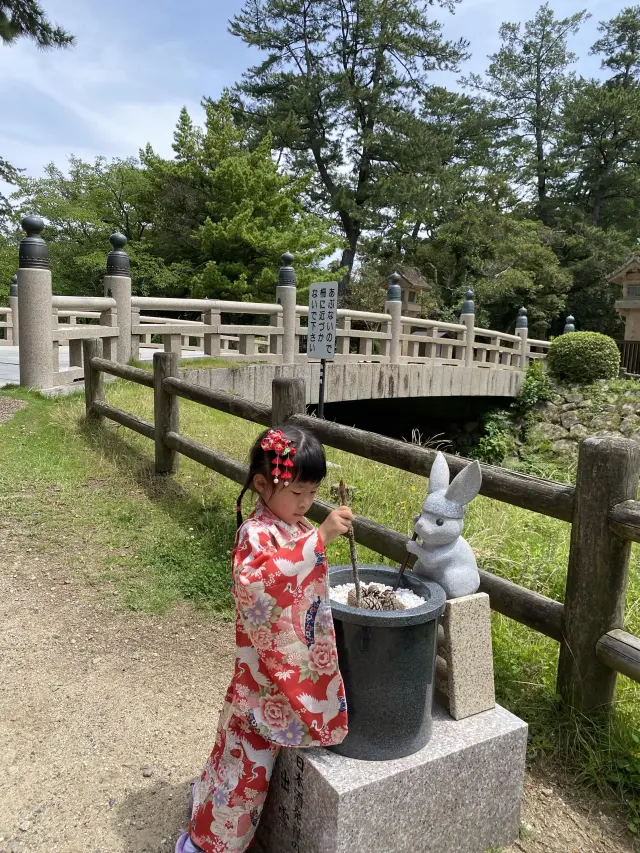
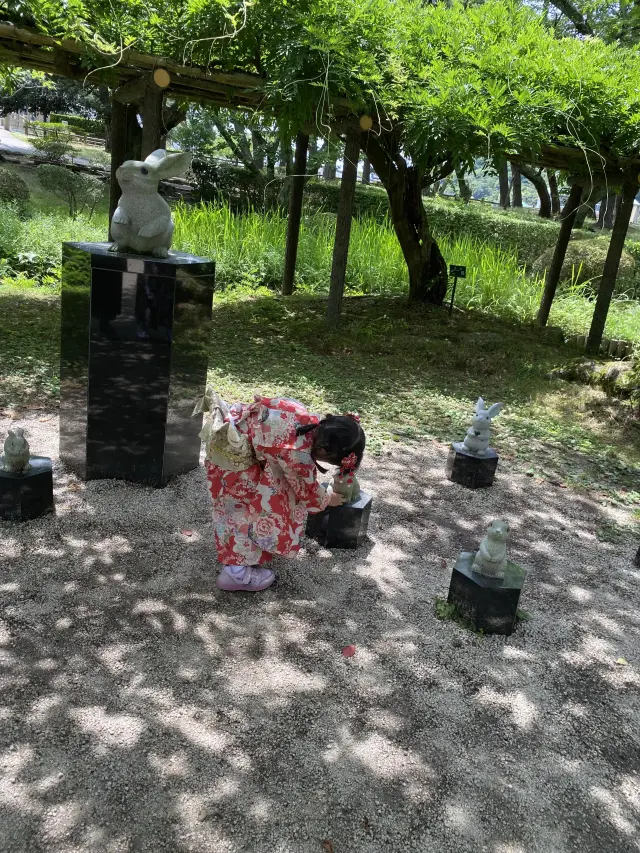
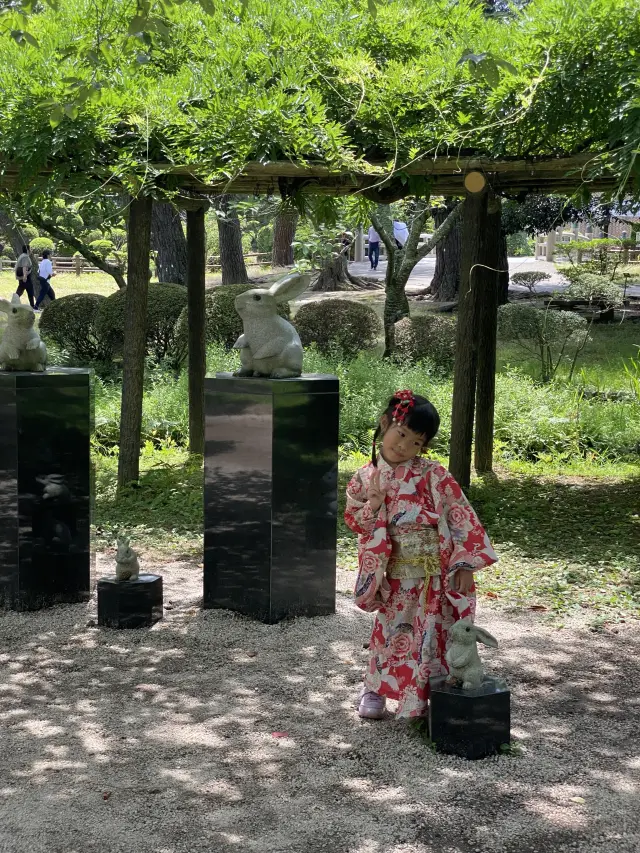
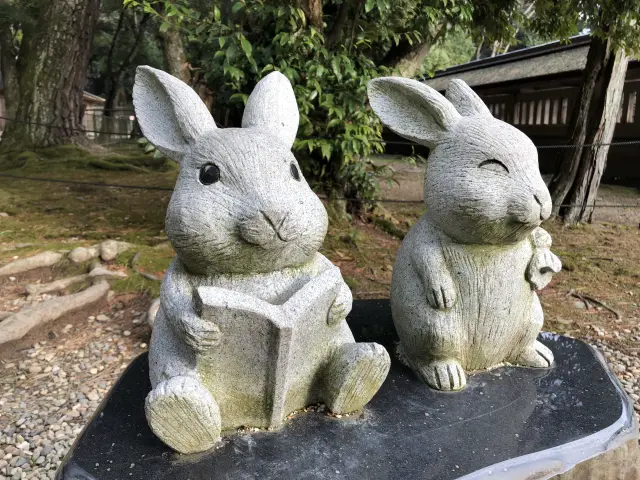
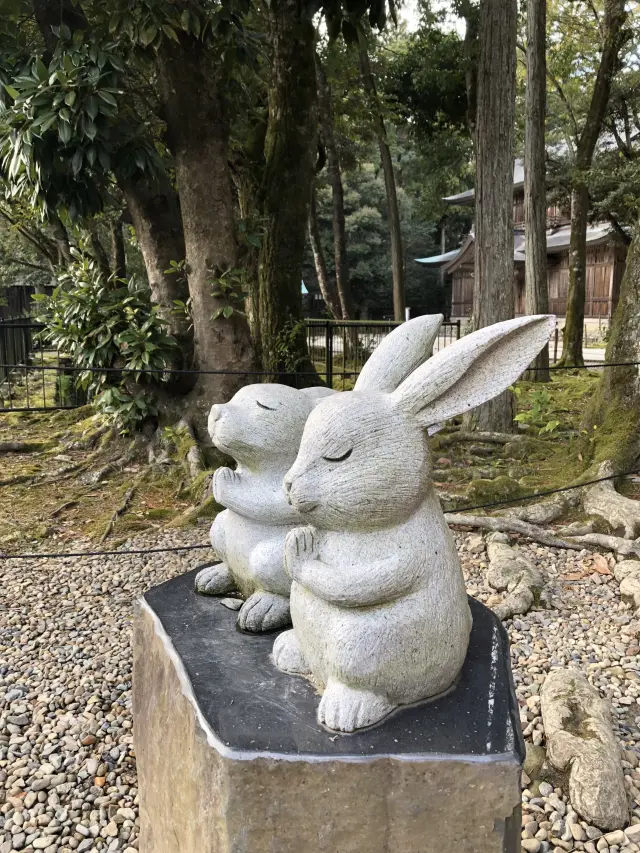
The entire shrine grounds are also incredibly spacious and enjoyable to explore. Strolling along pebble-covered paths, with a cool stream bordered by old stone embankments beside you, sunlight filtering through the lush green maple leaves and casting dappled patterns, and a gentle breeze blowing by, the atmosphere is peaceful and unbelievably comfortable. Around the corners, you’ll also come across stone artworks in various forms, as well as super-cute little rabbit sculptures based on the myth of the “White Rabbit of Inaba.” The sight of them sitting obediently on stone pedestals with their paws together is unbearably adorable and makes you stop to snap a few extra photos!
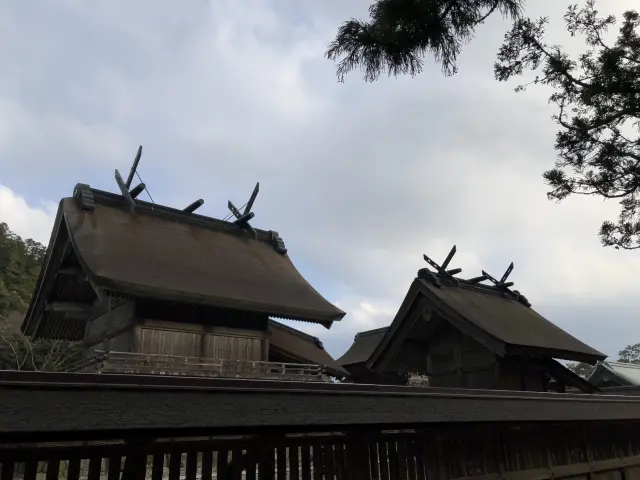
From the visually stunning giant shimenawa rope at the Kaguraden and the wooden shrine buildings filled with history, to the forest scenery surrounded by greenery and the White Rabbits of Inaba looking cute everywhere, Izumo Taisha has both the sweeping solemnity of a top-tier shrine and a spiritual, soothing quality throughout that completely relaxes you. This fulfilling experience of wandering around at your own pace and personally connecting with the origins of Japanese mythology is definitely an unforgettable, top-tier mythological pilgrimage on any trip to the San’in region!
All Reviews of Izumo Taisha
- Overview
- Photos
- Reviews
- Basic Information
- Newest
- With Photos
- Most Liked
Showing 1–10 of 27
-
-
After more than a dozen trips to Japan, I finally made it to Izumo Taisha, a place I’d been wanting to visit for so long.
Seeing the massive shimenawa in person, I finally understood why so many people recommend coming here at least once.
I’m also grateful that Tigerair started flights to Yonago Airport, which makes it much more convenient for travelers from Taiwan to visit Shimane.
I highly recommend that Taiwanese travelers come explore Shimane.
It may not have the urban buzz of places like Tokyo or Osaka, but that’s exactly what makes it possible to appreciate Japan’s beautiful natural environment even more. -
-
Izumo Taisha is not only one of Japan’s oldest shrines, but it also enshrines Okuninushi no Mikoto, a deity tied to the classic myth of the White Rabbit of Inaba. Rabbits here symbolize healing, rebirth, and good luck, so you can spot lots of small rabbit-themed statues throughout the shrine grounds.
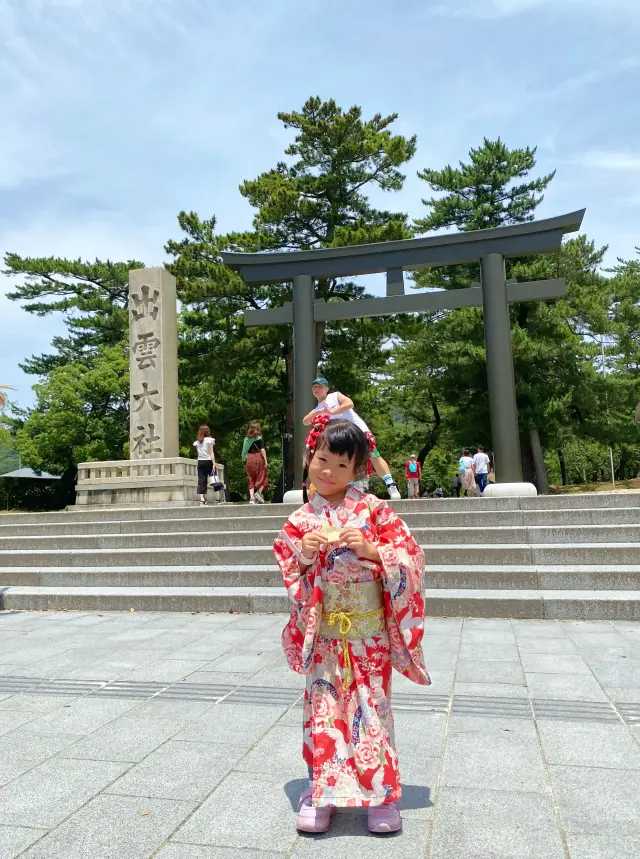
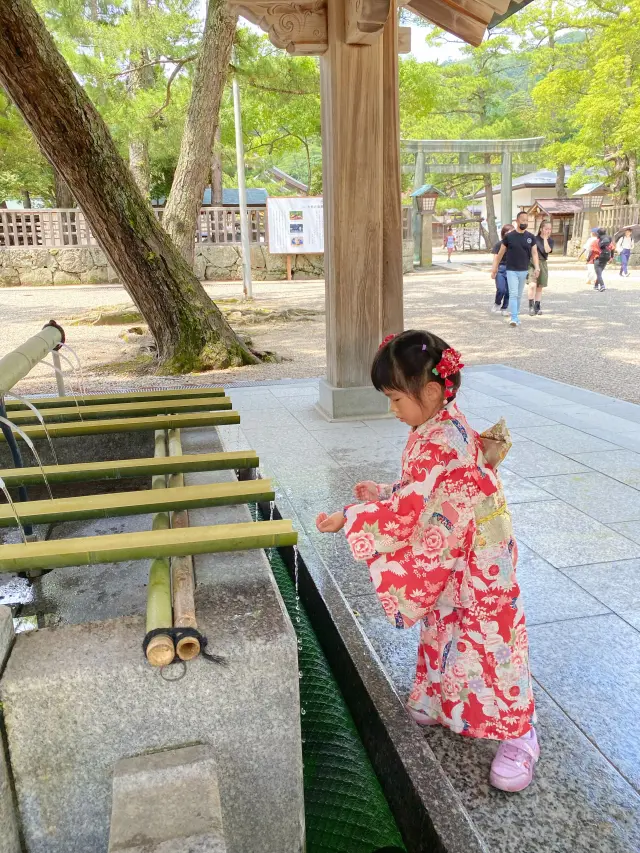
After helping my daughter put on a kimono, she turned around and looked like she had stepped right into a Japanese story. What made her happiest was discovering one little rabbit after another all around Izumo Taisha.
-
-
Izumo Taisha is known as Japan’s most powerful shrine for matchmaking.
Within this ancient and majestic sacred grounds, the most heart-melting and smile-inducing sight is definitely the scattered statues of the White Rabbit of Inaba found throughout the shrine.
There are so many of them, and every single one is wonderfully lively and adorable. The craftsmen have given that grateful little rabbit from the myth of Okuninushi a wide range of modern personalities and expressions. -
-
Izumo Taisha is truly solemn, and the spiritual atmosphere feels very strong. As soon as you walk in, you naturally find yourself getting quiet.
The huge sacred straw rope is incredibly impressive, and the whole place feels very holy. It’s absolutely worth making a special trip to visit and pray here.
-
-
Izumo Taisha enshrines Okuninushi no Okami, the Shinto deity of relationships, and is built in Japan’s ancient Taisha-zukuri architectural style. The giant shimenawa hanging at the Kaguraden is one of the largest sacred ropes in Japan and is truly impressive.
There are nearly 50 stone rabbits of all kinds around the shrine grounds. Some are playing, some are praying, and they all look vivid and adorable. According to legend, rabbits repaid a kindness by bringing together Okuninushi and Princess Yagami, so at Izumo Taisha, rabbits are seen as symbols of good matches and messengers of connection.
In front of the shrine, there’s a Starbucks, Nakagawa Masashichi Shoten, and more. You can also find wooden rice paddles, many of them decorated with matchmaking symbols from Izumo Taisha or delicate wood carvings. They represent connection and good luck, making them a nice gift for friends and family. -
-
The shrine grounds are huge! The buildings, the approach, and the pine trees are all beautiful. It honestly feels like stepping into a world of Japanese mythology.
-
-
Many people visit Izumo Taisha to pray for good relationships and happiness, wishing for peace and happiness for themselves, their family, and friends.
-
-
Walking into this shrine, you can really feel a sacred power. It brings a deep sense of comfort and peace to your soul.
-
-
The grounds are huge and there are lots of people coming to pray. They sell many types of protective charms, and the rabbit mascot is super cute.
-