• See More

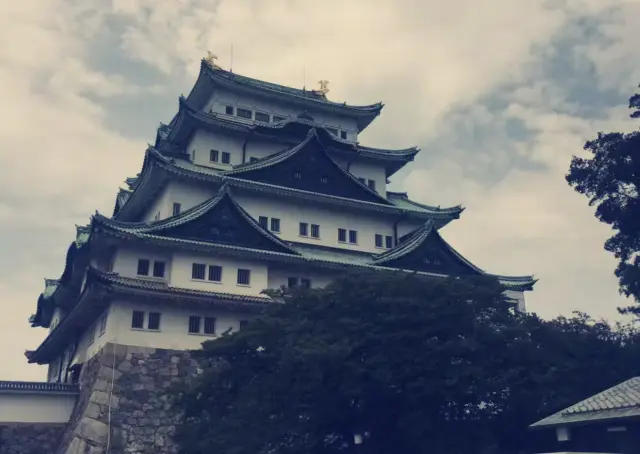
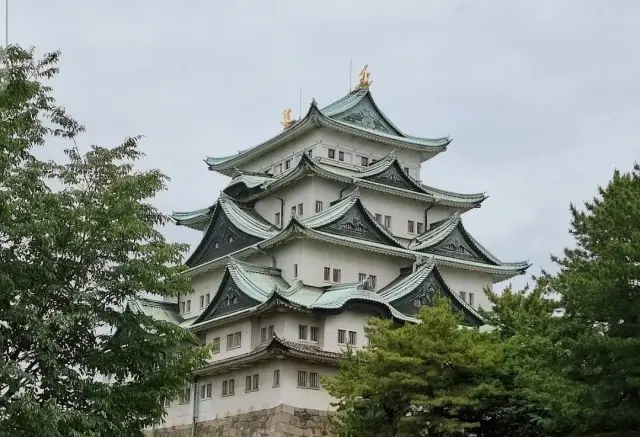
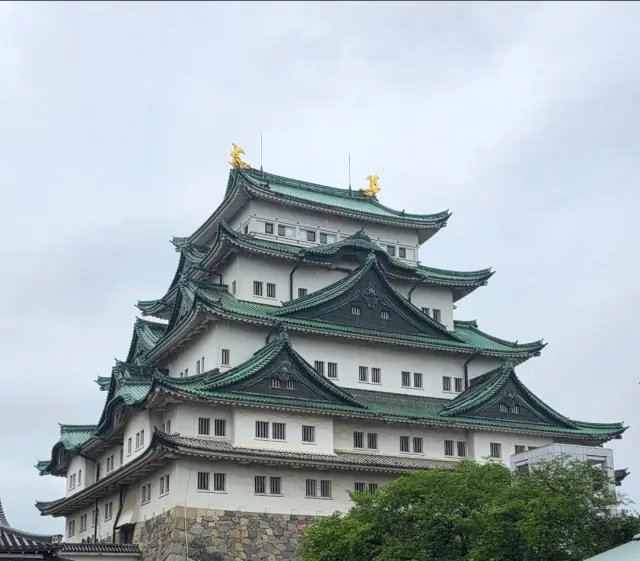
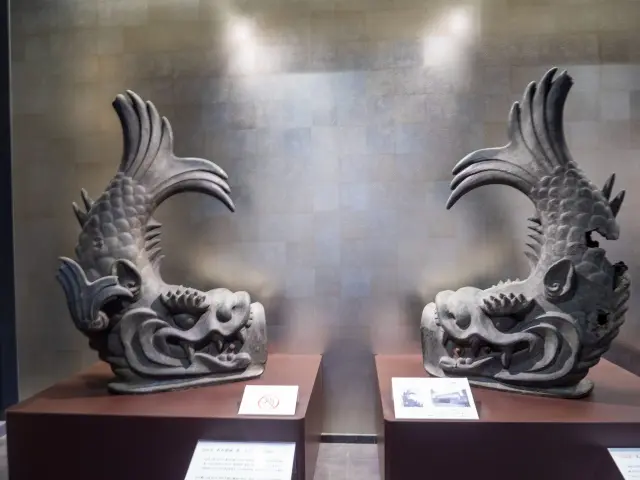
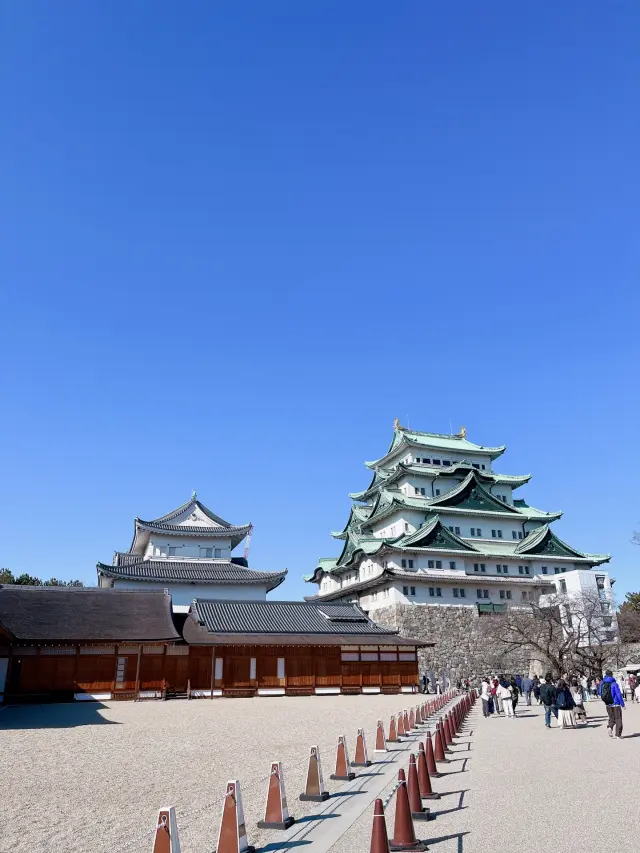
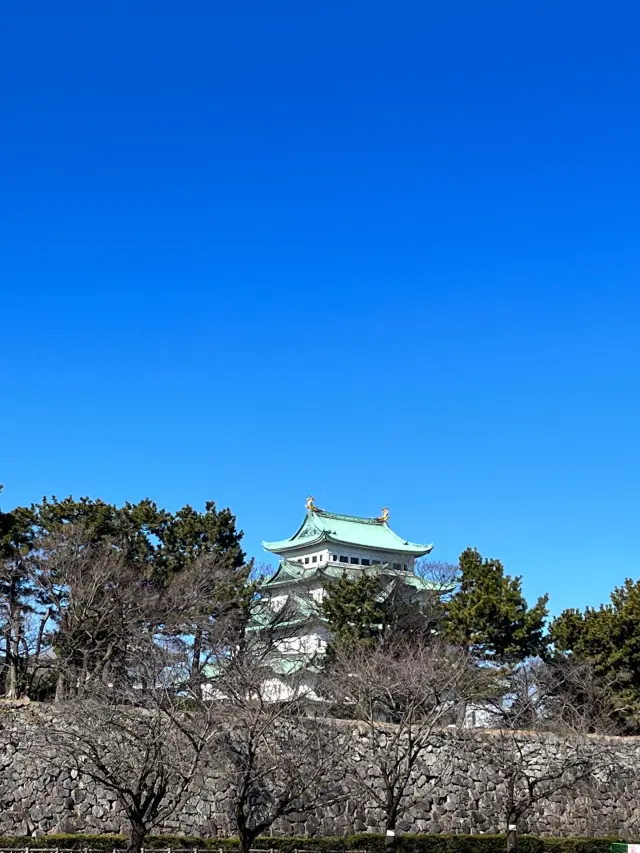
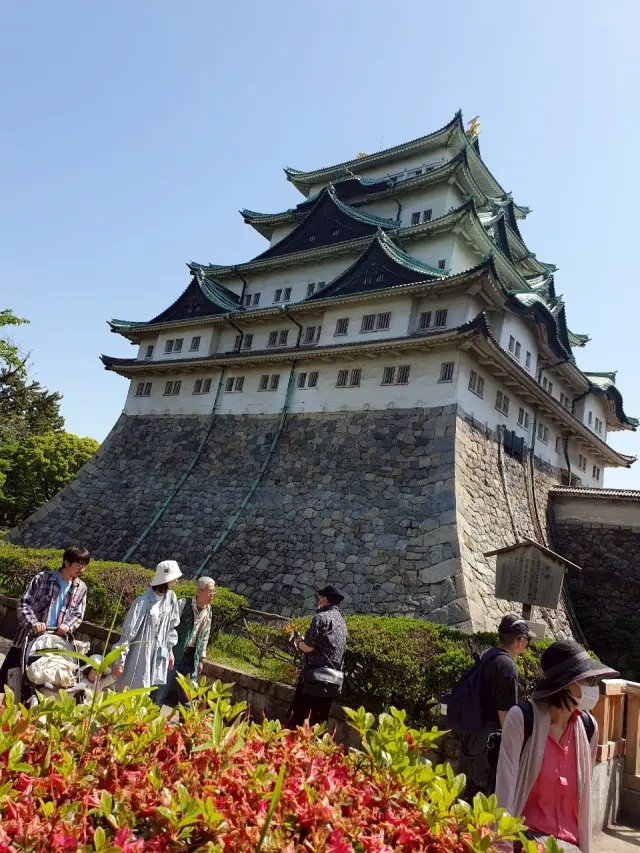
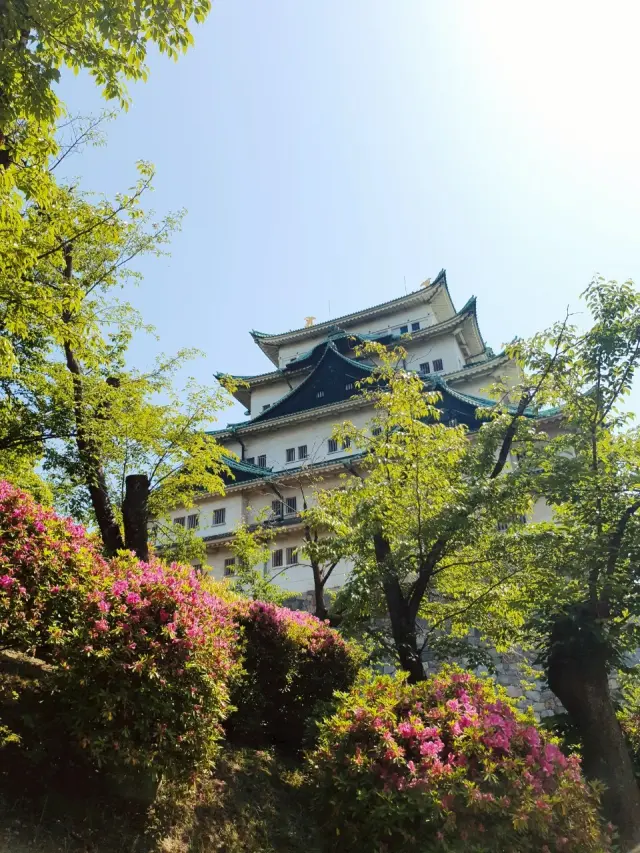
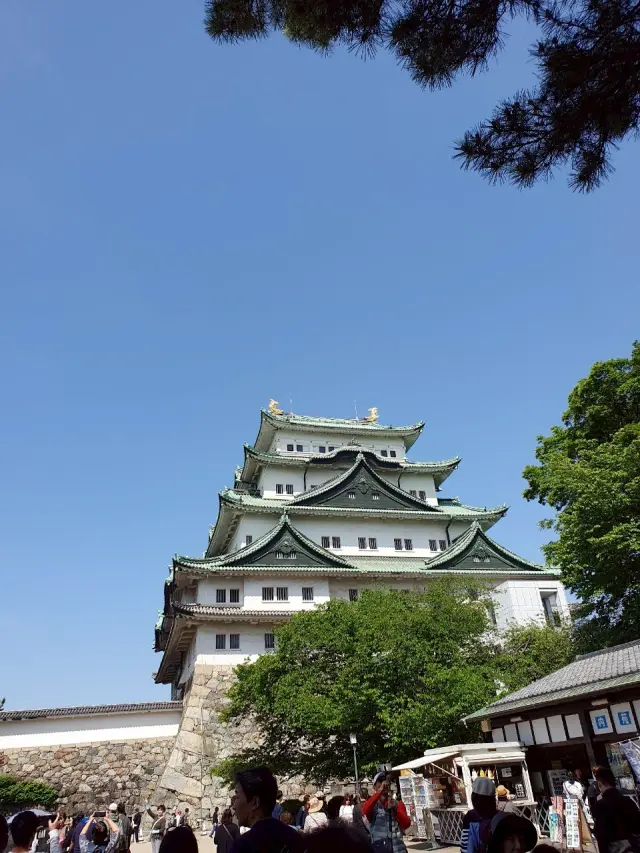
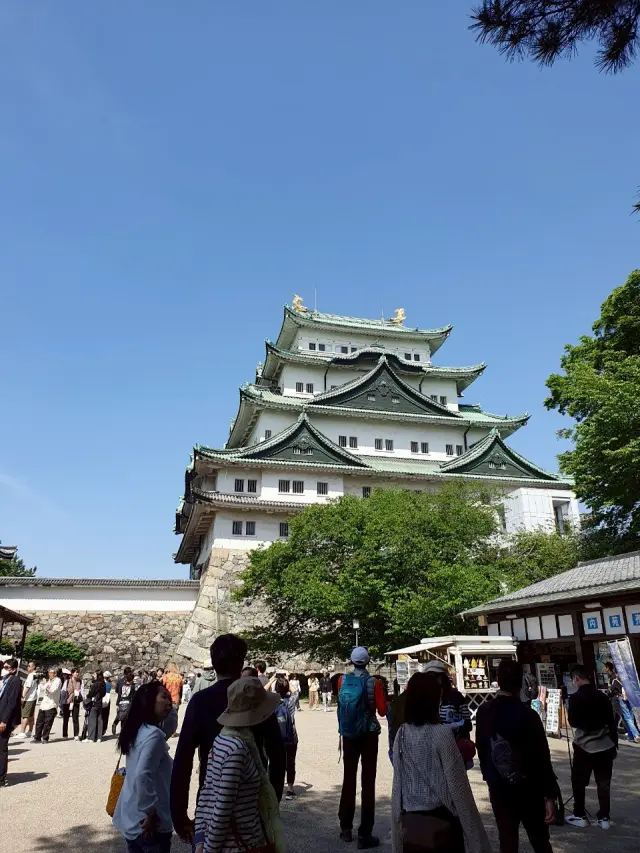
    When visiting Nagoya, of course you can’t miss this classic attraction! Nagoya Castle is best known for the pair of glittering golden shachihoko on its roof. They stand out even from a distance and look very impressive, making the castle a true Nagoya landmark.

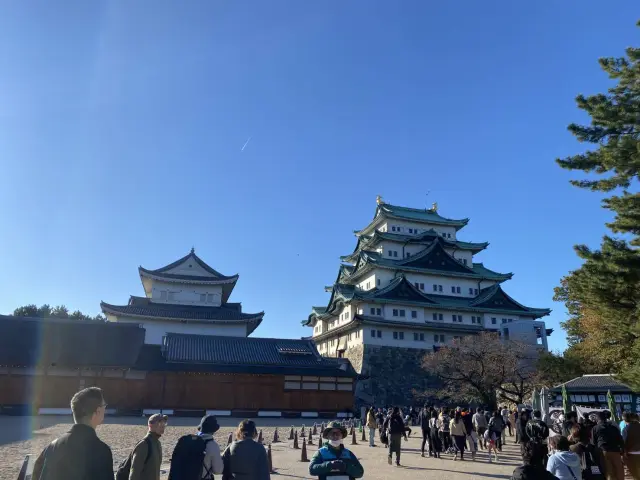
    There were so many visitors that day, and the grounds were quite lively. To take photos without the crowds, you had to spend some time finding the right angle.

    I didn’t find the transportation very convenient. It’s still some distance from the station, requiring some walking and a transfer, so the round trip took a bit of time.

    Unfortunately, the Main Tower Keep is currently closed to visitors, so you can only admire it from the outside. I had been hoping to go inside, so that was a little disappointing. Still, seeing the castle up close was quite spectacular.

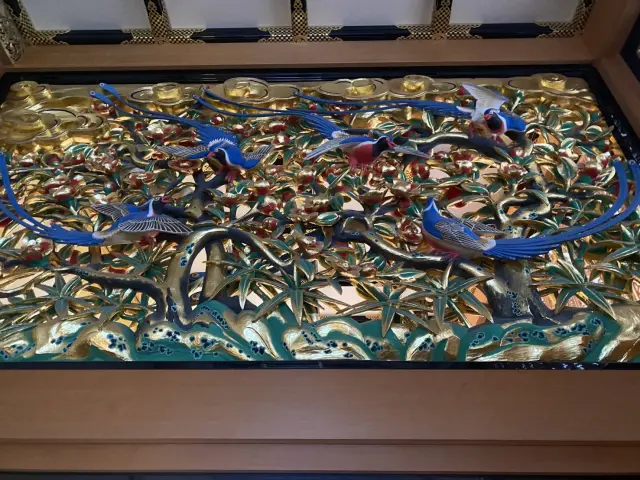
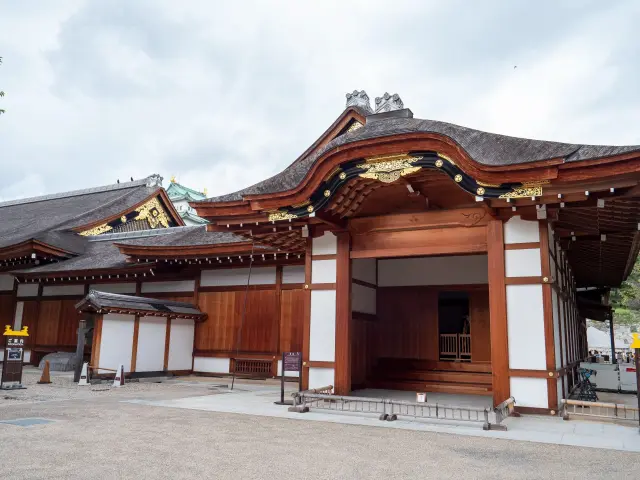
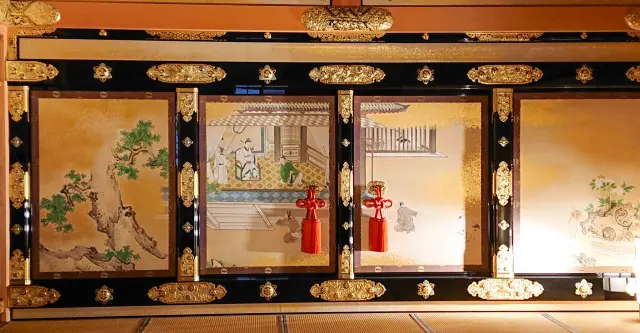
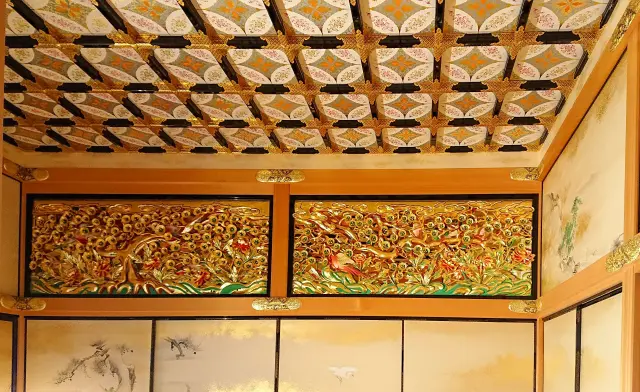
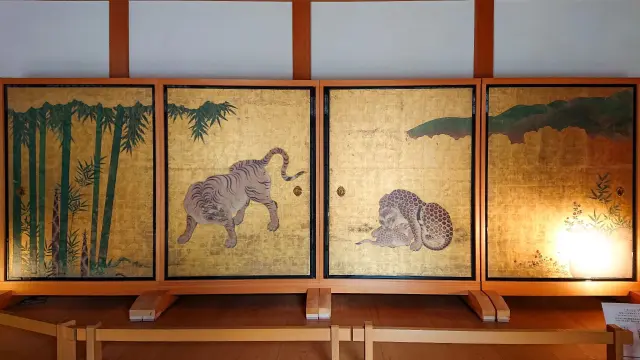
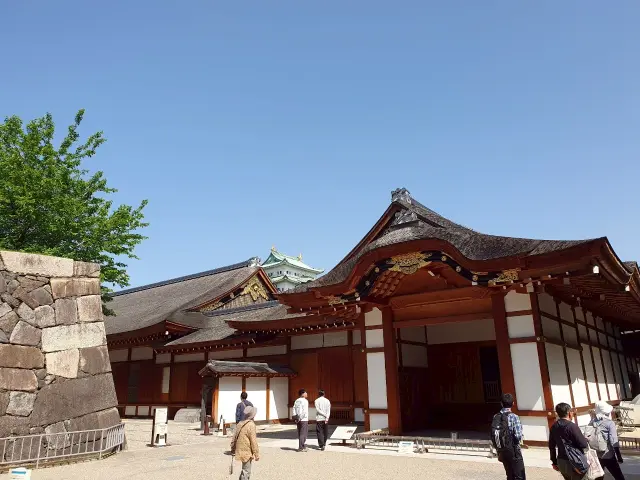
    The Honmaru Palace is also well worth visiting while you’re there. The murals and gold decorations inside are very intricate, creating an overall style of lavish traditional Japanese architecture.

    Overall, Nagoya Castle is a very representative must-visit attraction in Nagoya. Although getting there is slightly inconvenient and you can’t enter the Main Tower Keep, it’s still worth making the trip to experience some of Nagoya’s history and atmosphere!

  • See More

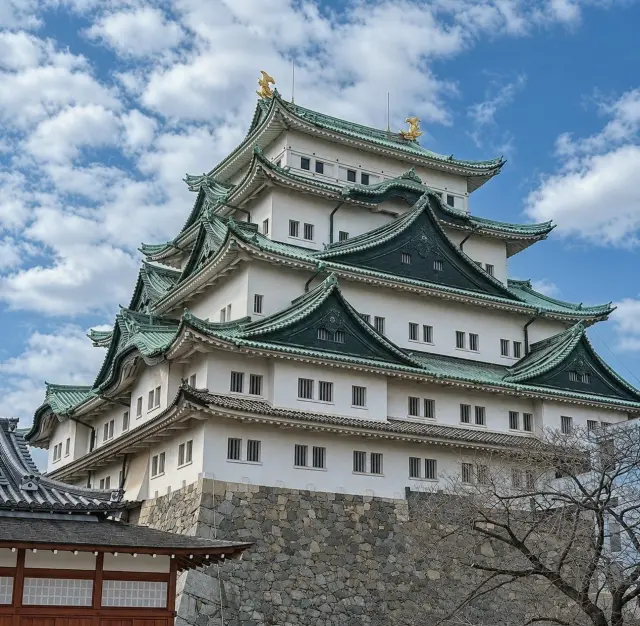
    On the expansive grounds of Nagoya Castle, look up at the imposing, massive main keep, and the pair of solid-gold kinshachi—golden shachihoko—gleaming in the sunlight at both ends of the roof will instantly capture everyone’s attention! This famous castle, built by order of Tokugawa Ieyasu, is considered one of Japan’s three great castles and is also a premier masterpiece showcasing the supreme power and authority of the Edo shogunate. The most jaw-dropping part of the entire castle is undoubtedly Honmaru Palace, which was perfectly restored in recent years after nearly a decade of work and enormous expense. Take off your shoes and step inside the palace, and the rich yet refined scent of hinoki cypress immediately fills the air. Every paper sliding door and folding screen before you was meticulously recreated stroke by stroke by today’s finest artisans in the style of Kano school masters. Covered in dazzling genuine gold leaf, they feature lifelike tigers, bamboo groves, and flowers and birds of the four seasons, all radiating elegance and grandeur. The level of luxury makes it feel as if an ancient palace made entirely of gold had been brought directly to life!

  • See More

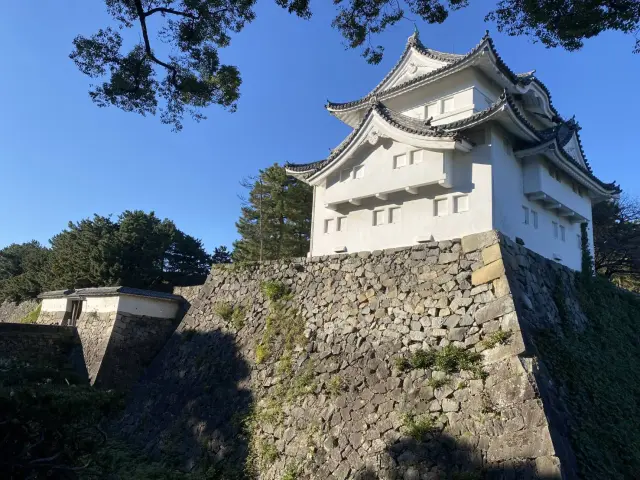
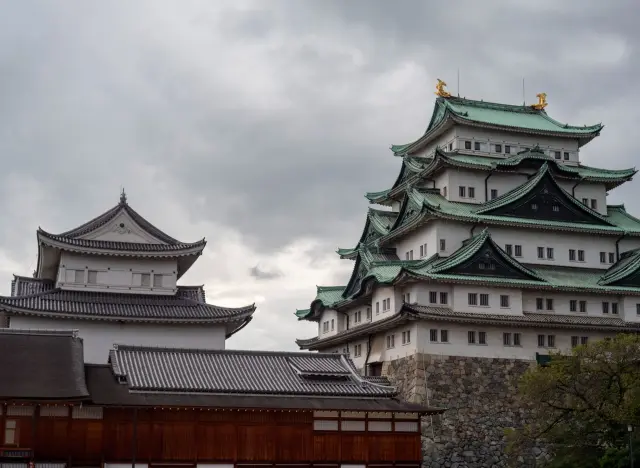
    Stepping into Nagoya Castle feels like being transported back to the Edo period of Tokugawa Ieyasu in an instant! The most impressive sight is the pair of golden shachihoko on the roof, gleaming brilliantly in the sunlight and showcasing the authority and splendor of the Edo shogunate. Walking along the moat, the massive stone walls rise in layers, and the weight of history surrounds you, making it impossible not to admire the extraordinary craftsmanship of the ancient builders.

    The most stunning part is the recently restored Honmaru Palace. The moment you step inside, the dazzling gold wall paintings and intricately detailed carvings recreate the luxurious life of the shogun's family. It's breathtakingly beautiful. You may also run into the Nagoya Omotenashi Busho-tai, dressed in armor, whose lively interactions bring history to life. Whether surrounded by cherry blossoms in spring or colorful maple leaves in fall, this is definitely an essential attraction when visiting Nagoya!

  • See More

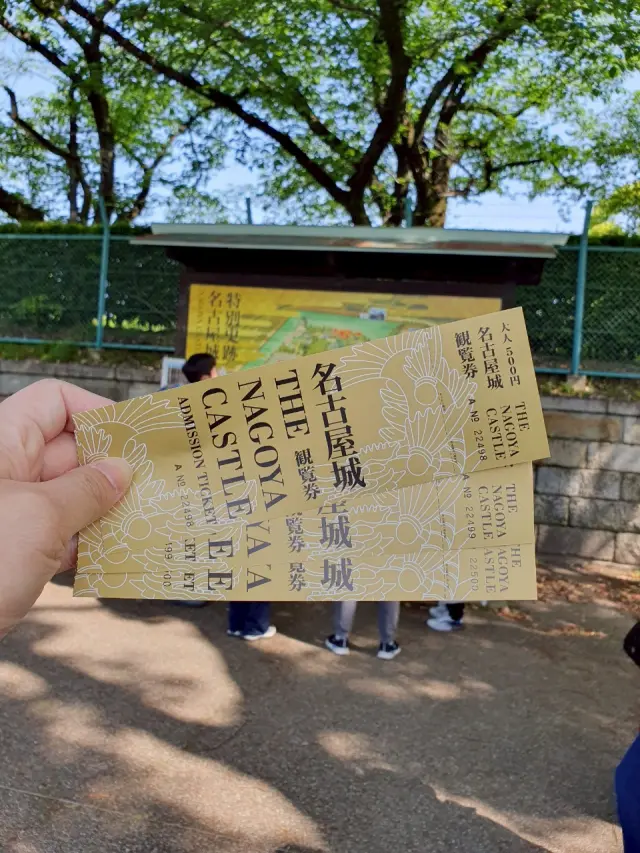
    Nagoya Castle is a must-see when visiting Nagoya! Admission is only JPY 500, and if you have a one-day subway pass, you can get an additional JPY 100 discount. It's a very good value.

    Besides admiring the majestic castle keep and historic scenery, I especially recommend going inside Honmaru Palace! The dazzling gold wall paintings, intricate wooden architecture, and rich sense of history are truly worth seeing. The grounds are quite large, making it pleasant to stroll around and take photos at your own pace. It's definitely worth including on a trip to Nagoya!

  • See More

    It was drizzling when I visited Nagoya Castle. I thought there might be fewer people, but I was way off—it’s a popular attraction, so it was still packed with tourists!
    Nagoya Castle truly deserves its reputation as one of Japan’s three great castles. The most eye-catching feature is the pair of gleaming golden shachihoko atop the castle tower. They stood out even more against the gray sky and looked incredibly majestic. As I slowly explored the grounds, every corner felt steeped in history, and the rain added a unique atmosphere. This is definitely worth including in your Nagoya itinerary. It’s not only beautiful for photos, but also offers a wonderful glimpse into the Edo period.

  • See More

    I wasn't particularly interested in Nagoya Castle until I learned that the city had faithfully reconstructed Honmaru Palace—including spaces such as Jorakuden Hall and Yudono Shoin—using surviving prewar plans, photographs, measurements, and wall paintings. In other words, Nagoya Castle offers more than just a castle keep; you can also visit the shogun's residence. Once I learned that, I was determined to go.
    Honmaru Palace was what I looked forward to most, and it was every bit as breathtaking as I expected. From the entrance and Omote Shoin to Jorakuden Hall, there was a succession of gold-leaf wall paintings, carved transoms, decorative metalwork, and elaborately designed ceilings. It was so lavish that my neck started to ache from constantly looking up. I could also hear other visitors gasping in amazement.
    Yudono Shoin was equally fascinating. This was the shogun's private bathing and relaxation area. Rather than a bathtub, it featured a steam bath. The craftsmanship of the woodwork was exquisite, and even the bathing area had the refinement expected of a facility reserved for the shogun.
    Because the palace contains almost no furniture or household items, some rooms can look similar, making it difficult to immediately imagine how they were used. However, by closely observing differences in floor height, the subjects of the wall paintings, ceilings, transoms, and seating arrangements, you can still see how each space reflected status and hierarchy.
    If time allows, I highly recommend visiting Nagoya Castle and the Tokugawa Art Museum together. Honmaru Palace showcases the architectural spaces and formal order of the samurai class, while the museum preserves armor, tea utensils, paintings, calligraphy, and everyday objects from the Owari Tokugawa family. Together, they provide a much clearer understanding of daimyo culture and daily life at the time.
    I used to have low expectations for Nagoya Castle, but now I feel that simply being able to walk through such a meticulously reconstructed palace makes the visit worthwhile—even without access to the castle keep.

  • See More

    Nagoya Castle is grand and impressive, and the golden shachihoko on the roof really stand out. It’s one of Nagoya’s iconic landmarks. Inside, there are plenty of historical artifacts on display, along with beautiful garden views. It’s worth taking your time to explore.

  • See More

    Nagoya Castle is one of the must-visit attractions when traveling to Nagoya. It’s very easy to get to, with convenient subway access. Even on a weekday, there were still many tourists, and the area felt lively.

    Unfortunately, the castle tower was under renovation during my visit, so I couldn’t go inside. Still, the impressive architecture, golden shachihoko decorations, and garden scenery were well worth seeing. It made for a wonderful travel memory.

  • See More

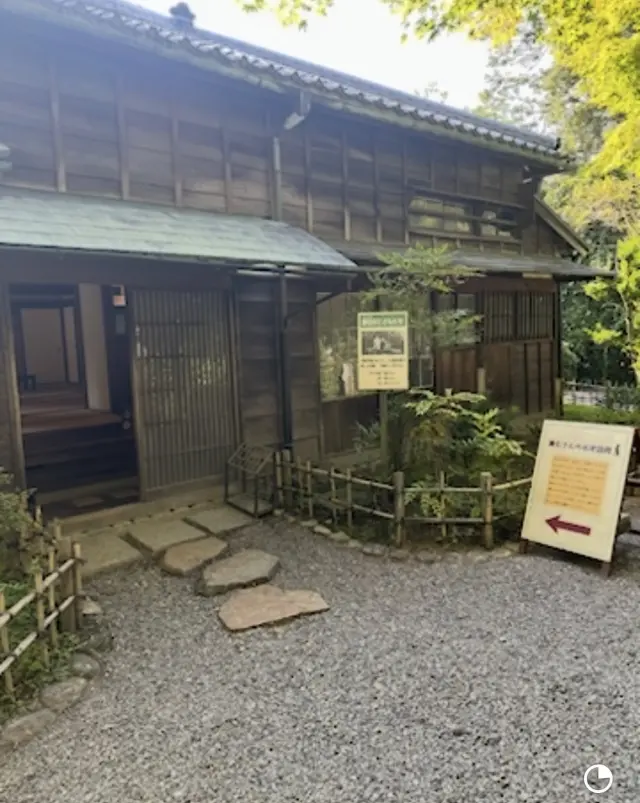
    Meiji Mura is a fun place with a great sense of history.

Hokkaido Tohoku Kanto Chubu Hokuriku Kansai Chugoku Shikoku Kyushu Okinawa