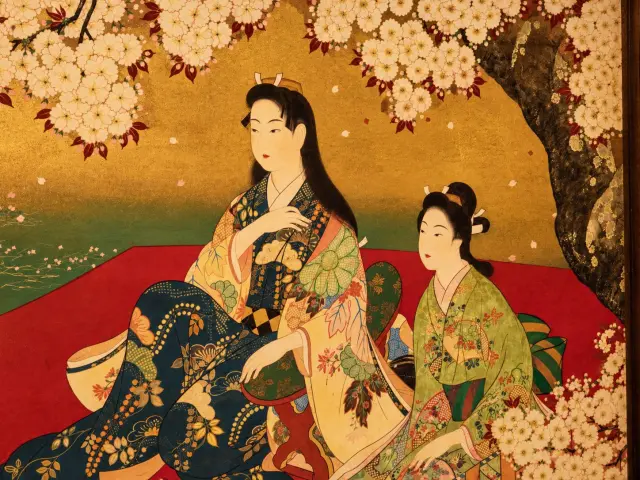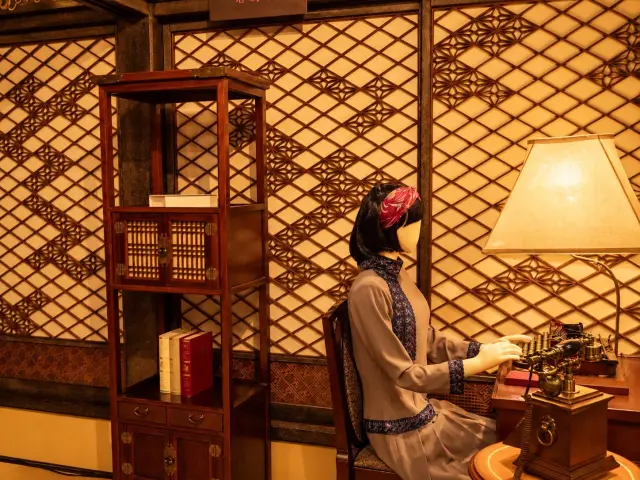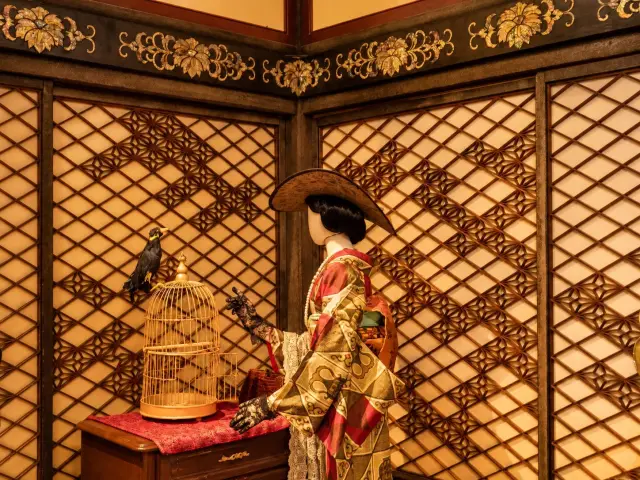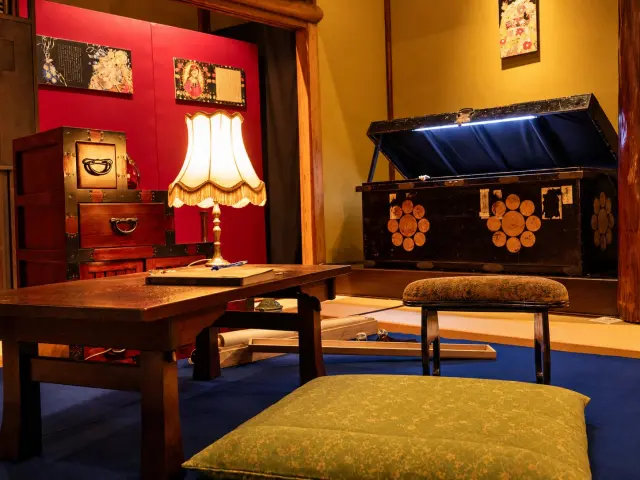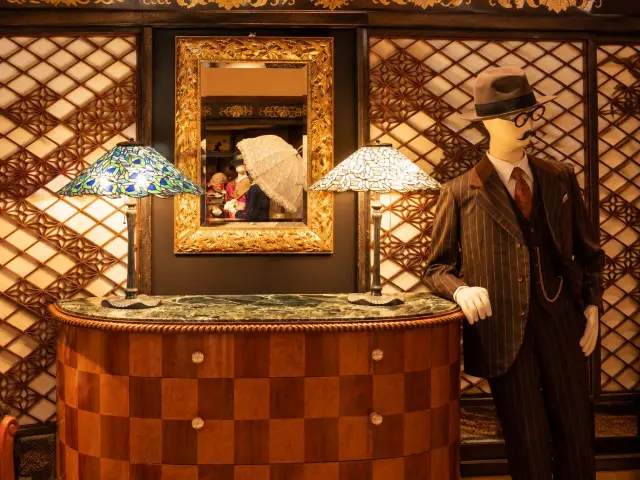
I happened to get a discounted exhibition ticket and discovered the “Showa Modern × Hyakudan Kaidan: Tokyo Modern Girl Life” exhibition at Gajoen. It matched my interests so perfectly that I made last-minute changes to my itinerary and overcame every obstacle to come see it. The exhibition presented popular culture from the Taisho era through the early Showa era, featuring the clothing, perfumes, cosmetics, and everyday items of modern women, along with commercial works by leading artists associated with Taisho Romanticism, including Yumeji Takehisa and Kaichi Kobayashi. The quality of Gajoen’s exhibition left a strong impression on me. Later, I even saw an organization in Kurashiki proudly mention that it had previously exhibited at Gajoen, which made me appreciate Gajoen’s standing in the exhibition world even more.
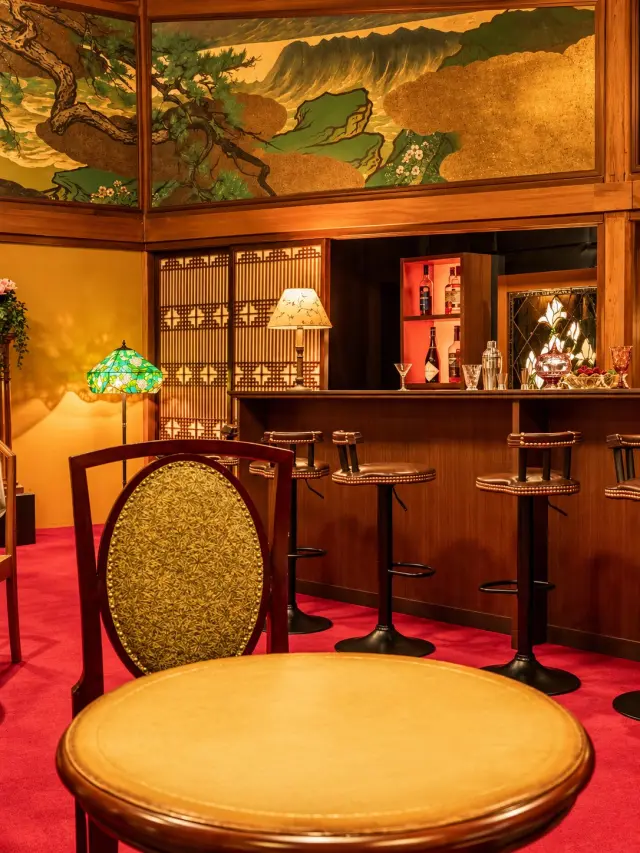
However, what truly amazed me on this visit was Hyakudan Kaidan itself. Dating back to when Gajoen was a traditional restaurant rather than a hotel, it combined dining with art, making paintings, carvings, and various traditional crafts part of the space. I was most impressed by the use of mother-of-pearl inlay. This craft is usually seen on lacquerware, boxes, or furniture, and it is rare to find it used so extensively in architectural decoration. They even used it in the elevator. The mother-of-pearl design of Chinese guardian lions and peonies on the black lacquer doors is especially striking. It was my first time seeing mother-of-pearl inlay used on such a large scale inside an elevator, and I hardly dared to lean against the wall while riding because I was afraid I might accidentally touch the decoration. The only unfortunate part was that the elevator reached the floor so quickly that I arrived before I could take a close look, leaving me wanting more. As a side note, the mother-of-pearl designs on the elevator doors upstairs and downstairs are different, so you can admire them while waiting for the elevator.
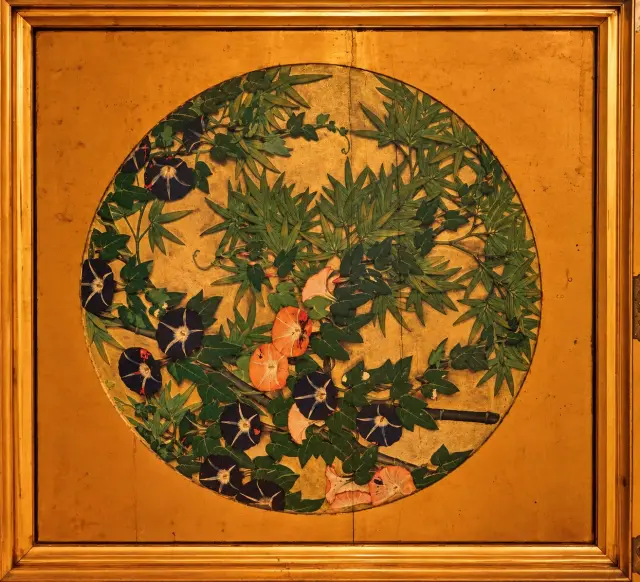
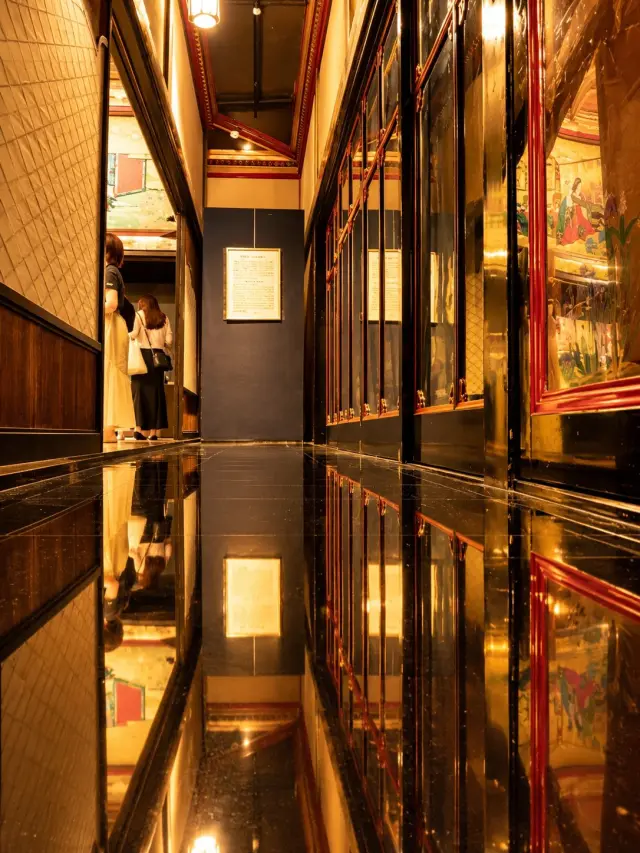
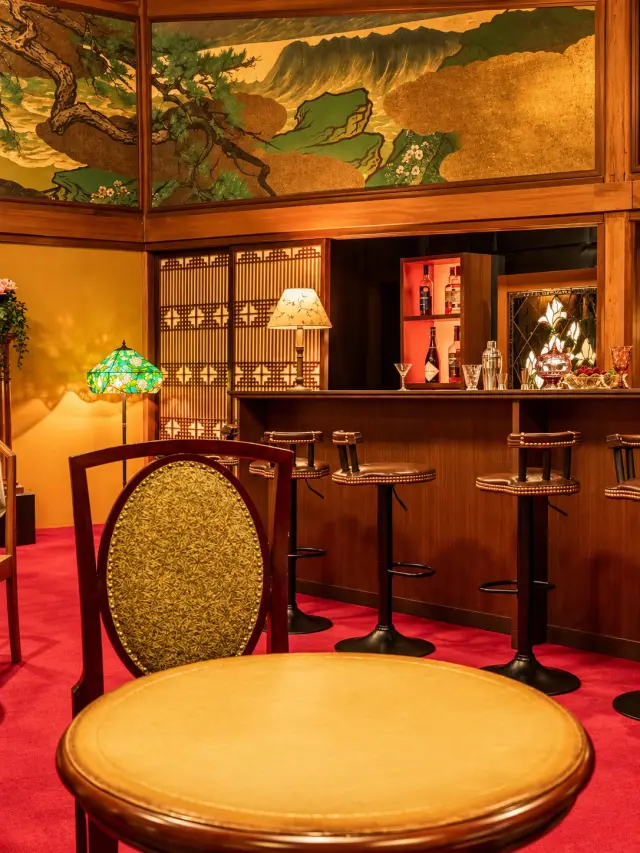
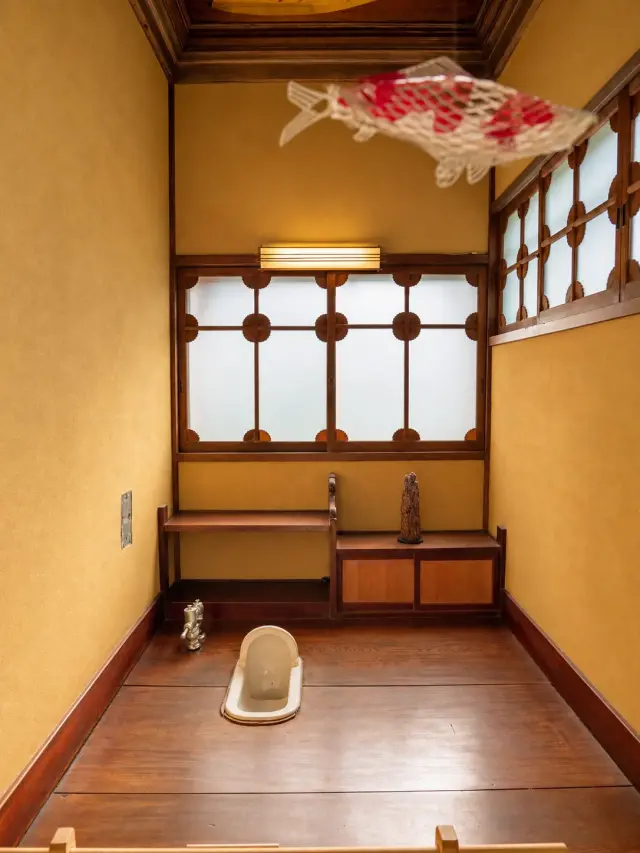
Each of the seven rooms has its own character, blending gold leaf, Japanese paintings, wood carvings, and kumiko latticework to create spaces that are both lavish and refined. Whether dazzlingly ornate or quietly elegant like a scholar’s study, everything is worth slowing down to examine carefully. Even the mirror-like wooden floors in the corridors and the details of the doorframes shouldn’t be missed. This complete integration of craftsmanship into architecture was the product of the economy, technology, and aesthetics of a particular era, and it would probably be difficult to truly reproduce today.
Because my schedule was tight, I wasn’t able to experience afternoon tea at Gajoen. However, I’ve heard that the afternoon tea here is also excellent, and compared with that mother-of-pearl elevator, the price is surprisingly affordable. Not having time to try it was a major regret. Although I only stopped by briefly, I could still feel the hotel’s attentive approach to service. I sincerely appreciate that they continued to offer such a high standard of hospitality even though I arrived looking disheveled and carrying lots of bags, allowing me to enjoy the exhibition properly. The next time I come for an exhibition, I’ll definitely have afternoon tea as well.
All Reviews of Gajoen Tokyo
3.24
1
- Overview
- Photos
- Reviews
- Basic Information
- Newest
- With Photos
- Most Liked
Showing 1–1 of 1