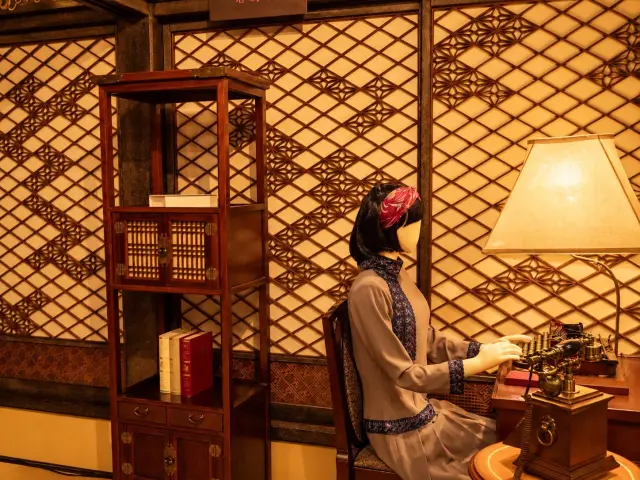
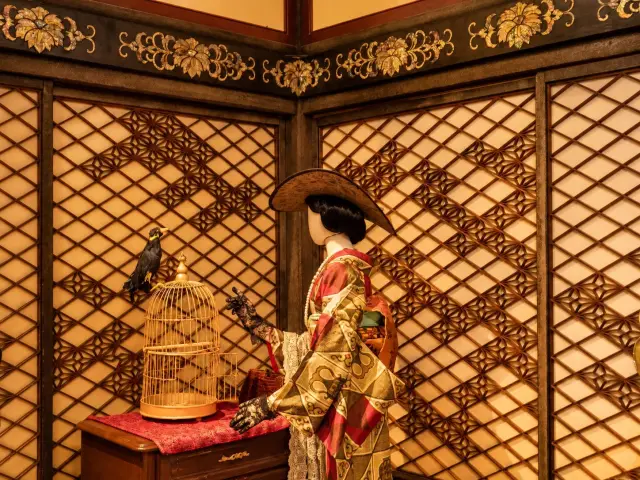
I happened to get a discounted exhibition ticket and discovered the “Showa Modern × Hyakudan Kaidan: Tokyo Modern Girl Life” exhibition at Gajoen. It matched my interests so perfectly that I made last-minute changes to my itinerary and overcame every obstacle to come see it. The exhibition presented popular culture from the Taisho era through the early Showa era, featuring the clothing, perfumes, cosmetics, and everyday items of modern women, along with commercial works by leading artists associated with Taisho Romanticism, including Yumeji Takehisa and Kaichi Kobayashi. The quality of Gajoen’s exhibition left a strong impression on me. Later, I even saw an organization in Kurashiki proudly mention that it had previously exhibited at Gajoen, which made me appreciate Gajoen’s standing in the exhibition world even more.
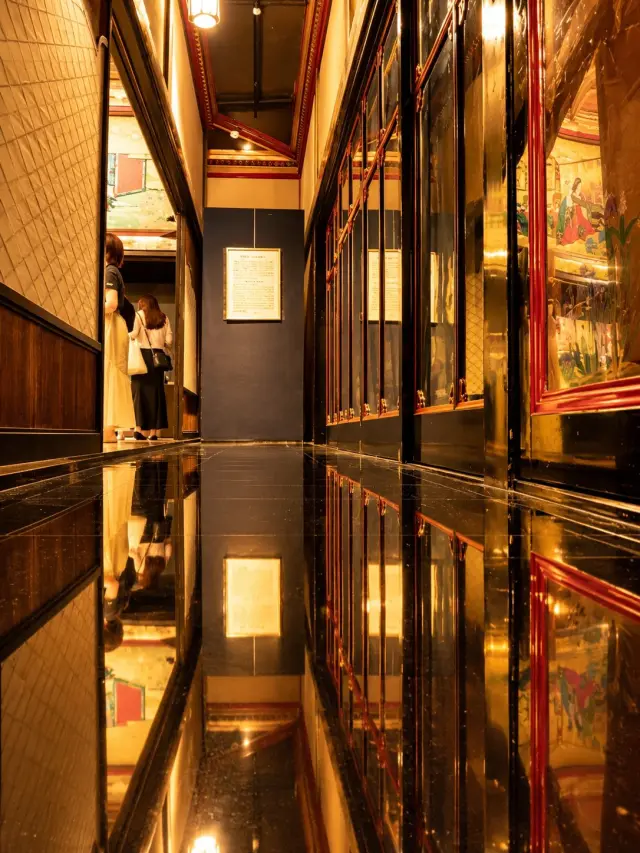
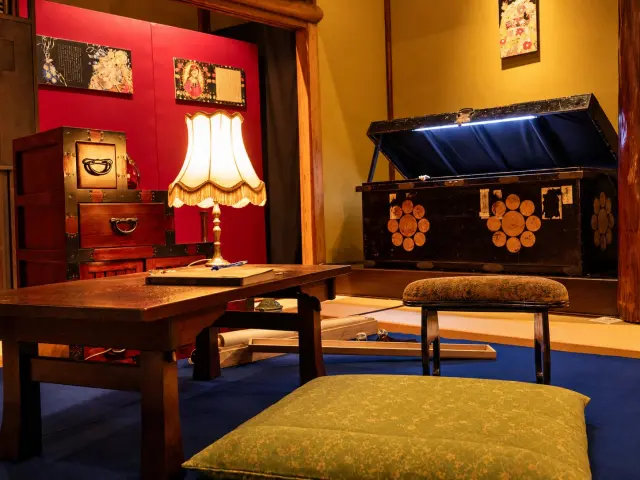
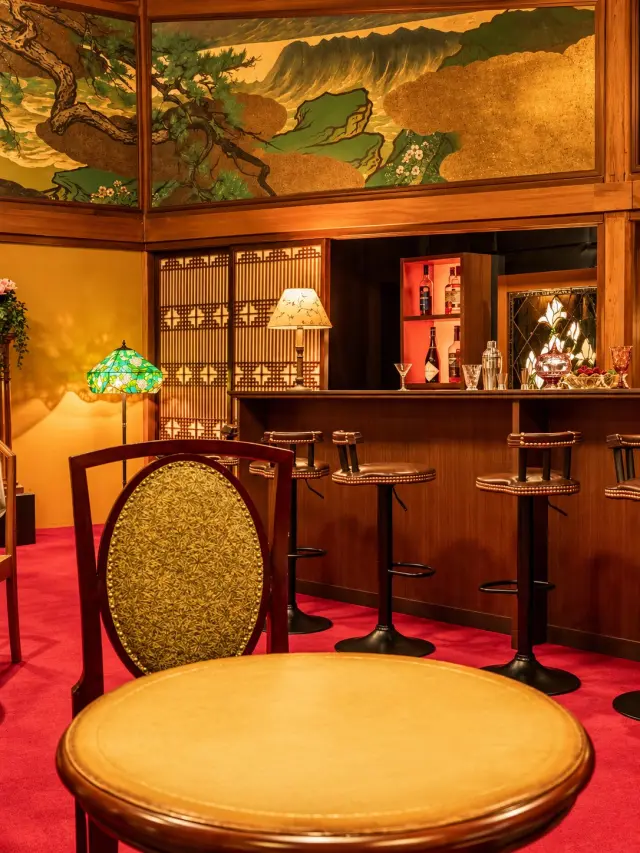
However, what truly amazed me on this visit was Hyakudan Kaidan itself. Dating back to when Gajoen was a traditional restaurant rather than a hotel, it combined dining with art, making paintings, carvings, and various traditional crafts part of the space. I was most impressed by the use of mother-of-pearl inlay. This craft is usually seen on lacquerware, boxes, or furniture, and it is rare to find it used so extensively in architectural decoration. They even used it in the elevator. The mother-of-pearl design of Chinese guardian lions and peonies on the black lacquer doors is especially striking. It was my first time seeing mother-of-pearl inlay used on such a large scale inside an elevator, and I hardly dared to lean against the wall while riding because I was afraid I might accidentally touch the decoration. The only unfortunate part was that the elevator reached the floor so quickly that I arrived before I could take a close look, leaving me wanting more. As a side note, the mother-of-pearl designs on the elevator doors upstairs and downstairs are different, so you can admire them while waiting for the elevator.
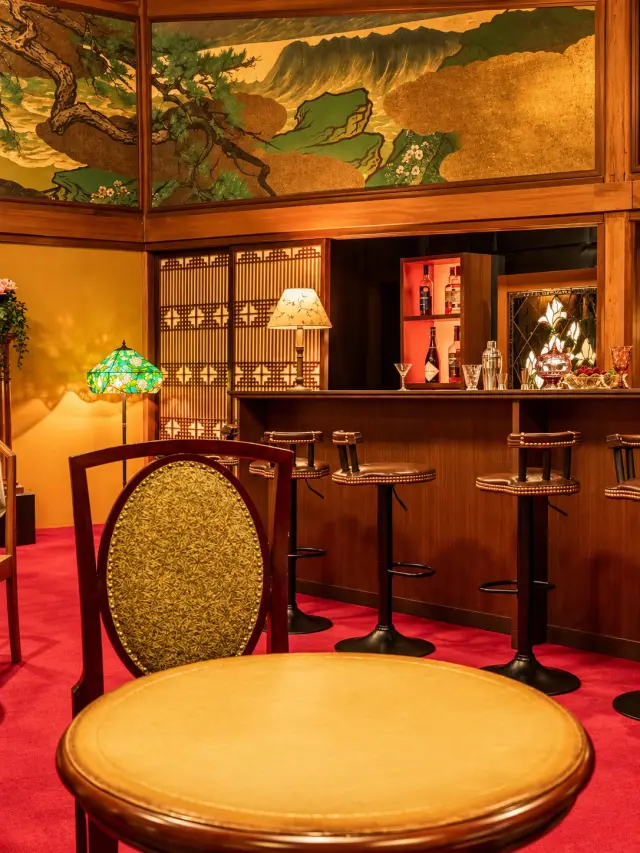
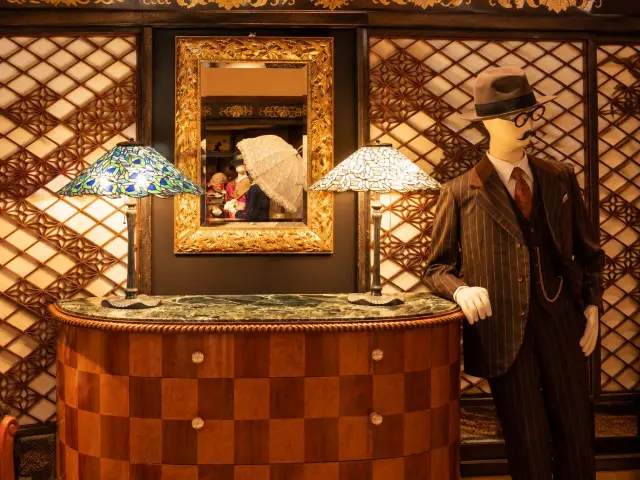
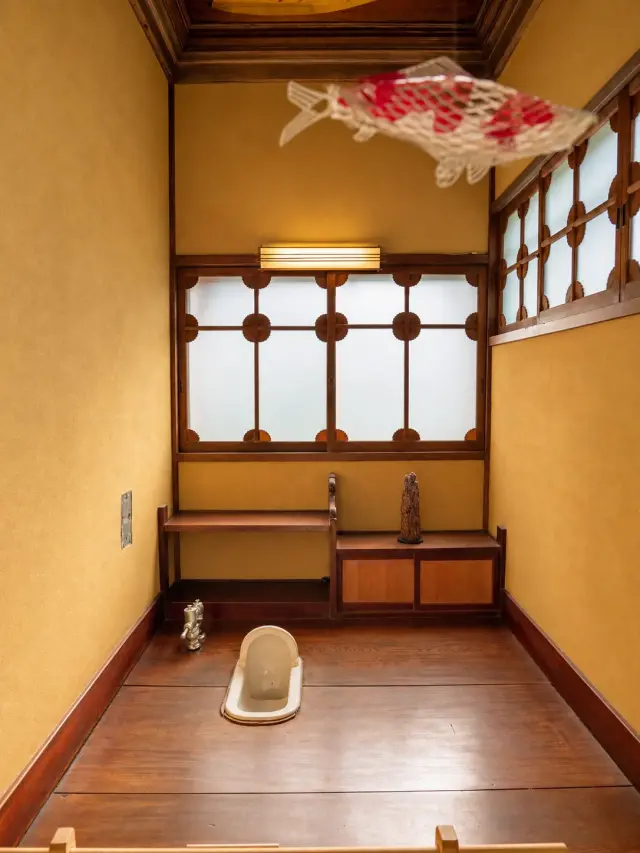
Each of the seven rooms has its own character, blending gold leaf, Japanese paintings, wood carvings, and kumiko latticework to create spaces that are both lavish and refined. Whether dazzlingly ornate or quietly elegant like a scholar’s study, everything is worth slowing down to examine carefully. Even the mirror-like wooden floors in the corridors and the details of the doorframes shouldn’t be missed. This complete integration of craftsmanship into architecture was the product of the economy, technology, and aesthetics of a particular era, and it would probably be difficult to truly reproduce today.
Because my schedule was tight, I wasn’t able to experience afternoon tea at Gajoen. However, I’ve heard that the afternoon tea here is also excellent, and compared with that mother-of-pearl elevator, the price is surprisingly affordable. Not having time to try it was a major regret. Although I only stopped by briefly, I could still feel the hotel’s attentive approach to service. I sincerely appreciate that they continued to offer such a high standard of hospitality even though I arrived looking disheveled and carrying lots of bags, allowing me to enjoy the exhibition properly. The next time I come for an exhibition, I’ll definitely have afternoon tea as well.
Gajoen Tokyo | Review by Holly
Other Reviews by Holly
-
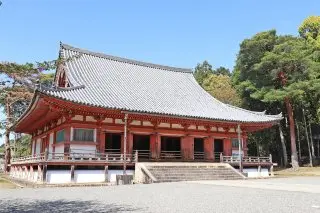
Daigoji Temple
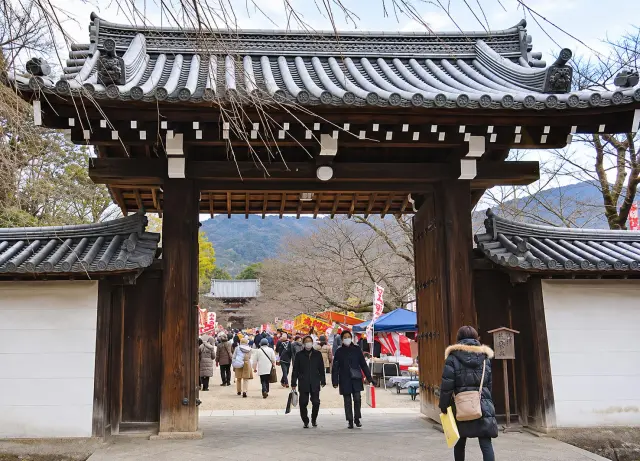
Daigoji Temple was founded in 874 (Jogan 16), during the early Heian period, by Shobo, also known as Rigen Daishi. A grand-disciple of Kobo Daishi Kukai, he is regarded as a key figure in the revival of Shugendo. Daigoji is the head temple of the Daigo school of Shingon Buddhism. Its grounds cover approximately 1,630 acres across Mount Daigo, making it one of the largest temple complexes in Kyoto. The grounds are divided into Kami-Daigo at the top of the mountain and Shimo-Daigo at its foot, with more than 80 halls and pagodas scattered throughout. The temple initially developed around Kami-Daigo. It later received the strong patronage of Emperor Daigo as an imperial temple, and an extensive temple complex was established at the foot of the mountain.
This visit happened to coincide with Daigoji Temple’s annual “Godairiki-san” (Godairiki Son Ninnō-e), so even though it wasn’t cherry blossom season, I made a special trip to attend. Not only does this festival have a history spanning more than a thousand years, but it is also one of Daigoji Temple’s most important annual events. When traveling in Japan, most traditional festivals visitors encounter are Shinto rituals held at shrines, so having the chance to personally experience a large-scale Buddhist prayer service at a temple was quite rare.
The Godairiki Son Ninnō-e mainly offers prayers for peace throughout the country, the happiness of its people, and protection from misfortune. Before the main festival, Daigoji Temple holds seven consecutive days of preliminary services, with monks chanting sutras and offering prayers. On the day of the festival, visitors receive blessed “Godairiki Son sacred images,” a type of talisman believed to ward off disasters and prevent theft. They can be seen posted at the entrances of many long-established shops and private homes in Kyoto. Many people were also lined up to receive one that day, and seeing the long line almost made me want to join it.
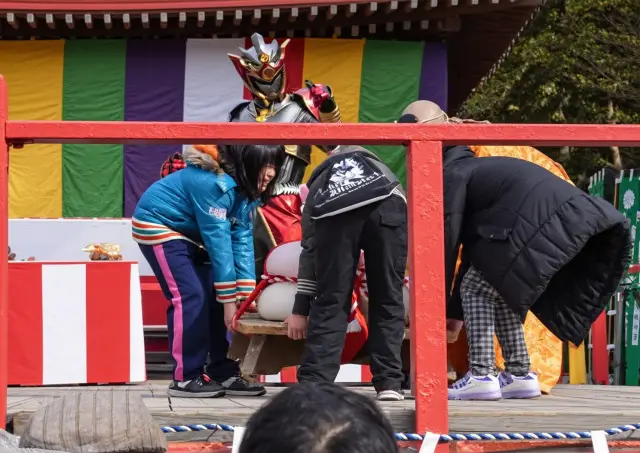
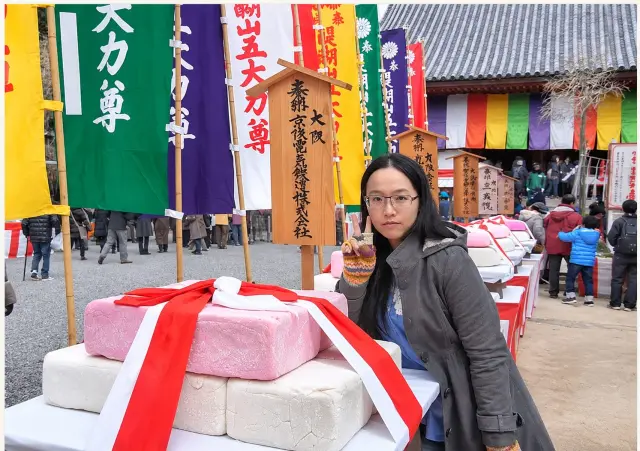
One of the festival’s most distinctive events is the “Mochi-Lifting Strength Offering” held in front of the Kondo Hall. Participants must lift enormous red-and-white kagami mochi and compete to see how long they can hold them, offering their strength to the Five Great Wisdom Kings and praying for good health and protection from misfortune. The competition has divisions for elementary school students, men, and women. I looked it up afterward, and the kagami mochi used at the event really are heavy: 150 kilograms for the men’s division and 90 kilograms for the women’s division. They certainly aren’t easy to lift, though I’m not sure whether advance registration is required for the event.
There were also many large kagami mochi specially offered by worshippers in front of the Kondo Hall. The sight of them arranged neatly in rows was quite impressive. These were all offerings made specifically for the Godairiki Son Ninnō-e. Seeing the enormous kagami mochi lined up one after another in front of the hall also showed just how important this festival is to local worshippers.
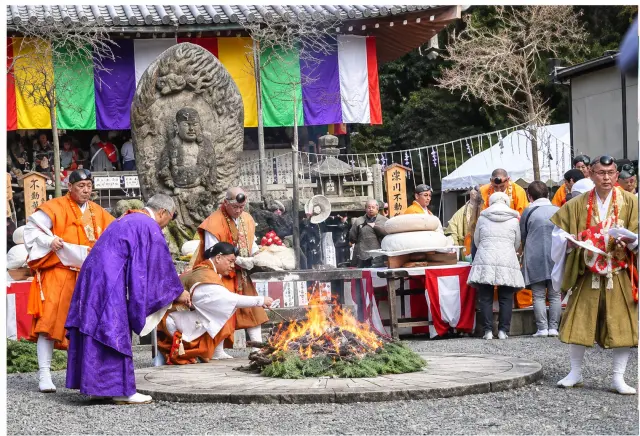
In front of Fudo Hall, a saitō goma prayer ceremony was held, during which monks offered prayers by burning wooden goma sticks. From sutra-chanting services and the goma ritual to the lively mochi-lifting event, being able to see several different forms of Buddhist prayer rituals at once is one of the things that makes this festival so distinctive.
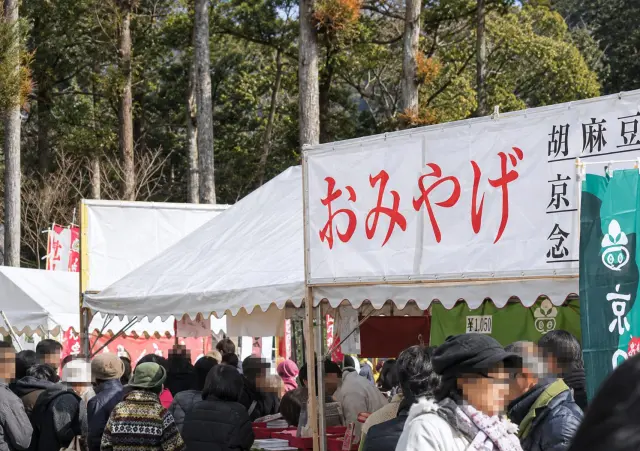
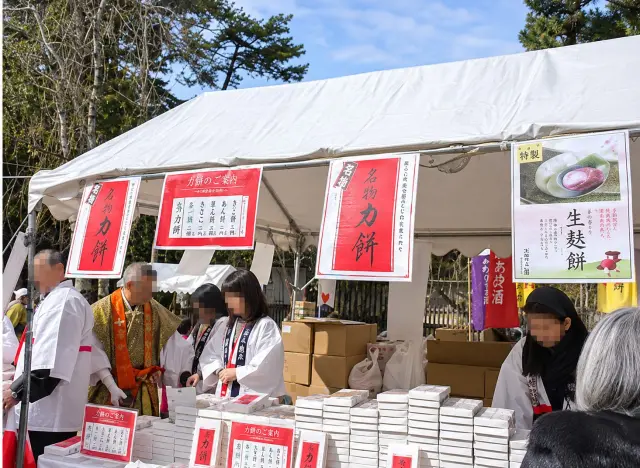
In addition to the religious activities, there were plenty of seasonal products and food stalls around the temple grounds, including five-colored sweets, a limited-edition genmaicha created in collaboration between Daigoji Temple and Ito En, and complimentary heian-gayu rice porridge for worshippers. These added a livelier, more festive atmosphere to the event. The item most worth noting was the Godairiki mochi sold only during the festival. It is basically a type of mochi. I bought two bags at the time, planning to take them back to Taiwan and slowly grill them to eat. I even bought a special rack for grilling mochi, but unexpectedly, all of them were moldy the day after I returned home! If I’d known, I would have grilled them in the hotel kitchenette while I was still in Japan. The grilling rack ended up being a wasted purchase too, which was really frustrating QQ.
Overall, the Godairiki Son Ninnō-e is a large-scale event combining religious culture, traditional rituals, and the character of a local festival. It offers a different experience from the Japanese shrine festivals that most tourists are more familiar with. If you have the chance to catch it, it is well worth making a special trip to Daigoji Temple to experience this traditional festival that has continued for a thousand years.
-
-
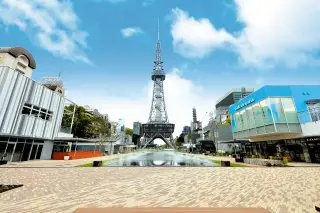
Hisaya-odori Park
Hisaya-odori Park is a long, linear urban park located along Hisaya-odori Avenue, recognized as one of Japan's "100 Best Roads." Combining parkland with commercial amenities, visitors can enjoy shopping and dining amidst lush greenery.
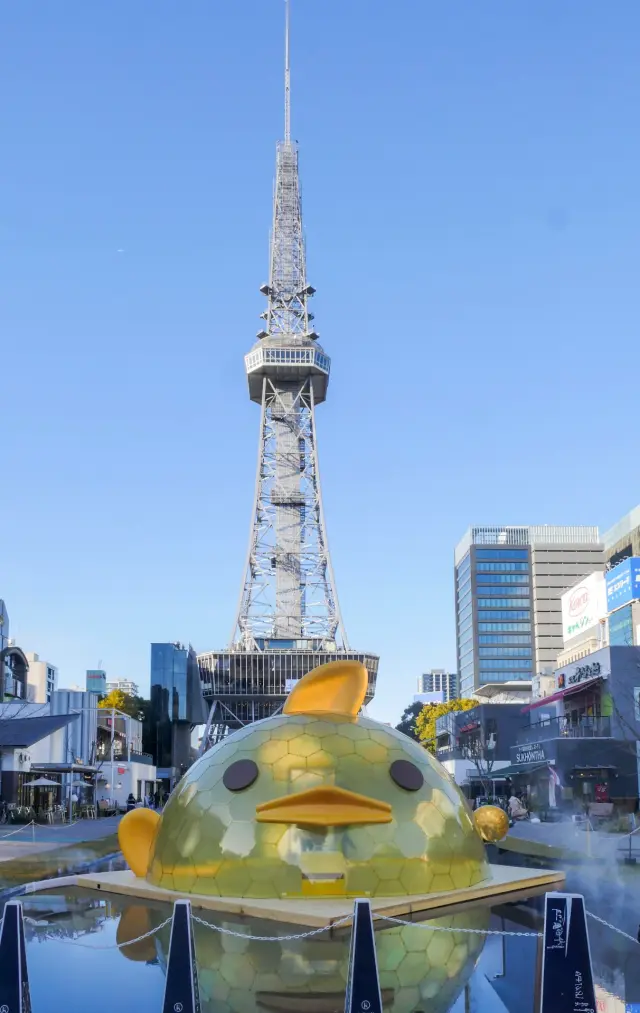
I made a special trip to Hisaya-odori Park this time mainly to see the limited-time event held in collaboration with Nagoya’s popular chick-shaped pudding dessert, Piyorin. There was a large Piyorin-shaped installation featuring a transparent dome design, and visitors could walk right inside to take pictures. Taiwan has similar events, but being able to go inside was still pretty unusual and interesting. Many people took the opportunity to enter and take commemorative photos, so it was hard to get a shot of the chick without anyone inside.
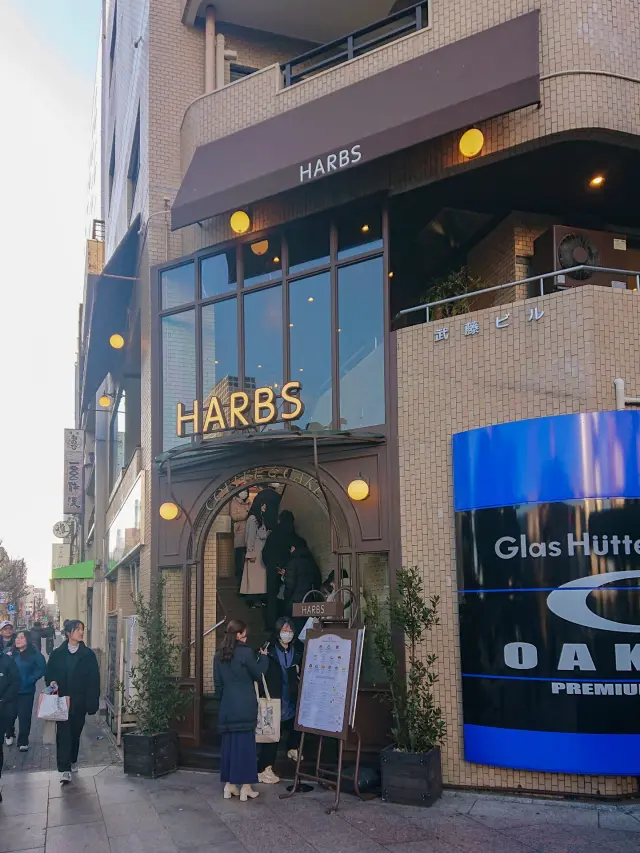
Besides the event itself, the area around Hisaya-odori Park is also quite lively, with many well-known shops and restaurant brands nearby. If you enjoy shopping or looking for unique stores, it might be worth checking in advance to see which places nearby are worth visiting. While walking around this time, I unexpectedly came across the main HARBS store in Nagoya Sakae, which immediately brought back memories of the food. I hesitated and wondered whether I should go in, but when I saw the line outside, I decided to leave it for next time.
Hisaya-odori Park is also conveniently connected to the underground shopping area. Heading downstairs takes you into the Central Park underground mall. I also stopped by a used camera store that a friend had recommended before. There were so many restaurants in the underground mall that I didn’t know what to eat. This area is just as commercially vibrant as Tokyo. -
-

Sarutahiko Shrine
Sarutahiko Shrine enshrines Sarutahiko Ookami, the God who appears at the beginning of things and guides everything in the right direction. The Kojiki (Record of Ancient Matters) and Nihonshoki (Chronicles of Japan) tell us that he "enlightened the first heavenly grandson of the nation to this land." The votive tablet (Ema) depicts the "Michibiki no Mai (Dance of Michibiki)'' unique to the Sarutahiko Shrine, guiding wishes in the right direction.
I really liked the atmosphere of worship here.
Compared with Ise Jingu, Sarutahiko Shrine has relatively fewer worshippers. It may be less lively, but that makes it easier to appreciate the buildings and every corner of the grounds at your own pace. I was especially impressed by the uncommon octagonal designs found throughout the shrine and the main sanctuary built in the distinctive Satahiko-zukuri style, with its unique double-gabled roof.
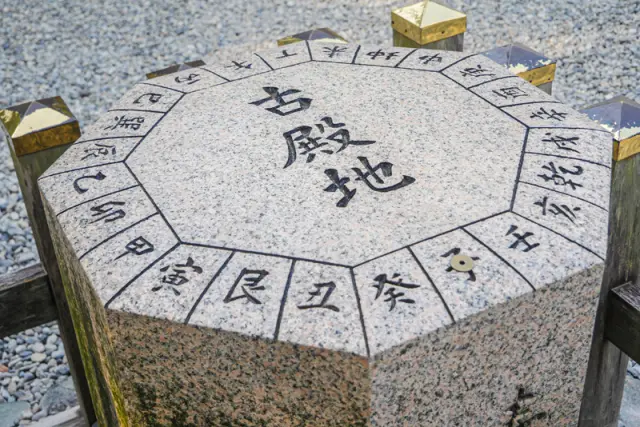
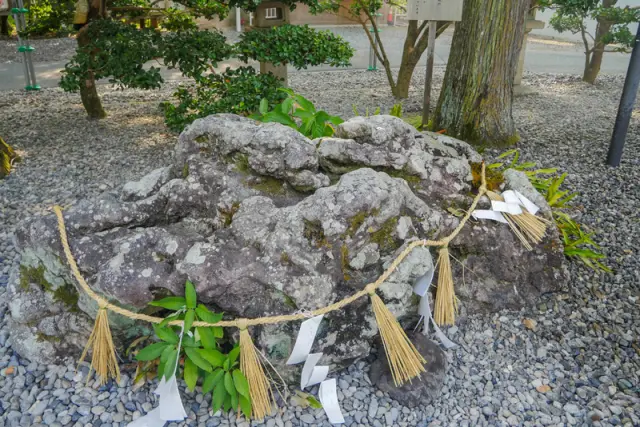
This architectural style, which differs from the forms commonly seen at most shrines, gives the entire shrine a distinct character. The grounds also have places worth seeing, such as the Direction Stone, Takara Stone, and Sarume Shrine. The Direction Stone is one of the features most closely associated with the shrine, giving physical form to the main deity's role in guiding people and providing a more tangible way to pray for good fortune.
Sarume Shrine, meanwhile, represents beliefs related to the performing arts and the repose of spirits, which showed me that even within the grounds of a single shrine, you can learn about different aspects of Japanese Shinto culture.
Overall, this isn't a particularly large shrine, but it has many details worth taking the time to observe. If you're not in a hurry, you can explore it slowly. It's not far from the Inner Shrine and Okage Yokocho area and can be reached on foot, so you can include them together in your itinerary and experience the character of this rare shrine in Ise that isn't affiliated with Ise Jingu. -