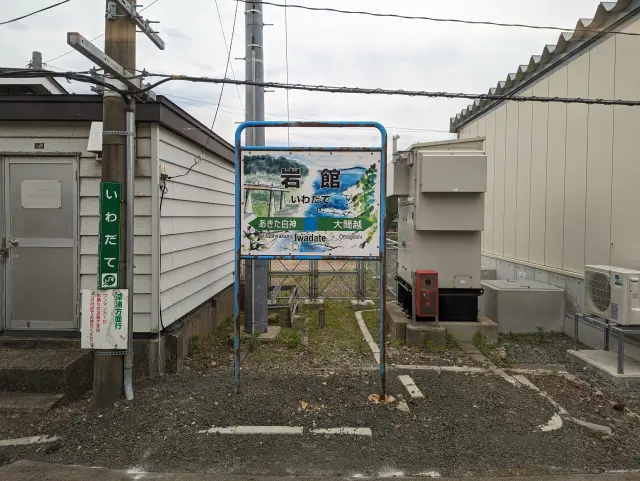
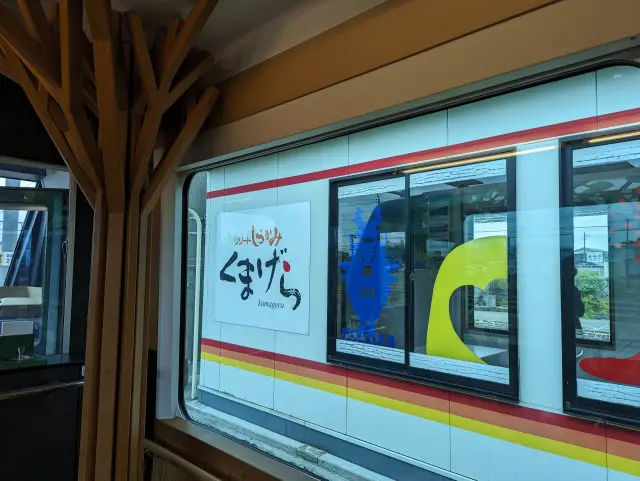
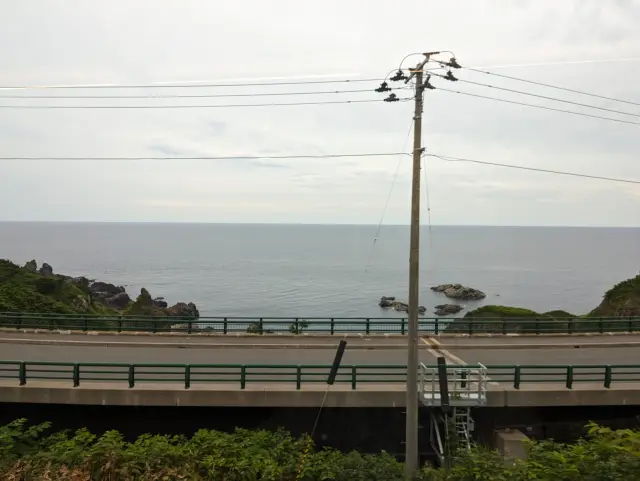
The Gono Line, which runs along the Sea of Japan, is on the bucket list for many train enthusiasts. I rode it from Akita all the way to Hirosaki. The trip isn’t short, but for much of the ride you can see the Sea of Japan. At times, the train moves slowly right along the coast, with striking rock formations offshore that feel almost within reach. Other times, it passes through small fishing villages and forested mountains.
The scenery keeps changing the whole way, so even after several hours on the train, it never feels long.
Gono Line | Review by 金己田
Other Reviews by 金己田
-
Kimono Forest
The plaza is located in the corner of "Arashiyama Station Hannari Hokkori Square." Six hundred brightly colored poles decorated with Kyoto-Yuzen designs line the square.
When visiting Arashiyama, besides the classic sights like the bamboo grove and Togetsukyo Bridge, don’t forget to stop by the Kimono Forest at the Randen station on your way back.
Dozens of pillars decorated with kimono fabric are lined up together. When they’re lit up, the light shines through the fabric and creates beautiful shifts in color. You can visit without buying a train ticket. It doesn’t take long to see, but strolling through the glowing forest is the perfect ending to a day trip in Arashiyama. -
-
Koshu Hoto Kosaku Kofu Ekimae Branch
When visiting Yamanashi, one dish you absolutely must try is Hoto -a local specialty featuring thick, flat noodles simmered with plenty of vegetables in a rich miso-based broth. This beloved dish is said to have been favored by the legendary warlord Takeda Shingen during the Sengoku period.
It was my first time trying hoto. Overall, it tasted a bit like pork miso soup, with a broth that had a sweetness from the simmered vegetables.
The noodles were thicker than regular udon, with a firmer, chewy texture, and the portion was bigger than I expected. If you had a pot of hoto on a winter night, it would definitely warm you up fast! -
-
Kawatoyo Honten
Unagi (freshwater eel) has long been a beloved local specialty for Narita pilgrims visiting Naritasan Shinshoji Temple, dating back to the Edo period. Among Narita’s classic eel restaurants, Kawatoyo Honten stands out right on the approach to the temple. Founded in 1910, this long-established shop serves expertly selected eel-chosen by craftsmen with over 50 years of experience-as unaju (eel rice boxes), kabayaki, and shirayaki. Right at the entrance, you’ll spot chefs filleting, skewering, and grilling eel in front of you.
As soon as you arrive at Naritasan Omotesando, you can smell the aroma of grilled eel. Kawatoyo Honten always seems to draw the biggest crowd. At the entrance, you can watch the chefs prepare the eel right in front of you. There may be a wait during meal times, but watching their skilled, efficient technique makes the time fly by.
Once the fragrant grilled eel is served, adding a sprinkle of sansho pepper makes the eel rice even more delicious. The rice soaks up the rich sauce, and it’s so good you won’t want to stop eating! -