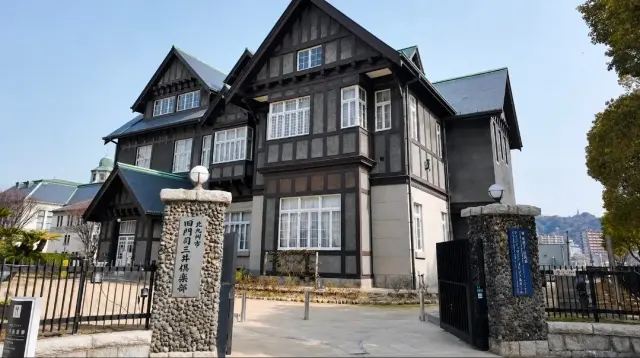
While strolling around Mojiko, I was unexpectedly drawn to this century-old Western-style building. The Former Moji Mitsui Club was built in 1921, and the entire building has a European feel. The dark wood paired with white window frames gives it an elegant look, and it looks great in every photo. It used to be a place where Mitsui Bussan entertained guests, and even Einstein stayed here when he visited Japan!
What I like most is that this old building doesn't feel overly commercial and just stands quietly on a street corner. Taking your time to walk around and look at it, it has more character than you'd expect. When you visit Mojiko, don't just focus on taking pictures of the harbor—this building is also worth stopping by.
Former Moji Mitsui Club | Review by 王小鈞
Other Reviews by 王小鈞
-
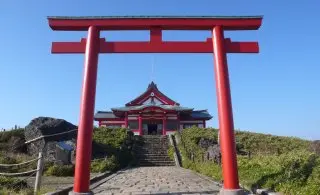
Hakone Motomiya
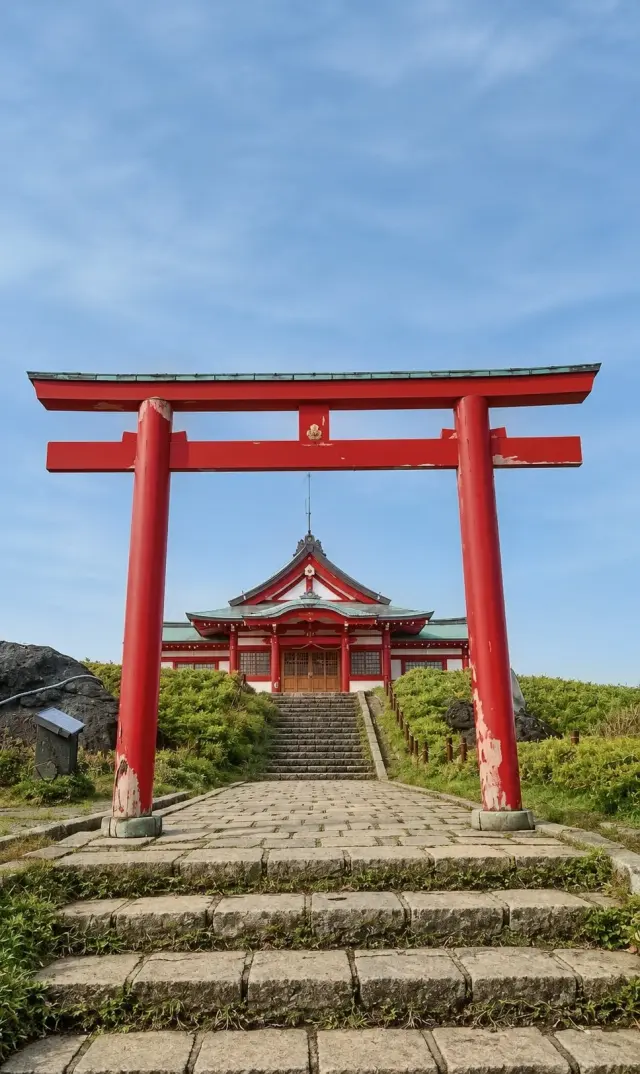
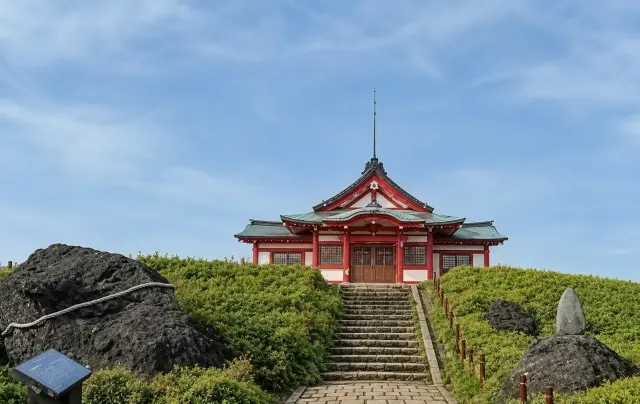
Mount Komagatake has been a site of mountain worship for about 2,400 years, venerating the sacred Mount Kamiyama to the north as the object of worship. Hakone Motomiya, situated at the summit of Mount Komagatake at an elevation of 1,356 meters, serves as the inner shrine of Hakone Shrine, which has been revered as "Hakone Gongen." Access to the summit of Mount Komagatake is available via the Komagatake Ropeway from the station inside "Hakone-en" on the shores of Lake Ashi.
On this trip to Hakone, I made a special visit to Hakone Motomiya at the summit of Mount Komagatake, and I really felt it was worth visiting!
I took the ropeway up the mountain, and after reaching the summit, the scenery before me felt very refreshing. Looking out, there were mountain ranges stretching in every direction, with expansive views and no tall buildings blocking the scenery. From the summit, you can fully enjoy the beauty of nature. The shrine stands quietly at the top of the mountain, and together with the surrounding mountain scenery, it has an especially peaceful feeling far removed from the hustle and bustle.
If the weather is good, you may also be able to see Mount Fuji in the distance from the ropeway or around the shrine, which is another major attraction here!
However, the temperature at the summit is noticeably lower than at the base, and it’s also windier. Remember to bring a jacket so the cold wind doesn’t become unbearable.
When visiting Hakone, in addition to soaking in the hot springs and exploring the hot spring town, I also recommend adding this attraction to your itinerary. Take the ropeway up the mountain and see a different side of Hakone. This trip was truly worth it!
-
-
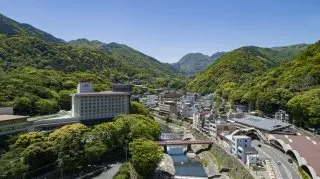
Hakone-Yumoto Onsen Hot Spring Village
Hakone-Yumoto Onsen Hot Spring Village is known as one of the seven hot springs in Hakone and the largest hot spring resort in Hakone.
We planned a 3-day, 2-night trip to Hakone, so of course we had to take a walk around Hakone-Yumoto, Hakone's liveliest hot spring district.
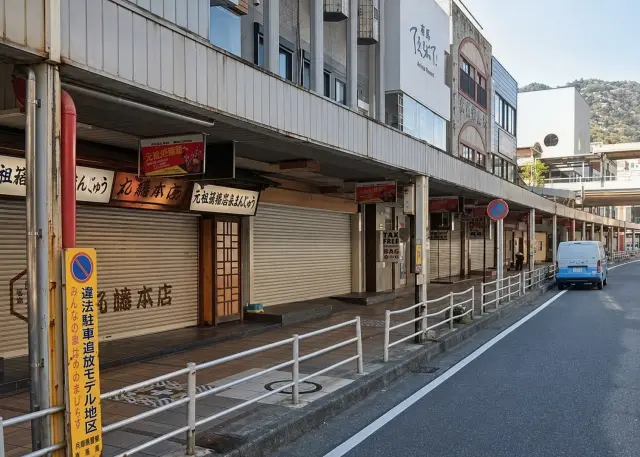
We arrived at Hakone-Yumoto Station early in the morning, thinking we could browse the shops and buy some souvenirs. Unexpectedly, it was still too early, and almost all the shops along the way were still closed. Many still had their shutters down, and the streets were much quieter than we had imagined.
Since there weren't many people yet, we took our time walking along the streets and looking at the shops and scenery on both sides. It really has the atmosphere of a hot spring town, with all kinds of restaurants, souvenir shops, and hot spring inns lining the streets.
Hakone-Yumoto is Hakone's largest hot spring district and a must-visit place when coming to Hakone. Since we're staying for 3 days and 2 nights, we can take our time and don't have to rush. We'll come back later to explore properly, enjoy some good food, and buy souvenirs!
-
-
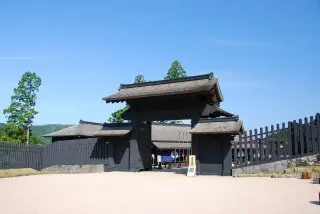
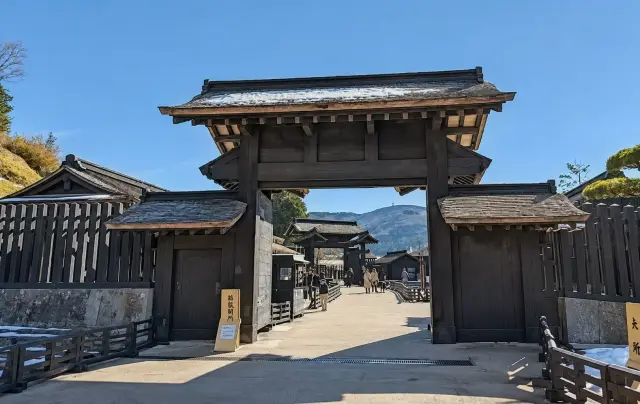
Hakone Sekisyo
After Ieyasu Tokugawa entered the Kanto region and established the Edo shogunate, the importance of the Tokaido highway connecting Edo and Kyoto increased, and it was necessary to strictly control the entry and exit of people to maintain the security of Edo.
If you have enough time while visiting Hakone, you can also stop by Hakone Sekisyo for a walk! After visiting in person, I felt that it had more of a historical atmosphere than I had expected. The entire checkpoint has been restored to look as it did during the Edo period. As you walk around, you can see the old-style buildings and imagine travelers being inspected here back then.
It was like a modern-day immigration checkpoint. At the time, it was mainly responsible for controlling the movement of people and inspecting the items travelers carried. If you secretly brought prohibited goods, you could be punished!
From a modern sightseeing perspective, it's an attraction reconstructed on a historical site. It doesn't take very long to walk around, and the site itself isn't particularly large.
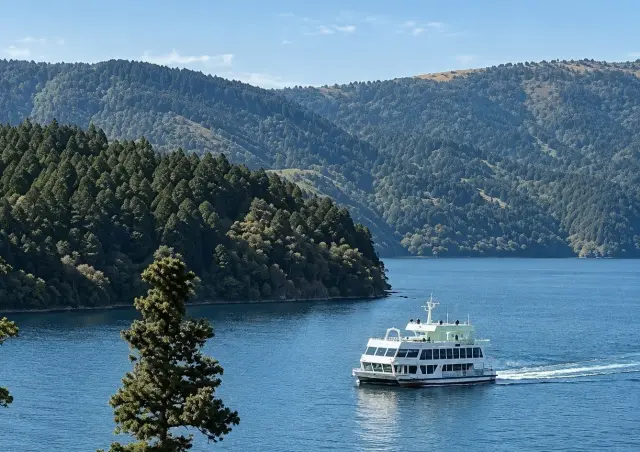
However, we had good weather that day, and it was quite pleasant to stroll around and look at the traditional buildings. There's also an observation deck with a nice view overlooking Lake Ashi!
Overall, if you're planning a trip to Hakone, you can stop by along the way. There's no need to spend a lot of time here—just think of it as a small attraction where you can take a relaxing walk and learn some history!
-