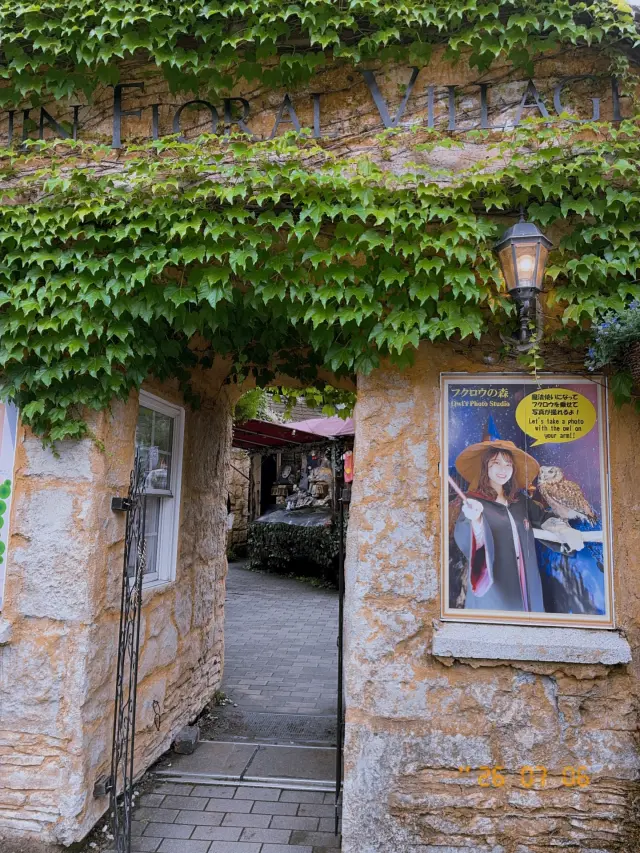
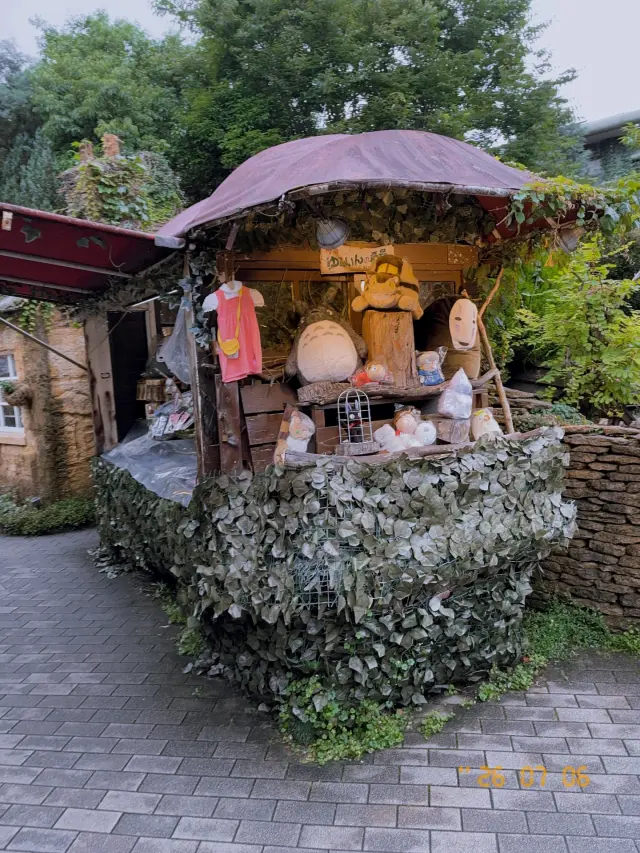
This time I visited Yufuin Floral Village, and it really had a fairytale-like atmosphere. There are many cute little shops and distinctive buildings in the park, with flowers and greenery lining both sides of the streets. Walking through it felt like being in a small European village. I saw so many delicate trinkets and souvenirs along the way that I couldn't stop taking pictures. It was very relaxing to stroll around leisurely and enjoy the scenery. It's an attraction in Yufuin that's well worth visiting.
Yufuin Floral Village | Review by 汪汪妮
Other Reviews by 汪汪妮
-
Mishima Skywalk
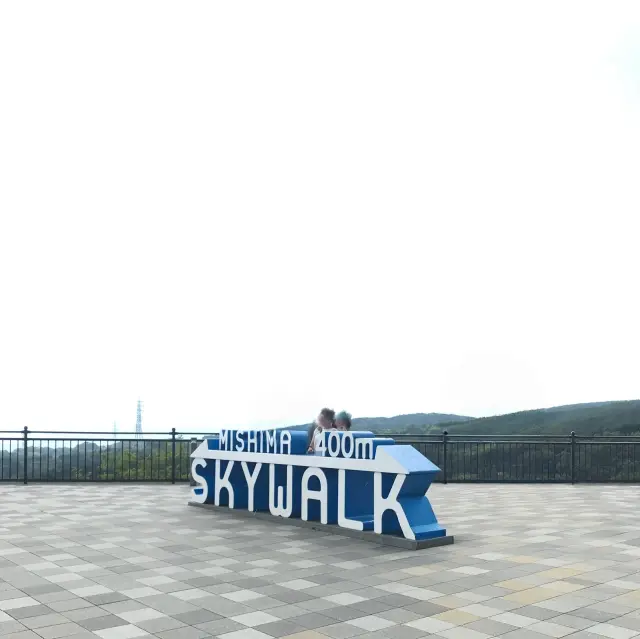
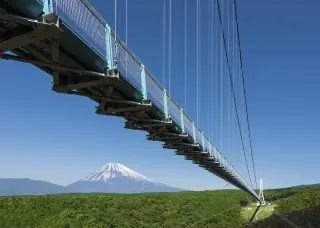
Opened in 2015, the 400m long suspension bridge is the longest pedestrian suspension bridge in Japan. It spans the Hakone Seiroku at an altitude of about 415 meters, with a drop of 70 meters. From the bridge, you can see Mt. Fuji, the highest mountain in Japan, and Suruga Bay, the deepest bay in Japan, so together with the longest suspension bridge in Japan, you can see the 3 tops of Japan from one place.
As you step onto Japan's longest pedestrian suspension bridge, Mishima Skywalk, you're greeted by breathtaking, unobstructed views in every direction. Walking across the 400-meter-long bridge, the gentle breeze brings a slightly thrilling swaying sensation. But when you look out at majestic Mt. Fuji and the blue waters of Suruga Bay, you instantly forget your fear and are left feeling deeply moved.
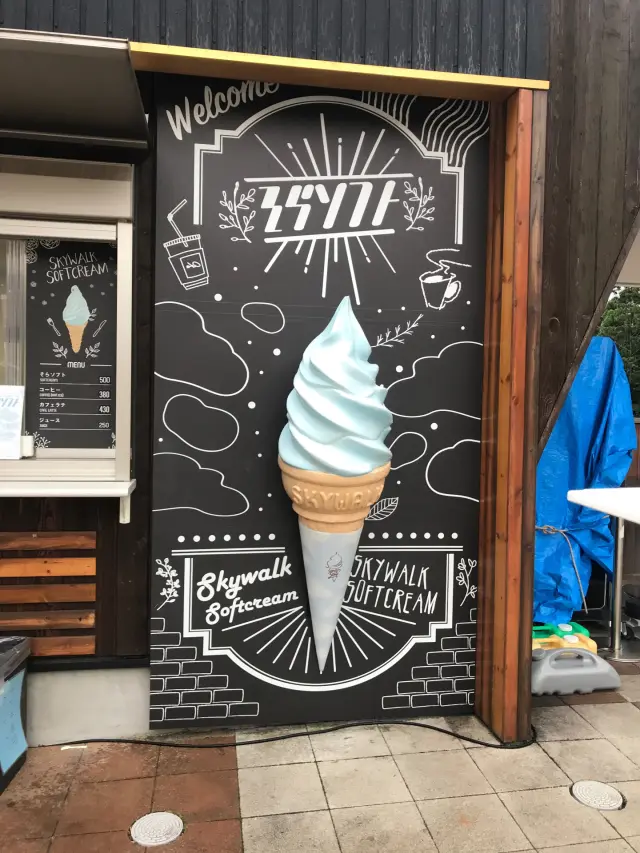
You definitely can't miss the extremely popular sky-blue soft serve (そらソフト)! Inspired by clear skies and seas of clouds, this soft serve has a dreamy “sky blue” appearance. Although it looks like it might be mint or some other unusual flavor, it's actually made with high-quality milk from farms at the foot of Mt. Fuji. It has a rich, fragrant milky flavor, a smooth texture, and a refreshing finish. With one bite, the rich milkiness and refreshing flavor blend together in your mouth, making it cool and delicious without feeling heavy. Not only is it tasty, but it's also the perfect photo prop for pictures with the magnificent suspension bridge and Mt. Fuji.
With mountains, water, and delicious food, this is definitely a wonderful place where you can completely relax both body and mind. -
-
Komachi Street
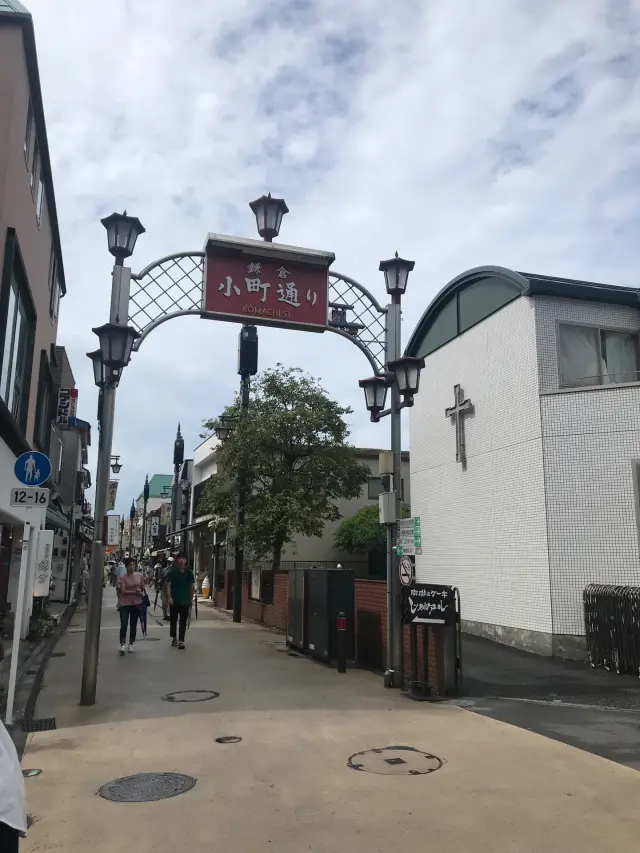
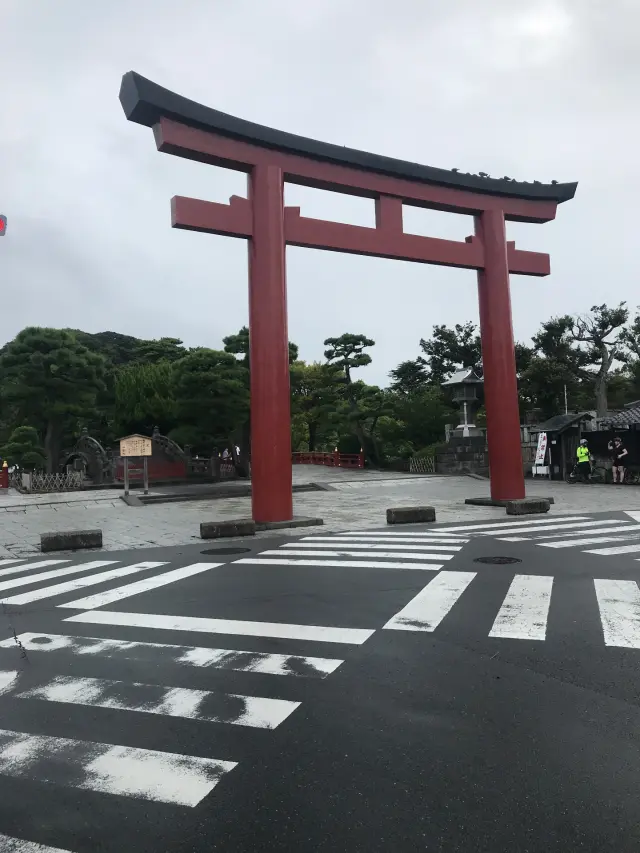
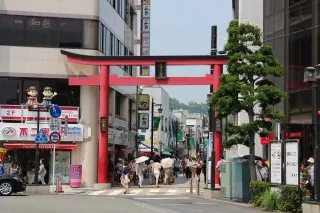
After exiting the East Exit of Kamakura Station, there is a 360-meter road heading north with a red torii gate at the entrance. Along the road are about 250 stores, including restaurants and souvenir shops for tourists, as well as stores that serve the daily needs of local residents.
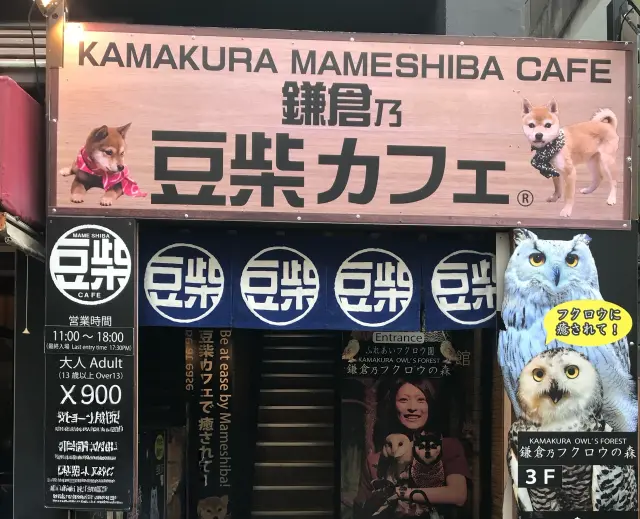
Starting from Kamakura Station, Komachi Street is lined with shops that are fun to browse, including unique souvenirs, inviting little stores, all kinds of snacks and desserts, and even a super cute Mameshiba Cafe! You can hardly walk a few steps without wanting to stop and take a look.
What I liked most was being able to browse and eat along the way. Whenever something caught my interest, I could just buy it and give it a try. There’s no need to plan a specific route—wandering around casually actually makes the trip more enjoyable. Although there are quite a few tourists and it can get a little crowded at times, the lively atmosphere also makes it really feel like you’re on vacation.
Komachi Street is best enjoyed at a slower pace, without rushing from one attraction to another. Stop and browse whenever you see something you like, buy a few souvenirs, have some snacks, and then slowly walk back to the station. This kind of leisurely itinerary felt very relaxing and became one of my favorite memories from my trip to Kamakura.
-
-
Tsurugaoka Hachimangu
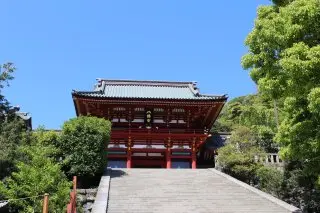
Tsurugaoka Hachimangu is the symbol of Kamakura, located in the heart of the city. It is frequented by many worshipers as a shrine related to Minamoto no Yorimoto, the founder of the Kamakura shogunate. The current main shrine, which was built in 1828, has been designated as an Important Cultural Asset of Japan.
Tsurugaoka Hachimangu is almost a must-visit when traveling to Kamakura. There are many shops along the walk from Kamakura Station, and you can already feel the strong atmosphere of the ancient capital before even reaching the shrine. Once you enter the approach, the view suddenly opens up. The greenery on both sides and the stately buildings make you slow down without even realizing it.
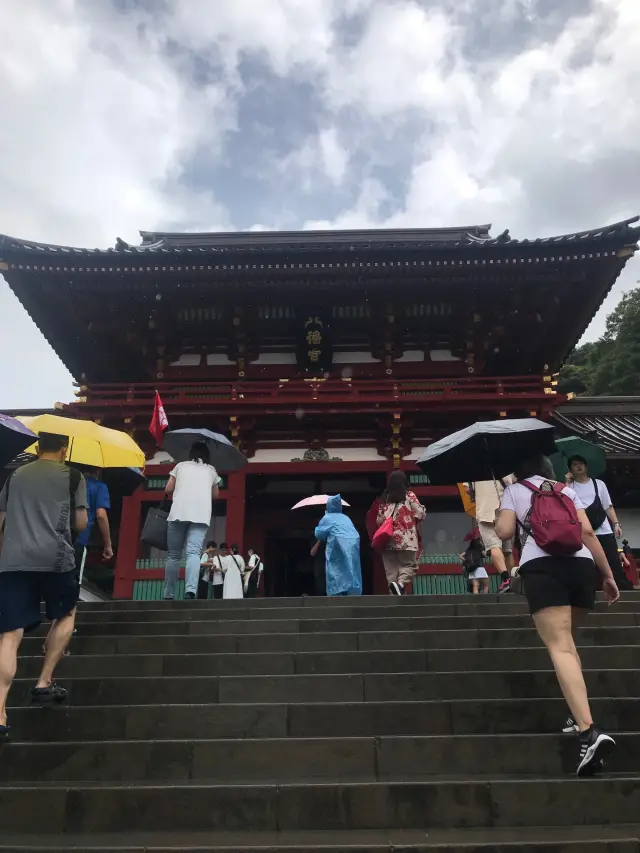
Tsurugaoka Hachimangu is deeply connected to Kamakura’s history and is an important symbol of samurai culture from the Kamakura period. Looking up from the bottom of the large stone steps leading to the main shrine, the whole scene is very impressive. The entire setting feels peaceful and pleasant. As you slowly walk around the grounds, you can also see places such as the Genpei Ponds and Maiden dance stage, and every corner is great for photos.
What I find most special about Tsurugaoka Hachimangu is that it’s not just about “seeing a shrine”—you can truly feel the history of the city of Kamakura. As you walk around, you can’t help imagining how this was once an important place for samurai activities hundreds of years ago. After visiting, heading back into the streets of Kamakura to eat and browse the small shops makes the whole trip even more enjoyable.
If you like Japan’s ancient capitals, historic architecture, or simply want a place where you can take a leisurely stroll, I highly recommend adding Tsurugaoka Hachimangu to your Kamakura itinerary. Rather than quickly taking photos and leaving, I prefer slowing down and walking around to experience the connection between this ancient shrine and the city of Kamakura.
-