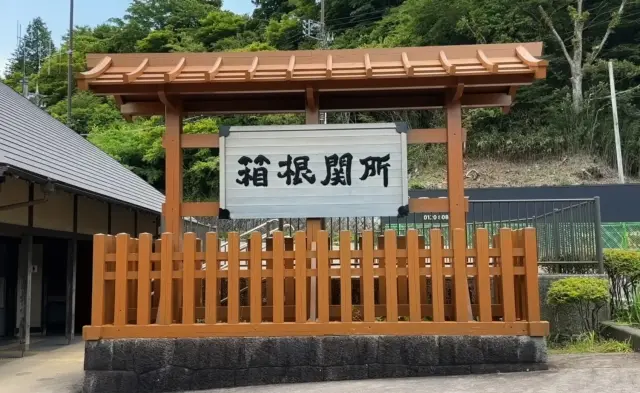
Hakone Sekisho feels like stepping into a page from an Edo-period history textbook! It was once an important checkpoint in Hakone, where the shogunate strictly inspected travelers, especially to prevent weapons and women from entering Edo. The buildings have now been restored to their original appearance, and you can climb up to the lookout post. The stairs take a bit of effort, but from the top you can take in sweeping views of Lake Ashi and the surrounding mountains. On a clear day, you can even spot Mount Fuji's white peak in the distance. Afterward, you can stroll along the lakeshore and visit the museum for a relaxing outing with a touch of history. It's easy to include on your itinerary and highly recommended for anyone who enjoys historic sites!
Hakone Sekisyo | Review by wendy
Other Reviews by wendy
-
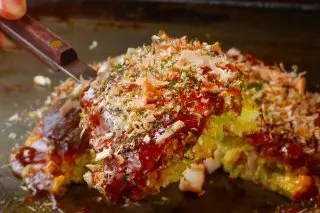
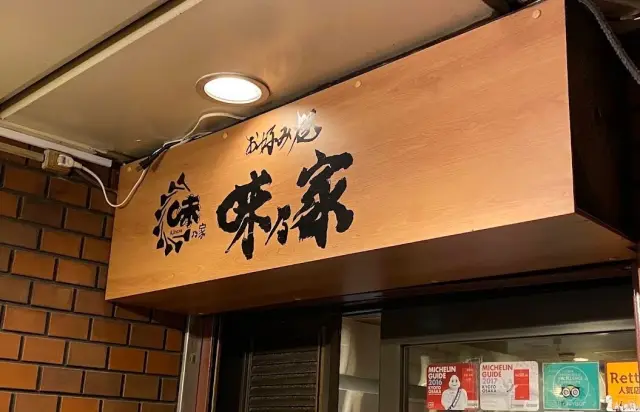
Ajinoya Honten
"Okonomiyaki," made by mixing cabbage with flour and eggs and then grilling it, is one of Osaka's iconic soul foods. It is typically topped with sauce and mayonnaise and enjoyed hot. Osaka boasts over 1,000 specialty okonomiyaki restaurants, each offering its unique twist on this beloved dish. Among these, "Ajinoya Honten" stands out as a consistently busy and popular spot, always attracting long lines.
When traveling to Osaka, you definitely can’t miss the extremely popular okonomiyaki restaurant Ajinoya Honten! Their okonomiyaki is made with plenty of domestically grown cabbage, and just thinking about it makes my mouth water! We went before the usual mealtime, but there was already a huge line outside. We waited for over an hour before finally getting a table. Its popularity is no joke!
My sincere advice: Make a reservation in advance! The reservation fee is absolutely worth paying! When your reservation time arrives, you can go straight inside without waiting in the walk-in line, saving you a ton of time. It’s really worth it!
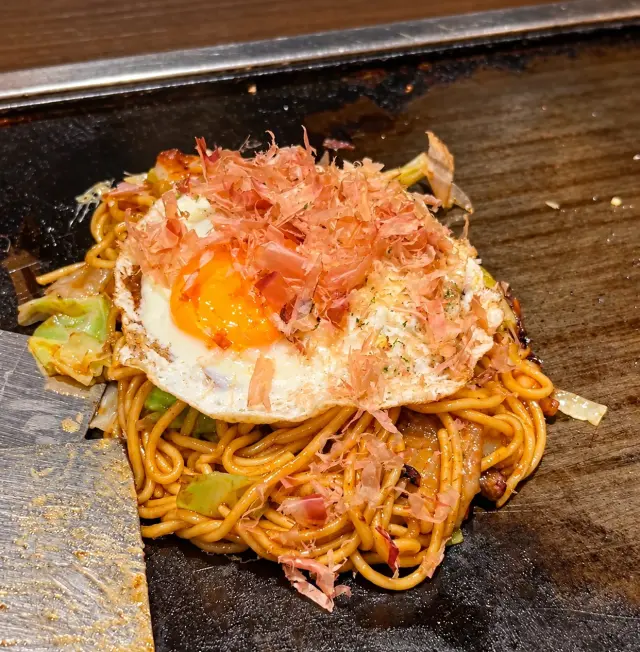
This time, we ordered the okonomiyaki set, and every dish was satisfying. The teppan-fried noodles were especially good, with a wonderful aroma and rich sauce. The noodles smelled so good sizzling on the griddle, and I couldn’t stop eating them! Paired with piping-hot okonomiyaki and a cold alcoholic drink, it was simply the perfect combination!
-
-
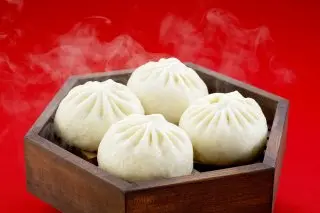
551HORAI Main store
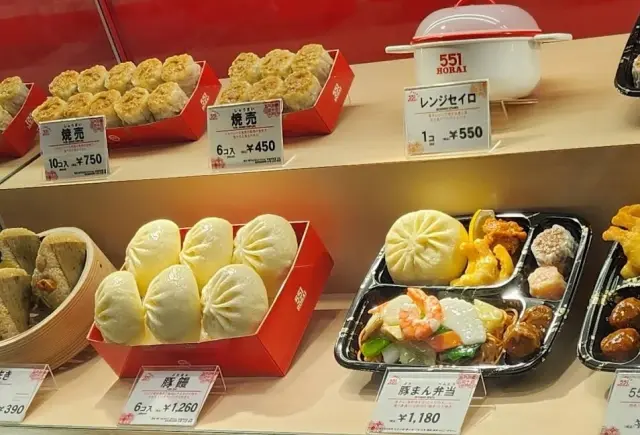
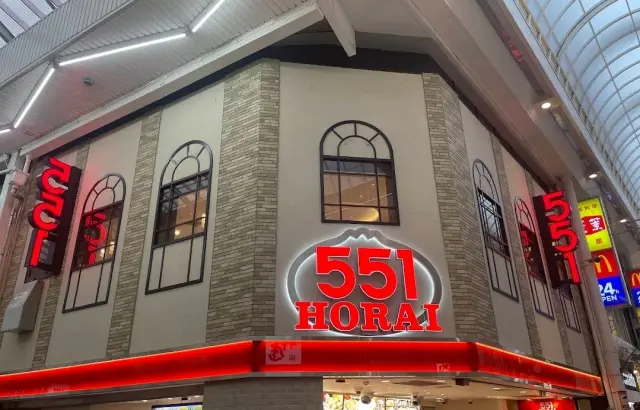
Founded in 1945, this Chinese restaurant is so famous in Osaka that there is no one who does not know about it. It is located in the Ebisubashi-suji shopping street of Namba in the middle of Minami, Osaka.
When you come to Osaka, you absolutely can’t miss 551 Horai’s pork buns, the soul food of the Kansai region! Every time I pass by the store, there’s always a line. Even if it means waiting a while, people are happy to do so for a taste of this delicious treat.
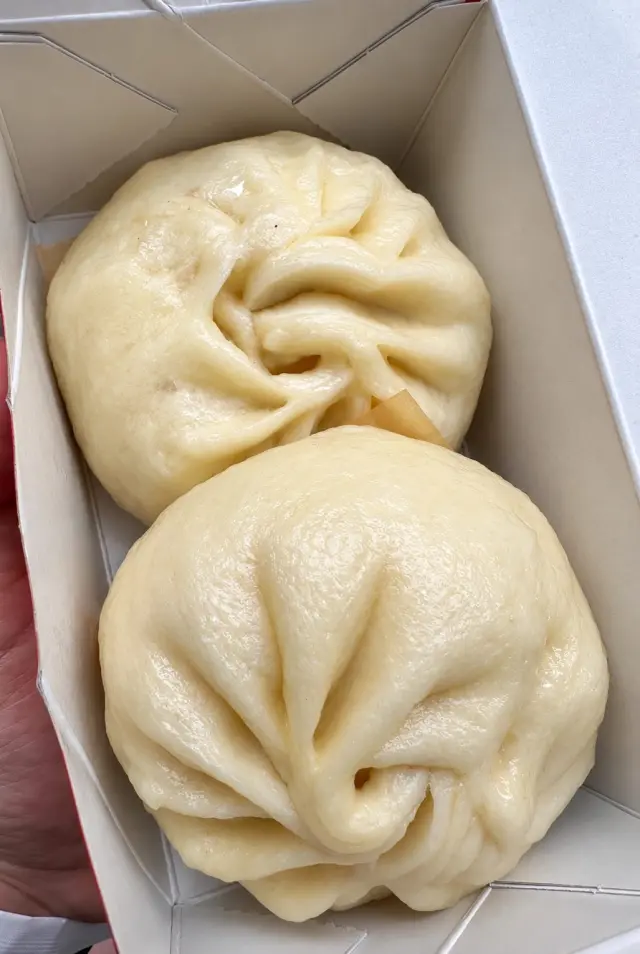
Fresh out of the steamer, the pork buns have a fluffy, soft exterior with a hint of sweetness. Inside, they’re filled with juicy, flavorful pork and onions. They’re meaty and piping hot, and with every bite, I like them even more!
This isn’t a flavor that ordinary convenience store food can replace. It’s a classic local favorite that Osaka residents know and love. They’re great whether you enjoy them yourself or take some home to share with family and friends.
-
-
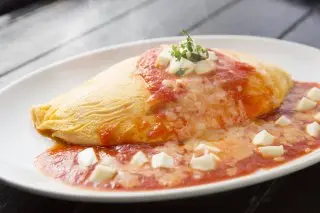
Nagaya Omurice Osaka Ekimae 3rd Building
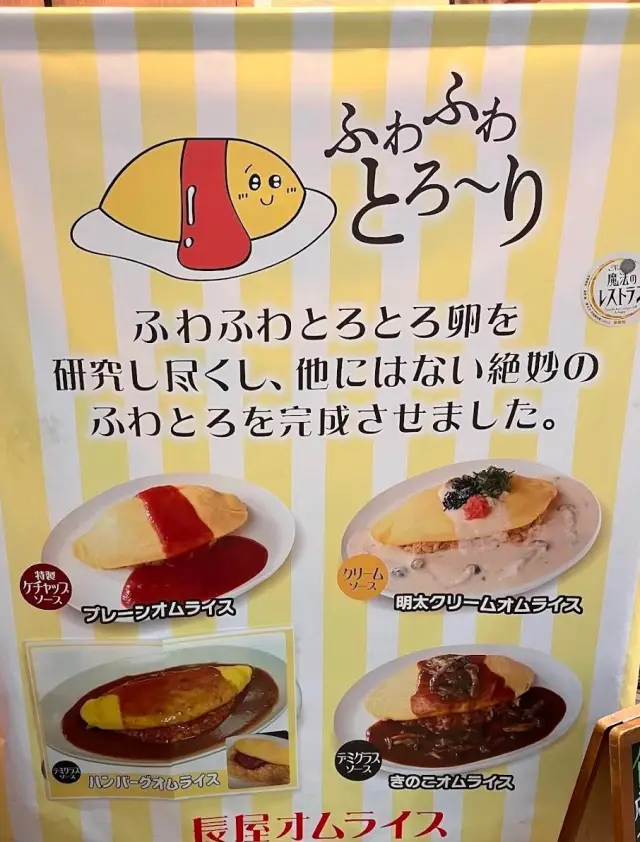
Located on the basement level 2 of Osaka Ekimae 3rd Building, surrounded by various dining establishments, Nagaya Omurice is a specialty restaurant known for its fluffy and creamy omurice. In October 2023, they expanded to Kobe, further establishing their popularity.
This time I visited Nagaya Omurice. The restaurant is bright and comfortable and specializes in tender, fluffy omurice. Just thinking about the fluffy egg paired with a rich sauce was enough to whet my appetite!
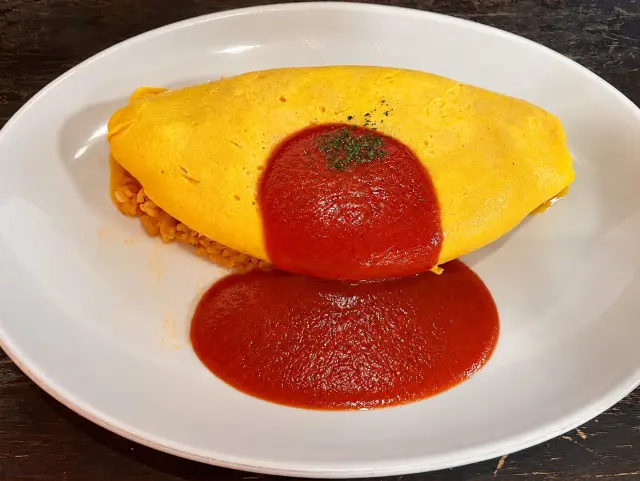
I ordered one of the restaurant’s signature dishes, the White Omurice (JPY 900). The egg was fluffy, soft, and delicate, paired with a generous amount of ketchup. Every bite had a familiar and comforting flavor. It’s a simple dish, but delicious and satisfying!
If you’re shopping around the Osaka Station area, consider stopping by for an affordable and delicious Japanese omurice to add another wonderful memory to your Osaka food trip!
-