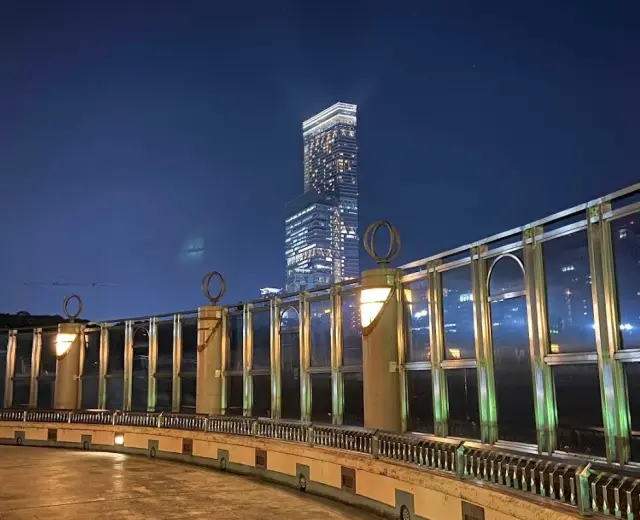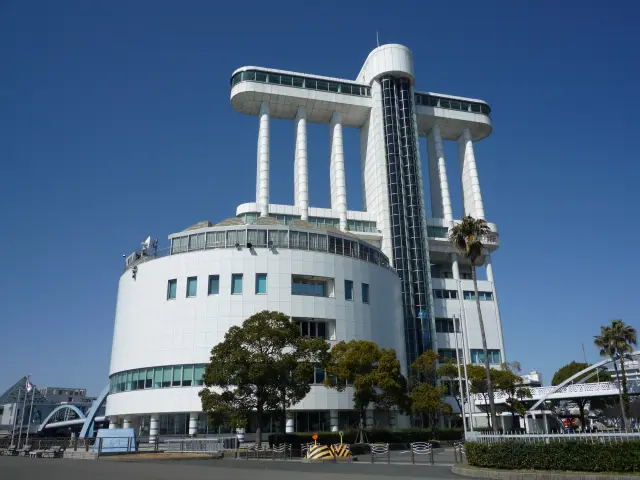
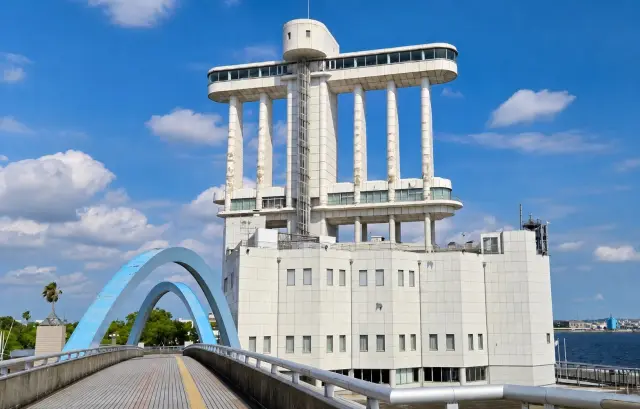
When visiting Nagoya Port, consider making time to explore the Nagoya Port Building. It's a landmark of Nagoya Port, with an observation deck and museum inside where you can take in views of the harbor from above. The surrounding area is spacious and great for a leisurely walk in the sea breeze. There are also air-conditioned areas and seats under the pier, so when you get tired, you can sit down with friends, chat, and quietly enjoy the ocean view. It feels especially relaxing. For a laid-back day trip, you can also visit the nearby maritime museum and other attractions without rushing, and comfortably enjoy the relaxed atmosphere of Nagoya Port.
Nagoya Port Building | Review by wendy
Other Reviews by wendy
-
Tennoji Park
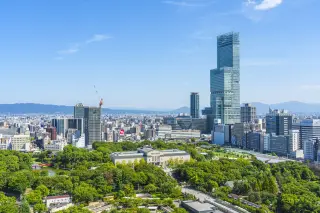
An urban park located just steps from Tennoji Station, one of Osaka’s major terminal stations. This historic park opened in 1909 on the former site of the 5th National Industrial Exhibition, which was held in 1903. Its vast 26-hectare grounds are home to a variety of attractions, including Tennoji Zoo.
When visiting Osaka’s Tennoji shopping district, besides shopping and enjoying the city views, don’t forget to stop by Tennoji Park and enjoy a relaxing break!
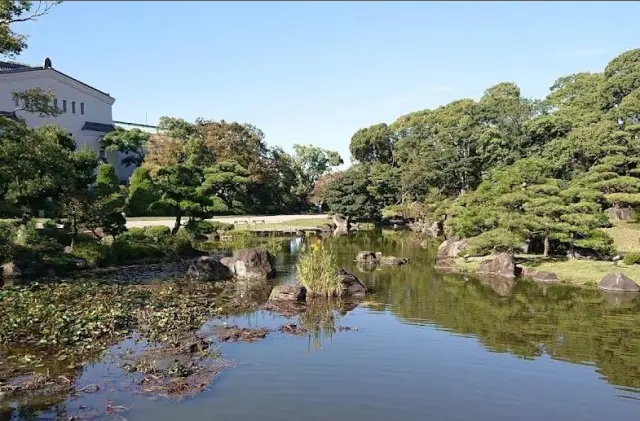
The park is spacious and lush, with charming scenery that changes with the seasons. In spring, you can admire delicate pink cherry blossoms; in summer, the lotus pond adds a colorful touch; in fall, you can enjoy the autumn leaves; and in winter, you might even encounter a silvery-white snowy landscape. Every season offers a different kind of natural beauty.
On weekends and holidays, you can also see many families picnicking and taking walks on the lawn, giving the whole park a relaxed and pleasant atmosphere. Even without any plans, simply strolling through the park and enjoying the scenery is a pleasure.
There are also plenty of attractions nearby. Tennoji Zoo is right next door, and you can head to the Abeno Harukas observation deck for views of downtown Osaka, then add nearby Tsutenkaku Tower to your itinerary. From natural scenery and animals to nighttime views from above, you can easily fill an entire day!
-
-
Tennoji Zoo
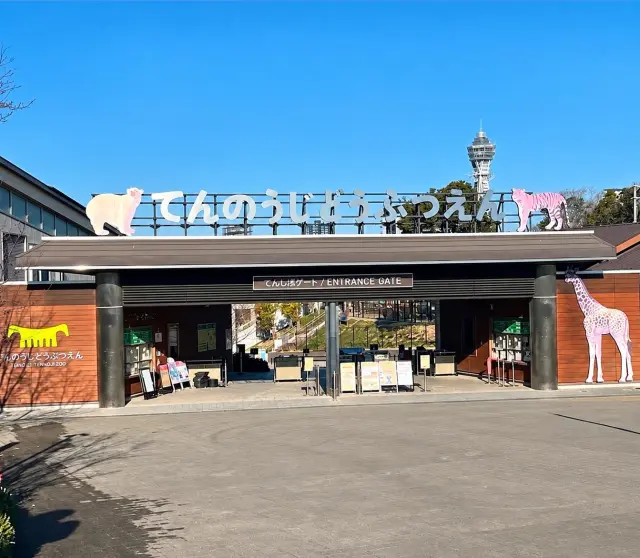
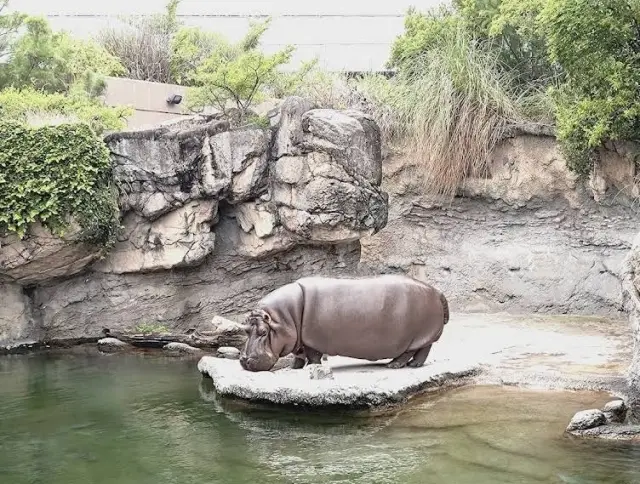
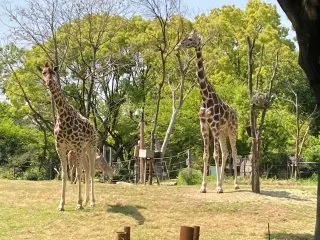
Tennoji Zoo opened on January 1st, 1915 and had its 100th anniversary in 2015. Almost 170 species and 1000 animals are kept in about 11 hectares of the zoo. In the reptile house, "Ifar," and in “African Savanna Zone” where hippopotamus, giraffes, and lions live, the ecological exhibition introduces reproduced scenery of animals’ habitats as closely as possible.
When visiting Osaka, after exploring Tsutenkaku, you can also stop by Tennoji Zoo! This long-established zoo has been open for over a century and is home to more than 1,000 animals from about 170 species. Animal lovers may want to add it to their itinerary. Admission is also free with an eligible Osaka Amazing Pass, which is a great deal.
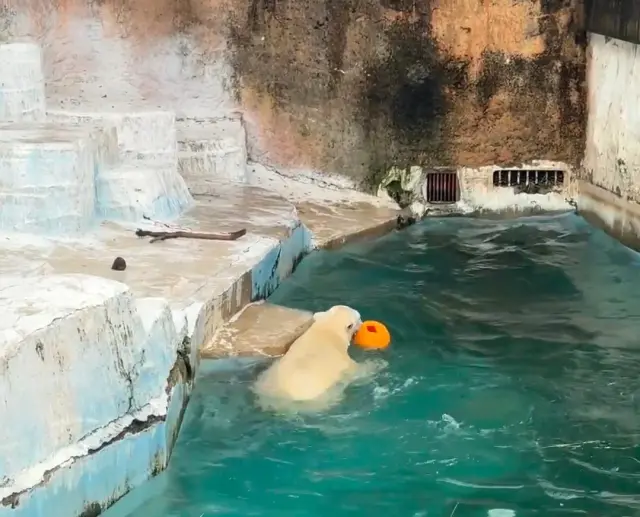
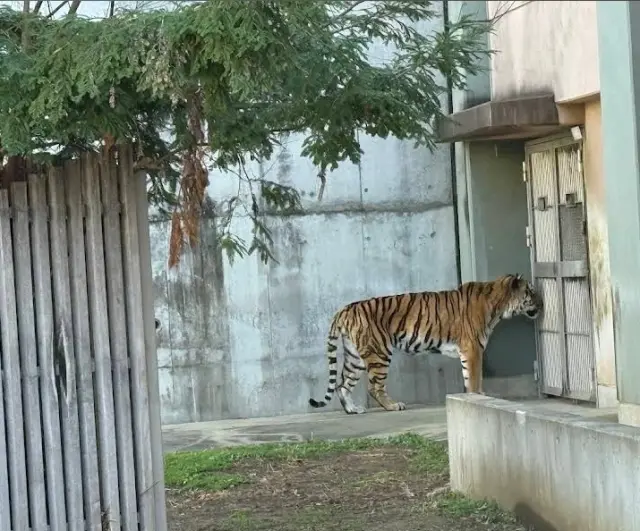
This time, I mainly came to see the polar bear and black panther! The black panther was sleeping, curled up in a ball with its face barely visible, so I could only quietly admire its sleeping pose. Fortunately, I did get to see the polar bear! However, its fur didn't look as white as I'd imagined, so it lacked a bit of the majestic presence of a ruler of the Arctic ice and snow. Instead, it looked kind of adorably goofy—the more I looked, the more it seemed like a silly bear.
The zoo isn't very large, but there are still quite a few animals to see. The lions, giraffes, hippos, raccoons, and others are all worth seeing, and kids will probably have a great time! You don't need to spend the whole day there, so it's easy to fit a zoo visit into your schedule.
-
-
Tsutenkaku Tower
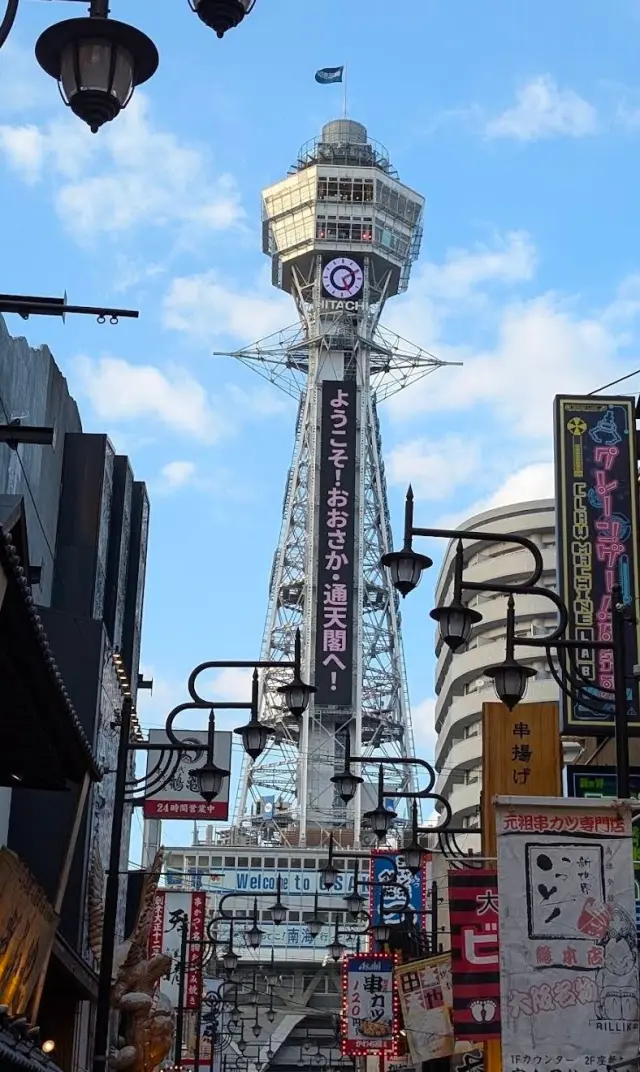
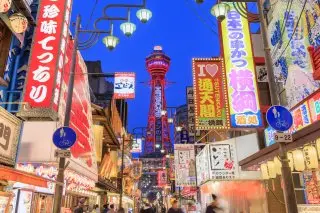
A steel tower which looks like the Eiffel Tower and 75 meters high was built In 1912, on top of a building which was the motif of the Arc de Triomphe, and named “Tsutenkaku” meaning “A building reaching the heaven'' by Nangaku Fujisawa, a Confucian in the early Meiji period. After being broken down due to a fire, citizens lobbied for rebuilding and the current 2nd Tsutenkaku was built in 1956.
Tsutenkaku Tower was inspired by the Eiffel Tower in Paris and is one of Osaka's most iconic observation towers. When visiting Osaka, be sure to make time to go up and enjoy the views of the city from above!
I most recommend visiting the observation deck around 6 p.m., so you can enjoy both the daytime cityscape and the dazzling night view as the lights gradually come on after sunset. As the sky slowly darkens, the city's lights come on one by one, creating a completely different and beautiful view that's truly worth seeing!
The observation area on the top floor is quite windy, but the view is very expansive, allowing you to take in the entire Osaka cityscape. It's hard not to take a few extra photos as keepsakes. There's also a very popular slide experience here that attracts many visitors who line up to try it. If you want to experience it, remember to buy your ticket early so you don't miss out!
After visiting Tsutenkaku Tower, you can also stop by the lively Shinsekai shopping street below to browse the distinctive signs and sample Osaka cuisine. From daytime views to the atmosphere of the streets at night, you can experience Osaka's unique charm all in one visit.
-