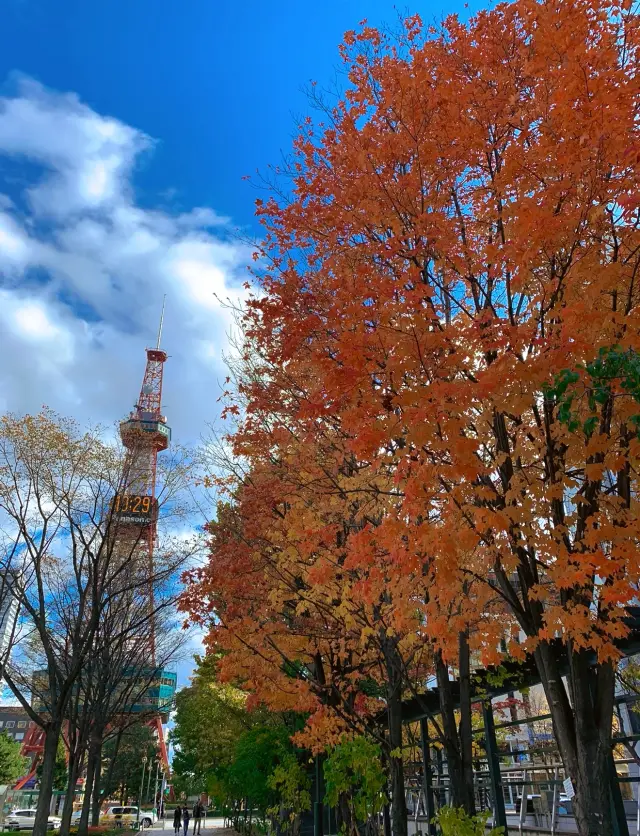
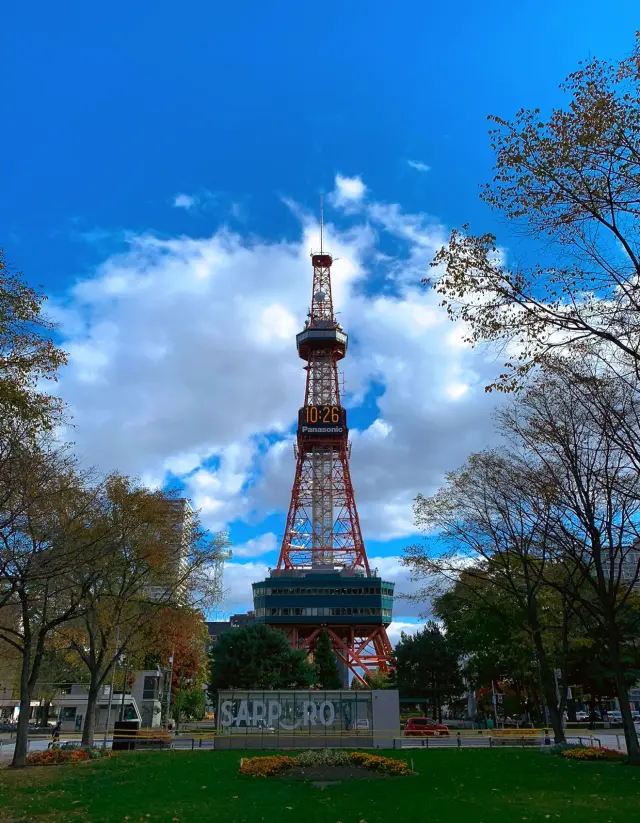
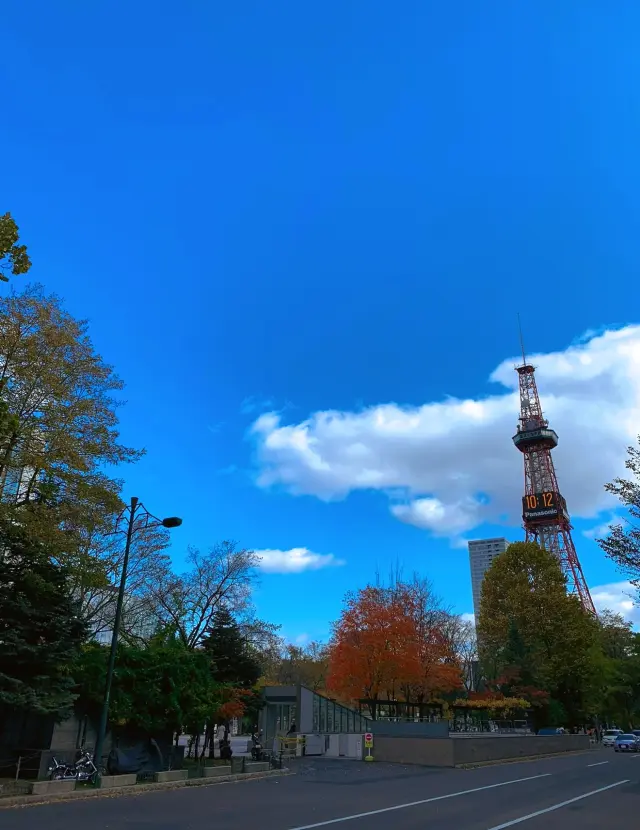
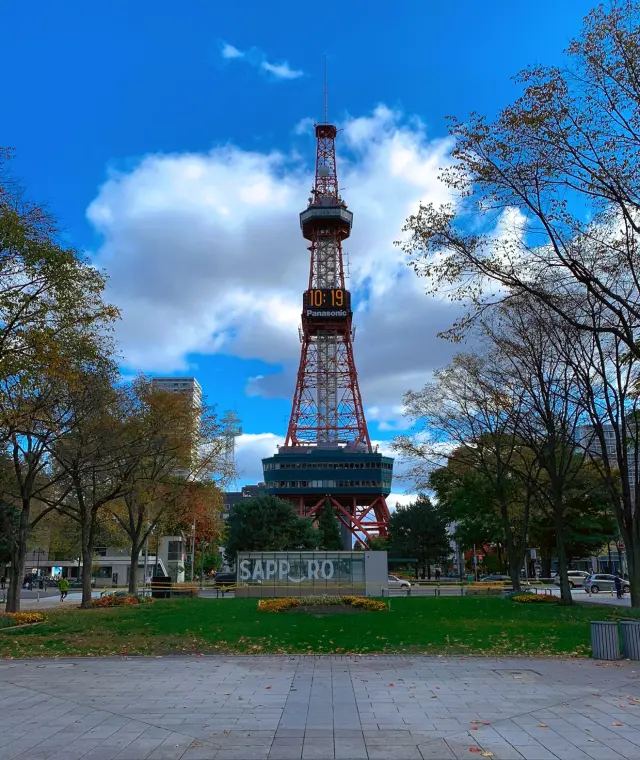
As soon as you walk into Odori Park, you can see the red Sapporo TV Tower standing tall against the blue sky and white clouds. It also has a brightly lit digital clock displaying the time, making it very distinctive. At this time of year, the leaves on the trees around the park have turned yellow and orange-red. With the red tower and blue sky, it looks good no matter how you photograph it.
Watching people come and go while taking a walk felt pretty relaxing. The area is very open, and there are also plenty of places nearby to explore at a leisurely pace. It's a great place to spend an afternoon walking around, taking photos, and enjoying the laid-back pace of downtown Sapporo.
However, the autumn wind is really quite cold. If you stay outside for too long, you'll be shivering nonstop. Be sure to wear a thick coat to stay warm so the cold doesn't become unbearable.
Sapporo TV Tower | Review by Jk
Other Reviews by Jk
-

Miyajima Omotesando Shopping Street
The most vibrant street on the island, the "Miyajima Omotesando Shopping Street" is lined with stores showcasing Miyajima's specialties. Spanning approximately 350 meters, this arcade street leading up to the grand torii gate of "Itsukushima Shrine" is packed with souvenir shops, stores offering local crafts, and eateries serving Miyajima gourmet delights. With a dense collection of stores offering souvenirs and local foods emblematic of Miyajima, it's recommended to stroll this shopping street first when you visit the island.
Miyajima Omotesando Shopping Street—the aroma of sizzling grilled oysters and the huge crowds completely overwhelm you! This covered arcade, stretching more than 300 meters, is the main hub for sampling great food and buying souvenirs on Miyajima. The roof protects you from both the sun and rain, while dozens of long-established local businesses and specialty shops line both sides. The air is filled with the aroma of charcoal-grilled seafood and the sweet scent of freshly baked momiji manju. As you stroll along and watch the shopkeepers enthusiastically call out to customers, you just can't stop eating!
-
-
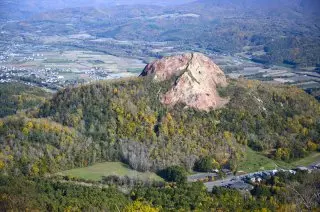
Mt. Showa-Shinzan
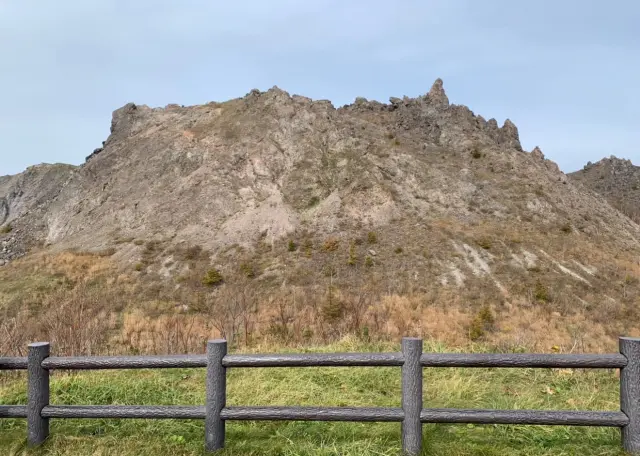
Showa Shinzan, in Shikotsu-Toya National Park, was once a wheat field that was uplifted by Mount Usu's volcanic eruption in 1943. Showa Shinzan is a volcano that has received worldwide attention for its status as a national special natural monument, one of Japan's top 100 geological sites, a Japanese Geopark, and a UNESCO World Geopark, among other things.
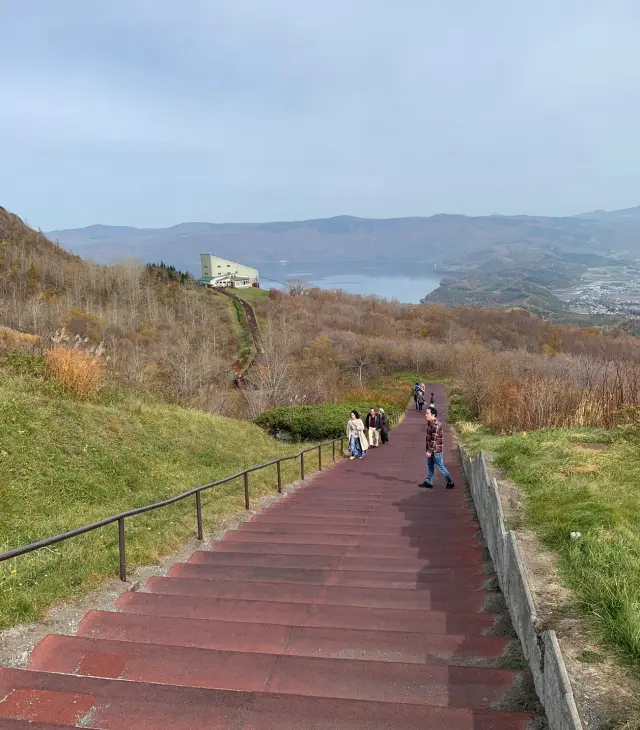
Even from far away, you can see a bare, dark red peak suddenly rising out of the vast green forest, with thick white steam constantly billowing from all around its slopes. This is the incredibly impressive Mt. Showa-Shinzan! The story behind this mountain is unbelievable. This area was originally just a flat wheat field, but during the Showa era, a series of powerful earthquakes and volcanic crustal activity caused magma underground to forcefully push up the surface. In just two years, it grew into an active volcanic lava dome nearly 400 meters tall. Looking up from the trail at the foot of the mountain, the rough reddish-brown rock face is completely barren. Up close, you can see white steam continuously hissing out from cracks in the rocks and even smell a faint hint of sulfur. Seeing the powerful vitality of the earth pulsing from within with your own eyes feels just like witnessing a miracle of nature!
-
-

Itsukushima Shrine
Itsukushima Shrine stands on the island of Itsukushima, which is also known as the island of gods. It is said that the shrine was founded in 593 by Saeki no Kuramoto, and the 3 goddess “Ichikishimahime-no-Mikoto,” “Tagorihime-no-Mikoto,” and “Tagitsuhime-no-Mikoto” are enshrined there. Famous for granting a wide list of benefits, these three goddesses as are worshipped as the goddesses of the sea, transportation, fortune, and art.
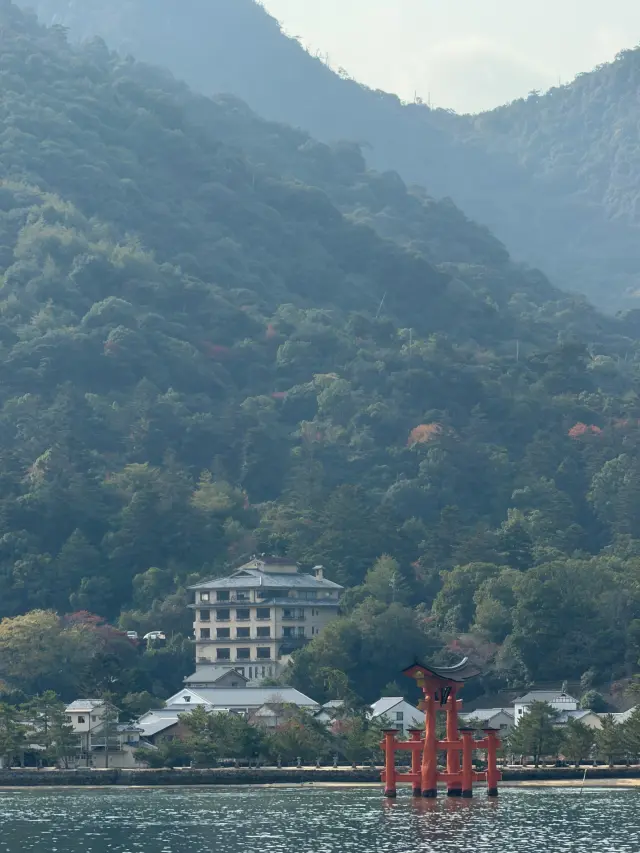
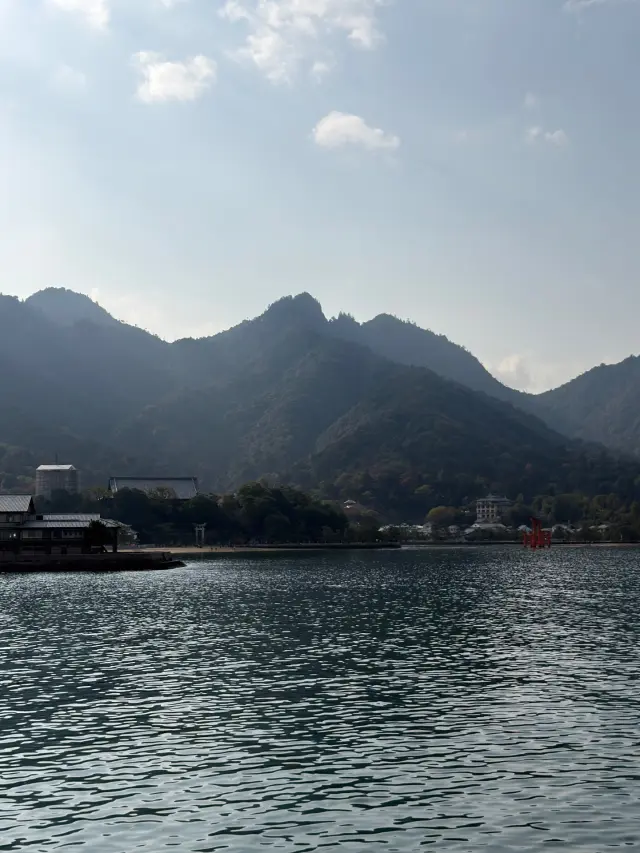
Seeing that huge red torii gate standing in the sea from afar really gives you goosebumps! This is the World Heritage Site Itsukushima Shrine, and the wildest part is that the entire shrine was built right on a beach where the tide comes and goes. It's incredibly unique!
At high tide, the seawater slowly rises, making the vermilion wooden corridors and shrine buildings look as if they're floating on the water. The red pillars are reflected in the blue sea, and every photo looks like a fairyland. At low tide, it's a completely different experience. Once the water recedes, the entire beach is exposed, and everyone can walk across the sand right underneath the huge torii gate. Looking up at those enormous camphorwood pillars, they're truly massive and spectacular up close. You can clearly see the barnacles and wood grain at the bottom—they're incredibly impressive!
Walking along the long wooden corridors with the cool sea breeze blowing toward you, you can even see the seawater flowing beneath your feet. You can often spot wild deer that aren't afraid of people leisurely wandering along the shore. They're incredibly adorable. -